- Articles
- Weapons
- Armor
- Armor for horses
- Emperor Armor
- Chivalry
- Chivalry
- Knights castle
- Knights tournament
- The Crusades
- Knightly Orders
- Knightly saddle
- Knightly motto
- Great Knights
- Price of armor
- Children's armor
- Castles and fortresses
- Museums of armor and weapons
- Coats of arms and heraldry
- Routes and excursions
- Guides


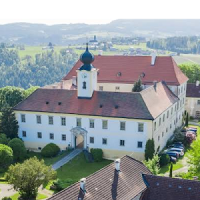
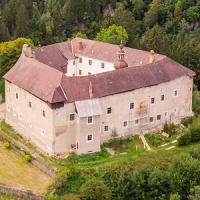

Rabi Castle
Hrad Rabí
Information on the website. Weekend: Information on the website
Adult - 180CZK, Children's (0-5) - Free, Children's (6-17) - 50CZK, Students - 140CZK, Pensioners - 140CZK
www.hrad-rabi.cz
Rabí 53, 342 01 Sušice, Plzeňský kraj, Česká republika
49.279211, 13.618535 View map
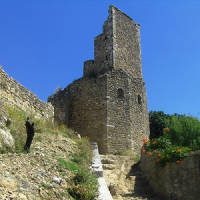
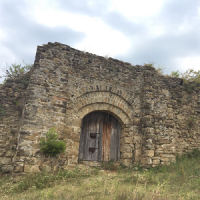
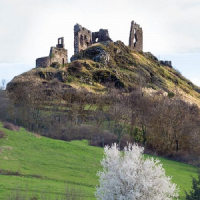
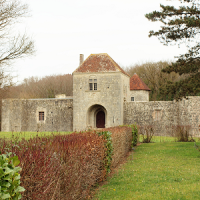
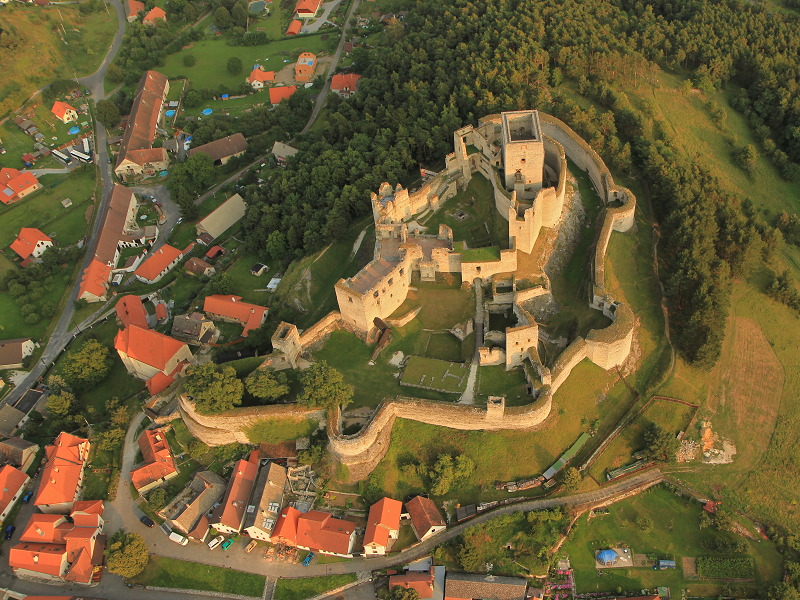
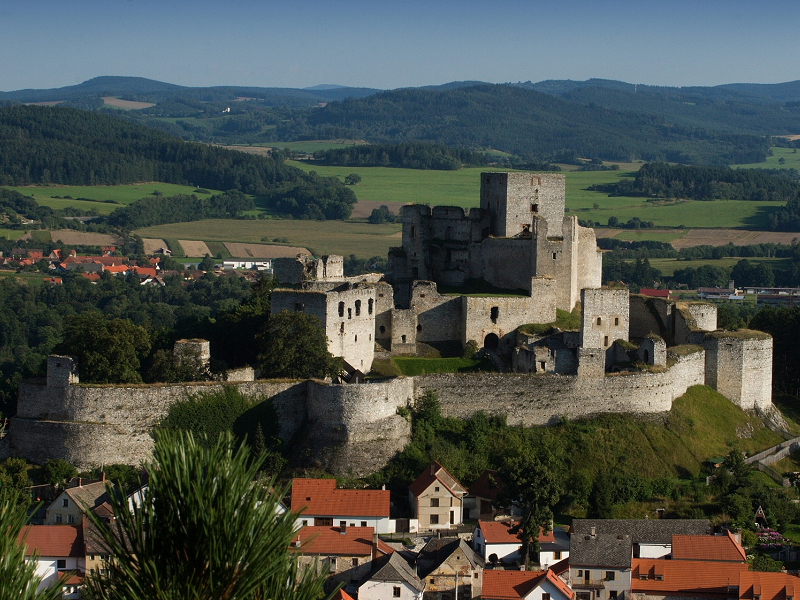
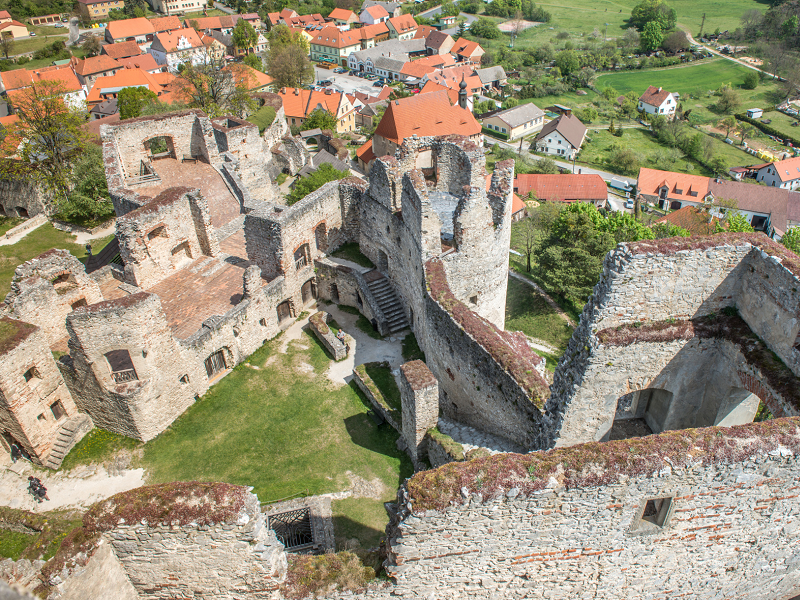
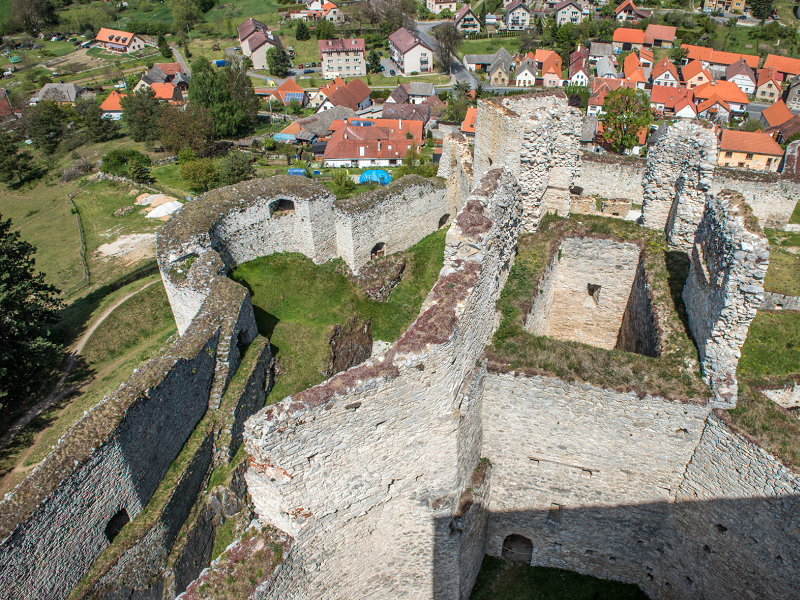
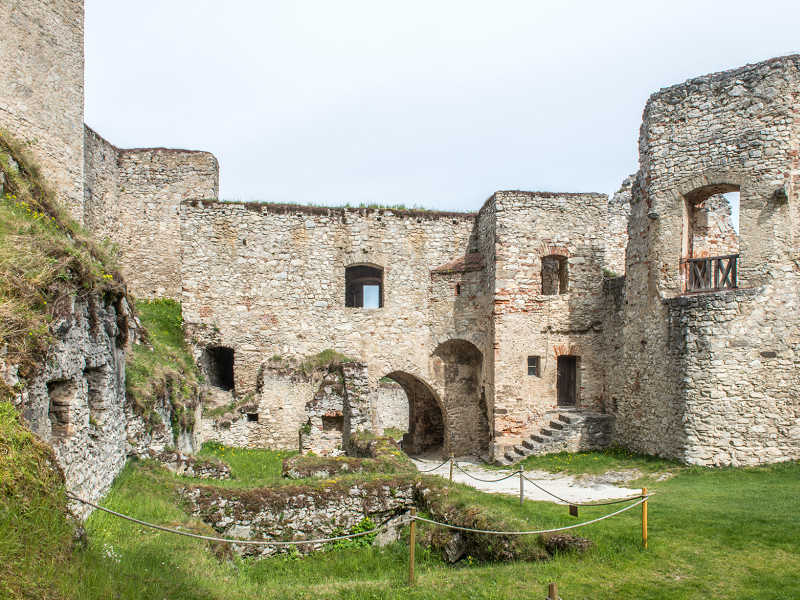
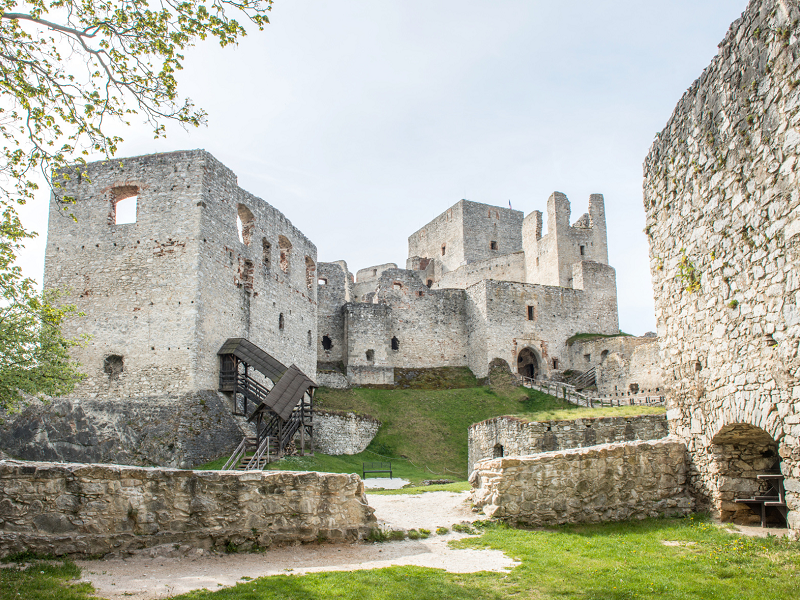
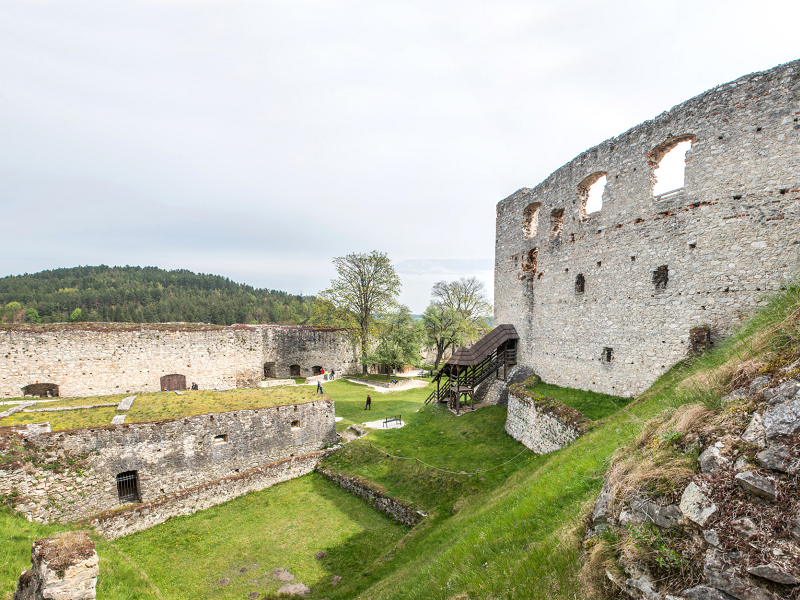
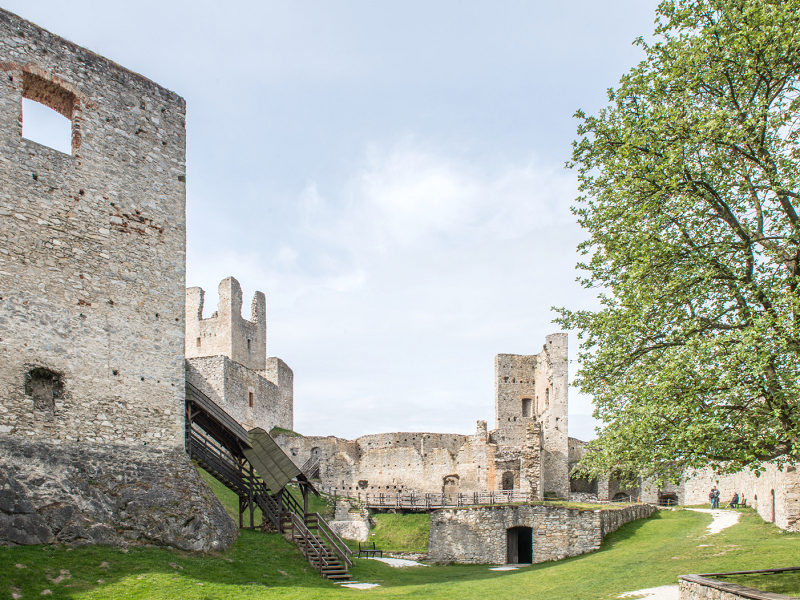
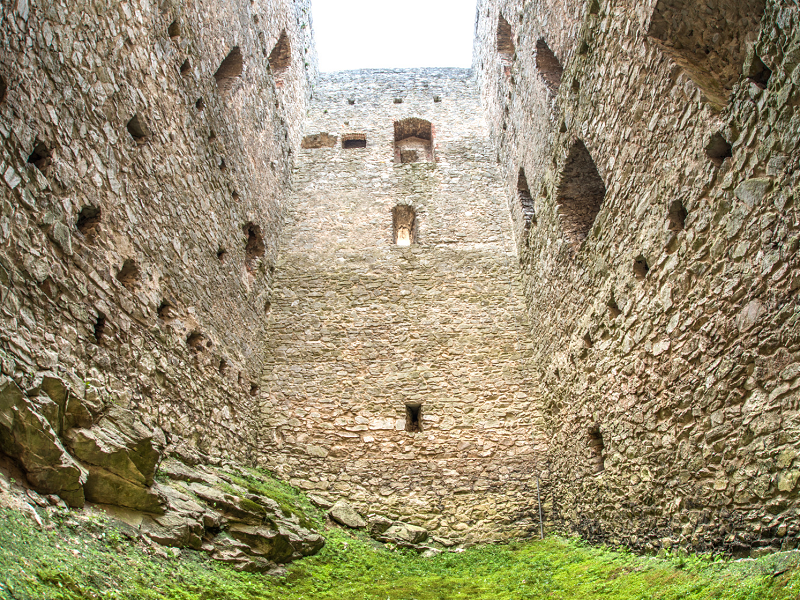
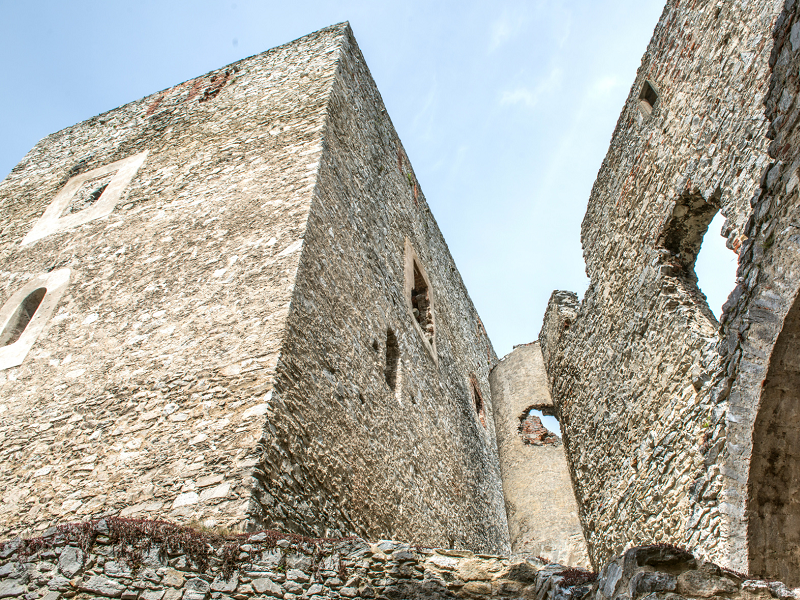
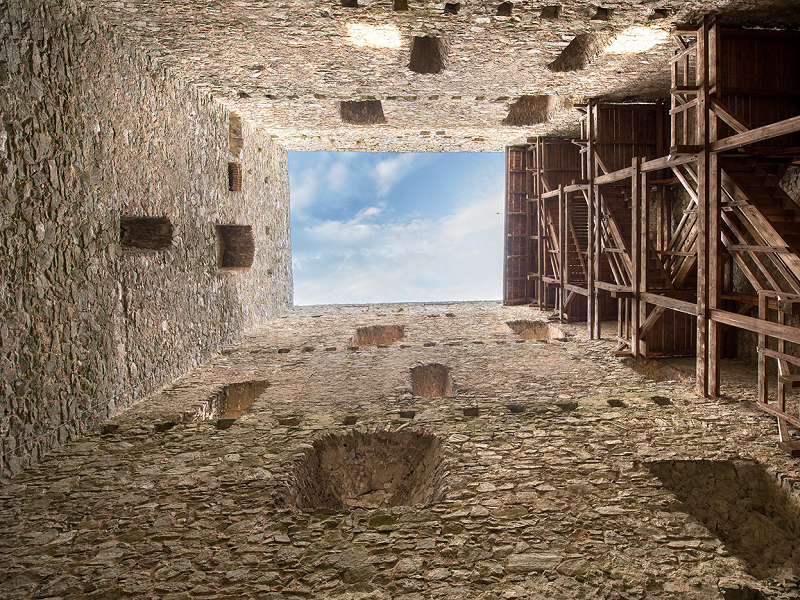
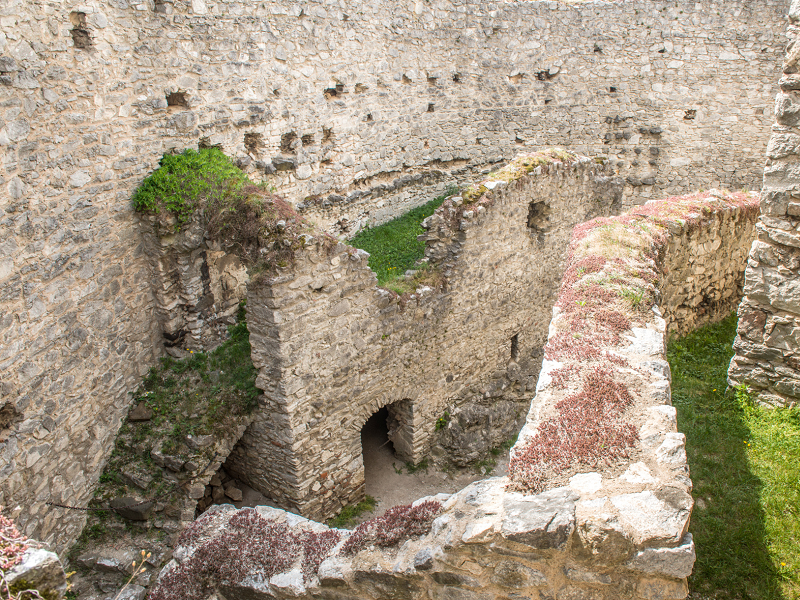
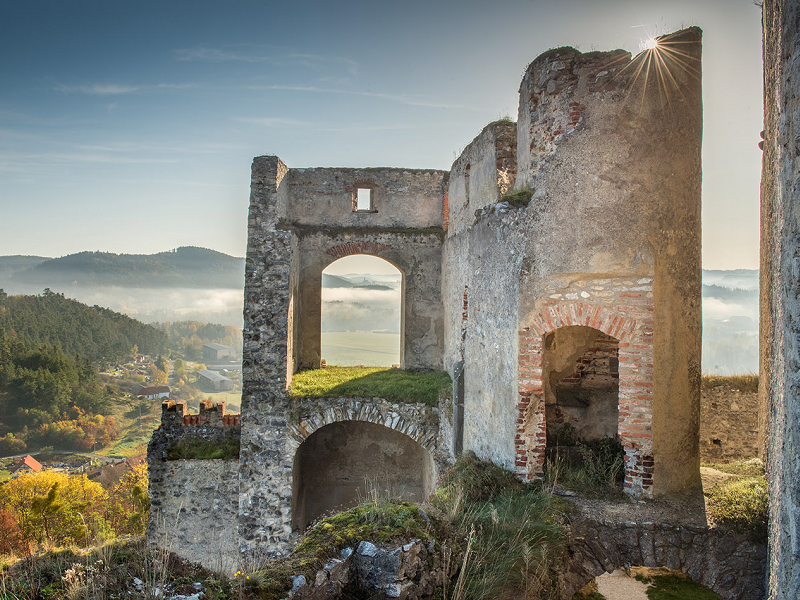
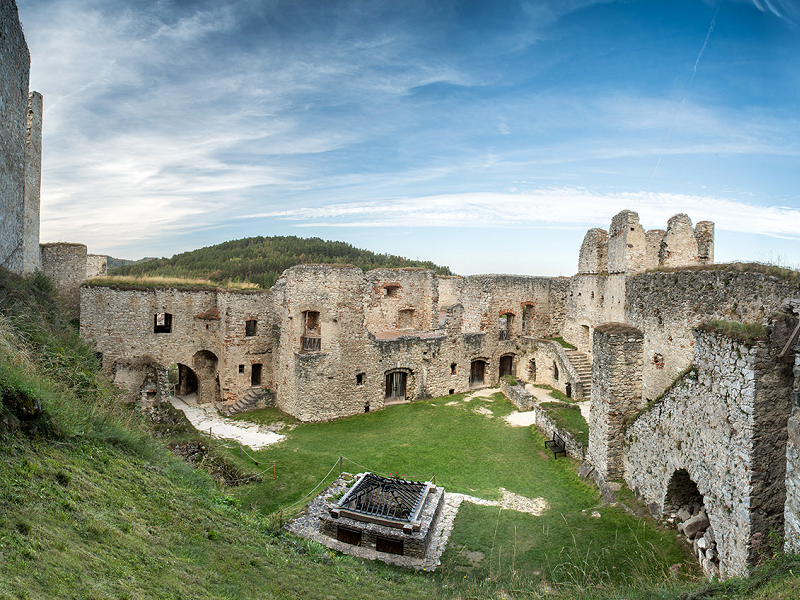
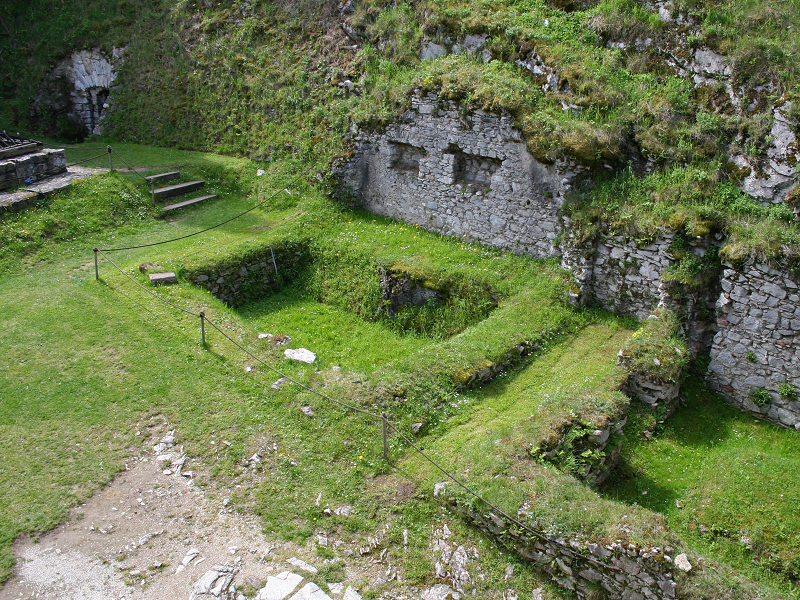
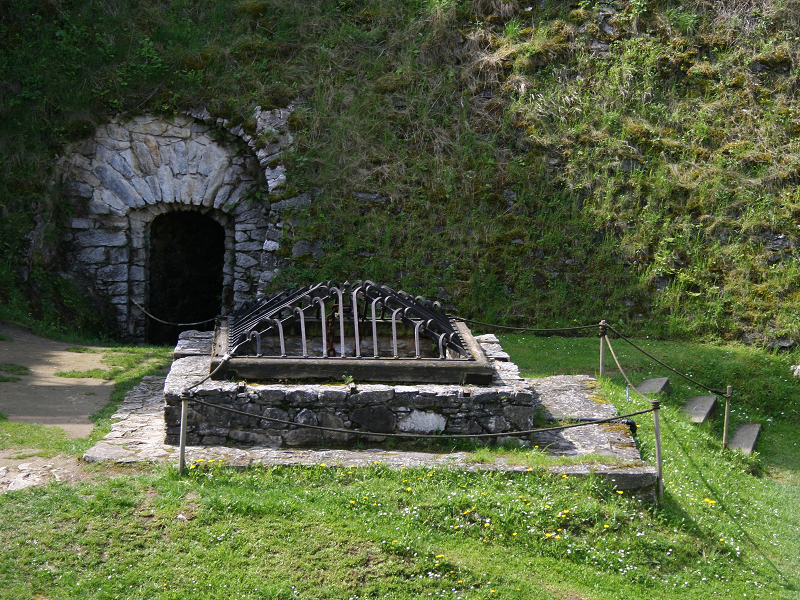
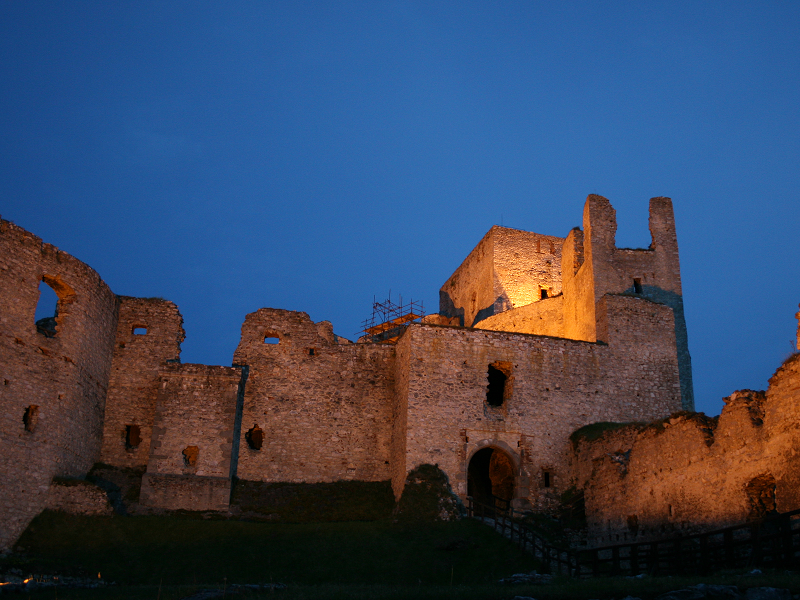
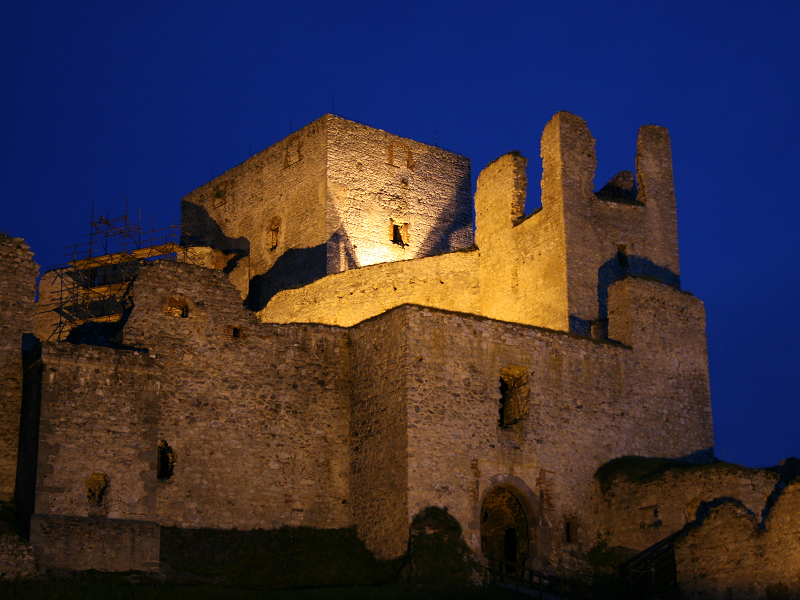
Rabi Castle - Hrad Rabí, Rabi, Plzen Region, Czech Republic.
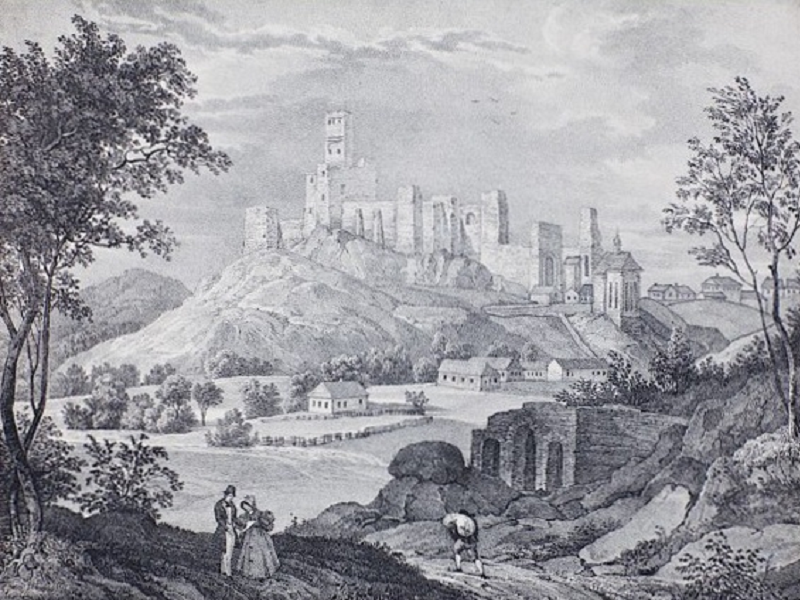
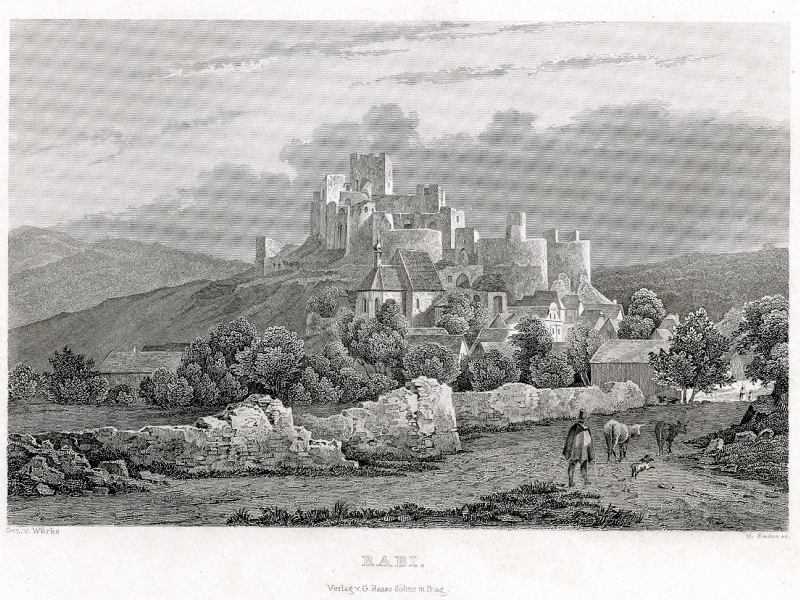
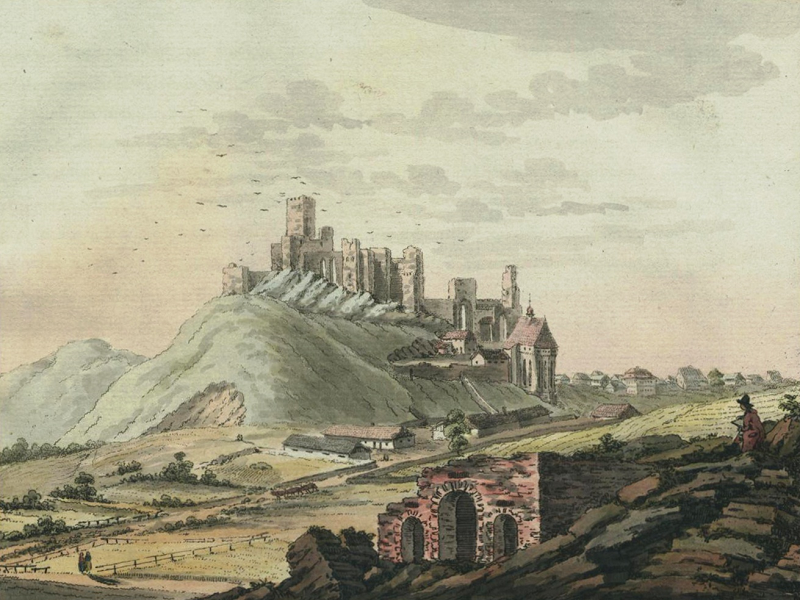
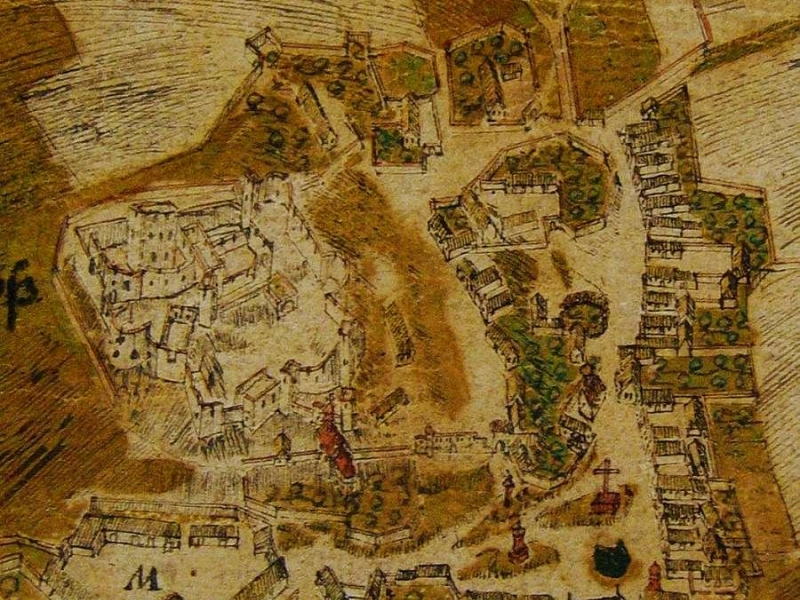
As for its history, the origins of Rabí Castle remain shrouded in mystery. It appears that the castle was founded by the Lords of Rýzmberk in the first half of the 14th century. Rabí became their ancestral seat while also serving various defensive functions in the Upper Otava region.
In the late 14th or early 15th century, the Lords of Rýzmberk expanded the original stronghold and bolstered their seat's defenses. Modifying the castle complex proved to be a very prudent move. Following the outbreak of armed conflict between the proponents and opponents of Jan Hus’s teachings, the Lords of Rýzmberk sided with King Sigismund of Luxembourg and actively opposed the Hussite movement. It is hardly surprising, then, that troops led by Jan Žižka of Trocnov besieged and captured the castle twice—in 1420 and 1421. However, the Hussite commander paid a high price for the second victory, as he lost his right eye outside the walls of Rabí. Although the Hussites caused significant damage to Rabí during the sieges, the owners received financial compensation for their loyalty to the "Red-Haired King," enabling them to restore the castle.
A prominent figure of the Rýzmberk family was Půta Švihovský (1450/1452–1504). This educated and cultured nobleman successfully advanced his career at the court of Vladislaus Jagiellon, serving as the Supreme Provincial Judge and undertaking diplomatic missions on the king's behalf. He also focused on his own estates, striving for their economic development and boosting revenues by founding towns. Půta’s name is also associated with the costly reconstruction of Rabí Castle, which gave the structure its Late Gothic character.
Following the death of Půta Švihovský of Rýzmberk in the early 16th century, the extensive family estate was divided among his sons. Although they held prominent positions at the royal court, a series of poor decisions led them into debt, forcing them to gradually sell off the Rýzmberk inheritance.
After the Lords of Rýzmberk, Rabí changed hands frequently (passing to owners such as Jindřich Kurcpach of Trachenburk, Diviš Malovec of Libějovice, Vilém of Rožmberk, and the Chanovský family of Dlouhá Ves); consequently, the estate's economic situation failed to improve, and the castle itself fell into disrepair. This deterioration was further exacerbated by the Thirty Years' War and the accompanying economic, demographic, and cultural decline.
In the early 18th century, Rabí was acquired by Johann Philipp, Cardinal von Lamberg, the Prince-Bishop of Passau. He also purchased the nearby estates of Žichovice and Žihobce, and the Lamberg family chose the more comfortable Baroque chateau in Žihobce as their residence. Rabí’s decline began the moment it ceased to serve as a residence. In the first half of the 18th century, the castle burned down, losing its roofs and wooden structures to the fire. Furthermore, during the latter half of the 18th century and the first third of the 19th, the unguarded castle grounds became a source of building materials for residents of the settlement below and the surrounding area.
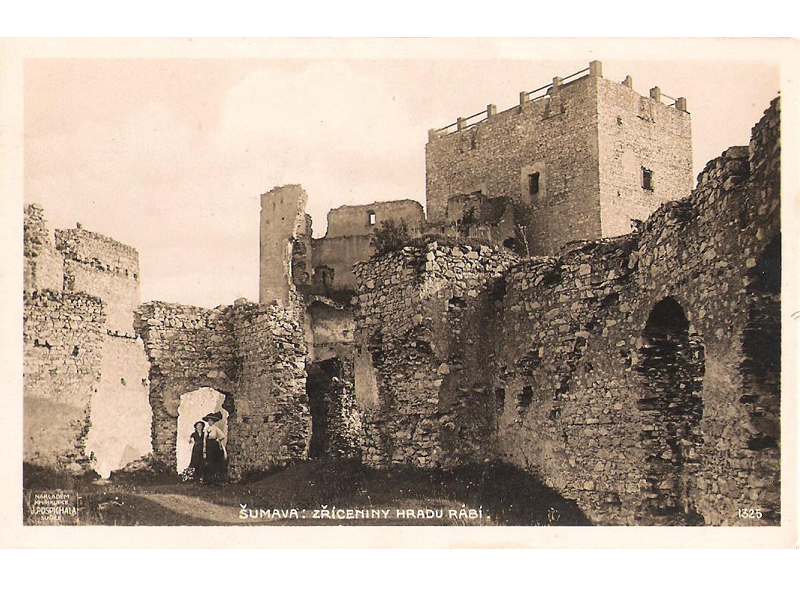
The first attempts to preserve and open the castle complex to the public emerged as early as the mid-19th century. The estate's owner at the time, Prince Gustav Joachim of Lamberg, had the entrance gate secured, a viewing platform installed atop the keep, and sections of the masonry repaired. Despite these efforts, the repairs covered only a small part of the complex; much of the masonry remained unsecured—to the dismay of the local residents, whose homes were constantly threatened by falling stones.
This unfortunate situation was finally resolved in the first quarter of the 20th century with the founding of the Association for the Preservation of Monuments in the Upper Otava Region in nearby Horažďovice. Members of the association undertook extensive preservation work and costly structural renovations on parts of the site, conducted minor archaeological surveys, established a small castle museum, and began organizing guided tours.
Rabí came under state administration in 1954, and in 1978, the castle was declared a National Cultural Monument. Rabí State Castle is currently administered by the National Heritage Institute, Regional Heritage Administration in České Budějovice.
7 okt 2026
0
0