
Maximilian I of Habsburg (March 22, 1459 – January 12, 1519), Holy Roman Emperor (February 4, 1508 – January 12, 1519), known as "The Last Knight" (Der letzte Ritter), played a key role in the history of knightly armor and tournaments at the turn of the Middle Ages and the Modern Age. He actively participated in tournaments, revived and modernized them, and became one of the greatest patrons of armor.
Participation in tournaments and their revival.
Maximilian passionately loved tournaments from his youth and participated in them into his old age. He saw them not only as sport and training, but also as a tool for propaganda, diplomacy, and the demonstration of the chivalric ideal in the age of gunpowder and mercenary armies. He organized major tournament events (for example, in Worms in 1495).
He personally fought against renowned knights such as Claude de Waldrey.
He introduced and popularized new forms of jousting.
"Freydal" (1512–1515), his main "tournament book" (255 miniatures), documents 64 tournaments in detail. In it, Maximilian (under the name Freydal) is shown victorious in various types of jousting: mounted spear duels (Rennen — military and Stechen — peaceful), foot combat, and masquerades (Mummereien). The book is an invaluable source on late medieval tournament culture, etiquette, and equipment. He claimed to have invented spectacular designs, such as the Geschifttartschen-Rennen ("exploding shield jousting"): upon impact, the opponent's shield would shoot upward and shatter into metal plates, creating a spectacular "fireworks display."
Contribution to the history of armor.
Maximilian was a great patron and patron of the finest European armorers. He founded and supported the imperial armory in Innsbruck (1504, under the direction of Konrad Seusenhofer).
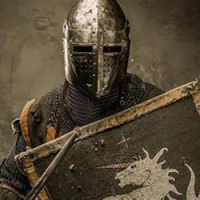
Maximilian armor (German: Maximiliansharnisch or Riefelharnisch - "ribbed armor") is a style of German plate armor of the early 16th century, named after Emperor Maximilian I (1459–1519). It represented the pinnacle of the development of full-plate armor during the transition from the Middle Ages to the modern period.
Background and development.
Late 15th century: Late Gothic armor (high mobility, many small plates, sharp shapes). The first transitional forms appear (the Schott-Sonnenberg style according to Oakeshott's typology) with larger plates.
Circa 1500–1510: Formation of a new style. Maximilian actively patronized armorers, seeing armor as a tool for promoting his image as the "Last Knight."
1515–1525: The classic period of Maximilian armor with its characteristic fluting. Produced primarily in Innsbruck, Augsburg, and Nuremberg.
The style combined:
German traditions—abundance of stiffening ribs (corrugation/fluting).
Italian influence (alla tedesca)—rounded, more anatomical forms of Milanese armor, large plates
Key innovations.
Fluting—longitudinal grooves across the entire surface. They:
Increased plate rigidity without adding significant weight.
Helped deflect blows and allow spears and arrows to glide.
Created a beautiful optical effect and imitated the pleated fashion of the time (slit and puffed sleeves, folds).
The edges of the plates were often wrapped in "roped edges" for additional strength and decoration.
Large plates (unlike Gothic armor)—better at stopping bullets from a distance (although they were no longer effective against a sustained shot).
Sets—sets with interchangeable parts for different types of tournaments, combat, and parades.
The role of Maximilian I and the master craftsmen.
Maximilian founded the imperial court workshop in Innsbruck around 1504–1505. The master craftsman was Konrad Seusenhofer, who worked exclusively for the emperor. He and his followers (including the Helmschmidt family of Augsburg) created numerous suits of armor for Maximilian, his family, and as gifts (for example, to Henry VIII).
The emperor personally participated in the design, commissioned armor for tournaments (as in "Freidale"), and promoted the style. Not all armor worn by Maximilian was specifically "Maximilian"—a modern term referring to a specific style.
Practical and symbolic meaning.
The armor combined protection (against bladed weapons and early firearms), mobility, and luxury. It became a symbol of status and the chivalric ideal in an era when classical chivalry was already fading.
Production was very labor-intensive: each ribbing required precise handwork. The best examples are masterpieces of the armorer's art.
The style had a relatively short lifespan (until the 1530s and 1540s), giving way to smoother or more richly engraved Renaissance armor (for example, the Milanese works of Filippo Negroli for Charles V).
Where to see.
Kunstthistorisches Museum (Vienna) - a rich collection.
Harnisch, Kaiser Maximilian I. Sohn d. Friedrich III. von Habsburg (1459 - 1519), Lorenz Helmschmid, um 1485, Augsburg, Germany - A62
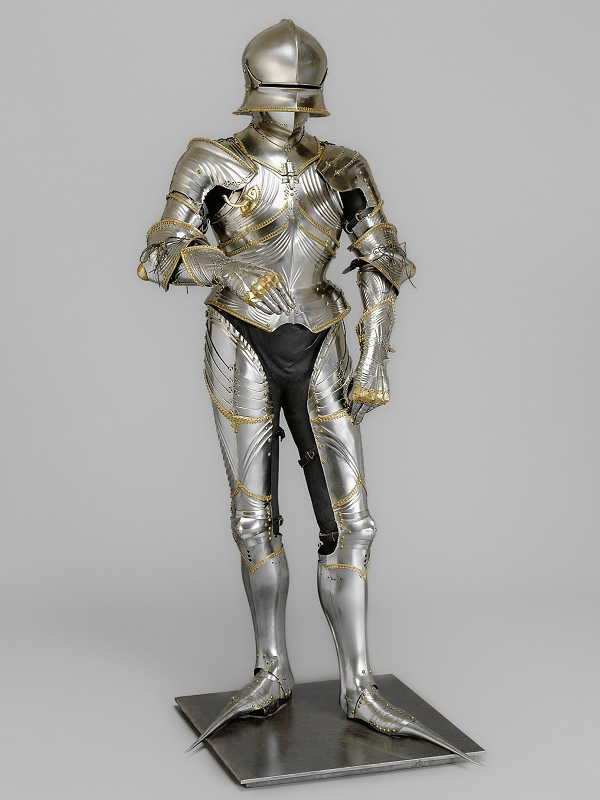
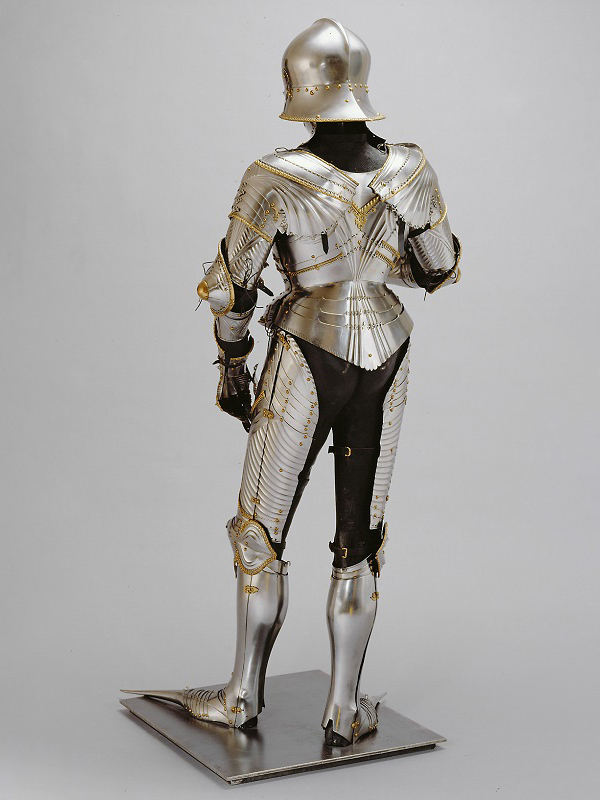
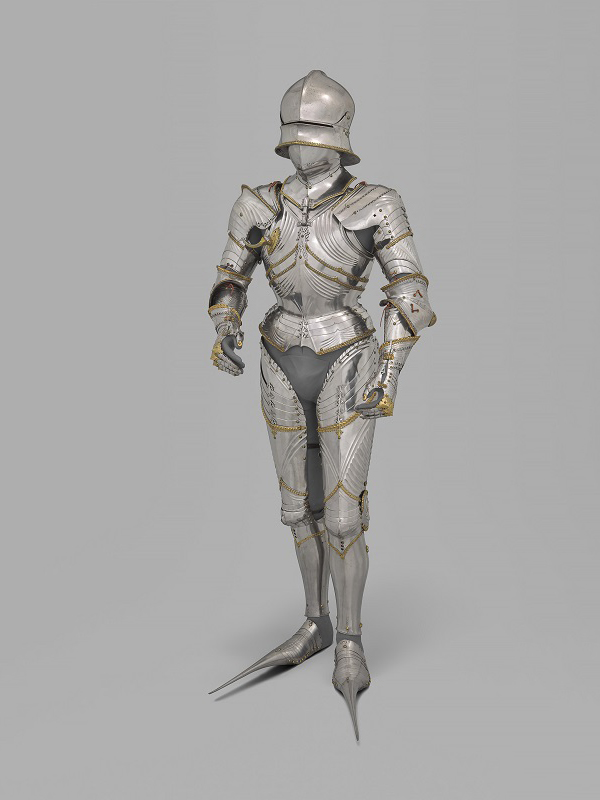
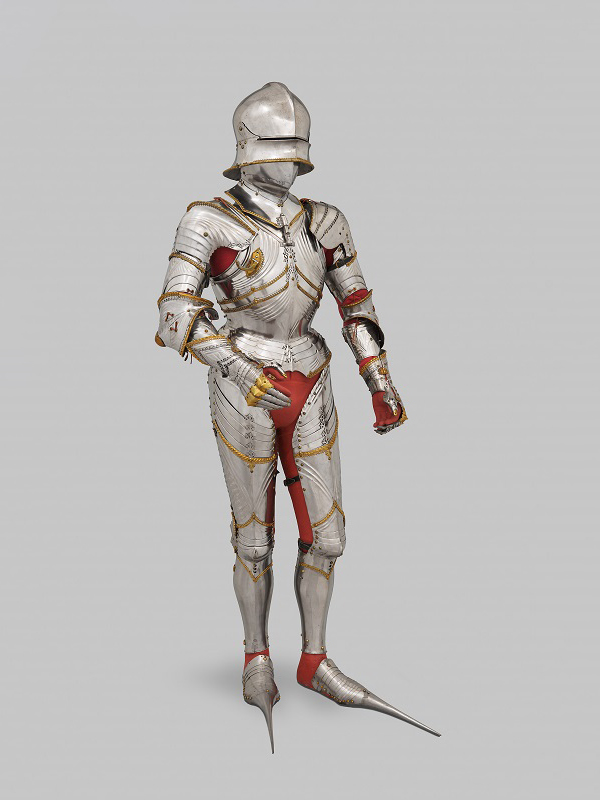
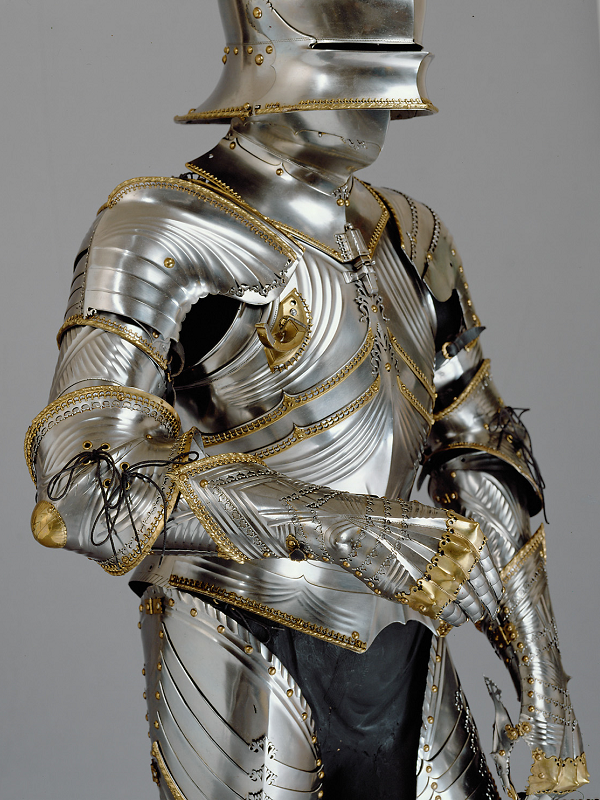
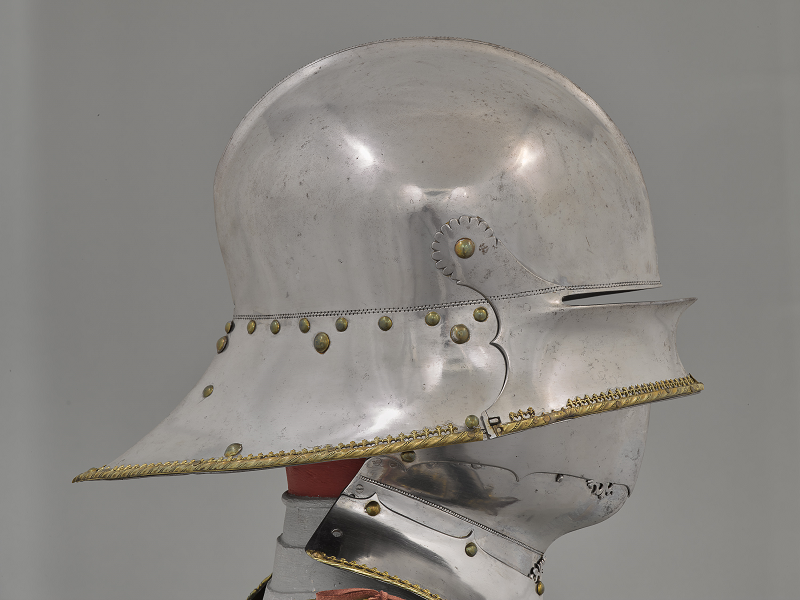
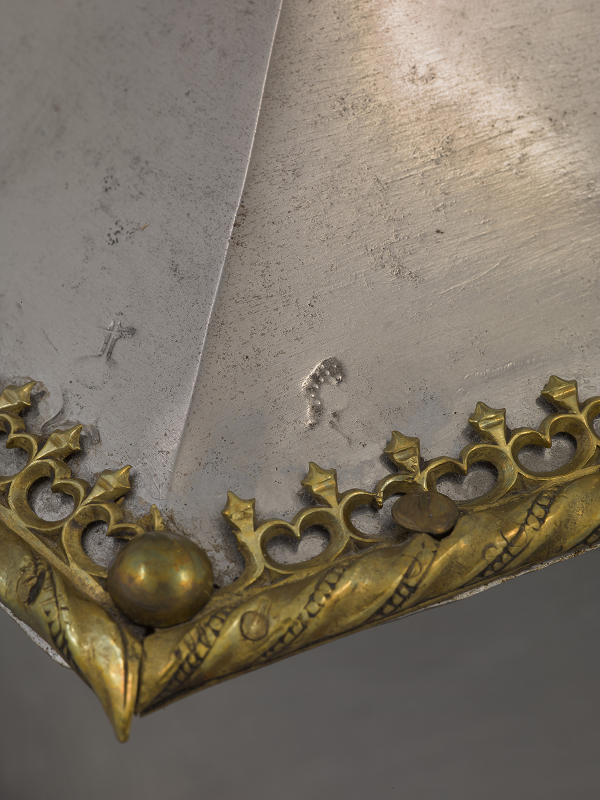
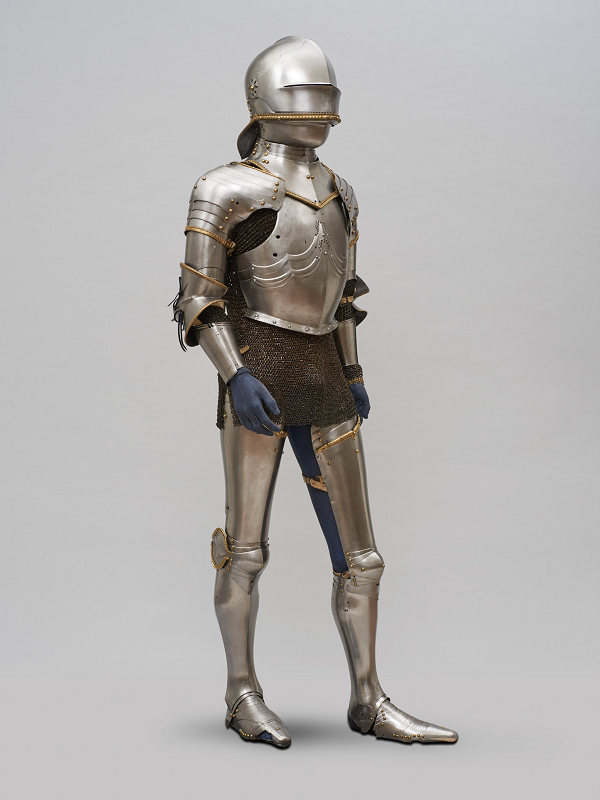
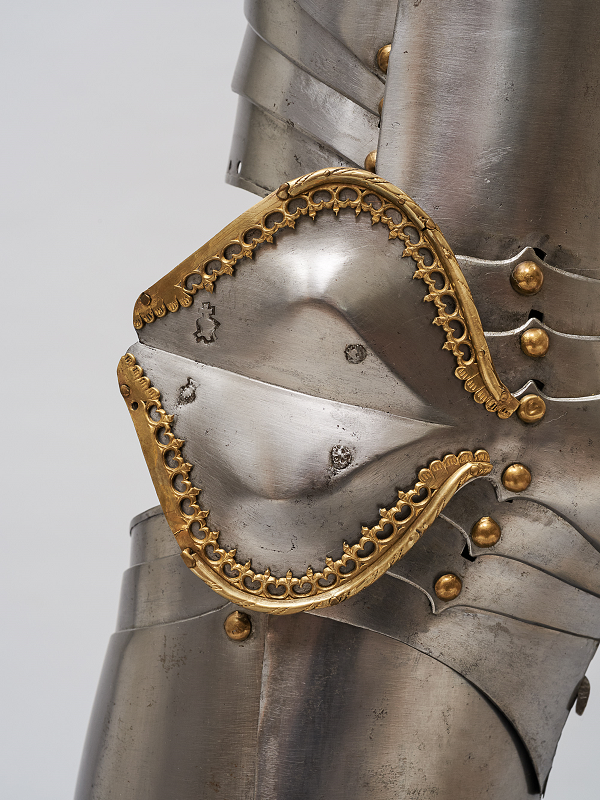
Zusammengestellter Harnisch aus der Königsgarnitur Kaiser Maximilians I, 1492 (?), Lorenz Helmschmidum, 1486, Augsburg, Germany - A79
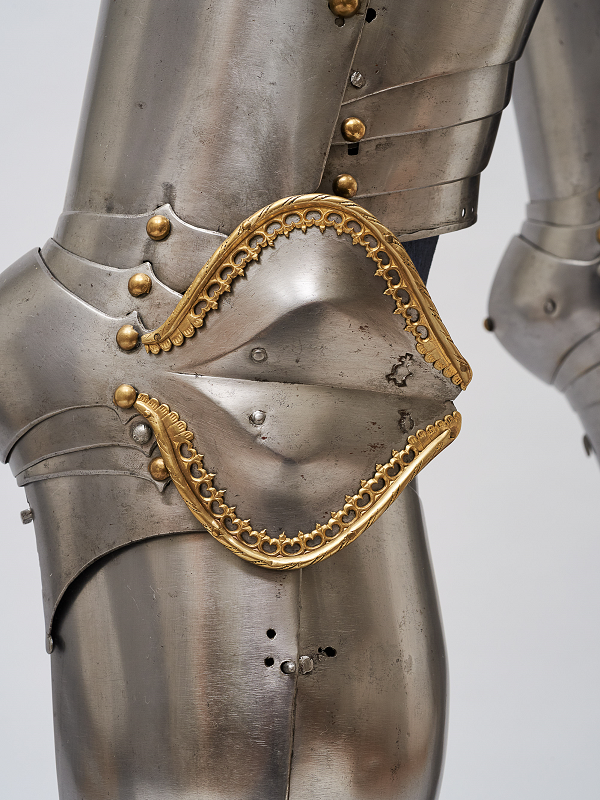
Helm Schallerkombination, Kaiser Maximilian I. Sohn d. Friedrich III. von Habsburg (1459 - 1519), um 1495, Lorenz Helmschmid, Augsburg, Germany - A110a
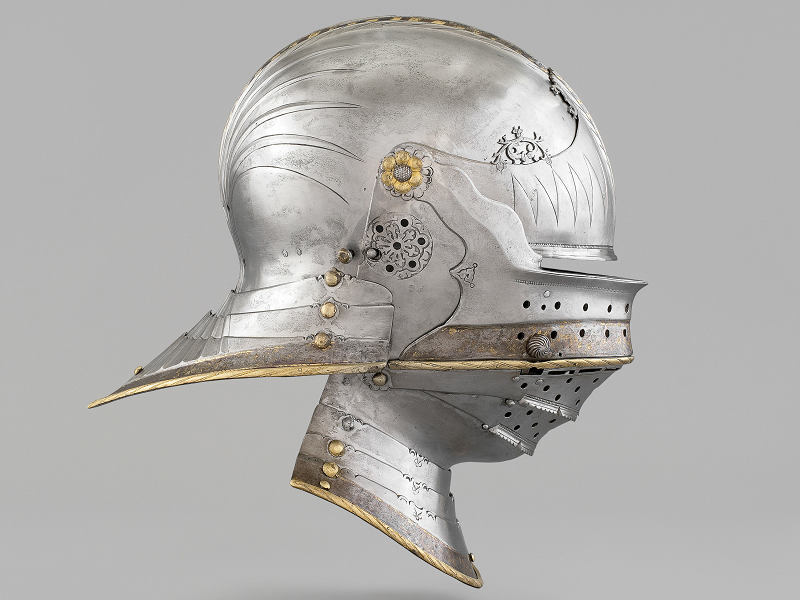
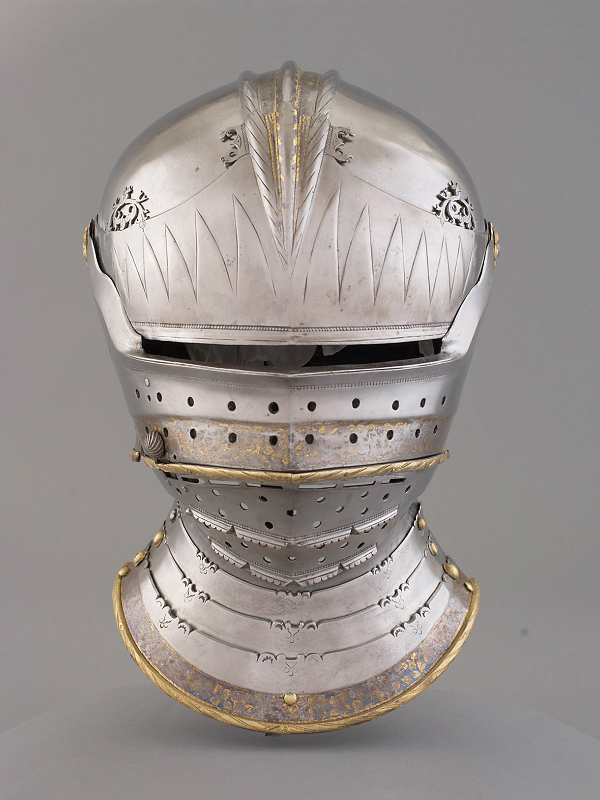
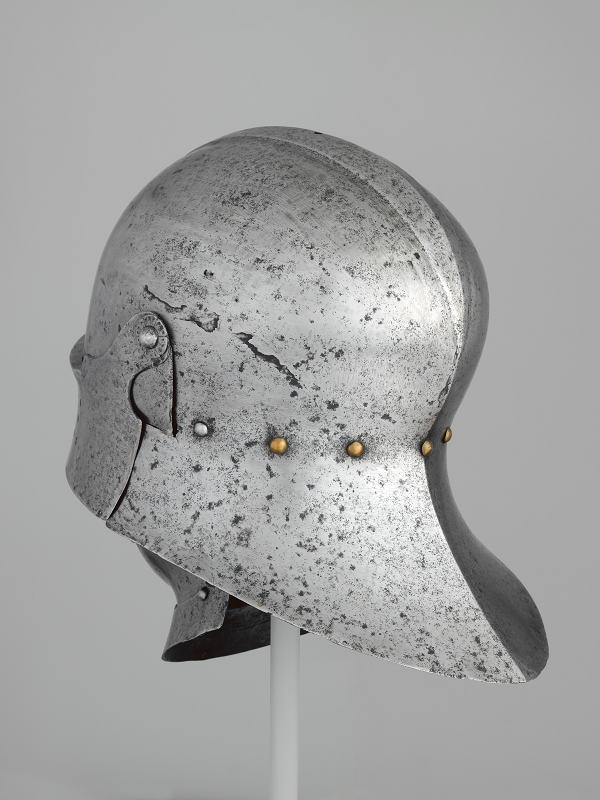
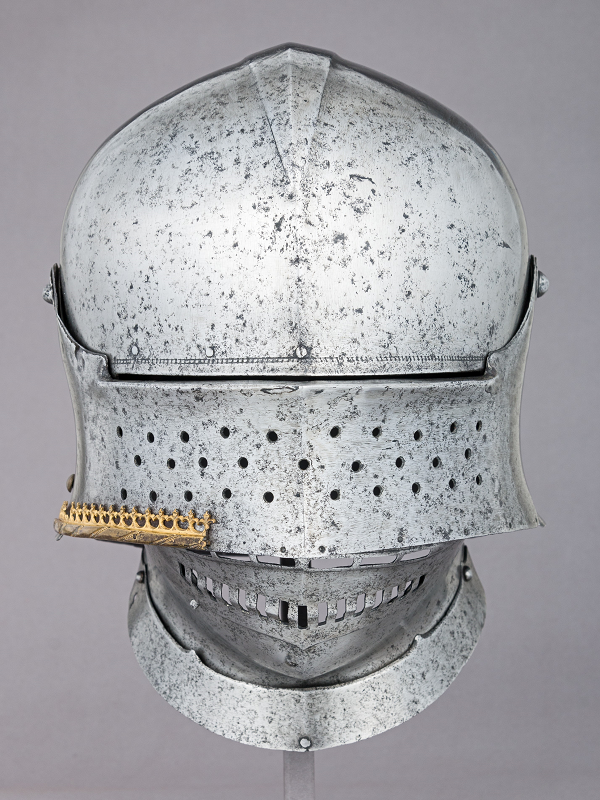
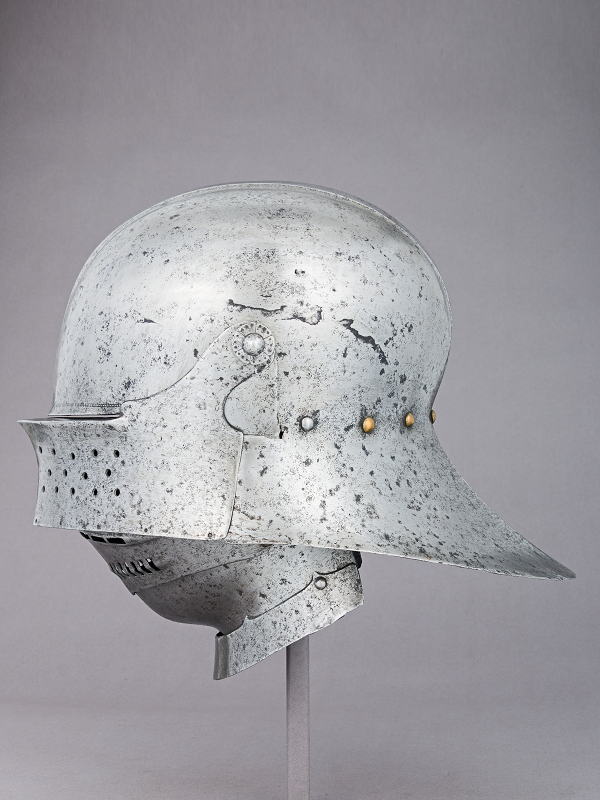
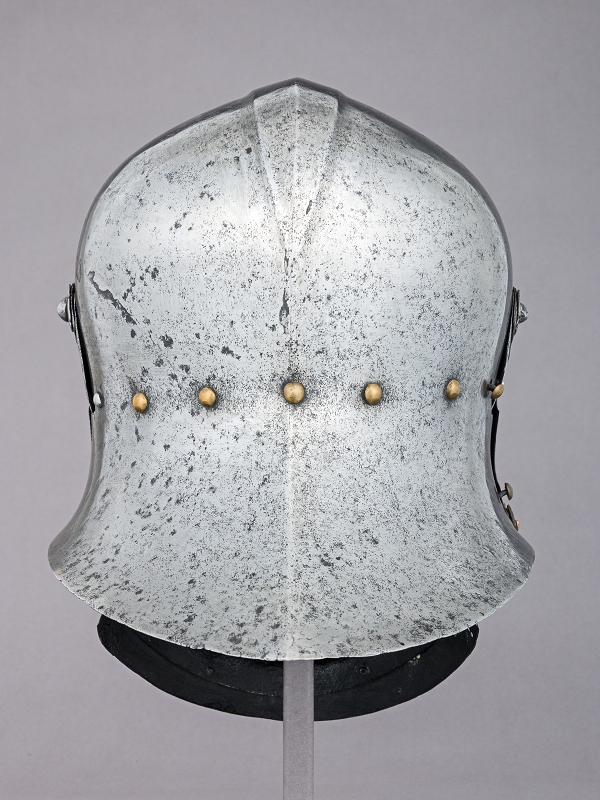
Sallet of Emperor Maximilian I (1459–1519), ca. 1490–95, Lorenz Helmschmidt, Augsburg, German - 29.156.45. The Metropolitan Museum of Art (New York).
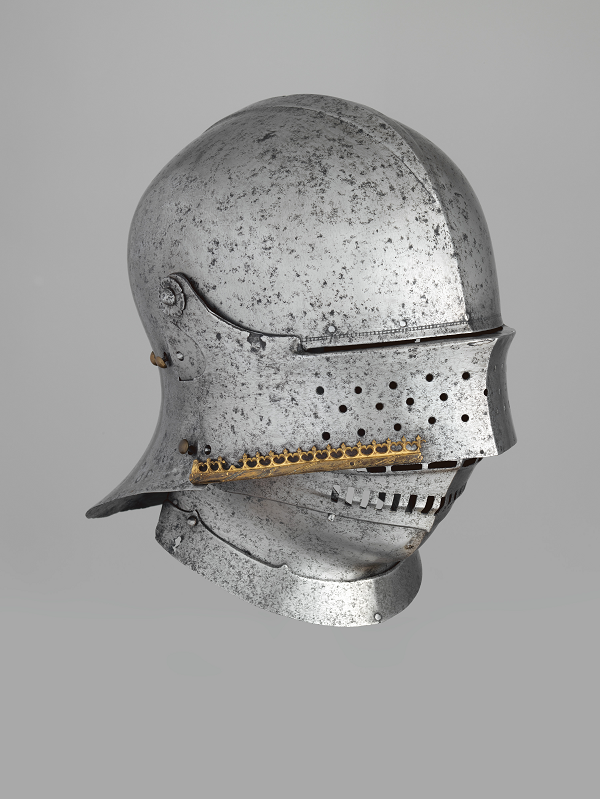
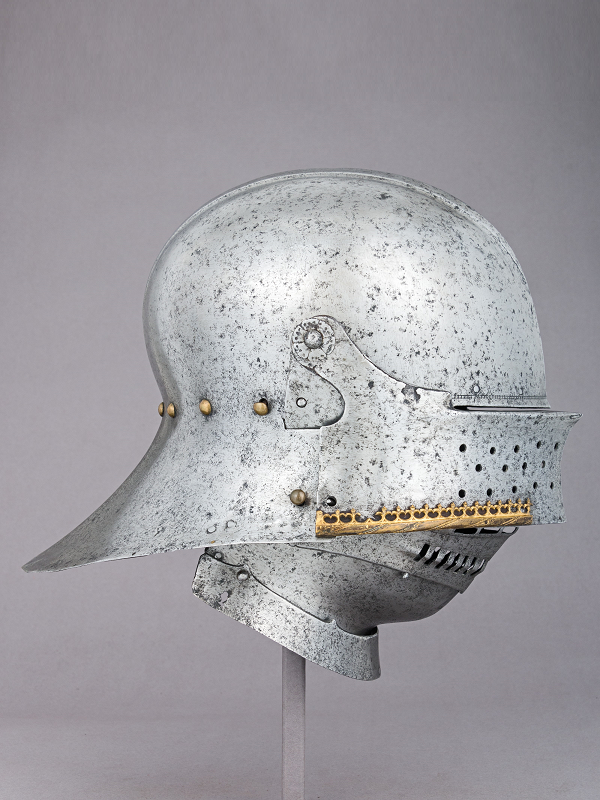
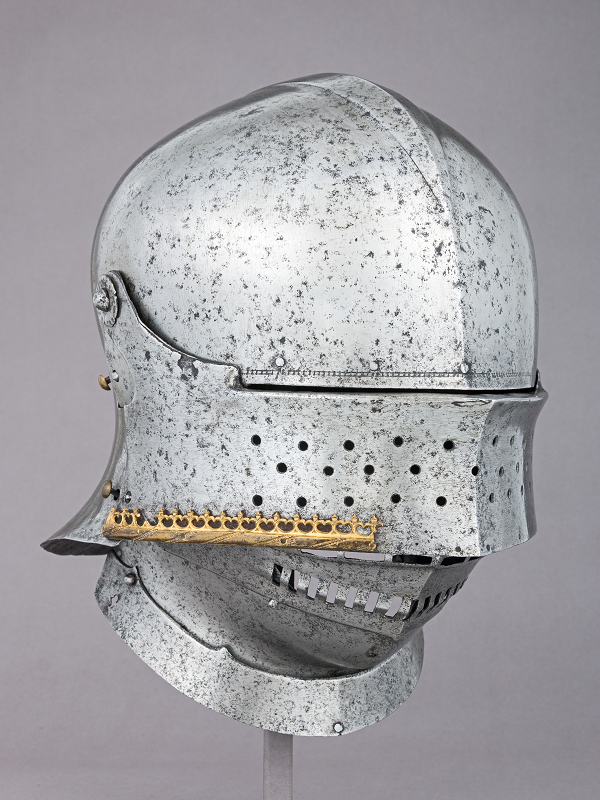
Real Armería de Madrid (Madrid):
Barda de Maximiliano I de Austria, Martin Van Royne, hacia 1510, Flandes - A.3
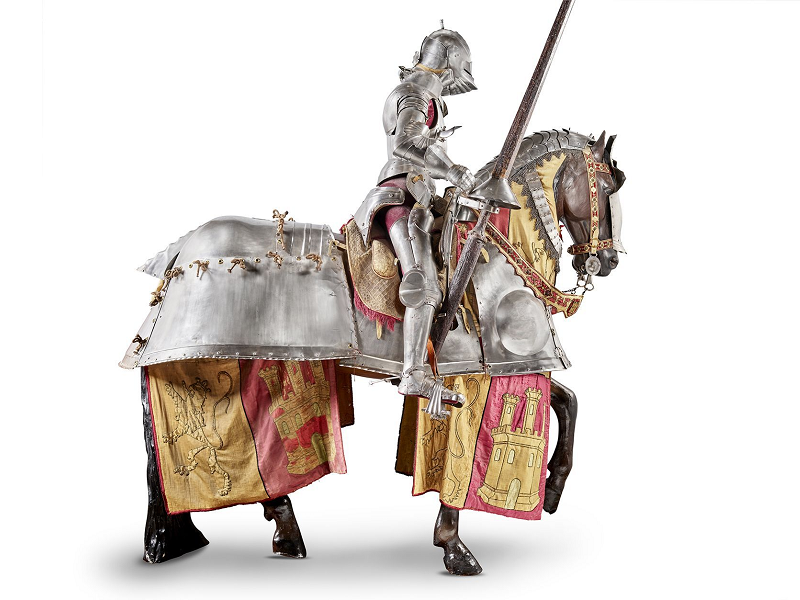
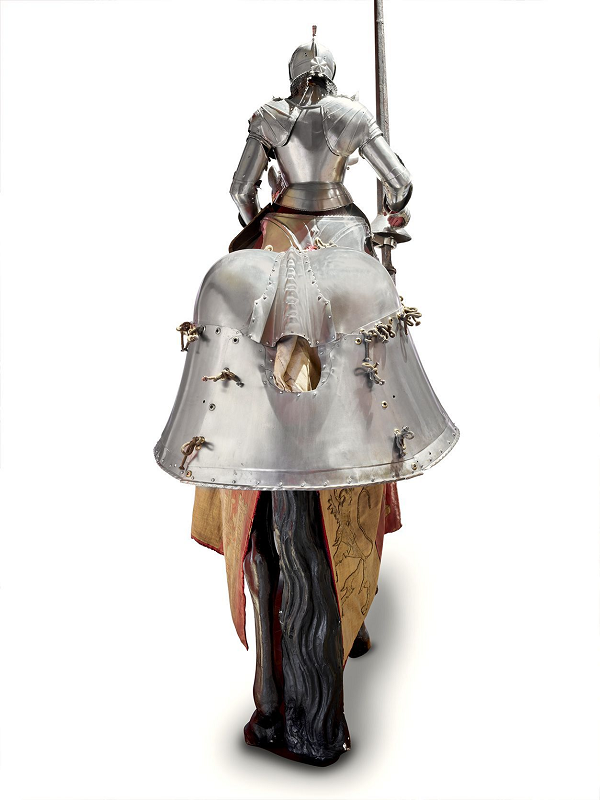
Barda de Maximiliano I de Austria, Martin Van Royne, hacia 1510, Flandes - A.4
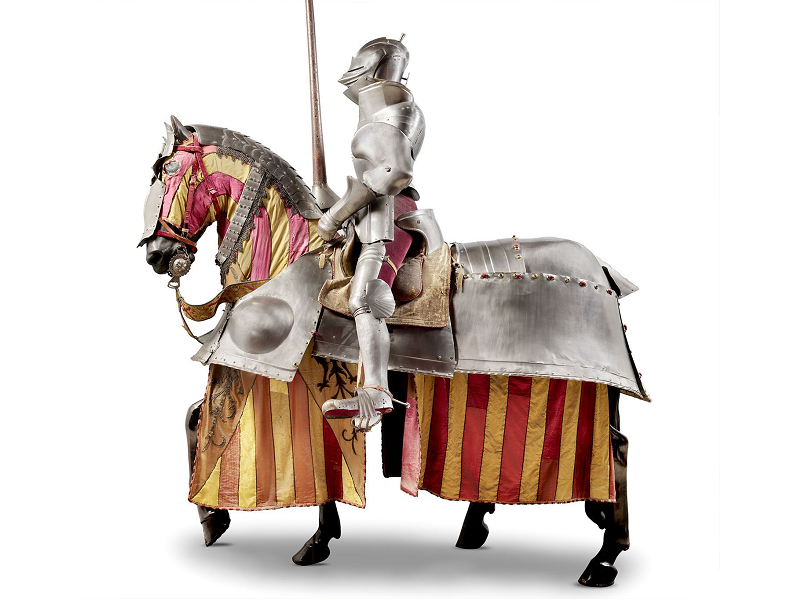
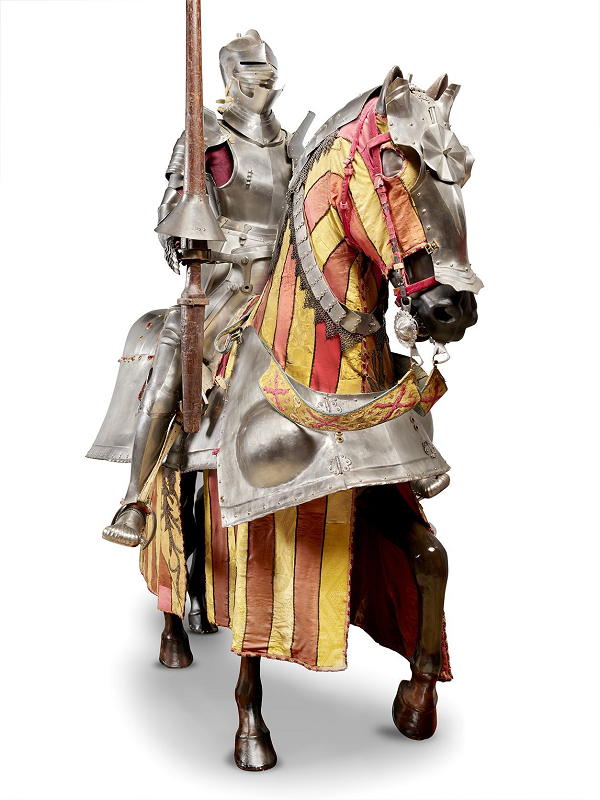
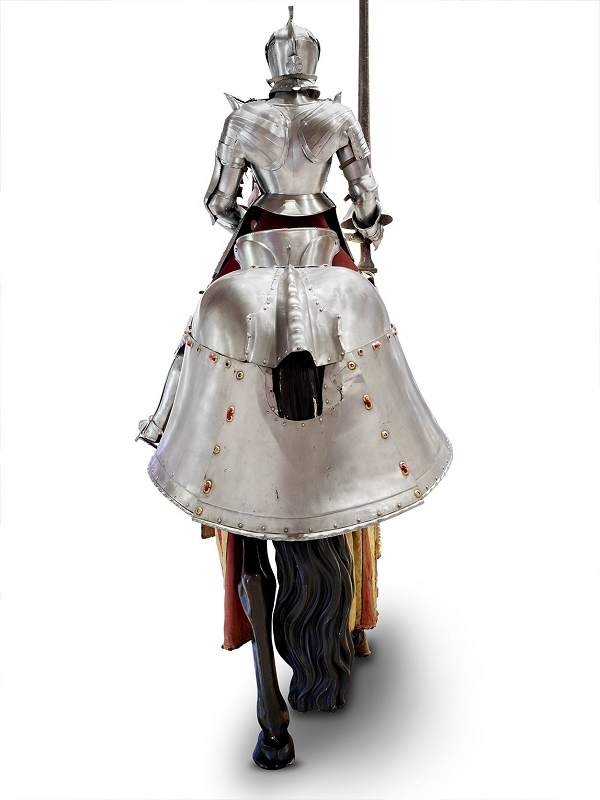
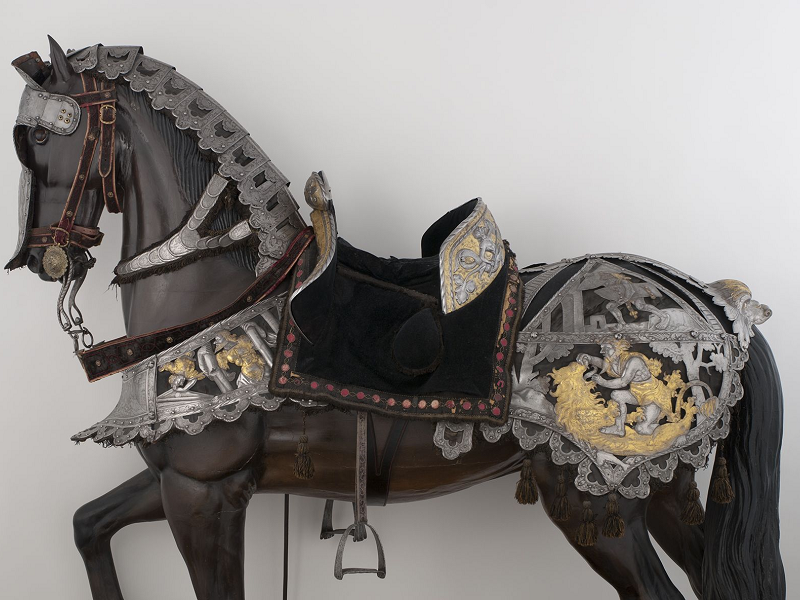
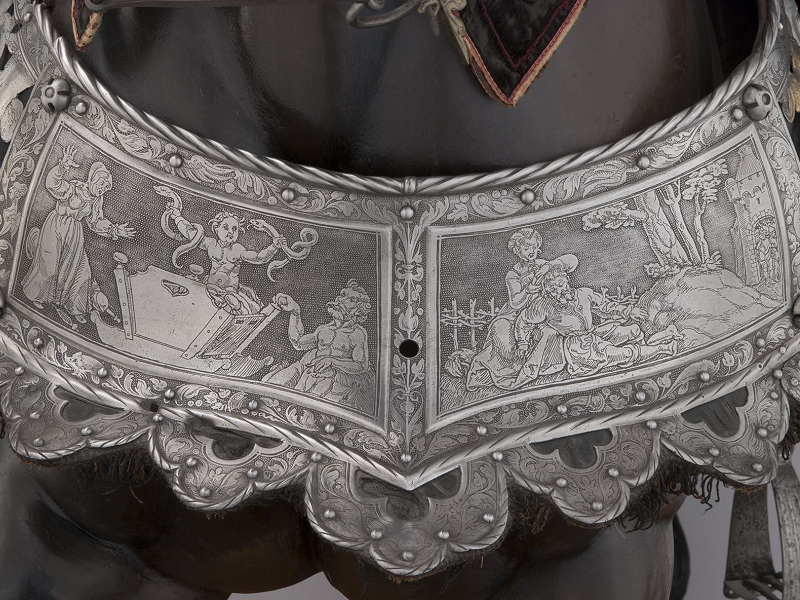
Barda de Maximiliano I de Austria, hacia 1517-1518, Kolman Helmschmid, Augsburgo, Alemania - A.149
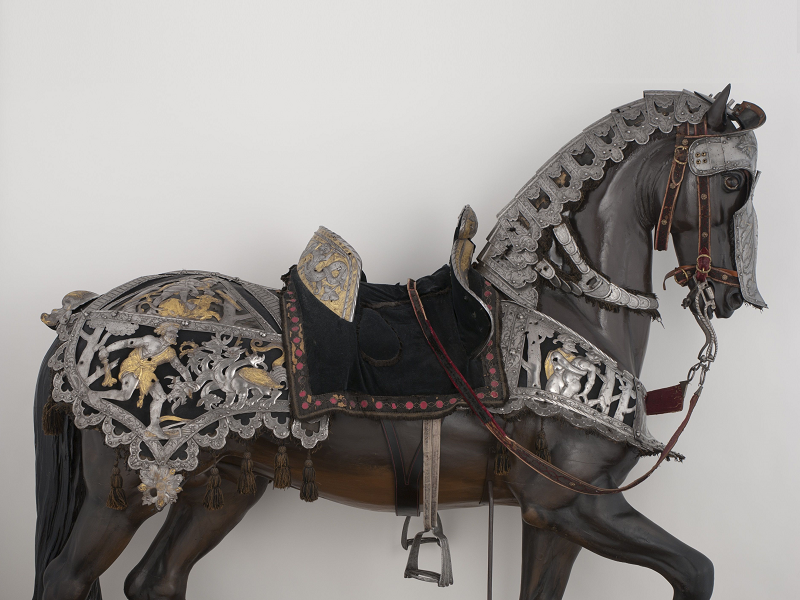
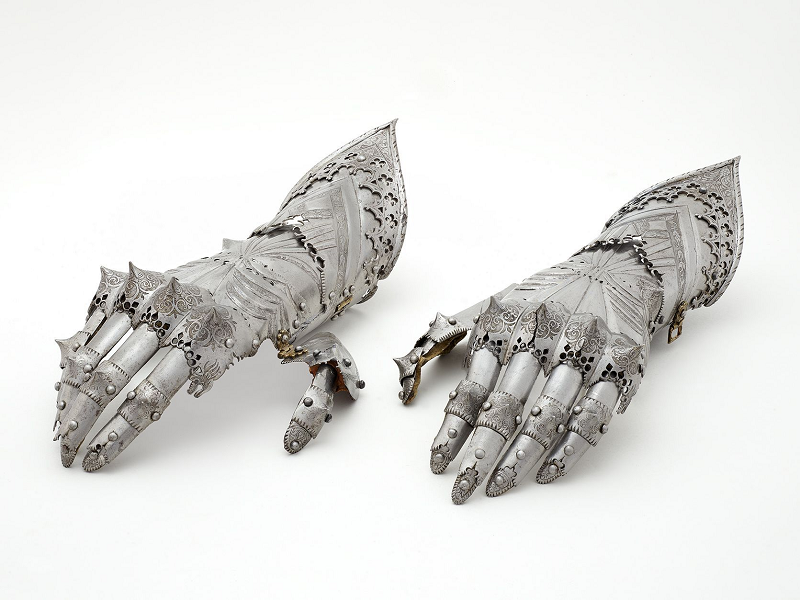
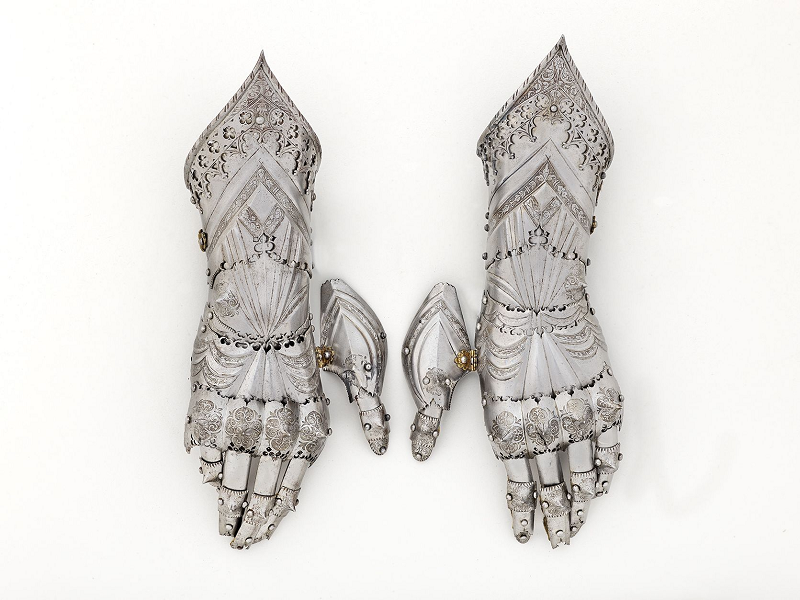
Manoplas de Maximiliano I de Austria, Atribuido a Lorenz Helmschmid, 1480-1510, Augsburgo, Alemania - E.88, E.89
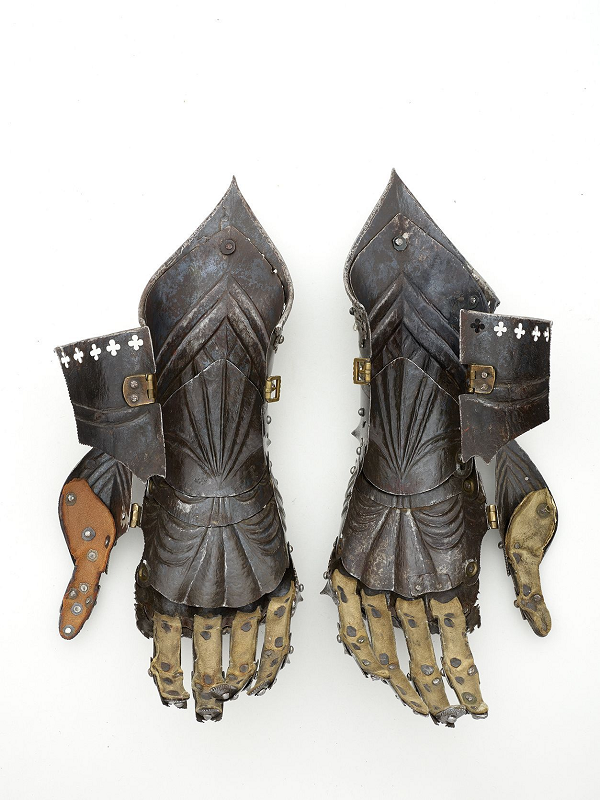
The Wallace Collection (London).
Legacy.
Maximilian transformed armor and tournaments into tools of political propaganda and self-presentation ("memory program" – Gedechtnus).
His collection and commissions influenced armormaking throughout Europe (including England – Henry VIII copied his style).
In an era when classical chivalry was fading, he romanticized it and preserved it for history through books, illustrations, and artifacts.
Maximilian became a symbol of a transitional era: the last great romantic knight and simultaneously a pragmatic ruler who laid the foundation for the power of the Habsburgs. His contributions made late medieval tournaments and armor more spectacular, varied, and artistic.