

The knightly saddle was one of the most important technical achievements of medieval military art. Its development is closely linked to the development of heavy cavalry, the spread of stirrups, the improvement of defensive armament, and changes in mounted combat tactics. This article examines the origins of the knightly saddle, its design features, manufacturing technology, its role in European warfare from the 11th to 15th centuries, archaeological finds, key developments, and the current state of scientific research.
The history of warfare demonstrates that the effectiveness of armed forces is determined not only by the quality of weapons but also by the development of supporting technologies. One such technology was the knightly saddle, which allowed for the maximum exploitation of the combat capabilities of heavy cavalry.
While ancient horsemen were limited by the design of their saddles, medieval Europe saw the development of a new riding position. A deep saddle with high pommel, complemented by stirrups, created a stable platform for delivering a powerful spear thrust. It was precisely thanks to the combination of these elements that heavy cavalry became the dominant force in European armies for several centuries.
The study of the knightly saddle is of interest to historians, archaeologists, weapons reconstruction specialists, and researchers of the history of technology.
The first scholarly studies of medieval horse equipment appeared in the 19th century. Significant contributions were made by British and French arms historians, who studied museum collections and archaeological materials.
In the 20th century, the work of Ewart Oakeshott, David Nicoll, Anne Hyland, and Philippe Contamine gained particular significance. Their research demonstrated that the development of the saddle paralleled the improvement of knightly armament.
Modern research actively utilizes experimental archaeology, 3D modeling, and the reconstruction of horsemanship techniques.
Origins of the Knightly Saddle.
The first saddles appeared among the peoples of the Ancient East. The Assyrians used soft pads, but they did not have a proper frame.
Significant advances were made by the Scythians, Sarmatians, and other nomadic peoples of Eurasia, who began to use wooden saddle frames.
The Roman army used four-horned saddles, which provided a fairly stable seat. Despite the lack of stirrups, this design was significantly superior to earlier designs.
After stirrups became widespread in Europe in the 8th and 9th centuries, saddle design began to change rapidly. By the 11th century, the type of saddle commonly known as the knightly saddle had emerged.
Saddle Construction.
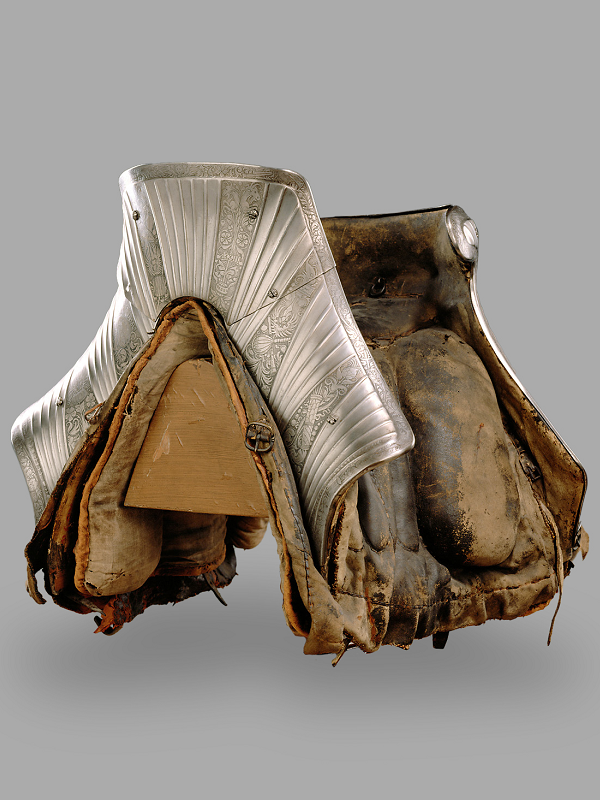
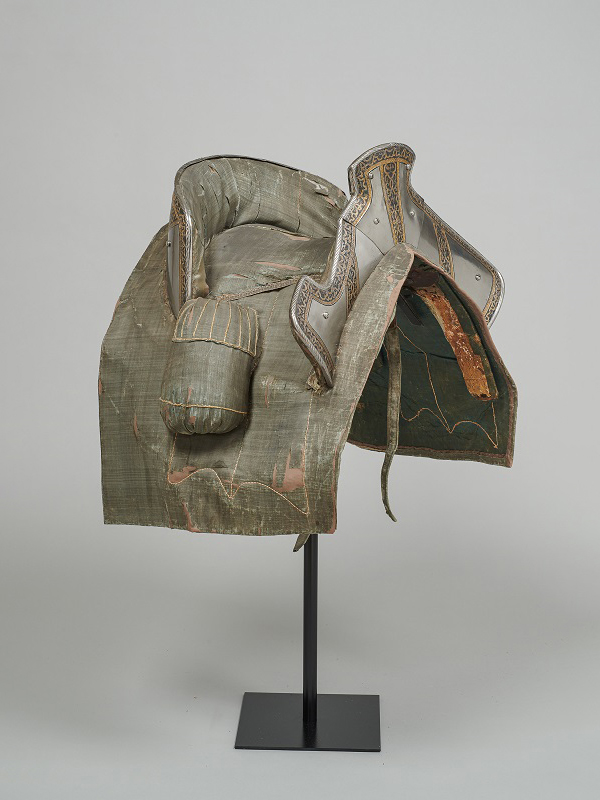
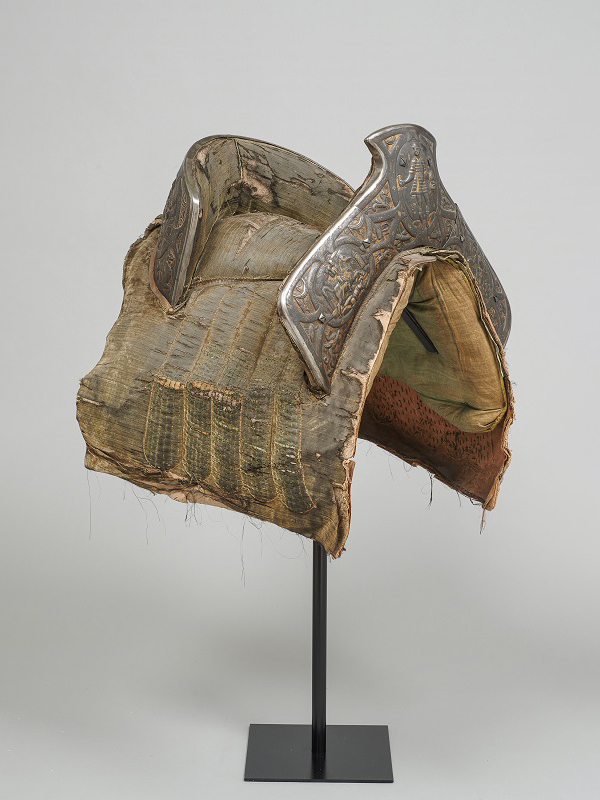
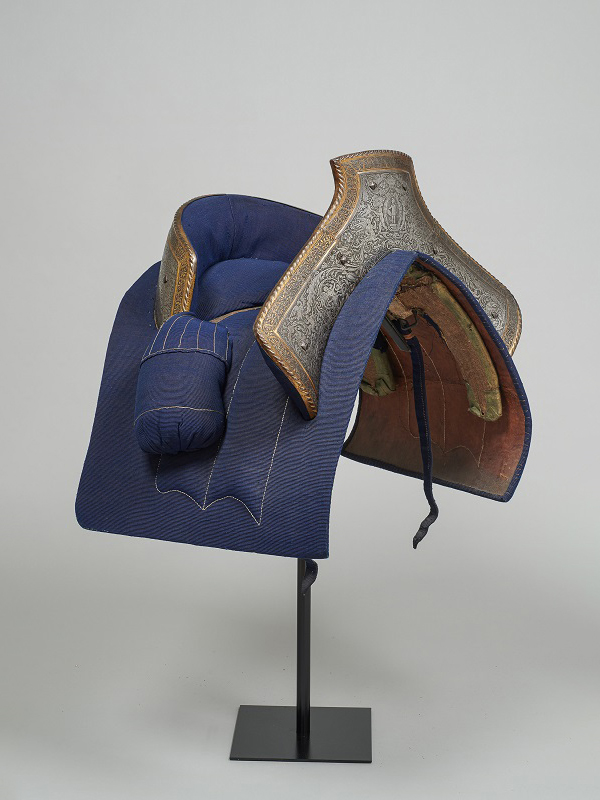
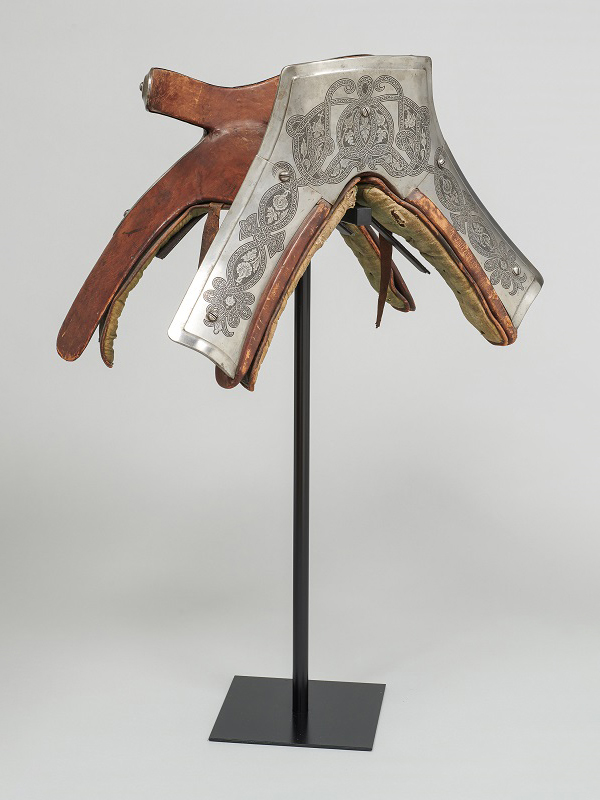
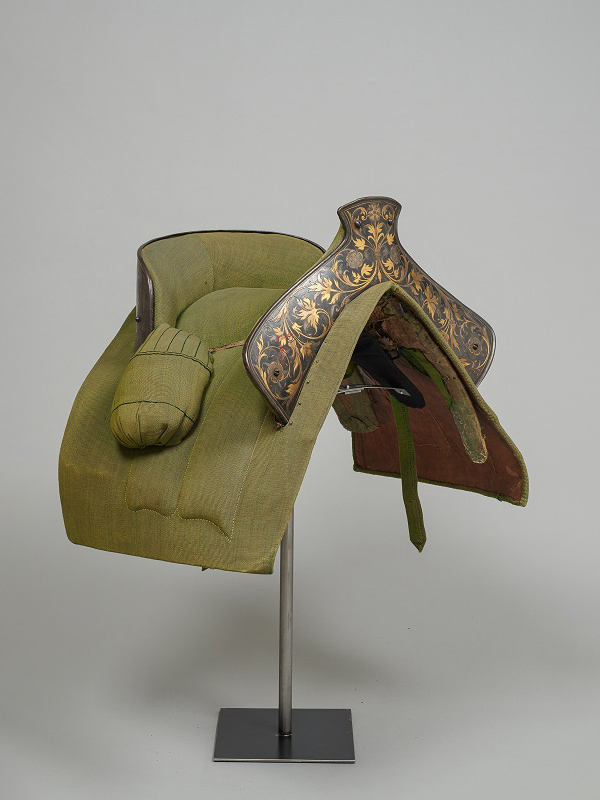
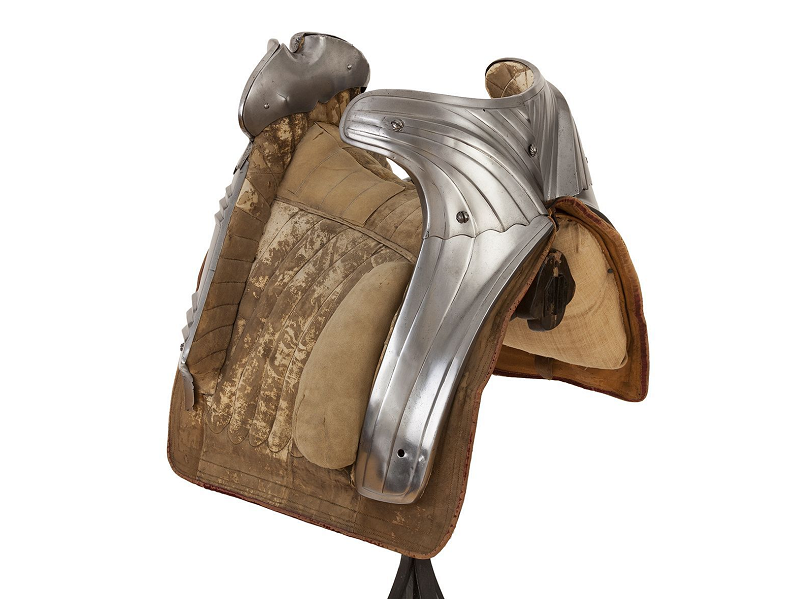
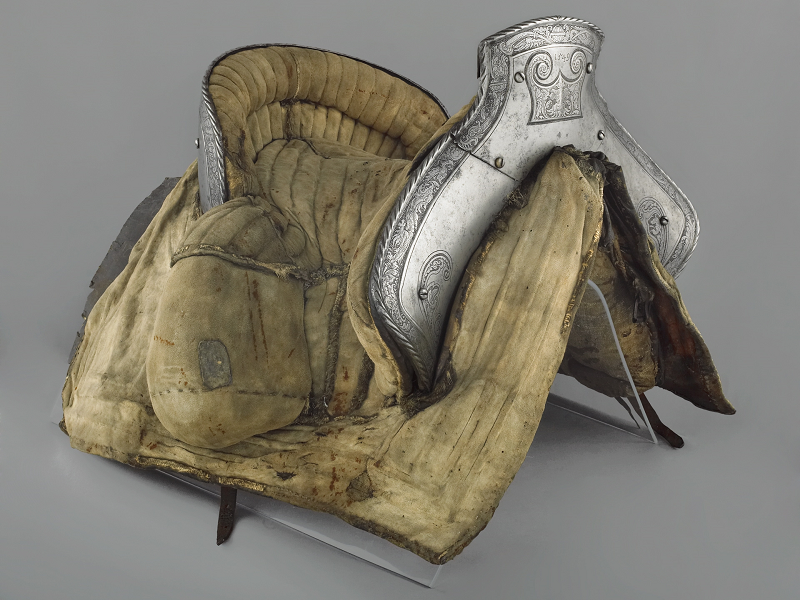
The main element was the saddle tree—a rigid wooden frame.
It was typically made of oak, beech, elm, or ash. Wooden dowels, leather straps, and metal fasteners were used to connect the parts.
Soft padding of wool, horsehair, flax, or tow was placed on top of the wooden frame.
The outer covering was made of thick tanned leather.
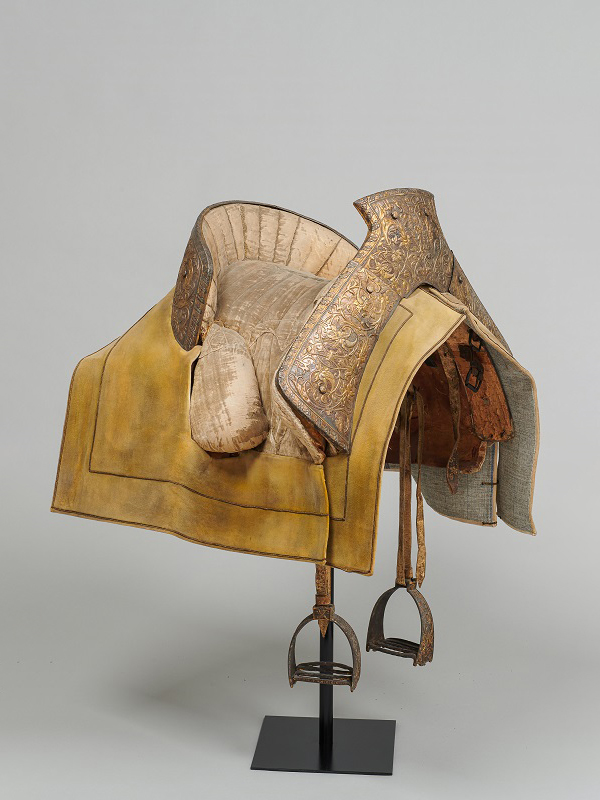
Main structural elements:
Front Steel;
Rear Steel;
Seat;
Fenders;
Strop leathers;
Stirrups;
Girth;
Breast strap;
Crump.
The height of the fore and hind pommel gradually increased as the weight of knightly armament increased. Biomechanics of the seat.
Modern research shows that the knight's saddle redistributed the load between the rider's pelvis, thighs, and legs.
During a spear charge, enormous dynamic loads were incurred.
High pommels prevented the rider from shifting forward or backward.
Stirrups provided an additional point of support.
This ensured that the impact was transmitted by virtually the entire weight of the horse and rider.
This is why heavy cavalry was significantly more effective than light cavalry.
Role in warfare.
The main advantage of the knight's saddle was the ability to wield a lance "underarm."
With this grip, the shaft was secured under the right arm, and the horse's momentum was fully transferred to the enemy.
This technique was practically impossible without a deep saddle.
Furthermore, the saddle facilitated the use of:
a sword;
a battle axe;
a mace;
a poleaxe;
a war hammer.
Even under powerful blows, the rider maintained stability.
Tournament Saddles.
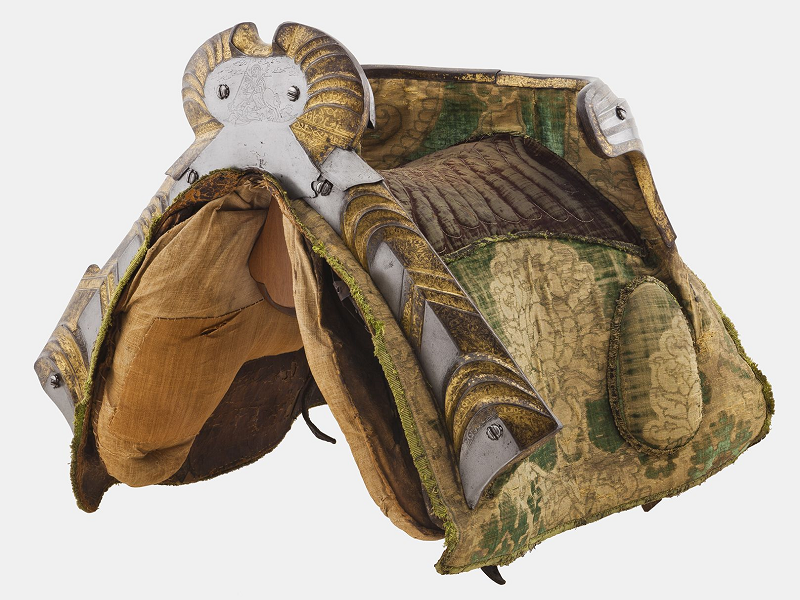
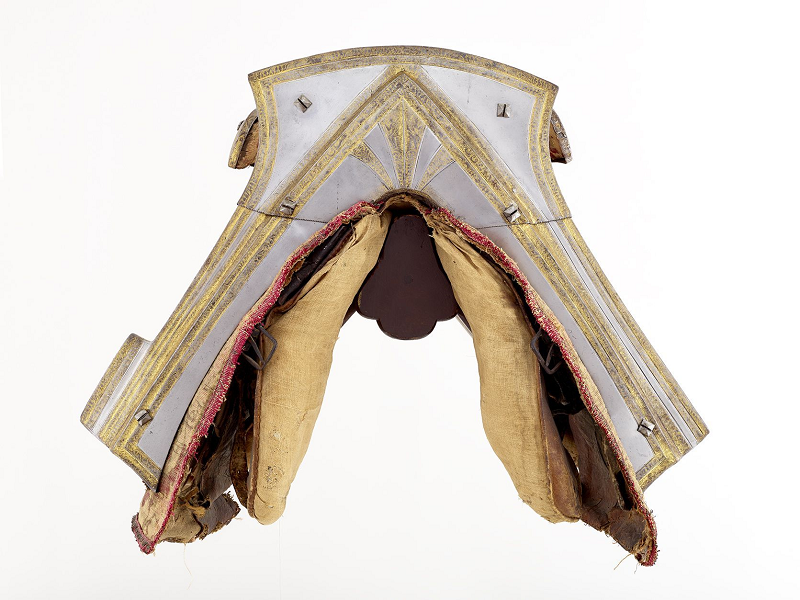
Starting in the 14th century, special tournament saddles became widespread.
They were distinguished by:
extremely high pommels;
a reinforced wooden frame;
additional thigh protection;
increased seat depth.
Such designs virtually eliminated the possibility of the rider falling out during a collision of spears.
Archaeological Finds.
Original knightly saddles are extremely rare due to the deterioration of the wood and leather.
The most famous examples have been discovered in England, Germany, France, Poland, the Czech Republic, and Scandinavia.
Most museum specimens date back to the 14th and 15th centuries.
Important information is also provided by manuscript miniatures, knightly tombstones, wall paintings, and sculpture.
Symbolic meaning.
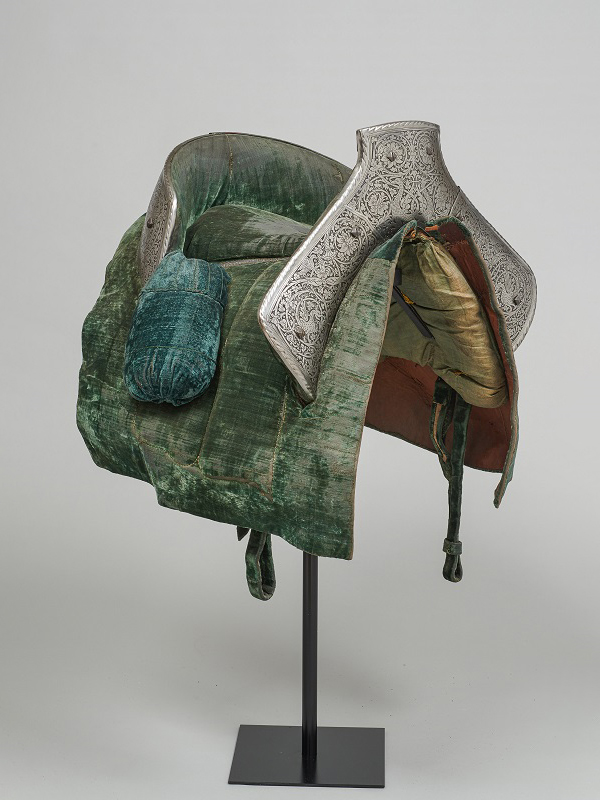
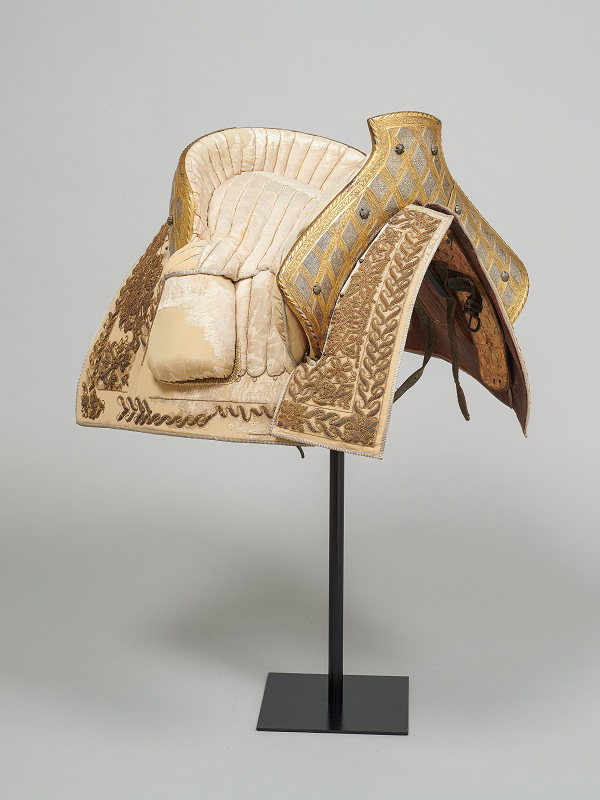
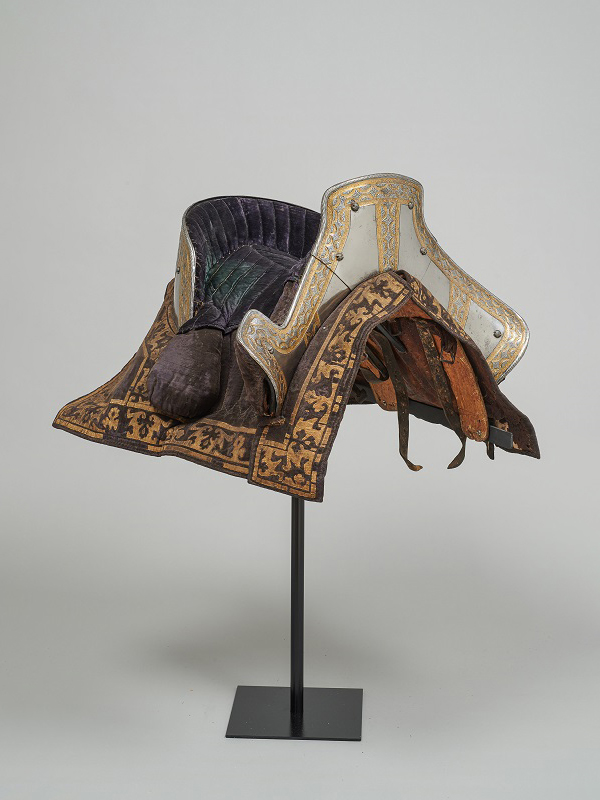
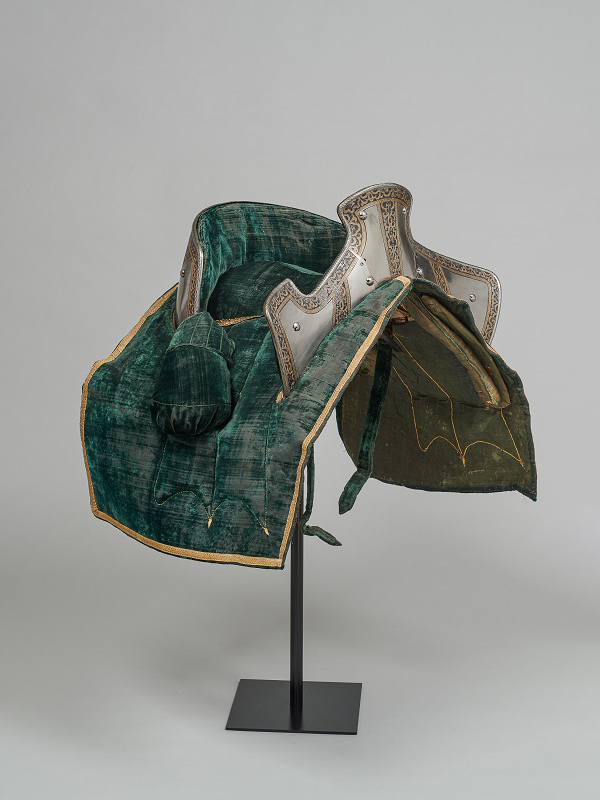
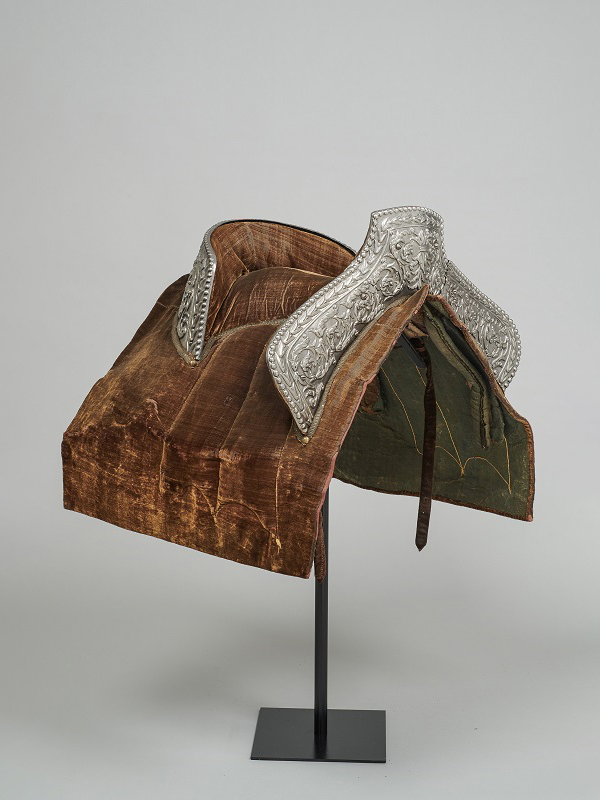
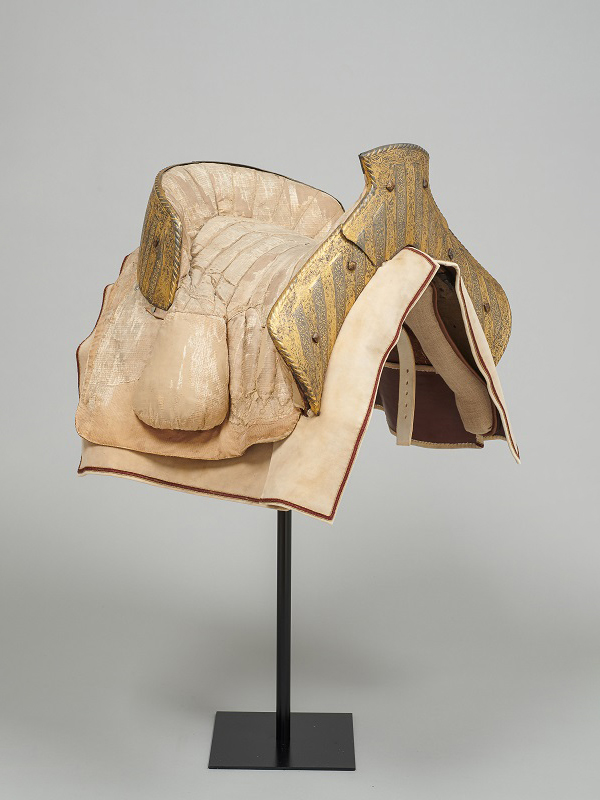
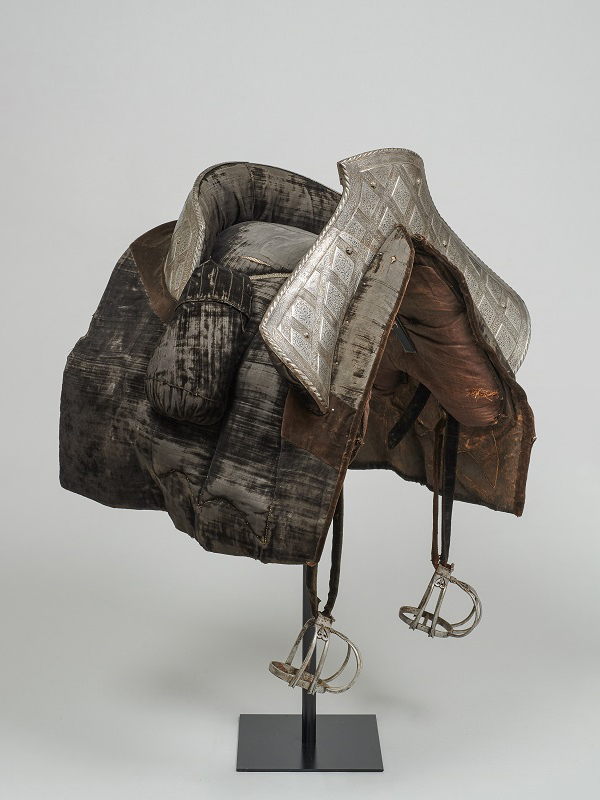
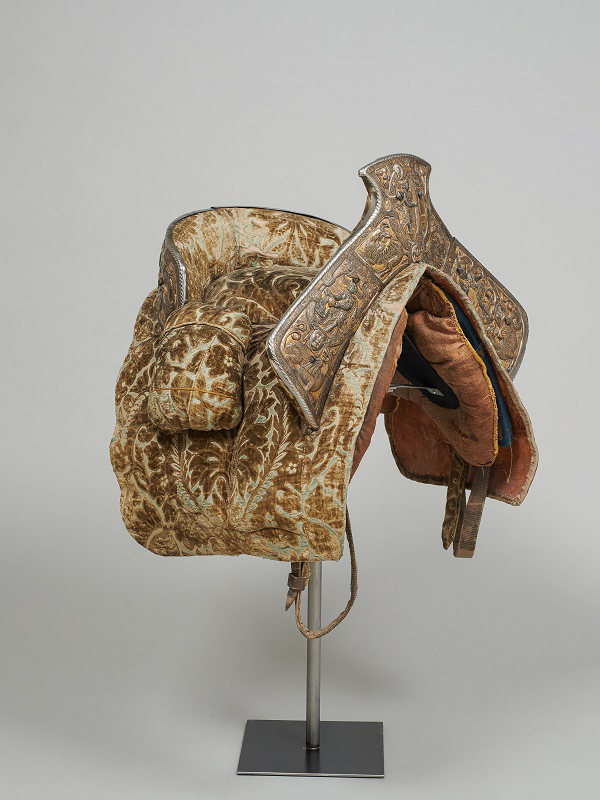
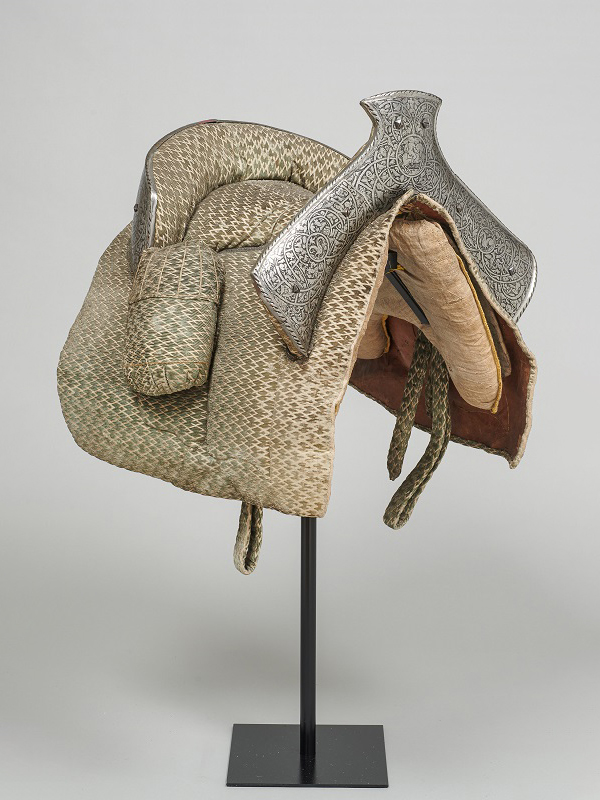
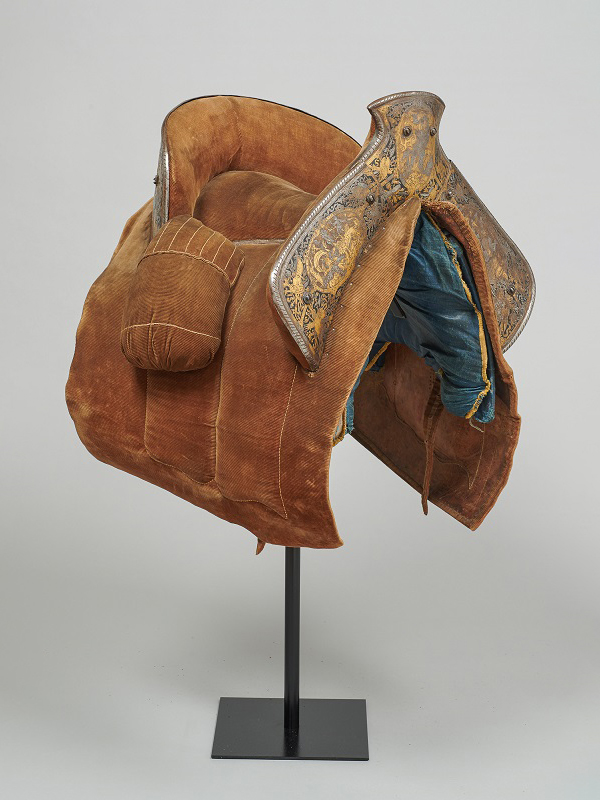
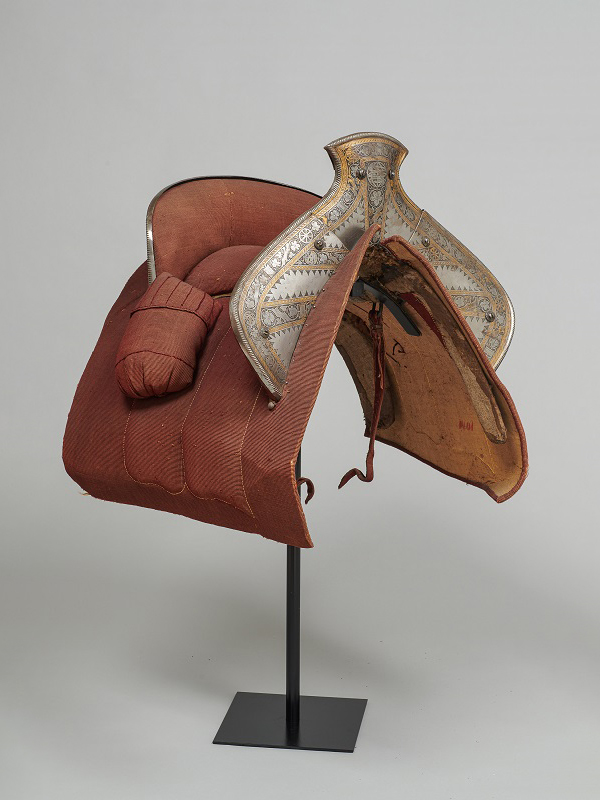
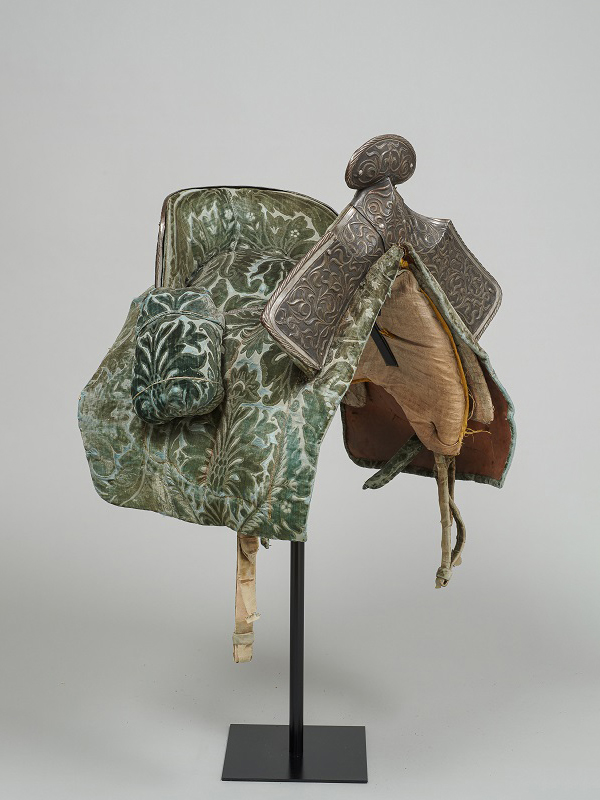
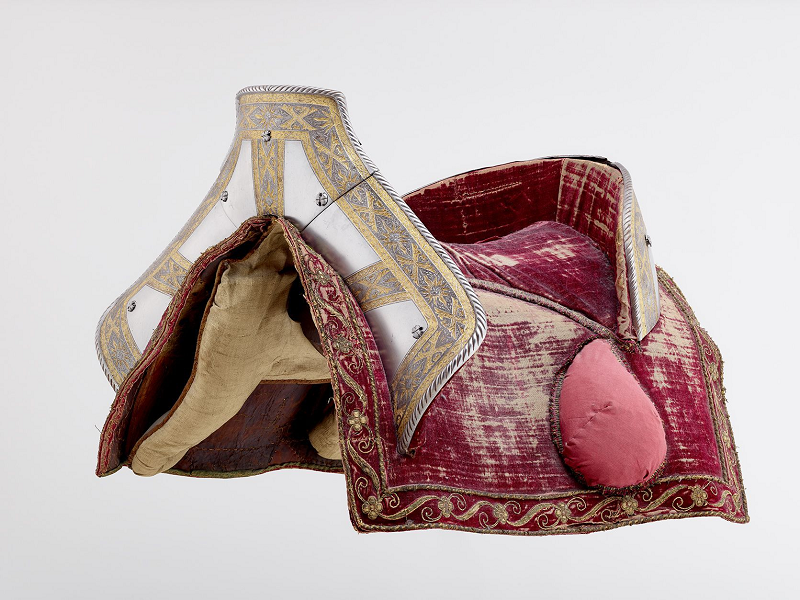
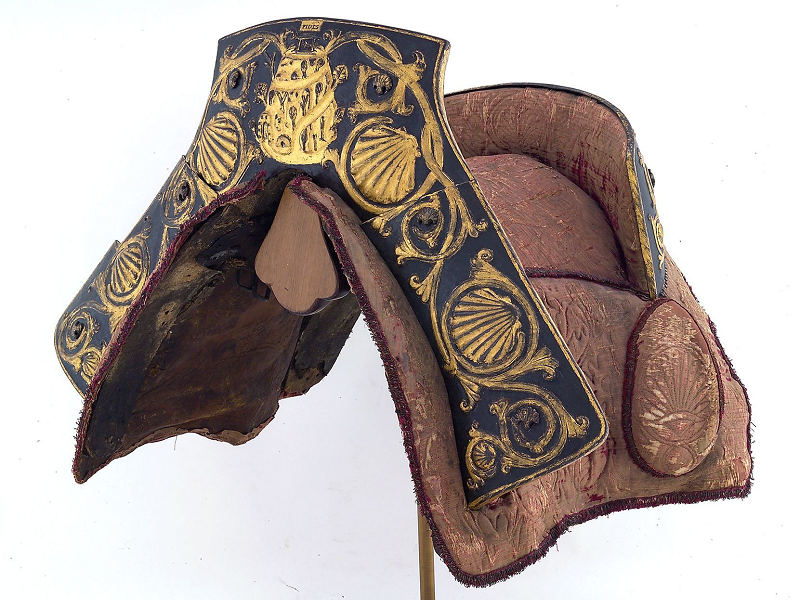
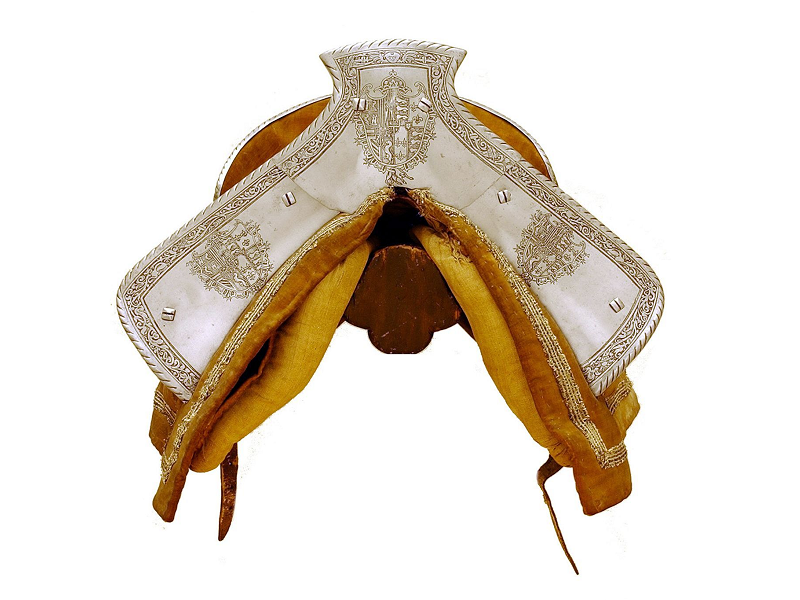
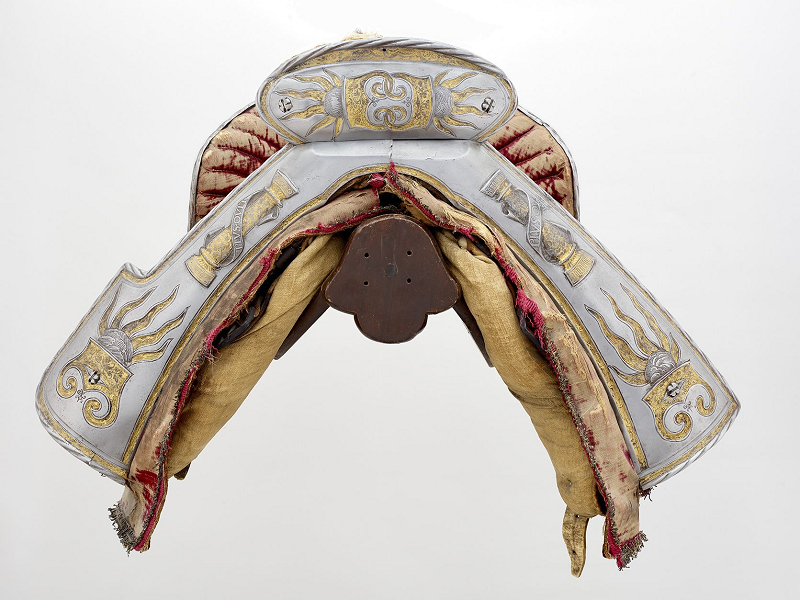
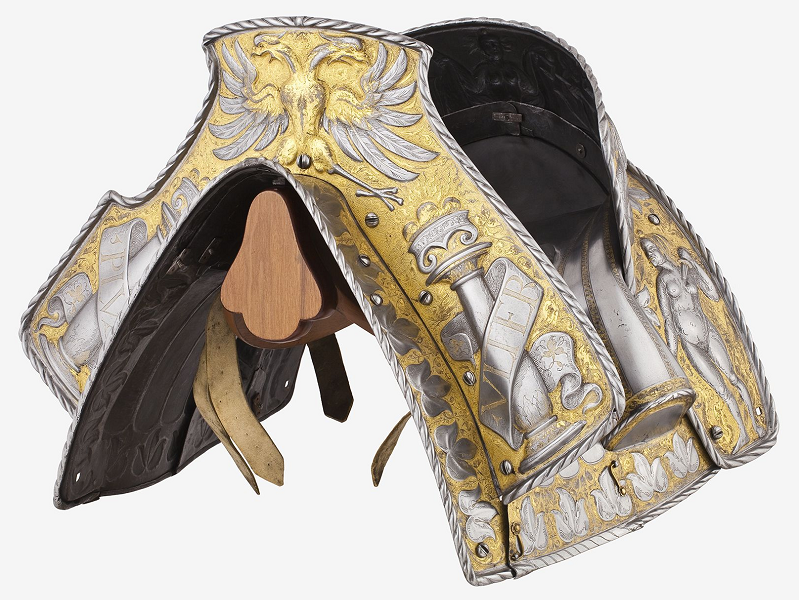
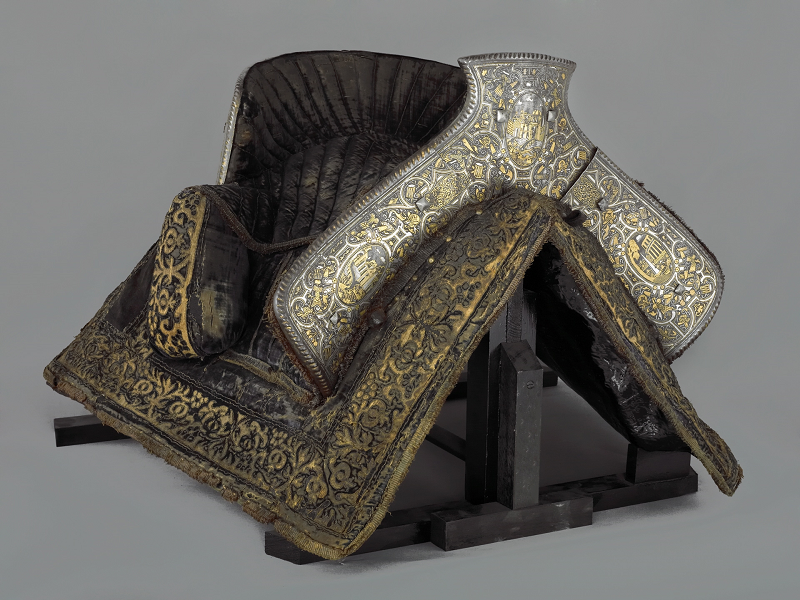
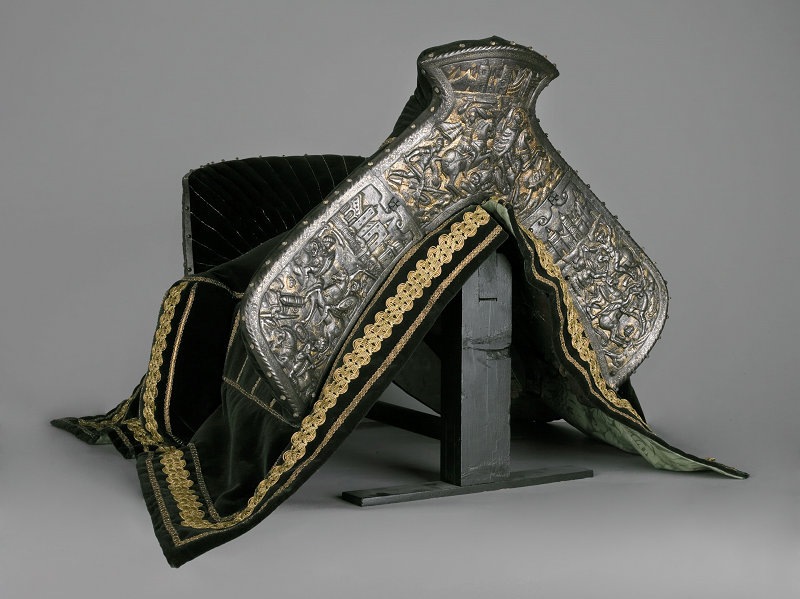
A knight's saddle was an indicator of its owner's high social status. Richly decorated saddles were made for members of the nobility. The following were used:
silver fittings;
gilding;
velvet;
silk;
embroidery;
heraldic images.
Ceremonial saddles often cost as much as a full set of armor.
Economic significance.
The manufacture of a single high-quality saddle took several weeks. The work involved:
carpenter;
tanner;
blacksmith;
artistic decorator.
Thus, production was expensive and required high skills.
Conclusion.
The knight's saddle represents one of the most significant achievements of medieval engineering. Its design allowed for a stable riding position, significantly increased the effectiveness of the lance, and facilitated the development of heavy cavalry as the main striking force of European armies. The evolution of the knightly saddle reflects the interplay between the development of weaponry, tactics, craft technologies, and the social structure of medieval society. Modern research confirms that the combination of stirrups, a deep saddle, and a rigid structure was one of the factors behind the military superiority of European chivalry in the 11th–15th centuries.