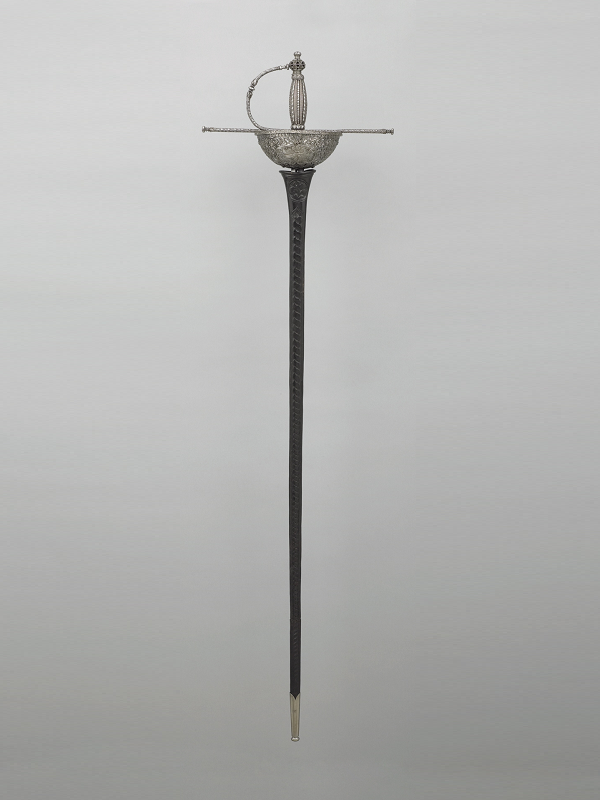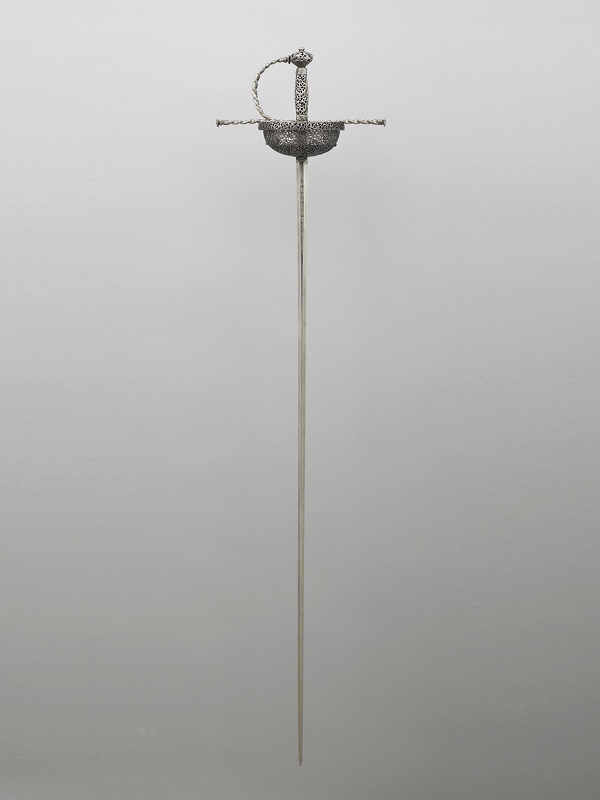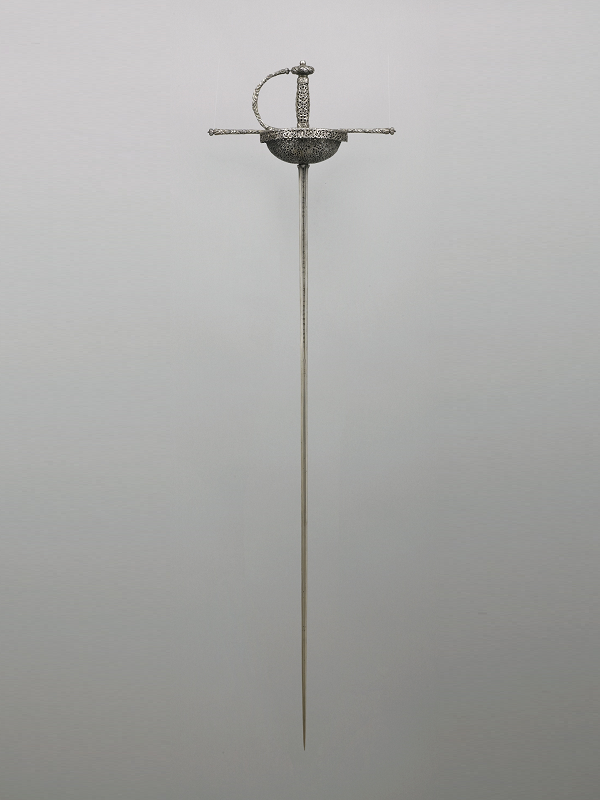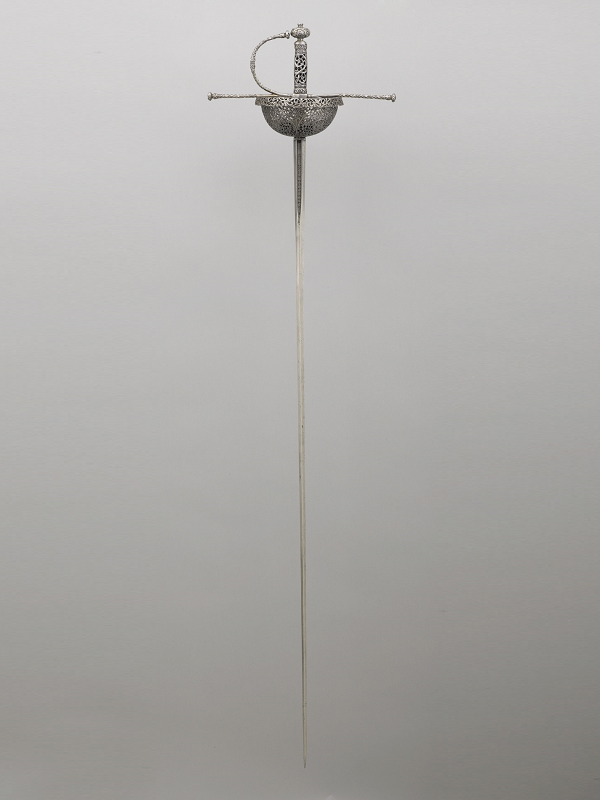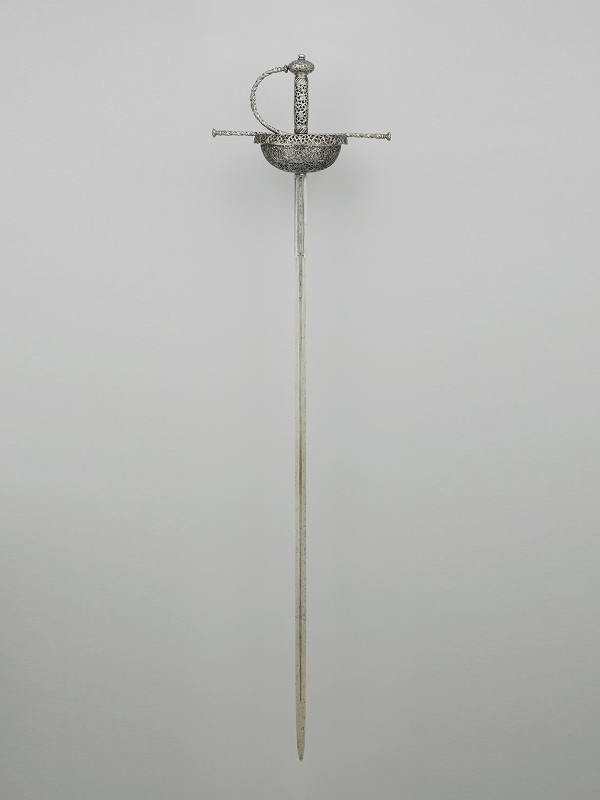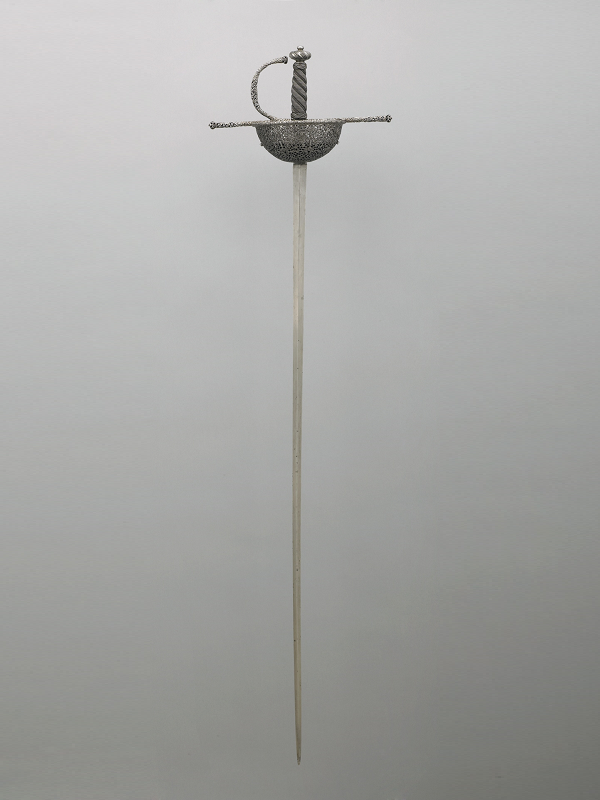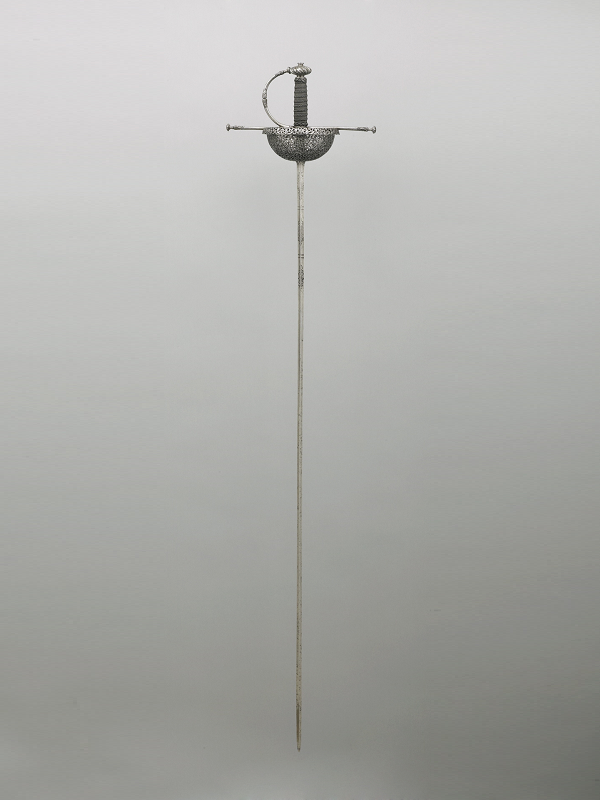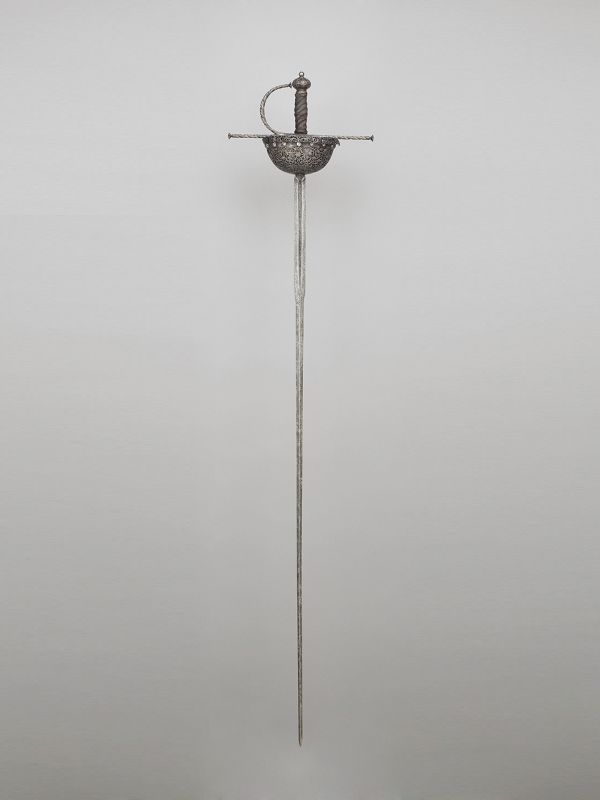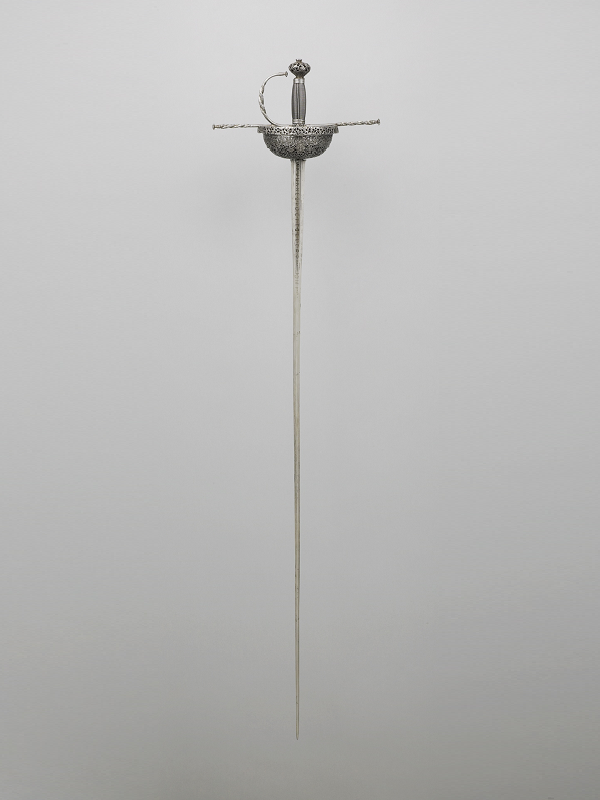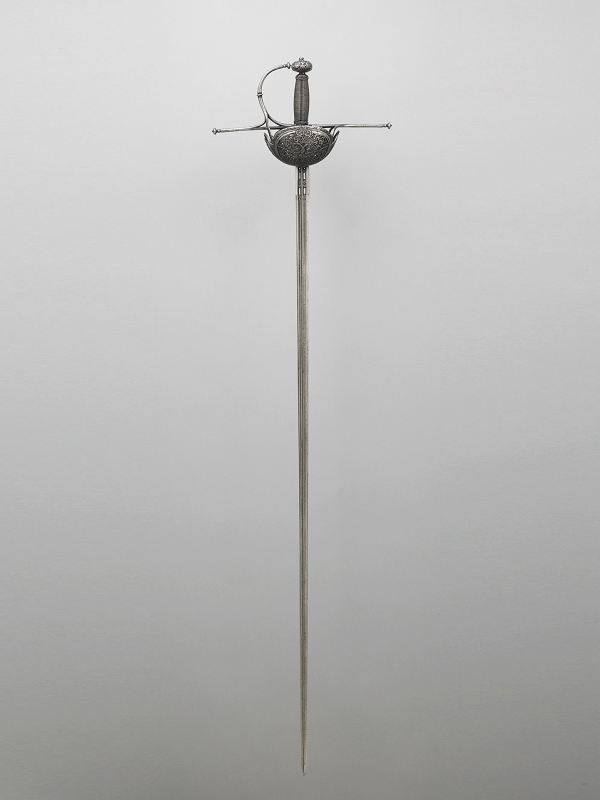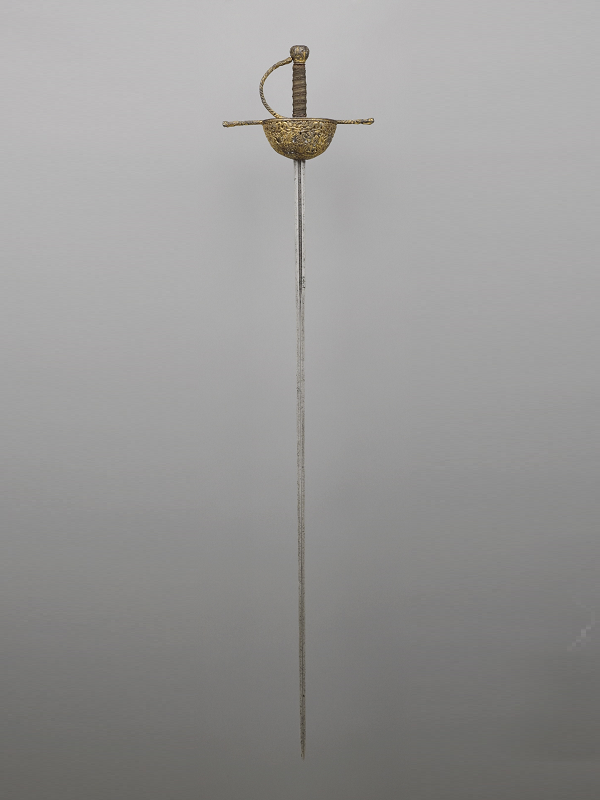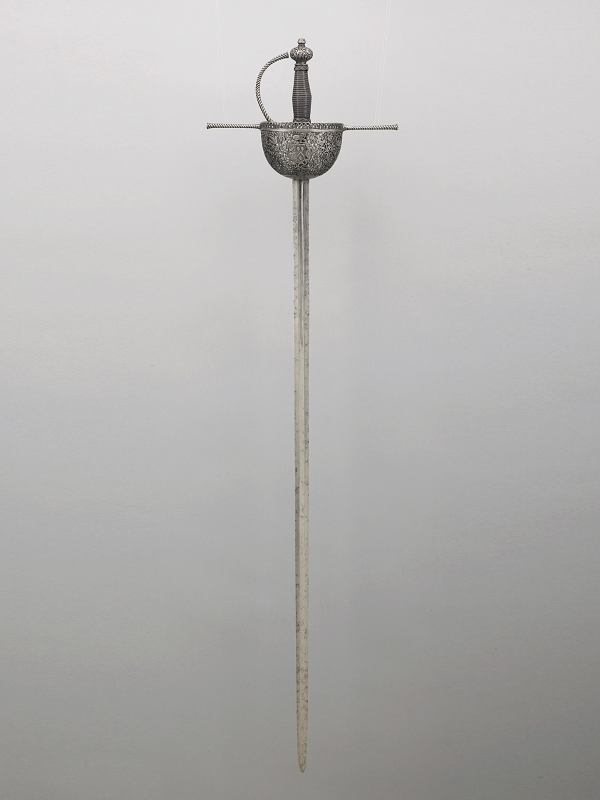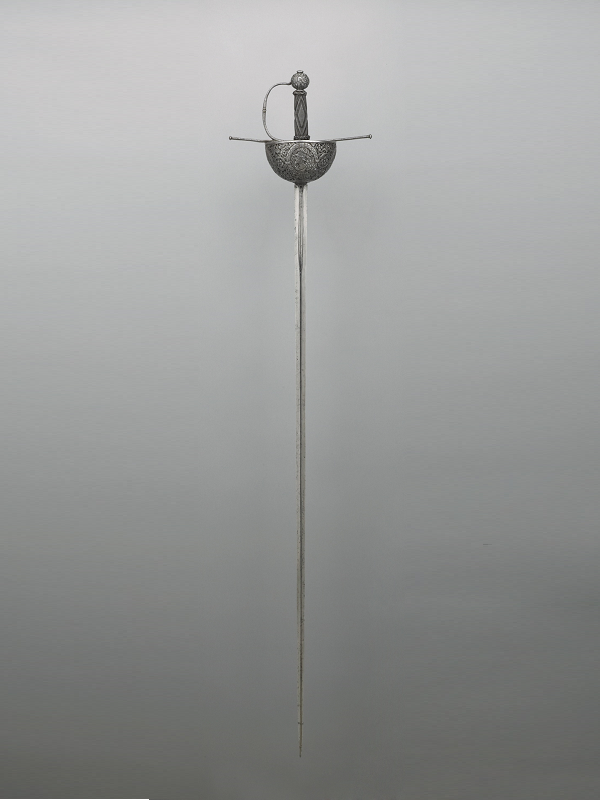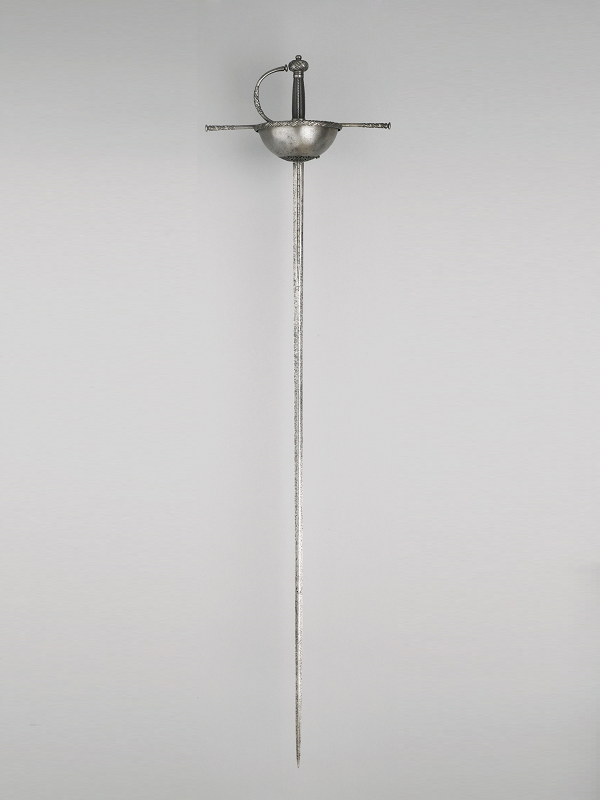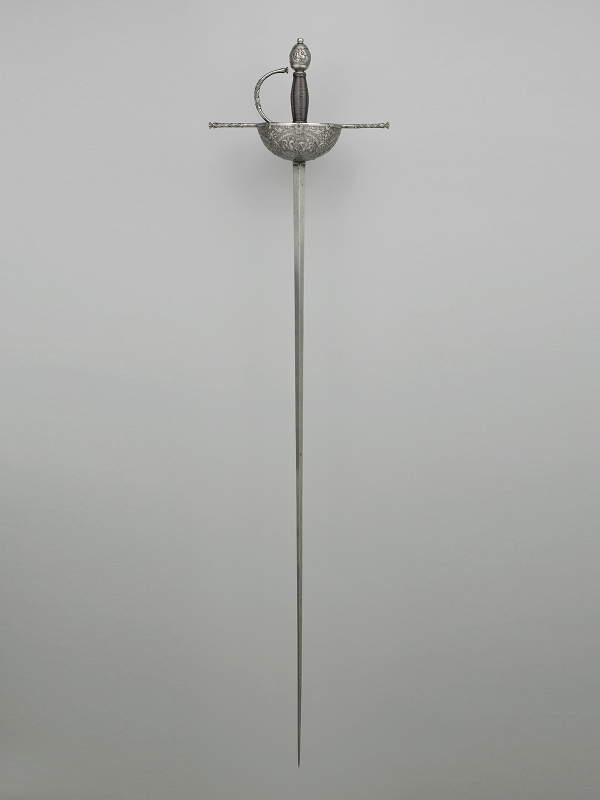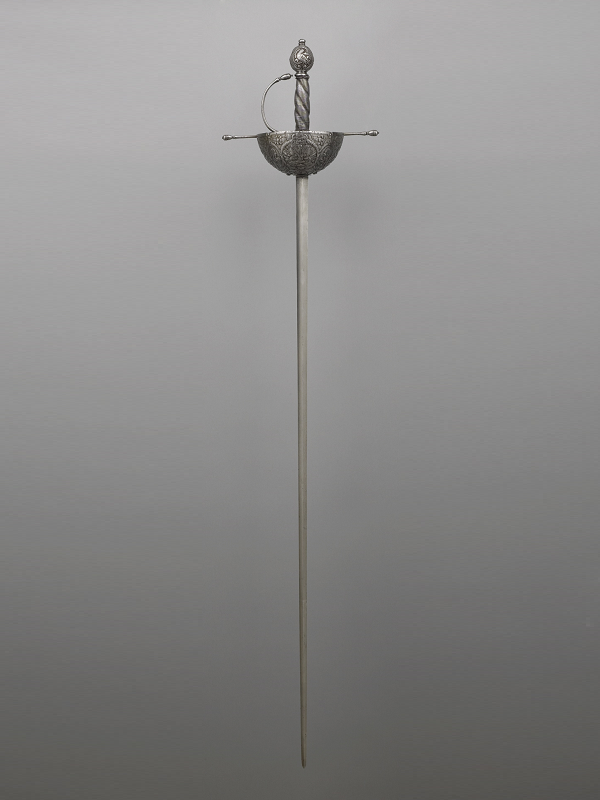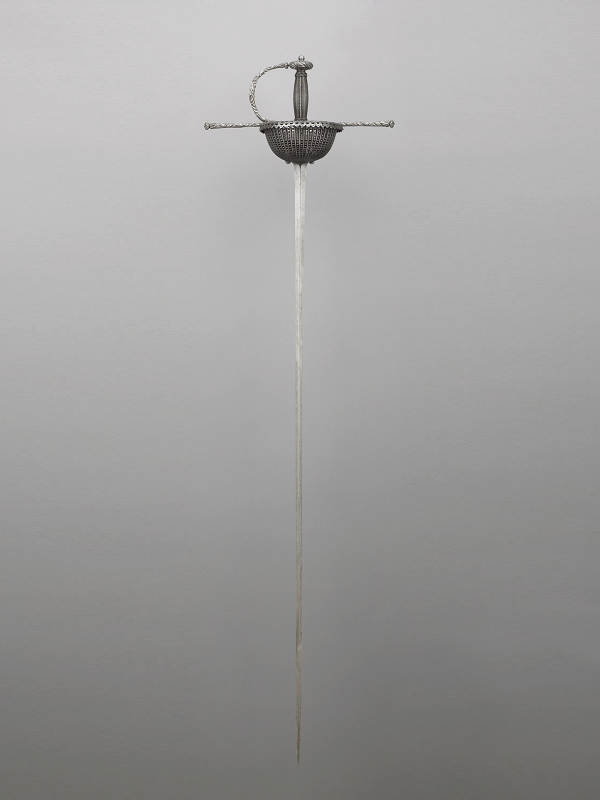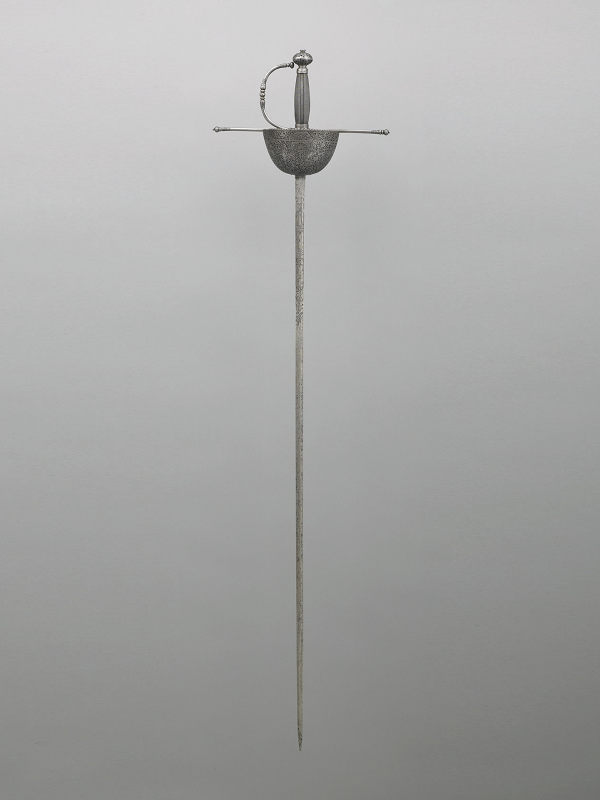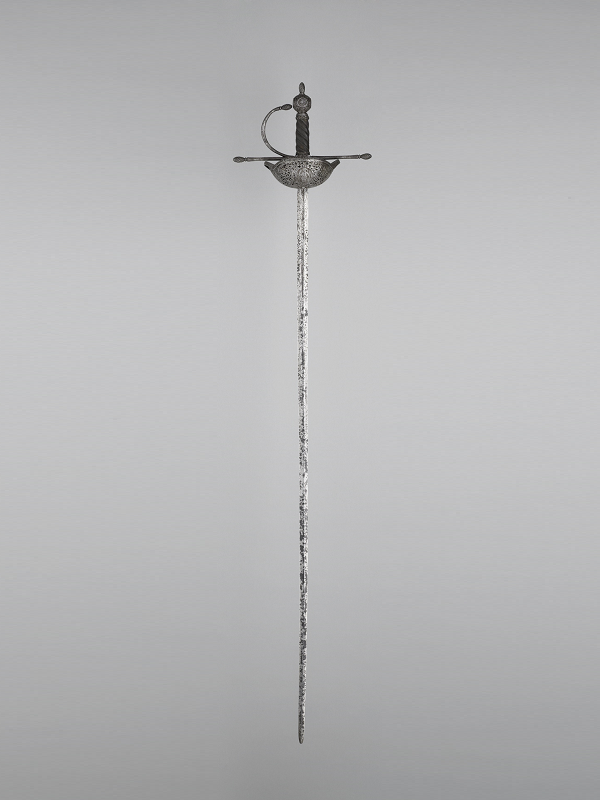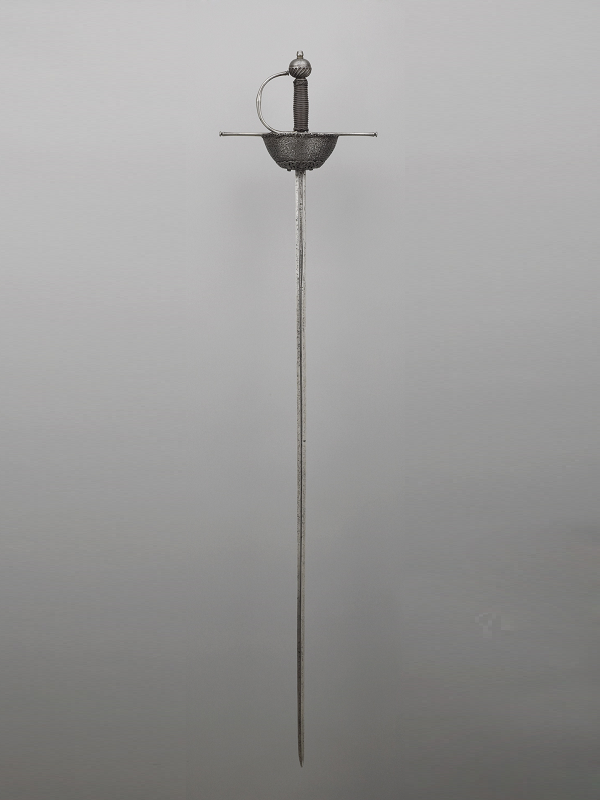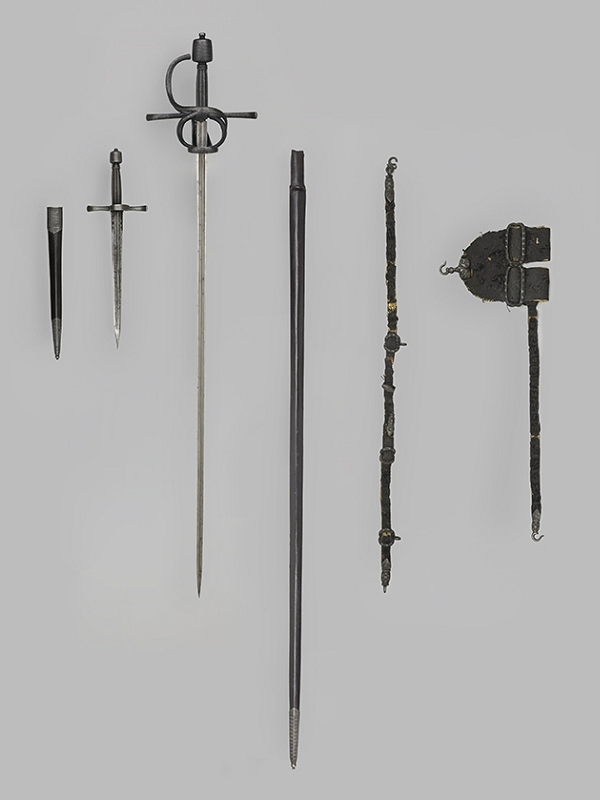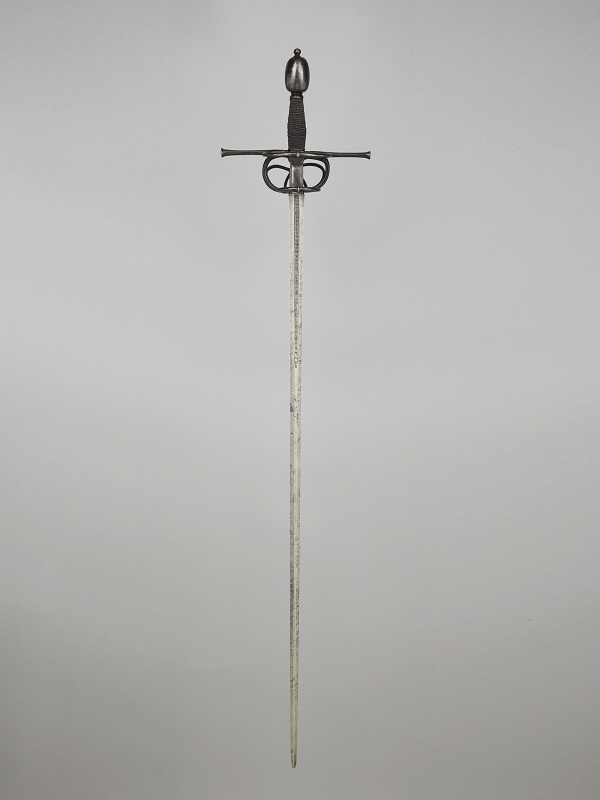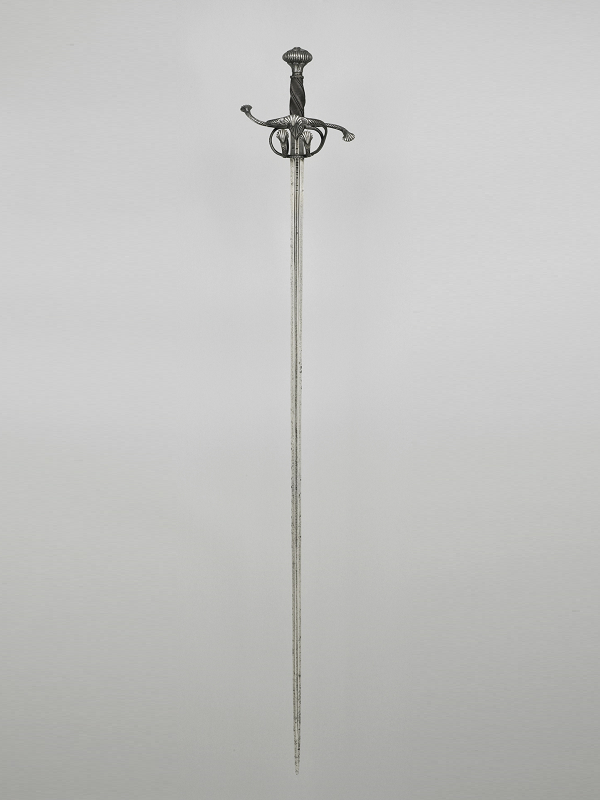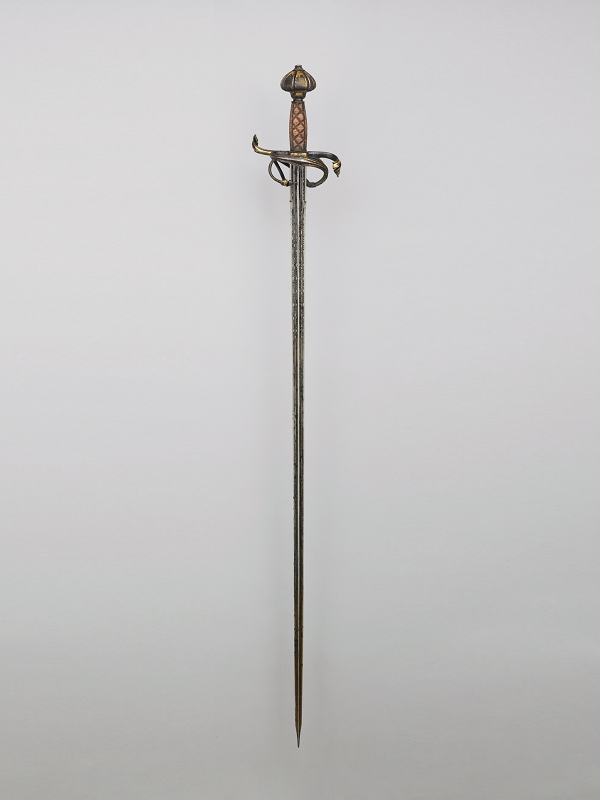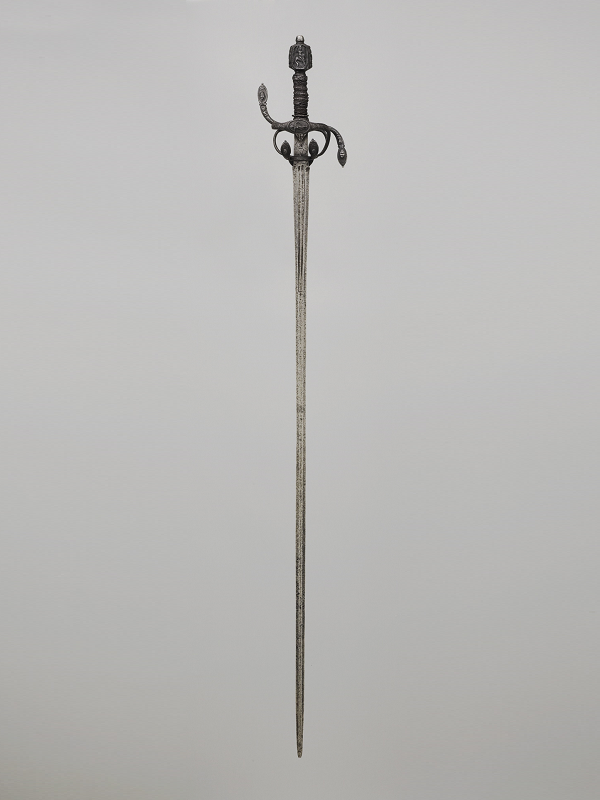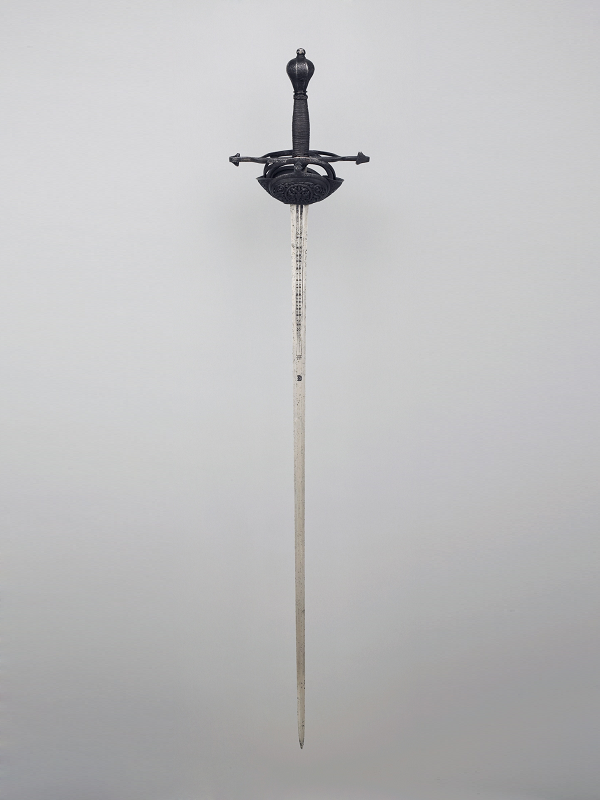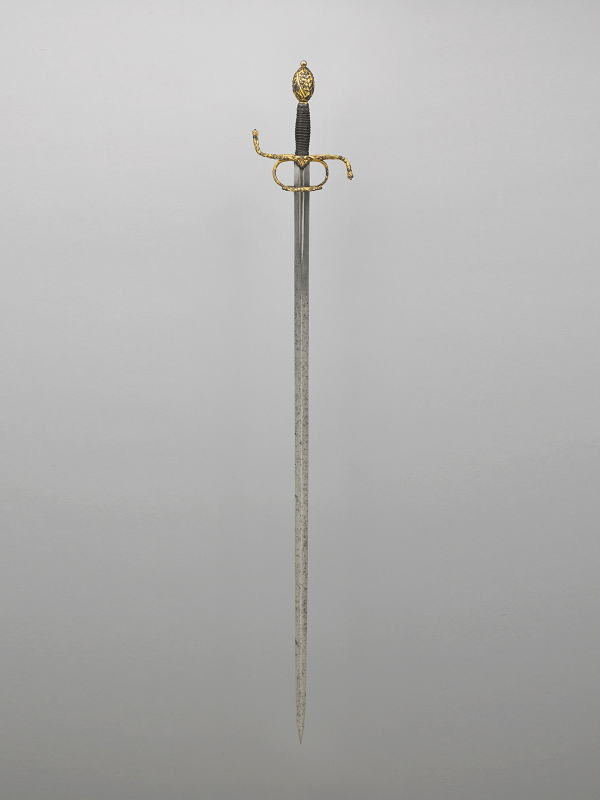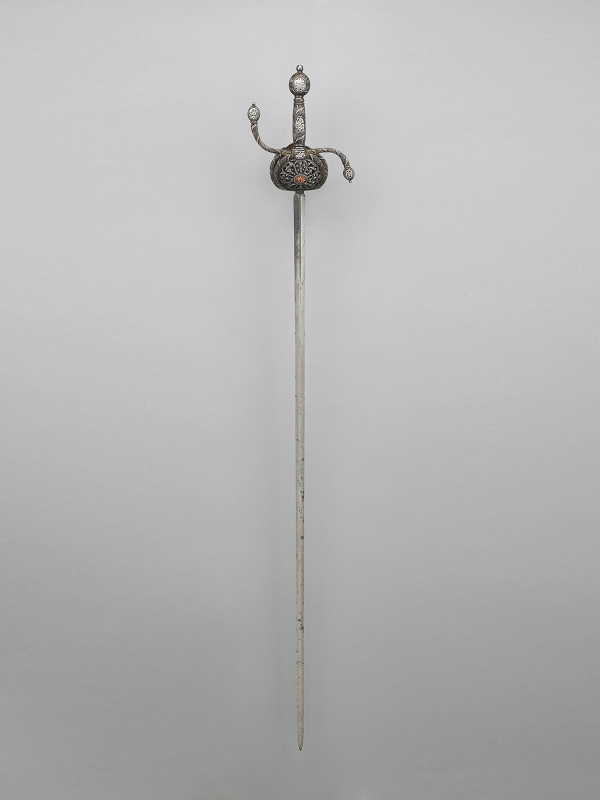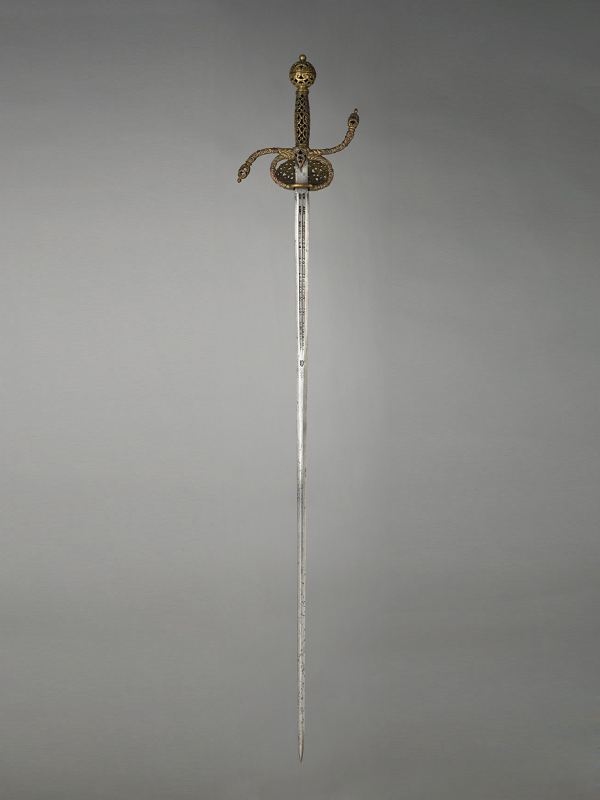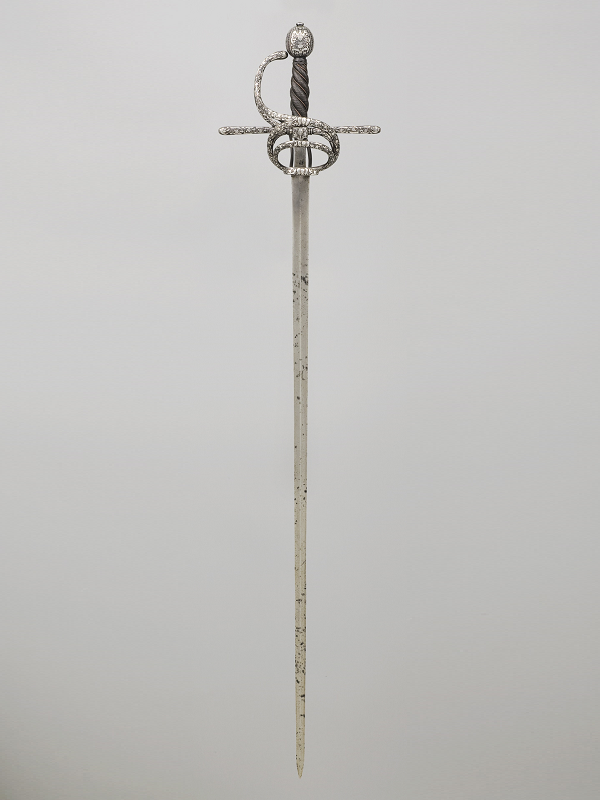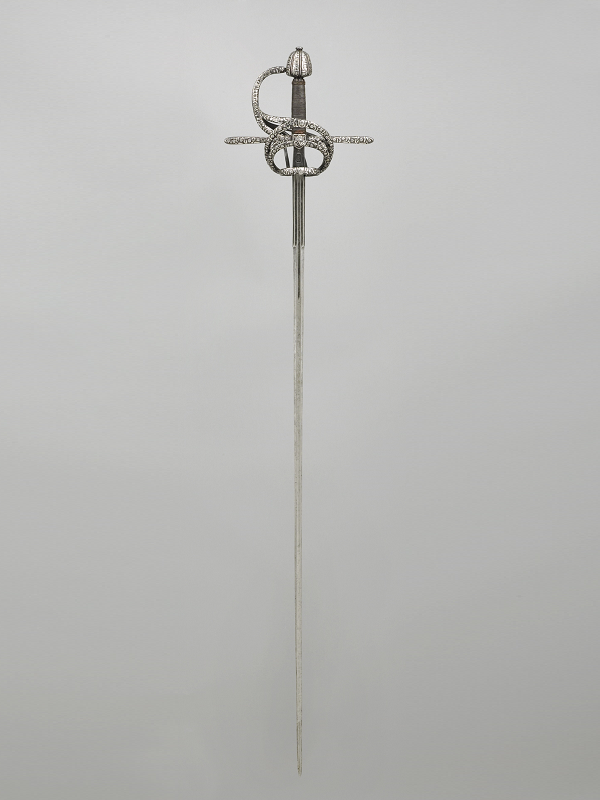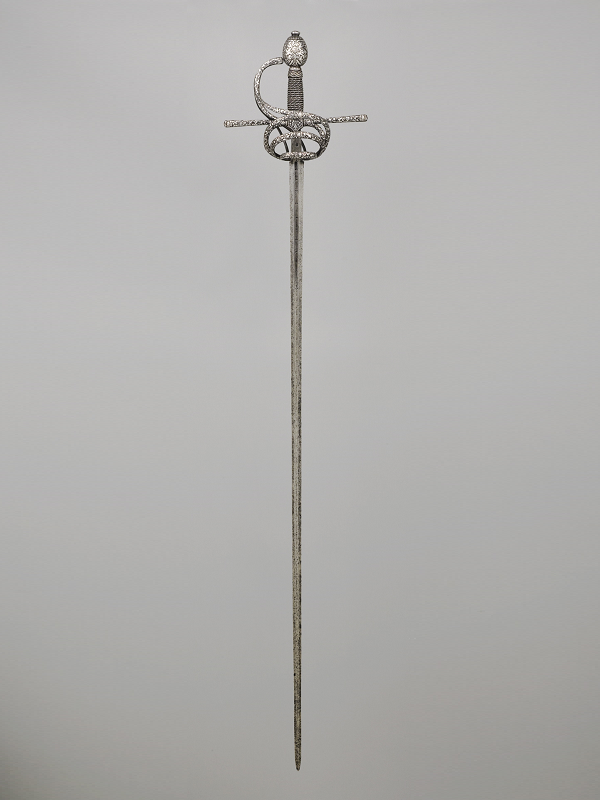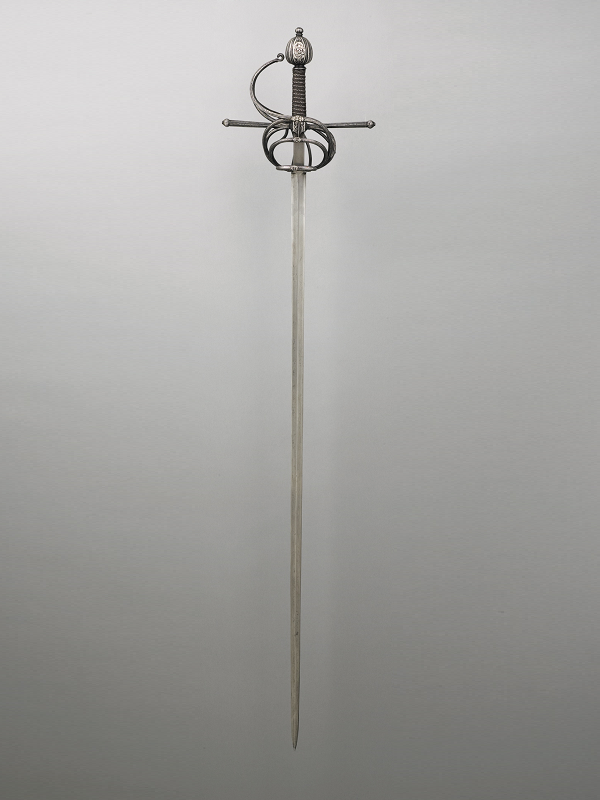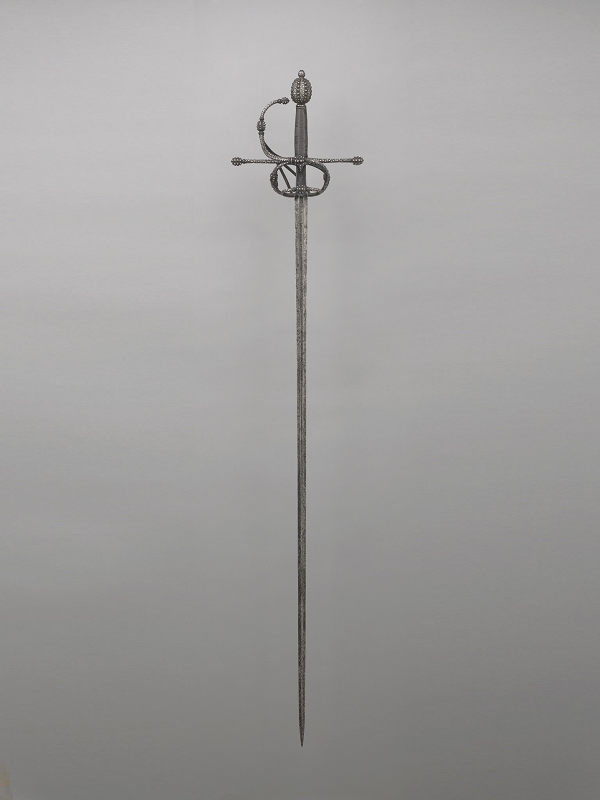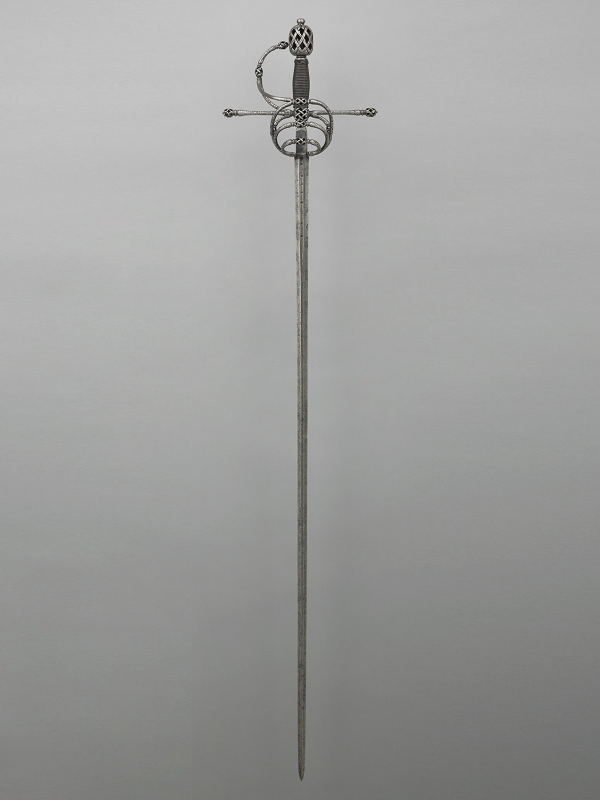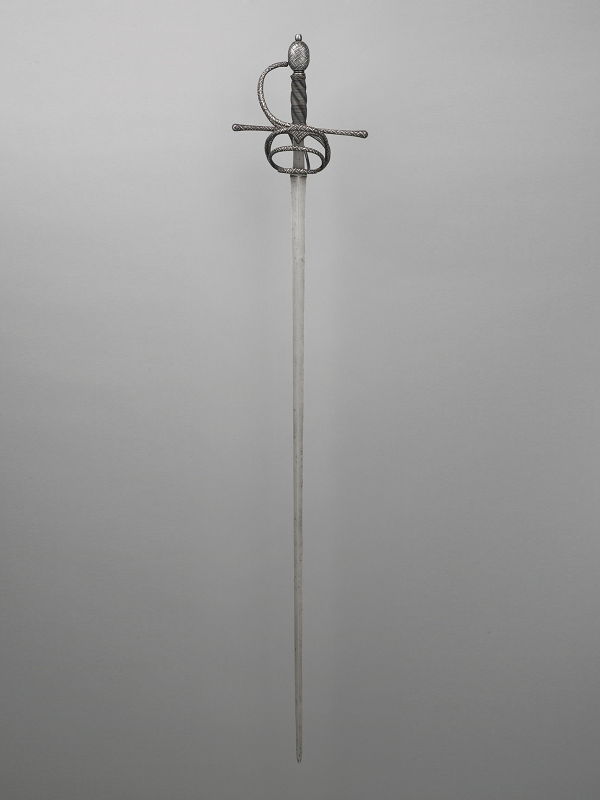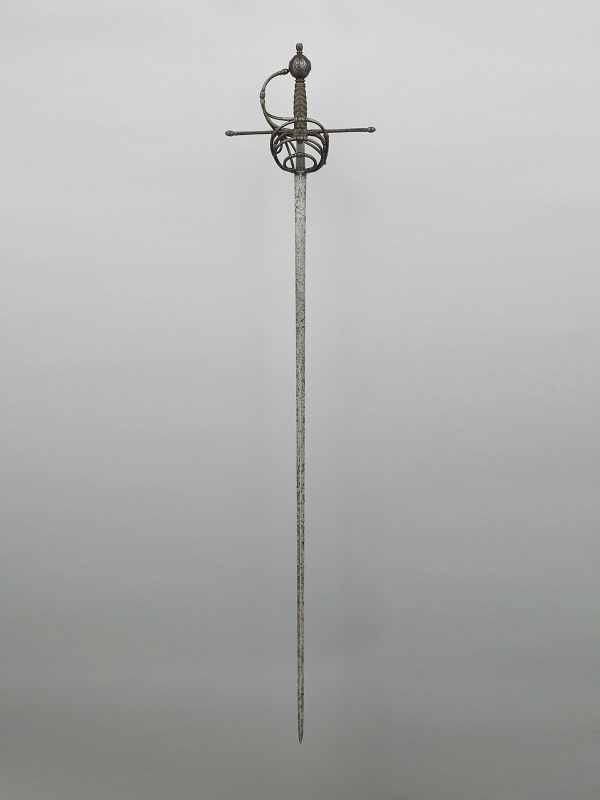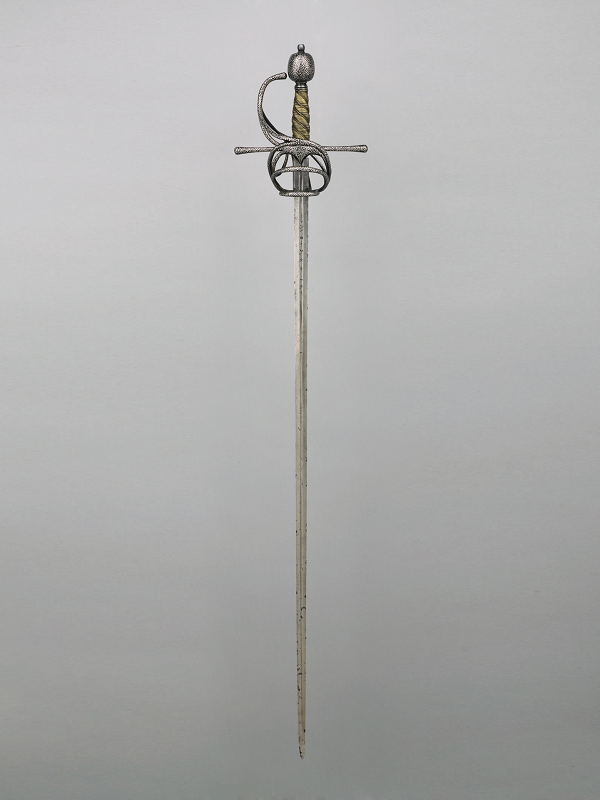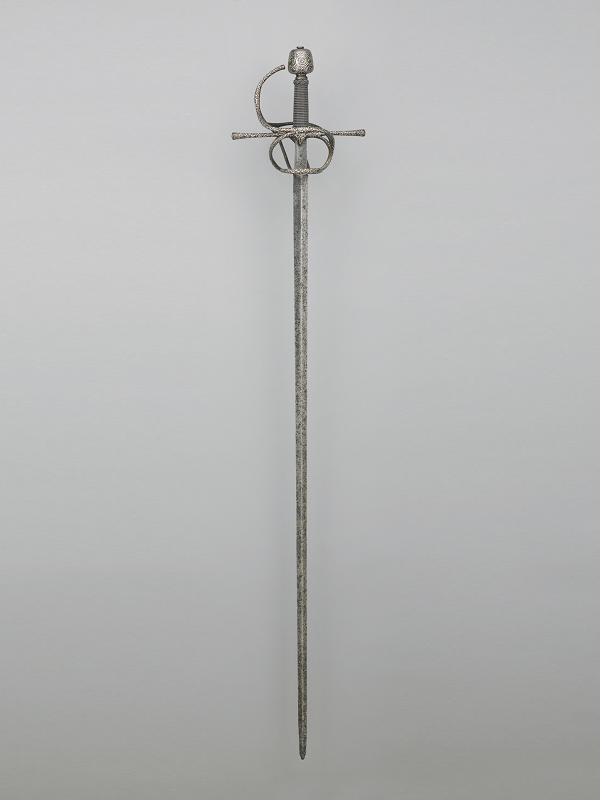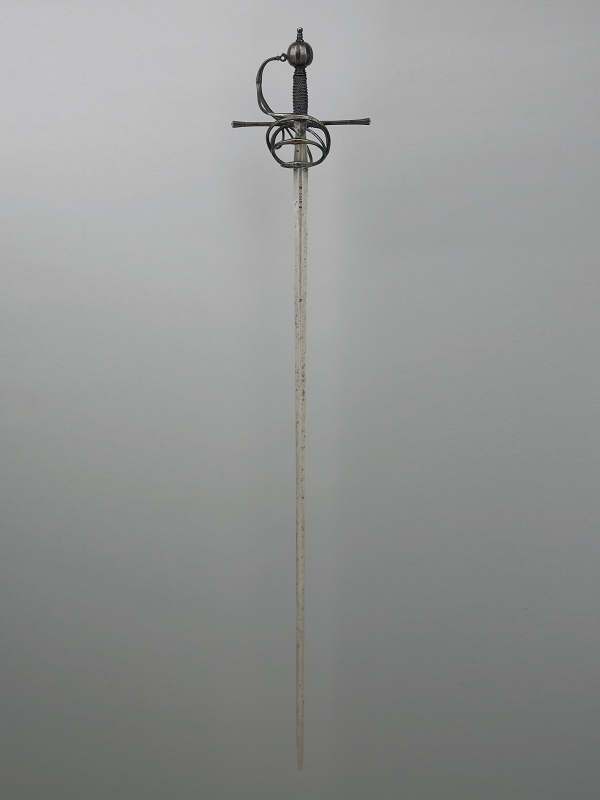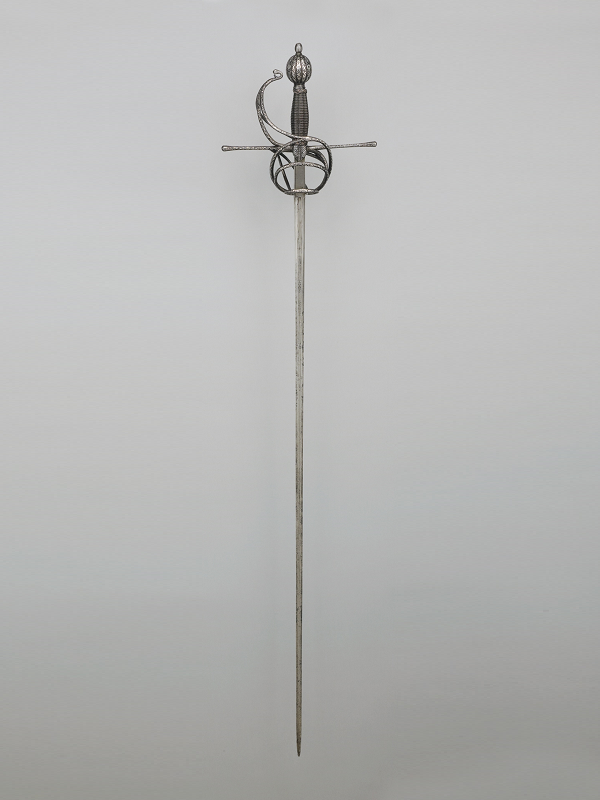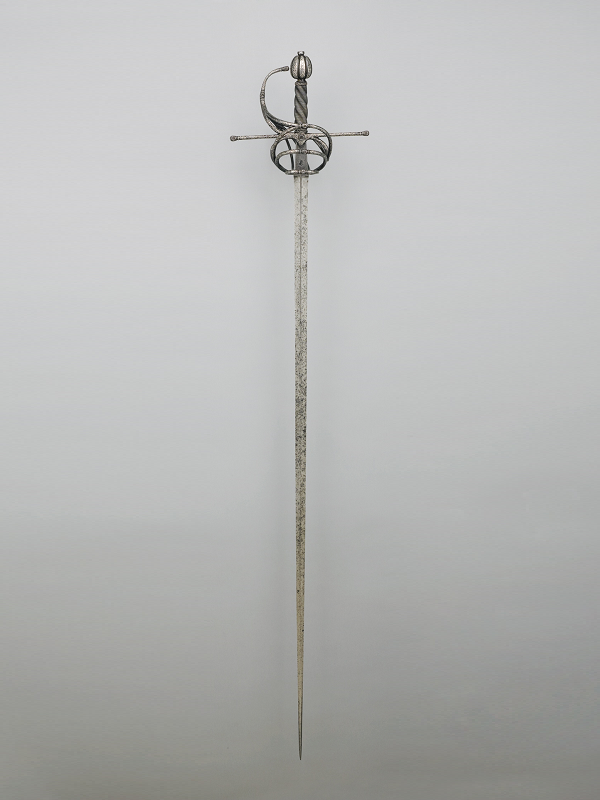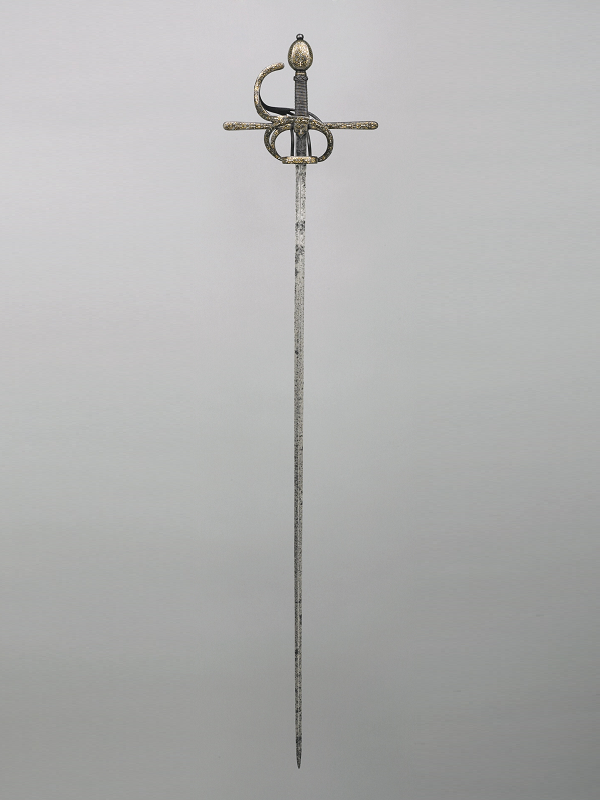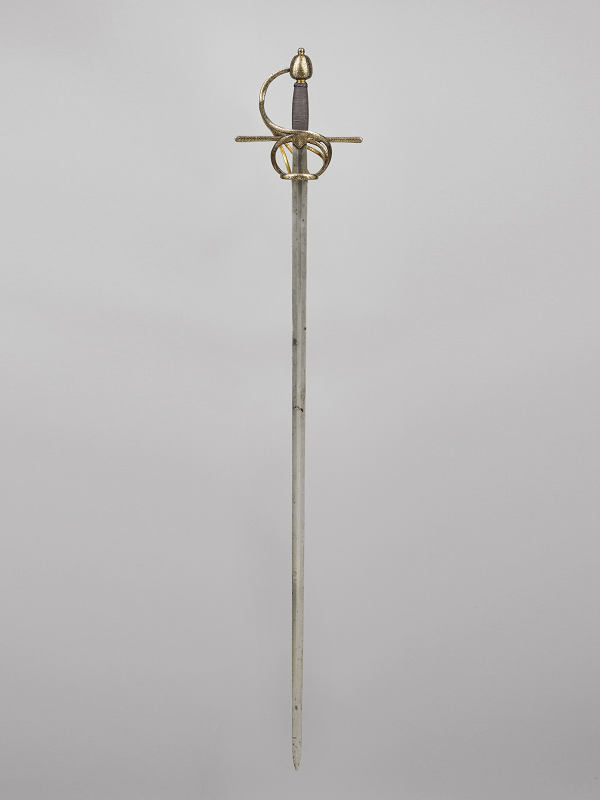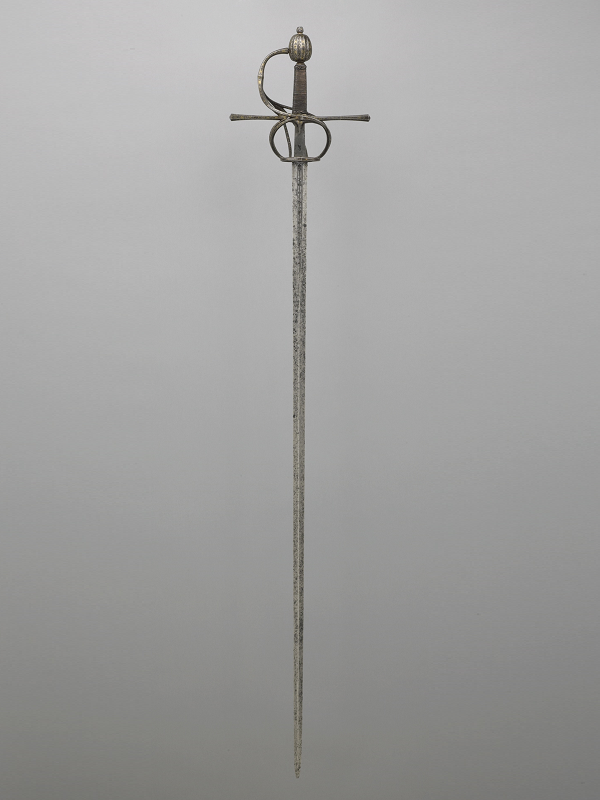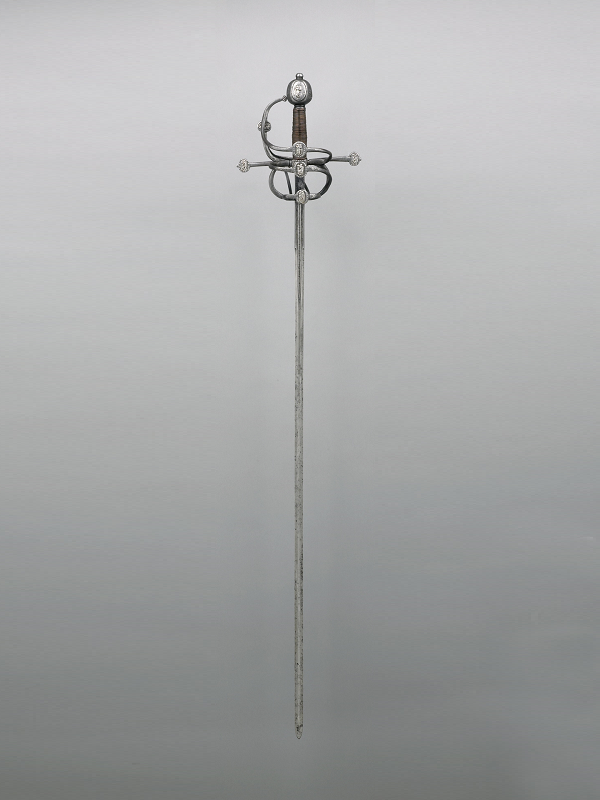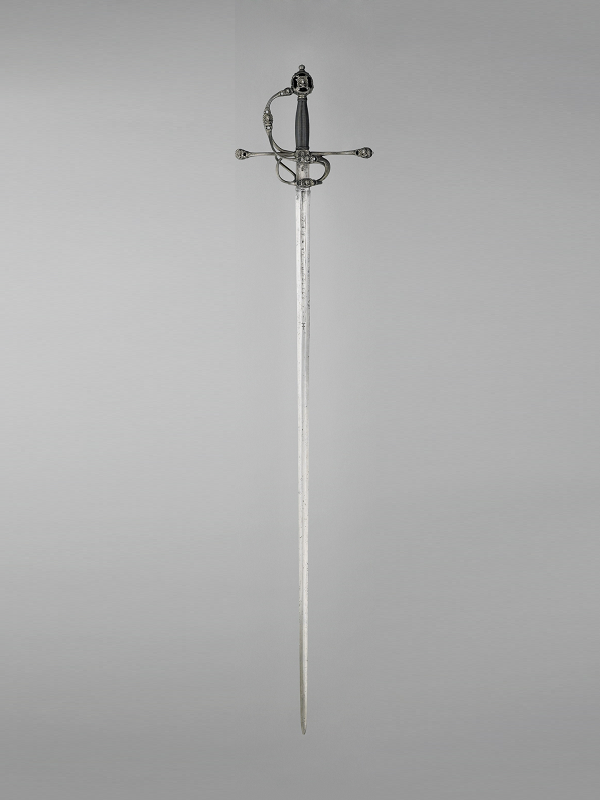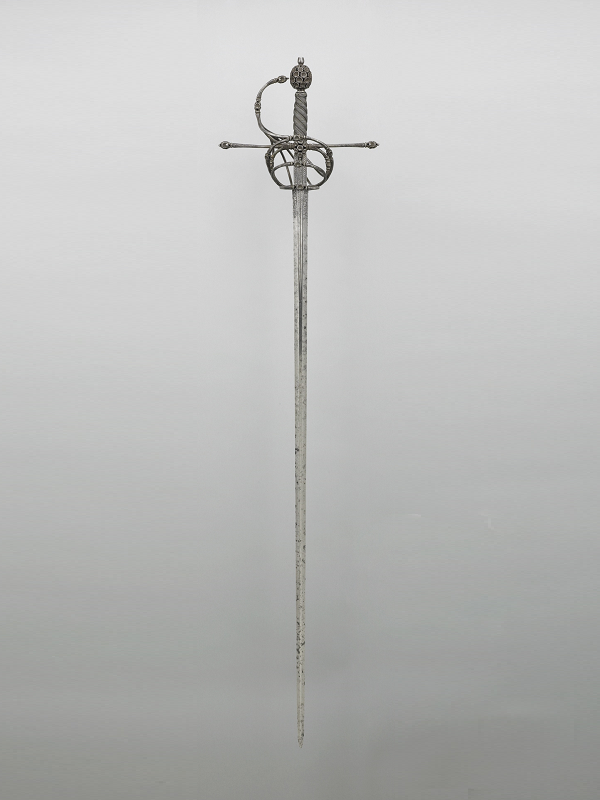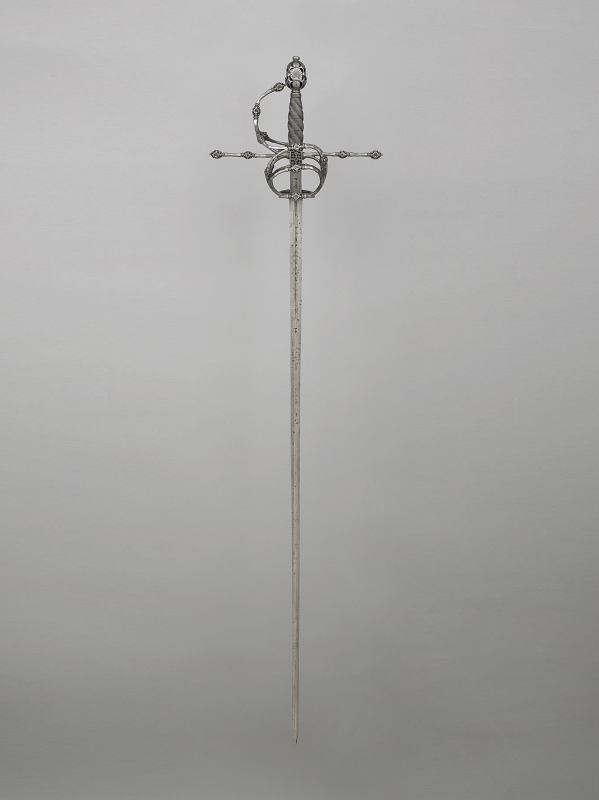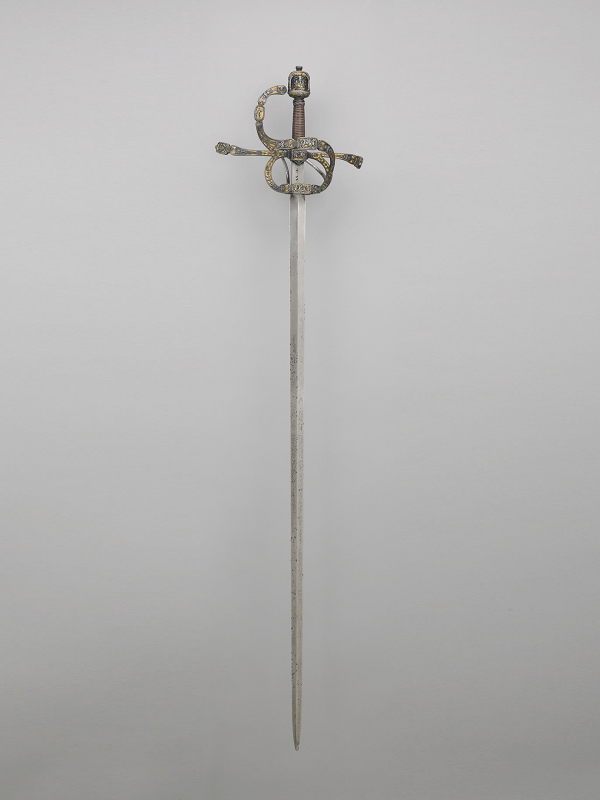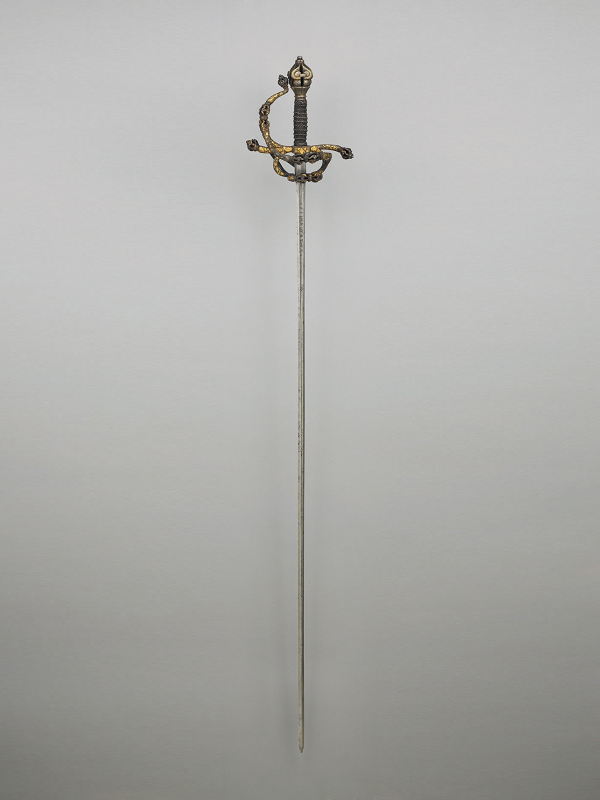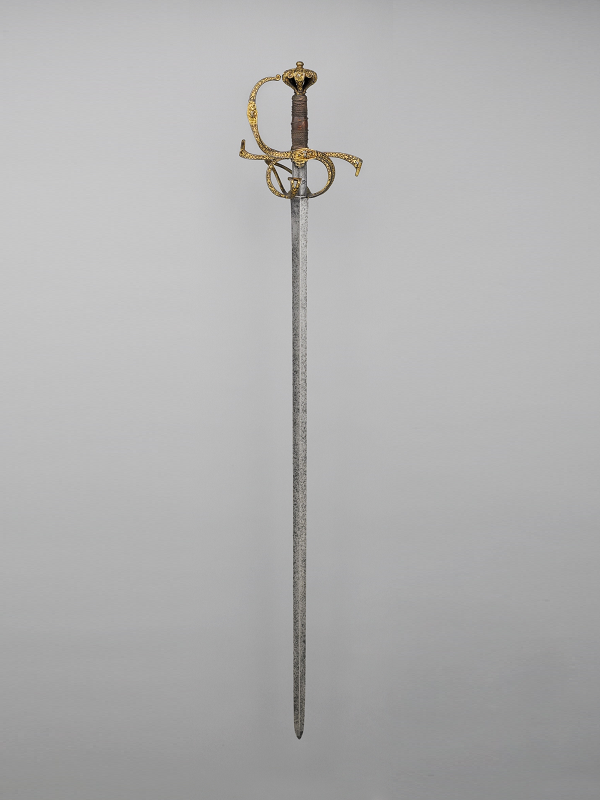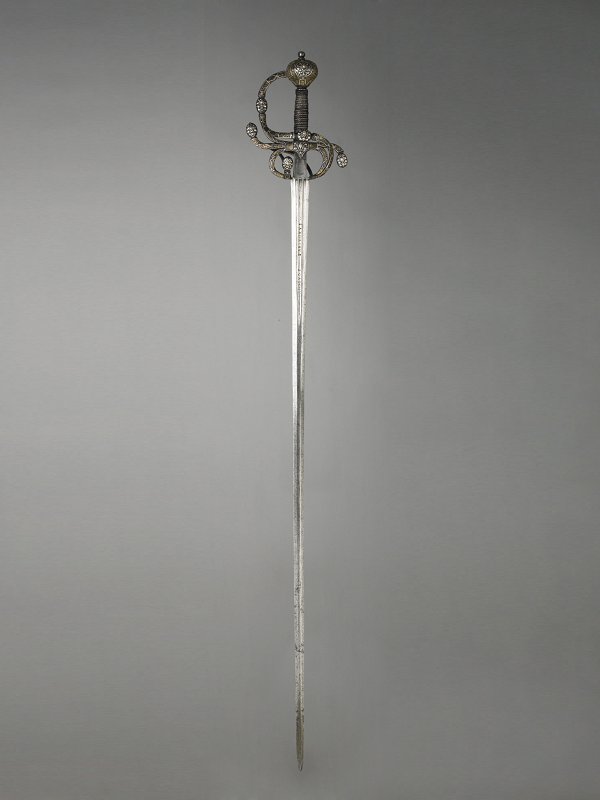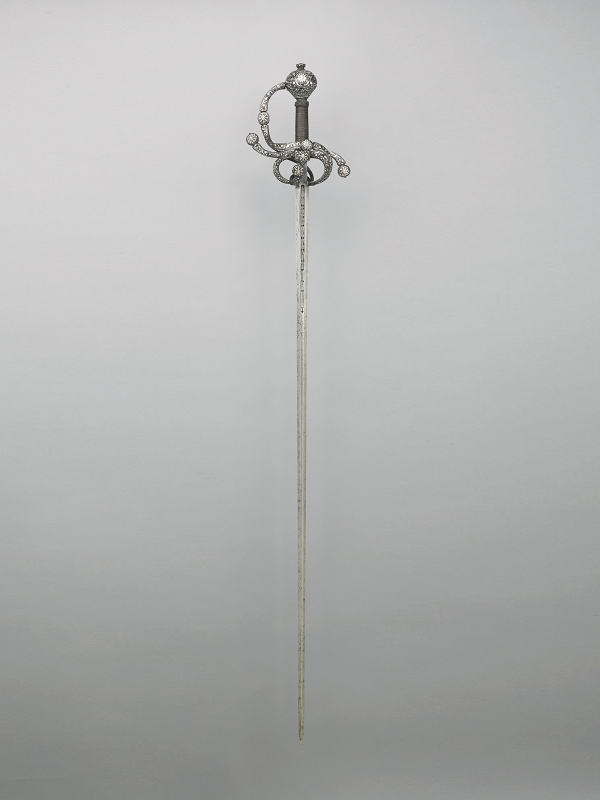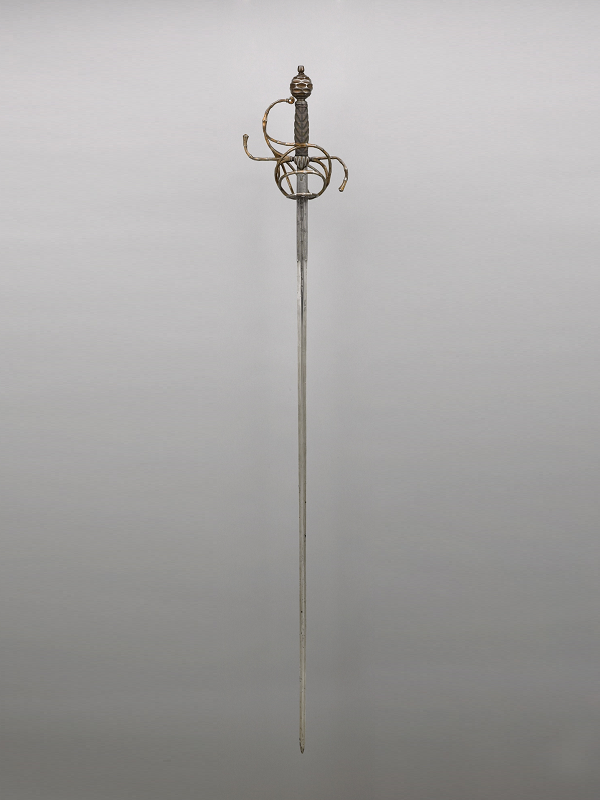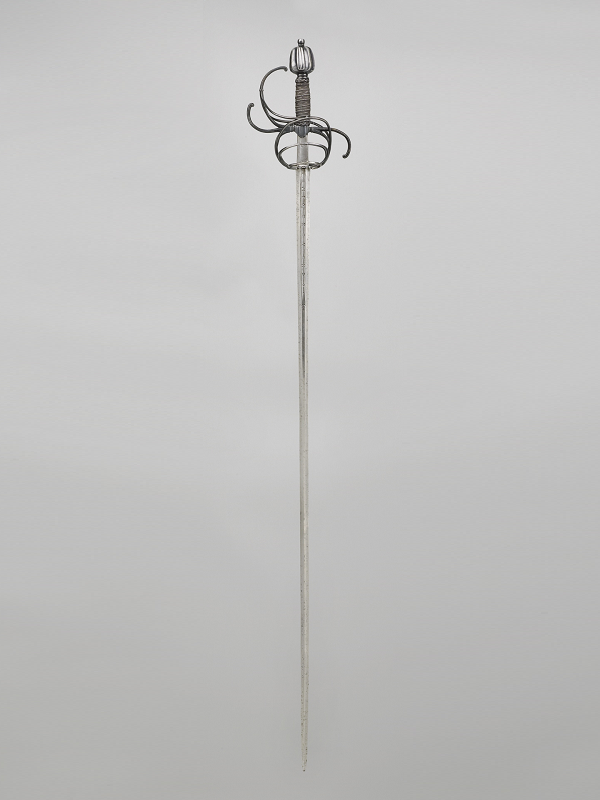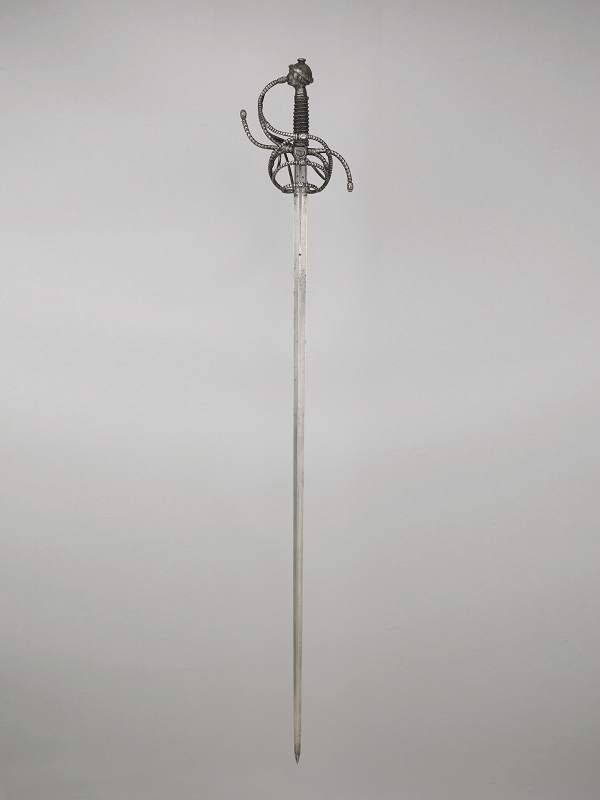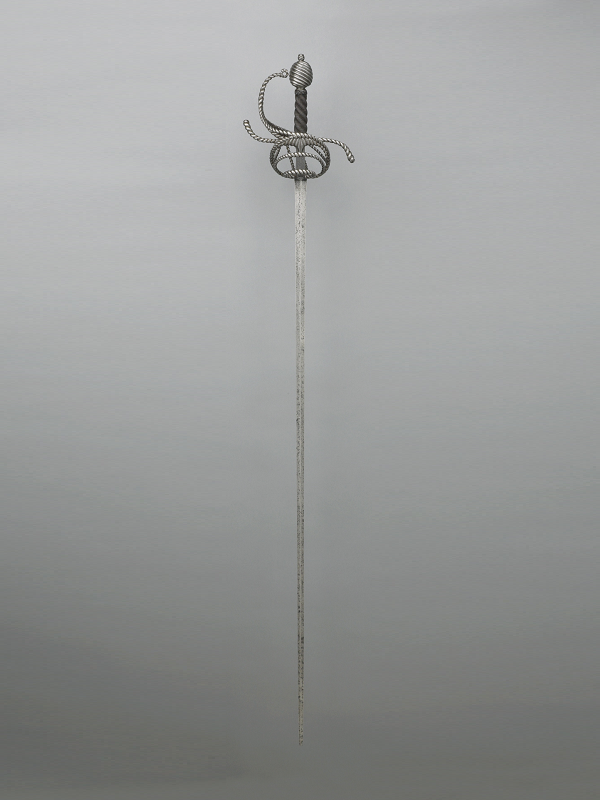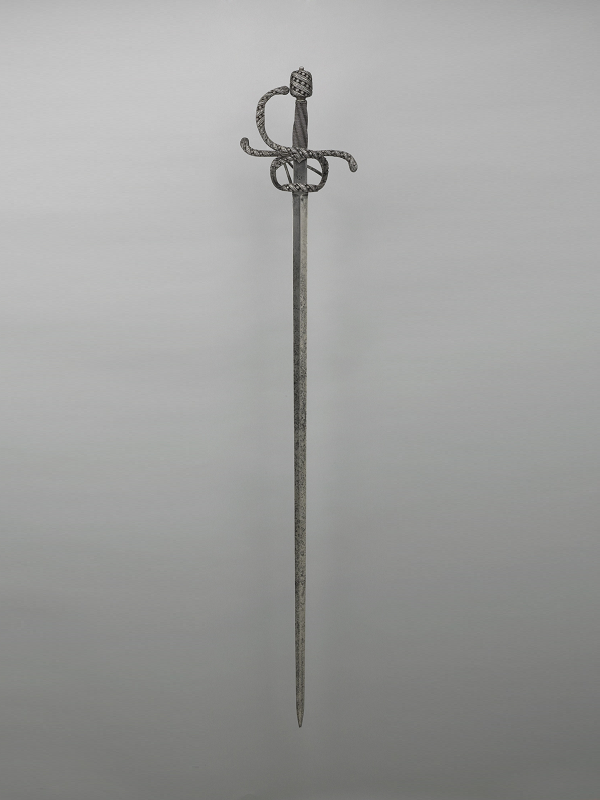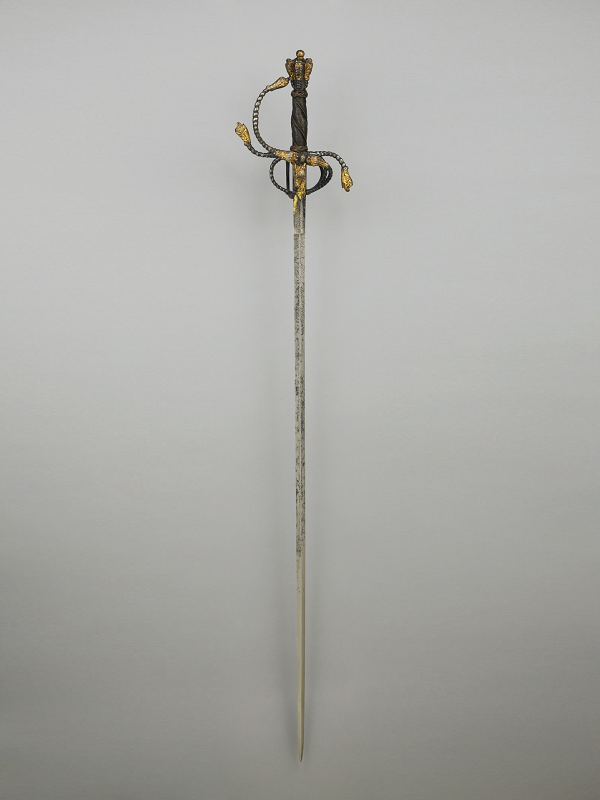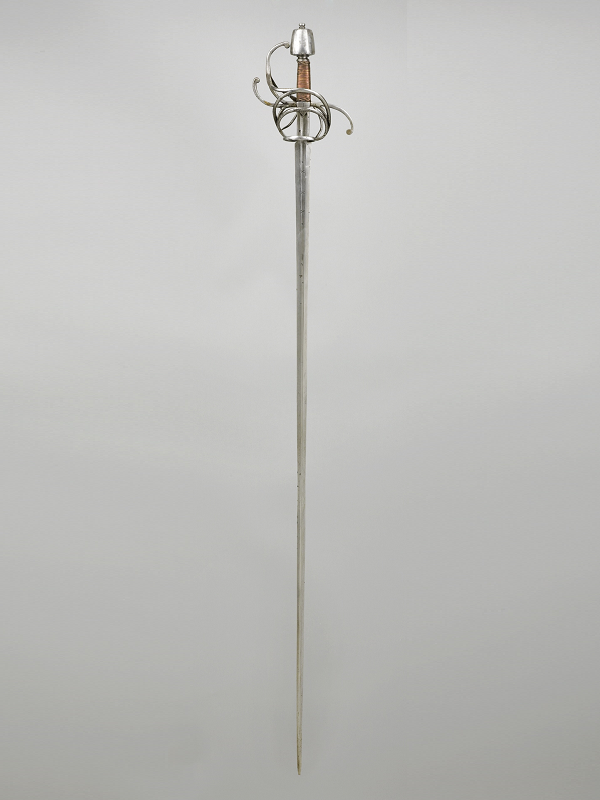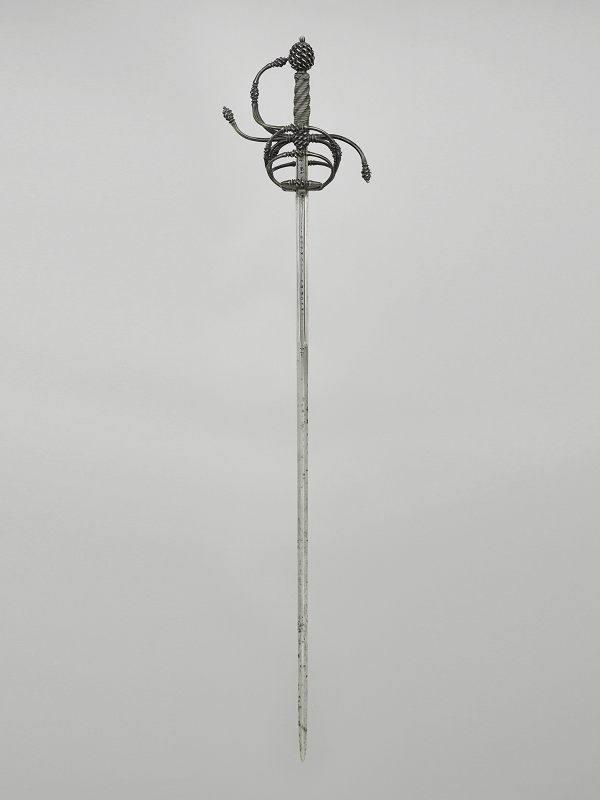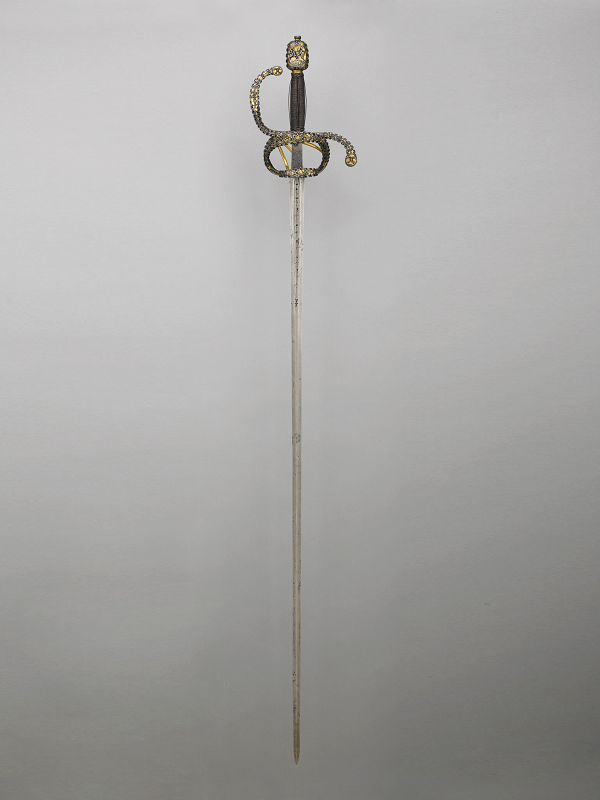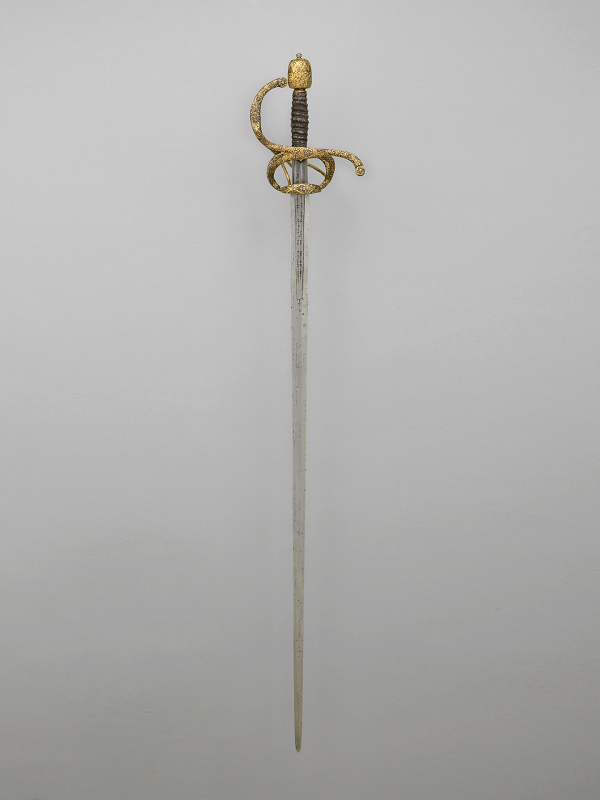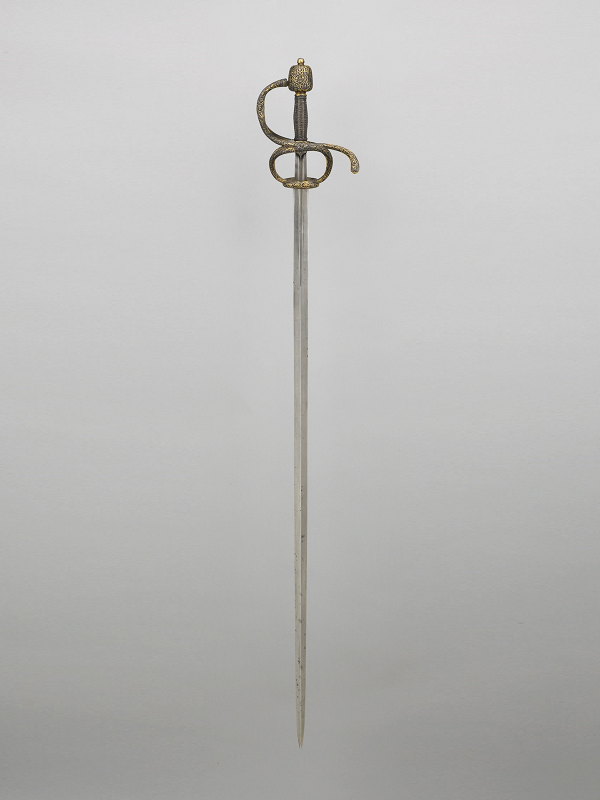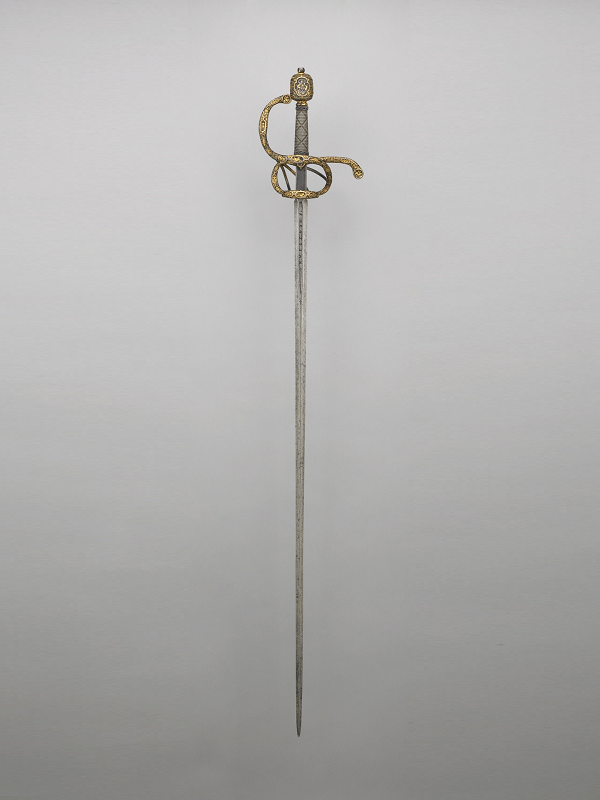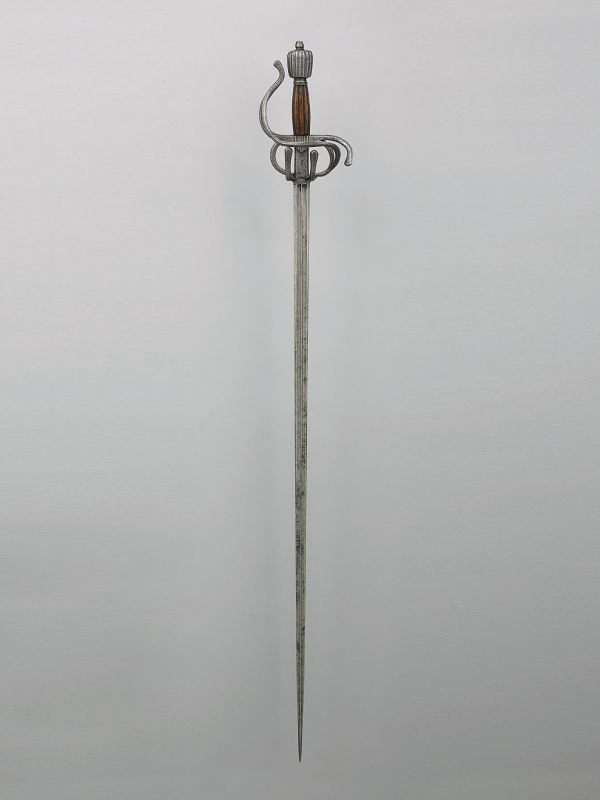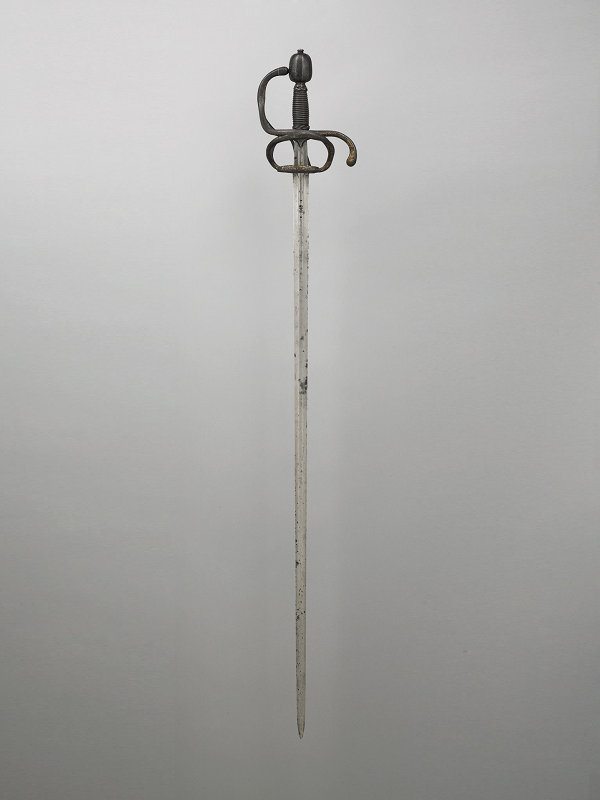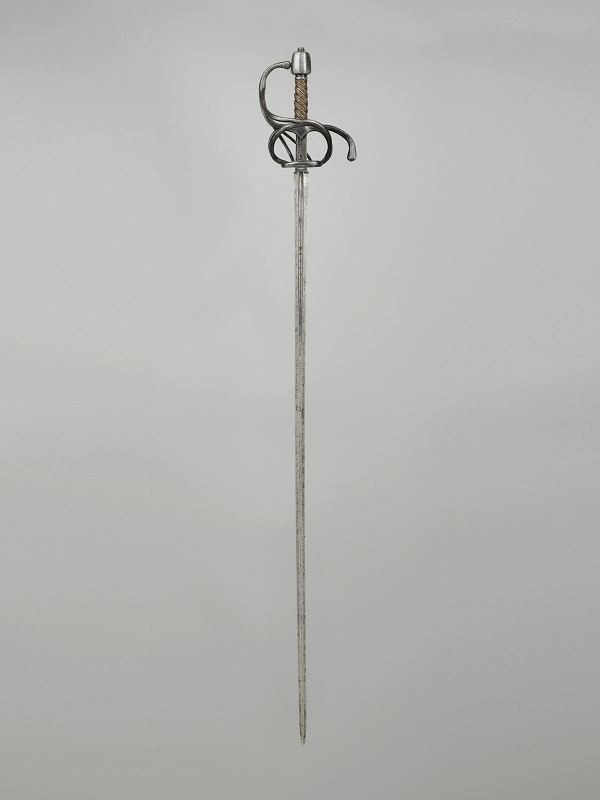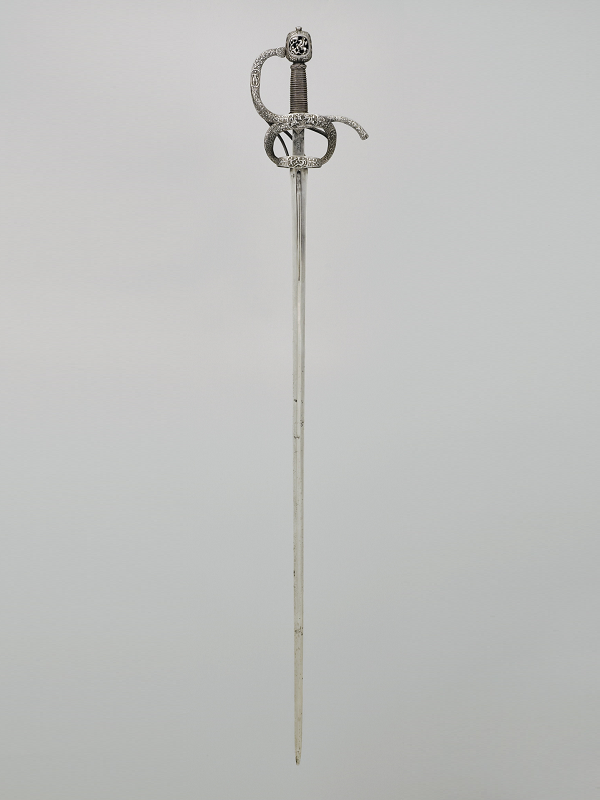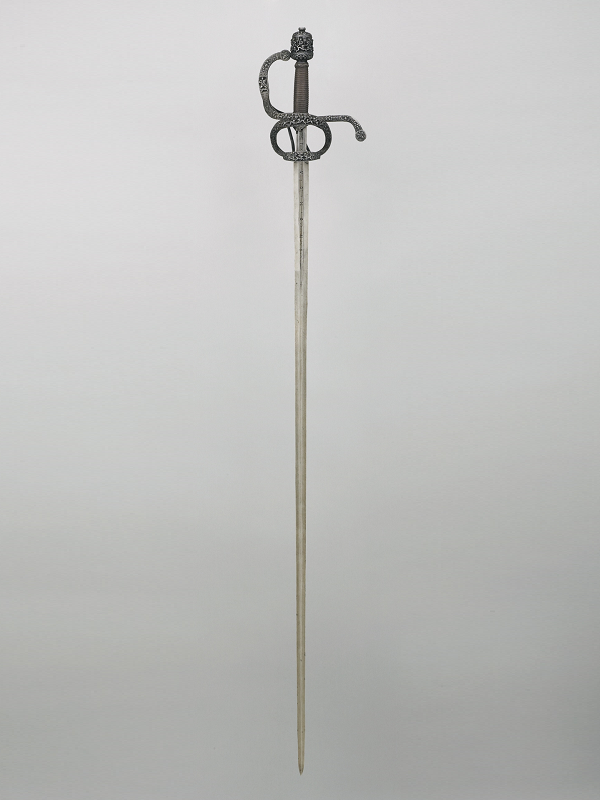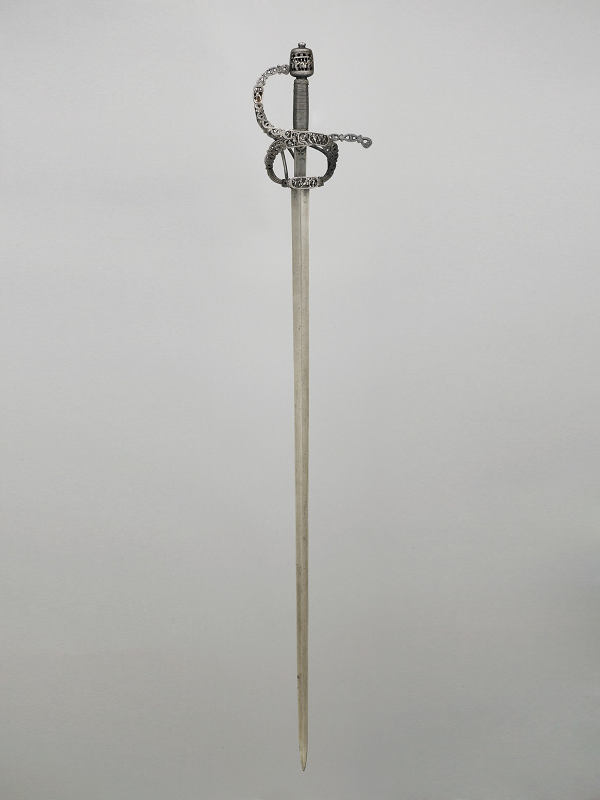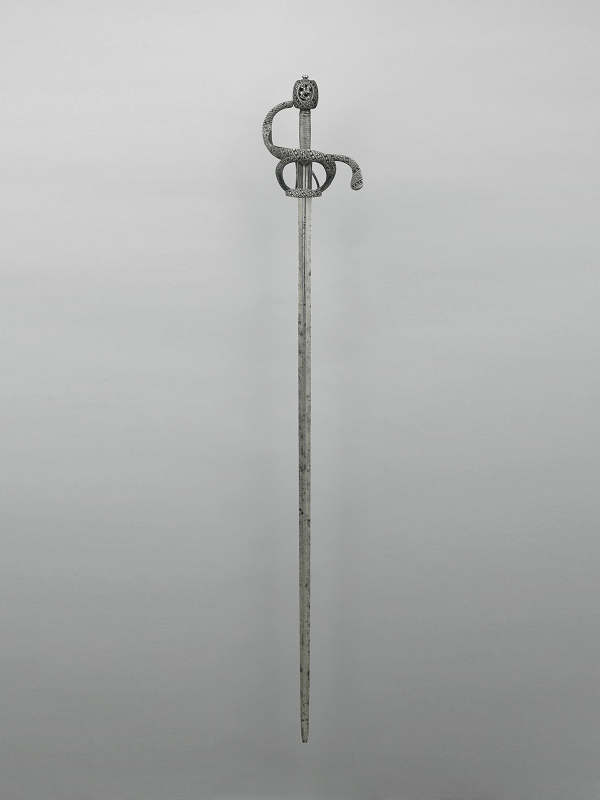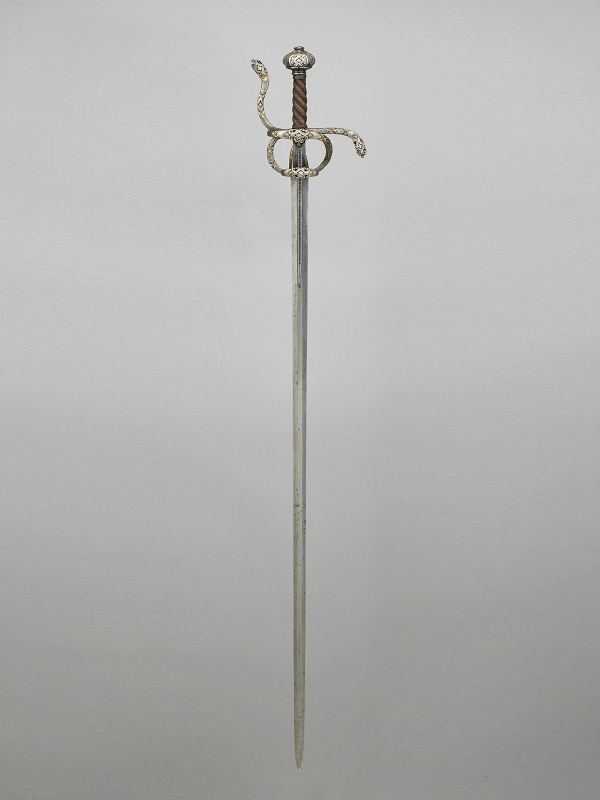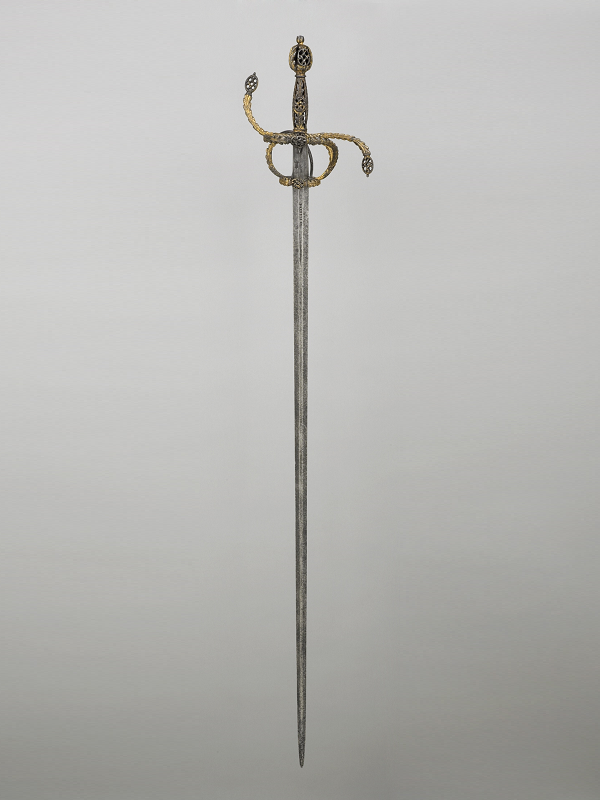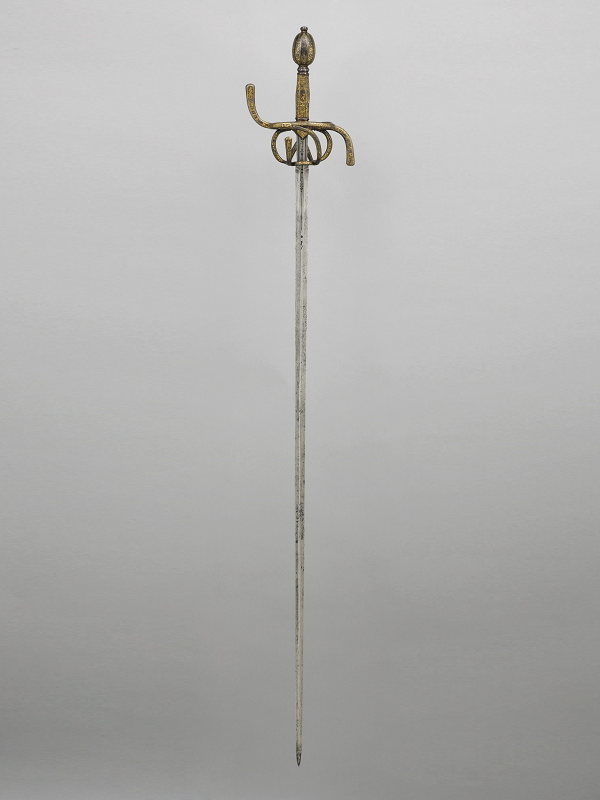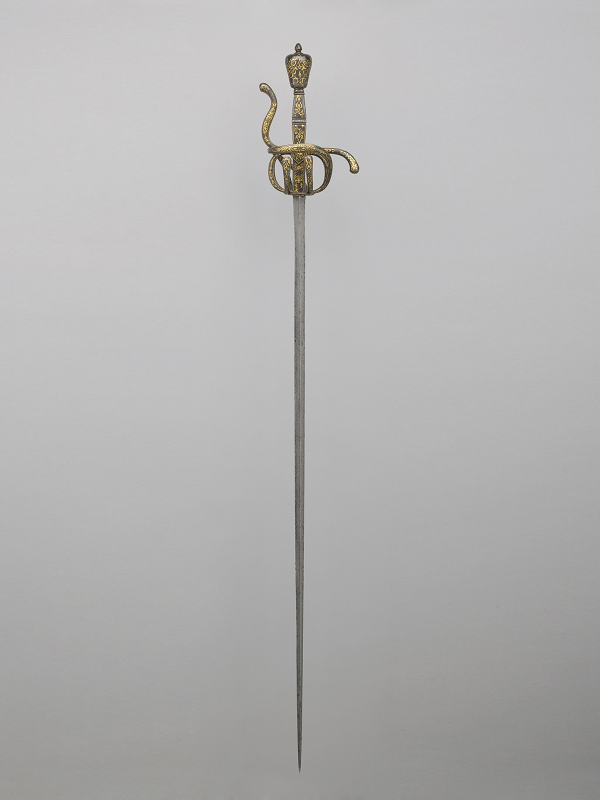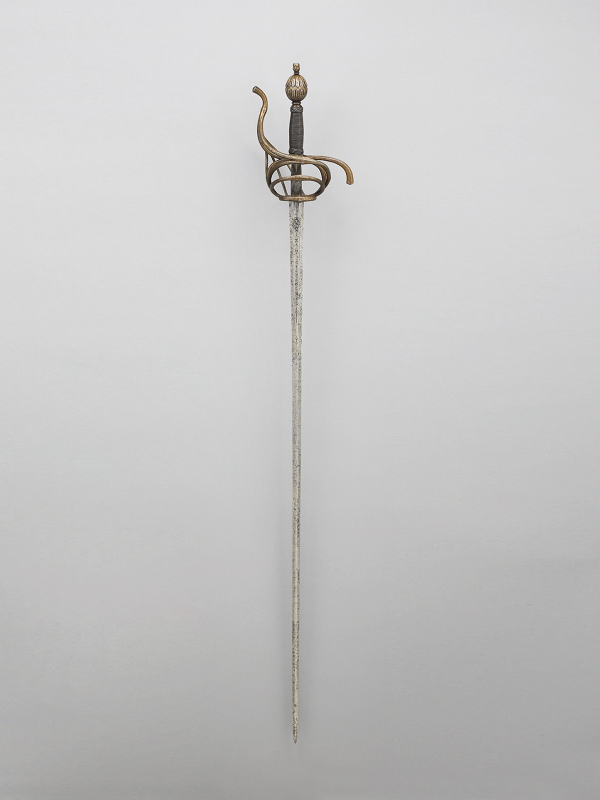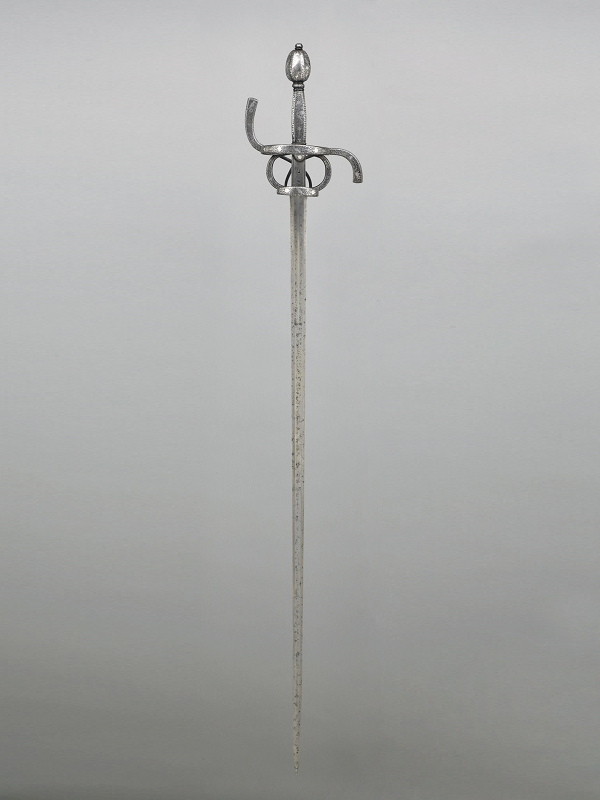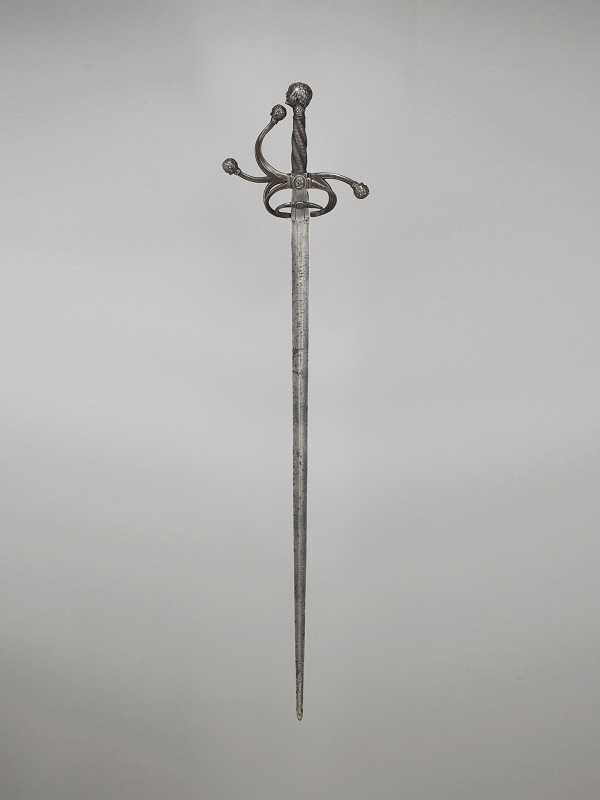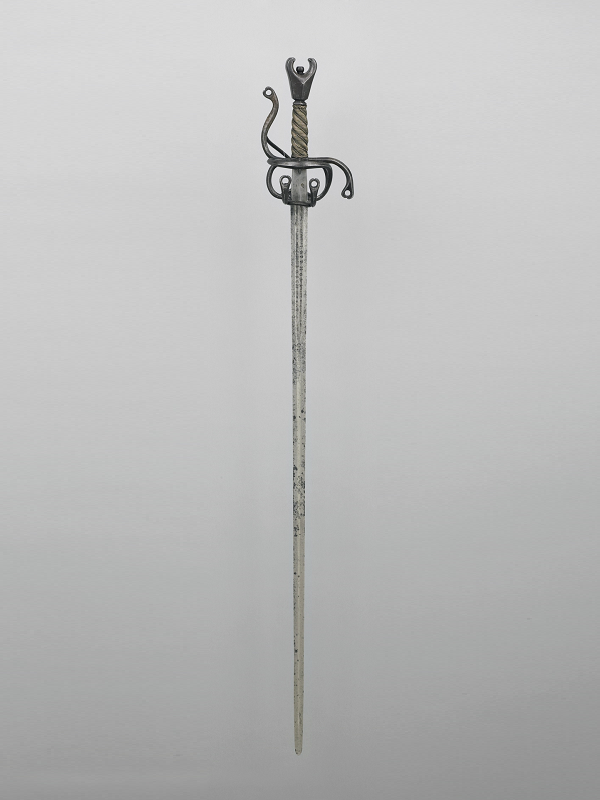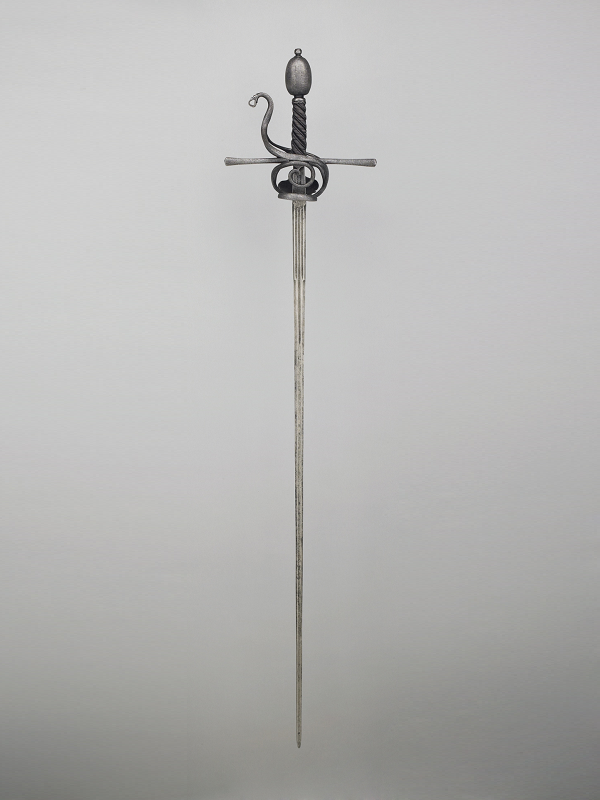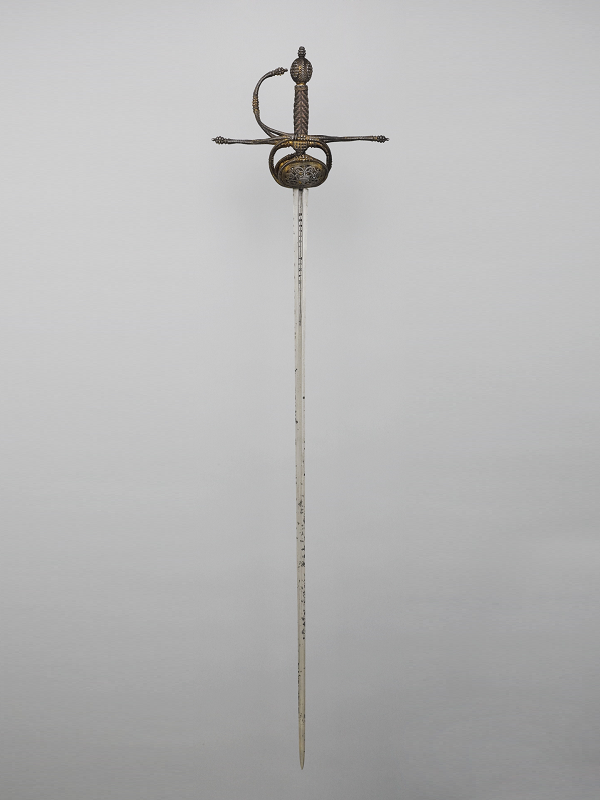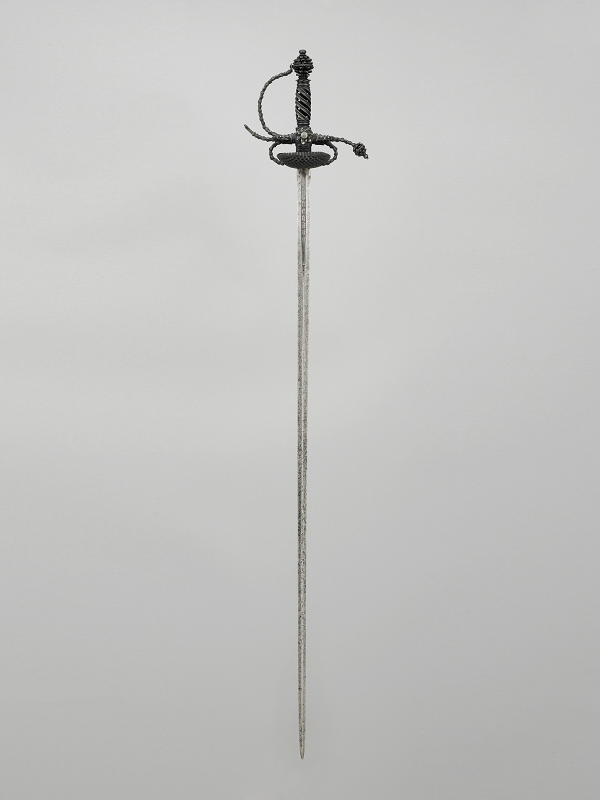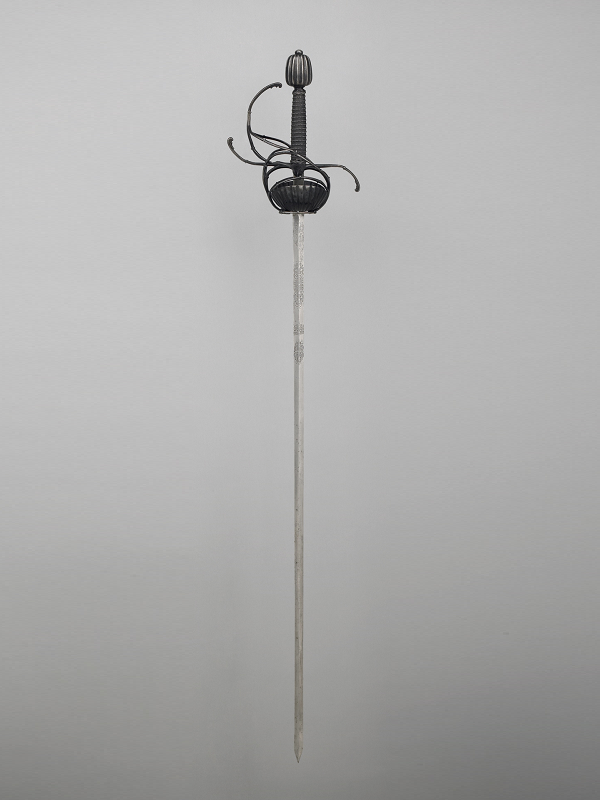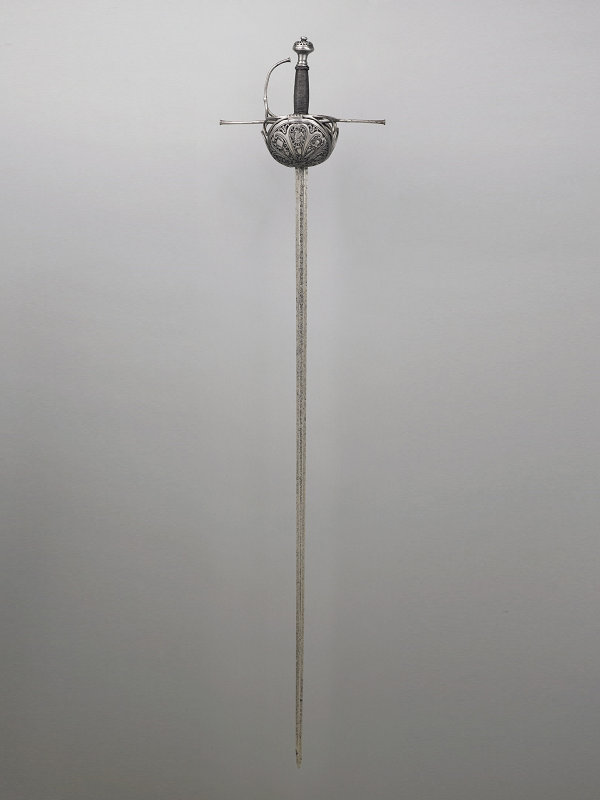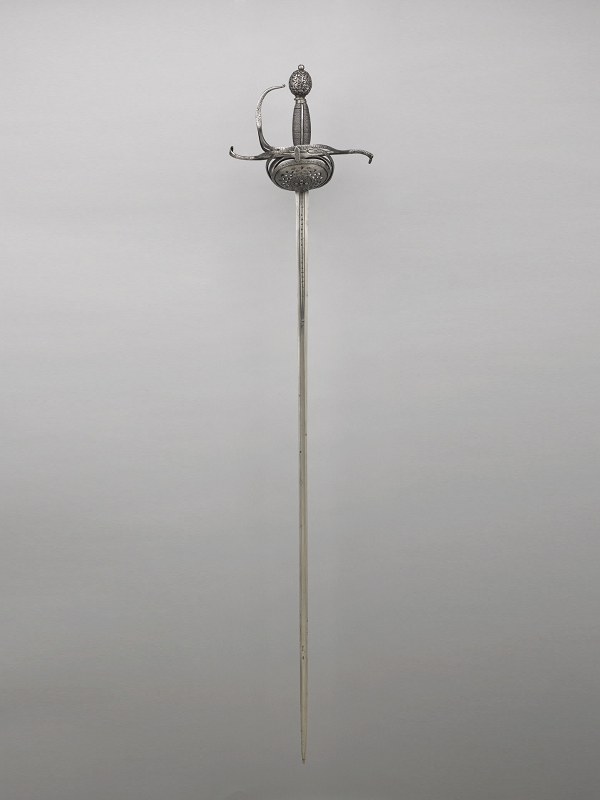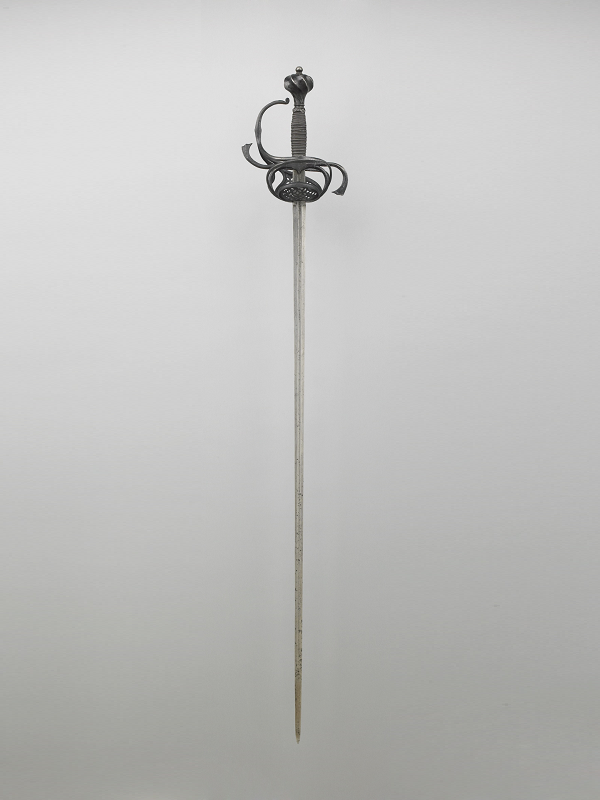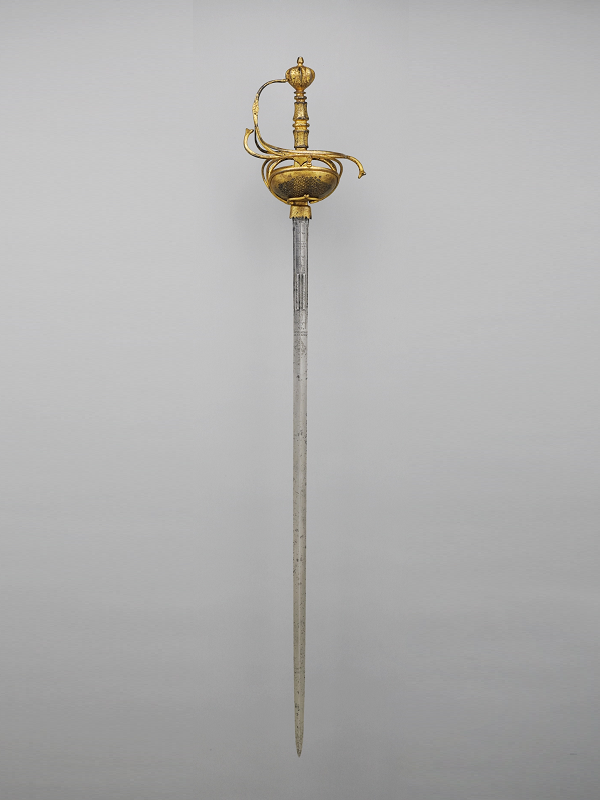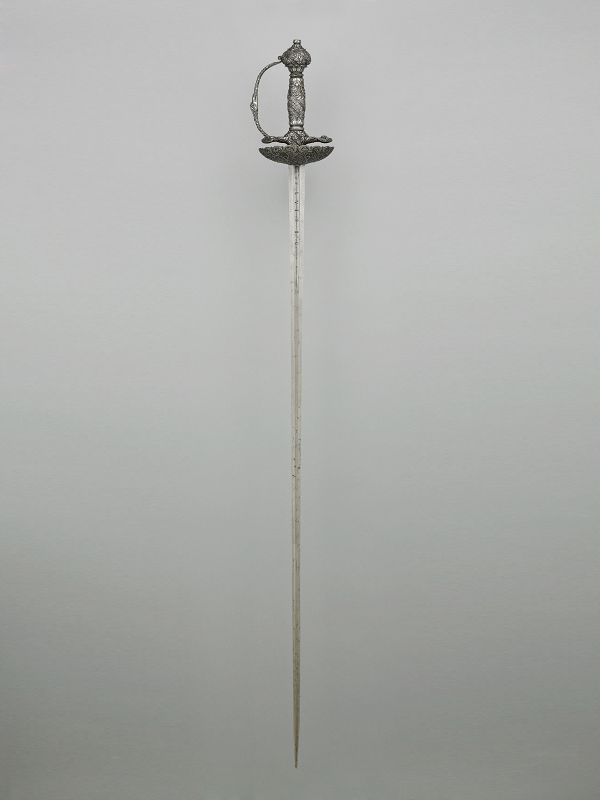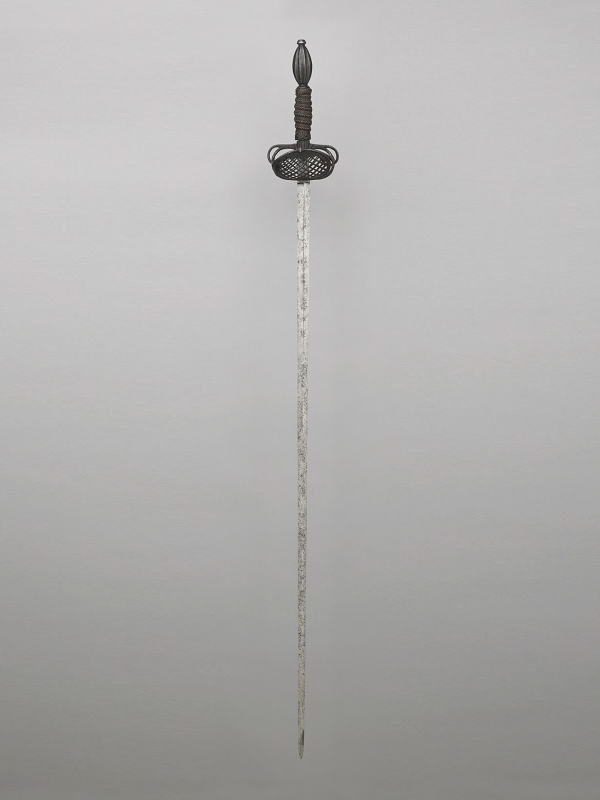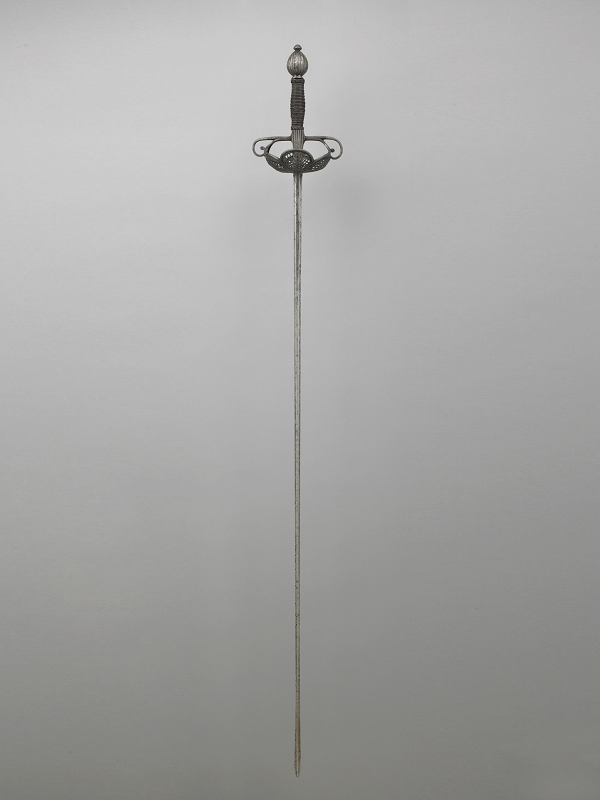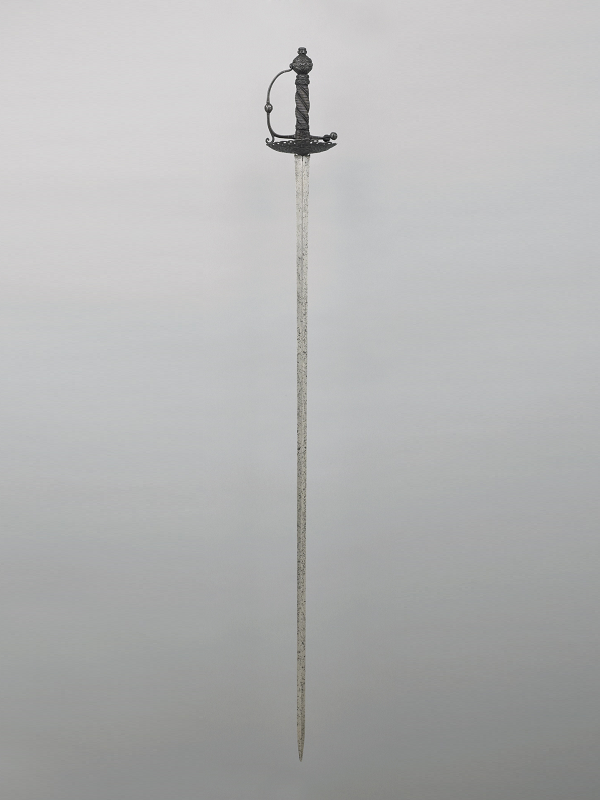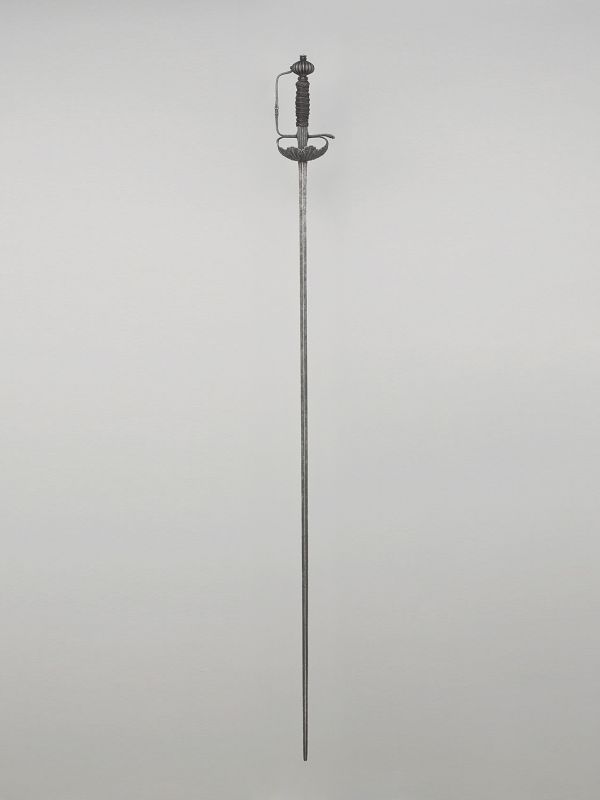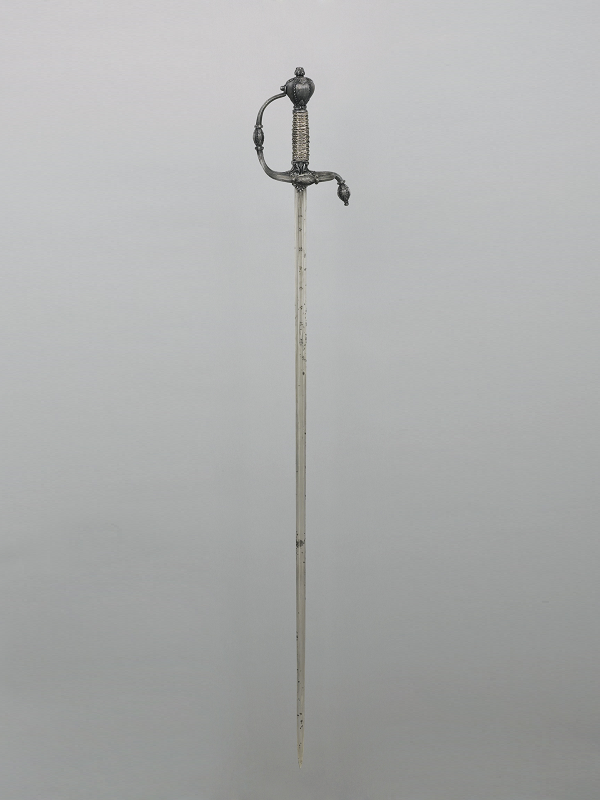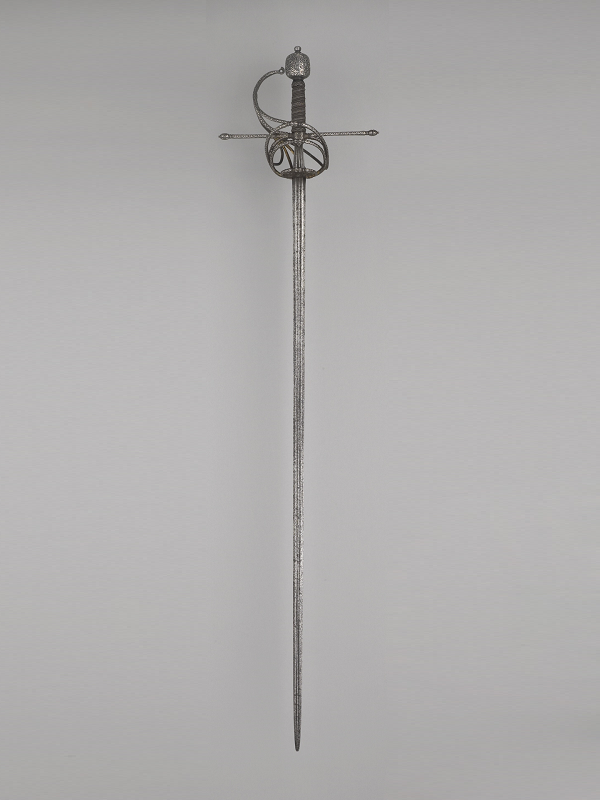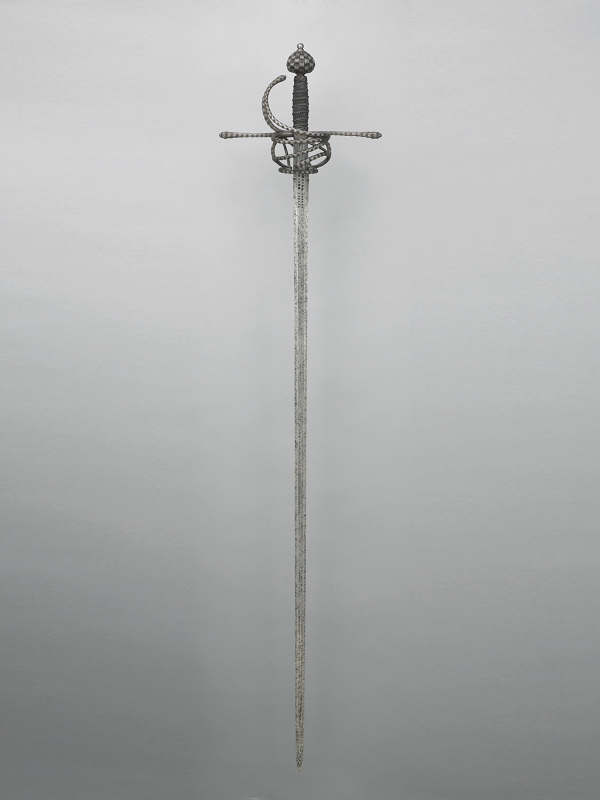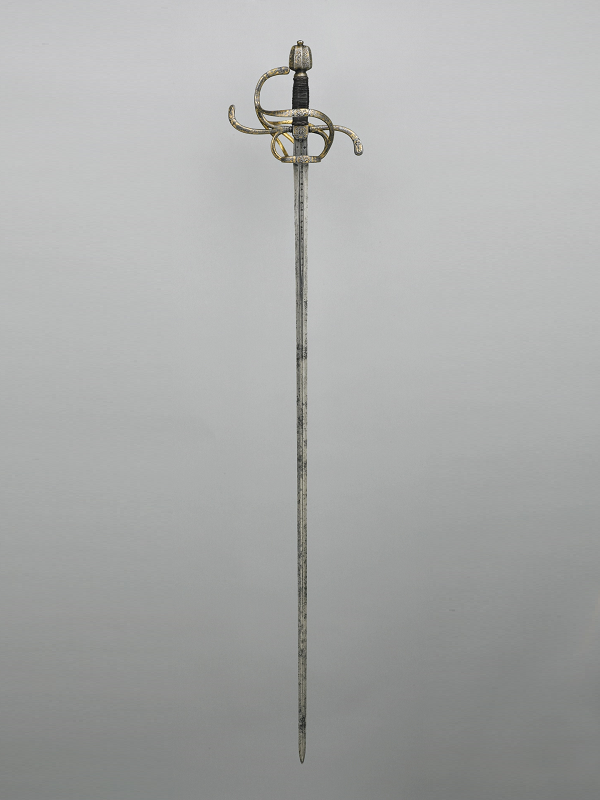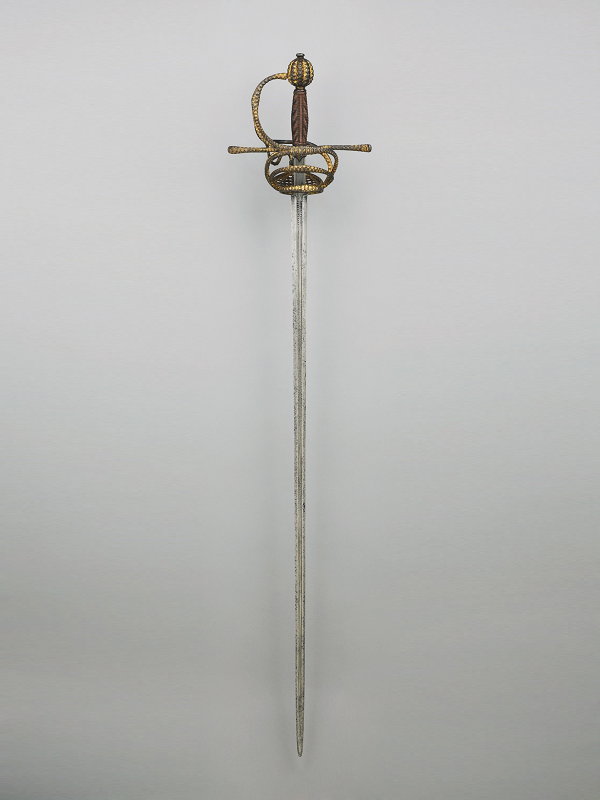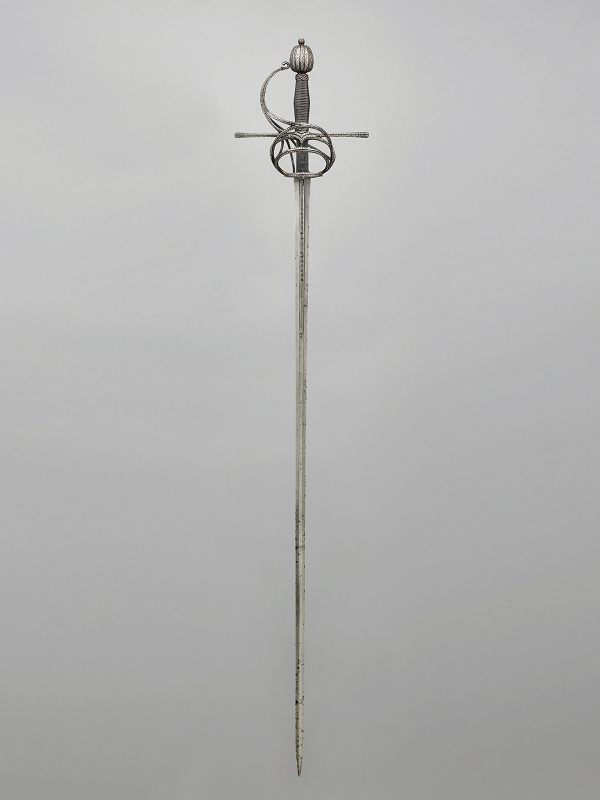



The rapier is a legendary weapon of the Renaissance and Baroque eras, transforming the brutality of medieval combat into a refined art of fencing. Its long, narrow blade with a sharp point and a complex, elegant guard made the rapier a symbol of nobility, honor, and intellectual combat. It became more than just a sword, but a true extension of a nobleman's mind and body.
The Birth of the Rapier: From Sword to Thrust Weapon.
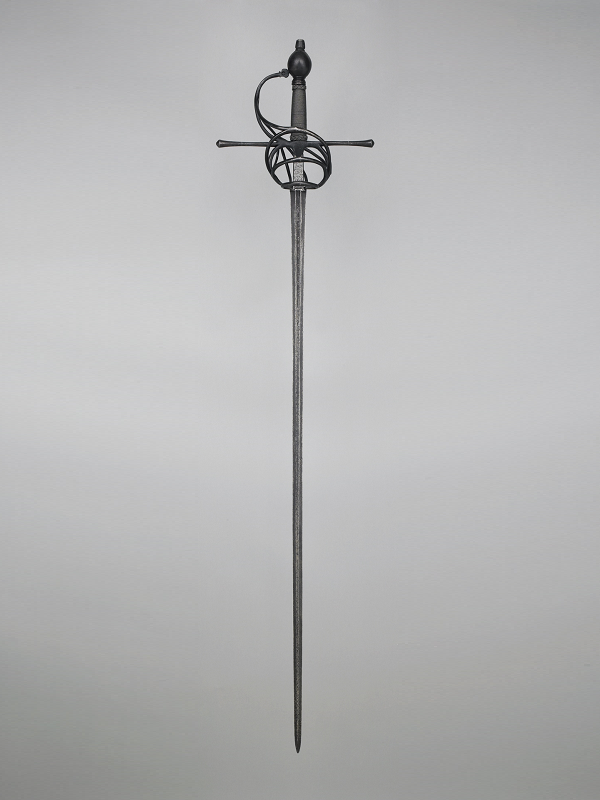
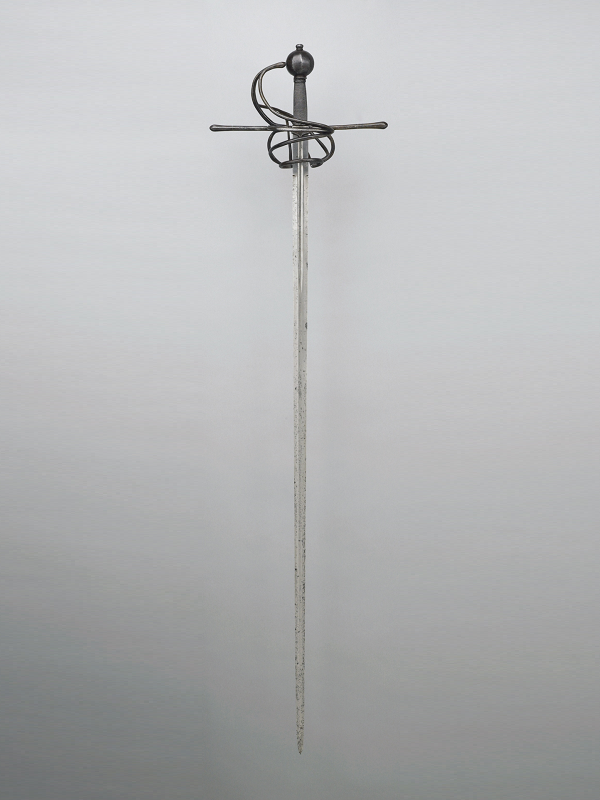
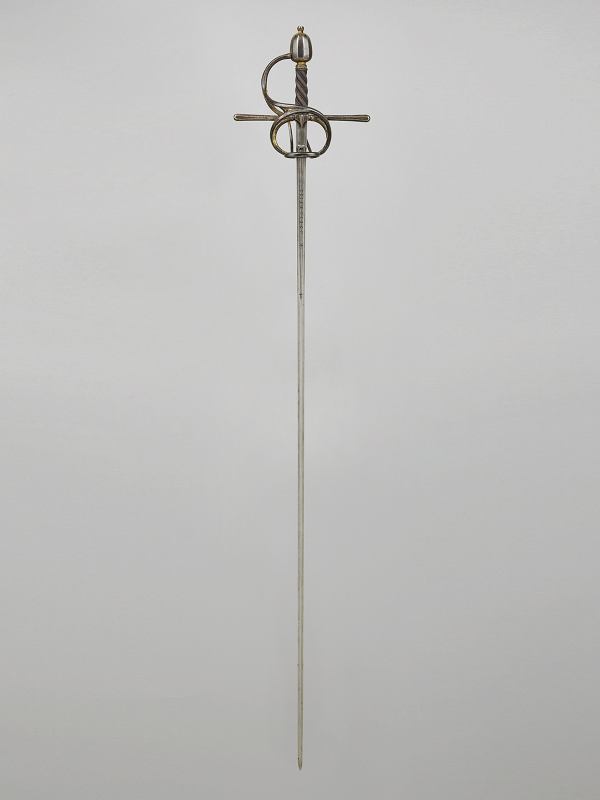
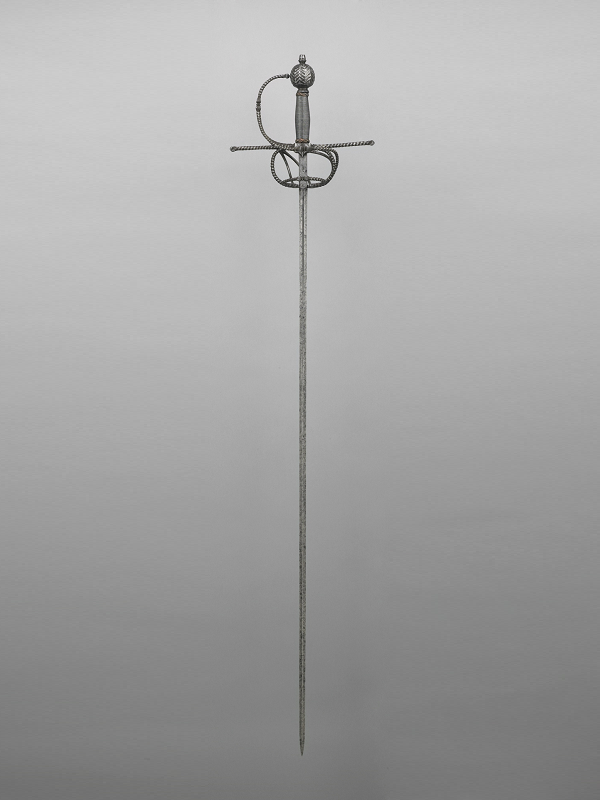
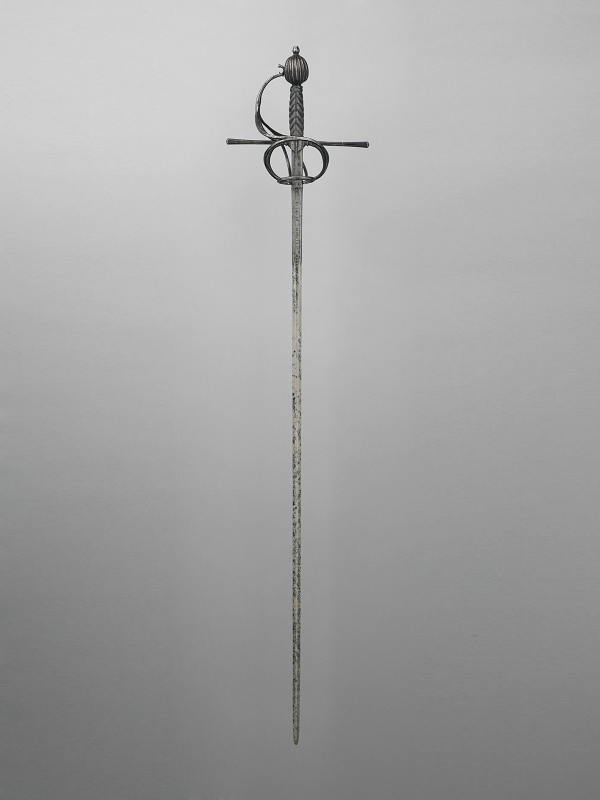
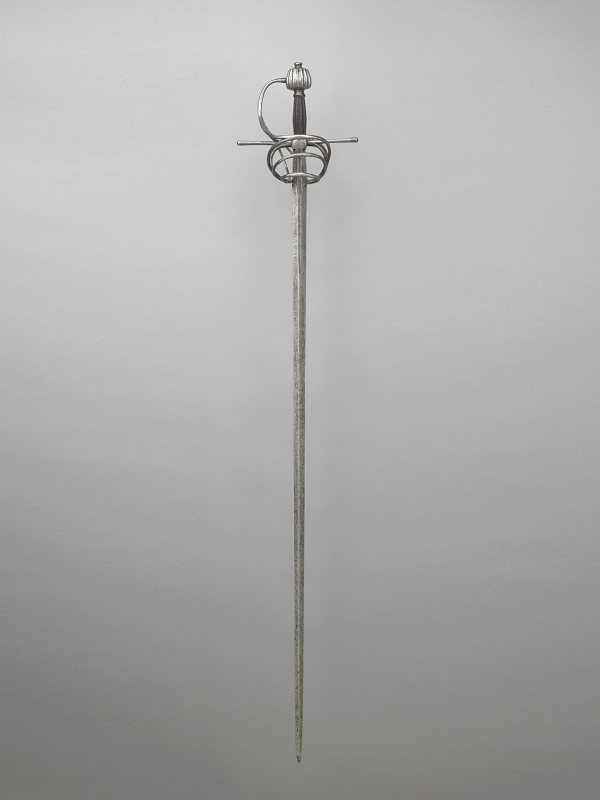
The word "rapier" comes from the Spanish espada ropera ("clothing sword")—a light weapon worn with civilian clothing rather than heavy armor. The rapier appeared in Spain and Italy in the late 15th and early 16th centuries. With the spread of full plate armor and firearms, heavy slashing swords lost their effectiveness. Warriors needed a weapon for precise, quick thrusts into the gaps between armor plates or into unprotected areas. The rapier was distinguished by:
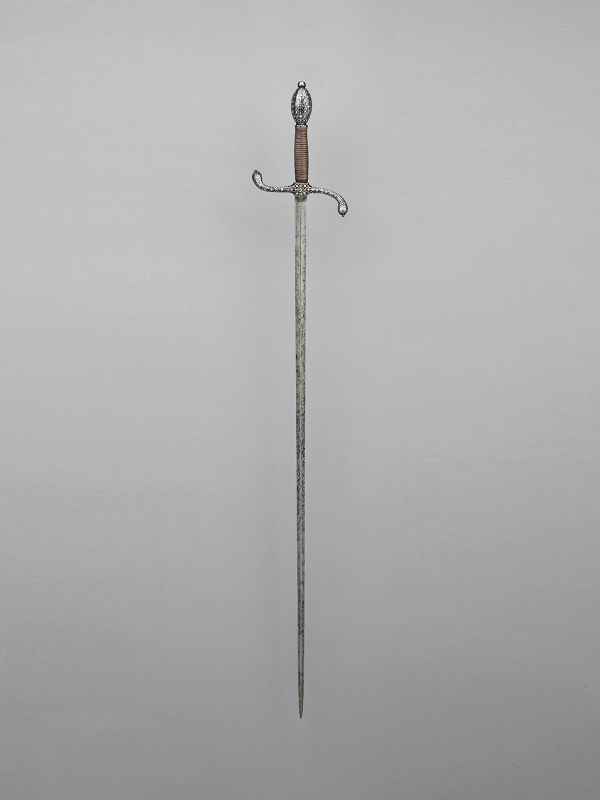
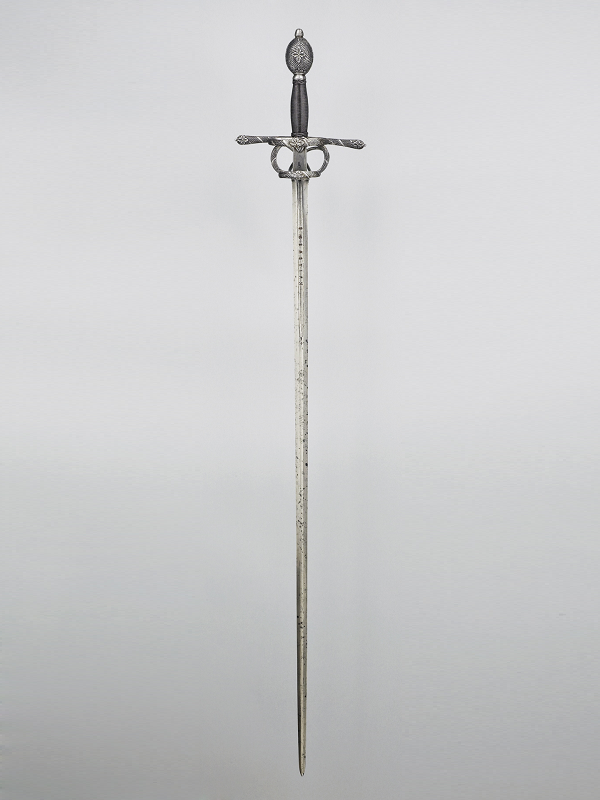
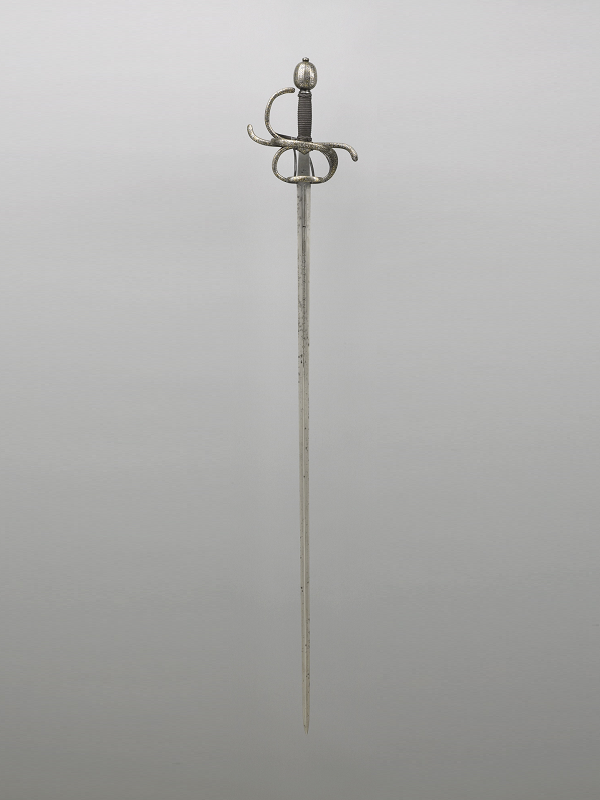
A long, narrow blade (often 100–120 cm or more) with a pronounced point and one or two fullers to reduce weight.
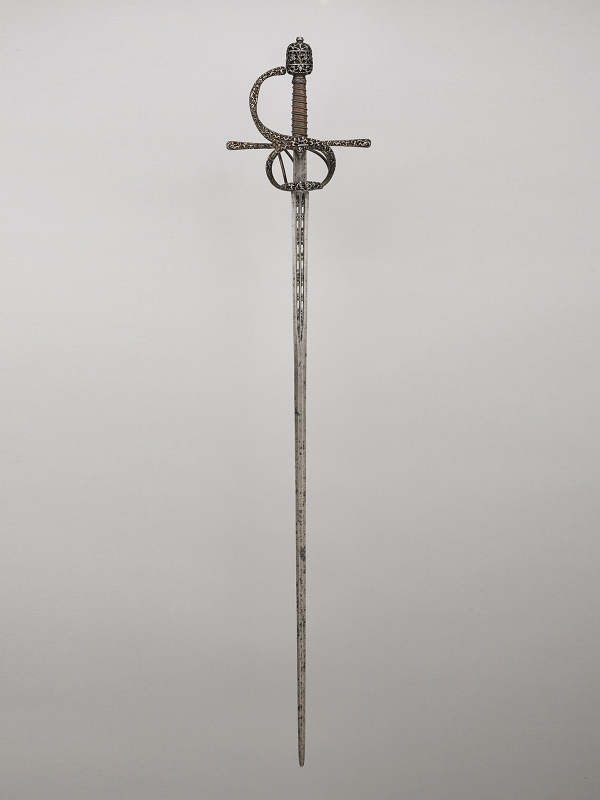
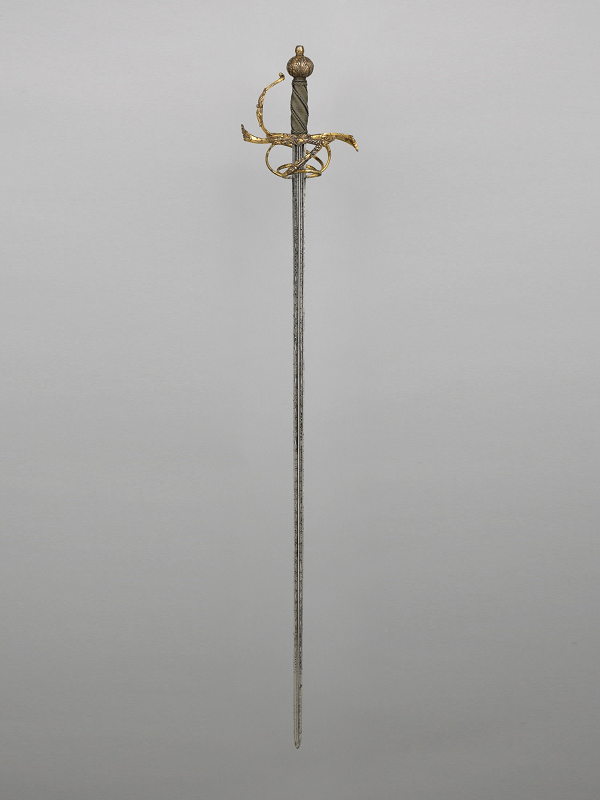
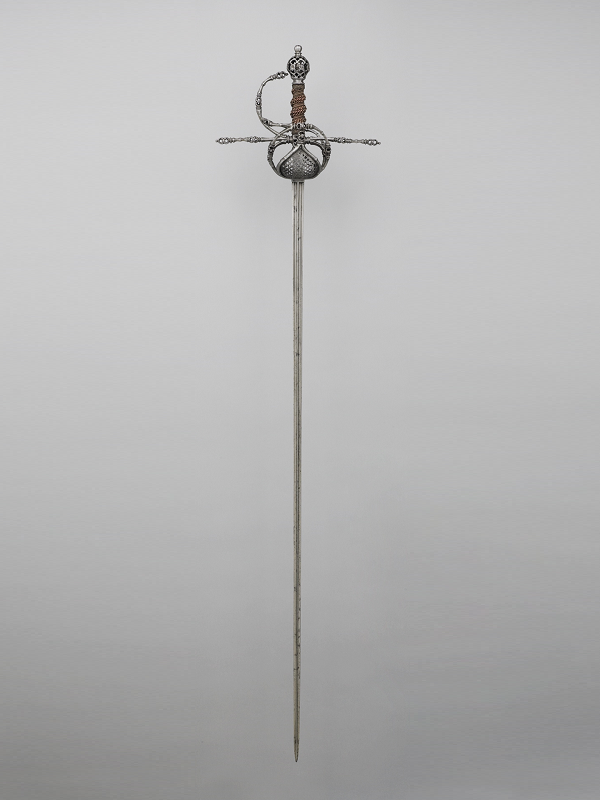
A complex guard that protected the hand: from simple rings to intricate "braided" designs (swept hilt).
Light weight (1–1.4 kg), allowing for wrist control and quick lunges.
By the end of the 16th century, the rapier became the primary weapon for duels and court fencing.
Evolution in the Baroque era: opulence and protection.
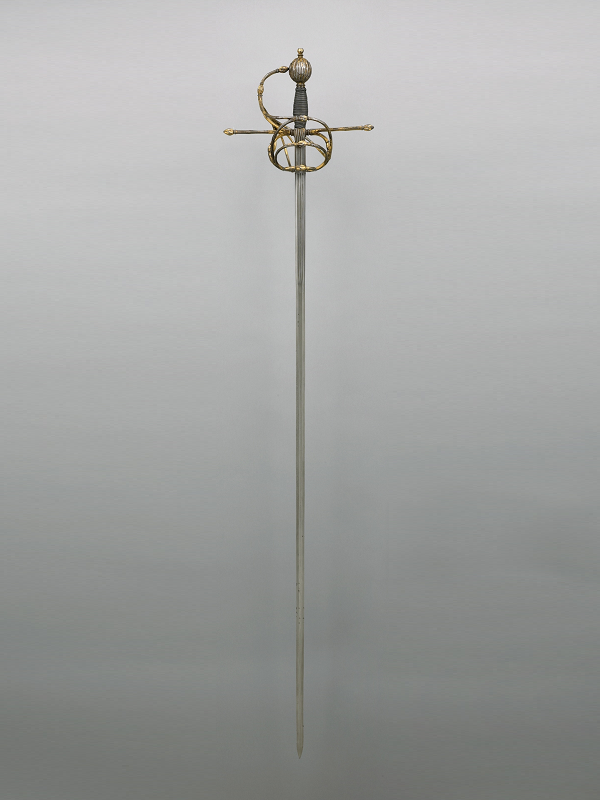
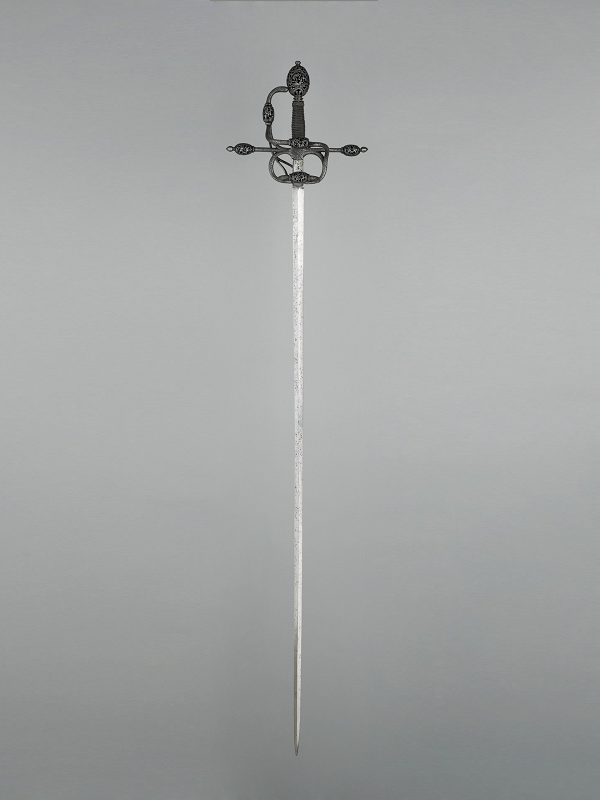
In the 17th century, the rapier reached the peak of its decorativeness and functionality. The guard became even more complex:
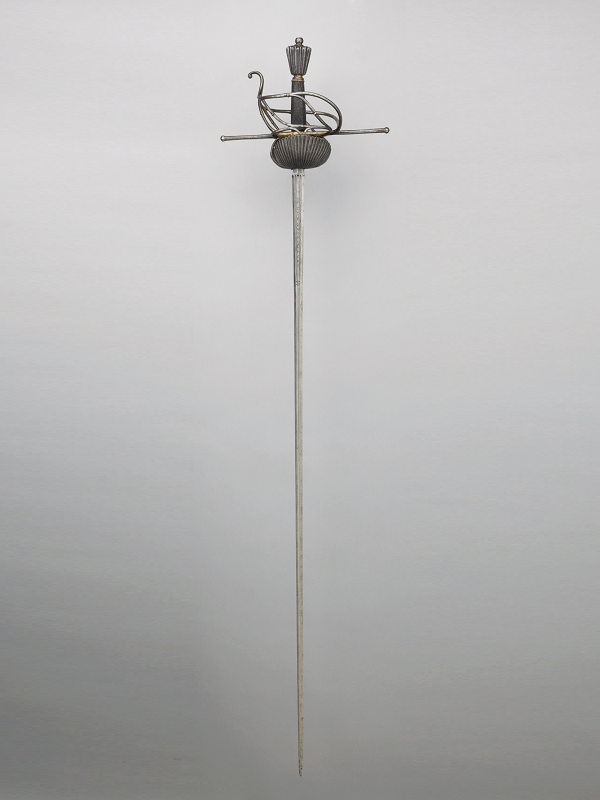
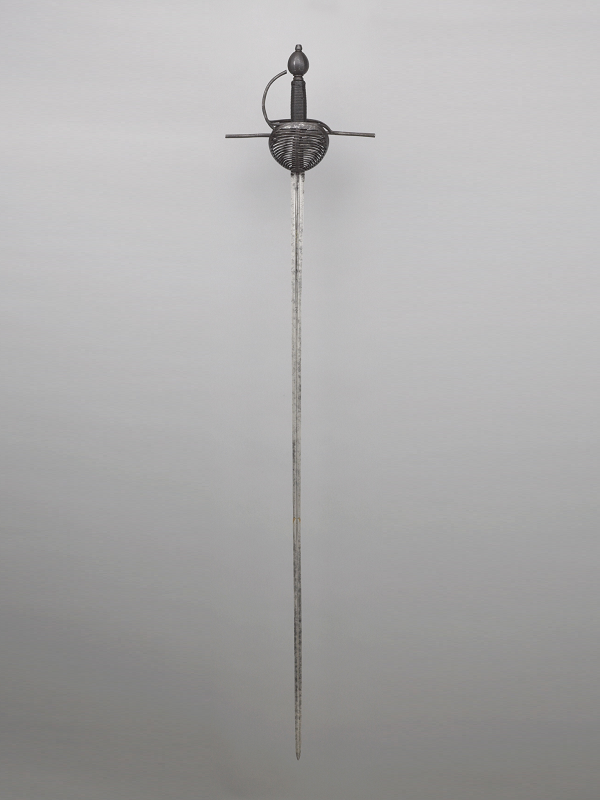
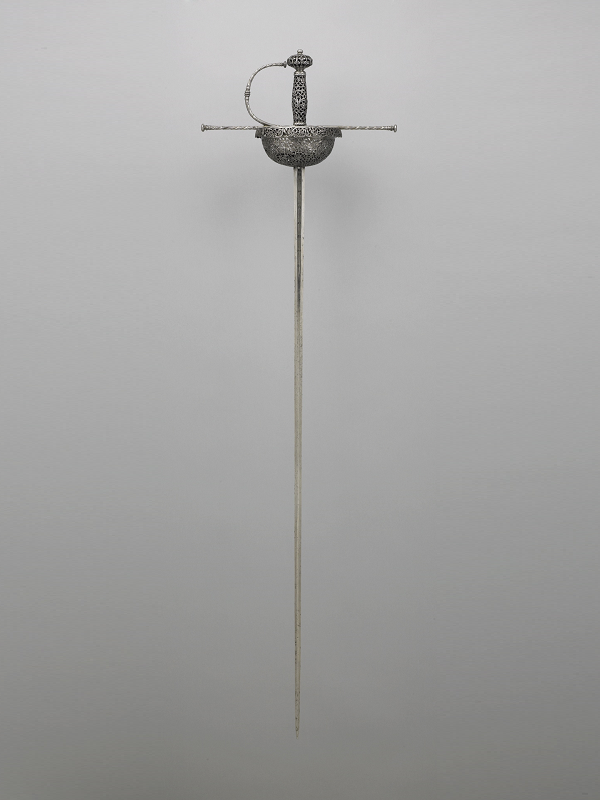
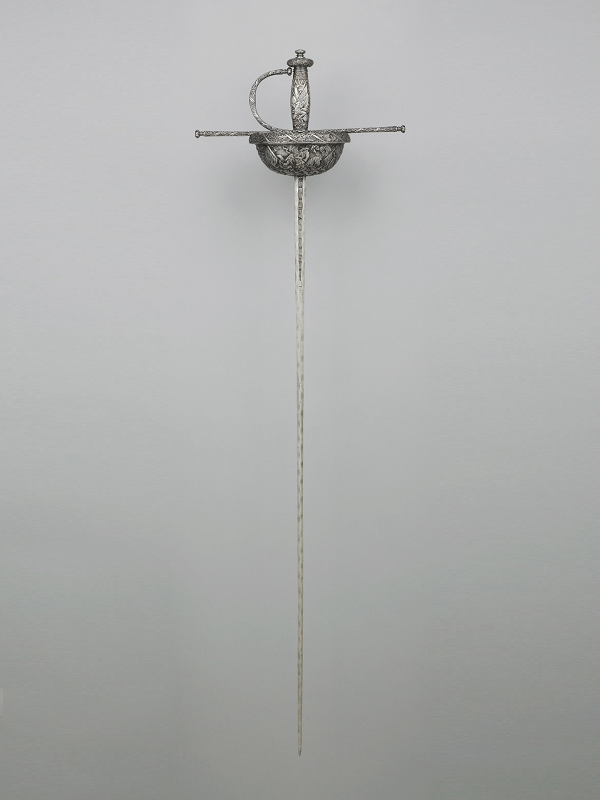
Cup hilt – a cup-shaped guard that completely covers the hand (popular in Spain).
Swept hilt with additional bows, curls, and loops.
A basket hilt was a basket-shaped guard that provided maximum protection.
Blades were decorated with exquisite engravings, gilding, and mottos. Handles were wrapped in wire, covered in velvet, or ivory. The rapier was now worn not only in combat but also as part of a formal attire—a symbol of status and good taste.
Rapier Fencing: Science, Geometry, and Art.
The rapier gave birth to modern fencing. Italian masters (Camillo Agrippa, Giacomo di Grassi) and Spanish masters (Jeronimo de Carranza, Luis Pacheco de Narvaez) developed systems based on the precise calculation of distance, angles, and timing. Combat became an intellectual duel: one precise thrust could decide everything.
The main techniques were the thrust, parry, and counterattack. The rapier required excellent coordination, speed, and composure. Fencing was taught in special academies as a compulsory discipline for nobles.
The rapier in hand: how to hold it and why it was deadly.
A proper rapier grip allowed free wrist movement, and the complex guard protected the fingers even during intense blade contact. An experienced fencer could parry a blow and instantly respond with a thrust.
The rapier was especially dangerous in duels: its lightness and length allowed it to strike an opponent at a great distance, and the tip easily pierced clothing and flesh.
The rapier's legacy.
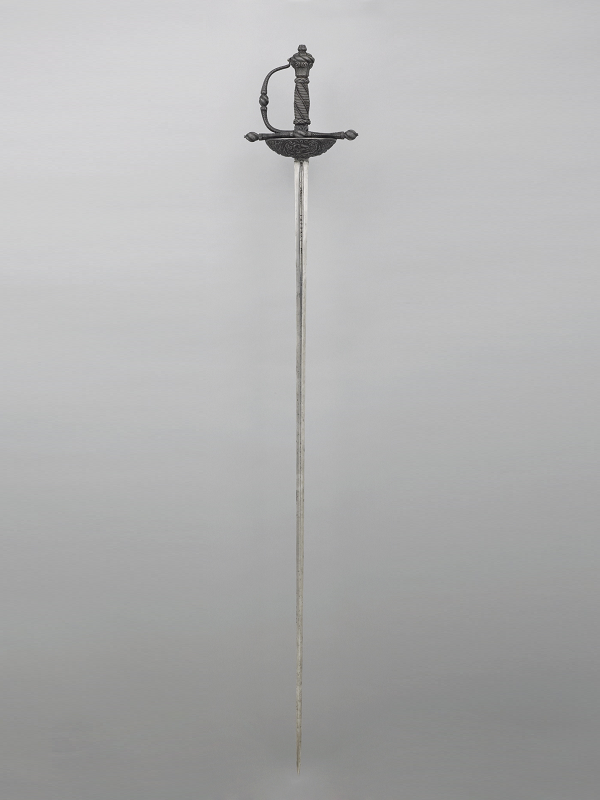
By the 18th century, the rapier gradually gave way to the shorter and lighter small sword, and later to the sabre and épée. However, it left a deep mark on the history of fencing and culture. Today, the rapier is one of three weapons in modern Olympic fencing (although the sport version is significantly lighter and more flexible).
Original rapiers from the 16th and 17th centuries are preserved in museums around the world and impress with the skill of their swordsmiths. Reconstructions are highly prized among historical swordsmen.
The rapier embodies the transition from medieval brute force to refined art. It combined Renaissance aesthetics, military honor, and cold calculation. When a nobleman drew his rapier, he demonstrated not only his readiness to fight but also his belonging to a new, refined world, where victory belonged not only to the strong but also to the intelligent, graceful, and precise.