
Charles V of Habsburg (1500–1558), Holy Roman Emperor, King of Spain (as Charles I) and many other territories, played a significant role in the history of knightly armor as one of the last great patrons of ceremonial and tournament armaments during the transition from the Middle Ages to the Modern Age.
Heritage from Maximilian I ("the Last Knight").
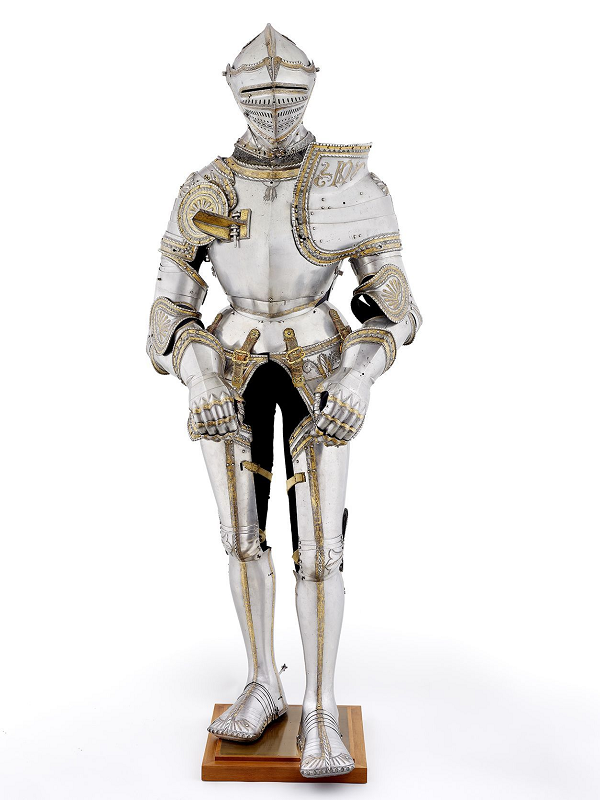
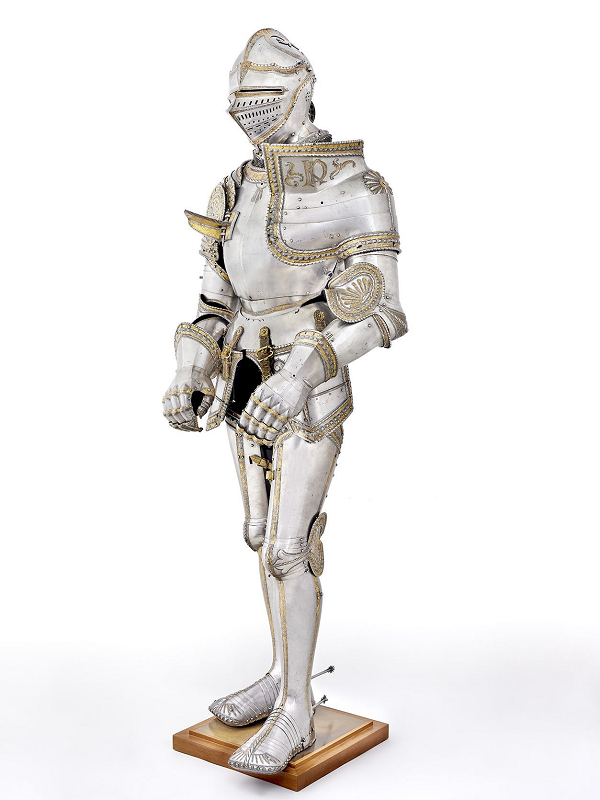
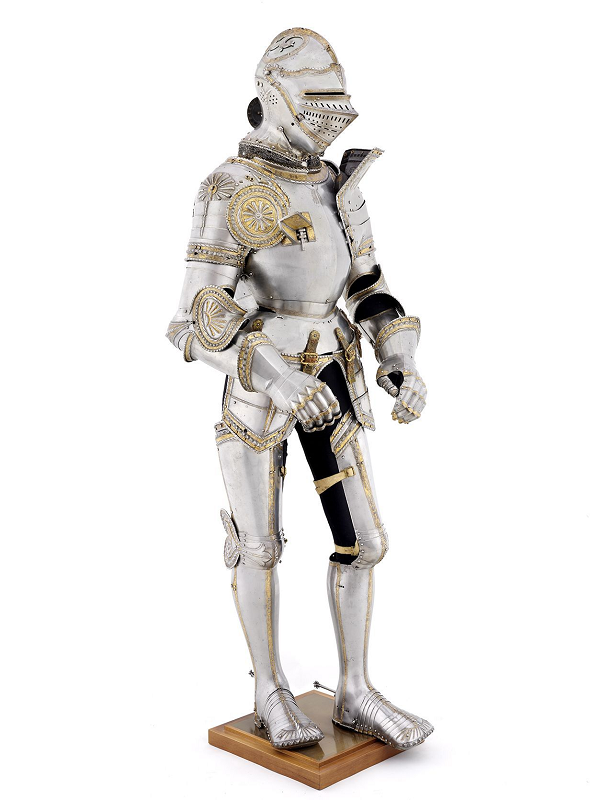
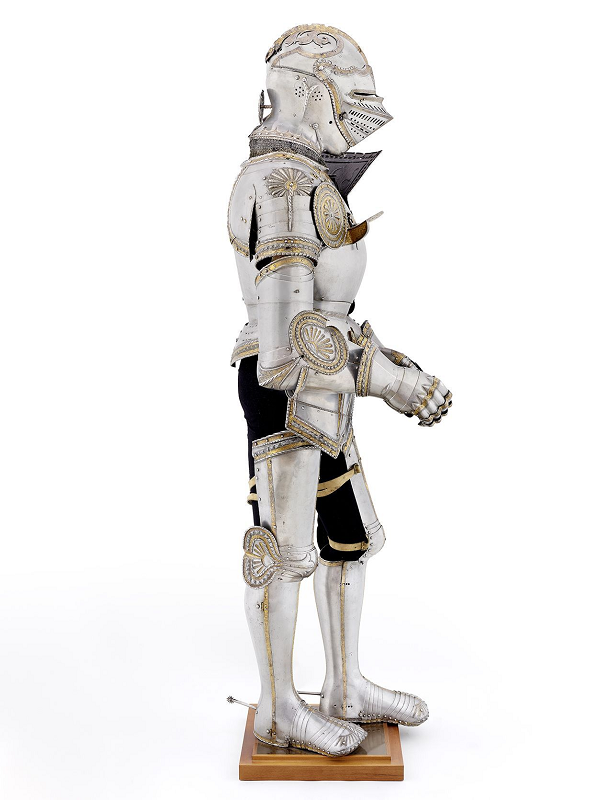
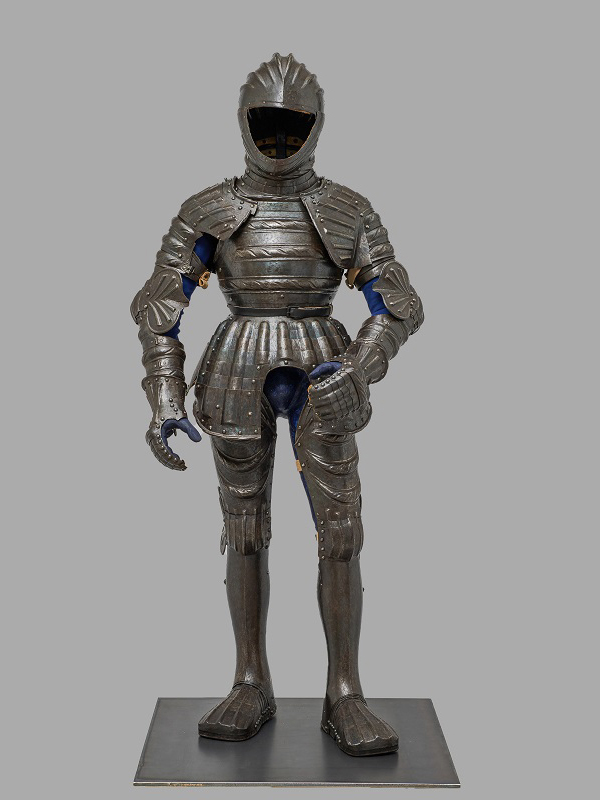
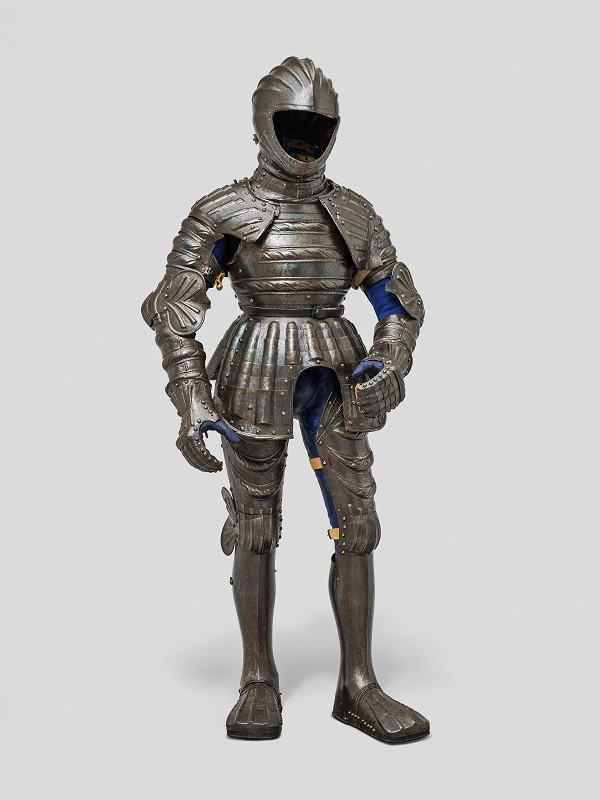
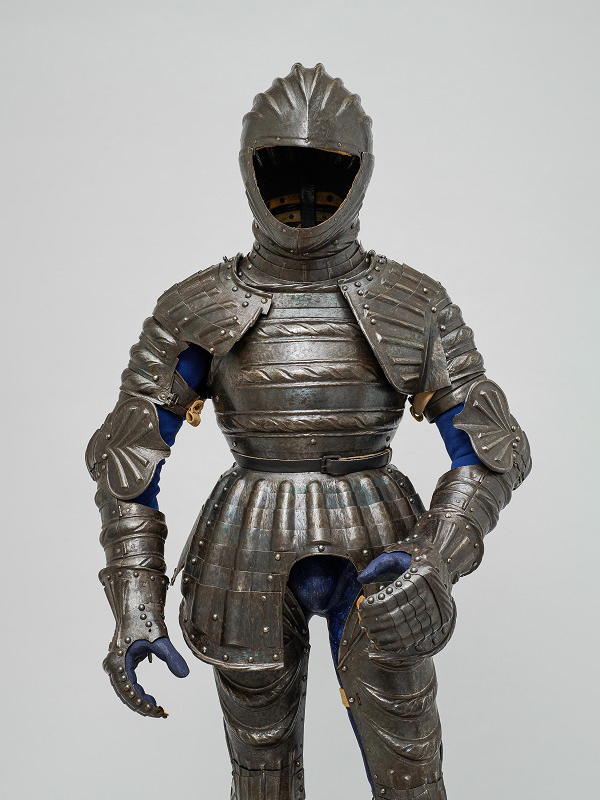
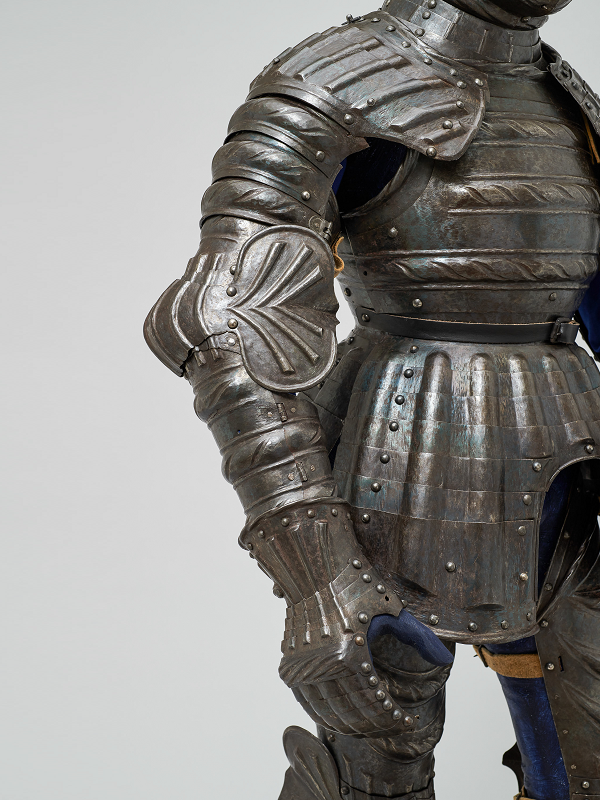
Charles V was the grandson of Maximilian I. His grandfather commissioned armor for him from early childhood and raised him in the spirit of Burgundian knightly traditions (the Order of the Golden Fleece). One of the most famous early sets is the child's/youthful "pomp-pleated" garb (c. 1512–1514) by Conrad Seusenhofer (Innsbruck). It imitated fashionable civilian clothing with "puffed and slashed" sleeves and skirts—an innovative transition from purely functional armor to artistic design.
The Golden Age of Charles V's Commissions.
During the reign of Charles V (first half of the 16th century), armor reached the peak of luxury and technological sophistication. The emperor possessed a vast "wardrobe" of armor (garnitures)—suits with interchangeable parts for the battlefield, various tournaments, and parades. The main centers of production were:
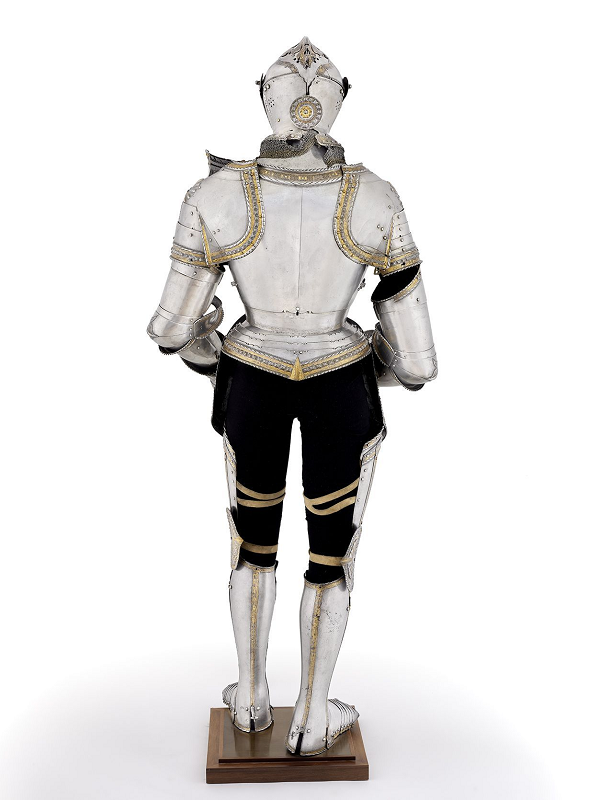
Augsburg (Colman Helmschmid and Desiderius Helmschmid)—the famous "KD" garniture (c. 1525) with rich etched decoration.
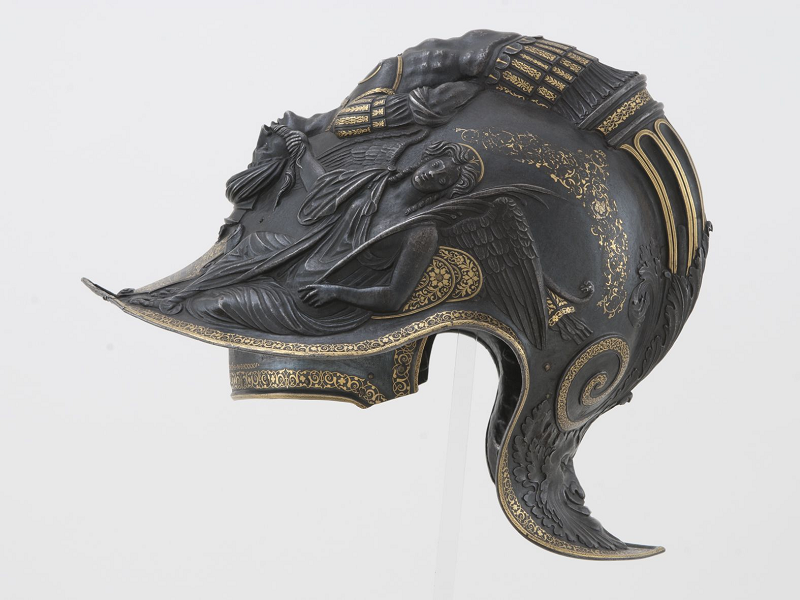
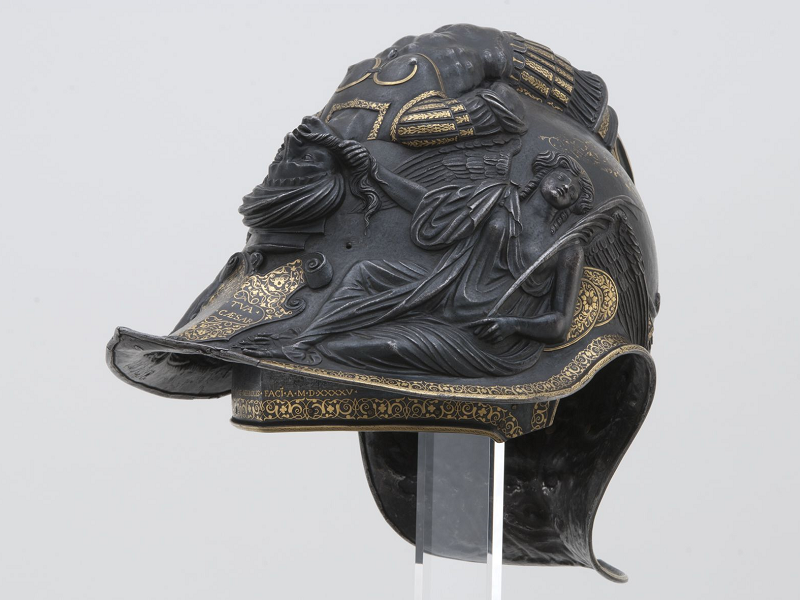
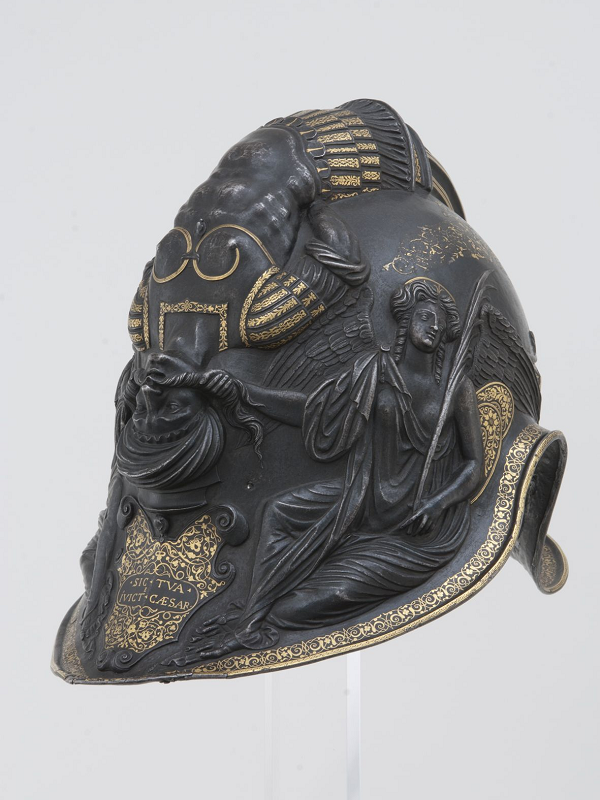
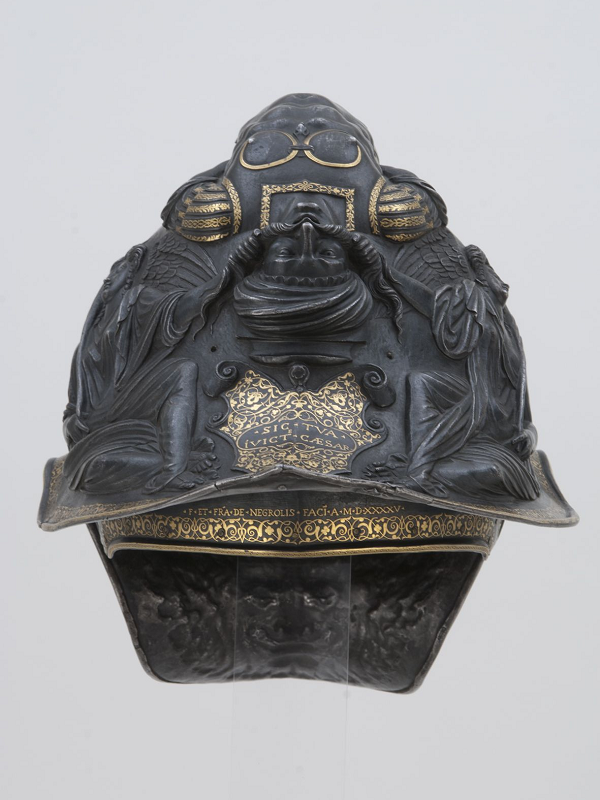
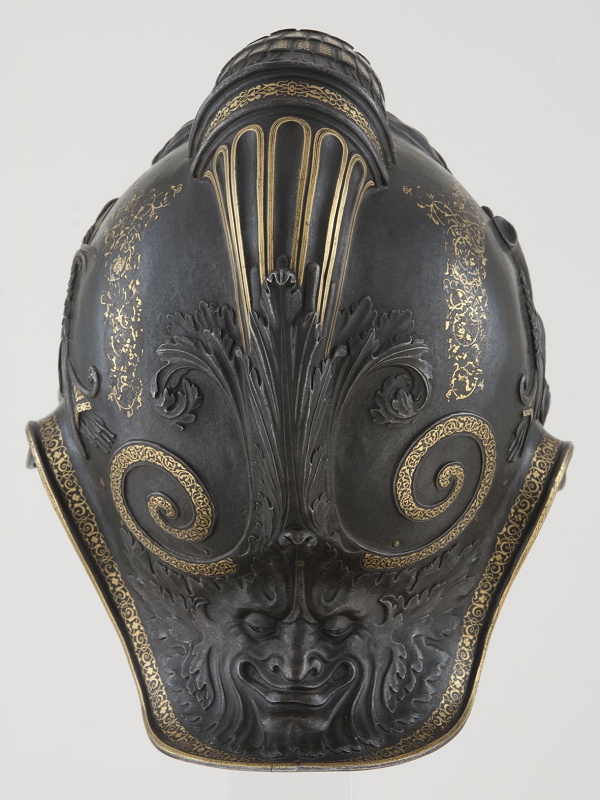
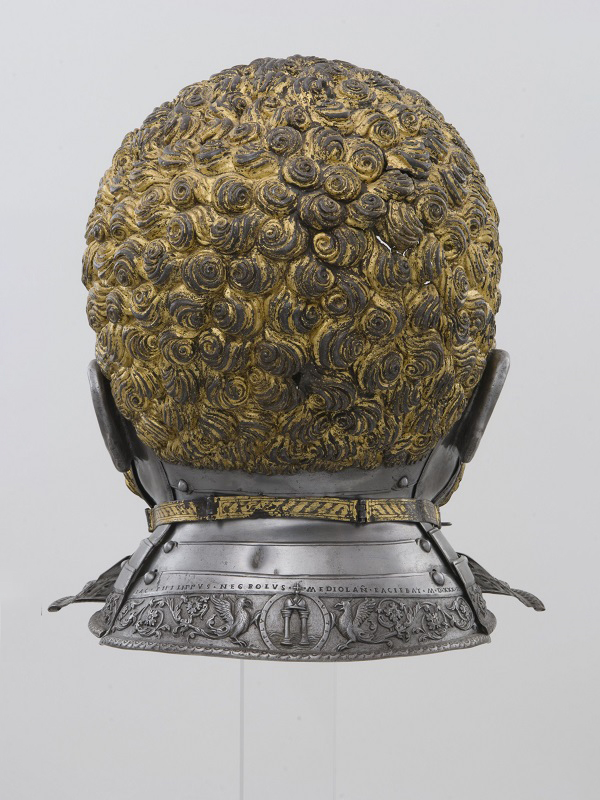
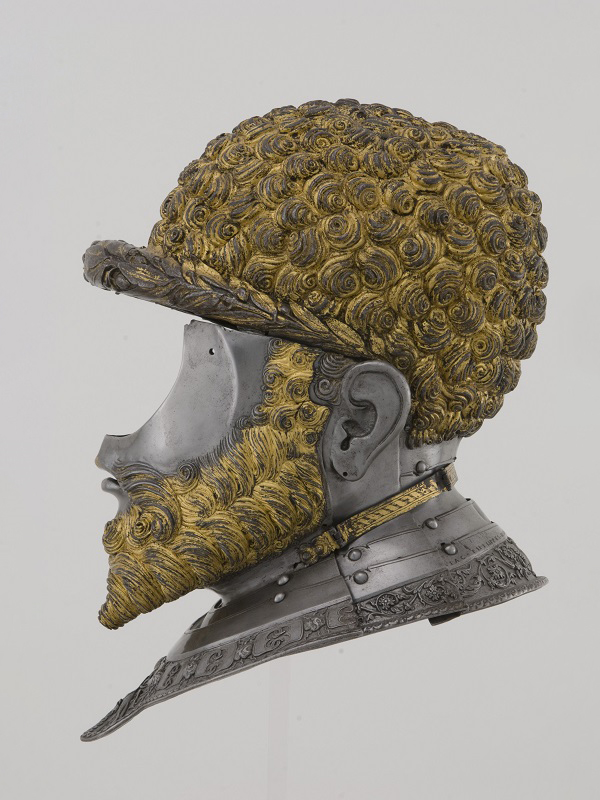
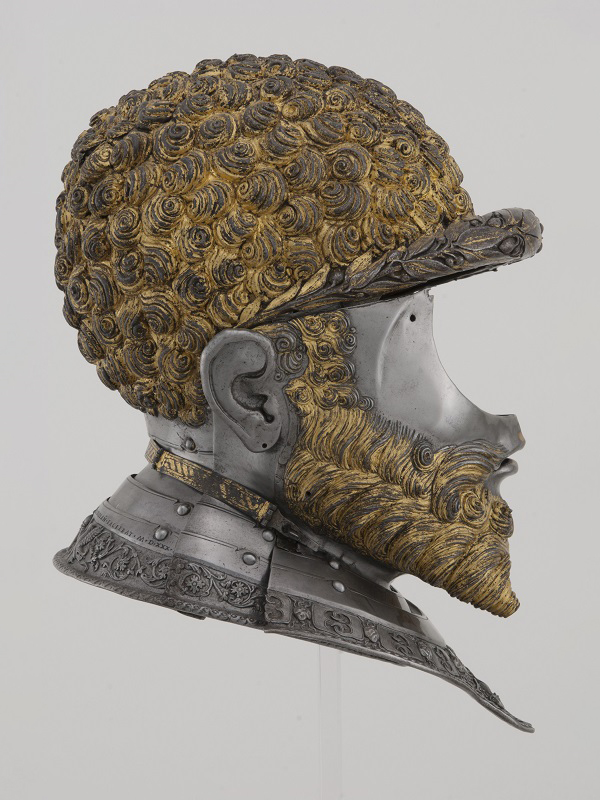
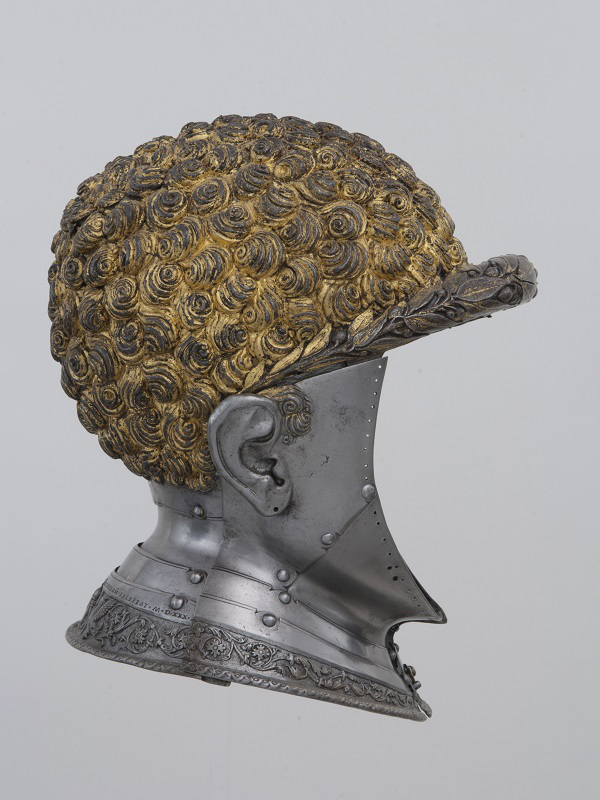
Milan (Filippo Negroli and brothers)—master of the classical style. The most famous is the classical Roman burgonet (c. 1533) with antique motifs and relief decoration. Negroli created armor for Charles V that imitated the muscular physique of the Roman emperors.
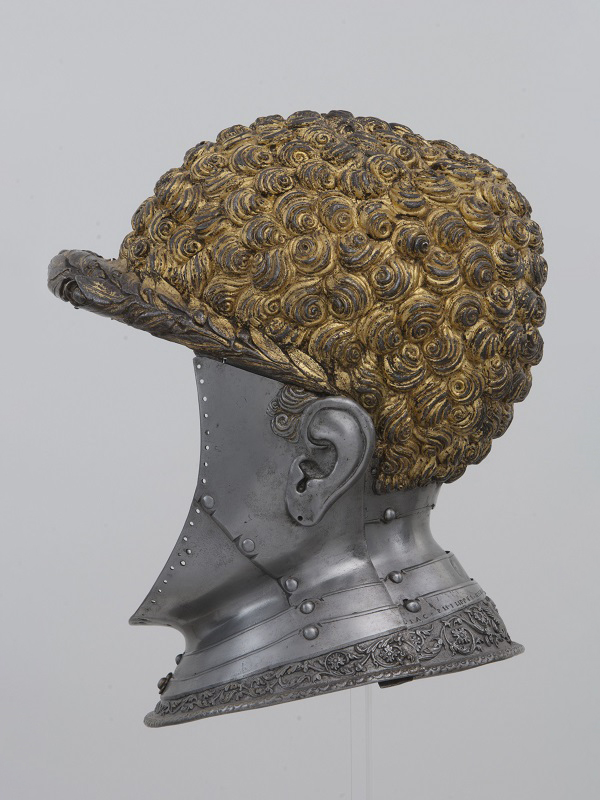
Others: Greenwich (England), Innsbruck.
Characteristic features of Charles V's armor:
Maximalist style with fluting for rigidity and beauty.
Rich etched, gilded, and blued decoration with coats of arms, order symbols (the Golden Fleece), and religious motifs (the Virgin Mary as the protector of Catholicism).
Imitation of civilian fashion (folds, slits, "skirts").
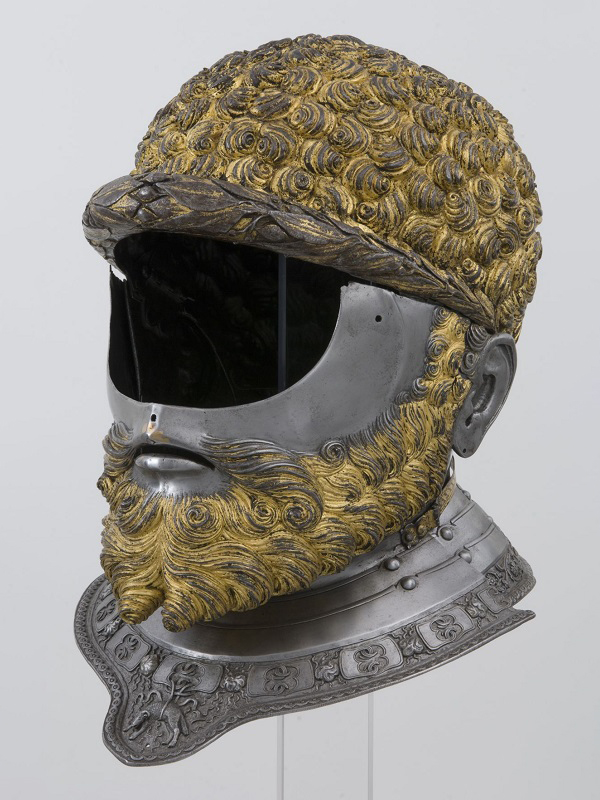
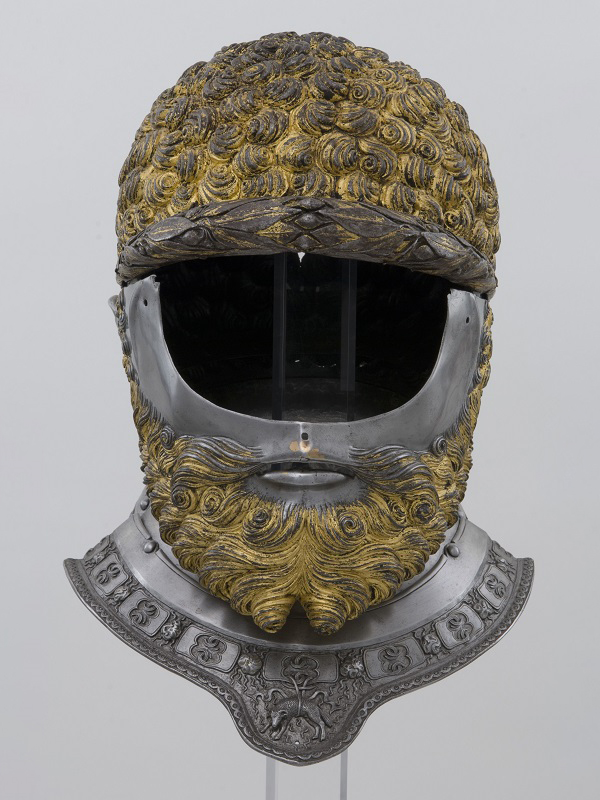
Ceremonial helmets with reliefs (for example, in the form of heads with hair or animals).
Full garnitures weighing 20–30+ kg, but with excellent mobility.
Specific famous armor.
Mühlberg Garniture (1547) – used/depicted in Titian's famous equestrian painting after the victory over the League of Schmalkald. Symbolized the emperor as a defender of Catholicism. Real Armería de Madrid (A.164, A.165)
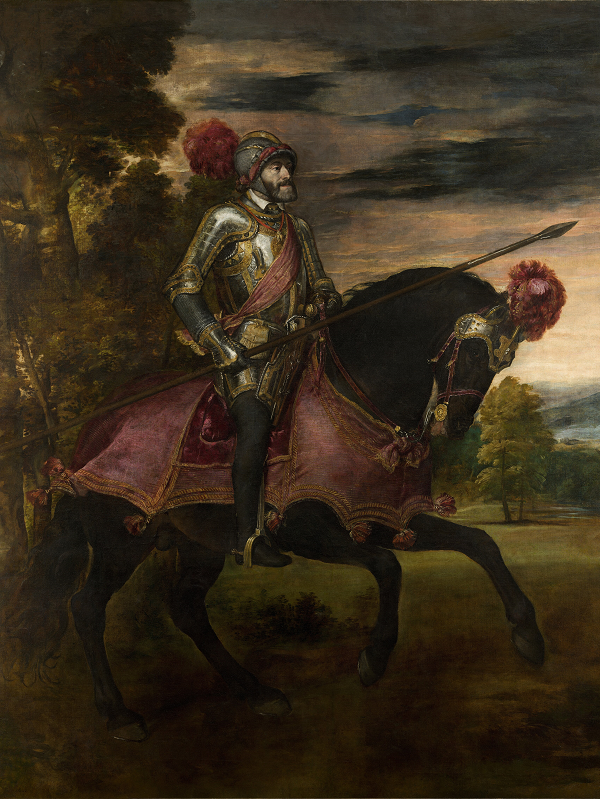
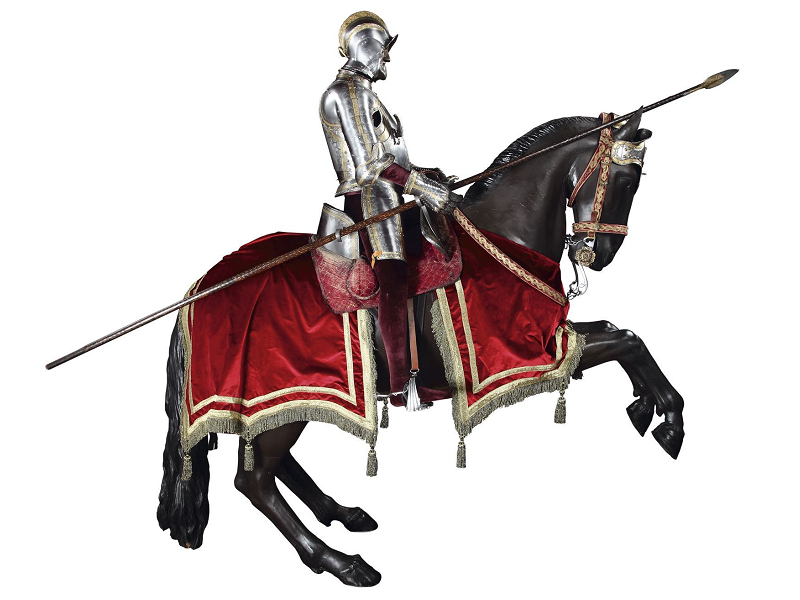
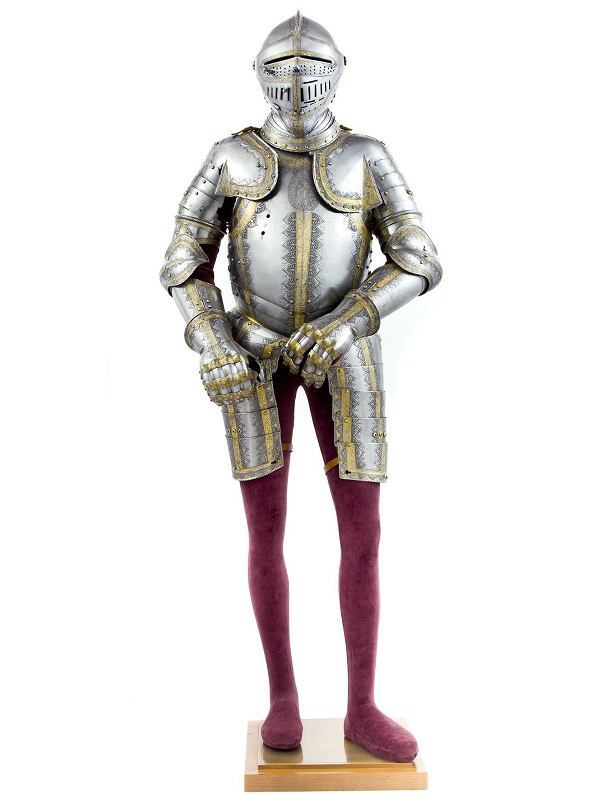
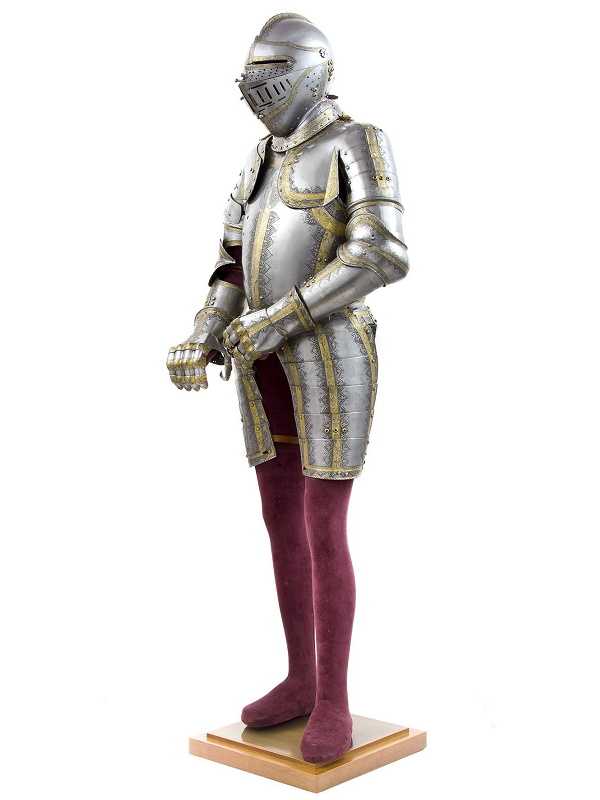
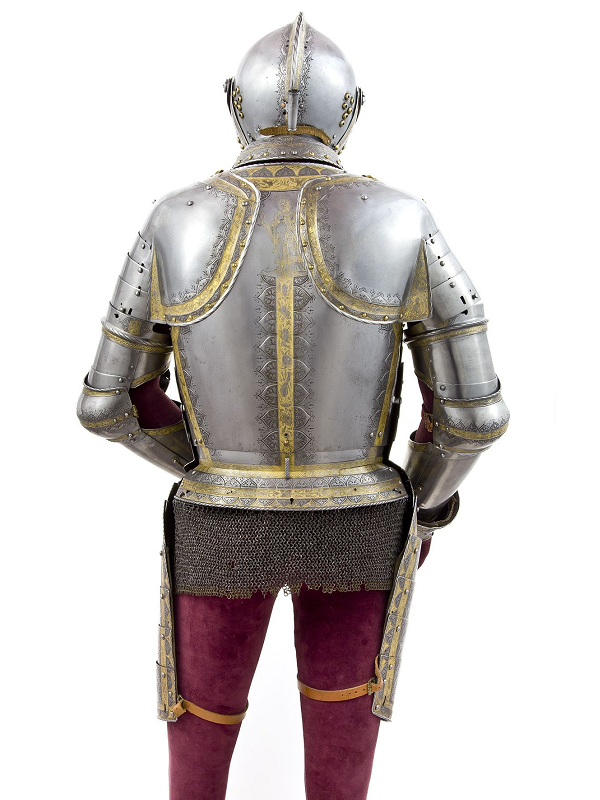
Armor with dense etched stripes (de fajas espesas) – in the Spanish style.
Harnisch, Kaiser Karl V. Sohn des Philipp von Habsburg (1500-1558), 1512-1514, Konrad Seusenhofer, Innsbruck, Austria - A109
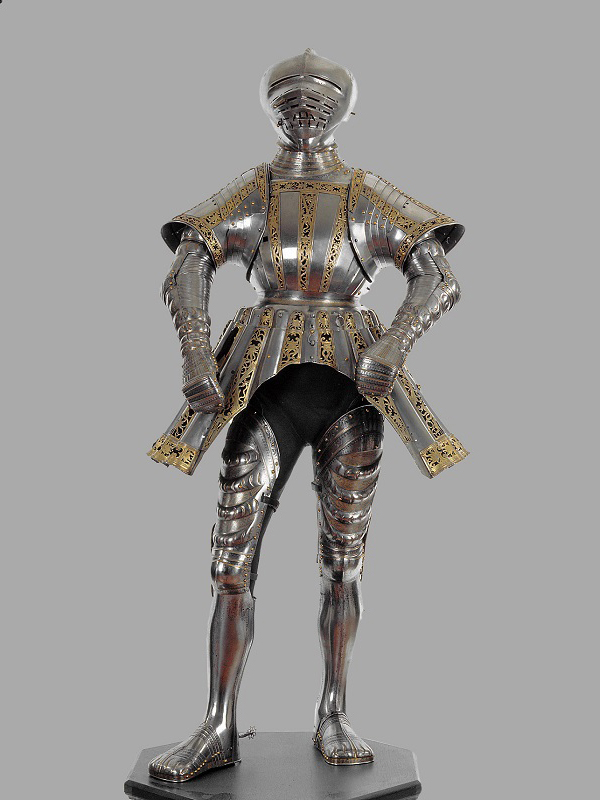
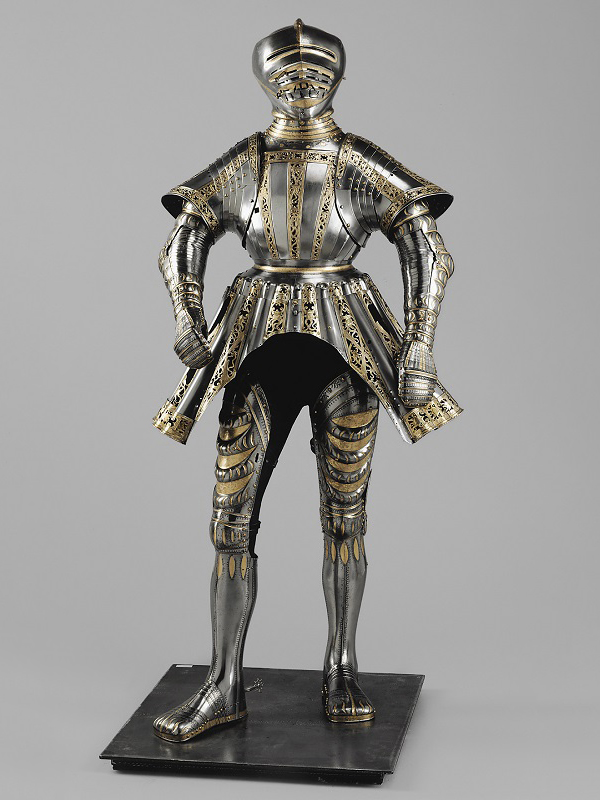
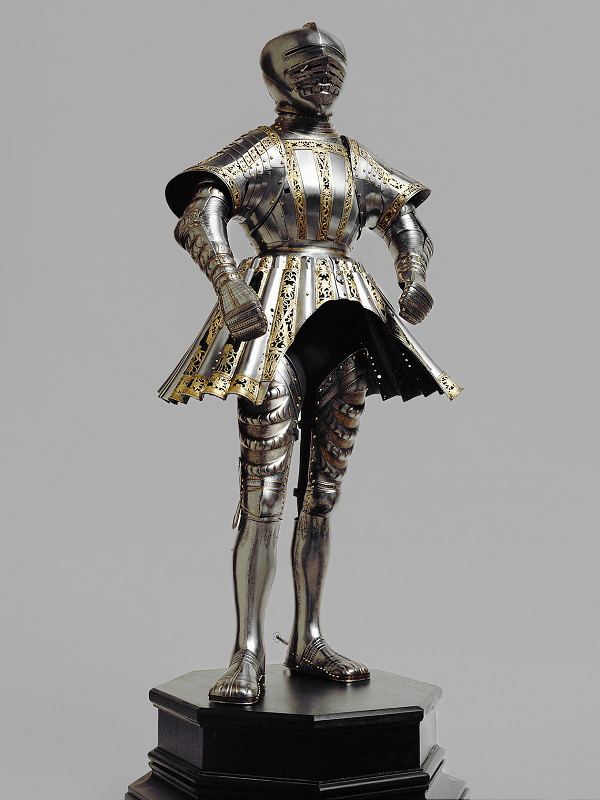
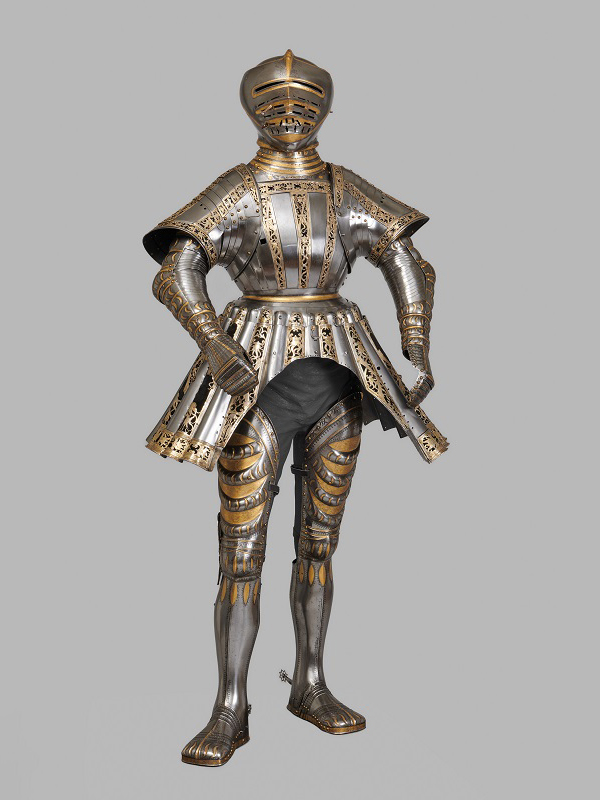
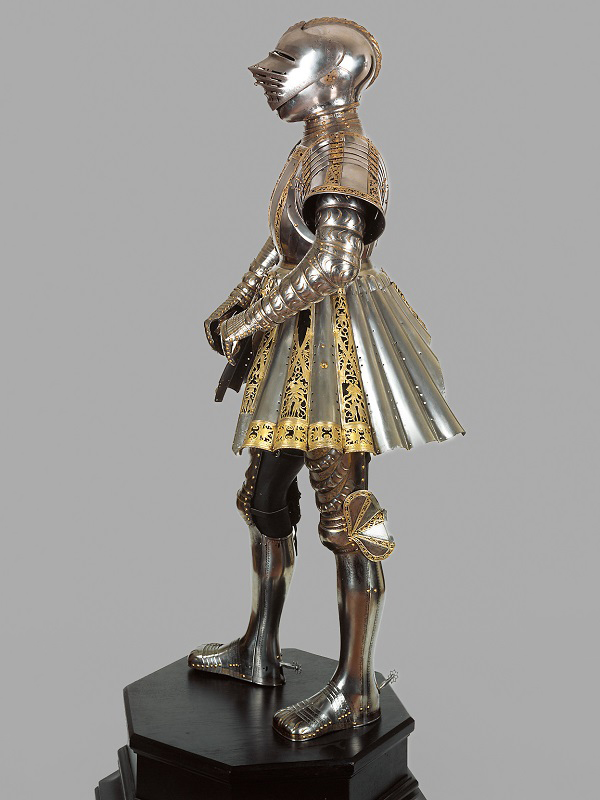
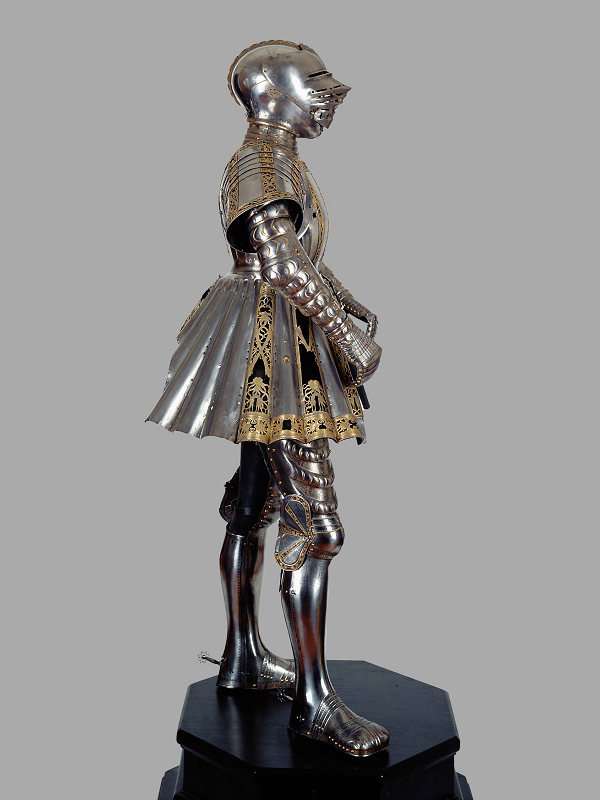
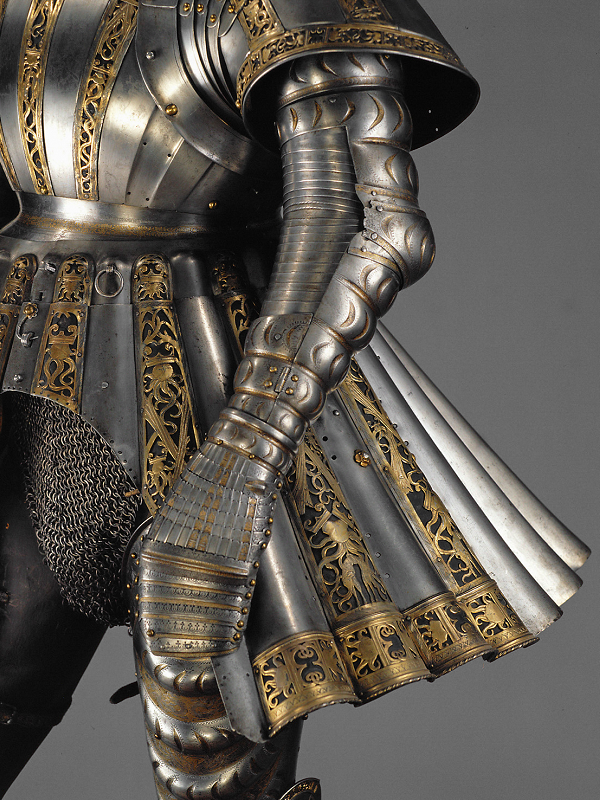
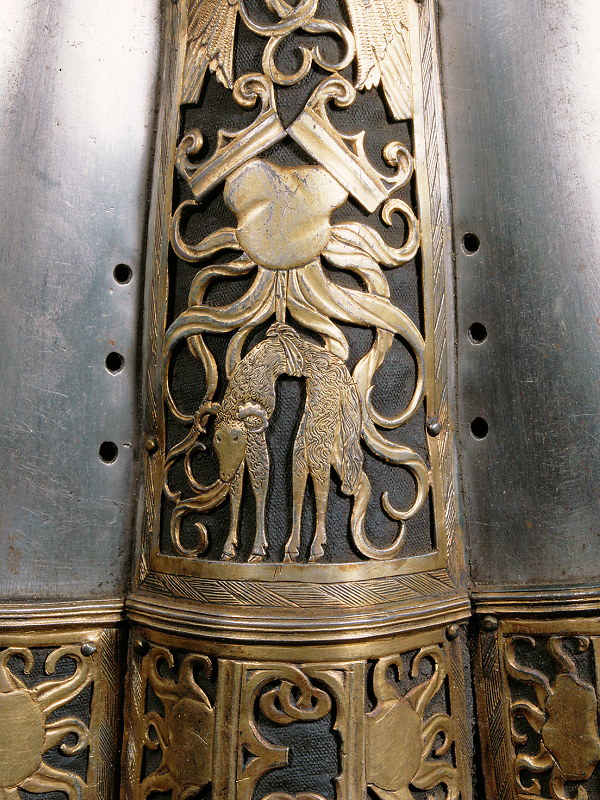
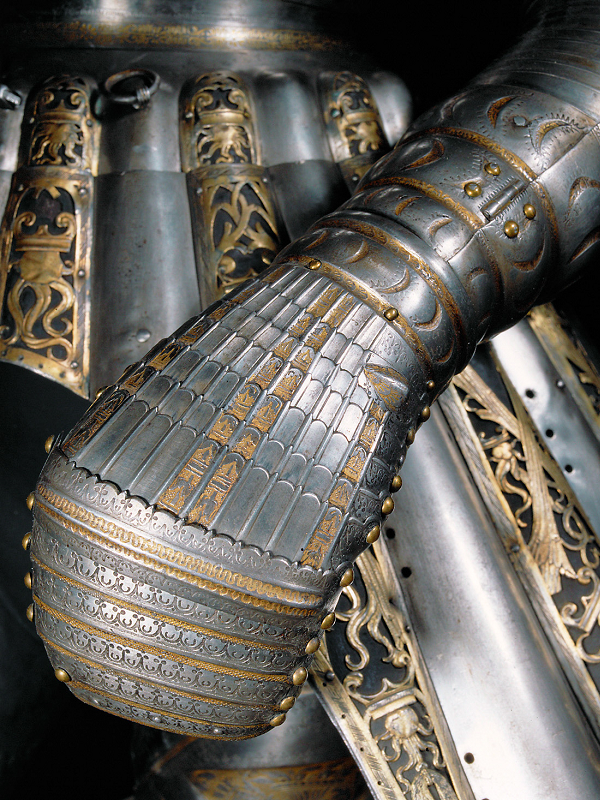
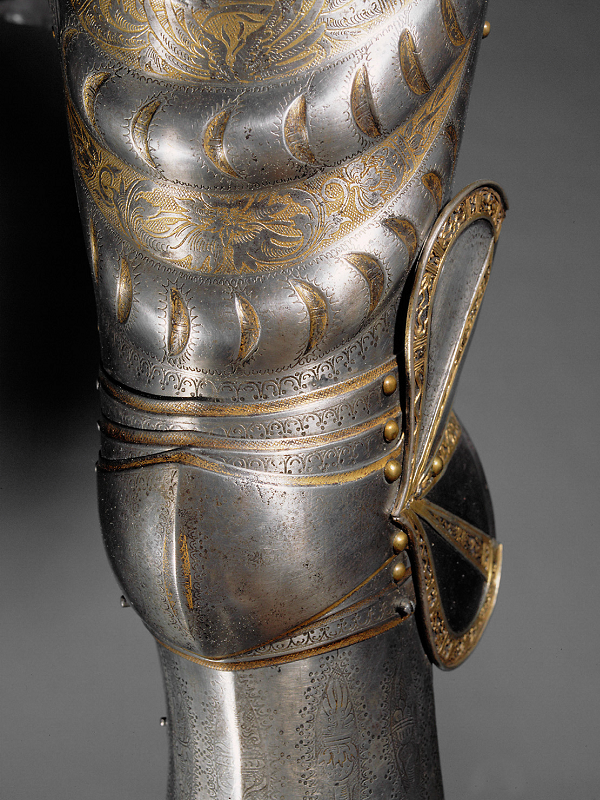
Children's and youthful suits from the grandfather.
Harnisch, Kaiser Karl V. Sohn des Philipp von Habsburg (1500-1558), 1511-1512, Hans Rabeiler gen. Pair, Innsbruck, Austria - A186
Historical significance.
Charles V was one of the last emperors to actively utilize the image of chivalry in politics and propaganda. In the age of gunpowder and mercenary armies, his armor was more a symbol of status, power, and the chivalric ideal than purely combat equipment. He commissioned it for tournaments, parades, portraits, and diplomatic gifts. His collection (now primarily at the Real Armería in Madrid) is one of the finest in the world and illustrates the peak of Renaissance knightly armament before the final decline of tournaments.
Charles V connects the era of Maximilian I (the romantic "Last Knight" with "Freida") and the more pragmatic 16th century. His armour is the pinnacle of the decorative art of the armourers of Augsburg and Milan.