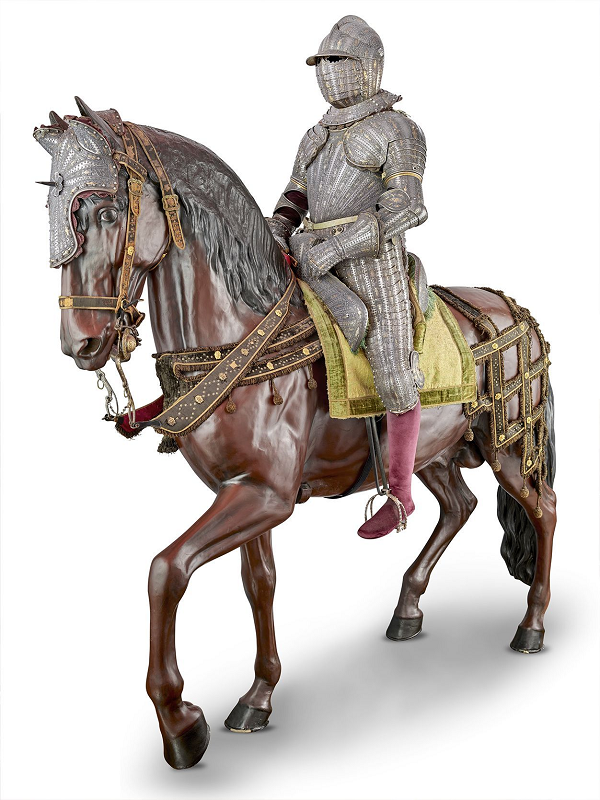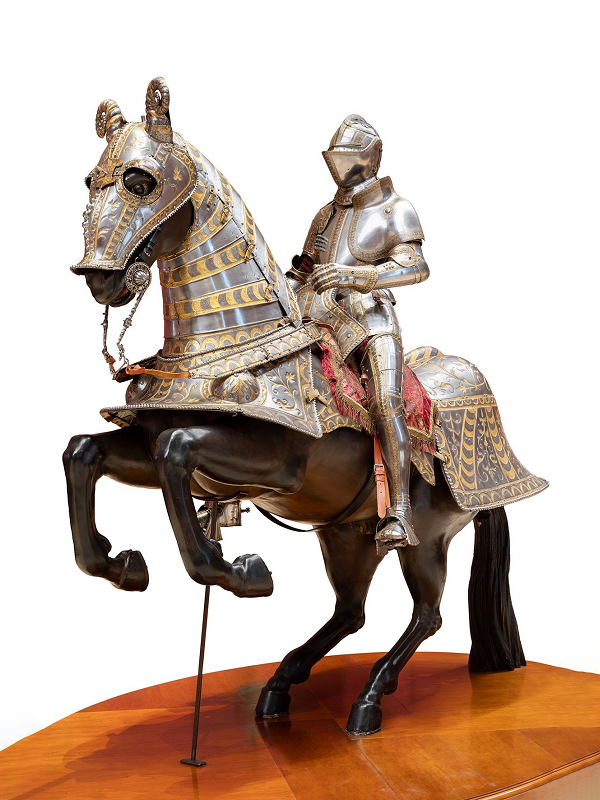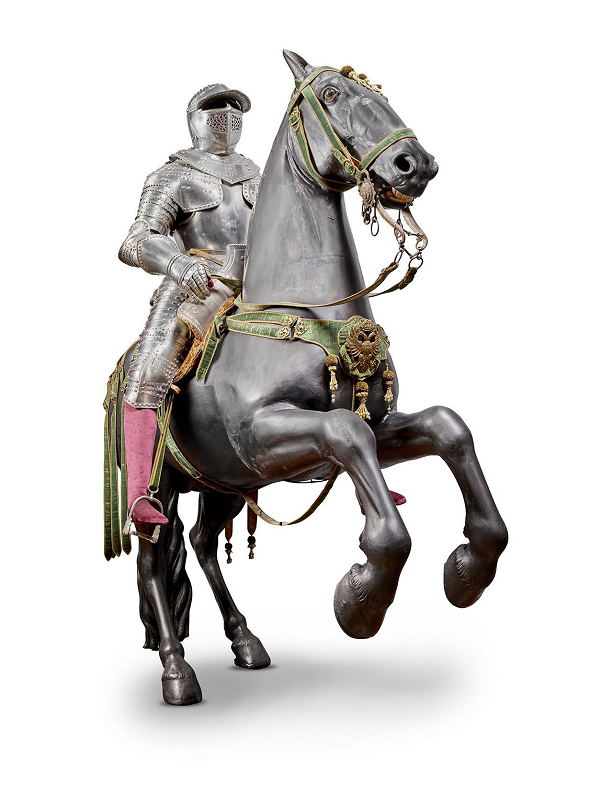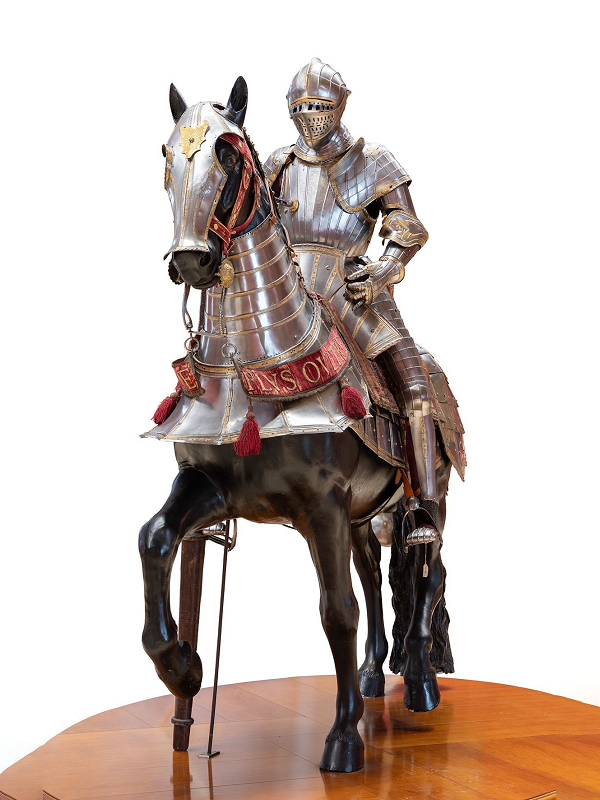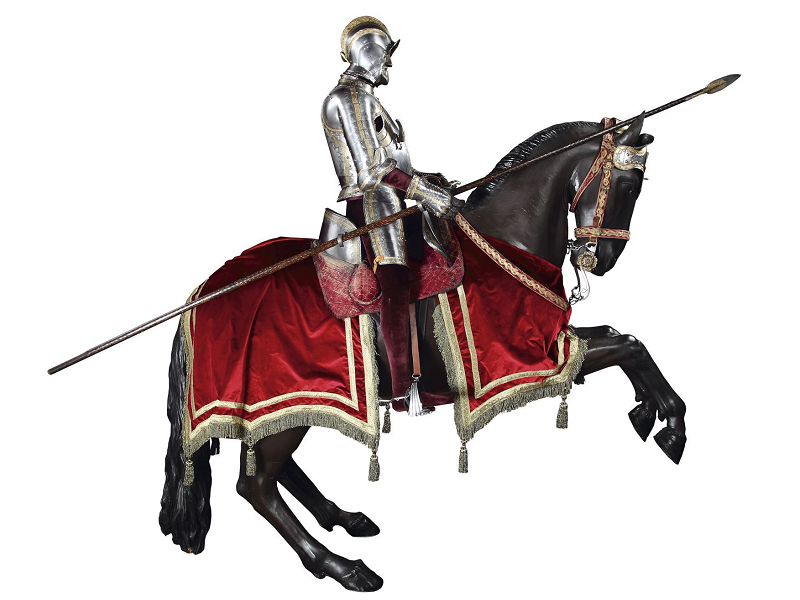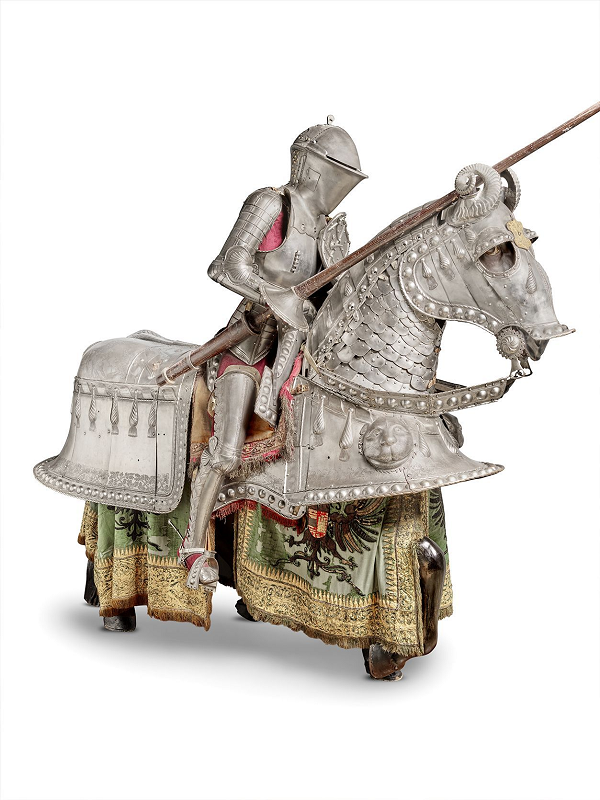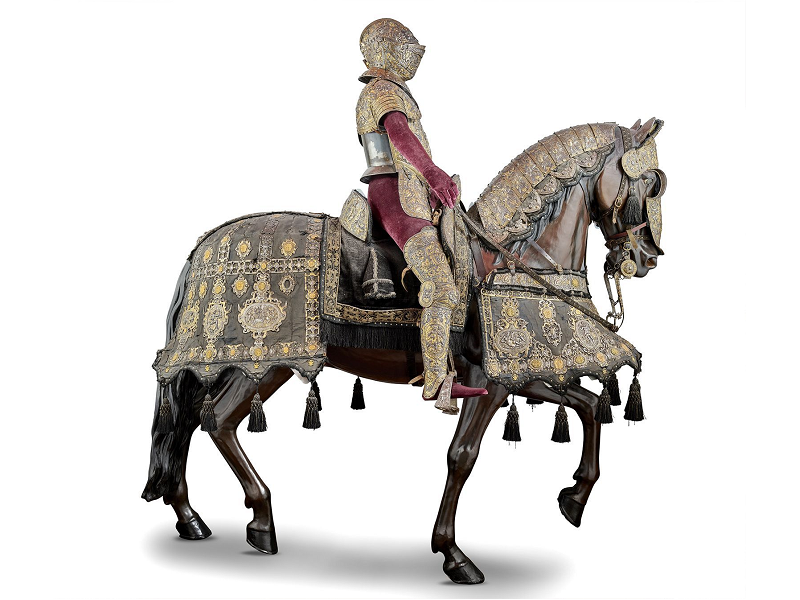
Horse armor or barding (from the Old French barde), was an important element of heavy cavalry equipment in medieval Europe. It protected the warhorse—a valuable and vulnerable participant in battle—from arrows, spears, swords, and other threats. Like human armor, barding evolved from simple textile and chainmail coverings to the complex suits of plate armor of the 15th and 16th centuries. A full barding was extremely expensive and affordable only to the highest aristocracy and wealthy knights; partial armor or decorative caparisons were more commonly used.
The study of horse armor allows us to understand the technological progress of weaponry, the tactics of heavy cavalry, and the social prestige of knighthood. The main sources are inventories, miniatures, chronicles, and surviving artifacts in museums (the Metropolitan Museum of Art, the Royal Armouries in Leeds and the Tower of London, and the Kunsthistorisches Museum Vienna).
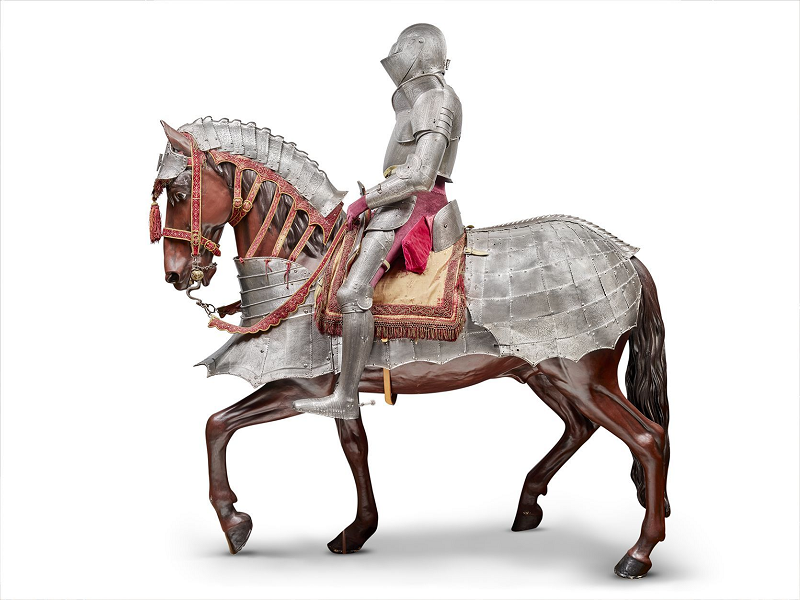
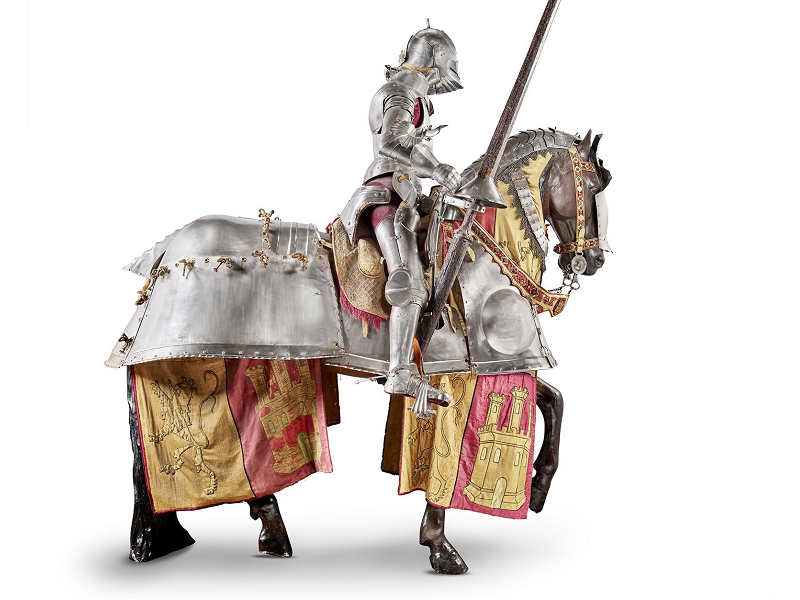
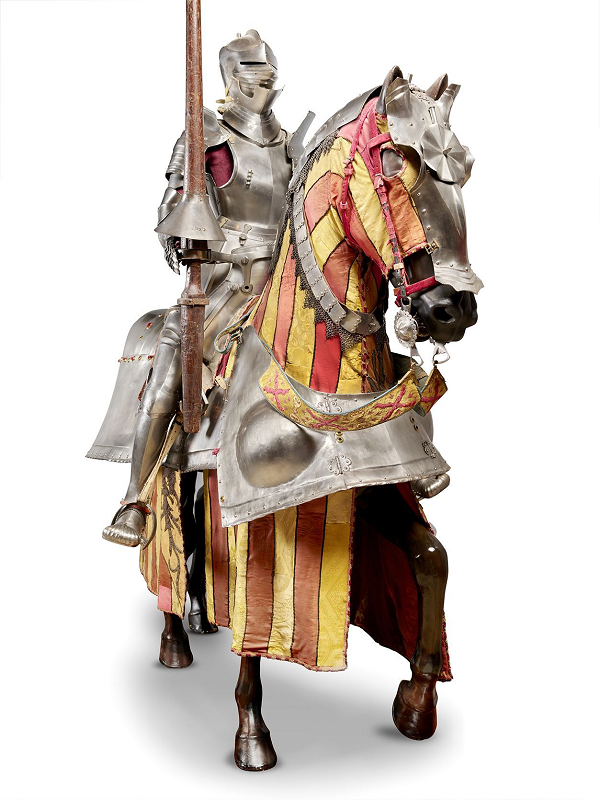
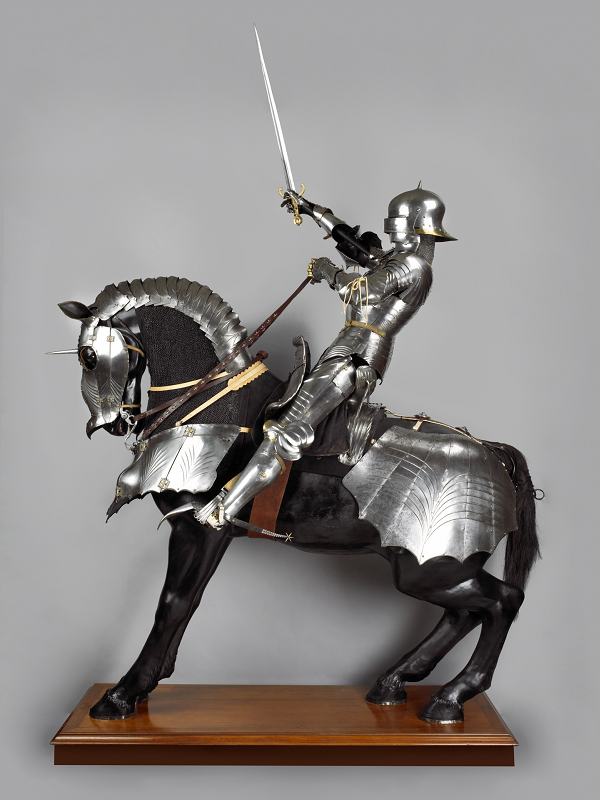
The main components of a full bard.
By the mid-15th century, the classic "full bard" had developed, including the following elements:
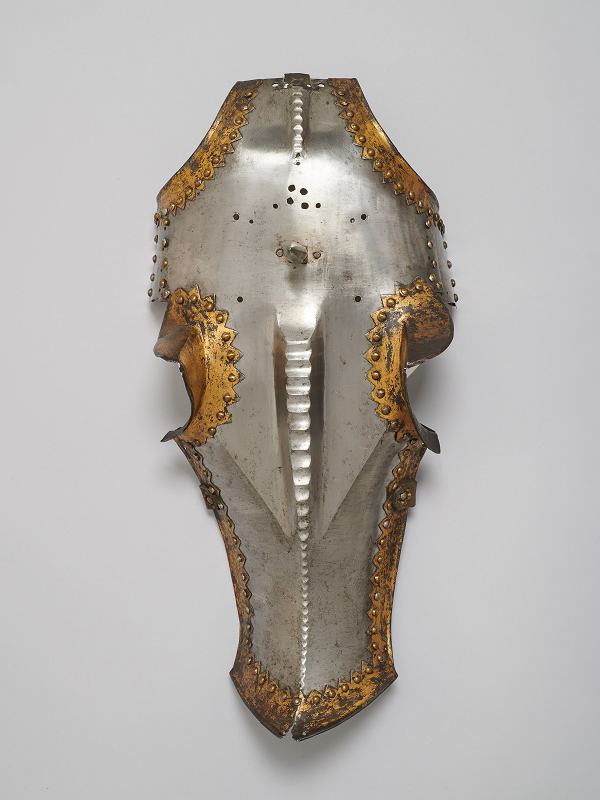
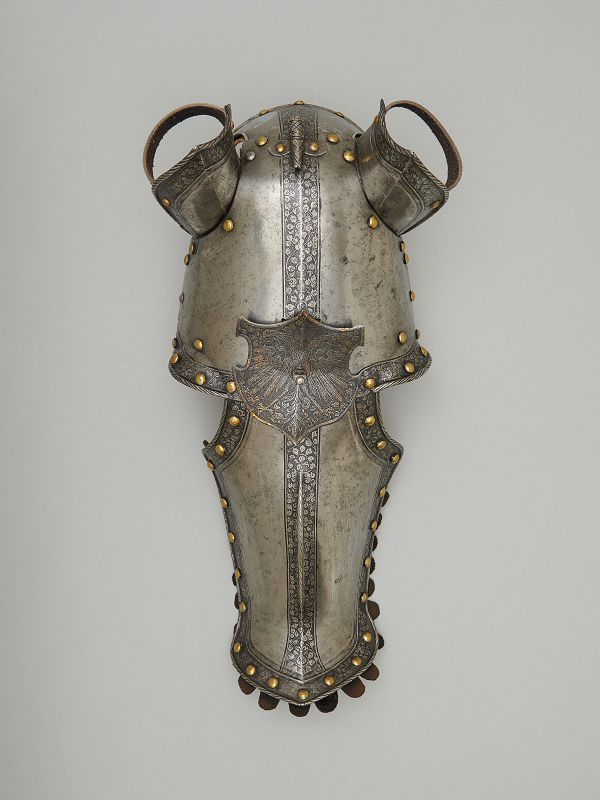
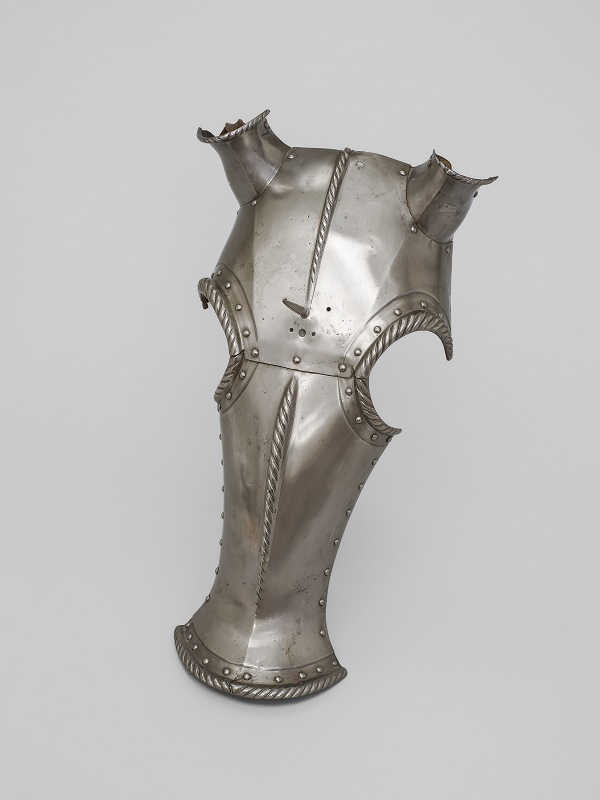
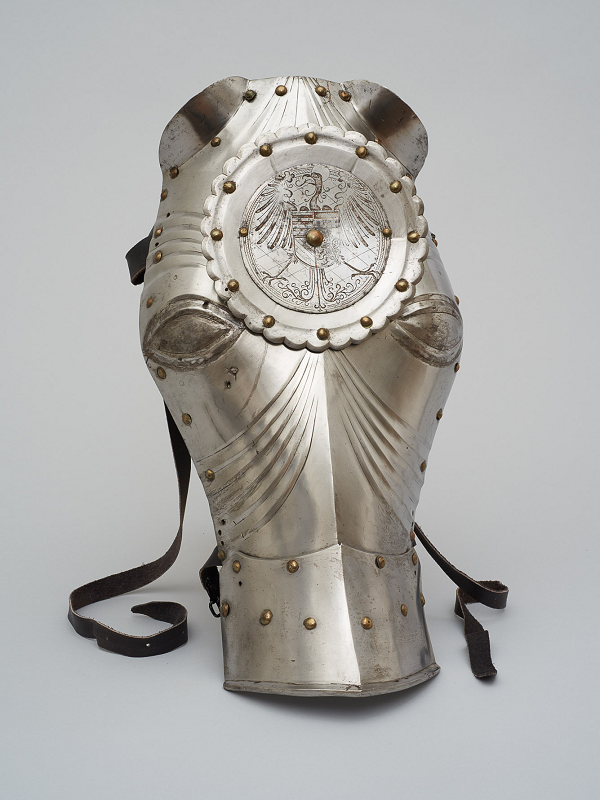
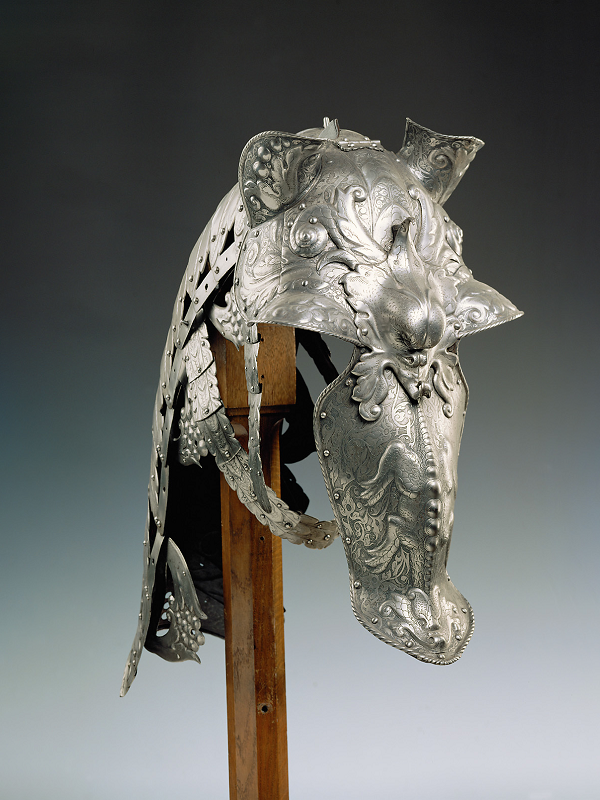
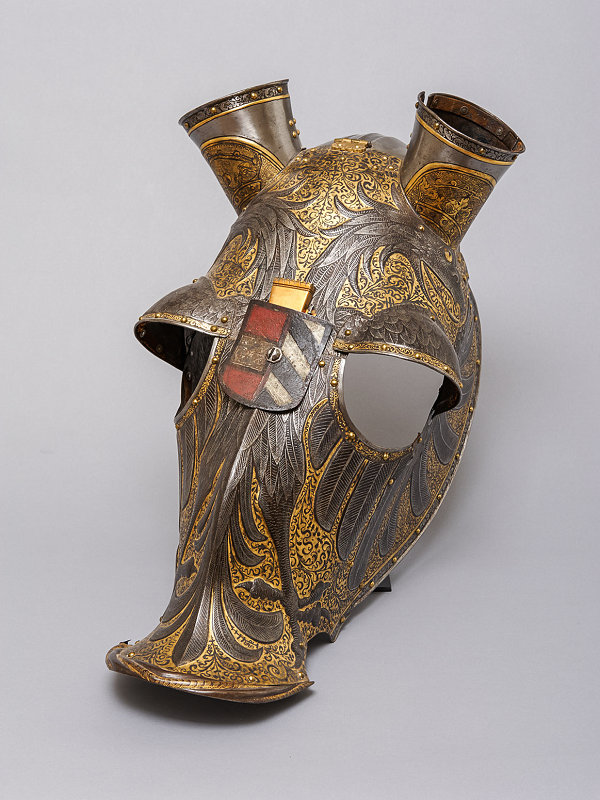
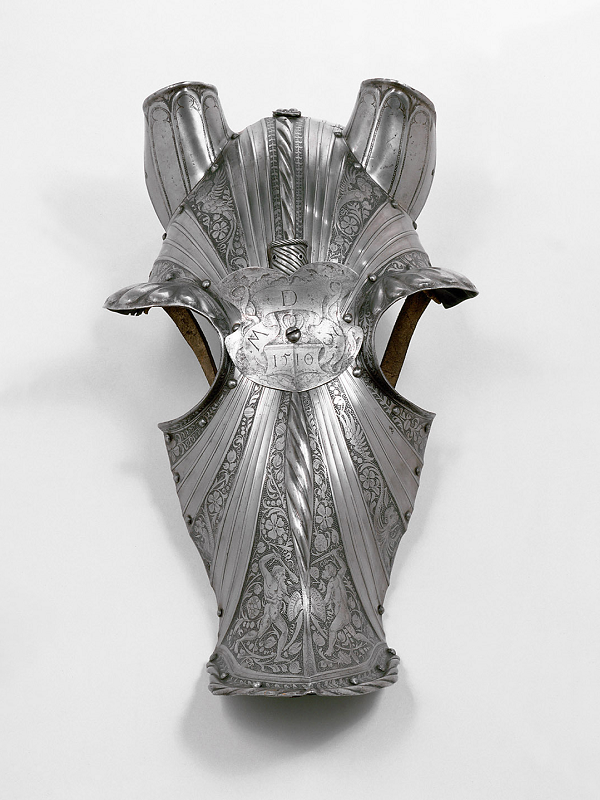
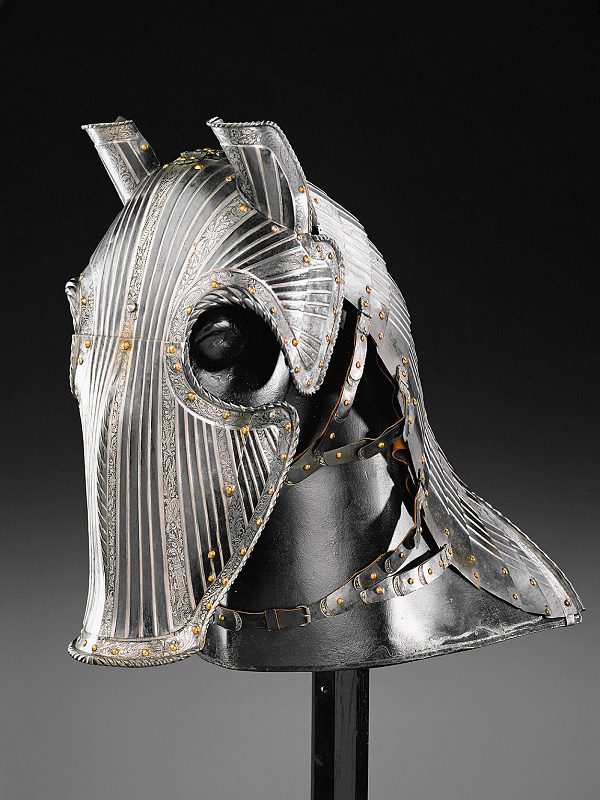
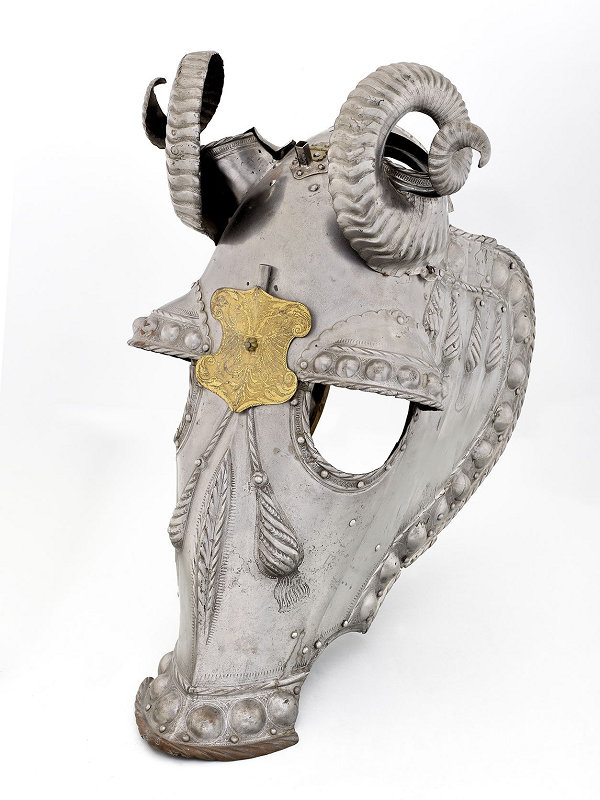
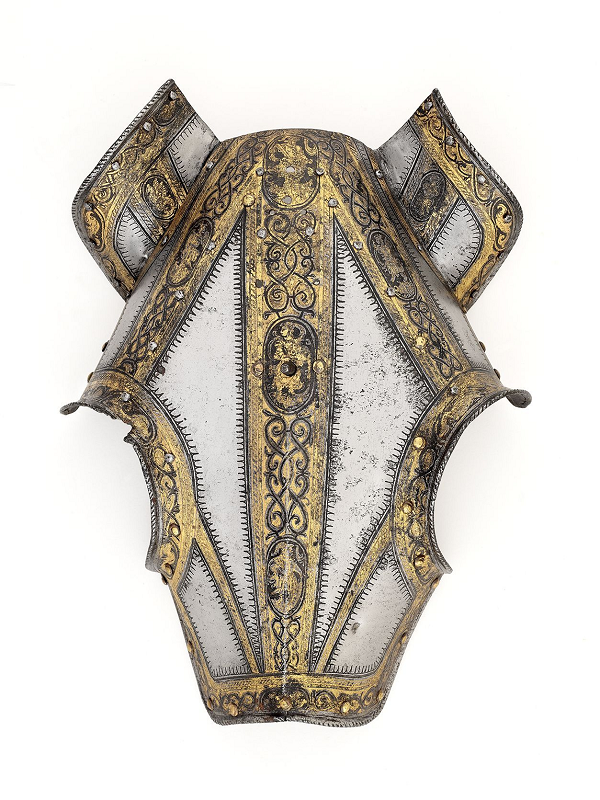
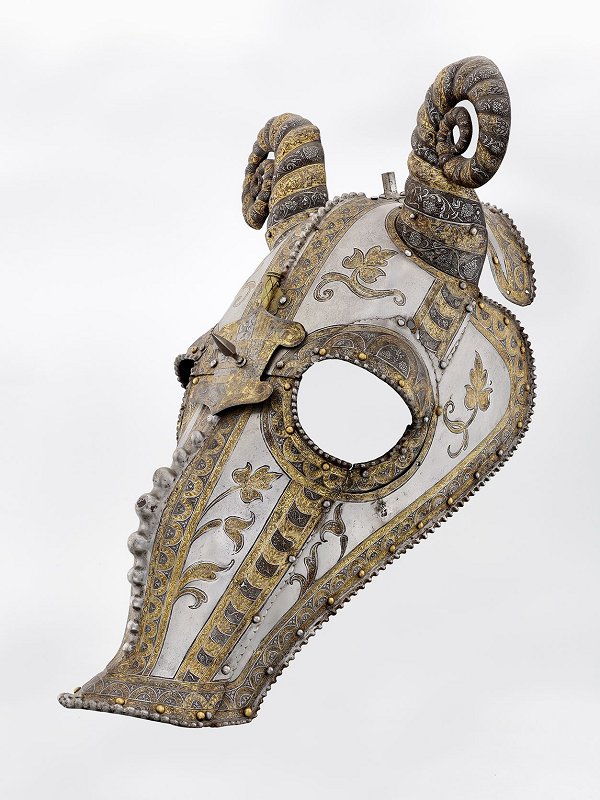
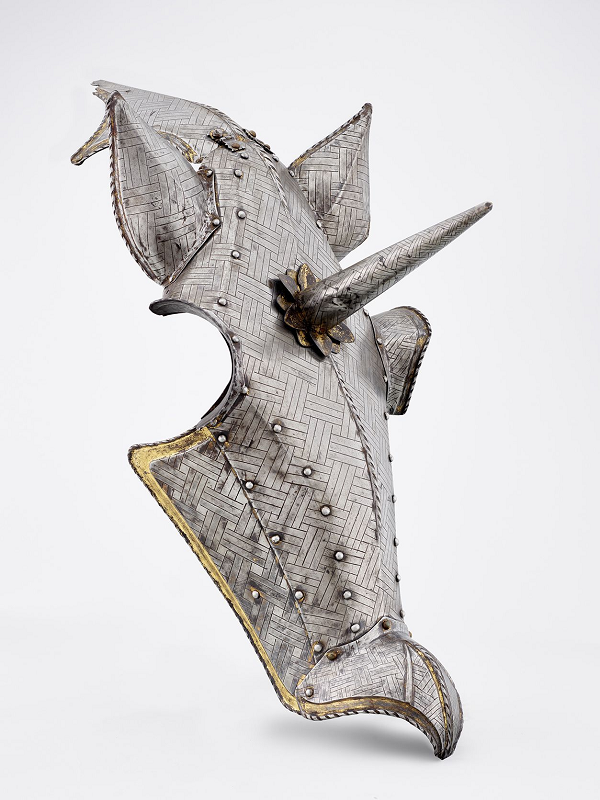
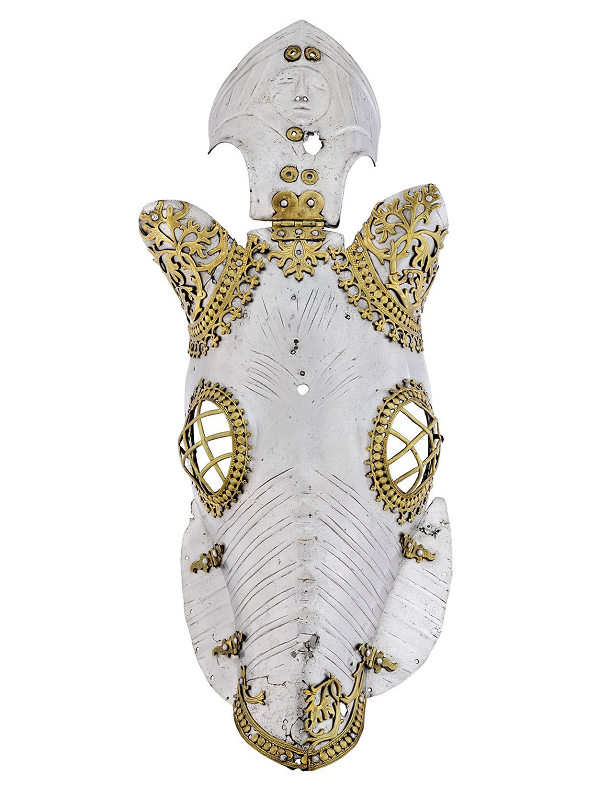
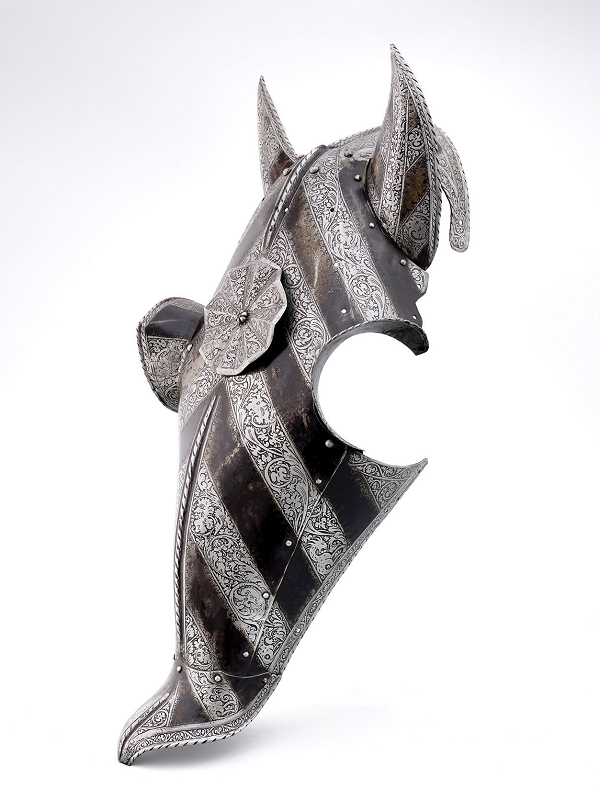
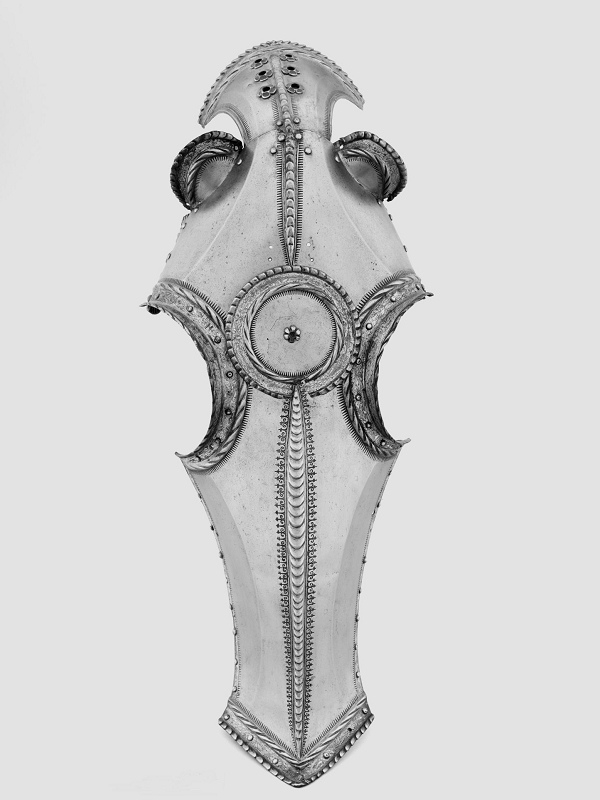
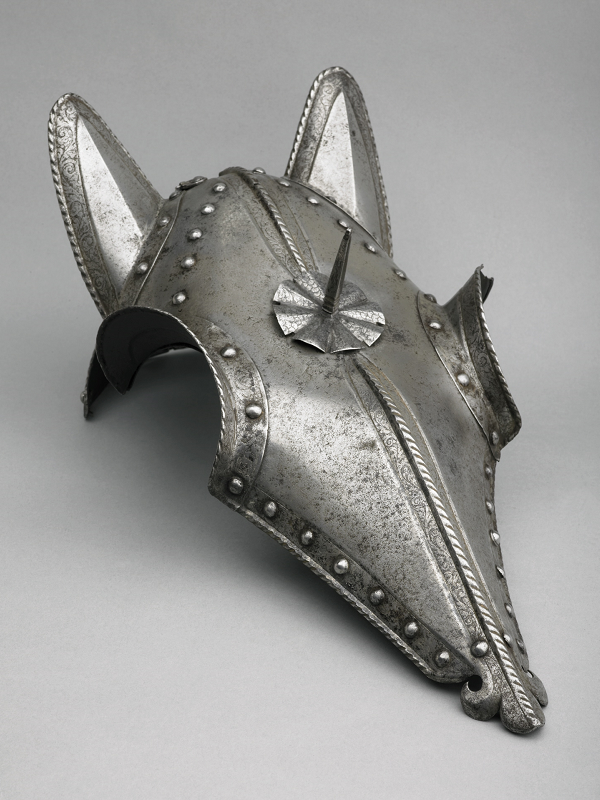
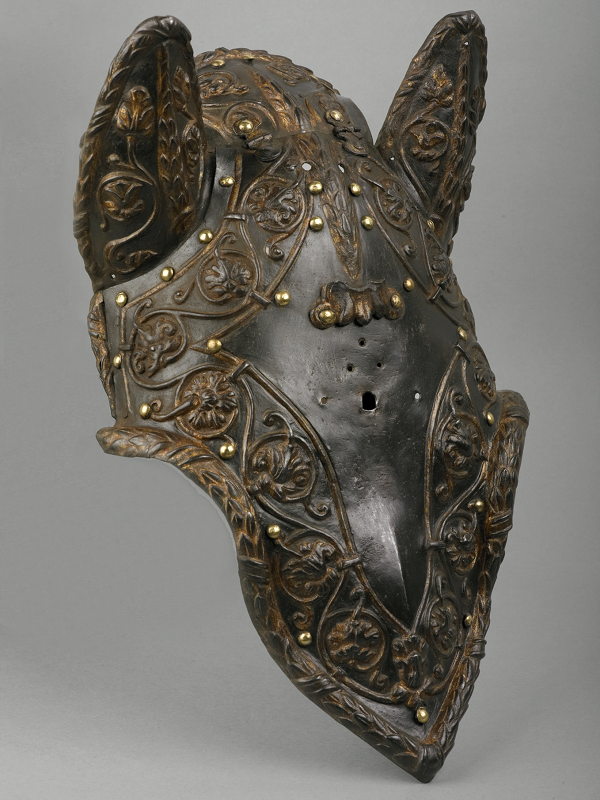
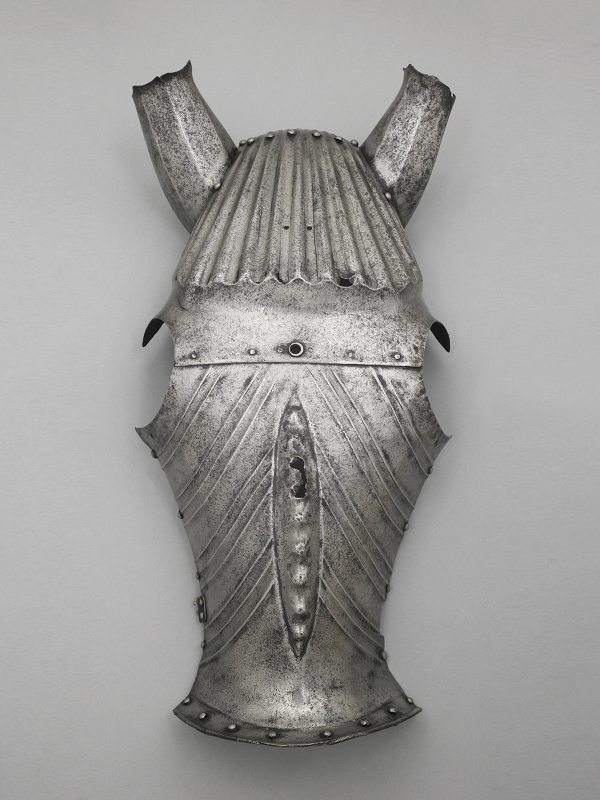
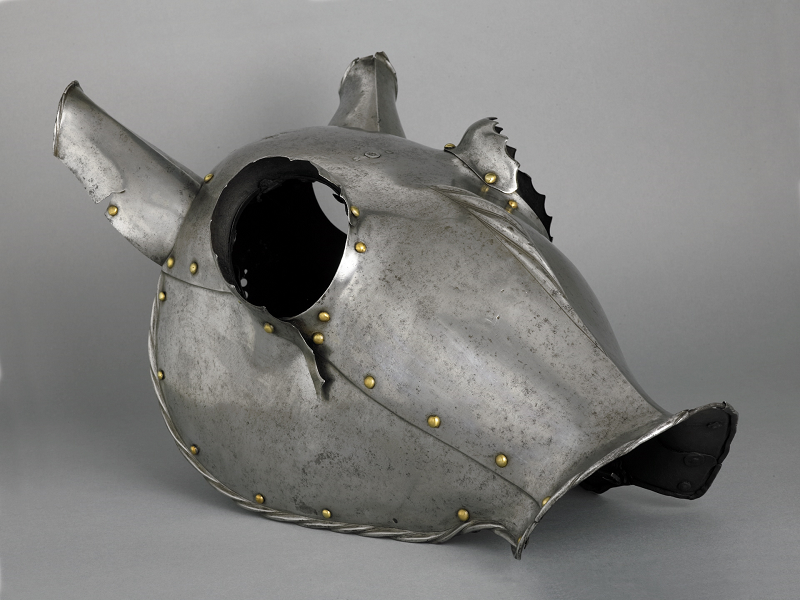
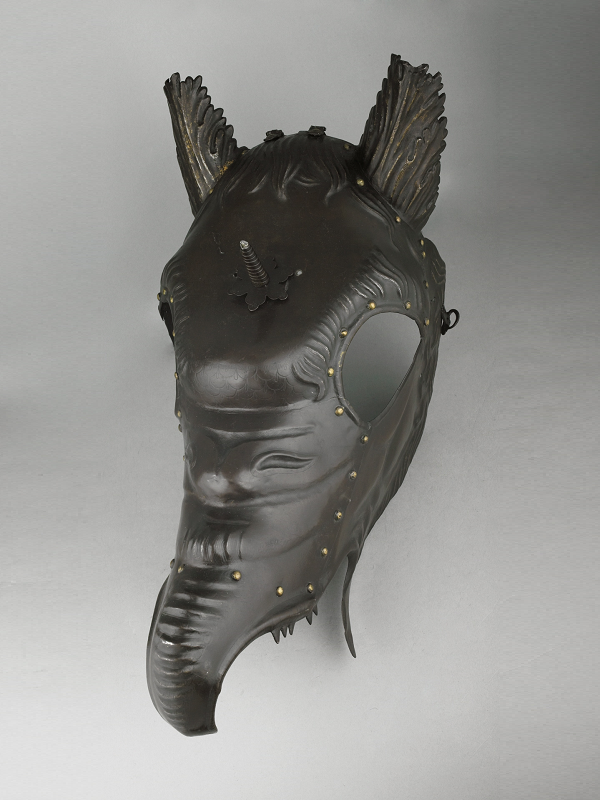
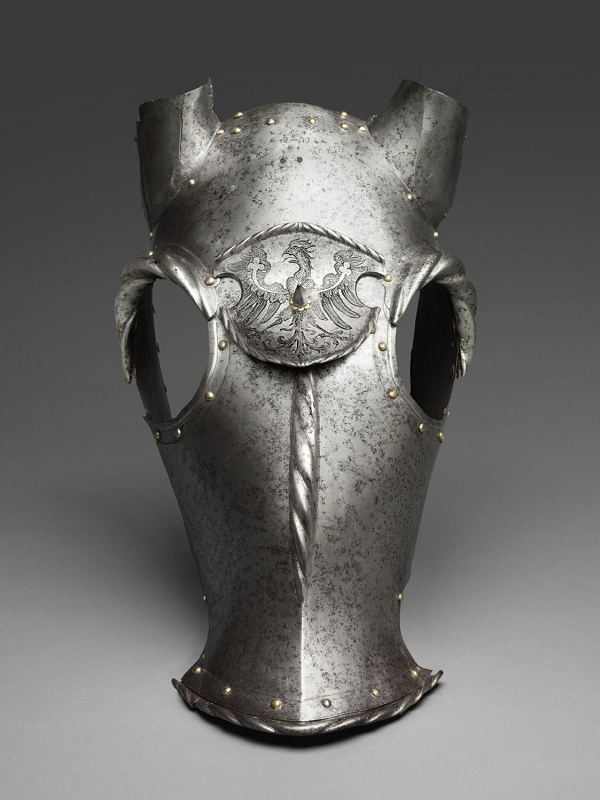
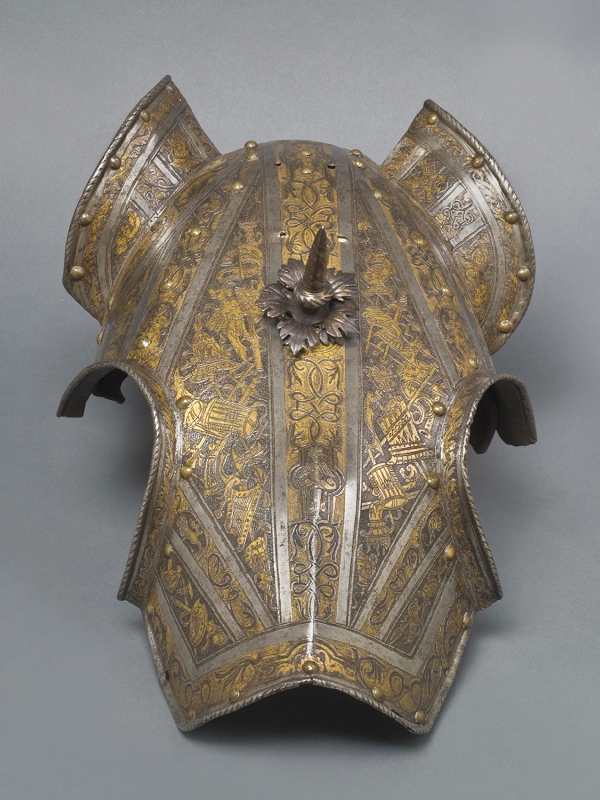
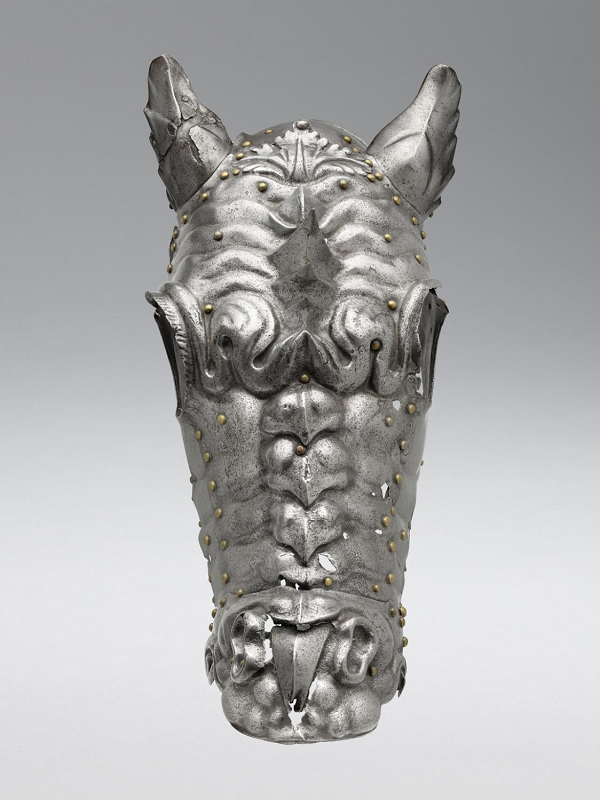
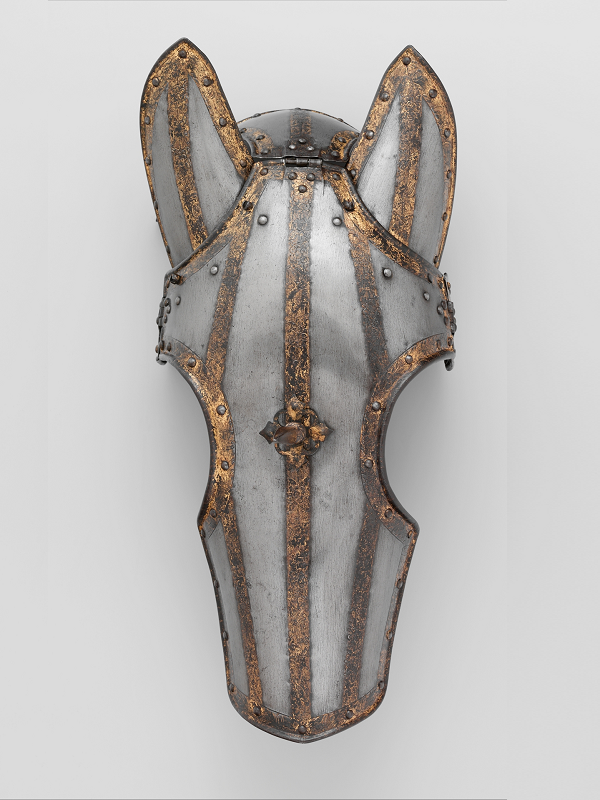
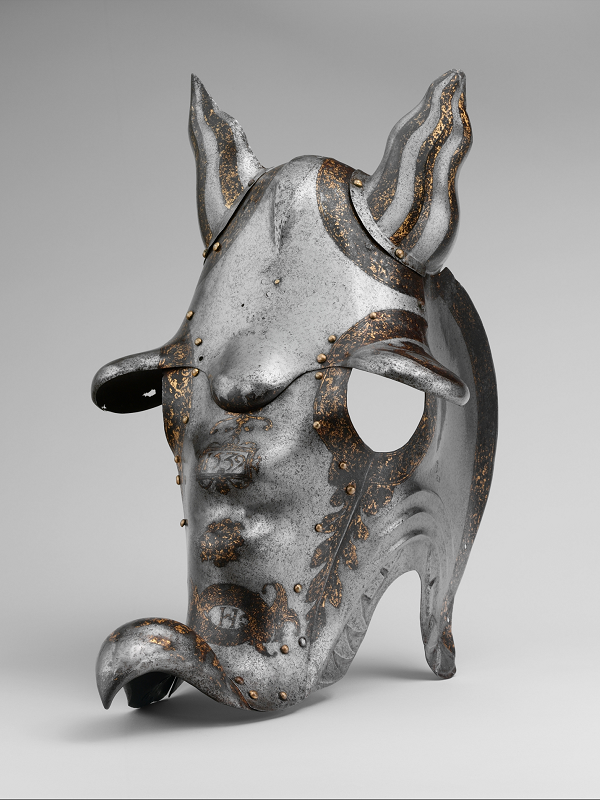
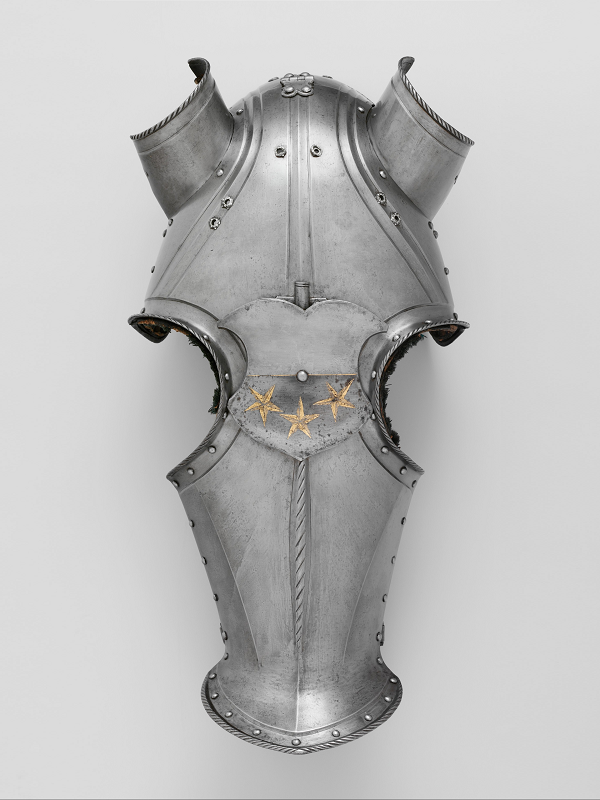
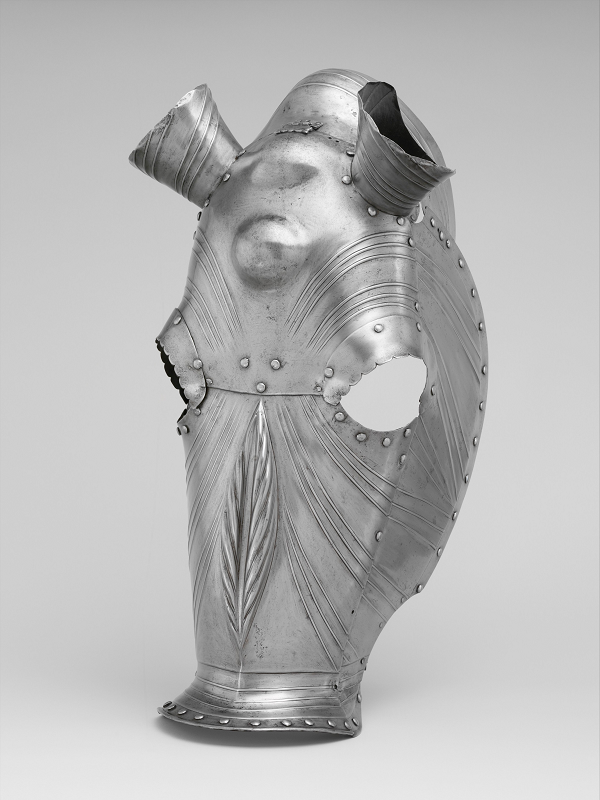
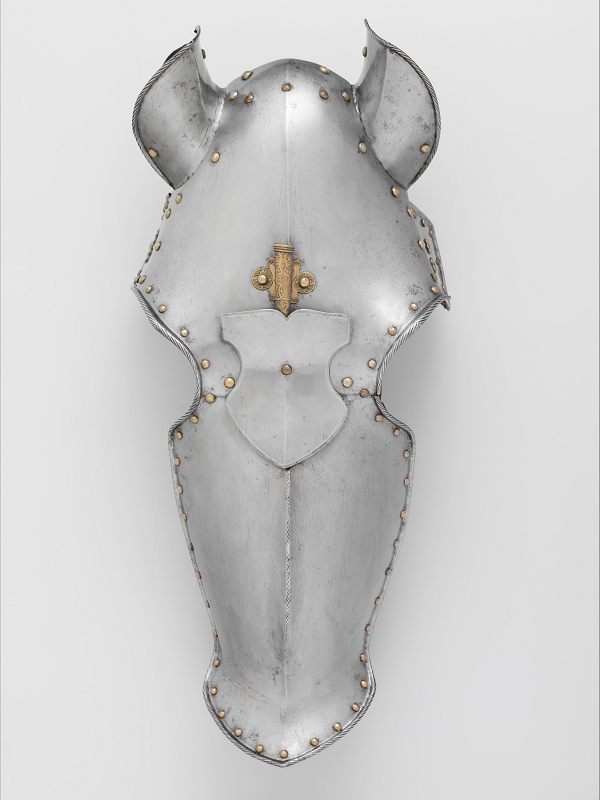
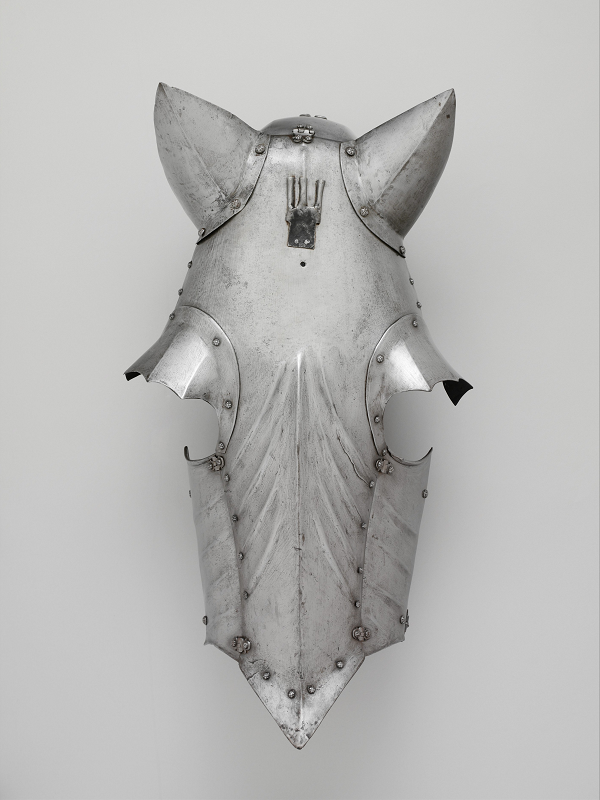
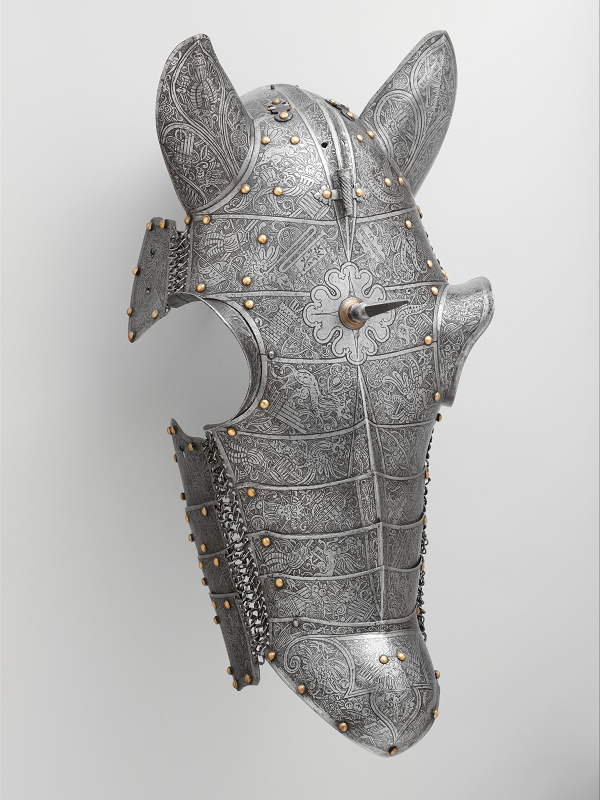
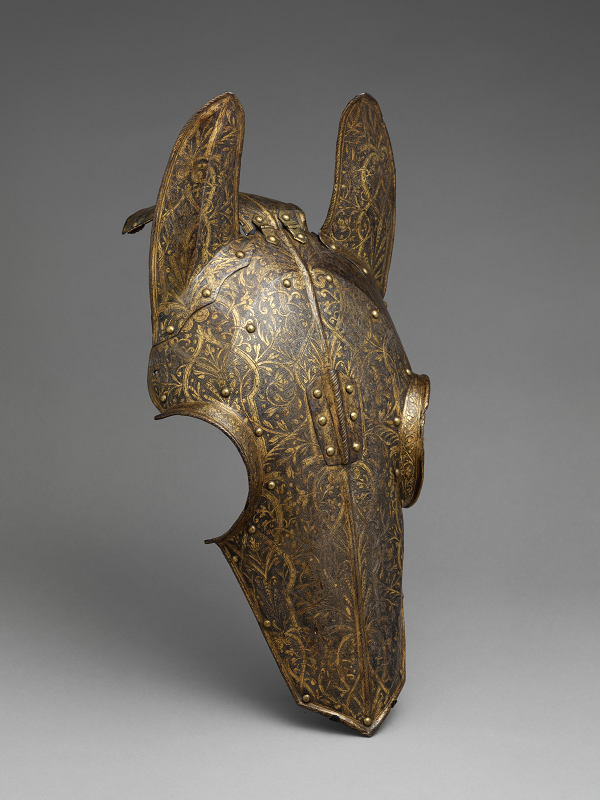
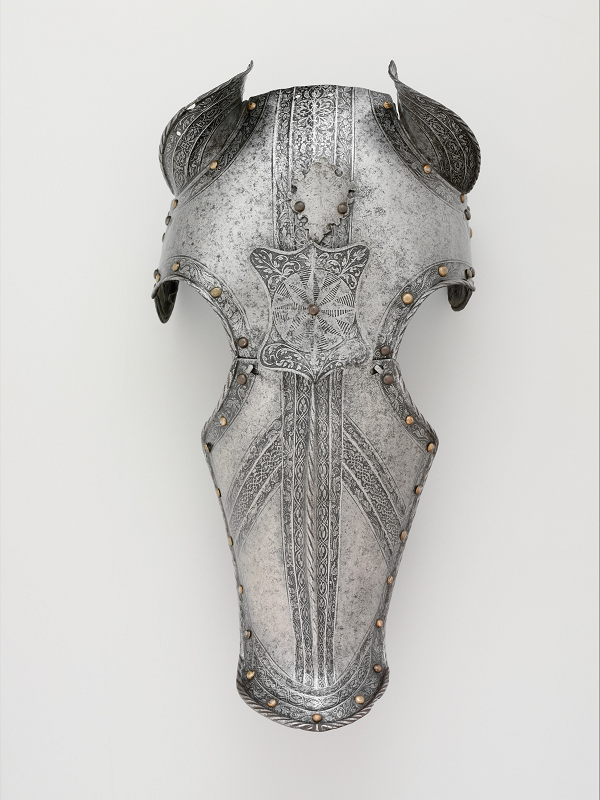
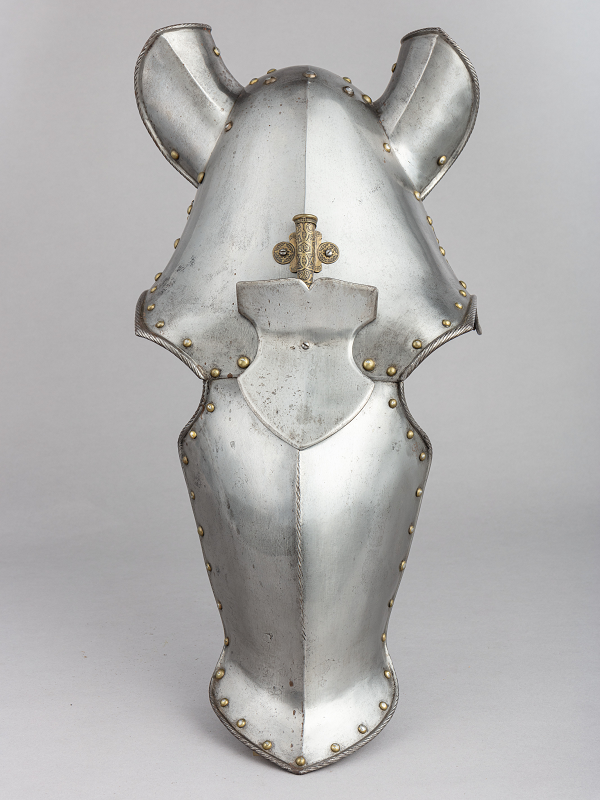
Chafron (chanfron, shaffron, chamfron) - protection for the horse's head and muzzle. It was a metal plate (or boiled leather, cuir bouilli), often with slits for the eyes, nostrils, and ears. Sometimes it was equipped with a comb, rondel, or decorative spike. It could have movable cheek plates.
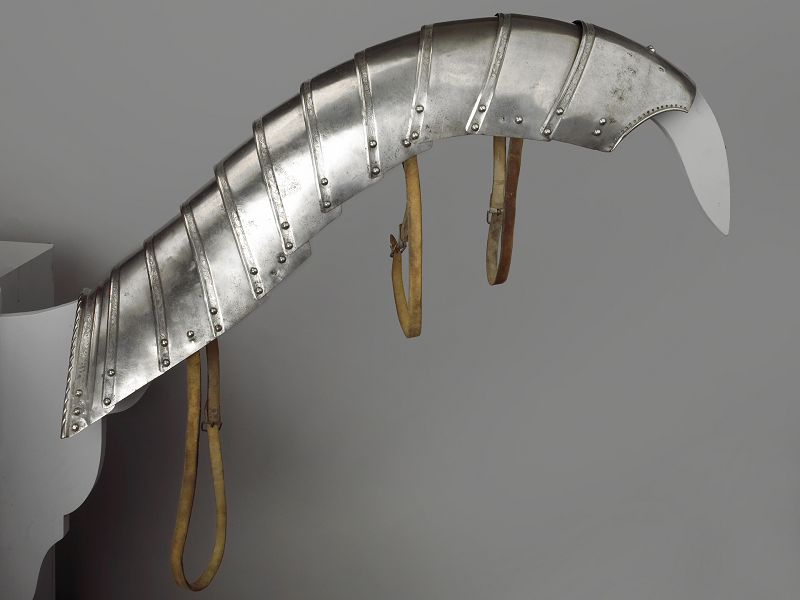
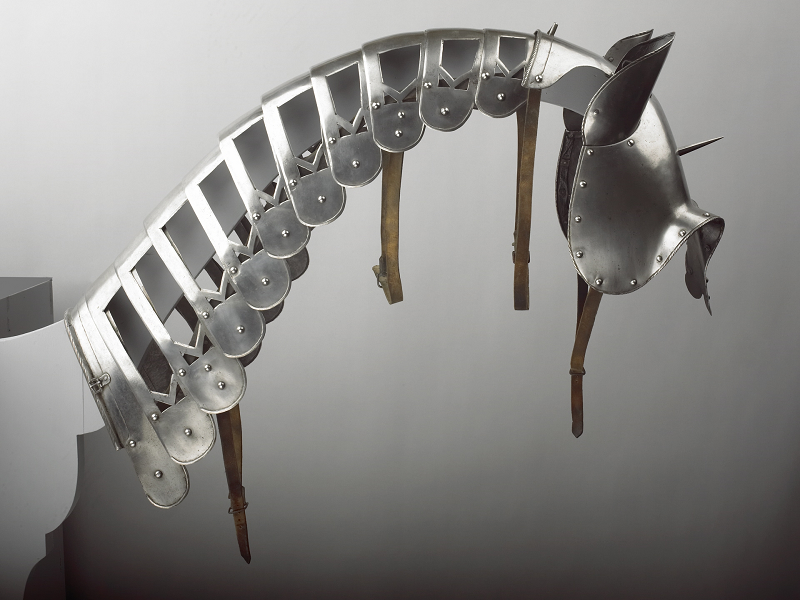
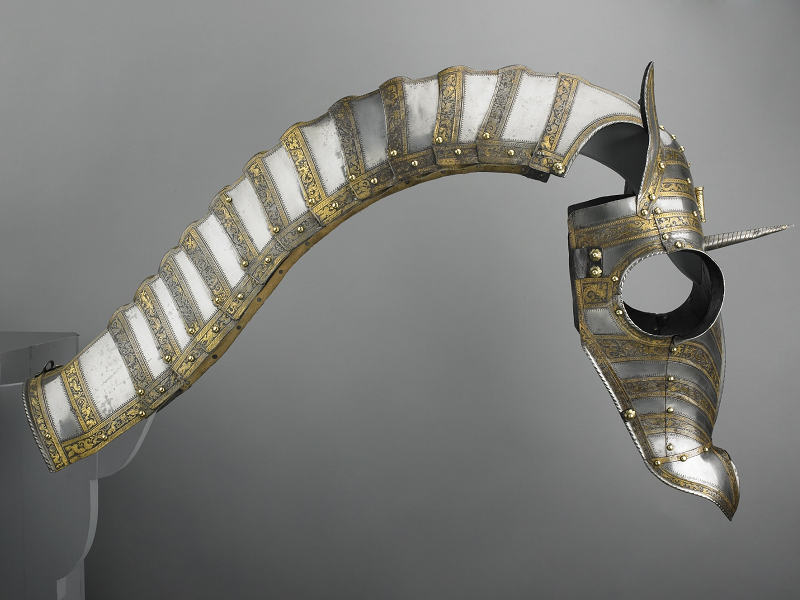
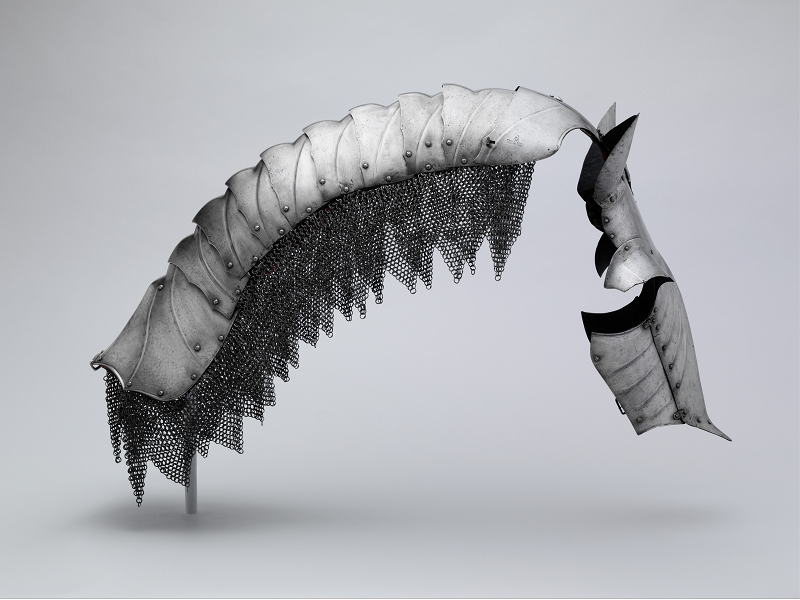
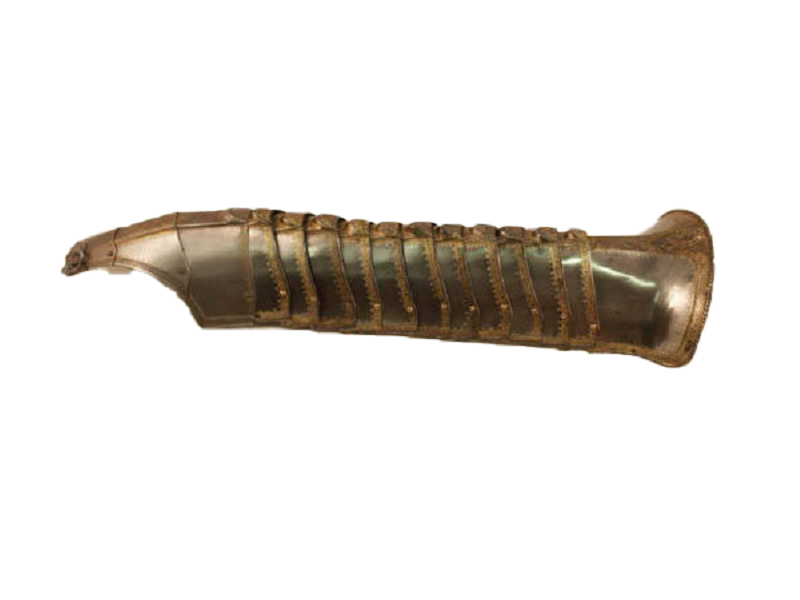
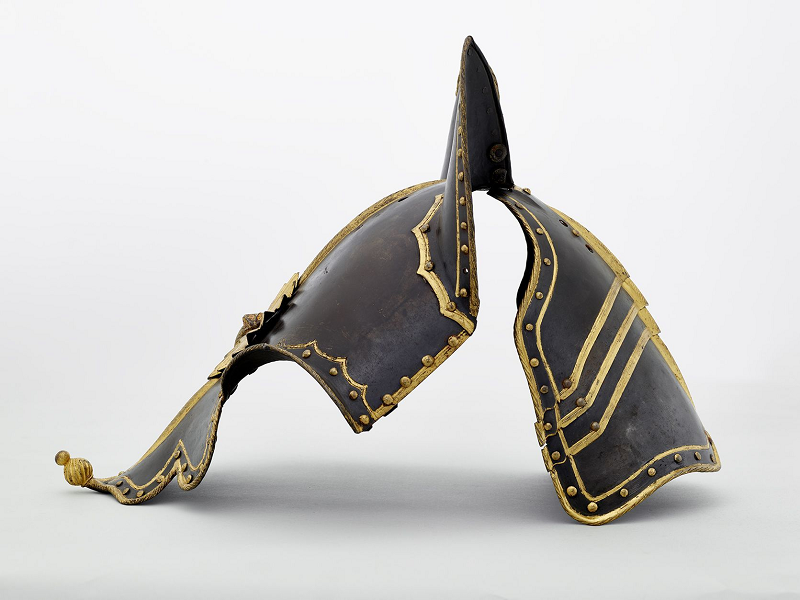
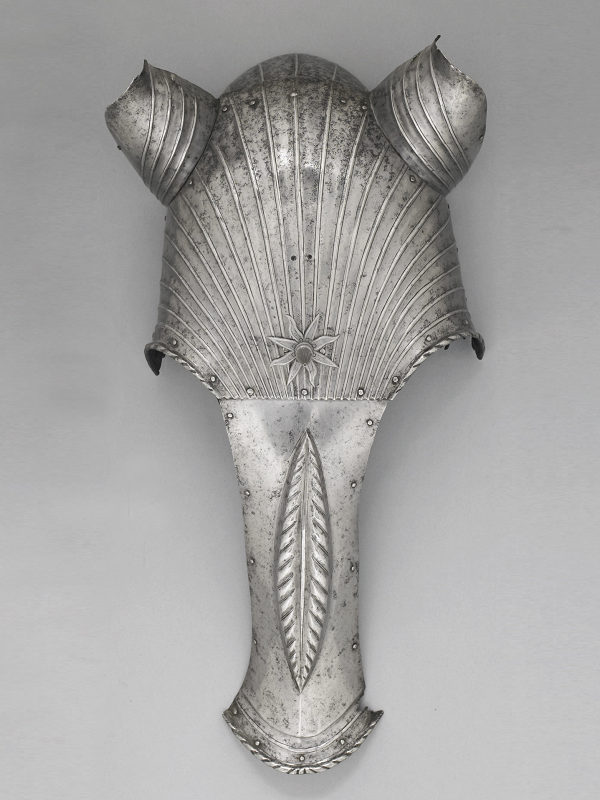
Crinette (crinet, crinière, manefaire) - neck protection. It consisted of segmented plates (lamellas), connected by hinges or a chainmail insert for flexibility. It allowed the horse's head to move while maintaining protection from slashing blows.
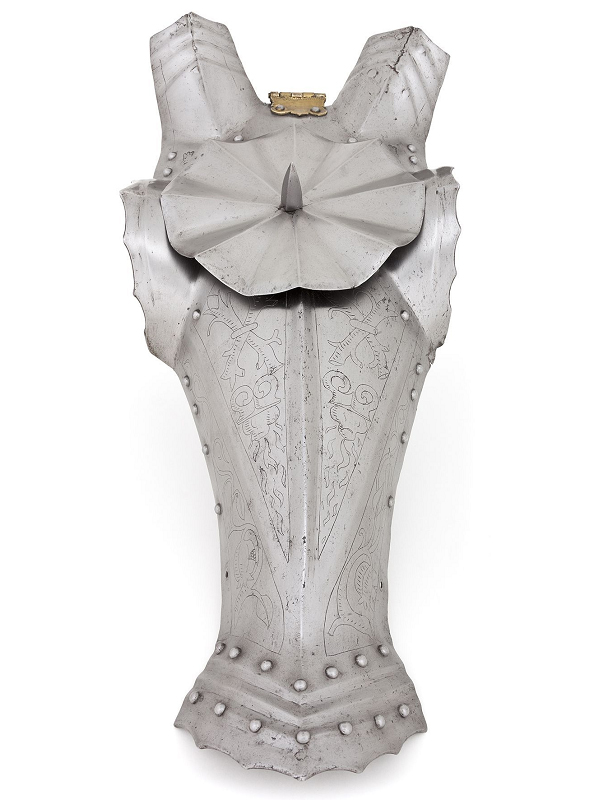
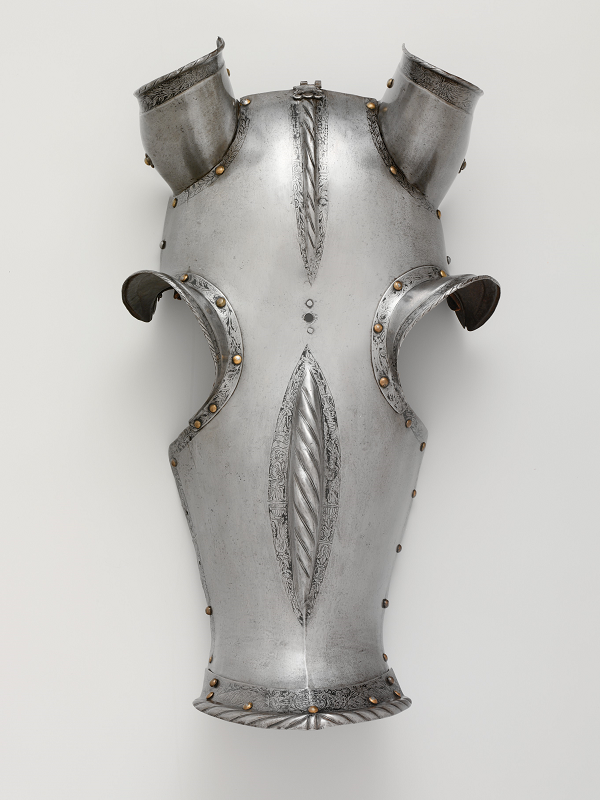
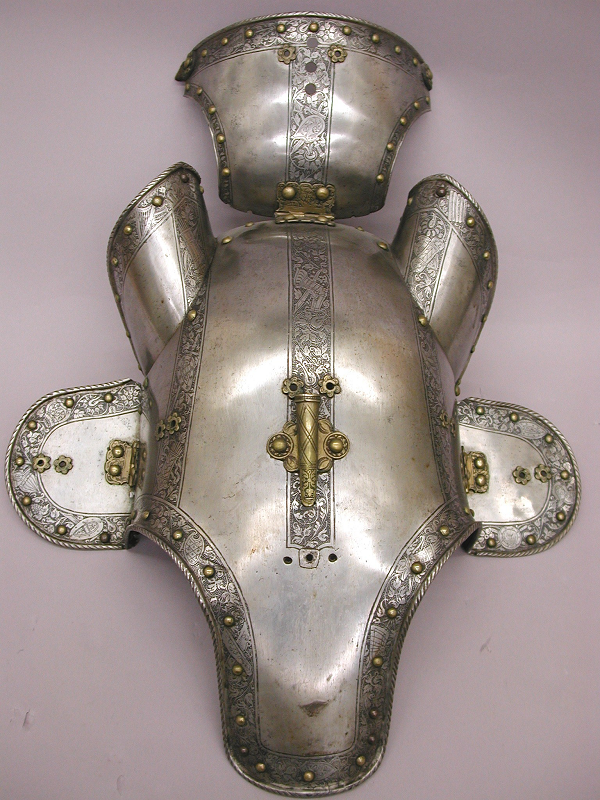
Peytral - a breastplate that protected the chest and shoulders. Often curved and attached to the saddle or girth.
Flanchards are side panels that cover the horse's flanks. They were attached to the saddle and sometimes had cutouts for the rider's spurs.
Crupper (or croupiere) is protection for the croup and hindquarters. It could be solid or segmented, and sometimes included a tail guard.
Additional elements:
Chainmail or quilted trappers and caparizons are fabric coverings, sometimes with heraldic emblems. In the early period, they could be protective (quilted), but later, they were primarily decorative.
Armored saddle elements (steel plates on the front and back pommel).
Sometimes, leg or belly protection (in the most complete ceremonial sets).
A full horse armor weighed 25–45 kg (depending on the thickness of the plates and their complement), significantly increasing the burden on the horse but allowing heavy cavalry to withstand intense fire and close combat.
Evolution of Horse Armor.
Early Period (11th–13th Centuries): After the fall of the Western Roman Empire, horse armor virtually disappeared from Europe. It was revived in the 12th century under the influence of the Crusades and contacts with Byzantine and Islamic traditions. Horses were initially protected by chainmail trappers and thick quilted caparizons. By the early 13th century, the first metal or leather chafrons appeared. Caparizons often bore the owner's heraldry and served for identification in battle and tournaments.
Development in the 14th Century: After 1300, inventories mention combinations of chainmail trappers, quilted coverings, and early plate elements (chafrons, partial side armor). Full plate armor is still rare; mixed suits predominate. Miniatures and chess pieces from the period depict the maximum protection of that period.
15th Century Highlight: By mid-century, the full plate armor developed. Chainmail faded into insignia, giving way to steel plates and hardened leather. Workshops in Milan, Augsburg, Nuremberg, and Innsbruck produced suits perfectly tailored to the individual horse. Armored saddles appeared, providing continuous protection from the rider's head to the horse's croup. The Gothic style added ribbed surfaces and decorative elements.
16th Century and Decline: Full armor reached its peak of complexity (workshops of Lorenz Helmschmid and Konrad Seusenhofer). Some suits covered almost the entire horse's body, including the belly and legs. However, with the spread of firearms and light cavalry, heavy armor became increasingly ceremonial. By the end of the century, lightweight versions (only a chanfron and saddle) or decorative caparizons predominated. The bard finally disappeared from the battlefield in the 17th century.
Its evolution reflected a balance between protection, mobility, weight, and cost. The full bard was more of a status and tournament item than an everyday combat item.
The most beautiful and famous armor.
Surviving complete horse armors are extremely rare (only a few dozen examples exist worldwide). The most notable are:
The Lorenz Helmschmid Horse Armor (c. 1480–1500, Augsburg, Metropolitan Museum of Art) is one of the most complete and technically perfect. It covers almost the entire horse's body, including the lower abdomen. It was likely intended for ceremonies and diplomatic gifts. It is distinguished by its exquisite engraving and Gothic form.
The Gothic Horse Armor (c. 1480, possibly the work of Ulrich Rambs, A21 - The Wallace Collection, London) is one of only three surviving nearly complete Gothic horse armors in the world. It features a distinctive relief surface with grotesque elements (dragon-like features on the chanfron and peytral). It is displayed with a suit of knightly armor.
The bard for Johann Ernst, Duke of Saxe-Coburg (c. 1548, Kunz Lochner, Nuremberg, Germany, 32.69a–q - Metropolitan Museum of Art) is richly decorated, with etchings and heraldry.


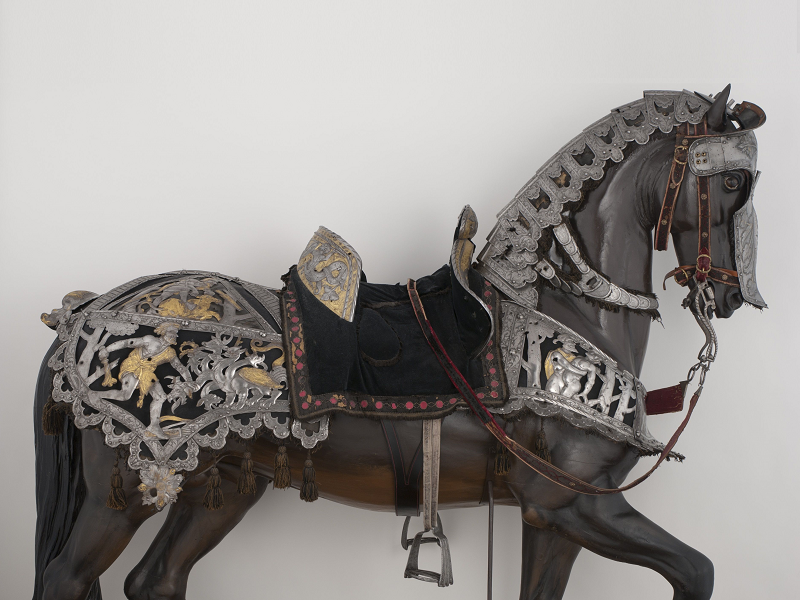
Italian bards (Milan/Brescia, 16th century, Metropolitan Museum of Art) feature finely etched ornamentation, including mythological creatures, putti, and biblical scenes (David and Goliath, Marcus Curtius). One example is a set with richly engraved foils and heroes of antiquity.


The Warwick Shaffron (early 14th century?, Royal Armouries) is one of the oldest surviving European chaffrons. It is distinguished by its impressive size and traces of military use; research confirms its conformity to the size of medieval warhorses.


The Wilhelm von Worms bard (1507, Nuremberg, Germany, 2009-117-1 - Philadelphia Museum of Art) is one of the earliest dated complete examples bearing maker's marks.


Many bards were decorated with etching, gilding, embossing, and heraldic motifs, transforming the armor into a work of art. Particularly striking are saffrons with "horns," crests, or masks in the form of fantastical creatures.
Medieval horse armor is a striking example of the technological and artistic mastery of European armorers. From simple caparisons of the 12th century to the almost complete plate armor of the 16th century, it reflected the development of warfare, the rising cost of knightly equipment, and the transition from practical protection to a status symbol. Although the full bard remained rare due to its high price and the strain on the horse, its elements were widely used in battles and tournaments. Surviving examples in leading museums around the world continue to demonstrate the engineering genius and aesthetic taste of the era. Further research (including metal analysis, archaeological finds, and digital reconstruction) allows for a deeper understanding of how the bard influenced heavy cavalry tactics and the daily life of knights.
References (primary sources):
Metropolitan Museum of Art. "Horse Armor in Europe" (essay, 2010).
Wikipedia and specialized articles on barding (with links to museum collections).
Catalogues of the Royal Armouries, the Metropolitan Museum of Art, and other collections.
Works on the history of armour: studies by Lorenz Helmschmid, the Gothic style, and tournament equipment.