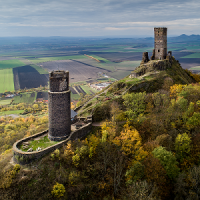
Philip I of Castile (Philip the Fair, 1478–1506), Duke of Burgundy, King of Castile (as Philip I), son of the Holy Roman Emperor Maximilian I of Habsburg. Although he was not an emperor, he is often associated with the Habsburg imperial tradition, and his armor is sometimes mentioned in this context in Russian-language sources or popular descriptions.
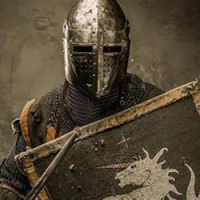
His role in the history of knightly armor is associated with the late Gothic and early Renaissance periods (late 15th – early 16th centuries), when tournament and ceremonial armor reached the peak of artistic perfection. Philip participated in tournaments from childhood, and the best armorers in Europe (Germany, Flanders, and Italy) crafted armor for him. These pieces represent the transition from purely combat armor to luxurious ceremonial and tournament armor, combining protection, aesthetics, and the symbolism of power.
Famous Armor of Philip I.
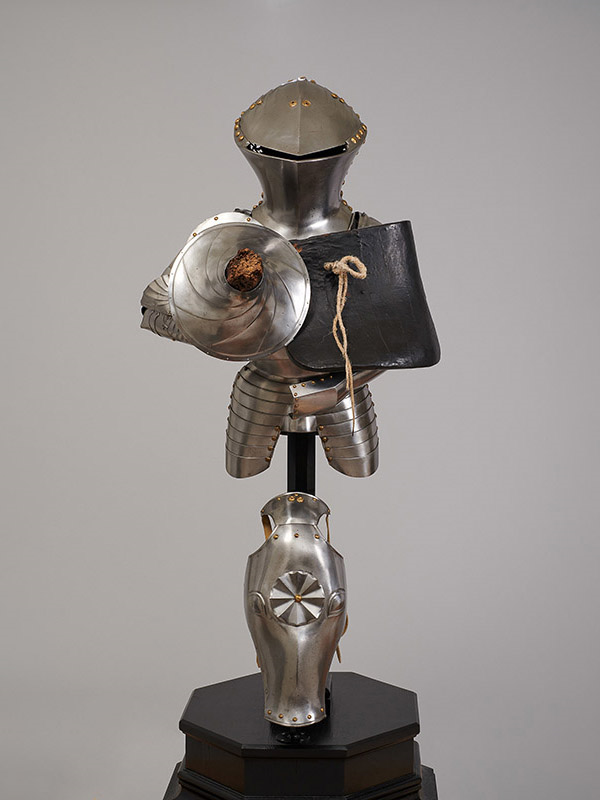
Joust of Peace Tournament Armor: One of the most famous is a youth's suit of armor from around 1494 (Philip was around 15-16 years old). Made in the workshop of Lorenz Helmschmied (Augsburg), it is housed in the Imperial Armory (Hofjagd- und Rüstkammer, SV) of the Kunsthistorisches Museum Vienna. This is a rare surviving example of adolescent armor, with exquisite decoration. It was used for training and tournaments.
Armor in the Royal Armory of Madrid (Real Armería): Part of the collection includes items associated with Philip I (helmets, sallets, and parts of plate armor). One notable piece is a Flemish sallet, circa 1496-1500, with gilding. Tournament helmets and elements reflecting marital alliances (with Juana of Castile) have also survived. The Madrid collection partly derives from the Habsburg legacy, including Philip's belongings.
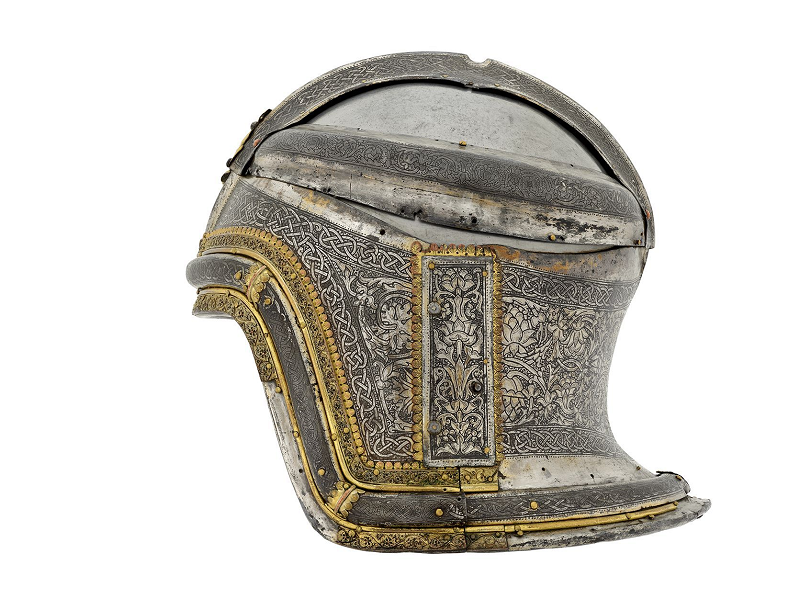
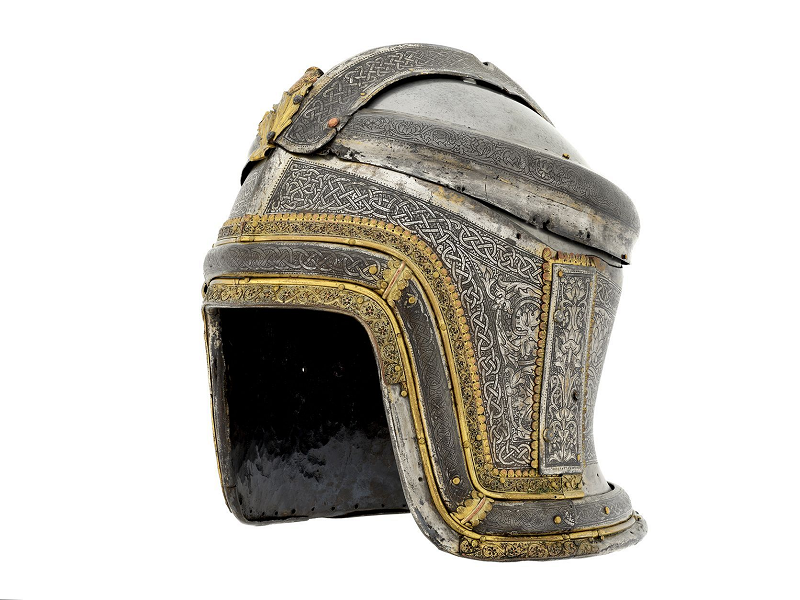
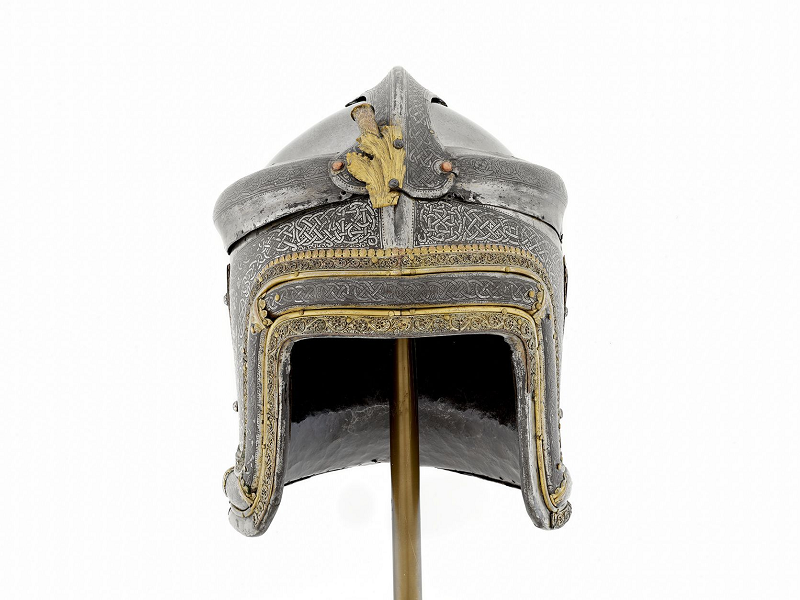
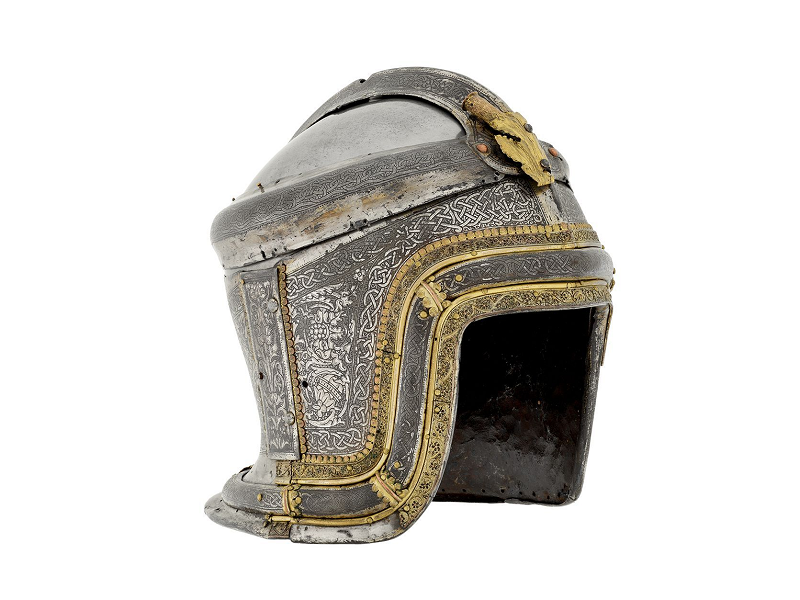
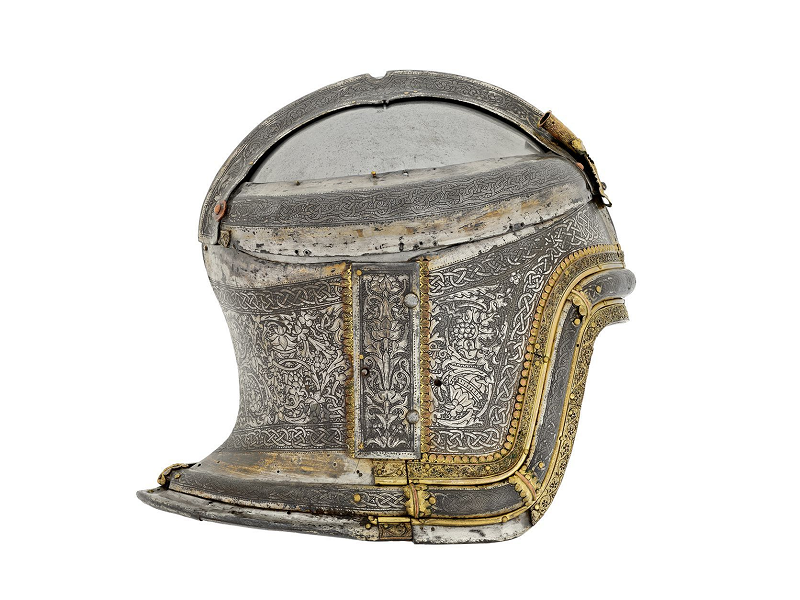
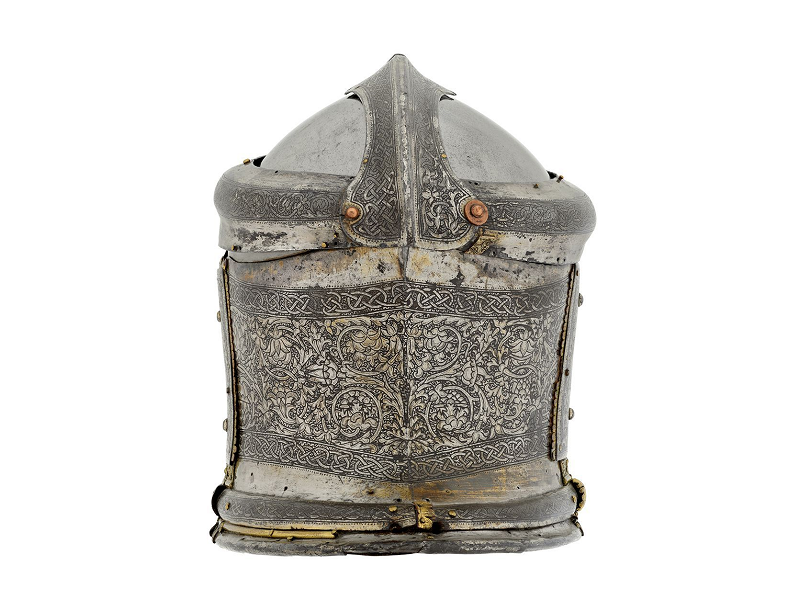
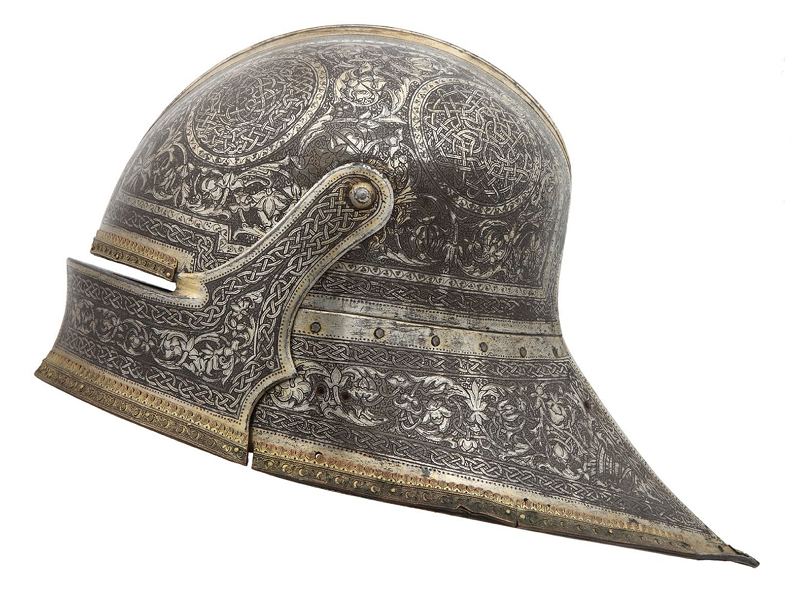
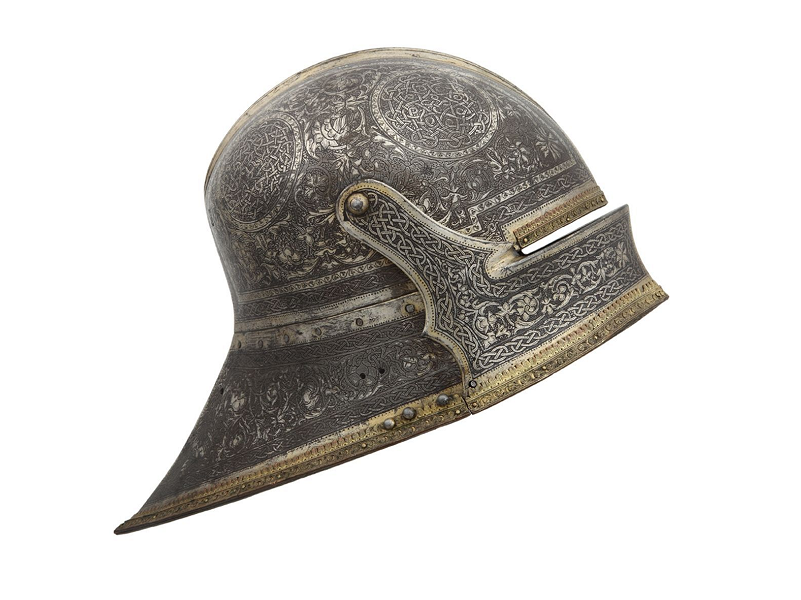
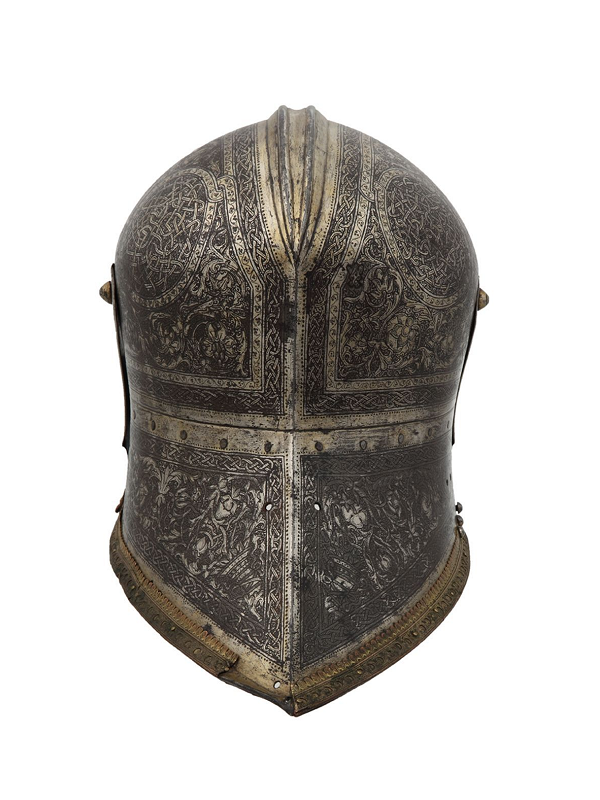
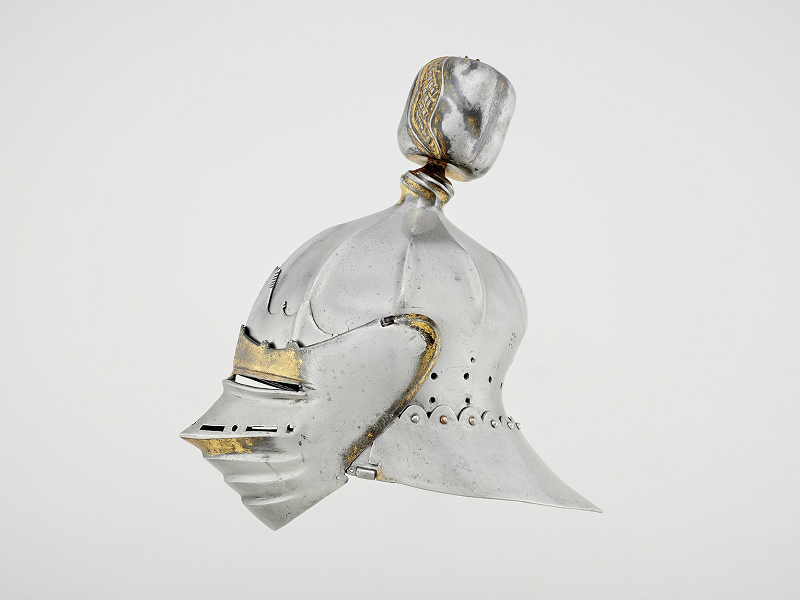
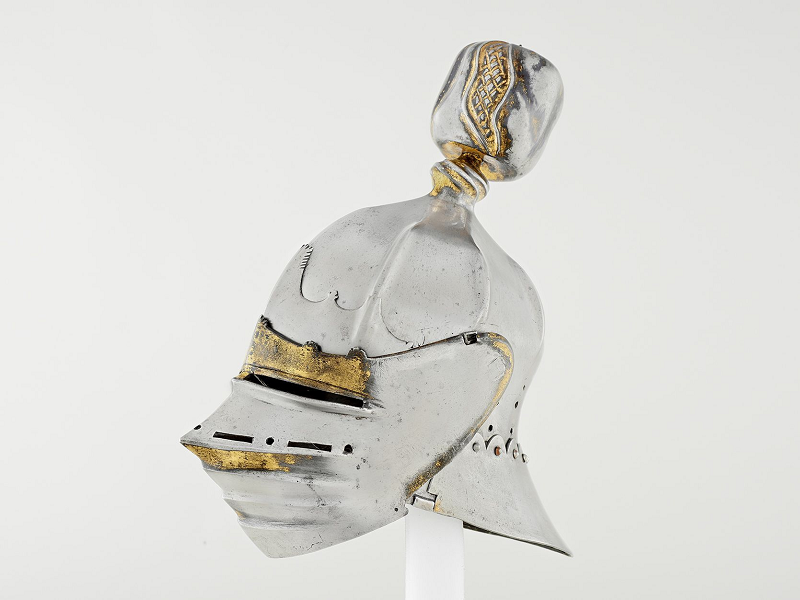
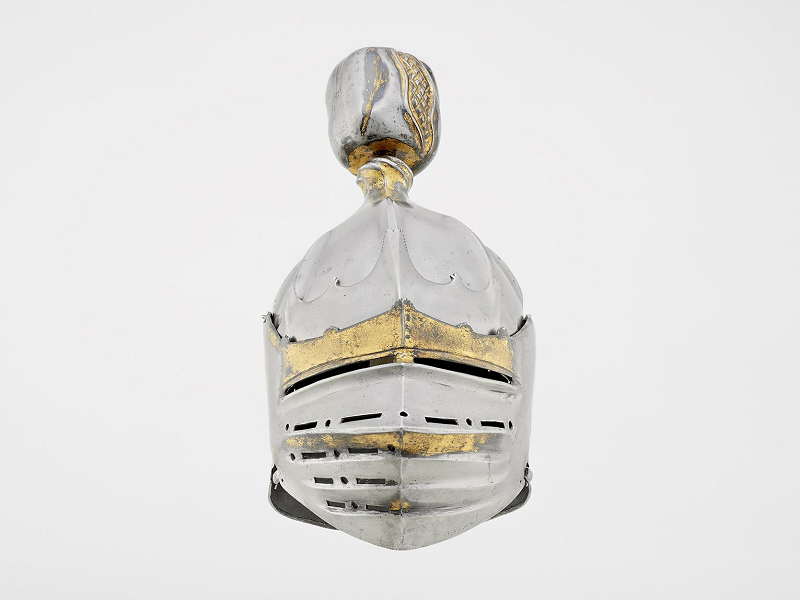
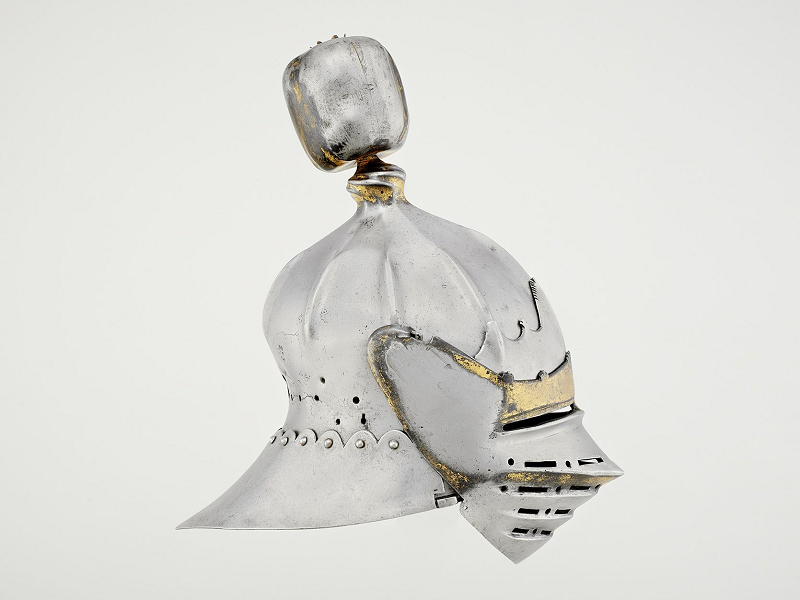
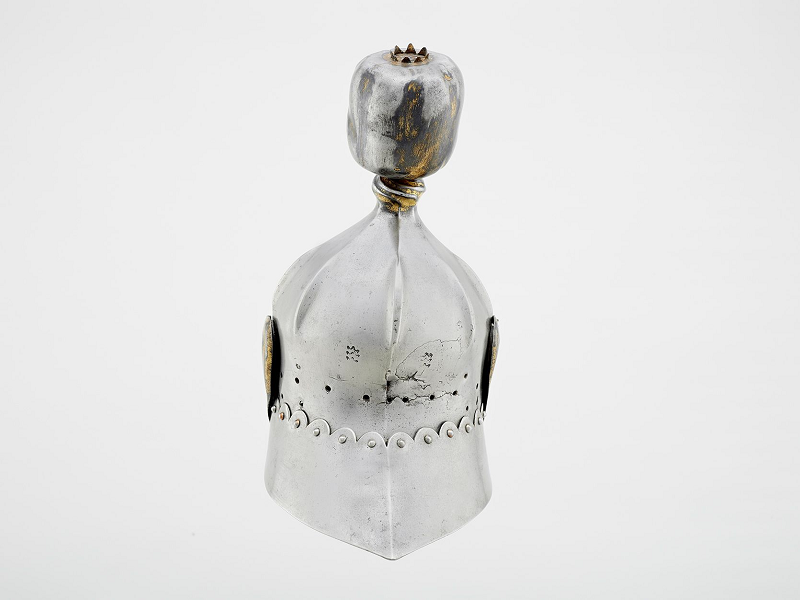
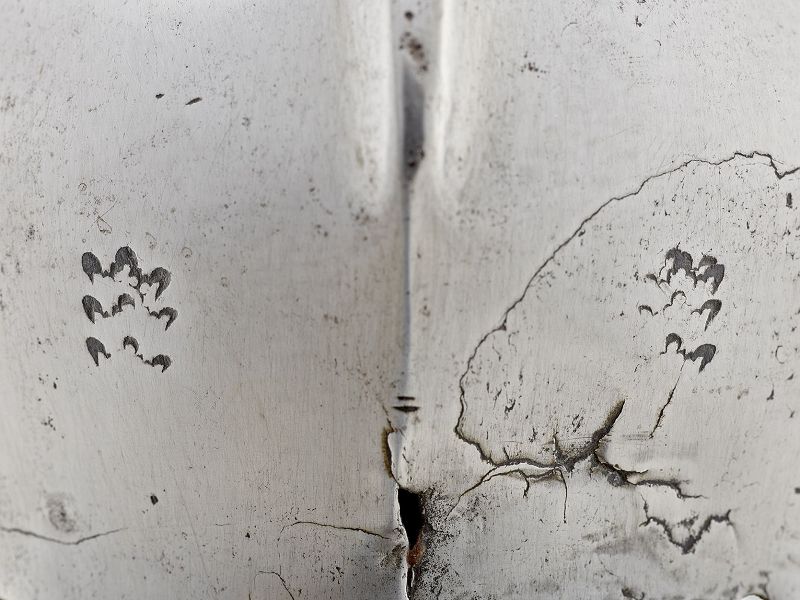
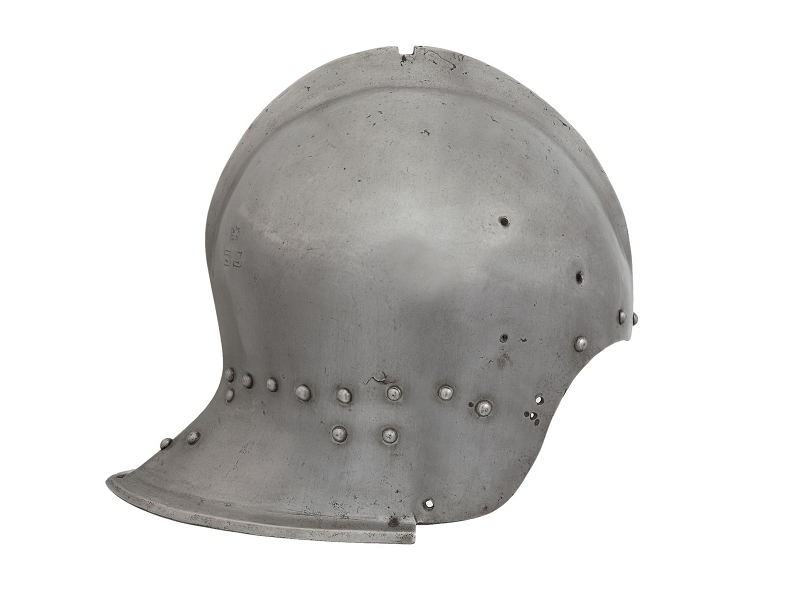
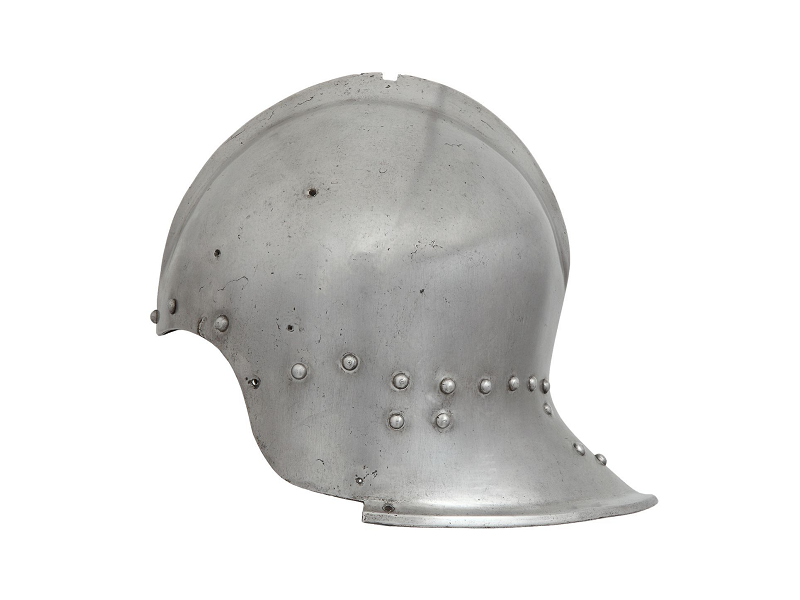
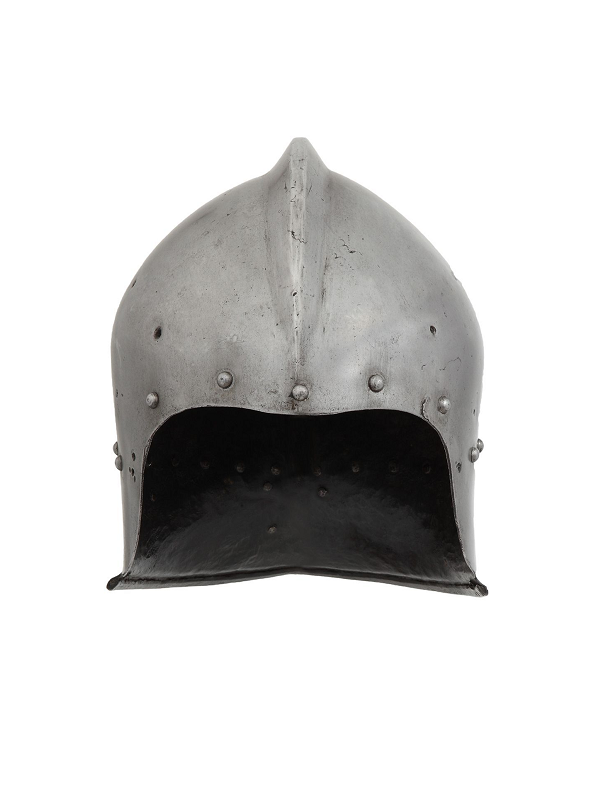
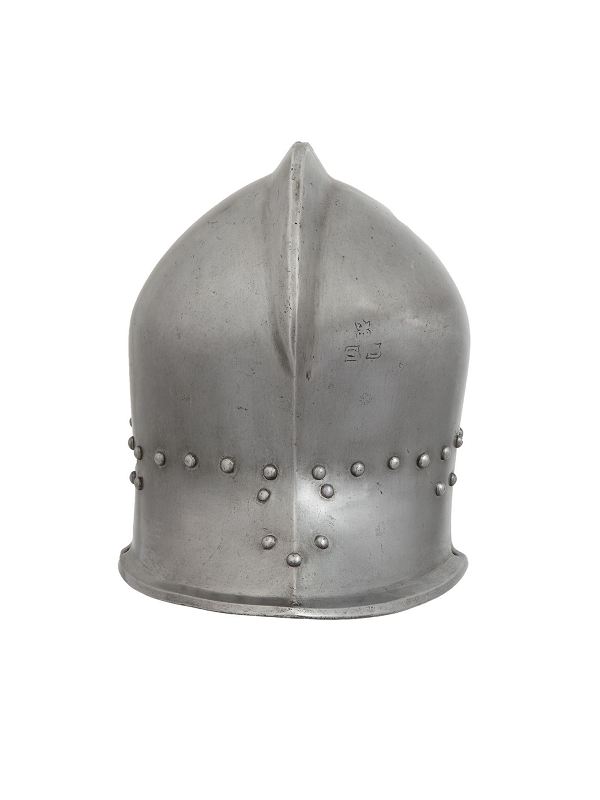
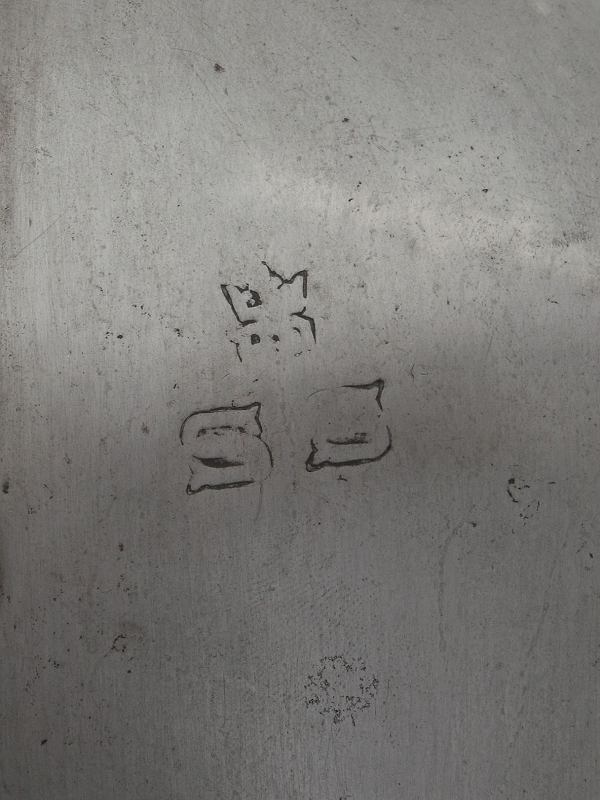
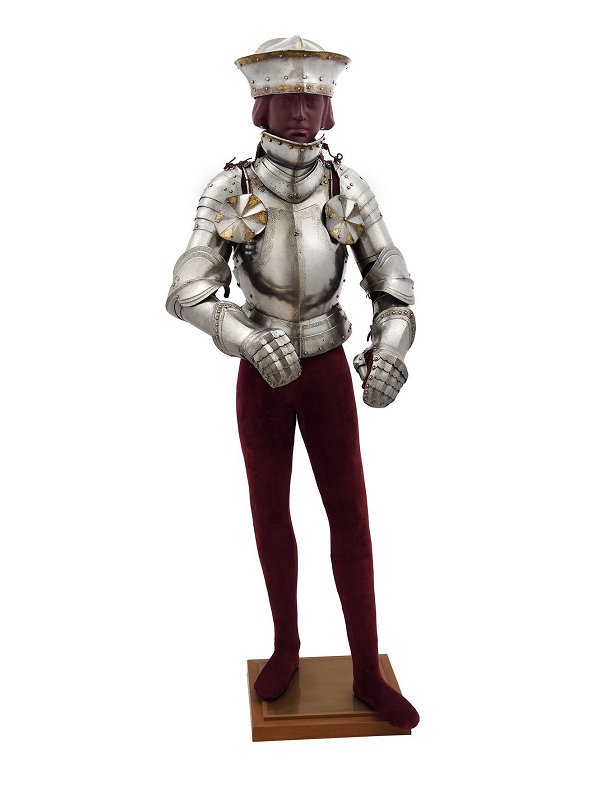
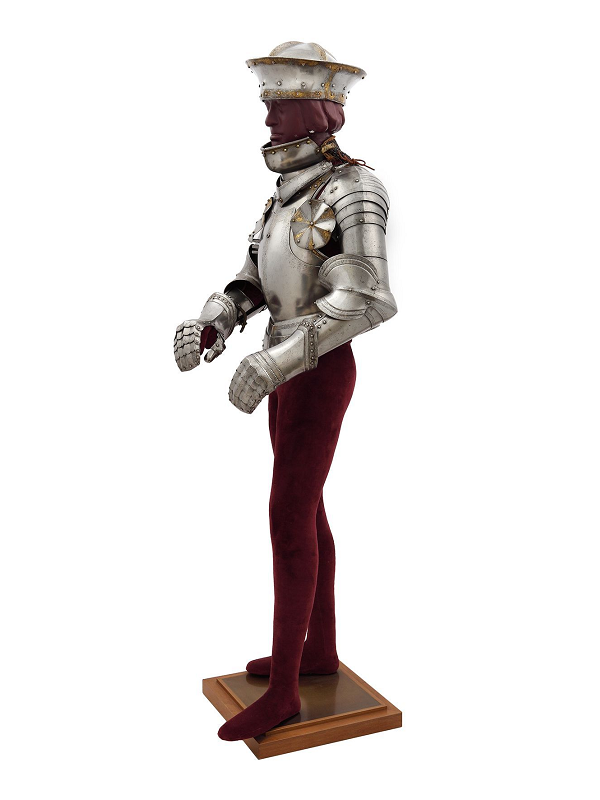
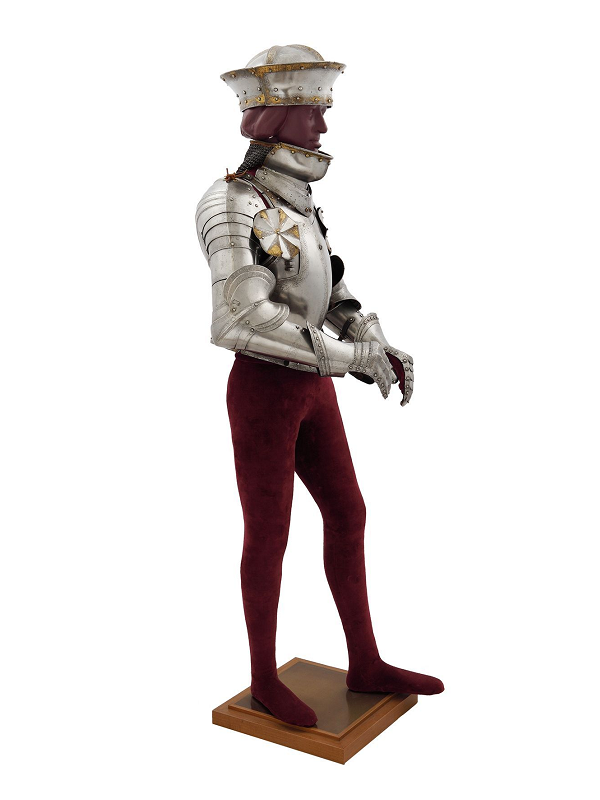
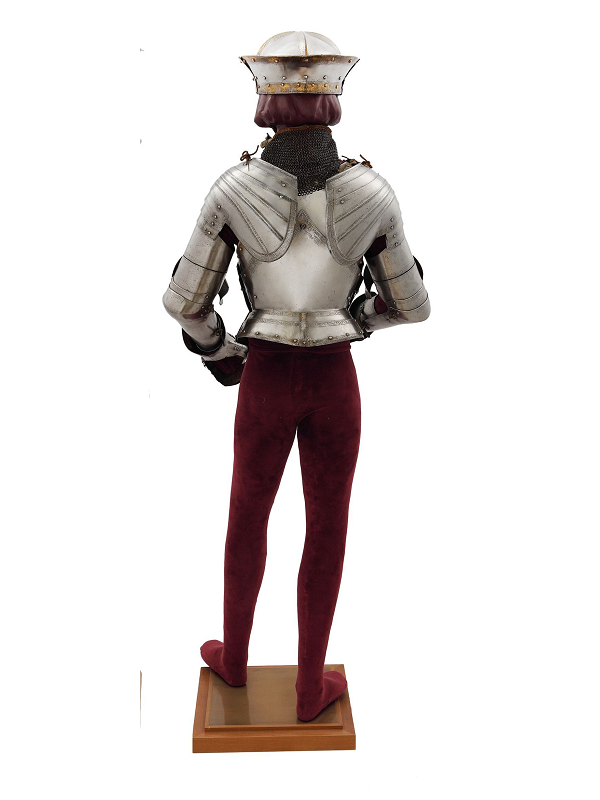
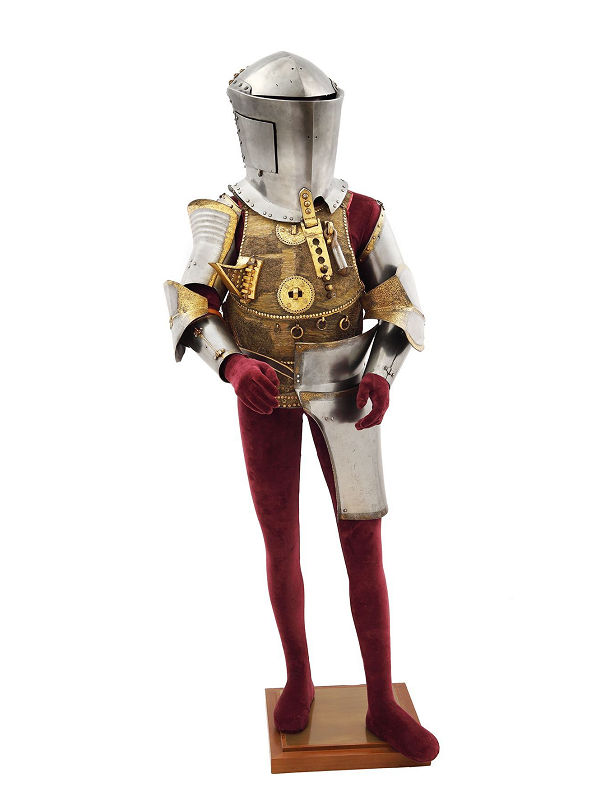
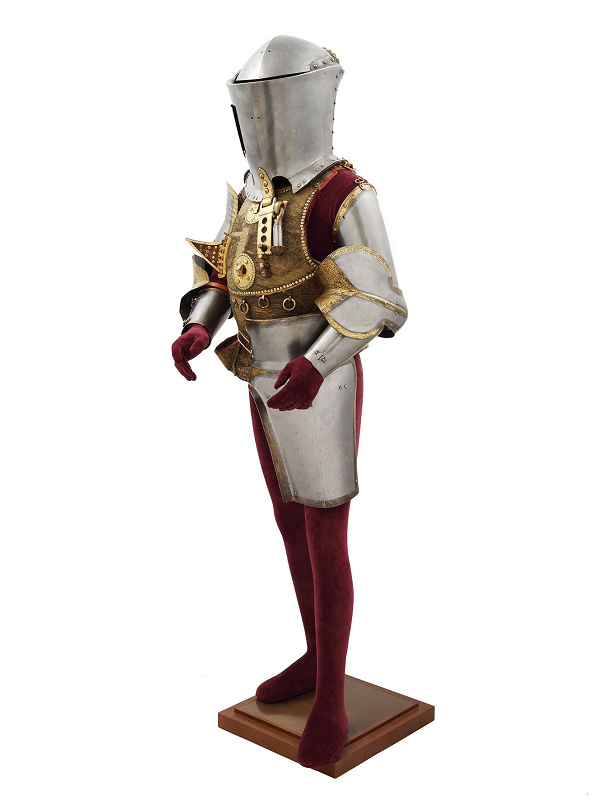
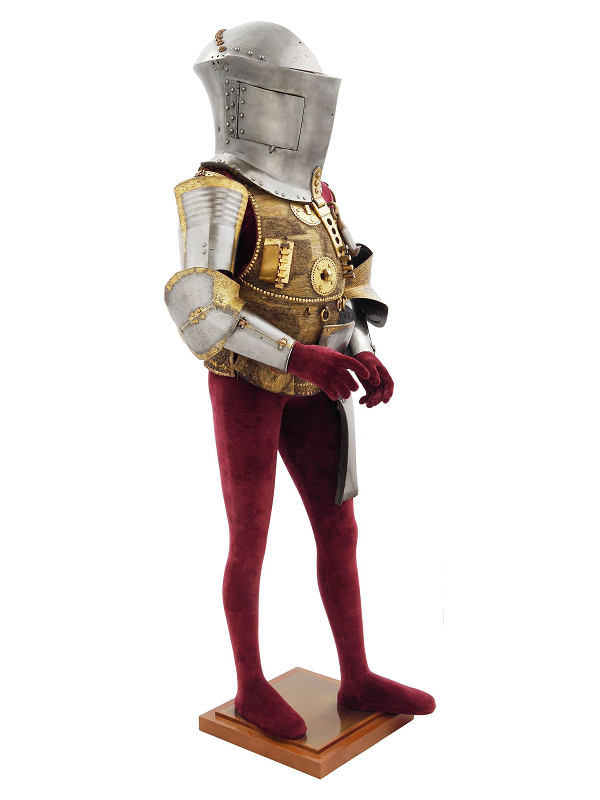
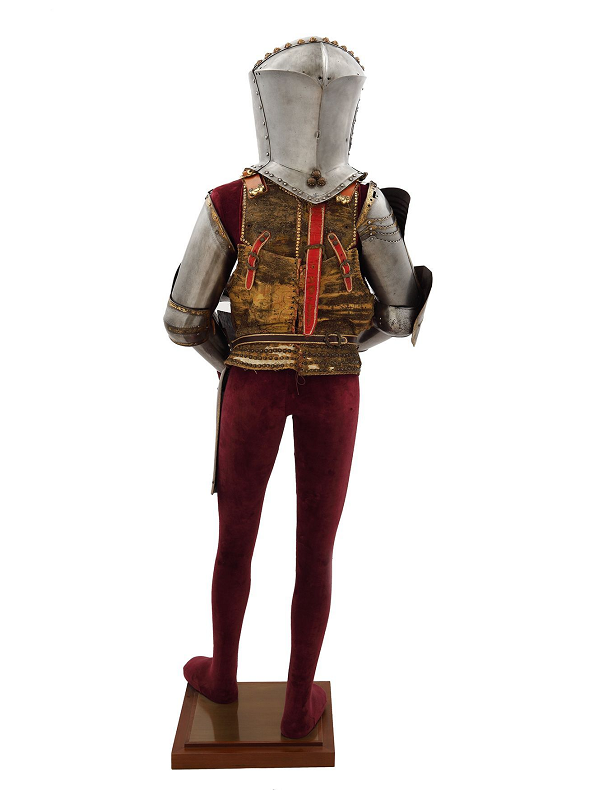
Other elements (horse testers, helmets of Milanese or Flemish manufacture) emphasize the international character of his equipment.
Historical context.
Philip the Fair grew up in Burgundy, the center of chivalric culture at the time. His father, Maximilian I ("the Last Knight"), actively promoted armor and tournaments, commissioning luxurious suits of armor from masters such as Helmschmied. Philip's armor reflects this style: maximum mobility, anatomical shape, rich engraving, gilding, and emblems (Habsburg and Burgundian heraldry).
It served not only as protection but also as a propaganda tool: it demonstrated status, a commitment to chivalric ideals, and dynastic connections. After Philip's early death (1506), his armor became heirlooms, kept in family collections, and formed the basis of the imperial armories in Vienna and Madrid.
In the history of knightly armor, Philip I exemplifies the era when armor was becoming a high art (parallel to the work of Filippo Negroli and German masters for his descendants, Charles V and Philip II).