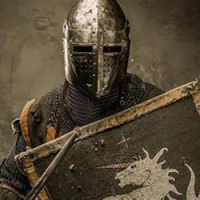
Maximilian II (1527–1576), Holy Roman Emperor from 1564, did not name a style of armor (unlike his grandfather, Maximilian I), but his reign and personal commissions left a significant mark on the history of ceremonial and tournament knightly armor of the late Renaissance.
The famous armor of Maximilian II.
Maximilian II (son of Ferdinand I) commissioned sumptuous ceremonial and modular armor sets that reflected Renaissance ideals, classical mythology, and the status of the Habsburgs. The most famous:
The "Royal Garnitur" (Königsgarnitur) – made around 1548–1549/1550 in Augsburg by the master craftsman Matthäus Frauenpreis the Elder and the engraver Jörg Sorge the Younger. This is a modular set with multiple interchangeable parts for different types of combat and tournaments (field, foot, horseback, tilt/Stechen). One version features a reinforced tournament cuirass and a lattice plate for spear protection. It is housed in the Kunsthistorisches Museum in Vienna.
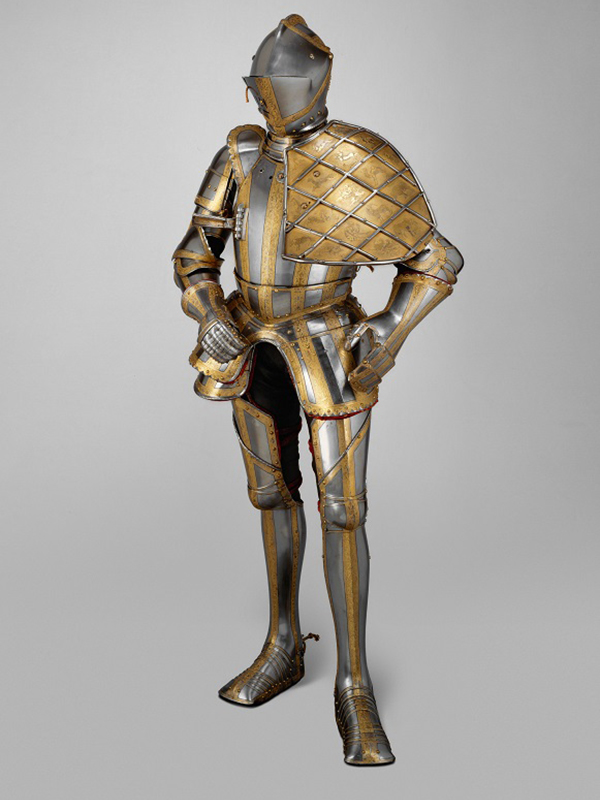
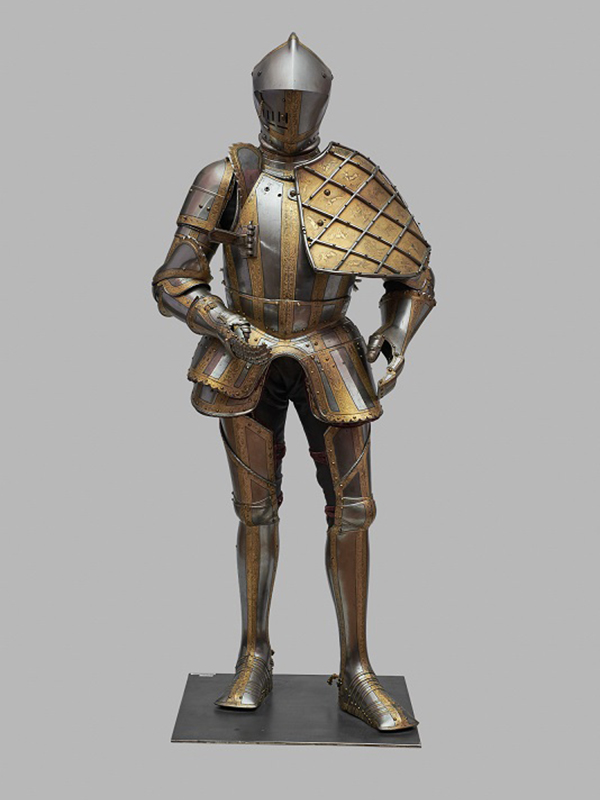
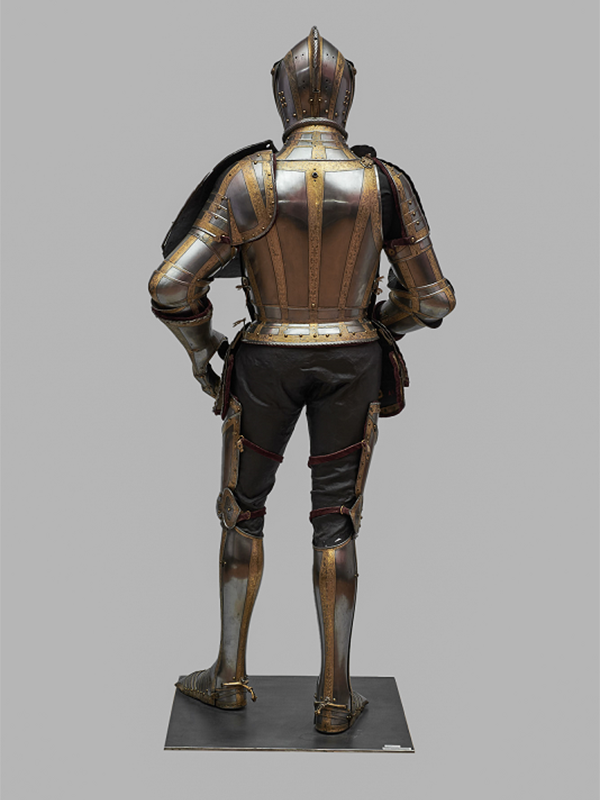
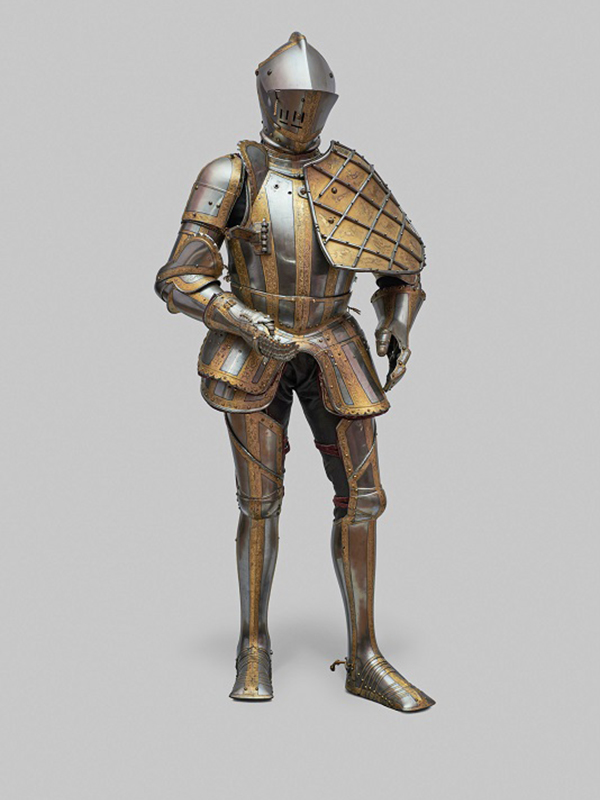
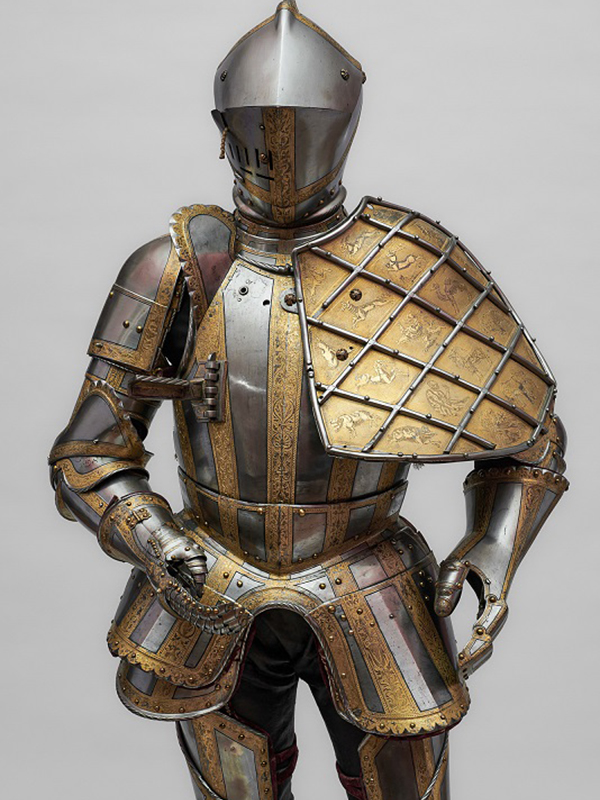
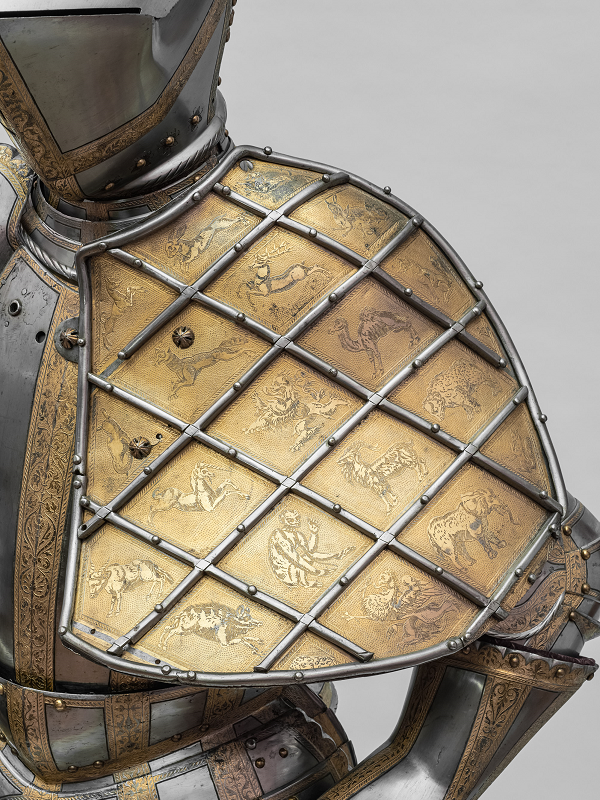
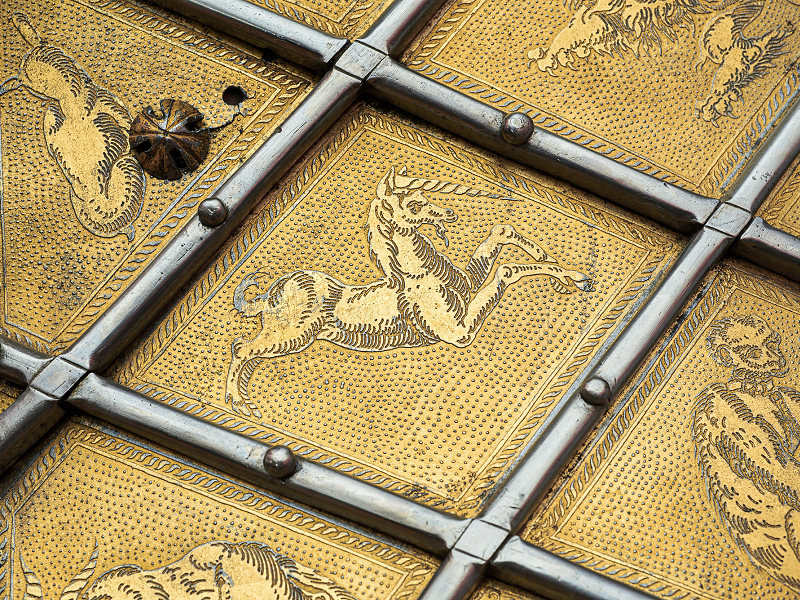
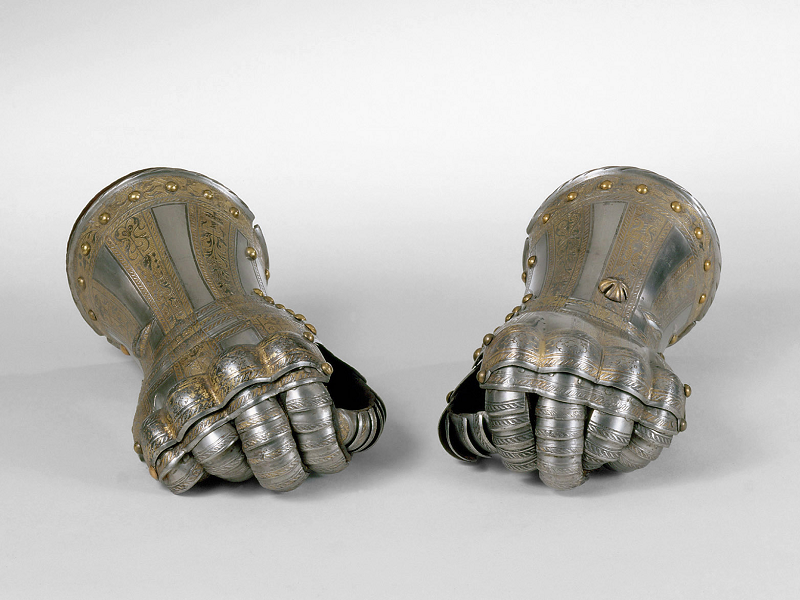
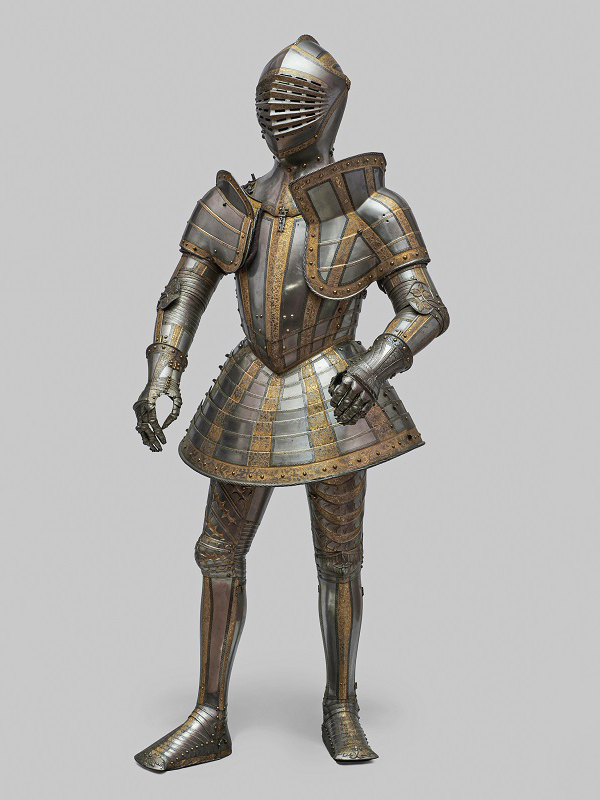
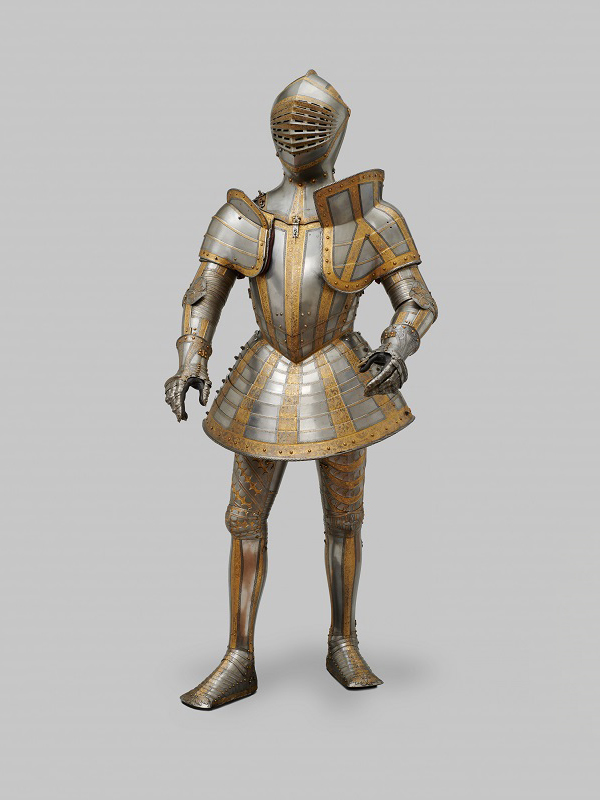
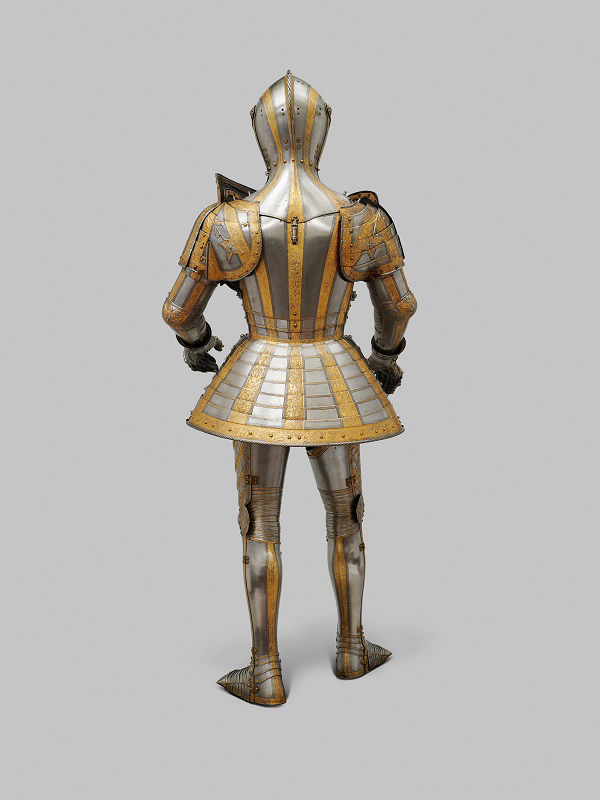
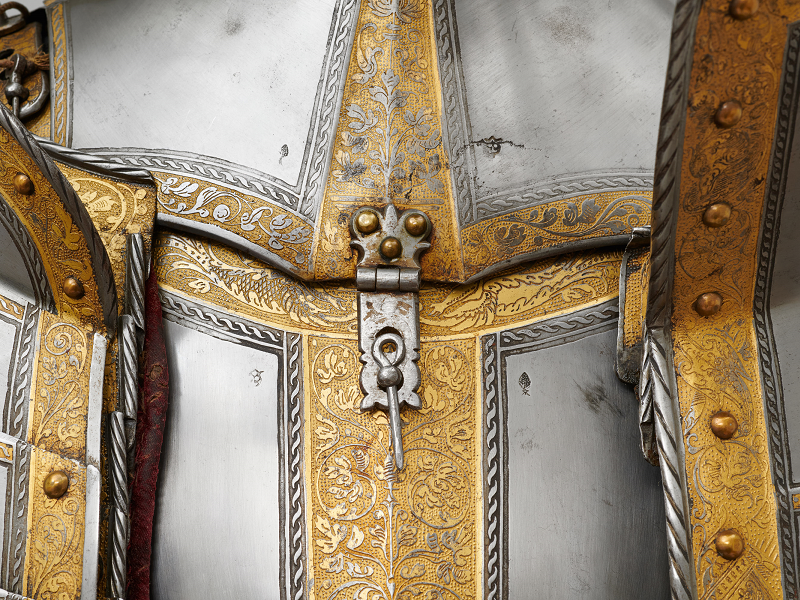
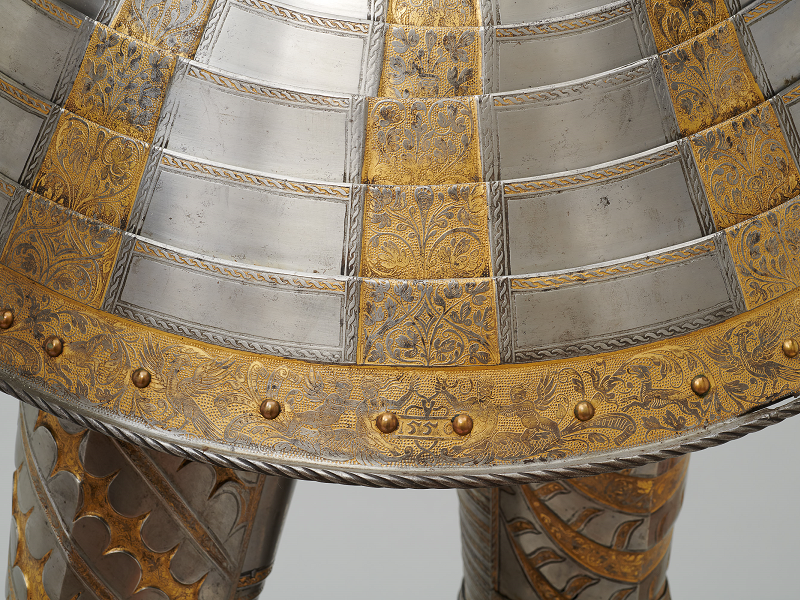
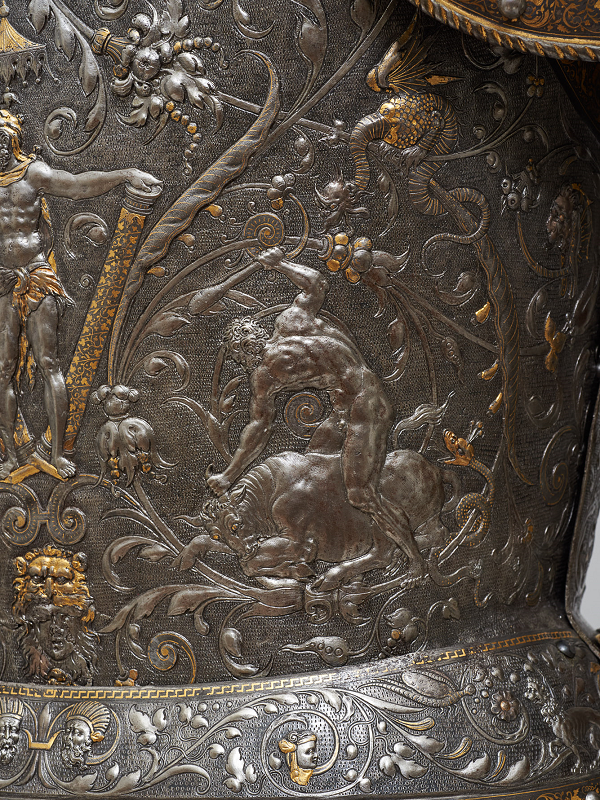
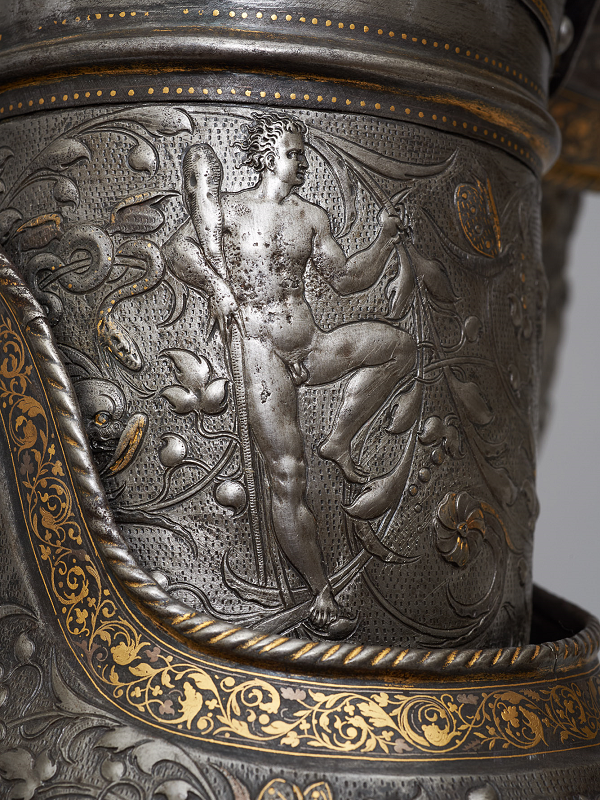
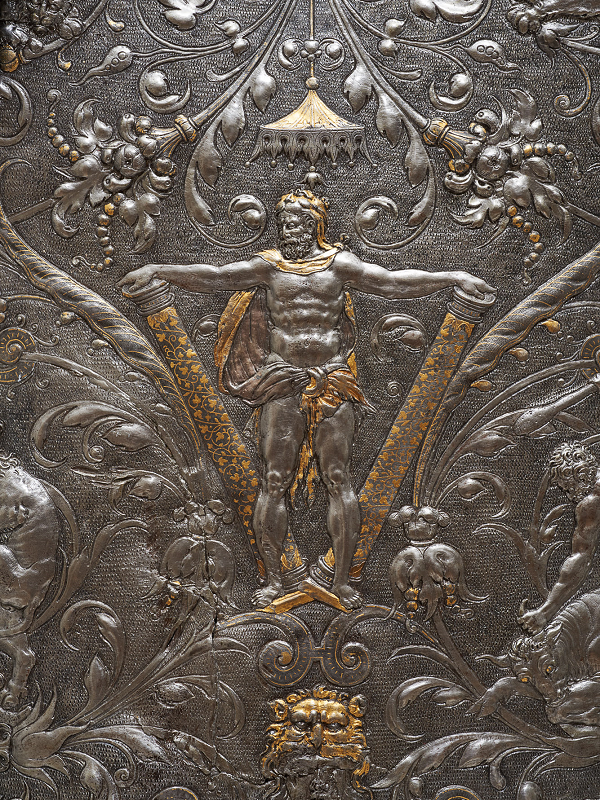
Hercules Armor – circa 1555–1560. One of the most outstanding ceremonial sets of the era. Decorated with detailed engraving/etching depicting the labors of Heracles (Hercules) – a symbol of strength, heroism, and imperial power. It was probably made in Antwerp or Paris (by the master Eliseus Lieberts/Étienne Delaune). It is made entirely of steel, richly decorated (partially gilded). It is now in the Kunsthistorisches Museum in Vienna. It is a striking example of Renaissance ceremonial armor, where protection was combined with artistic merit.
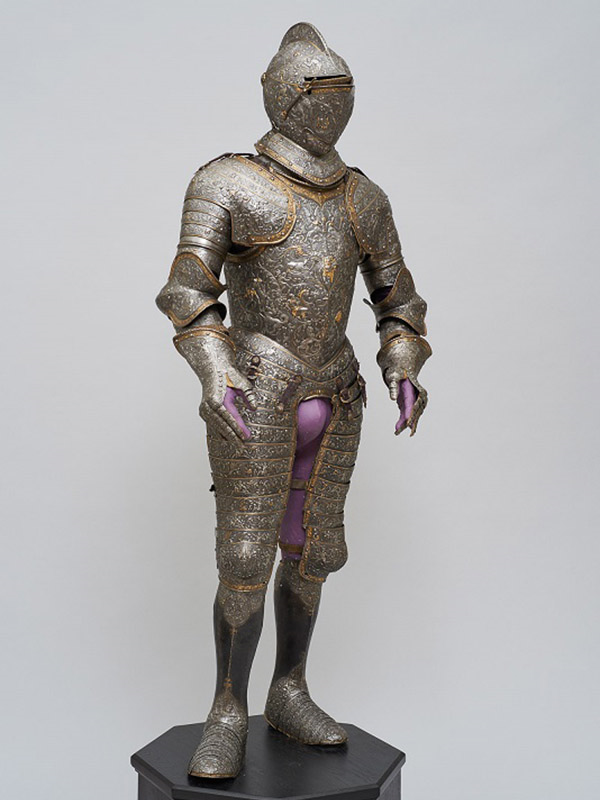
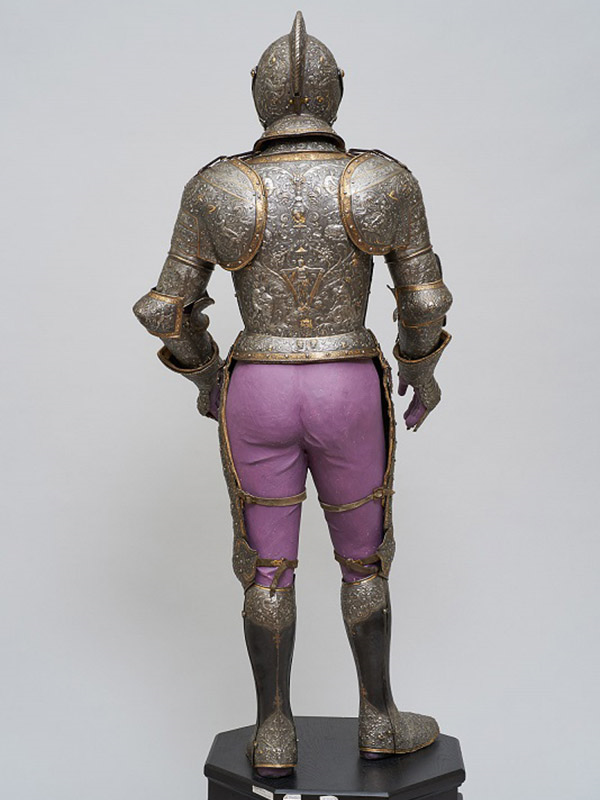
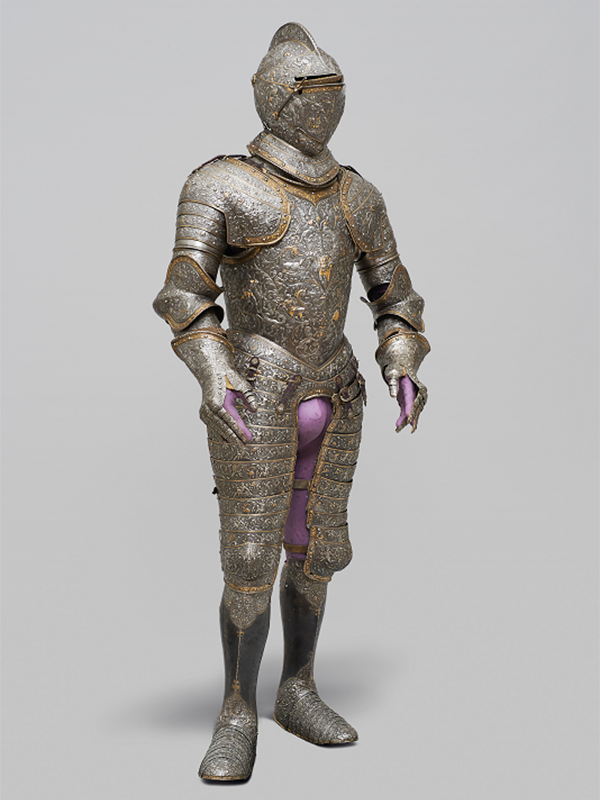
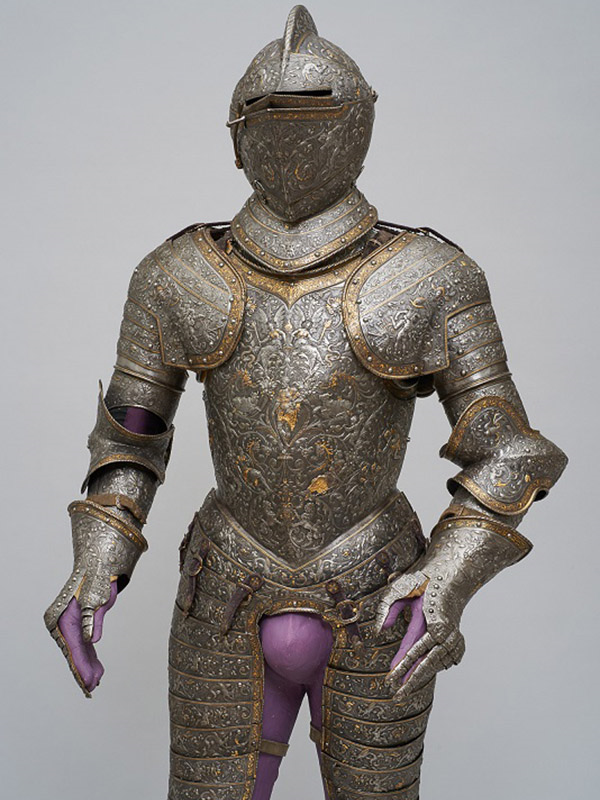
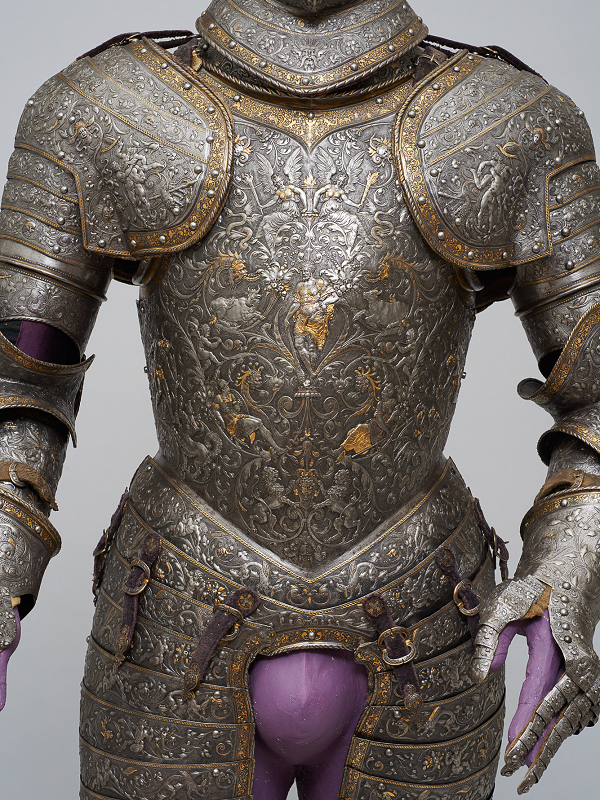
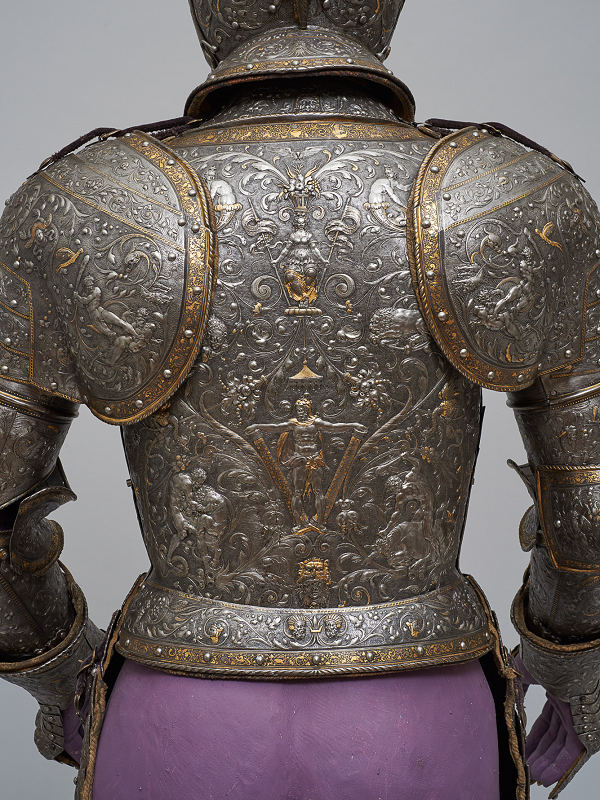
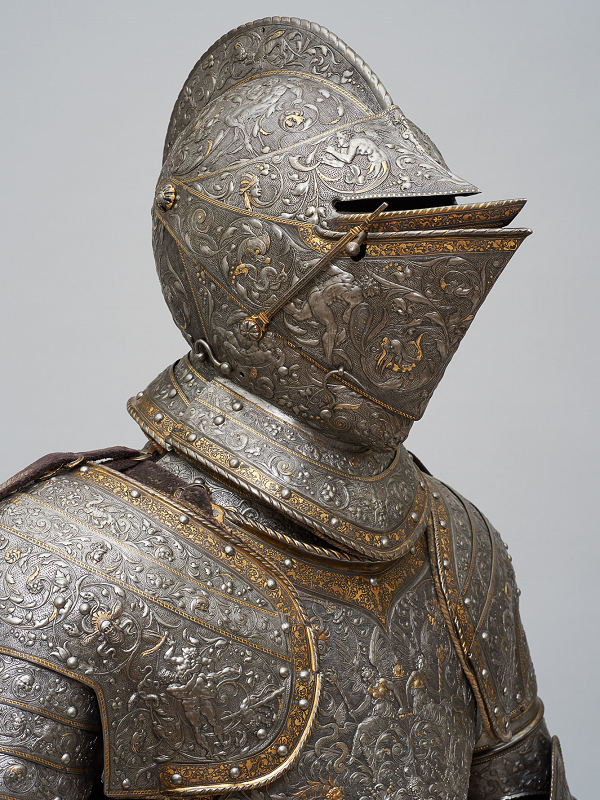
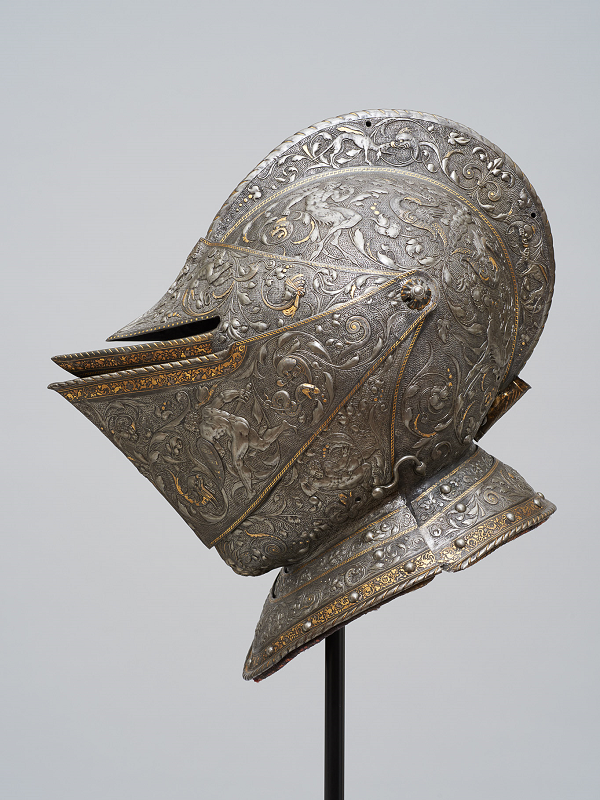
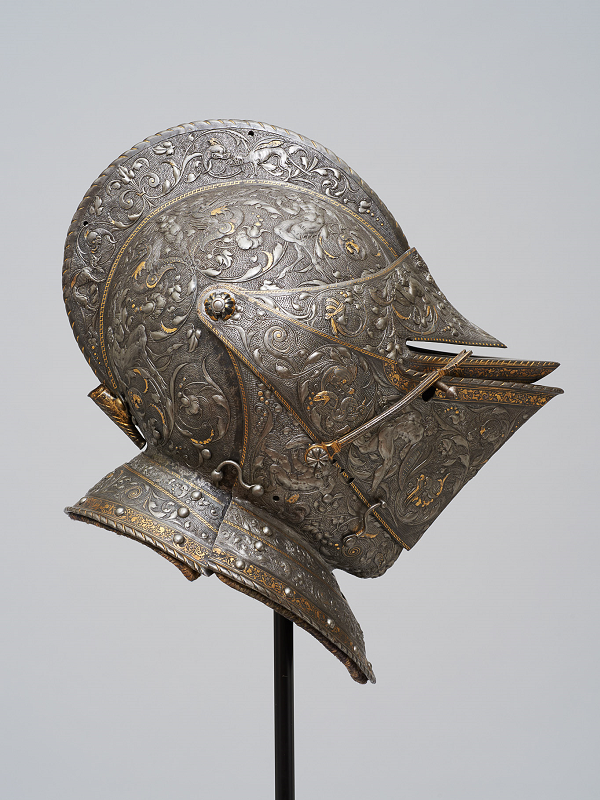
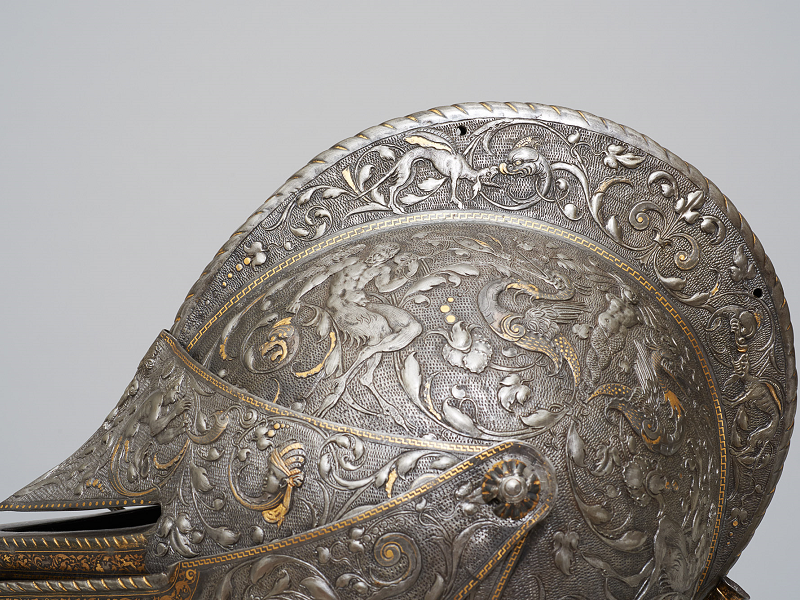
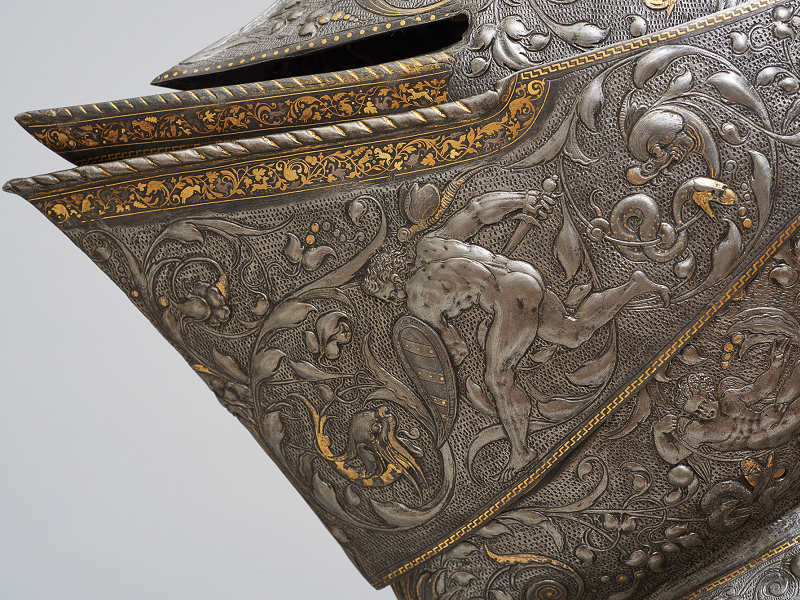
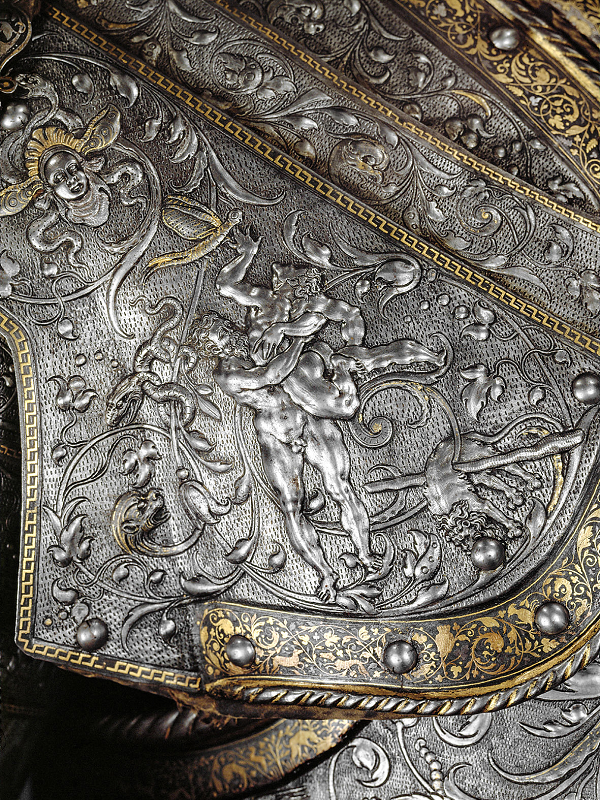
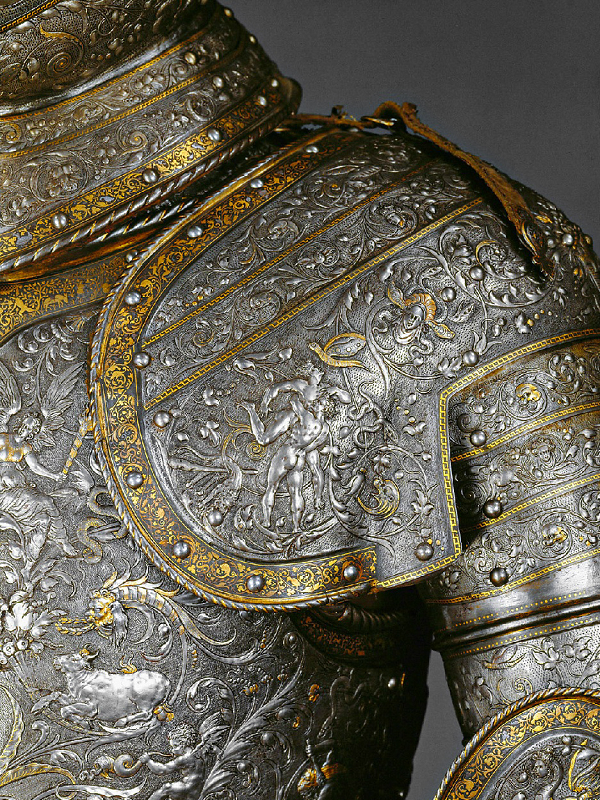
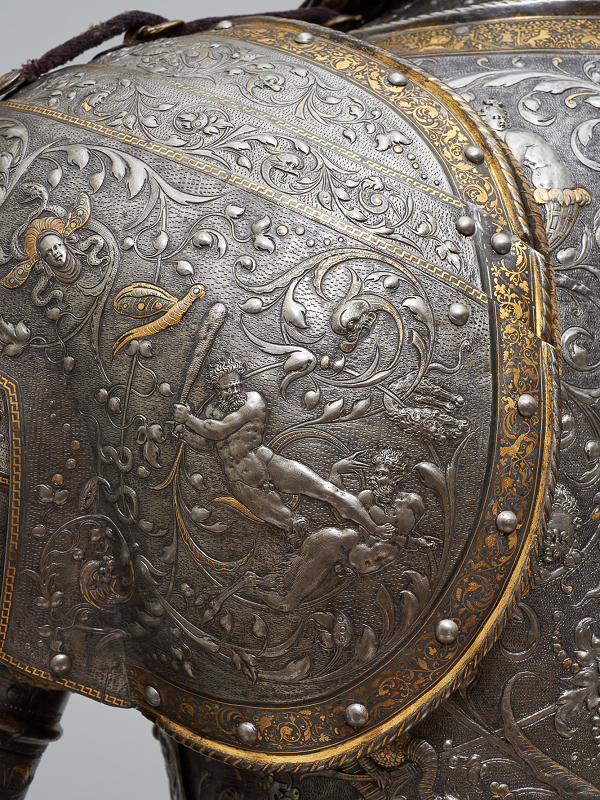
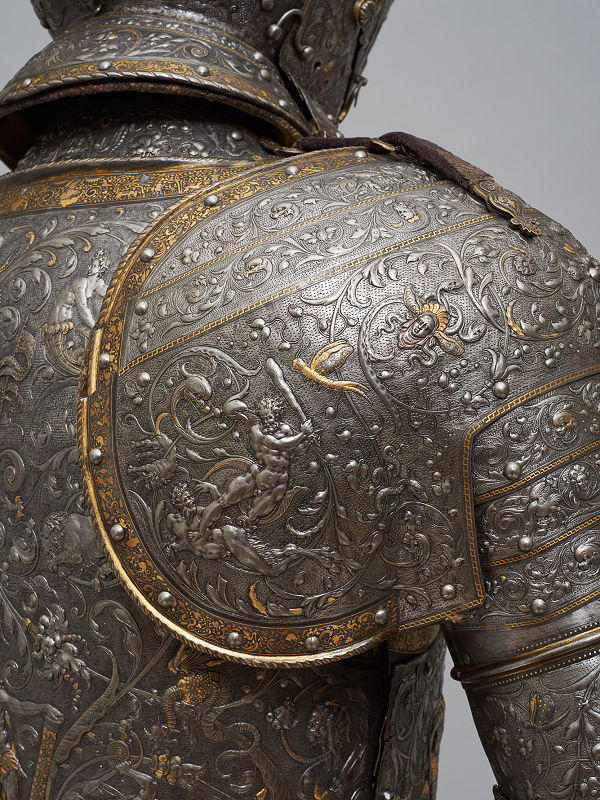
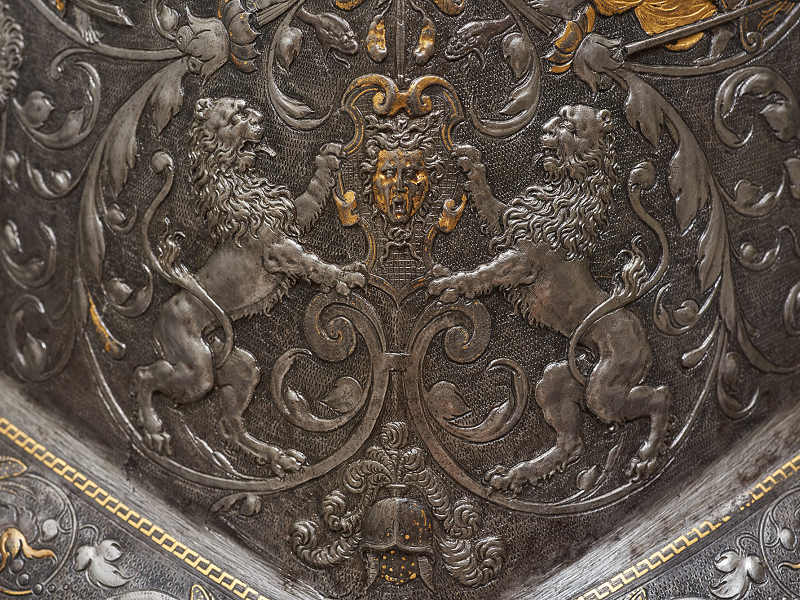
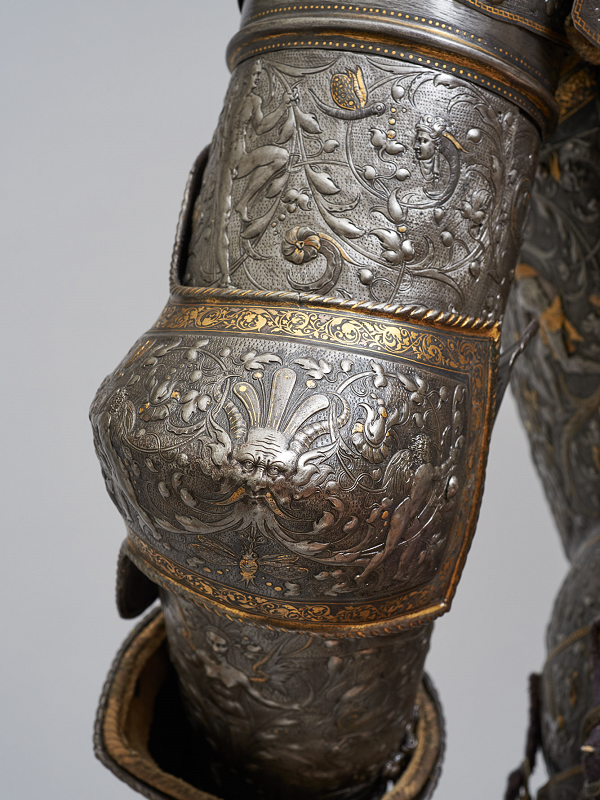
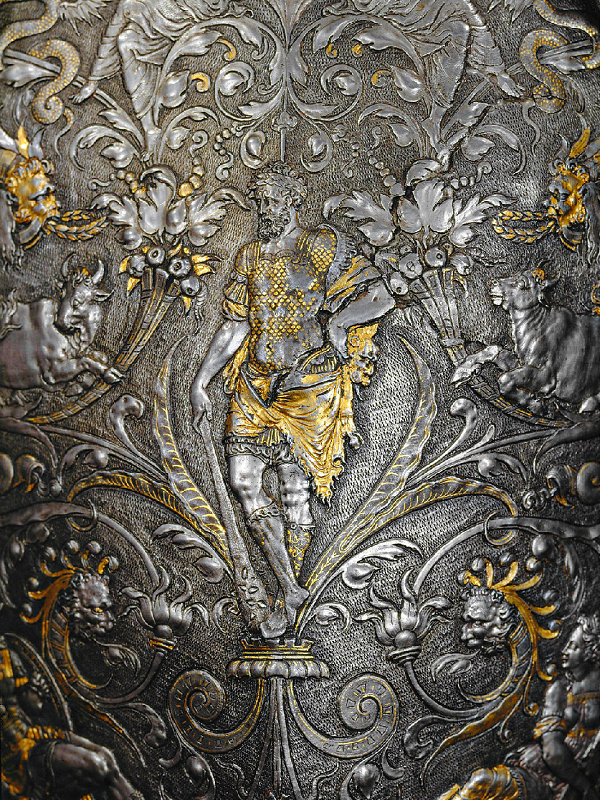
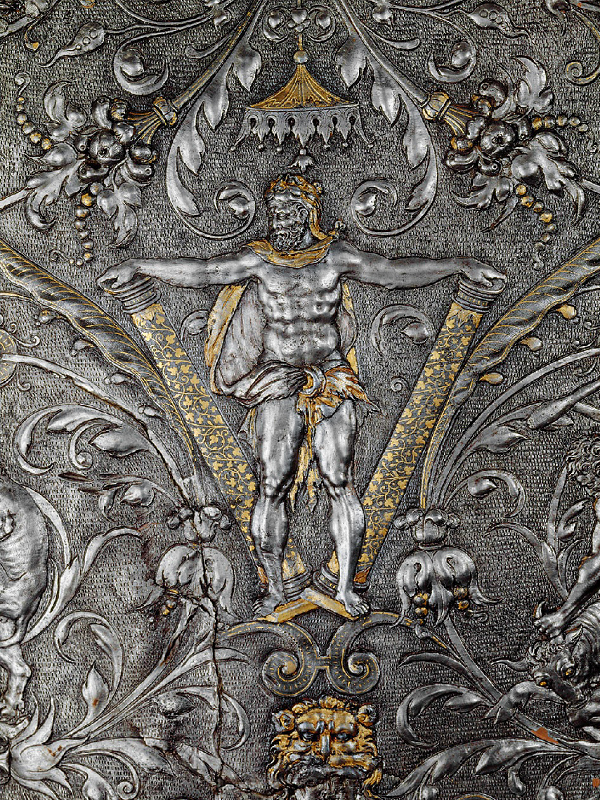
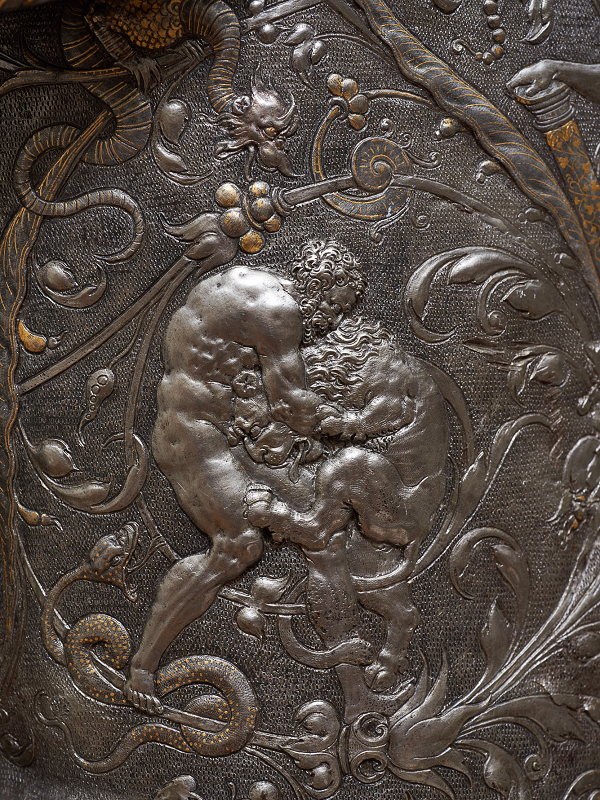
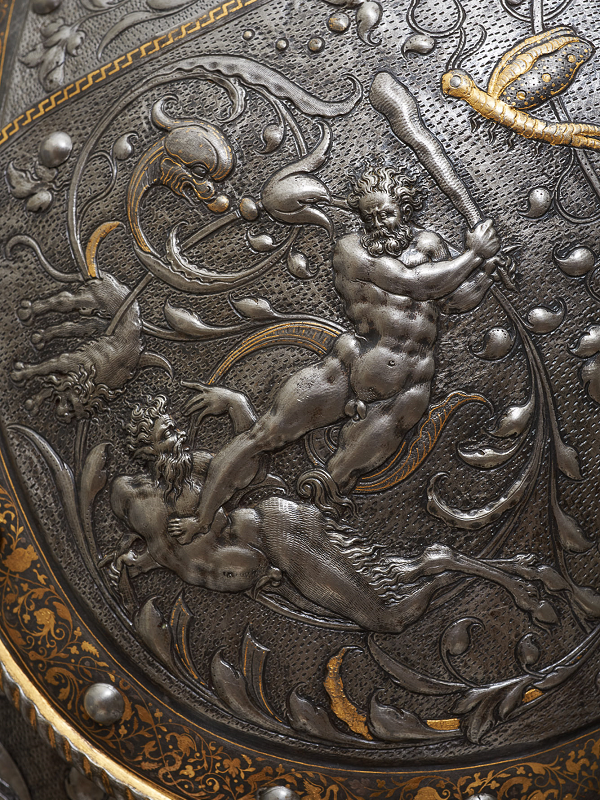
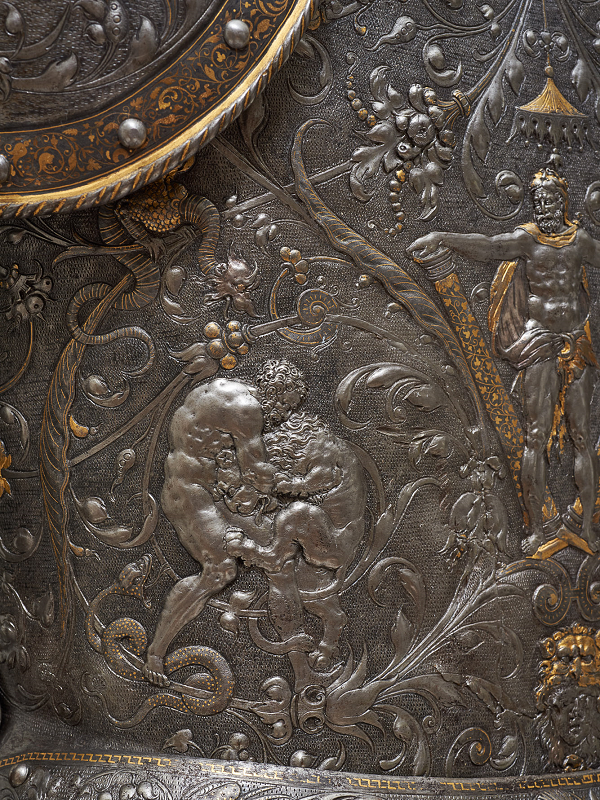
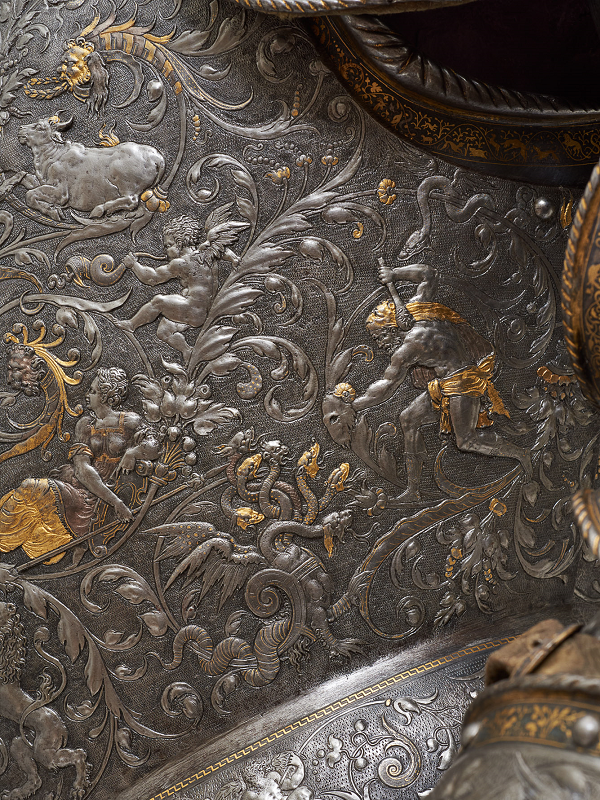
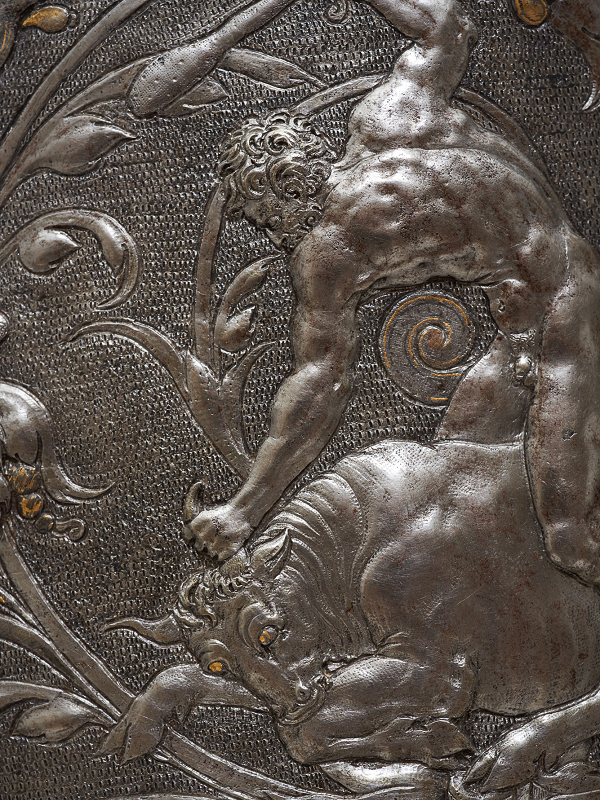
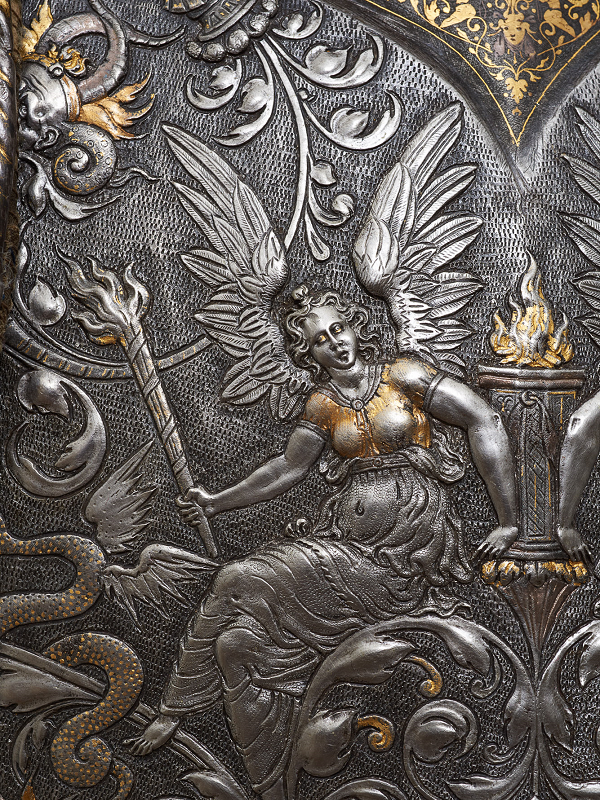
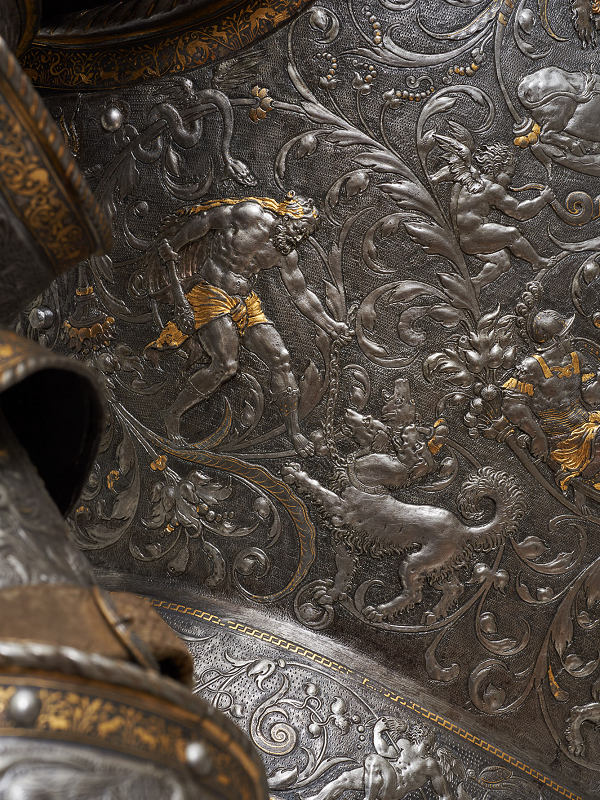
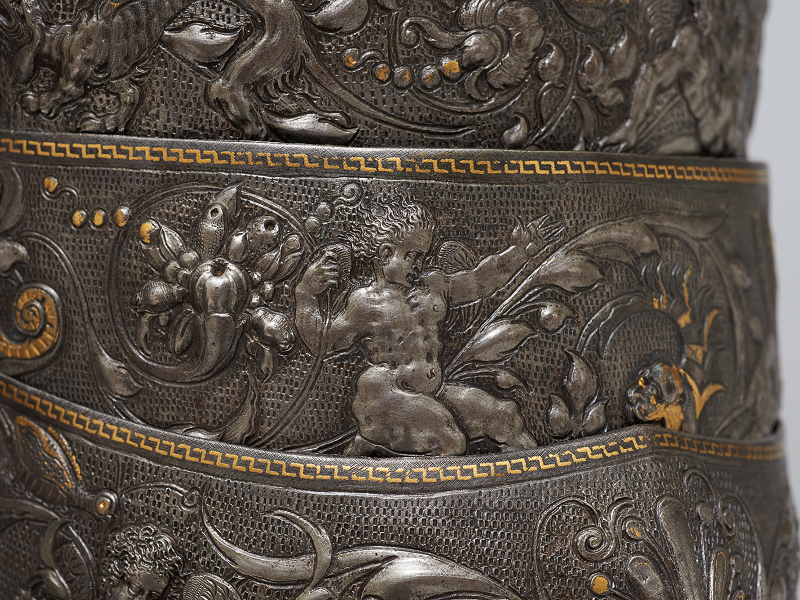
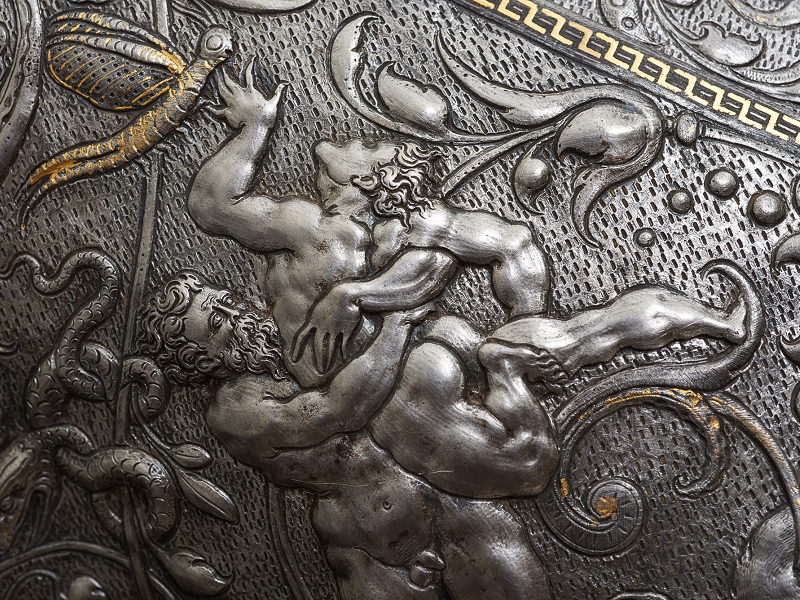
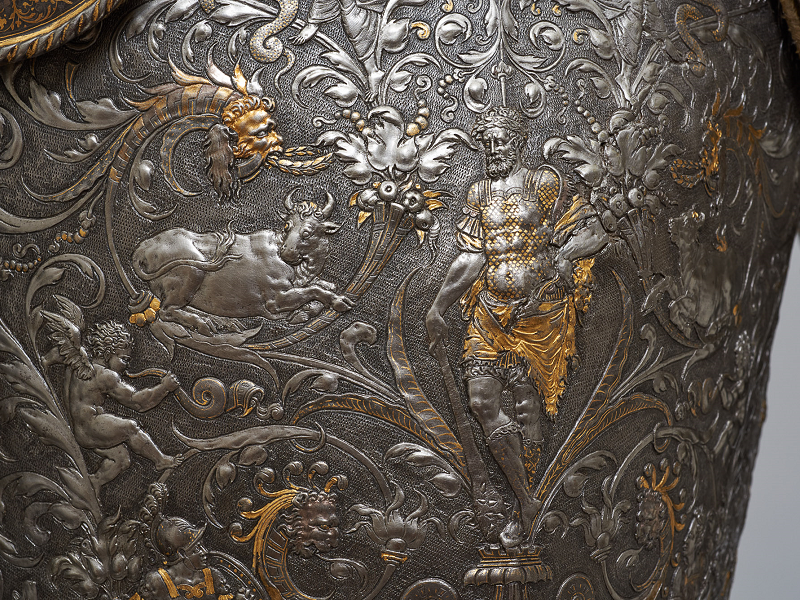
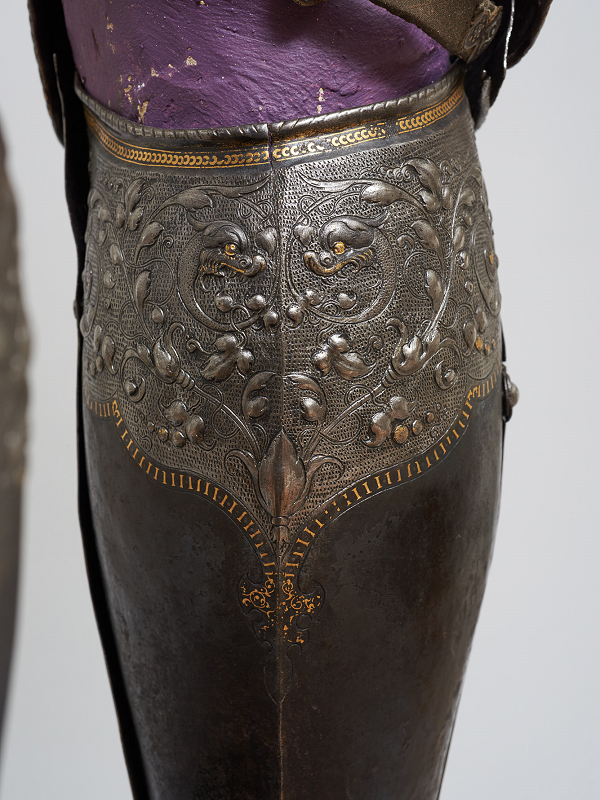
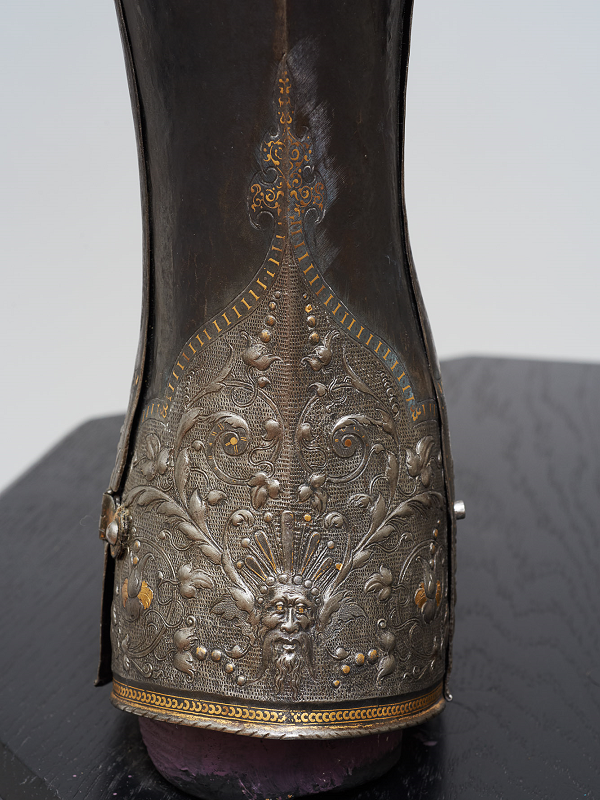
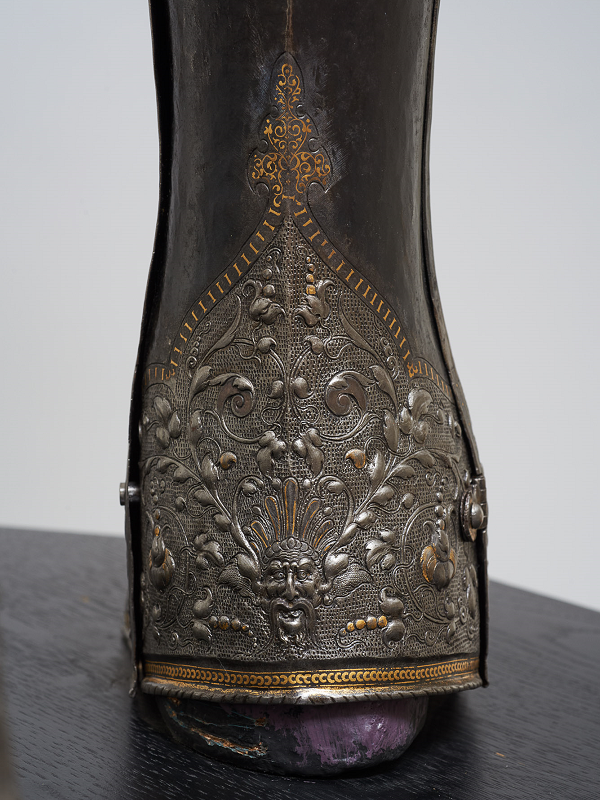
Other suits of Maximilian II are also known for their high detail, engraving, and modularity, allowing them to be adapted for various scenarios.
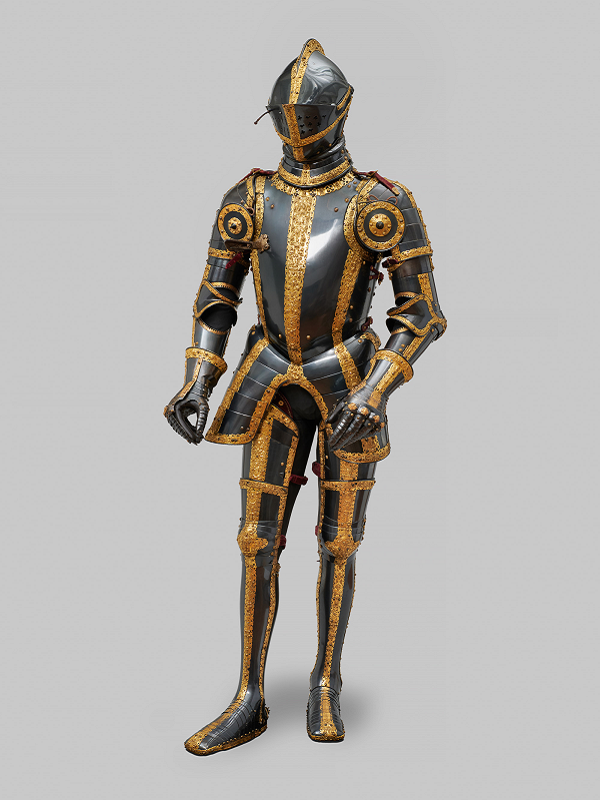
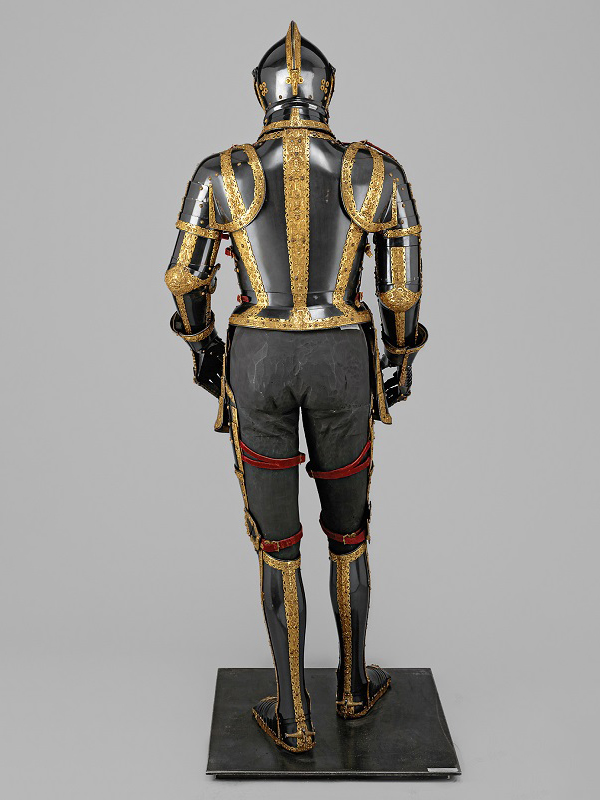
Context of the era.
By the mid-16th century, knightly armor increasingly became a status and ceremonial element. Firearms diminished the practical role of full armor in actual combat, but at tournaments and at the Habsburg court, it remained a symbol of chivalric ideals, prestige, and a connection to antiquity. Maximilian II, like other Habsburgs, used armor to promote dynastic power.
Museums (Vienna, Dresden, the Metropolitan, and elsewhere) contain excellent examples demonstrating the transition from functional "Maximilian" corrugated armor to richly decorated Renaissance suits.