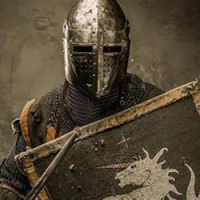

King Henry II (1519–1559, ruled France from 1547) continued and developed the tradition of his father, Francis I, in using knightly armor as a powerful tool of prestige, propaganda, and court culture. He was one of the last prominent representatives of the era of "knightly kings," although his reign coincided with the growing role of firearms.
Key Armors of Henry II.
Henry II commissioned both battle/tournament armor and purely ceremonial (parade) armor. The most famous:
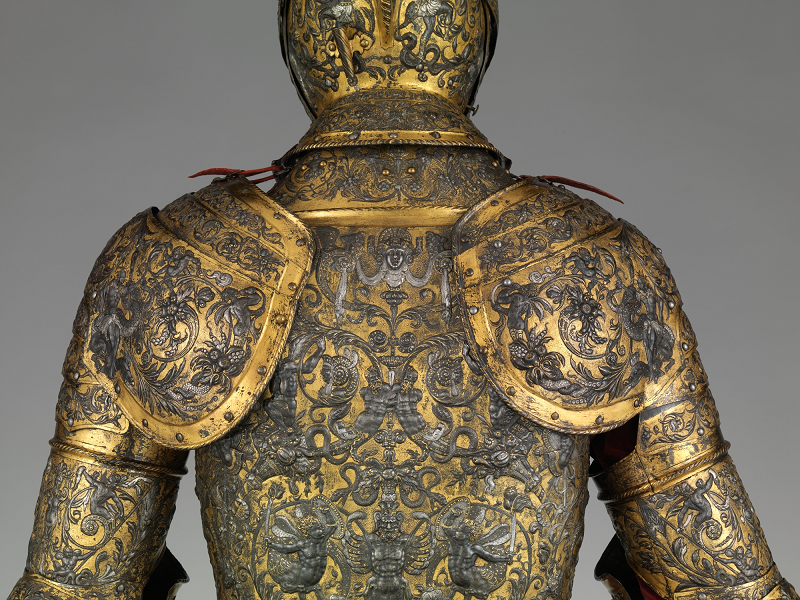
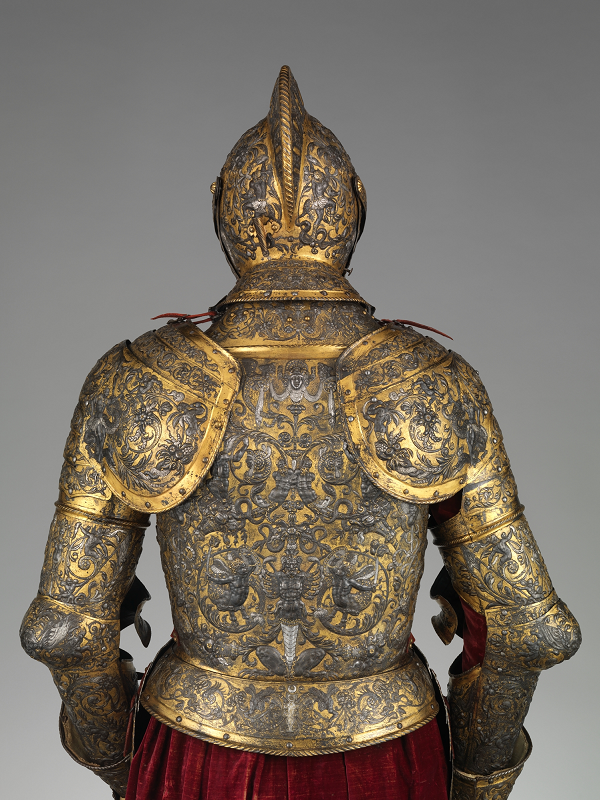
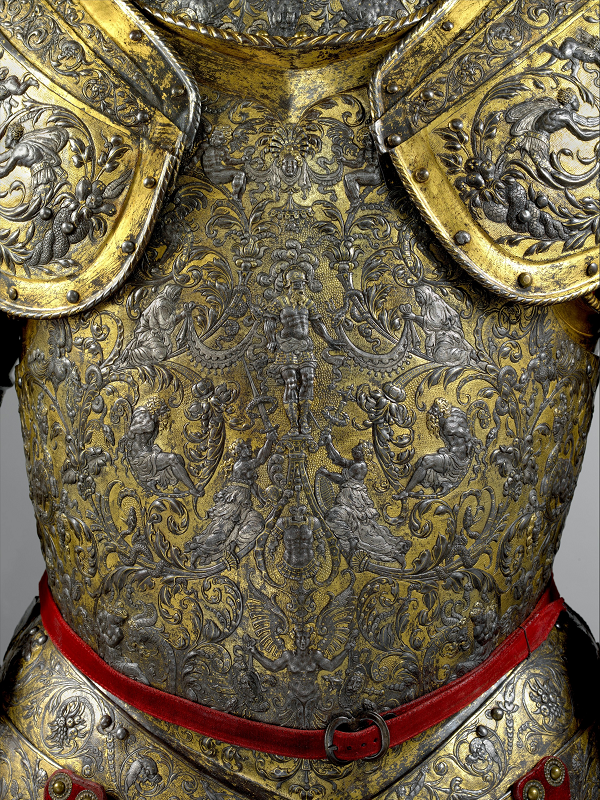
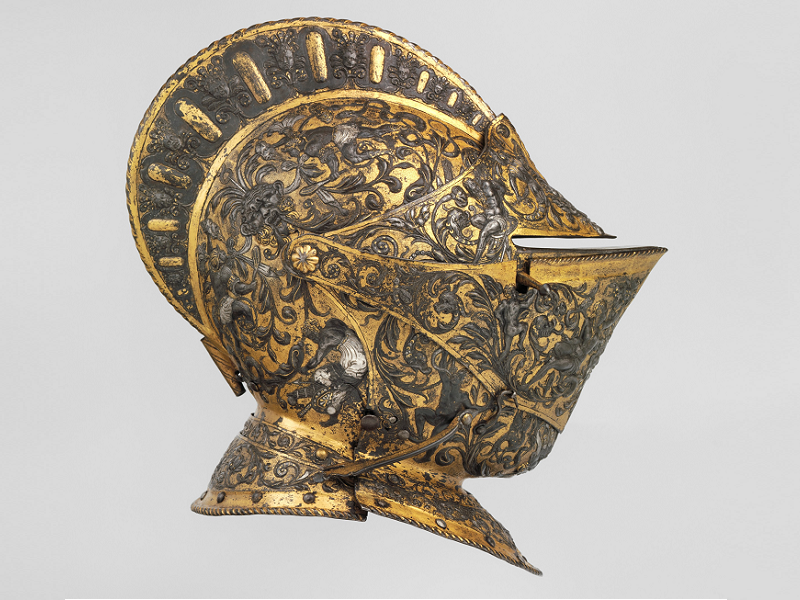
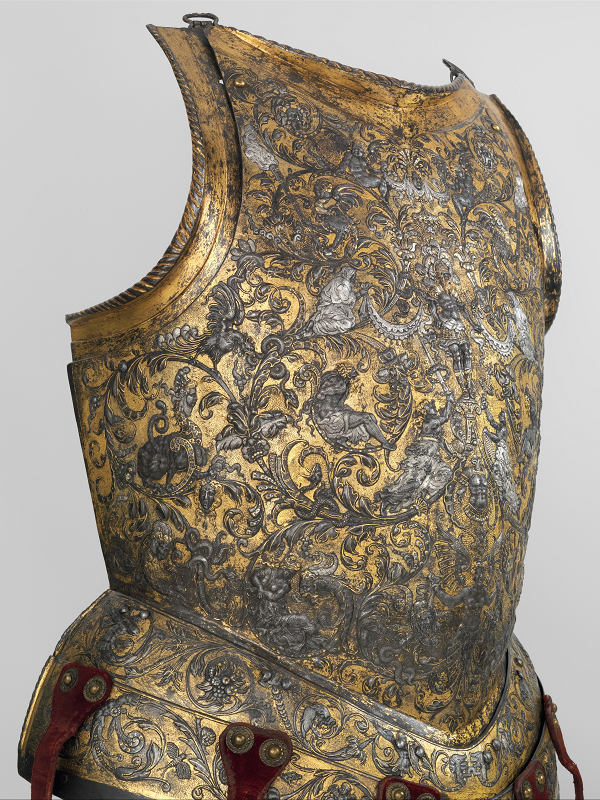
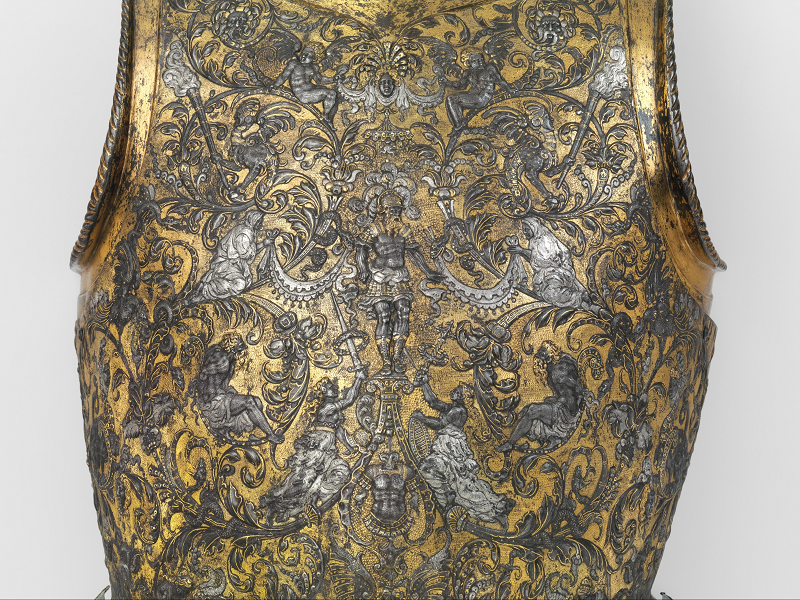
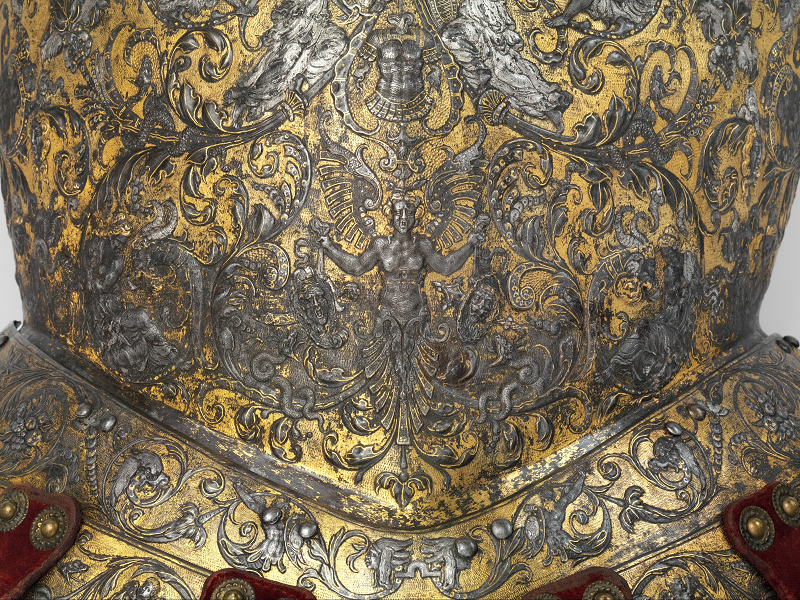
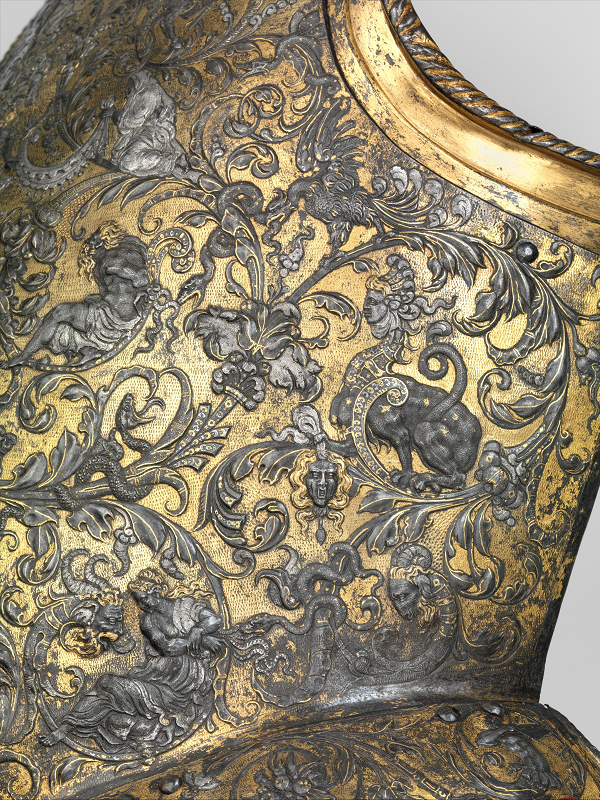
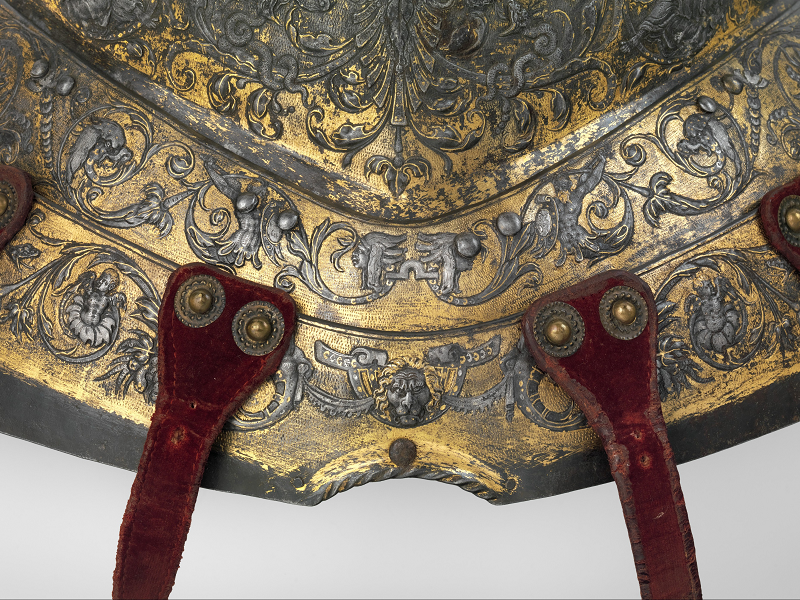
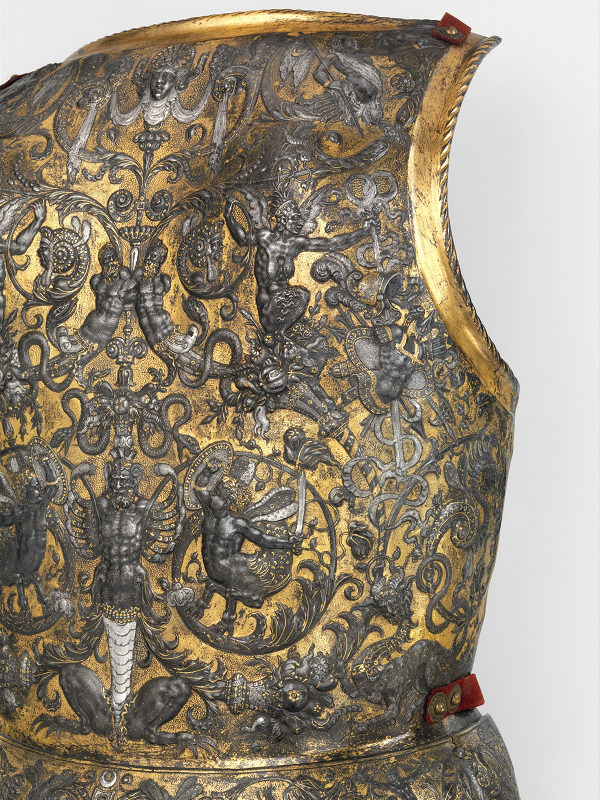
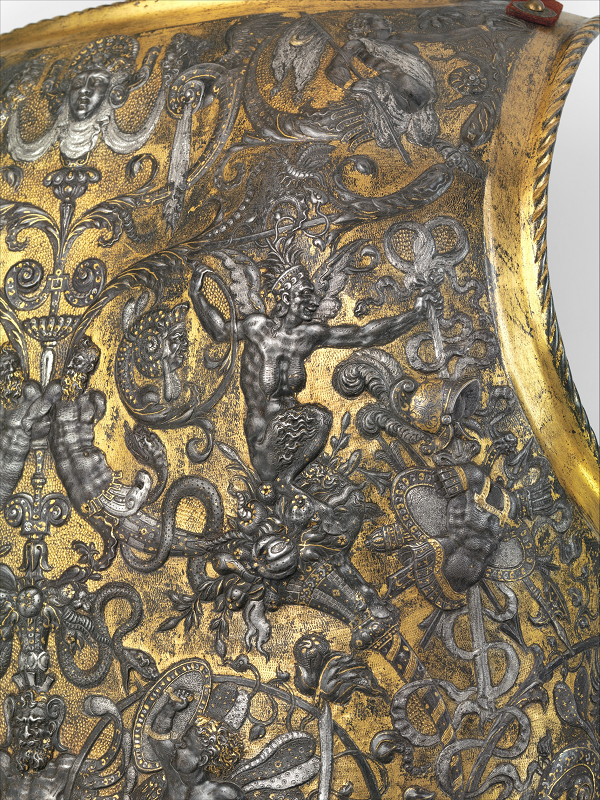
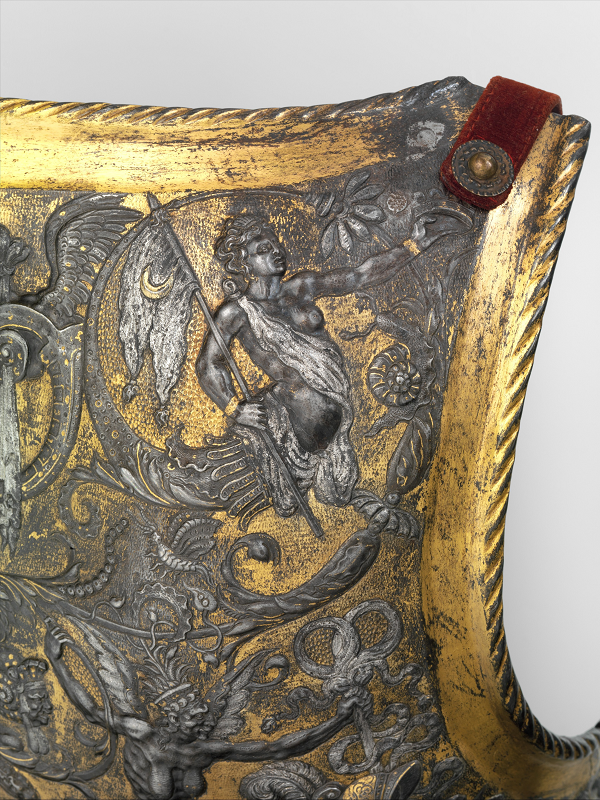
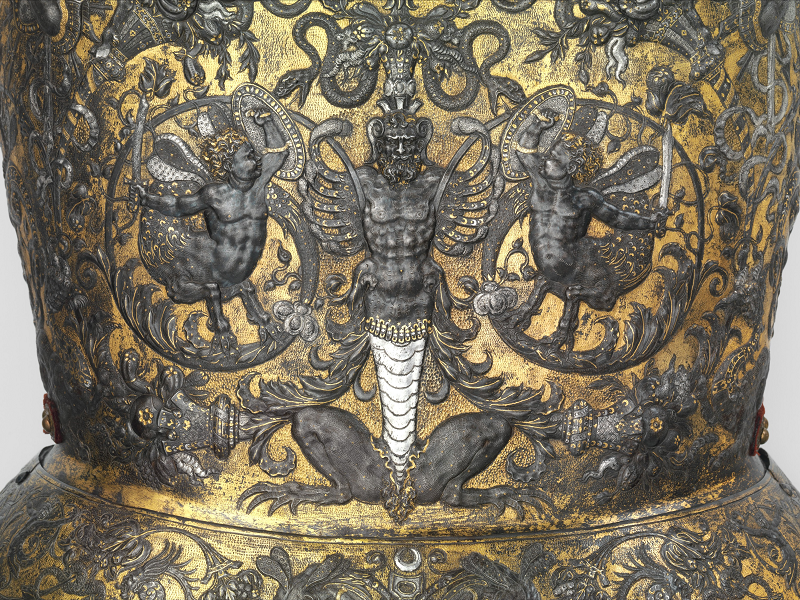
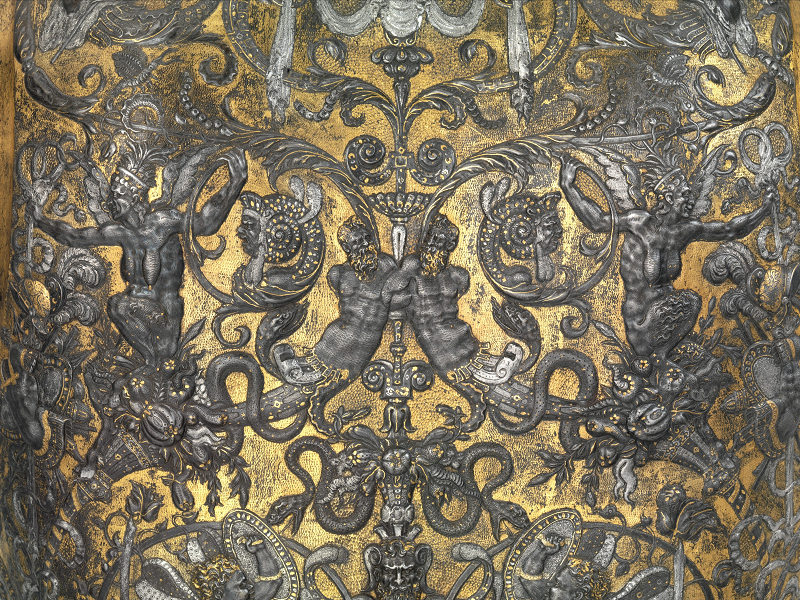
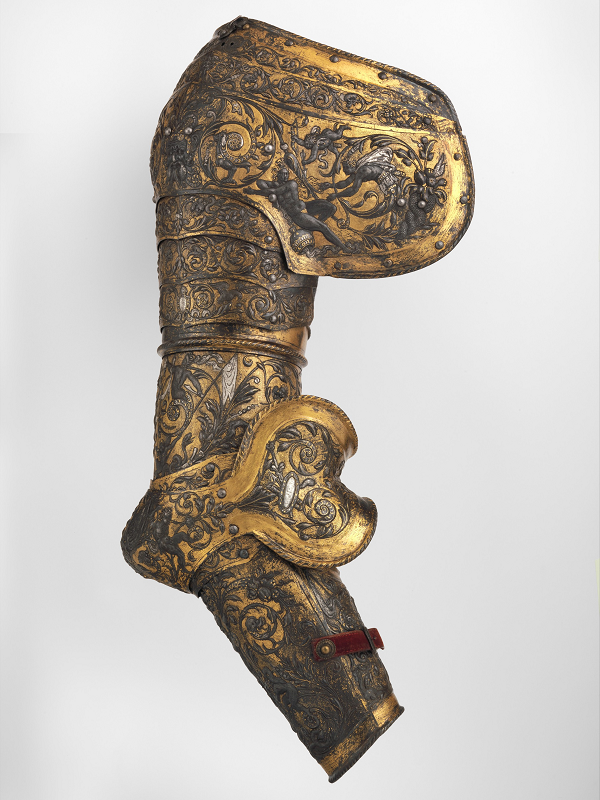
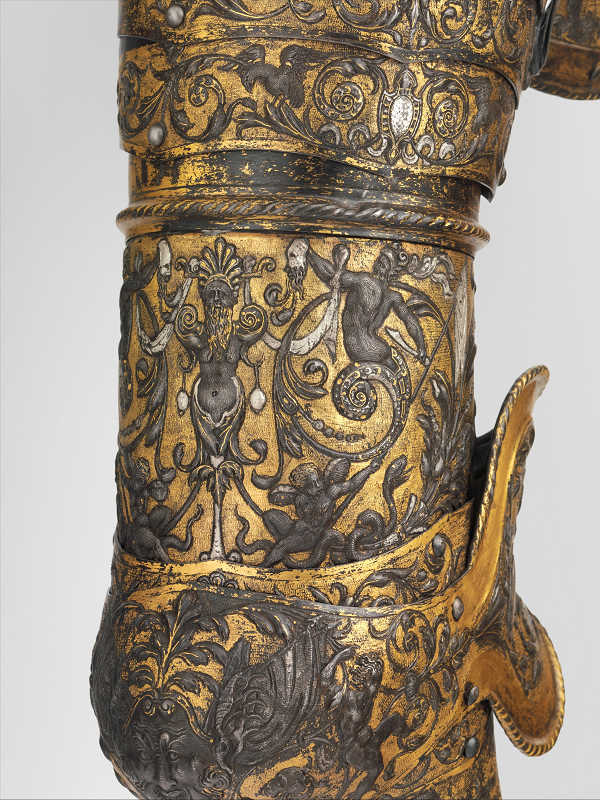
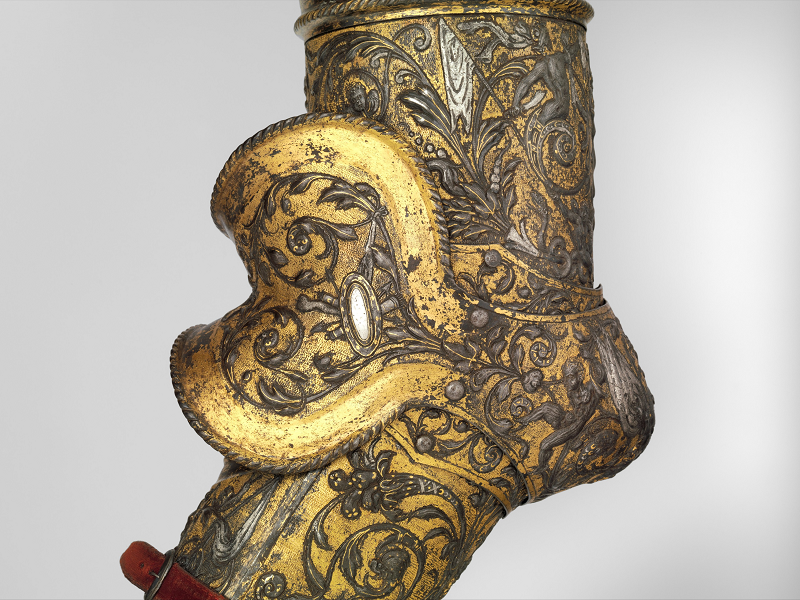
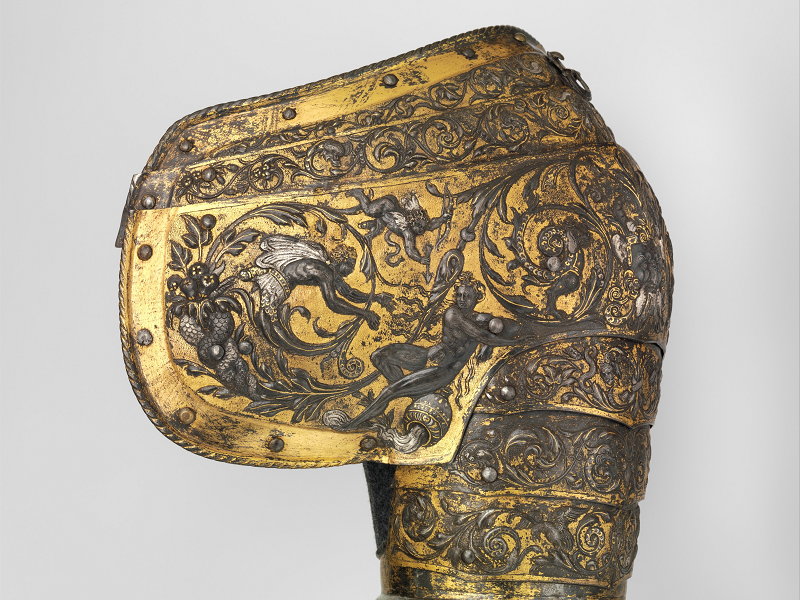
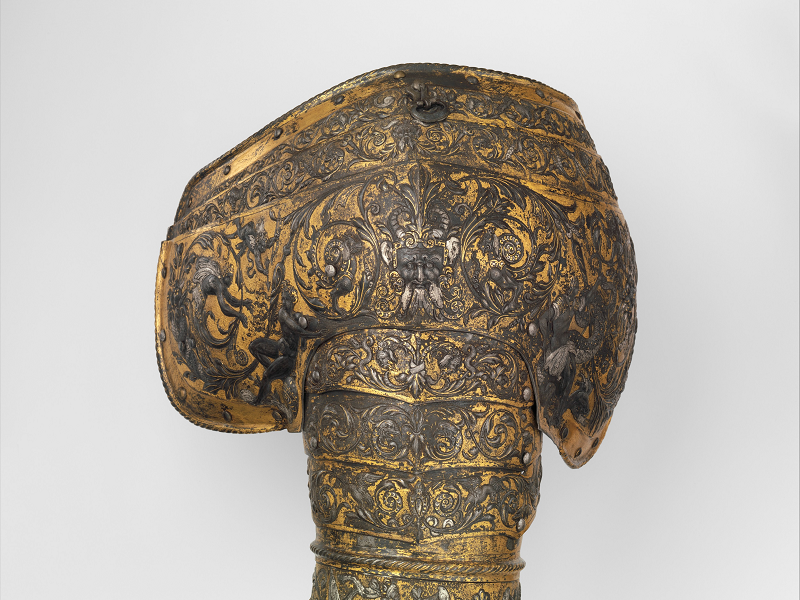
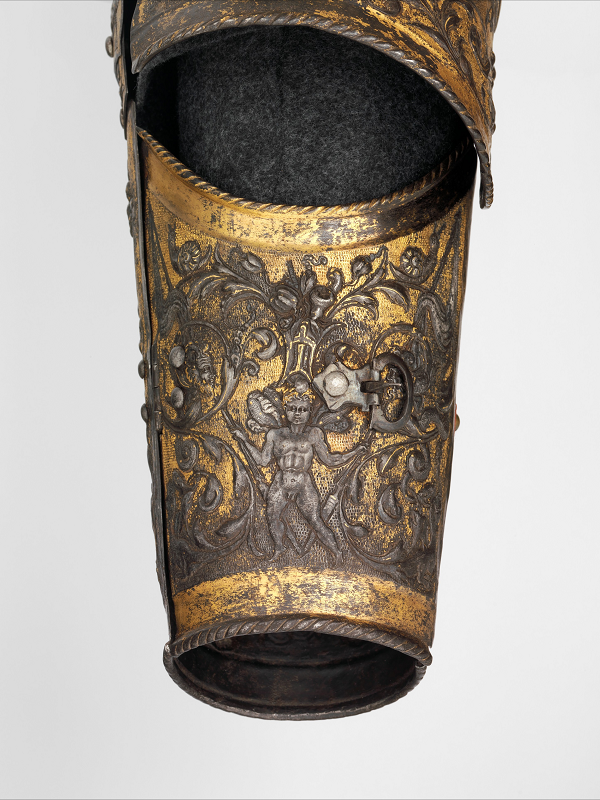
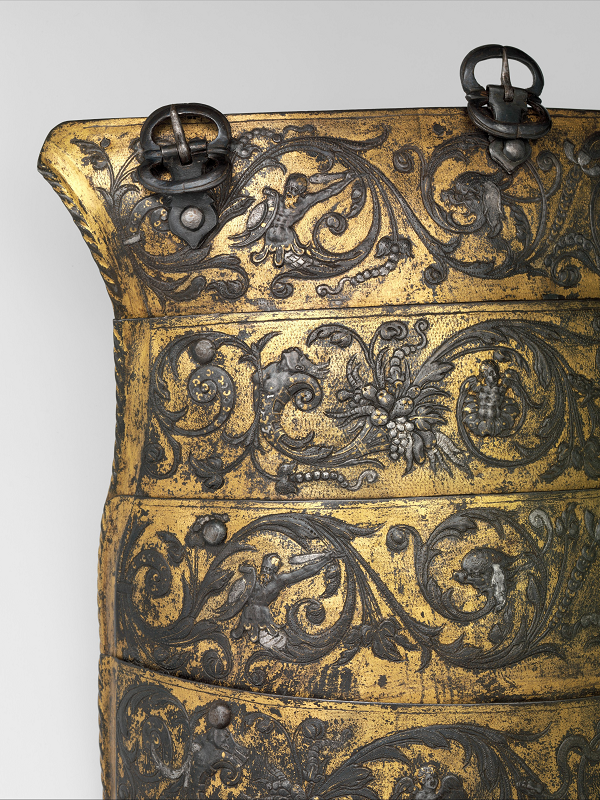
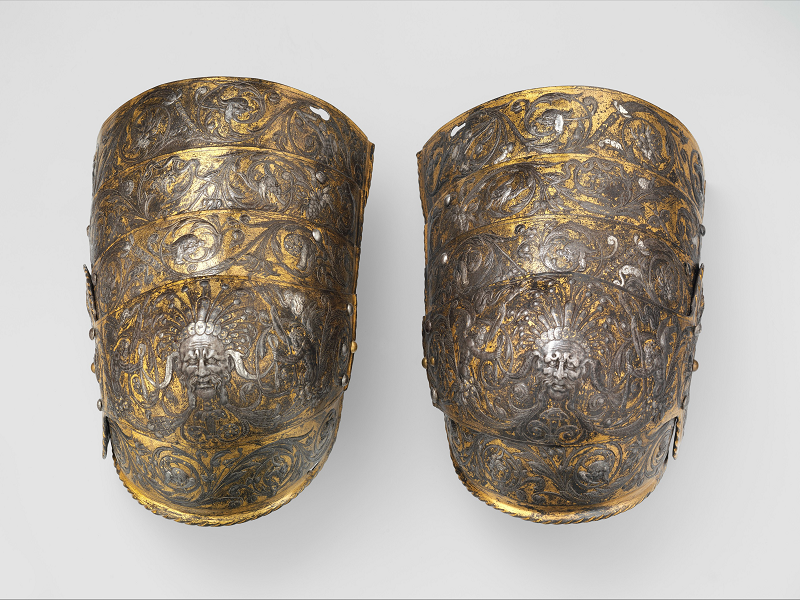
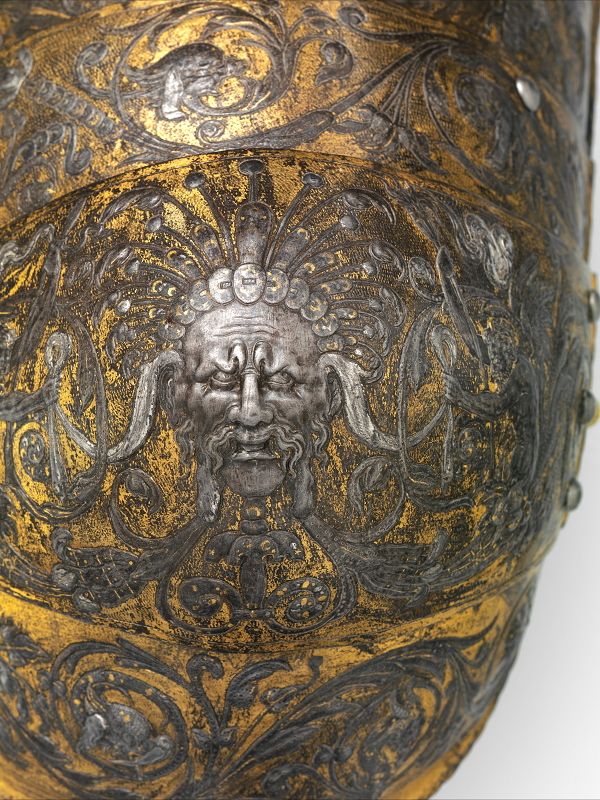
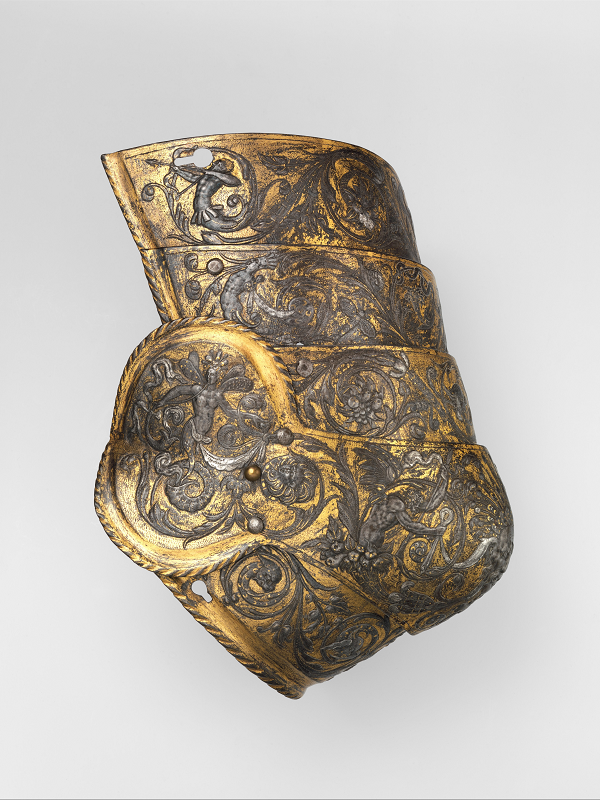
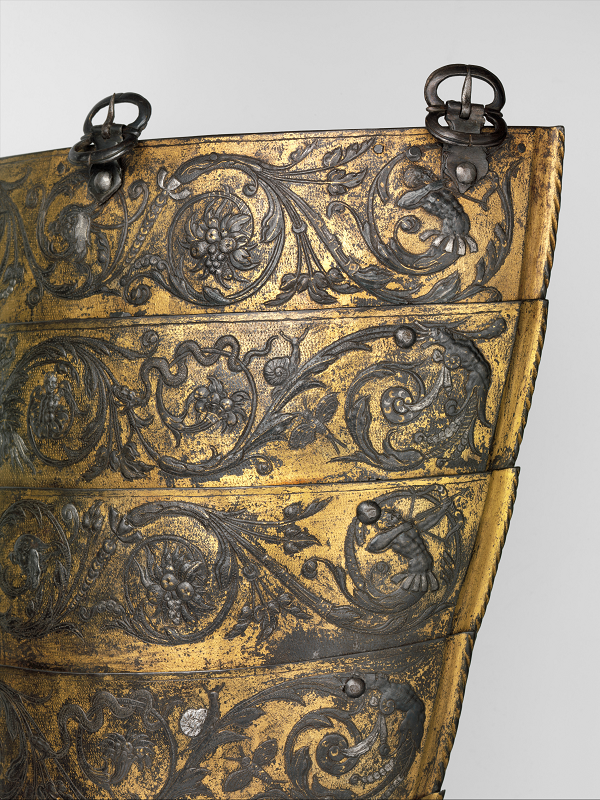
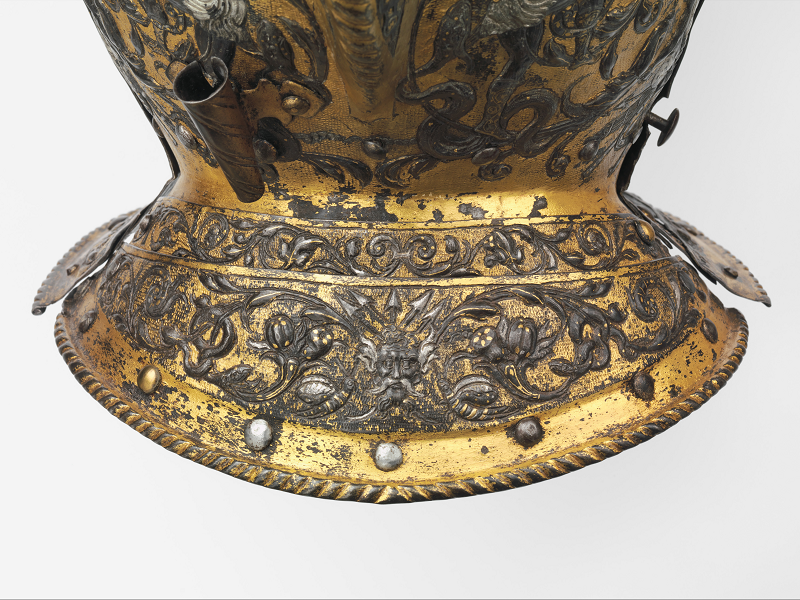
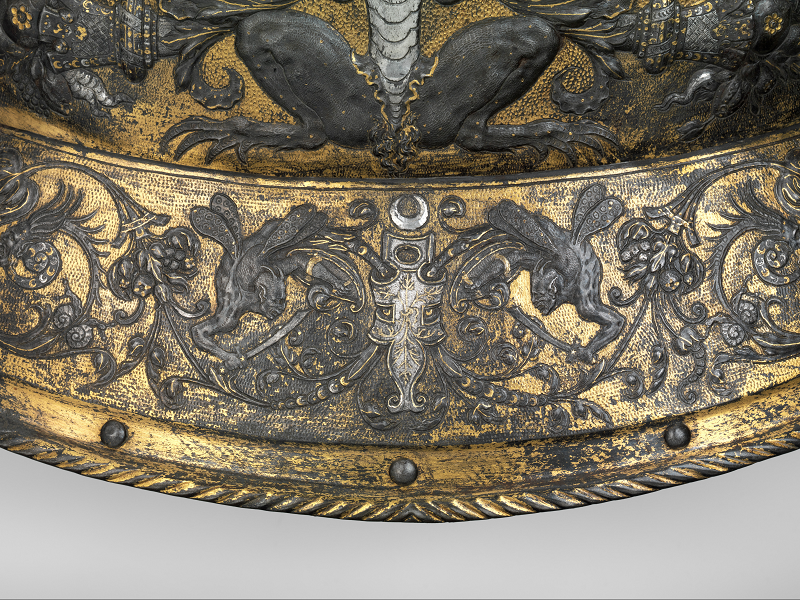
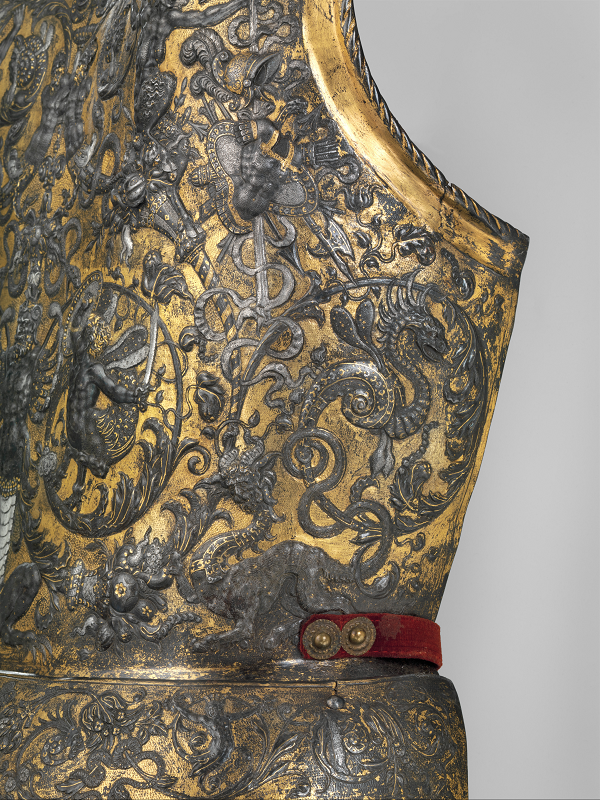
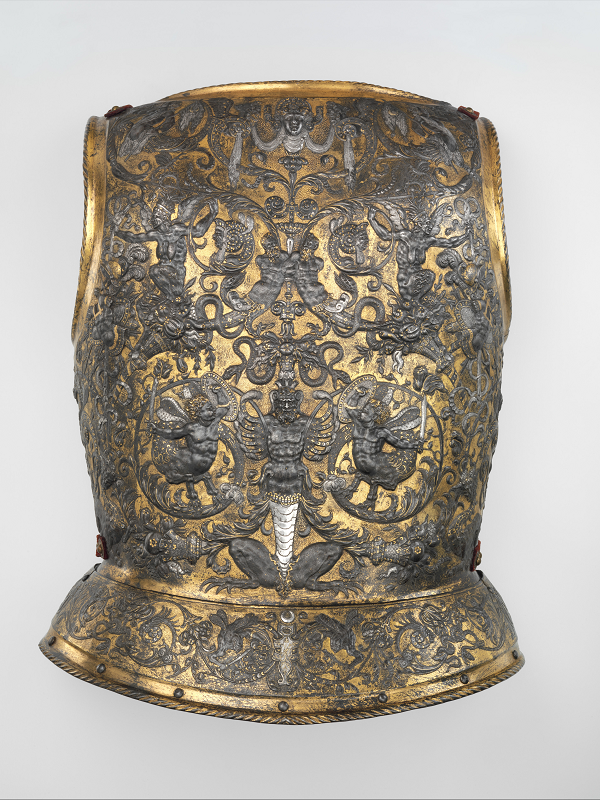
The Parade Armor (c. 1553–1555), 39.121a–n, in The Metropolitan Museum of Art (New York) is one of the most luxurious surviving suits of French Renaissance armor. The decorative design is attributed to the French jeweler and engraver Étienne Delaune. Extensive engraving, gilding, silver inlay (damasquiné), and embossing. Motifs: scenes from the lives of Roman generals (e.g., Scipio), mythological figures, symbols of strength and victory. The king's personal symbol is the crescent moon, a reference to Diana (the goddess and his mistress, Diane de Poitiers). The armor was intended exclusively for ceremonies and processions, not for combat.
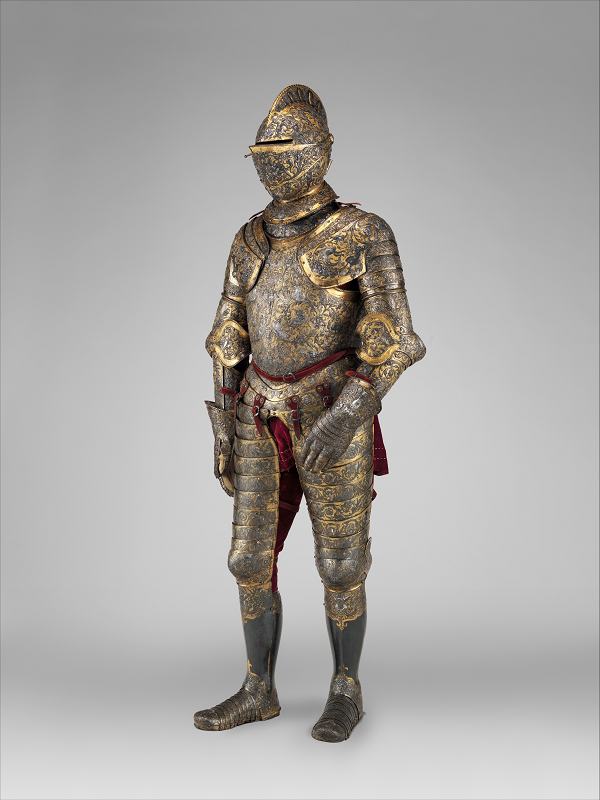
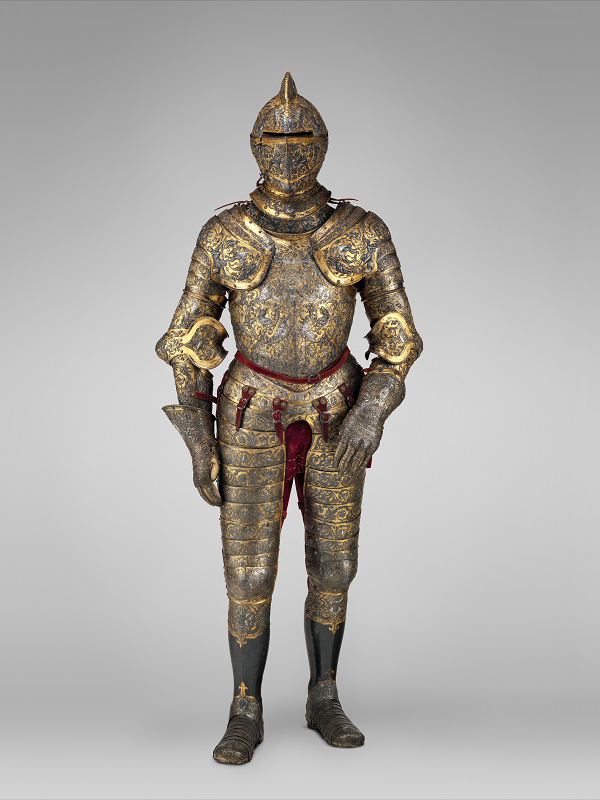
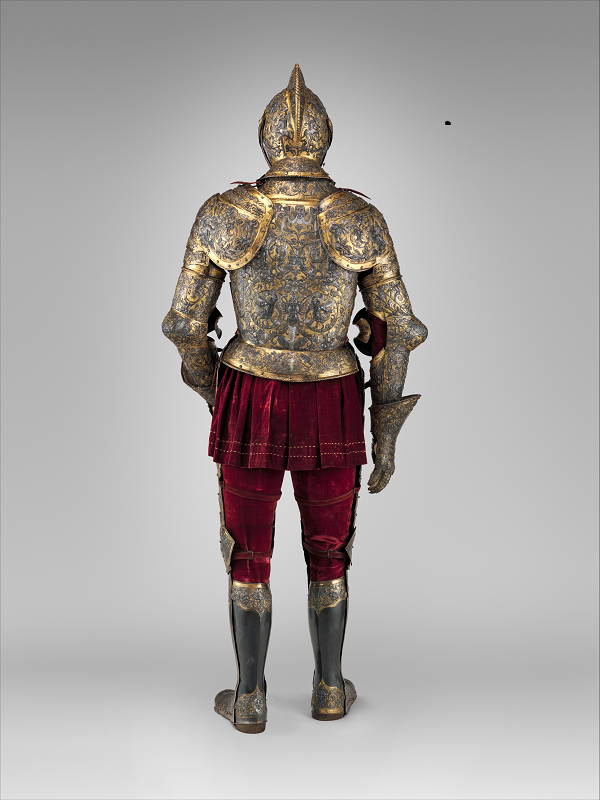
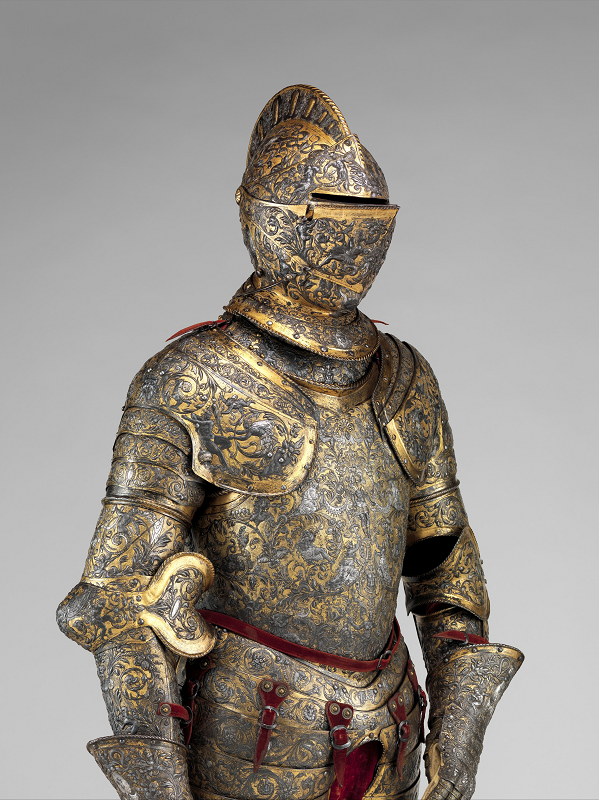
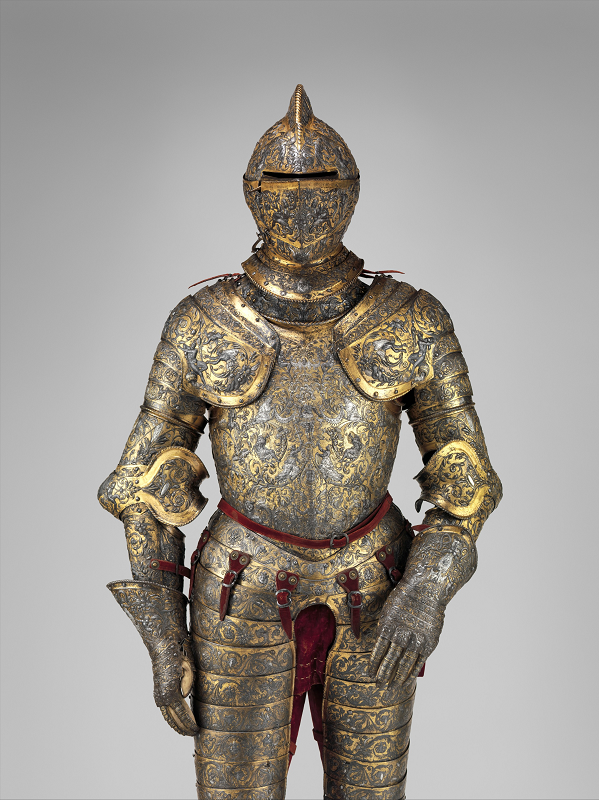
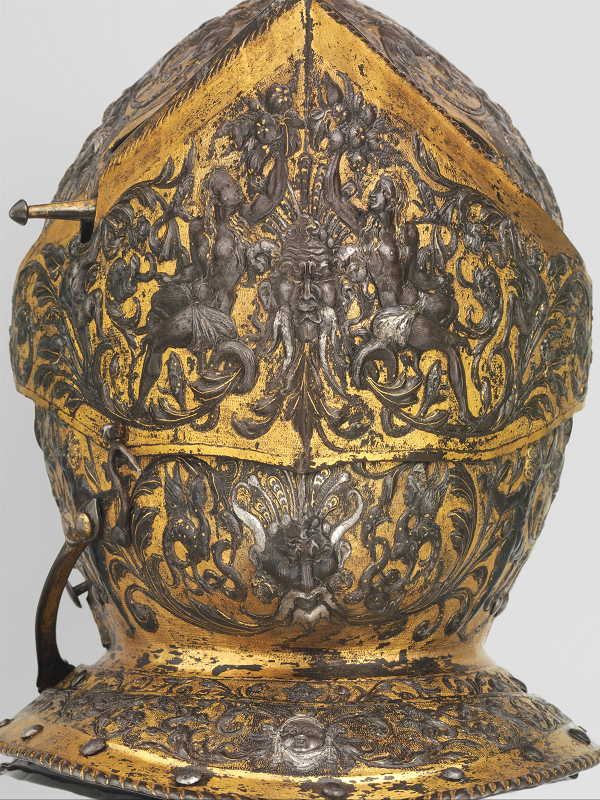
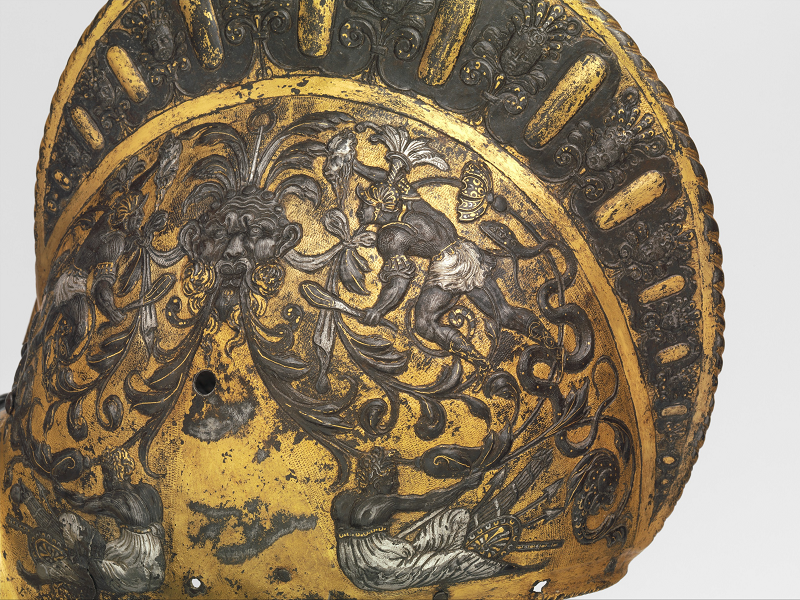
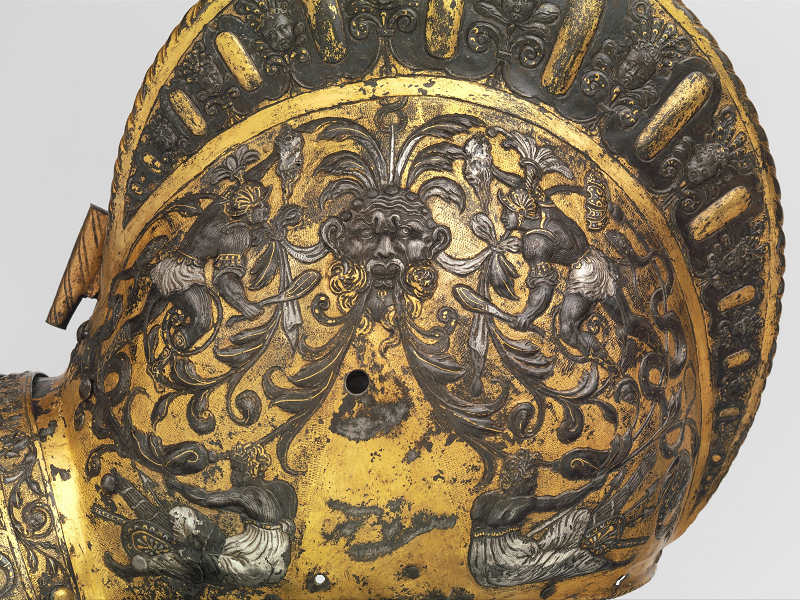
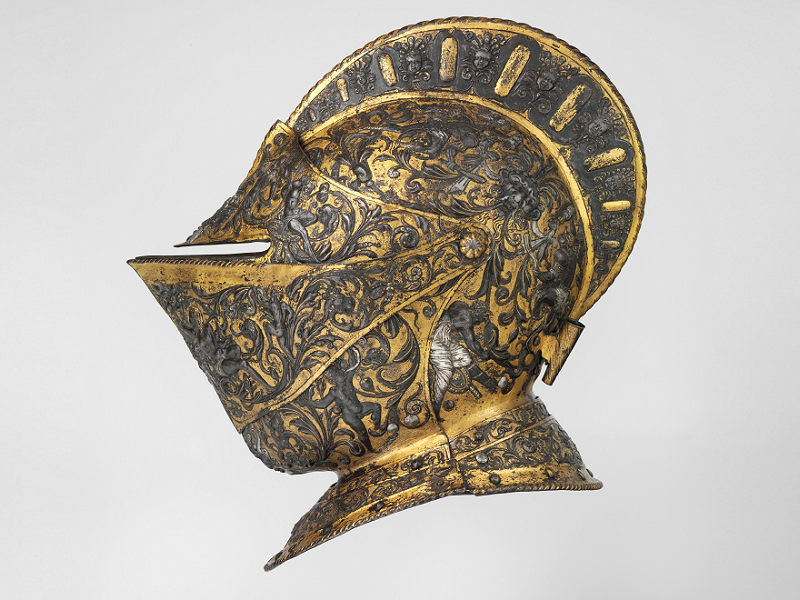
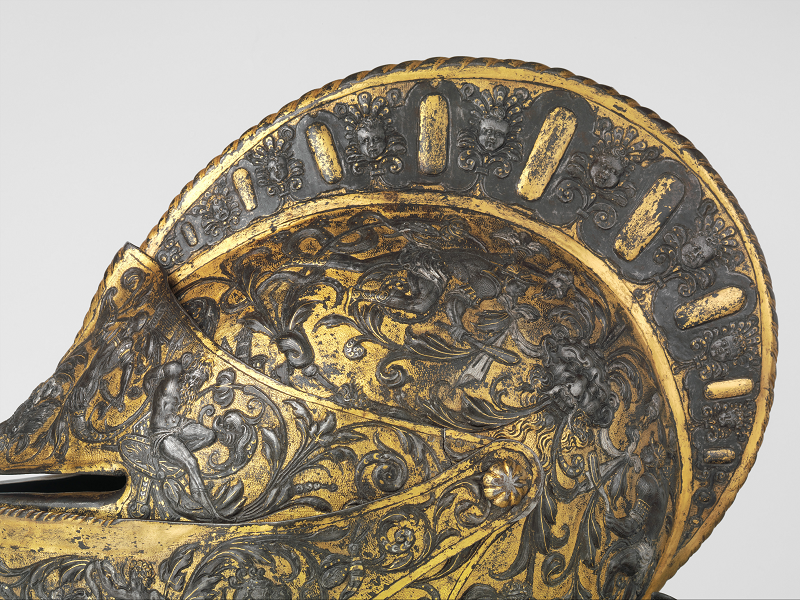
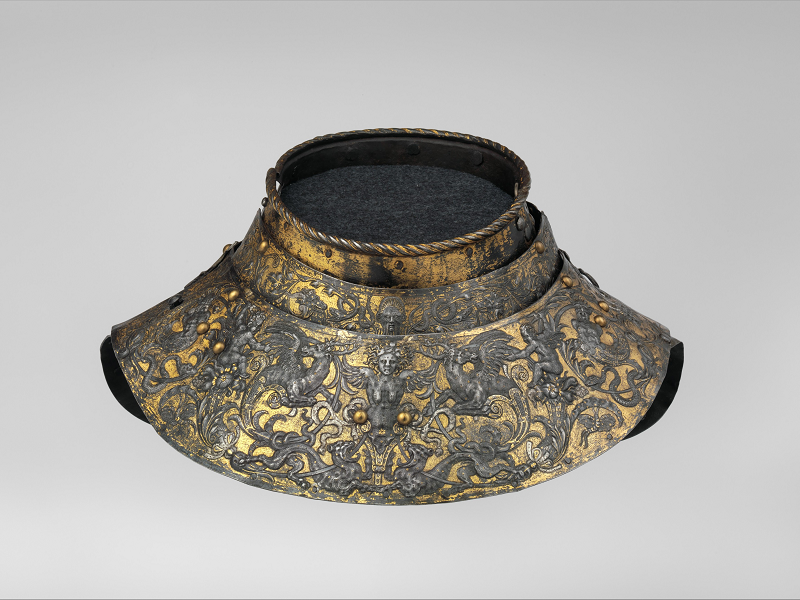
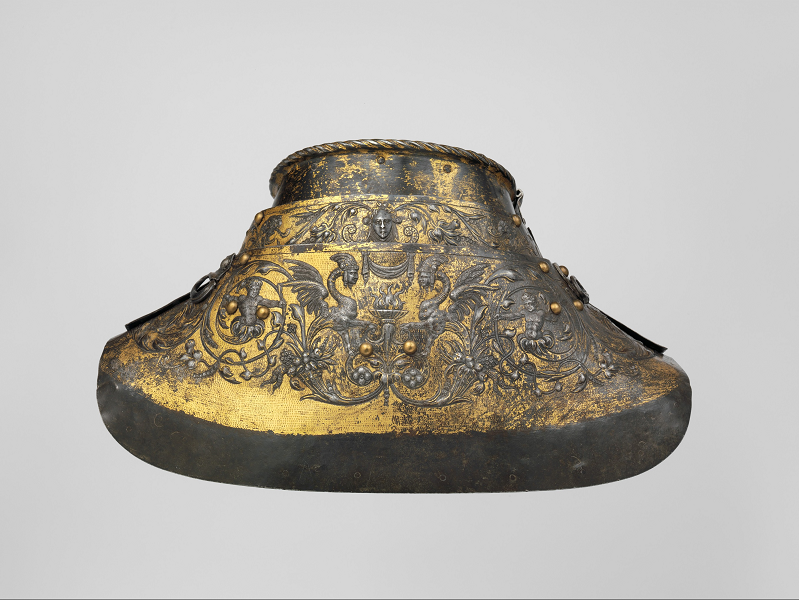
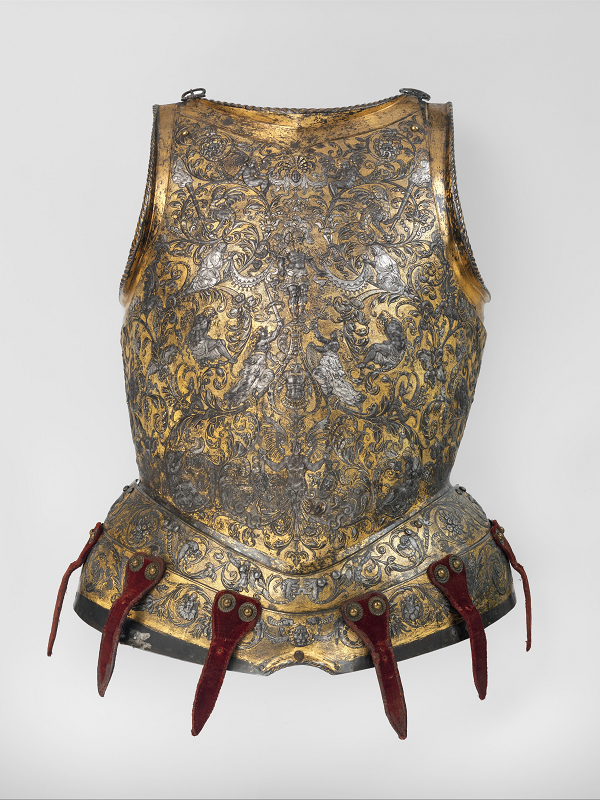
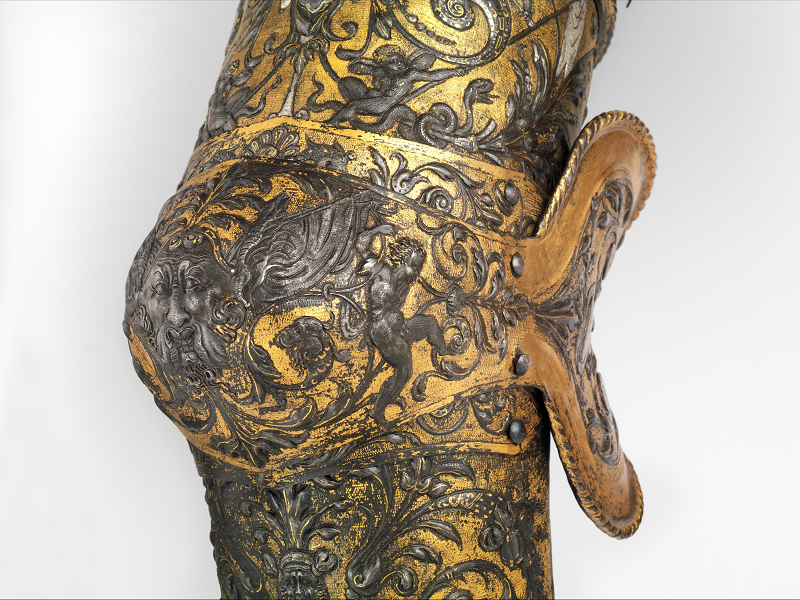
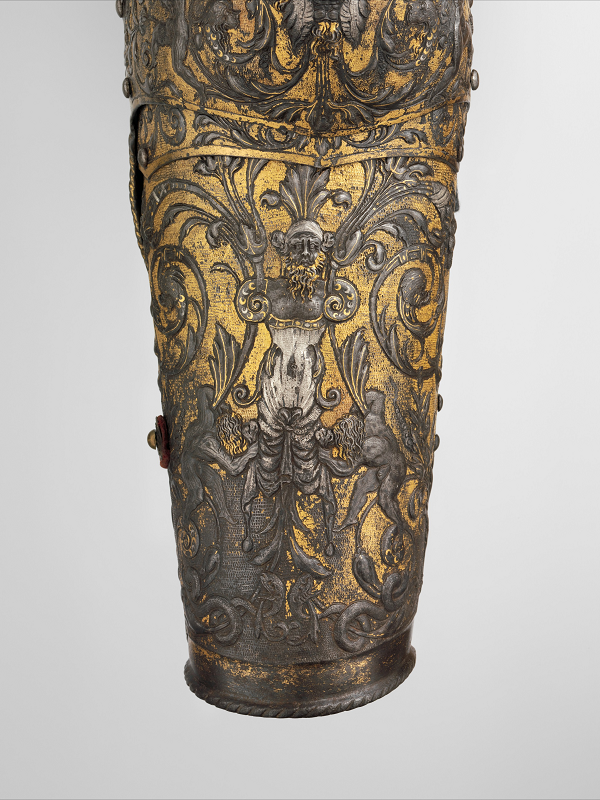
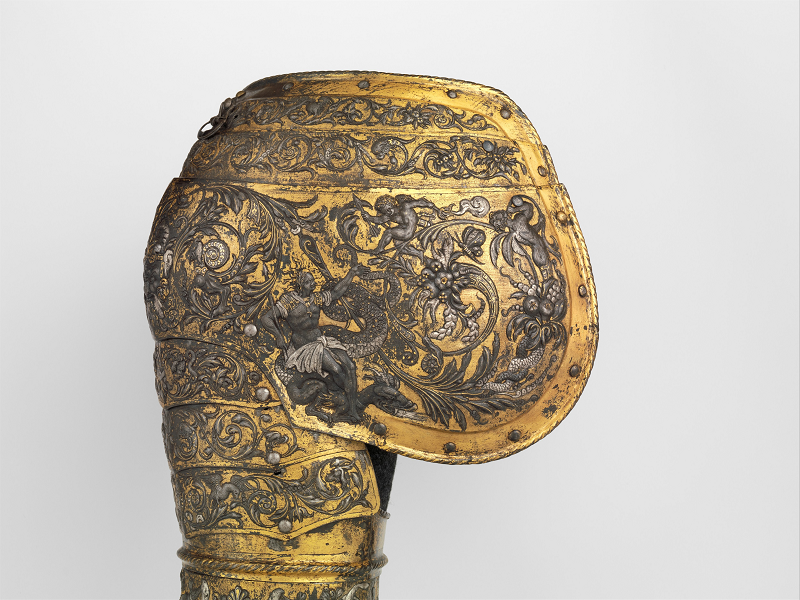
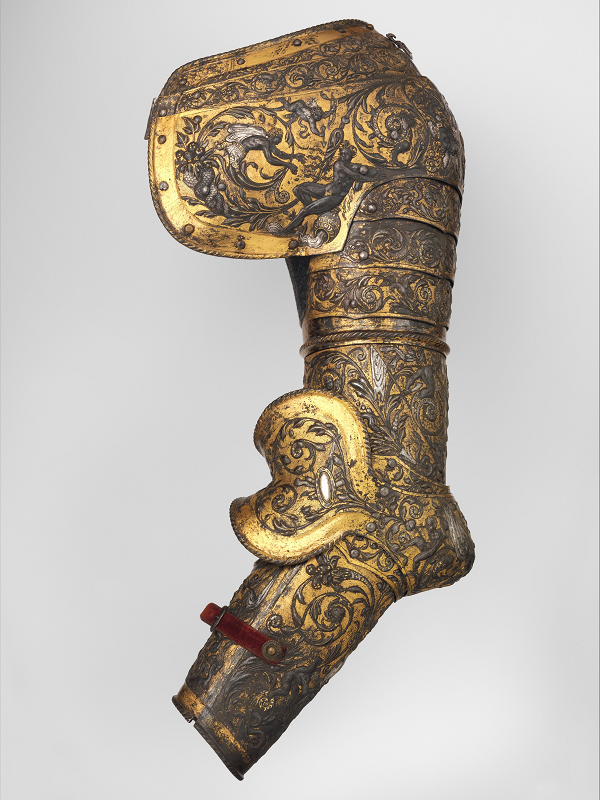
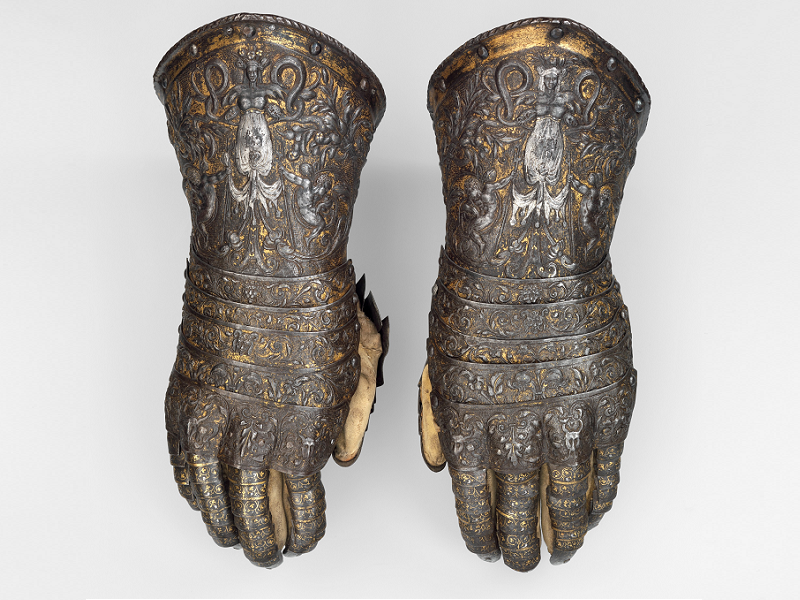
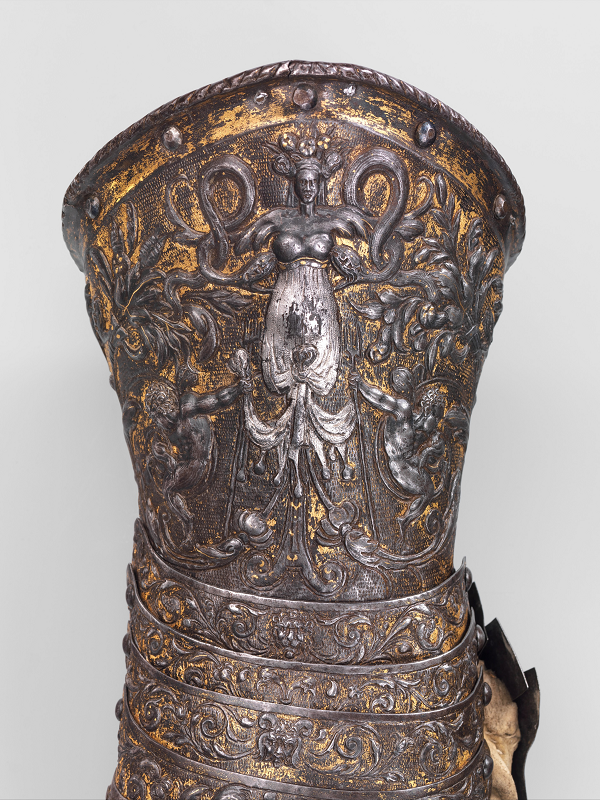
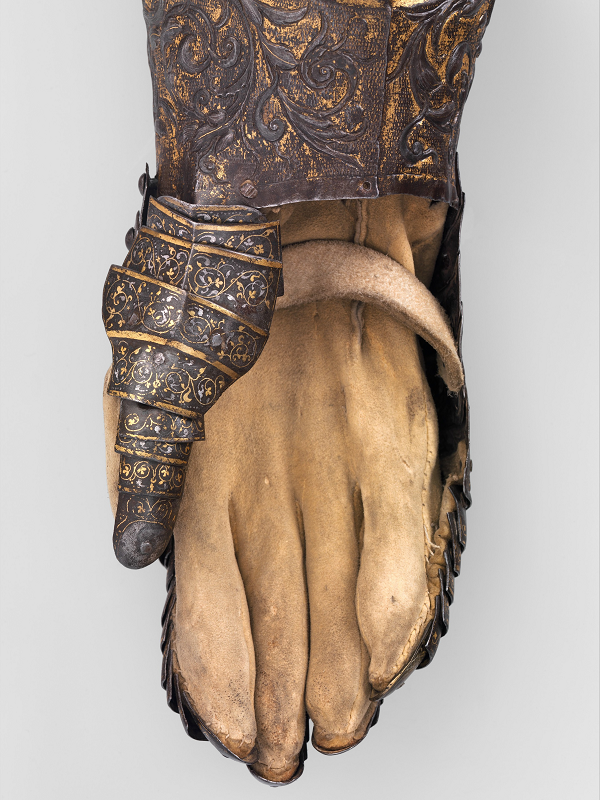
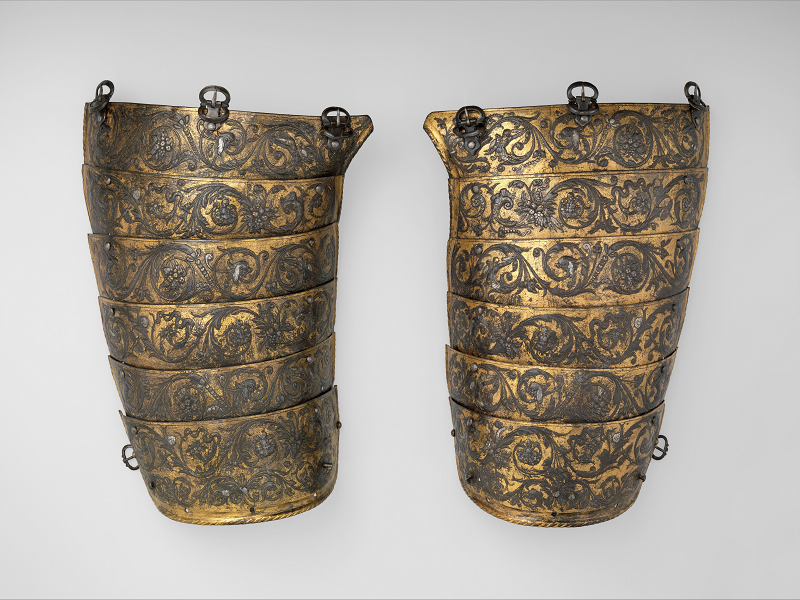
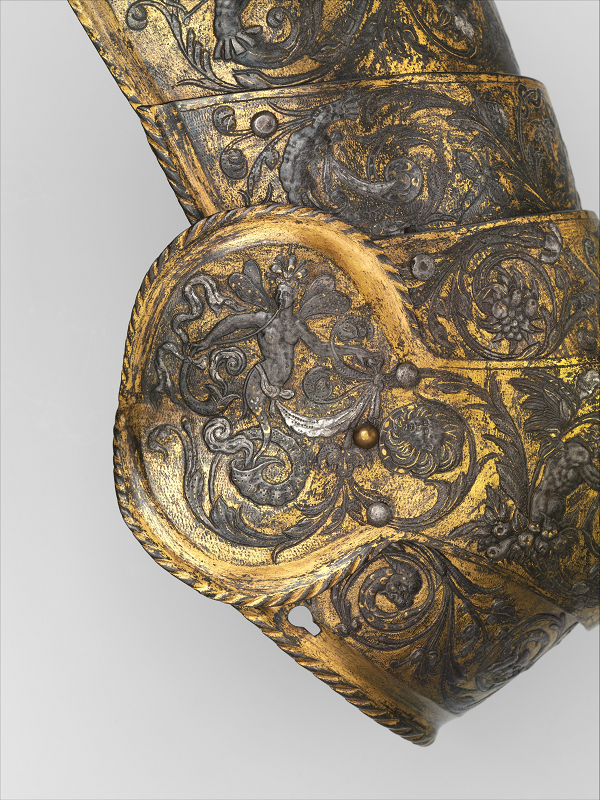
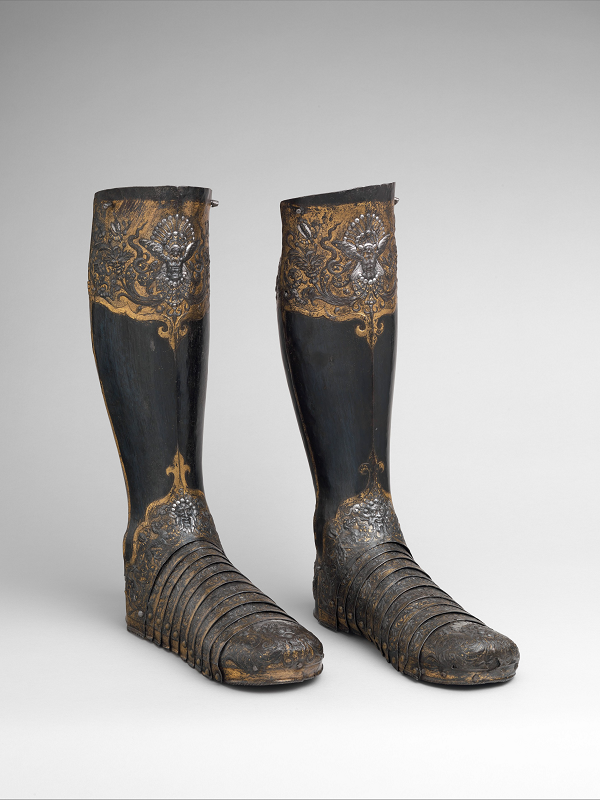
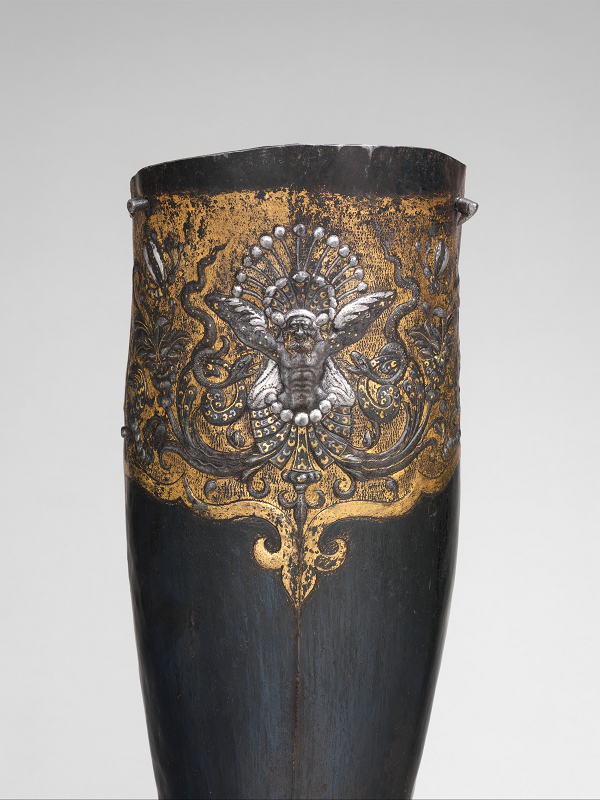
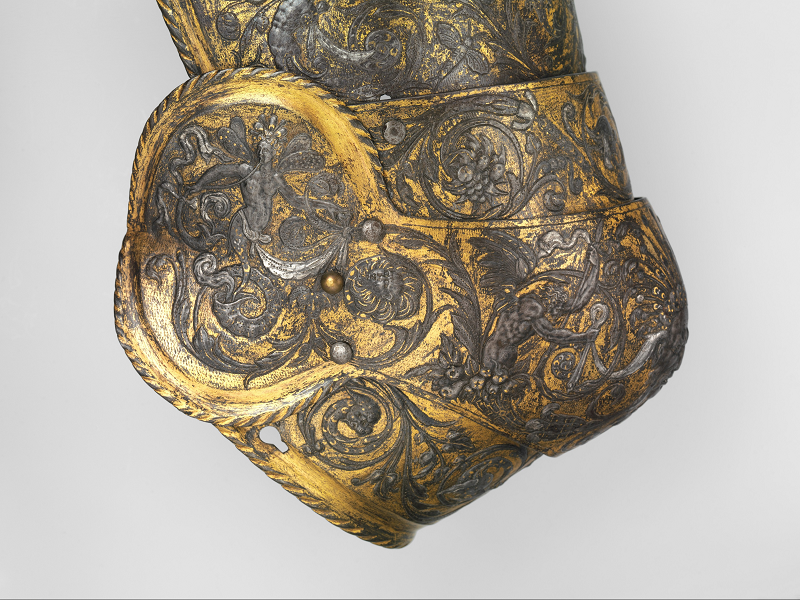
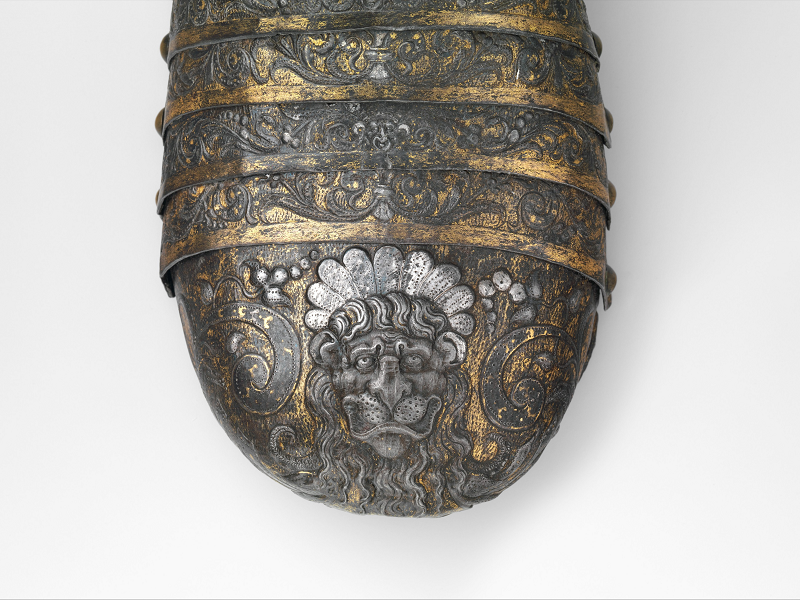
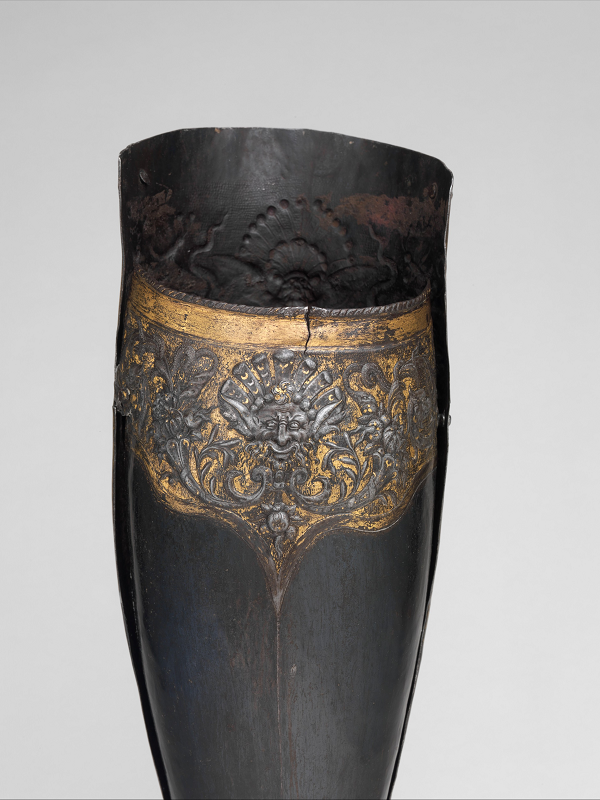
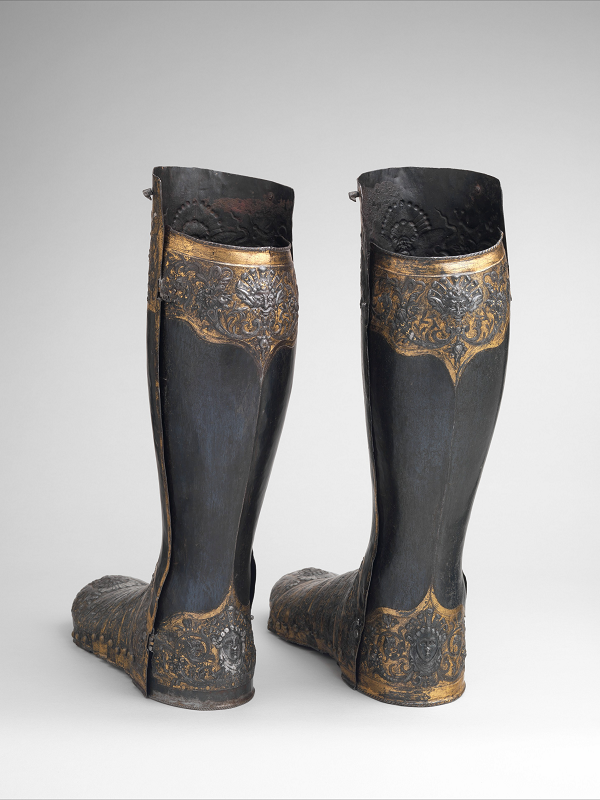
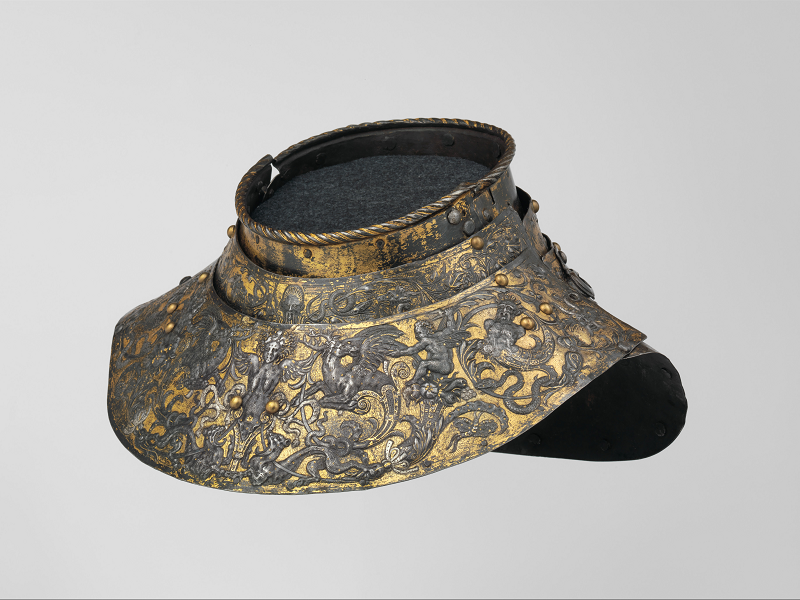
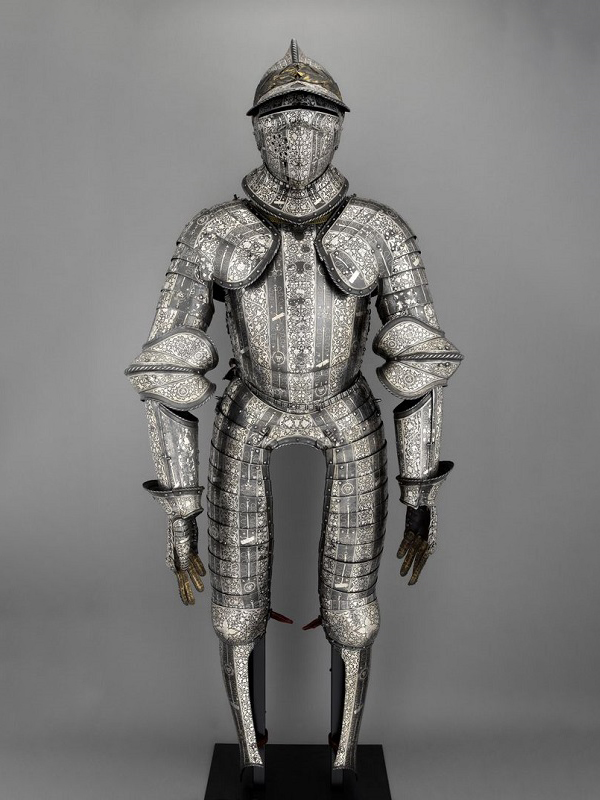
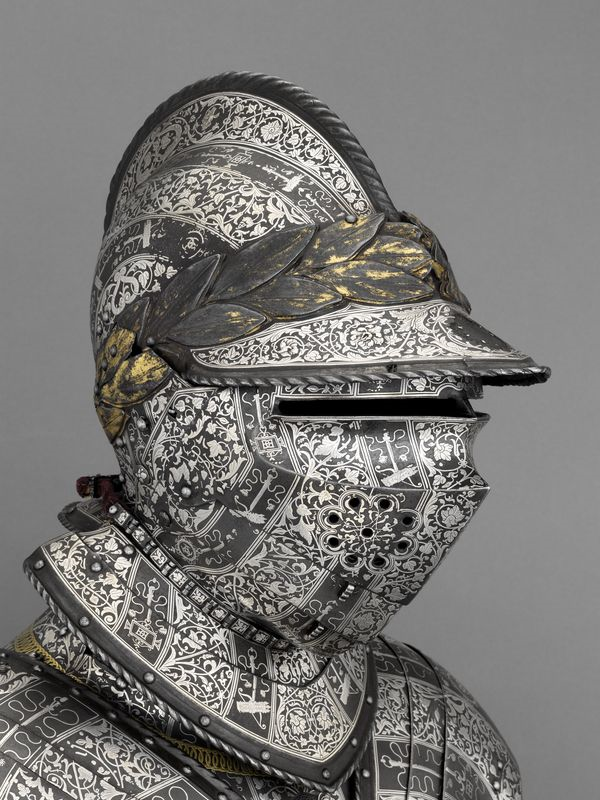
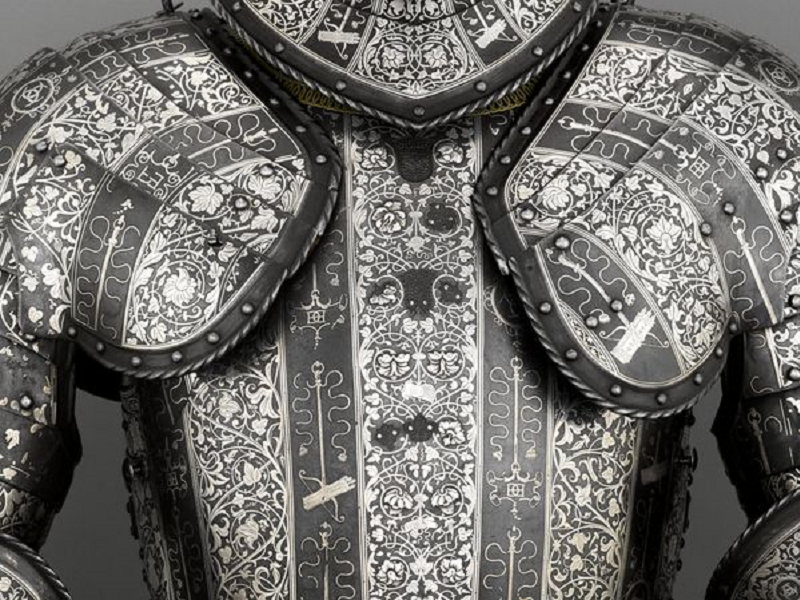
"The Dauphin's Armor" (c. 1540, Musée de l'Armée, Paris, G118) — made before the king's accession to the throne. Black iron with silver inlay. Attributed to the Milanese masters Filippo and Francesco Negroli. More functional (weight ~19.7 kg), it was intended for military use.
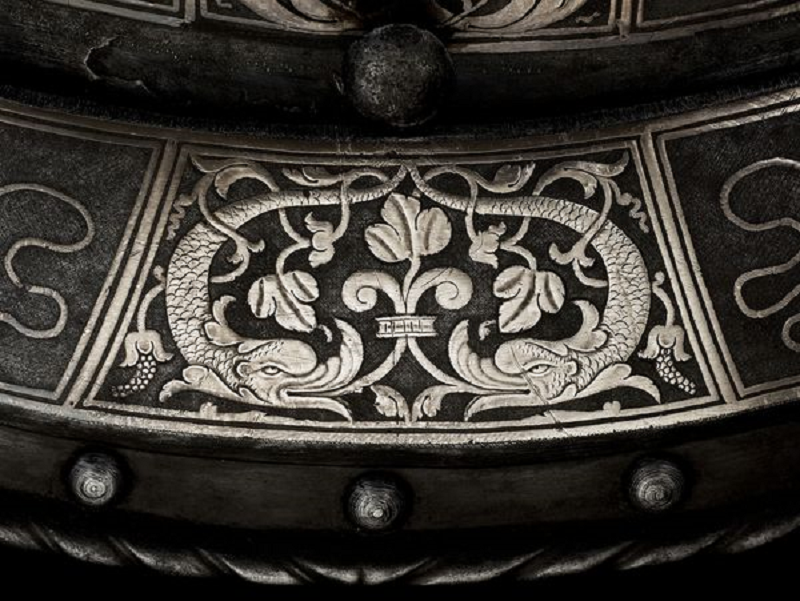
A contribution to the history of armormaking.
Court workshops: Henry II actively supported royal ateliers in Paris (especially at the Louvre), attracting French, Italian (Negroli), and Flemish masters.
Style: Shifting to maximum decorativeness, armor became works of art. Étienne Delaune created numerous sketches, shields, and details specifically for it.
Symbolism: Armor emphasized the king's military successes, his classical education, and his connection to ancient tradition. It was used in tournaments, parades, and at court to demonstrate France's power in its rivalry with the Habsburgs.
Henry died tragically at a tournament in 1559 (an enemy's lance pierced his helmet visor), symbolically ending the era of knightly duels among the French kings.
Comparison with predecessors.
Unlike his father, Francis I (with a more "leonine," embossed Italian style) and England's Henry VIII (with a pragmatic Greenwich style), Henry II's armor is the pinnacle of French Renaissance elegance: exquisite engraving, mythology, personal symbolism, and the highest artistic quality.
Today, the finest examples of his armor can be seen in:
The Metropolitan Museum of Art (New York)
Musée de l'Armée (Paris)
The Wallace Collection (London) and other museums.
Henry II cemented France's reputation as one of the leaders in European armor fashion in the 16th century, where knightly armor finally transformed from pure defense into an instrument of royal propaganda and art.