- Articles
- Weapons
- Armor
- Armor for horses
- Emperor Armor
- Chivalry
- Chivalry
- Knights castle
- Knights tournament
- The Crusades
- Knightly Orders
- Knightly saddle
- Knightly motto
- Great Knights
- Price of armor
- Children's armor
- Castles and fortresses
- Museums of armor and weapons
- Coats of arms and heraldry
- Routes and excursions
- Guides


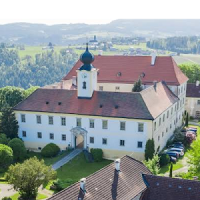
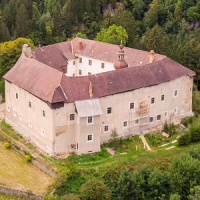
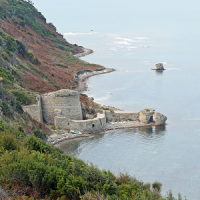
Vranduk Castle
Tvrđava Vranduk
Vranduk, Zeničko-dobojski kanton, Federacija Bosne i Hercegovine, Bosna i Hercegovina
44.291815, 17.904080 View map
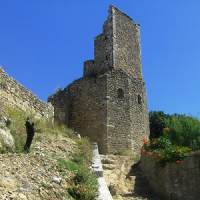
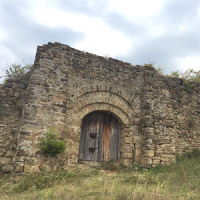
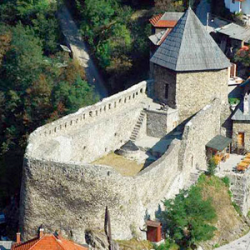
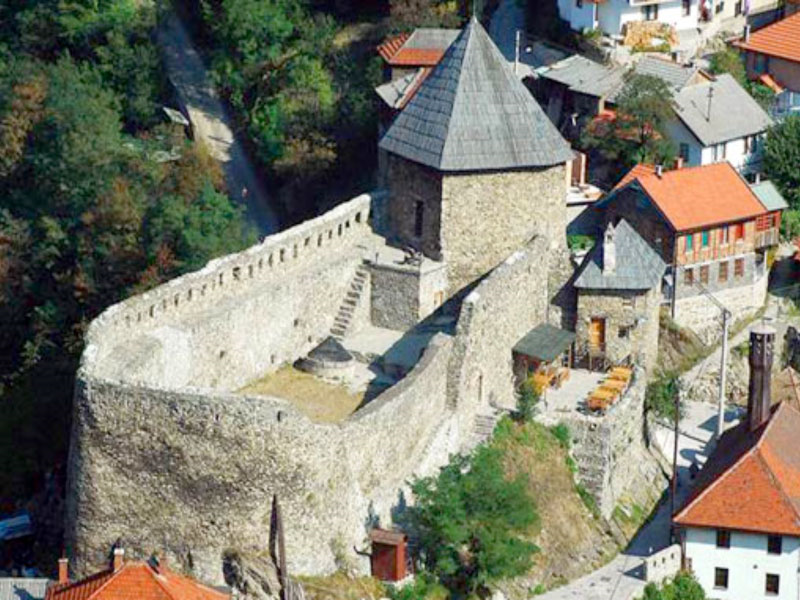
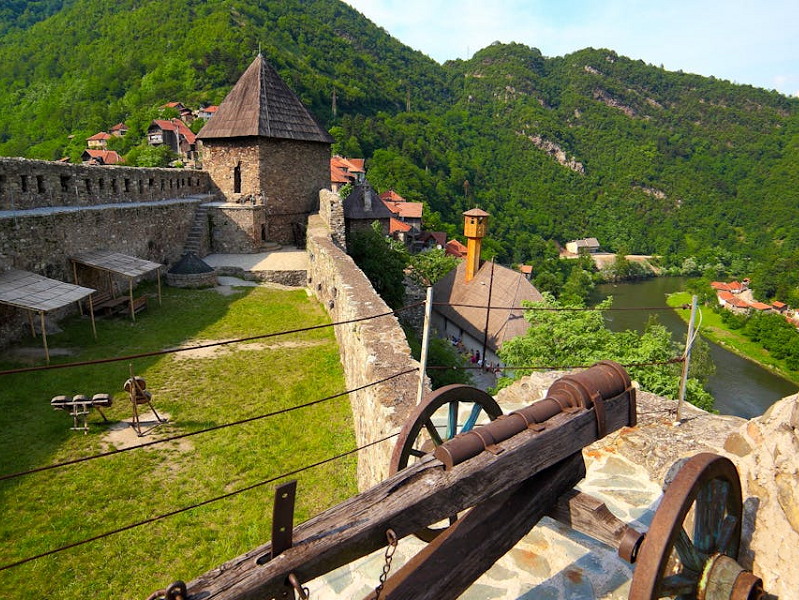
Vranduk Castle - Tvrđava Vranduk, Vranduk, Zenica-Doboj Canton, Federation of Bosnia and Herzegovina, Bosnia and Herzegovina.
The Old Town Vranduk was probably built at the end of the 14th century on a strategically important road. From its foundation until 1463, Vranduk was a banal and then a royal town. It was the only fortified town in the Brod parish, one of the 7 parishes of medieval Bosnia. The name Vranduk was first mentioned in 1410. It was where the Bosnian kings received delegations, signed contracts and issued charters. King Tomaš's brother, Radivoj, is mentioned in documents as the "Prince of Vranduk". A larger trade and craft settlement outside the walls arose in the village of Varošišće, about 2.5 km away from the Vranduk fortifications. The Franciscans founded a monastery there and built the Church of St. Mary in the mid-15th century.
Vranduk experienced its full development in the 15th century. A system of defensive structures developed around Vranduk, and within these walls, a smaller settlement, "sotto Vranduch". King Tomaš paid special attention to Vranduk: he built the Church of St. Thomas, his patron, below the city, for which he received special privileges from the Pope, he remodeled the city and strengthened the walls.
The Ottomans besieged Vranduk on several occasions. They captured it in 1463. During his campaign against Bosnia in 1697, Eugene of Savoy, noticing the difficulty of conquering the city, bypassed Vranduk. At the beginning of the 18th century, the Vranduk Captaincy was founded. In the 18th and early 19th centuries, the city served as a prison for political criminals. Austrian troops captured the city in 1878 and kept the garrison there until 1890, when it was abandoned.
The old city in Vranduk belongs to the type of hill fortification. Despite later alterations, the fortress has preserved its original forms, reminiscent of early European fortification designs. In the Middle Ages, the main tower was higher and the area of the enclosure was divided by a wall. The small tower and the eastern wall were later added to protect the entrance to the fortress. Within the enclosure were several buildings for various purposes, and the remains of the "Dizdar's House" were also found.
Within the walls of the Old Town, numerous archaeological finds from the Middle Ages and the Ottoman period have been found: vessels, jewelry, coins, tools, spurs, etc. All finds are stored in the Zenica City Museum.
Sourse: zemuzej.ba
5 sen 2026
0
0