- Articles
- Weapons
- Armor
- Armor for horses
- Emperor Armor
- Chivalry
- Chivalry
- Knights castle
- Knights tournament
- The Crusades
- Knightly Orders
- Knightly saddle
- Knightly motto
- Great Knights
- Price of armor
- Children's armor
- Castles and fortresses
- Museums of armor and weapons
- Coats of arms and heraldry
- Routes and excursions
- Guides


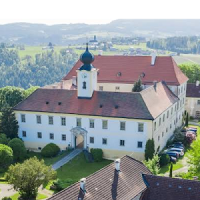
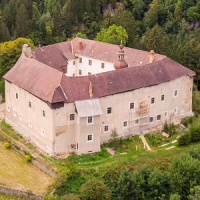
Hazmburk Castle
Státní Hrad Hazmburk
Information on the website. Weekend: Information on the website
Adult - 140CZK, Children's (0-5) - Free, Children's (6-15) - 40CZK, Students - 110CZK, Pensioners - 110CZK
www.hrad-hazmburk.cz
Purkrabská 2, 411 17 Libochovice, Ústecký kraj, Česká republika
50.434252, 14.014271 View map
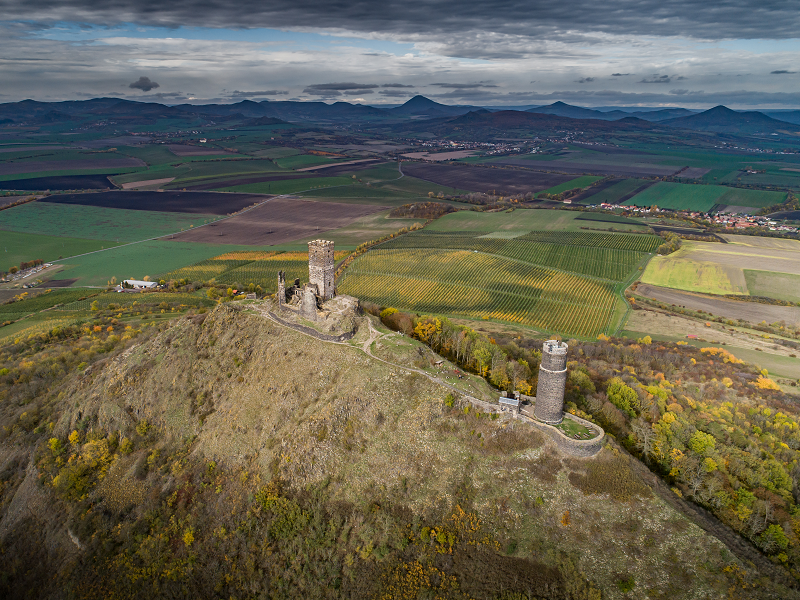
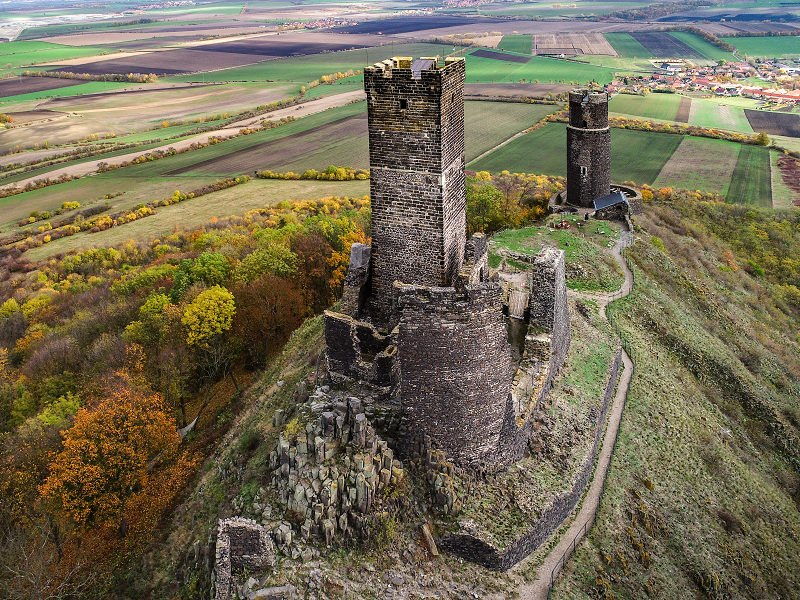
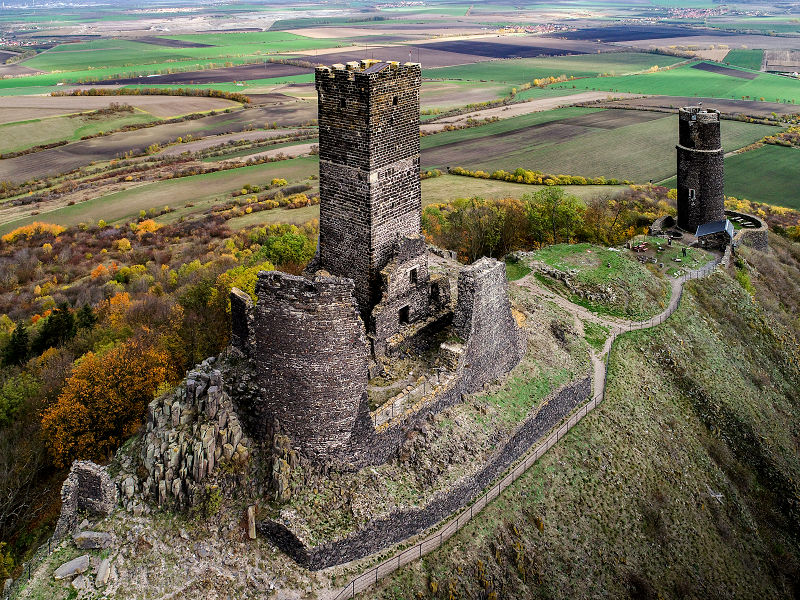
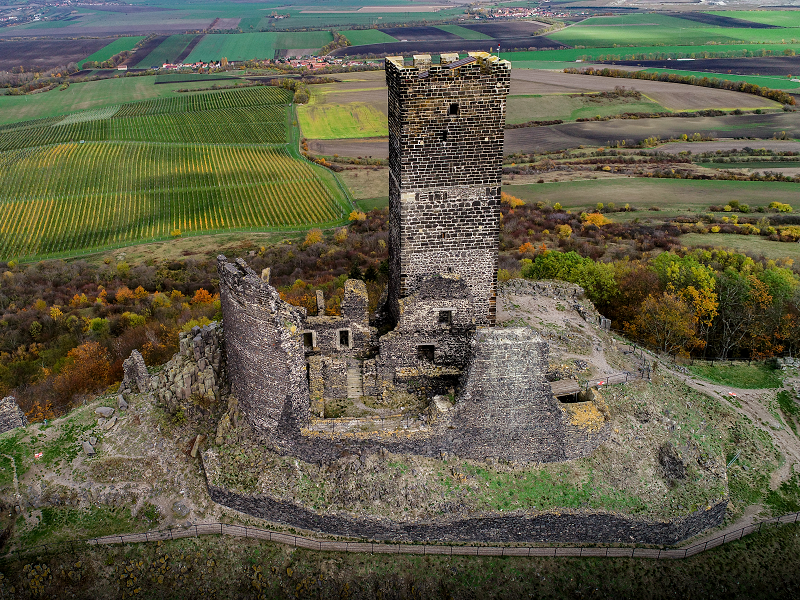
Hazmburk Castle - Státní Hrad Hazmburk, Libochovice, Usti nad Labem Region, Czech Republic.
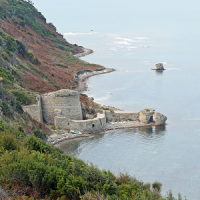
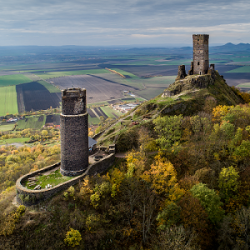
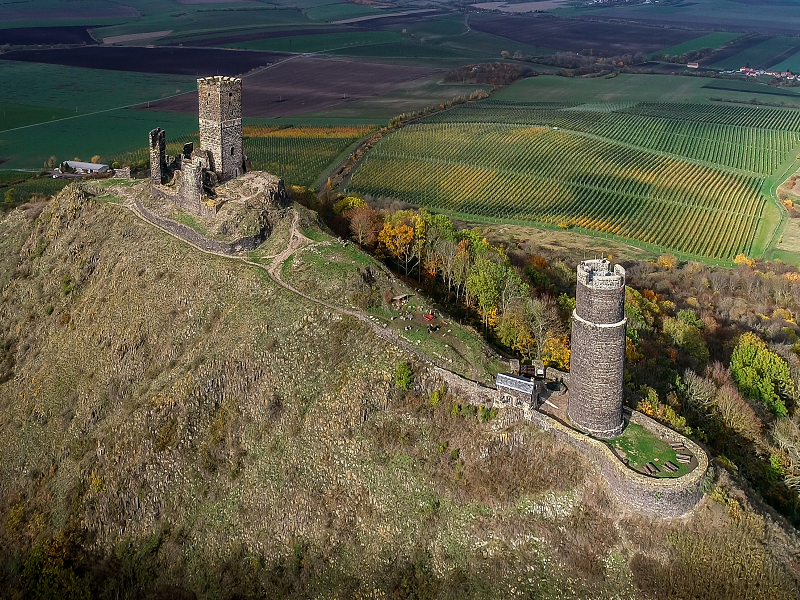
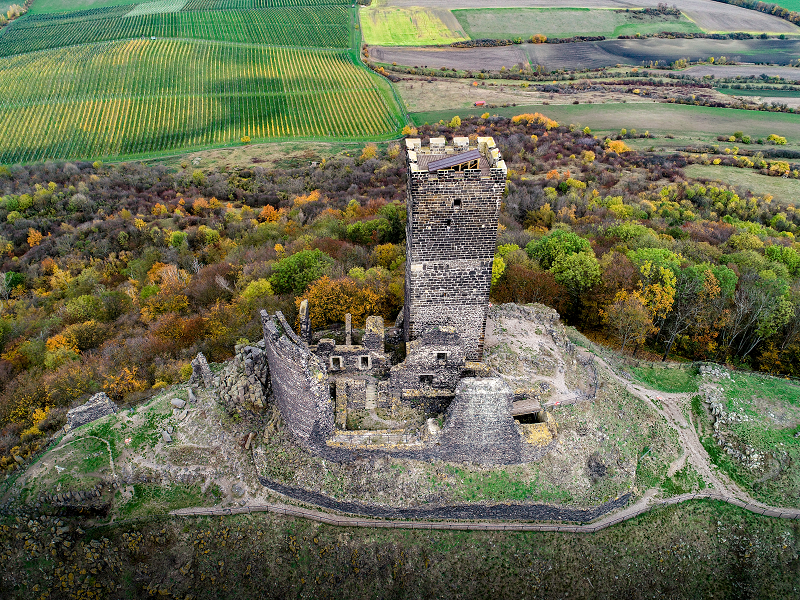
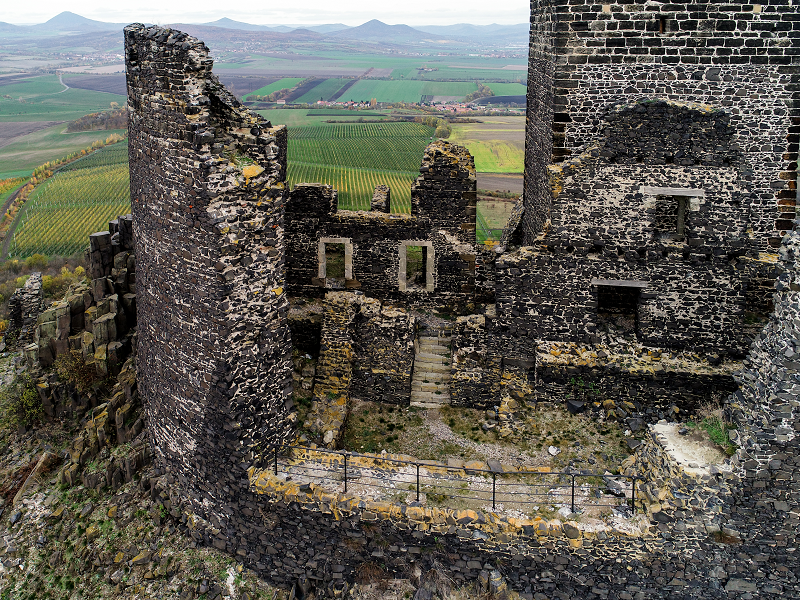
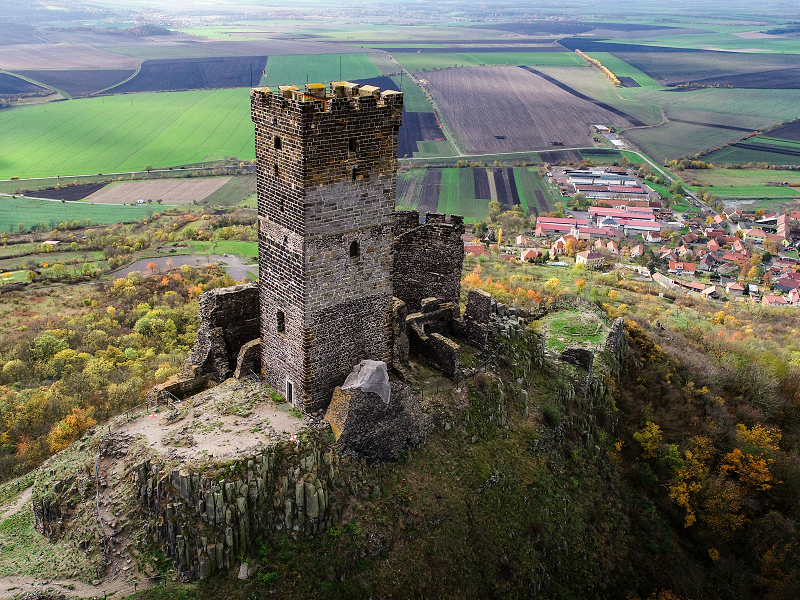
The origins of the castle are shrouded in mystery. According to the *Chronicle of Dalimil*, a certain Léva built his first stronghold here and, with his retinue, controlled the surrounding countryside. In contrast, the chronicler Václav Hájek of Libočany states that in 754, the brothers Kalboj and Veslav of Košťálov built a house as sturdy as a castle on the hillside, naming it Klopaj. The structure that survives today was almost certainly founded around the mid-13th century—a period when many significant feudal seats were being established in Bohemia—by the House of Lichtenburg. At that time, however, only the castle core appears to have been completed; this consisted of a prismatic tower enclosed by thick walls forming a rectangular layout. This austere section, devoid of windows or decorative elements, points to the stronghold's purely military purpose; it likely was not even intended to serve as a nobleman's residence at the time. In the early 14th century, the Lichtenburgs lost interest in their local estates and exchanged them—castle included—with King John of Luxembourg for other properties. In 1335, the king sold the castle to Zbyněk Zajíc of Valdek.
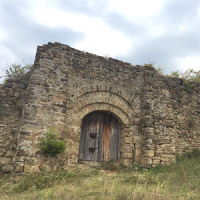
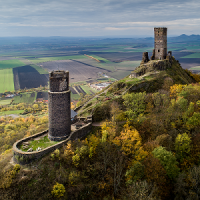
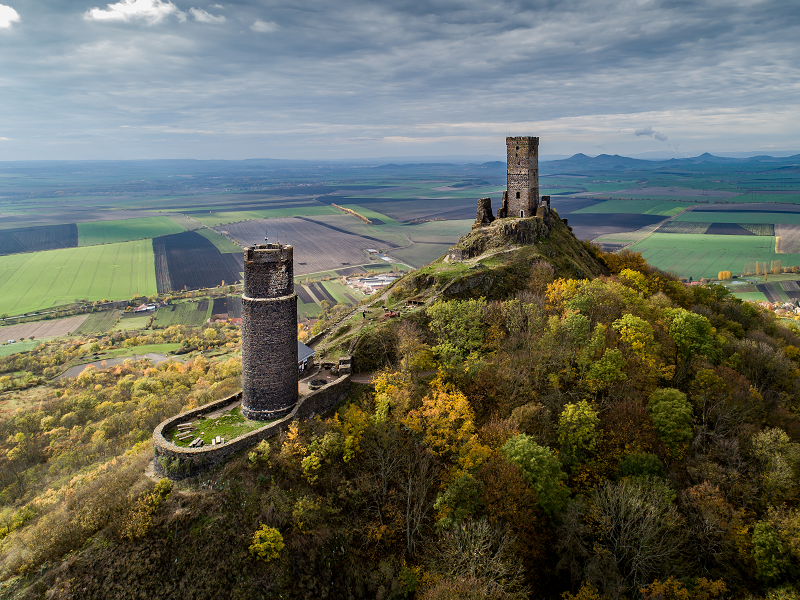
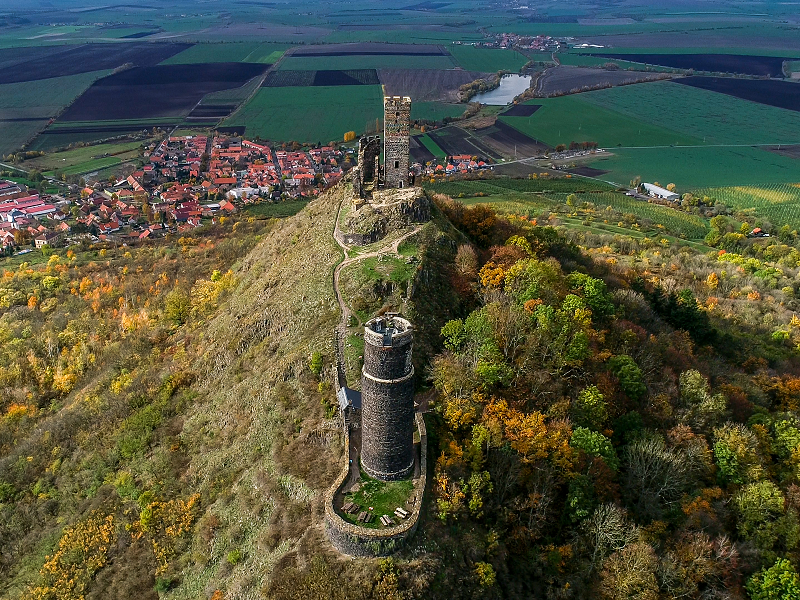
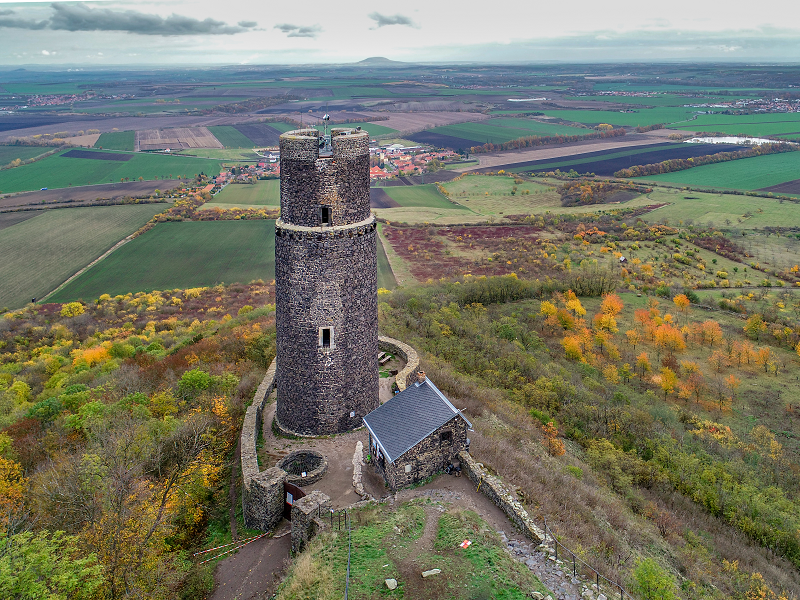
It was then that the castle's original name, Klapý, was changed to Házmburk, derived from the nobleman's surname (the German word for hare is *Hase*). Zajíc owned other estates as well and held high office, serving as Master of the Royal Chamber and Supreme Cupbearer. He expanded the newly acquired castle by adding defensive walls and gates, the Black Tower, and other buildings. Házmburk thus occupied the entire unforested area of the hill, acquiring its final ground plan. During the Hussite Wars, the Zajíc family sided with the Catholics, and their castle posed a troublesome and insurmountable obstacle for the Hussites. Its strategic importance was heightened by the fact that the Zajíc family held Libochovice and Budyně at the time; the location of their estates cut across the natural link between the Hussite towns. Due to its impregnability, Házmburk was chosen as a safe haven for church treasures from Prague Castle, and precious liturgical vestments were stored there in 1440. Although the Hussites eventually succeeded in capturing Libochovice, they never conquered Házmburk. Around that time, the small town of Podhradí was established on the southern slope of the hill, serving as the economic support base for the castle garrison. However, it ceased to exist after the castle was abandoned, leaving behind only a defensive wall with two towers. One of these is interestingly situated at the end of the fortification line, which deviates from its course due to the tower's off-center position. The tower's function remains unclear; we only know that the small Church of St. Nicholas once stood nearby, likely serving as a substitute for the castle's missing chapel.
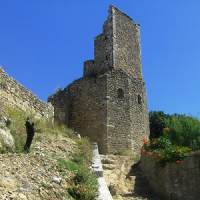
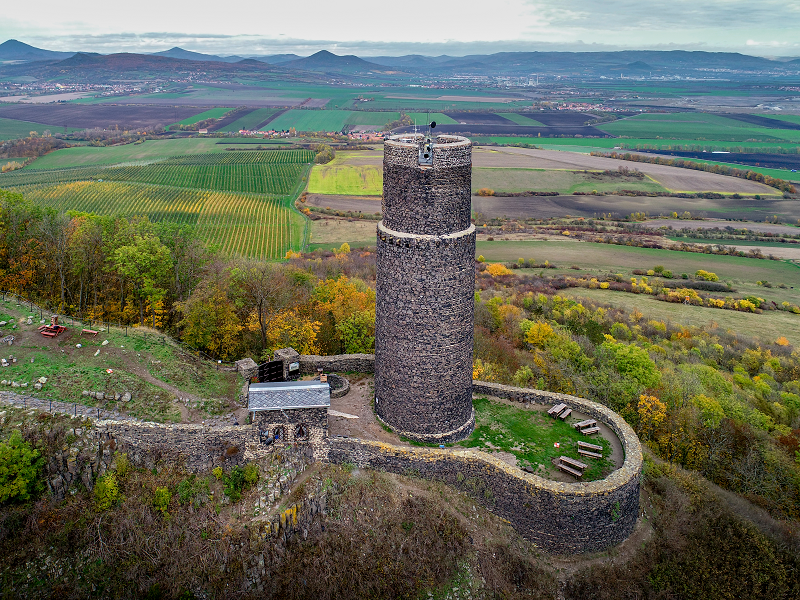
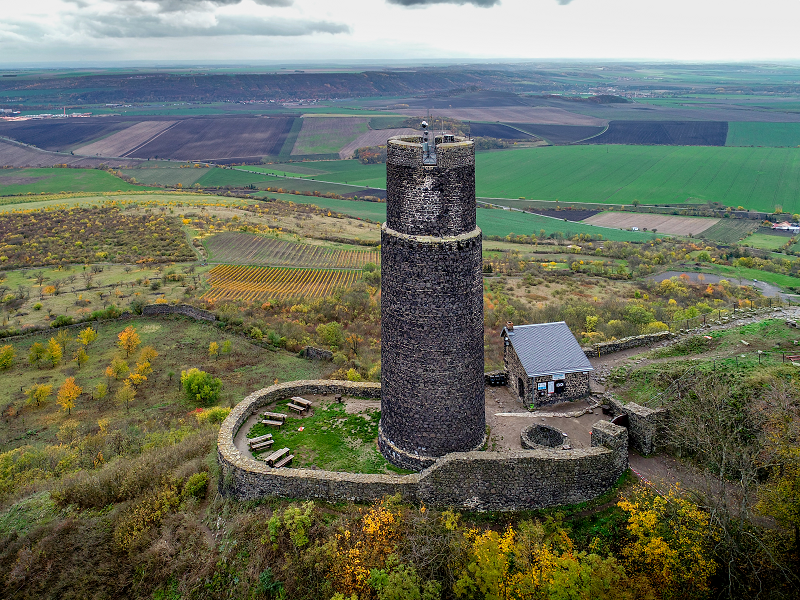
In the second half of the 15th century, the castle was owned by Zbyněk’s cousin Jan, a prominent member of the League of Zielona Góra (Zelená Hora League) who supported the Hungarian King Matthias Corvinus. In recognition of his loyalty, the king appointed him Chancellor of Bohemia. His grandson chose the more comfortable Budyně as his residence, so the uninhabited Házmburk—along with the settlement below the castle—began to fall into ruin. The path to the castle ascends the hill's northern slope to the remains of the first gate and continues to another gate in the eastern section. At the Lower Castle, the path winds around the oval, 25-meter-high Black Tower, constructed from local dark basalt. The tower served as a key defensive feature, accessible only via a suspended gallery on an upper level; at one time, it also functioned as a prison. The access path then leads to the castle's inner core, featuring the prismatic White Tower. It derives its name from the light-colored sandstone used for its upper section. However, the tower's base is made of basalt, the middle section of dressed sandstone, and only the summit of finely worked sandstone blocks. This indicates at least three construction phases, suggesting that the uppermost section might originally have been made of wood—a likely scenario, as the tower would otherwise not have risen above the surrounding curtain wall. Standing 26 meters tall, the tower is well worth climbing to the top for the magnificent view.
9 okt 2026
0
0