- Articles
- Weapons
- Armor
- Armor for horses
- Emperor Armor
- Chivalry
- Chivalry
- Knights castle
- Knights tournament
- The Crusades
- Knightly Orders
- Knightly saddle
- Knightly motto
- Great Knights
- Price of armor
- Children's armor
- Castles and fortresses
- Museums of armor and weapons
- Coats of arms and heraldry
- Routes and excursions
- Guides


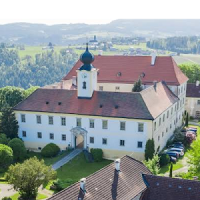
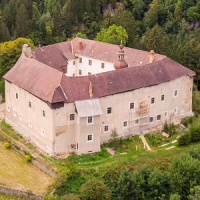
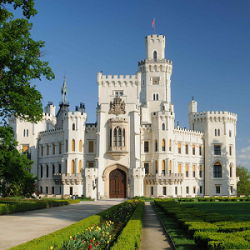
Hluboka Castle
Státní zámek Hluboká
Information on the website. Weekend: Information on the website
Adult - 300CZK, Children's (0-5) - Free, Children's (6-17) - 90CZK, Students - 240CZK, Pensioners - 240CZK
www.zamek-hluboka.eu
Zámek 142, 373 41 Hluboká nad Vltavou, Jihočeský kraj, Česká republika
49.051138, 14.441594 View map
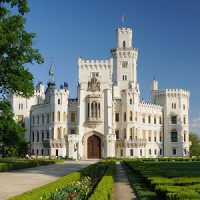
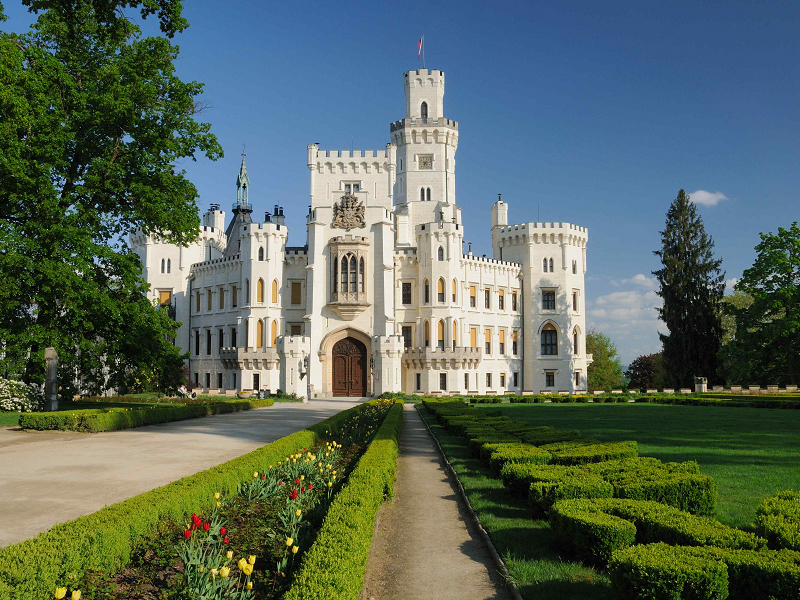
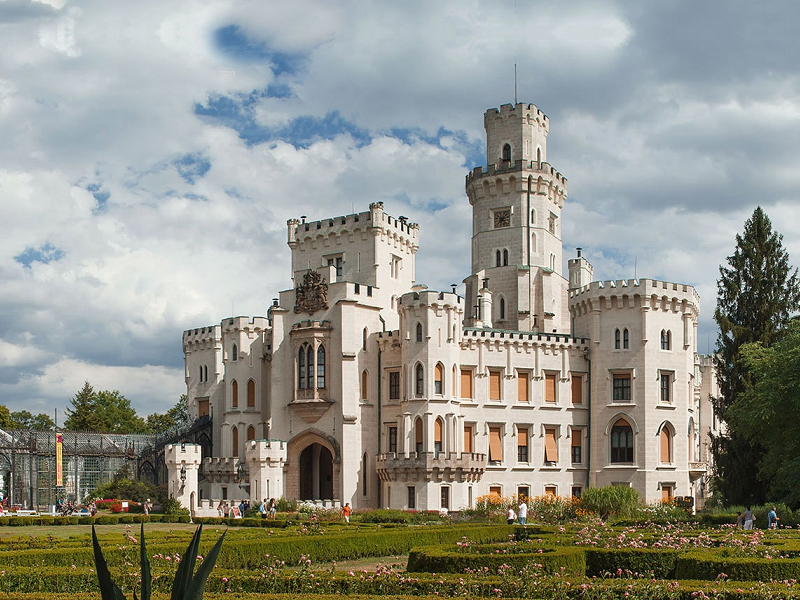
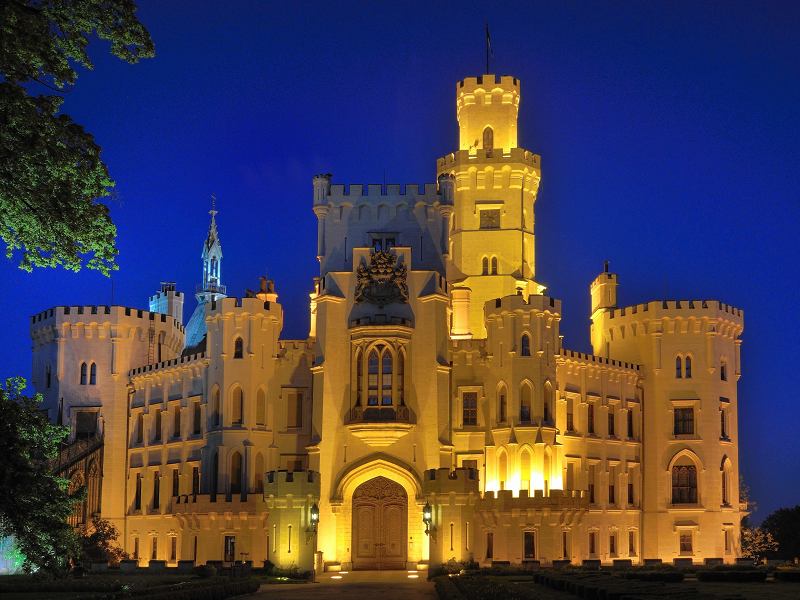
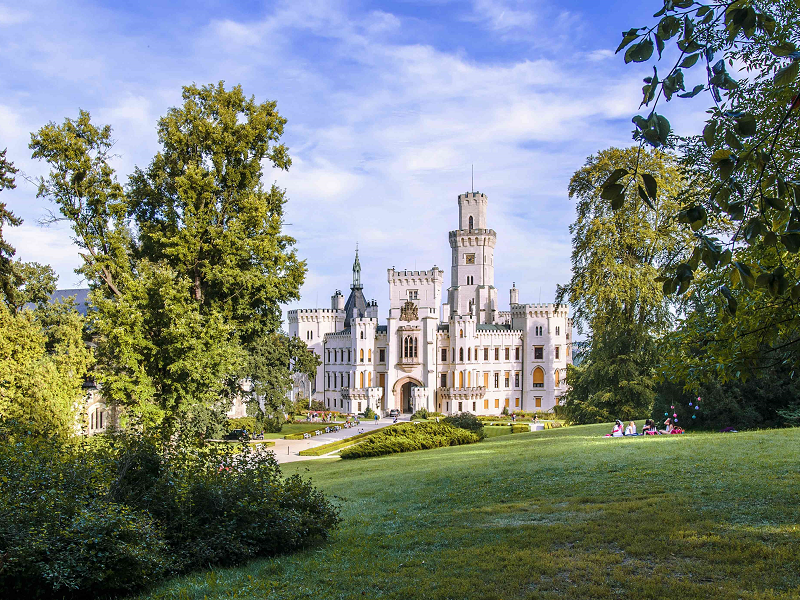
Hluboka Castle - Státní zámek Hluboká, Hluboka nad Vltavou, South Bohemian Region, Czech Republic.
Hluboká Castle was originally founded as a watch castle in the mid-13th century by Czech kings; as royal property, it was frequently pledged as security for loans. Several noble families held the estate over the years. Notable among them were the Pernštejns, who in 1490 established the nearby Bezdrev fishpond—the second-largest in Bohemia by surface area. The prominent noble House of Hradec purchased the Hluboká estate in 1561. Two years later, the new owners had the original Gothic castle remodeled into a Renaissance château. By the end of the 16th century, the Malovec family of Malovice had become the owners; however, as Protestants, they lost the property in 1619. Four years later, the Spanish general Don Baltazar de Marradas acquired the estate from Emperor Ferdinand II of Habsburg as compensation for war-related claims. In 1661, Jan Adolf I Schwarzenberg purchased Hluboká from Marradas's nephew.
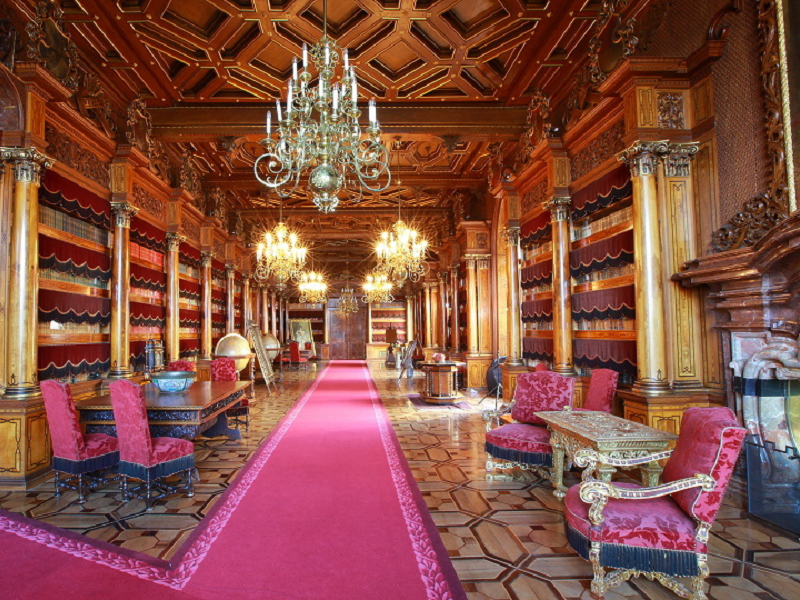
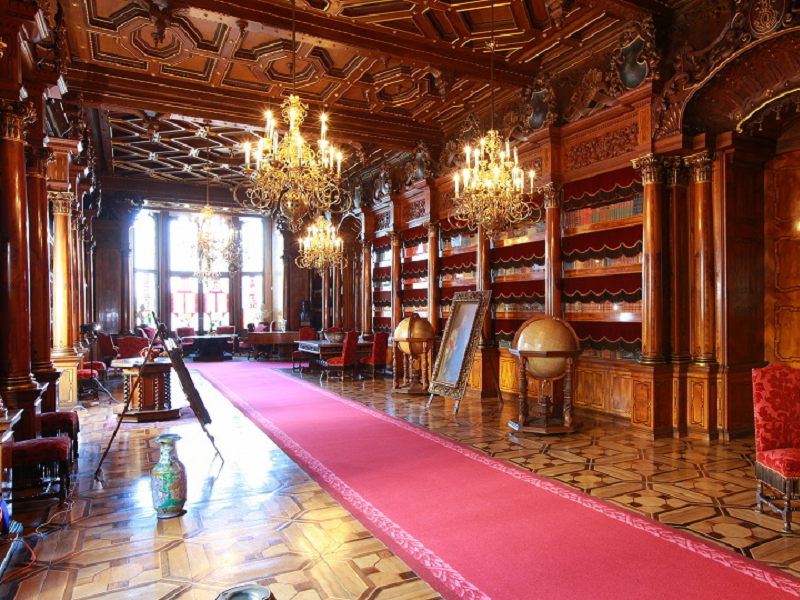
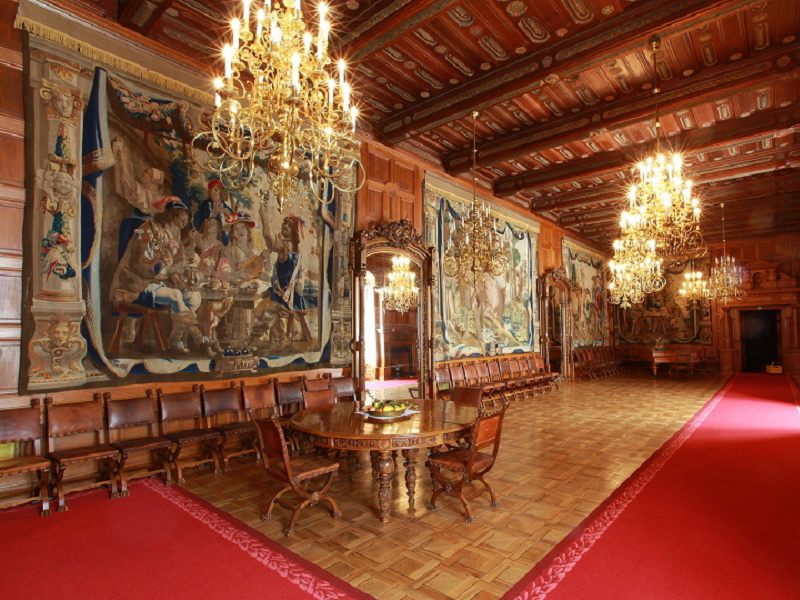
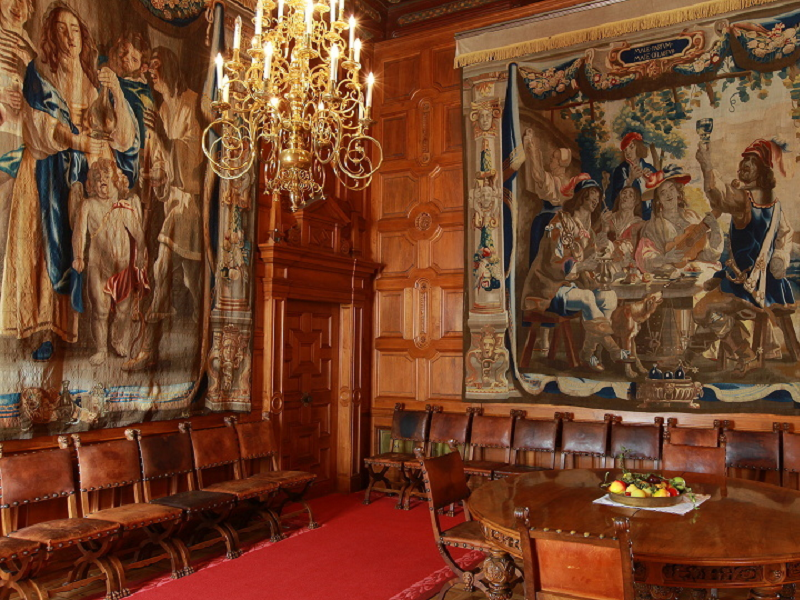
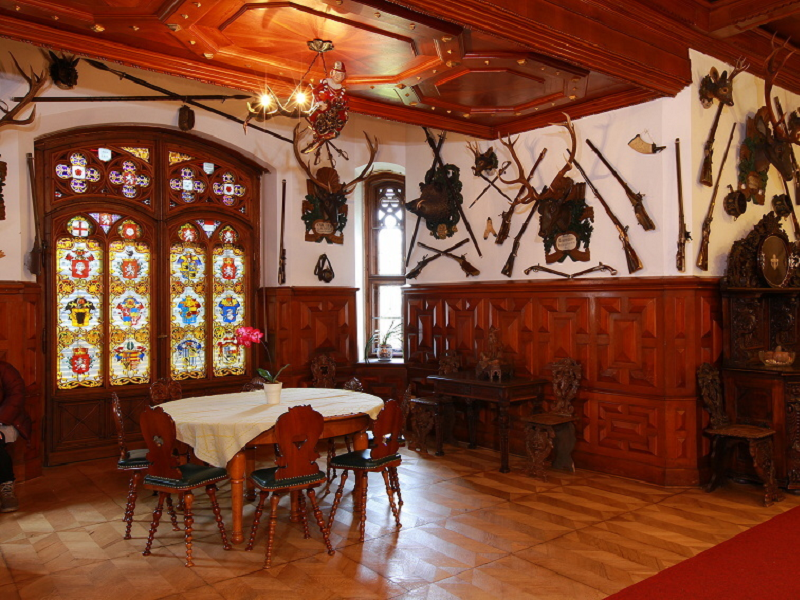
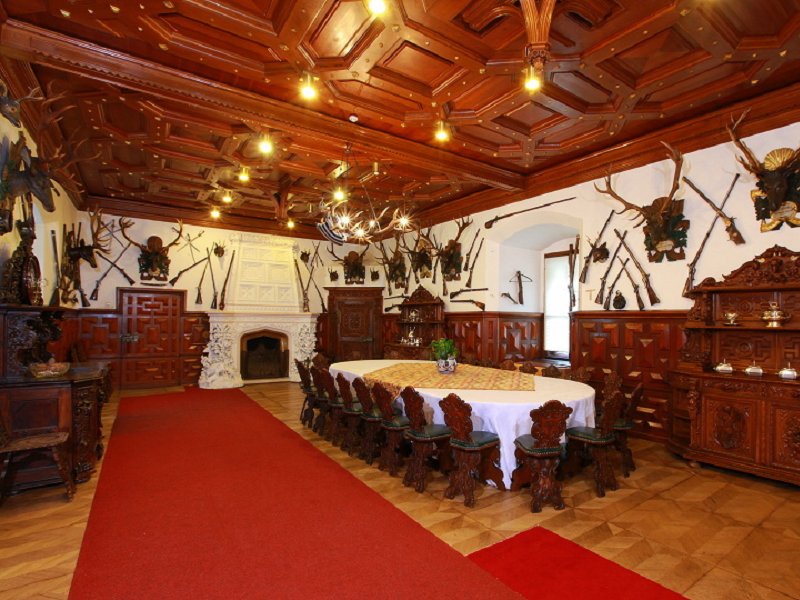
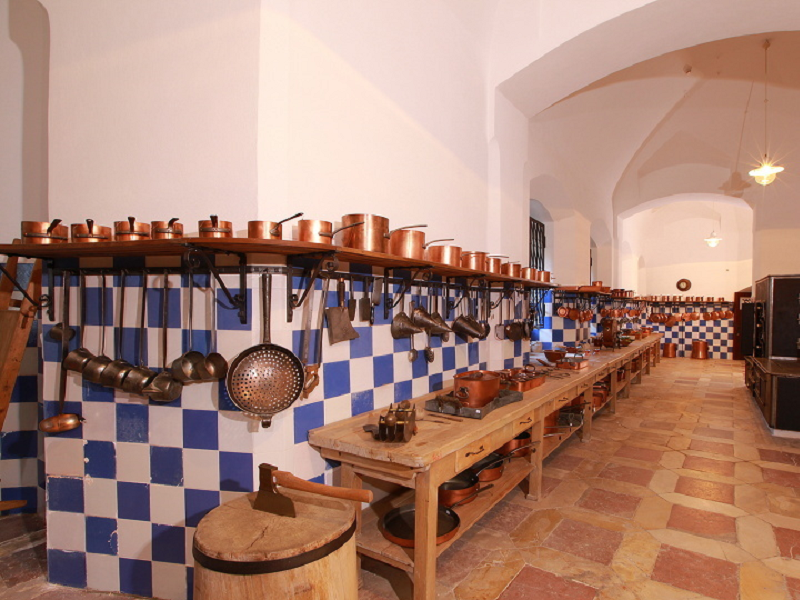
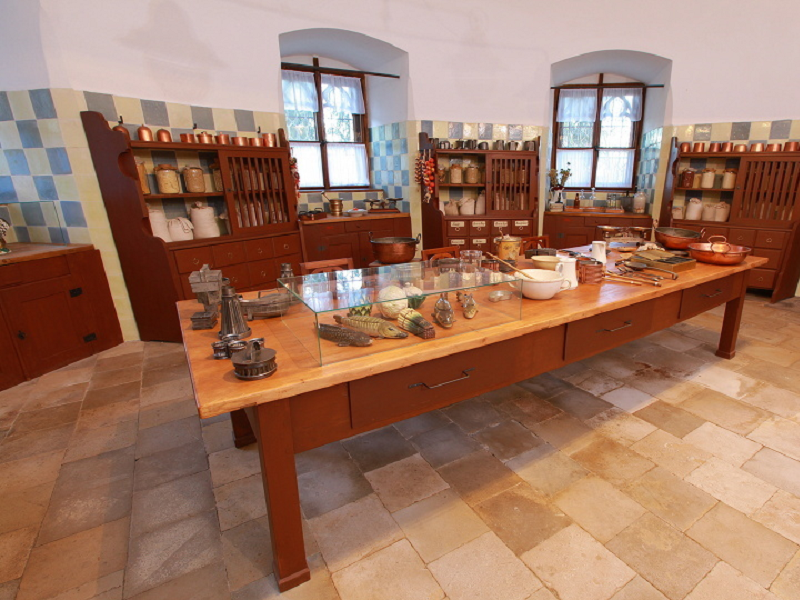
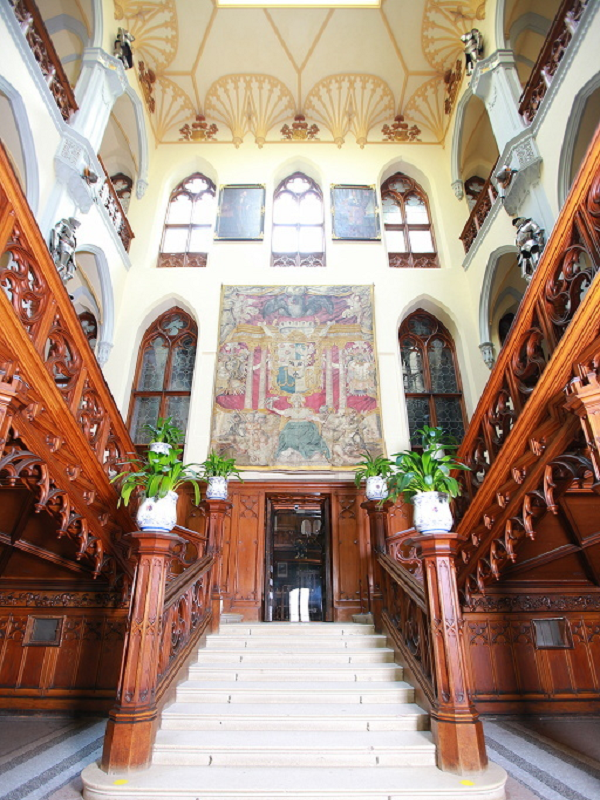
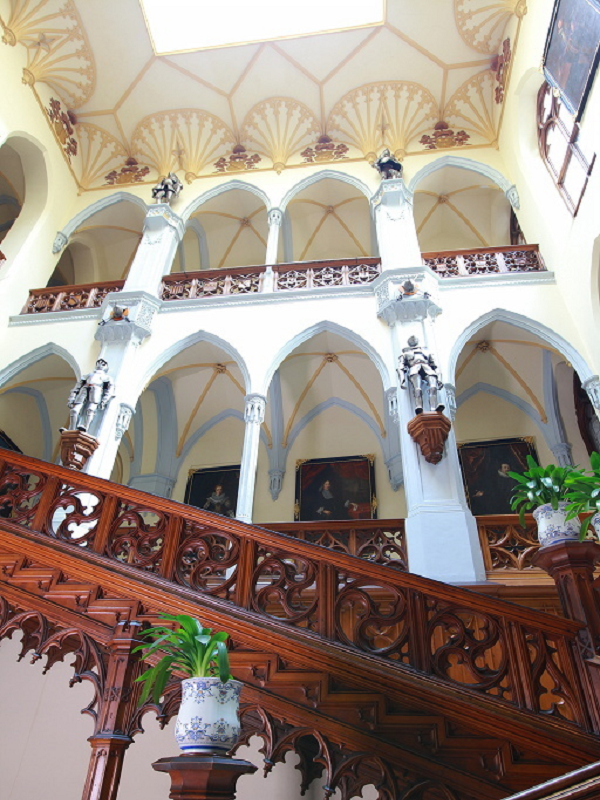
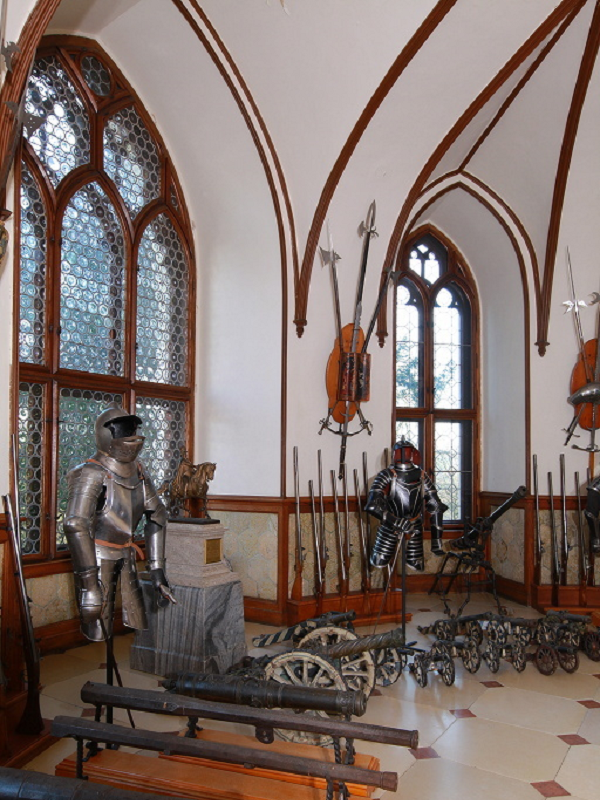
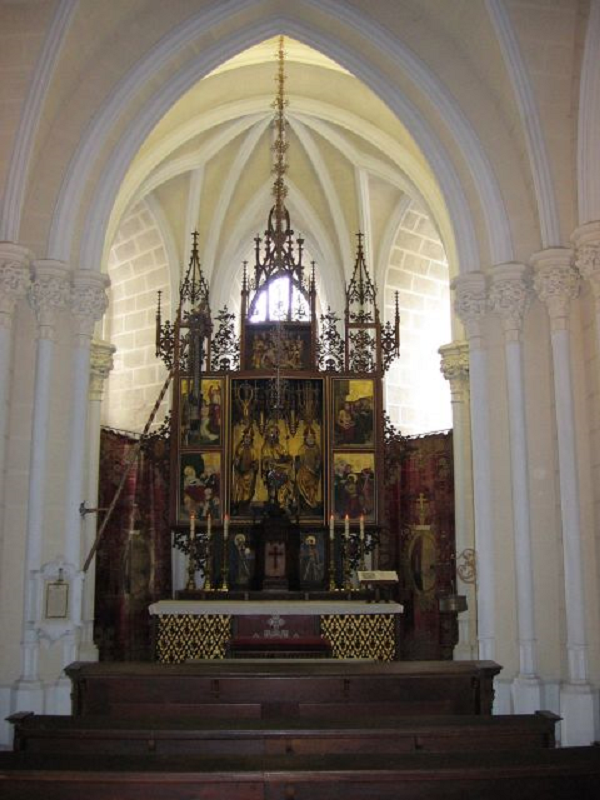
The Schwarzenbergs resided at Hluboká until the end of 1939, when the last owner, Dr. Adolf, emigrated overseas to escape the Nazis. They definitively lost their property in 1947 through a special piece of legislation known as the "Lex Schwarzenberg." Thanks to their well-managed assets and extensive economic activities, the Schwarzenbergs remodeled the castle twice: first in the Baroque style in the early 18th century, and later—between 1840 and 1871—through an extensive reconstruction in the Romantic Neo-Gothic style, which also included landscaping the park and surrounding area. It was remodeled under the influence of trips to England undertaken by its then-owner, Prince Johann Adolf II of Schwarzenberg, and his wife, Princess Eleonora (née Princess of Liechtenstein). The primary model for the project was Windsor Castle. The reconstruction began based on plans by the Viennese architect Franz Beer; following his death, the Schwarzenberg master builder Damasius Deworetzky took over, focusing primarily on the design of the opulent interiors.
19 sen 2026
0
0