- Articles
- Weapons
- Armor
- Armor for horses
- Emperor Armor
- Chivalry
- Chivalry
- Knights castle
- Knights tournament
- The Crusades
- Knightly Orders
- Knightly saddle
- Knightly motto
- Great Knights
- Price of armor
- Children's armor
- Castles and fortresses
- Museums of armor and weapons
- Coats of arms and heraldry
- Routes and excursions
- Guides


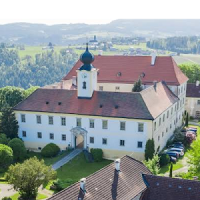
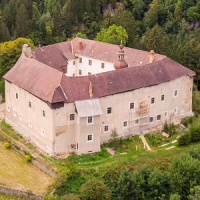
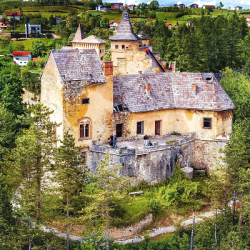
Ostrozac Castle
Stari grad Ostrožac
Mo-Su 09.00-19.00. Weekend: No
Adult - 5BAM
M4.2, Ostrožac na Uni, Unsko-sanski kanton, Federacija Bosne i Hercegovine, Bosna i Hercegovina
44.905210, 15.937271 View map
Ostrozac Castle - Stari grad Ostrožac, Ostrozac na Uni, Una-Sana Canton, Federation of Bosnia and Herzegovina, Bosnia and Herzegovina.
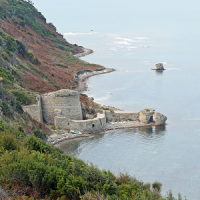
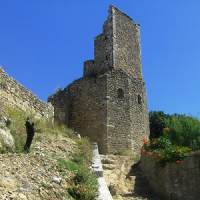
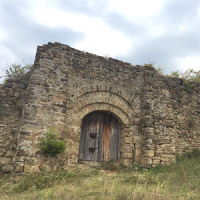
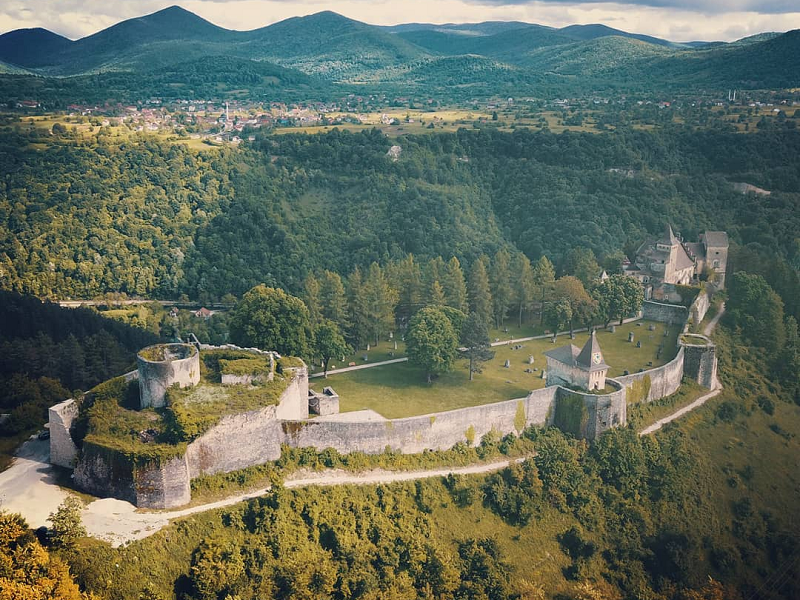
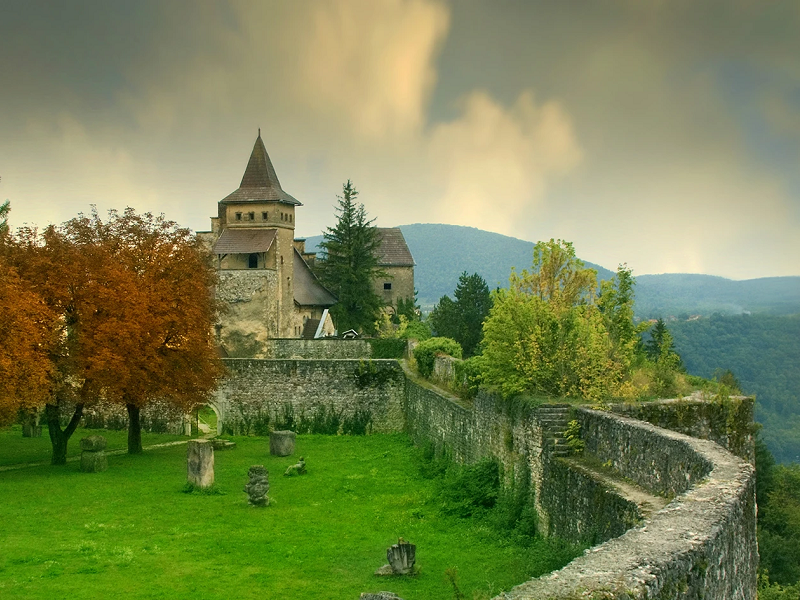
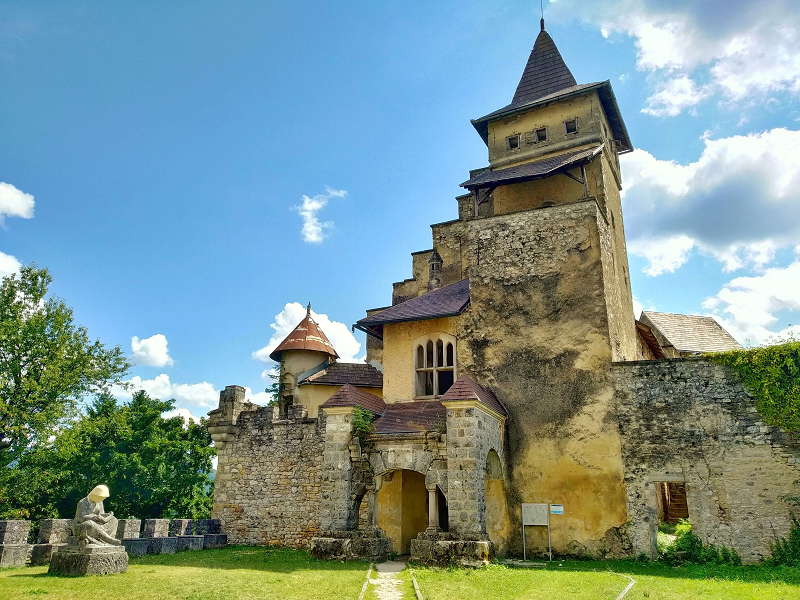
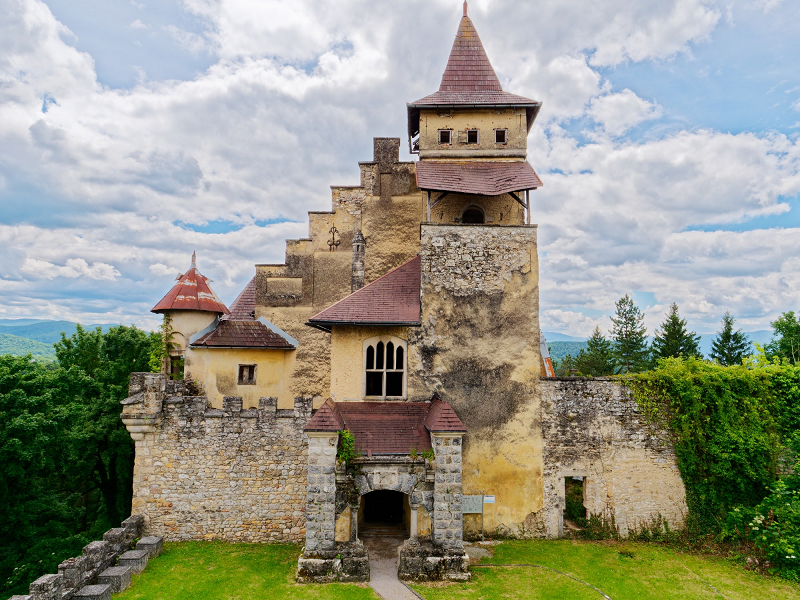
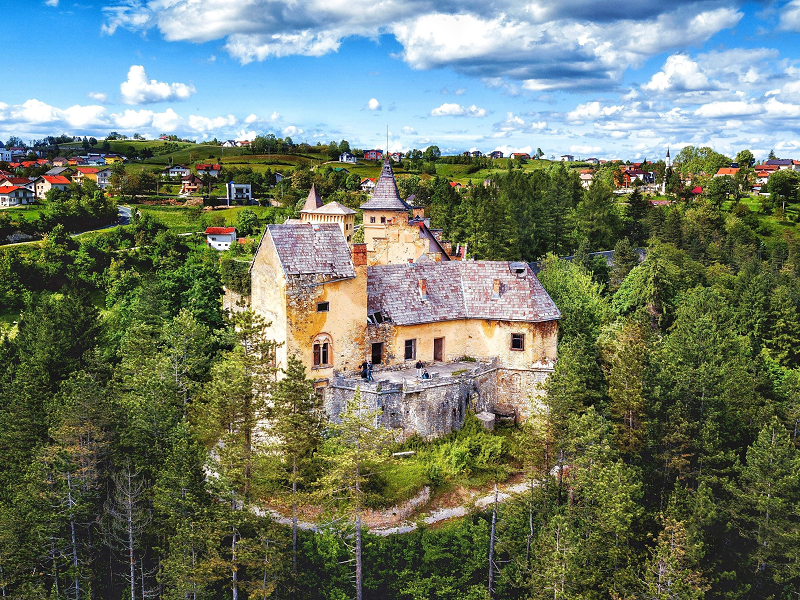
The old town of Ostrožac, located on a rock dominating the Una canyon, at about 379 meters above sea level, is one of the symbols of the Bosanska Krajina region and is certainly one of the most famous old towns in Bosnia and Herzegovina. Although it is assumed that there was a settlement on this site as early as the Early Iron Age, its history can be reliably traced back to the Middle Ages. The oldest written record of Ostrožac dates back to 1321, when the princes of Blagaj Babonići bought the town from the Zagreb Chapter. After the Babonići, the town came under the rule of the Hrvatinići, and later in 1395, the Hungarian King Sigismund gave Ostrožac to Ban Vuk Vukčić Hrvatinić. In the following centuries, Ostrožac went through various ownership changes between the Babonići and other noble families. Ottoman rule was definitively established in 1578 under Ferhad-beg Sokolović, after which Ostrožac became part of the Ostrožac Captaincy. The most famous captain's family is the Beširević, who ruled Ostrošac for over 200 years. Osman-aga Beširević expanded the fort and built a captain's residence, known as the bey's residence, on the site of the present castle. At the beginning of the 20th century, during the Austro-Hungarian administration in Bosnia and Herzegovina, Isabella von Berks used her dowry to buy Ostrožac from Mehmed-beg Beširević, a descendant of the Ostrožac captains, and built a romantic, secluded castle there (1900-1902). The Ostrožac fort was thoroughly restored. This castle, built in the neo-Gothic style, is the only preserved castle in Bosnia and Herzegovina. The castle was luxuriously furnished with a large number of rooms, including a library and a music room. In 1933, the Berks family went to live in Slavonia, while using the castle in Ostrošac as a place for rest and entertainment. During World War II, during the famous Bihać Republic (1942-1943), Ostrožac was the headquarters of the Supreme Headquarters of the People's Liberation Army. In January 1943, the supreme commander of the Yugoslav partisans, Josip Broz Tito, stayed in the castle. The writer Vladimir Nazor stayed with Tito in Ostrožac at the beginning of January 1943 and wrote his well-known diary "With the Partisans". Tito visited Ostrožac once again, in 1966. The sculptors' colony "Ostrožac", which has been operating since 1967, marked a new era in the history of the fortress and gave birth to a kind of "open-air gallery", unique in this region. For almost 60 years, artists and sculptors from all over the world have been visiting Ostrožac and carving their works there from the indigenous stone of this region - bihacite. The result is a collection of over 130 sculptures that are placed in the natural surroundings of the Ostrožac fortress. Architecturally, Ostrožac stretches in an east-west direction, with a length of about 185 meters and a varying width. Special features include a capi-tower, a circular defense tower with a dragon relief, a well and a neo-Gothic castle that further enriched the appearance of the city. The old town of Ostrožac was declared a national monument of Bosnia and Herzegovina in 2013. The national monument consists of: a medieval fort, a fort from the Ottoman period, the castle of Lothar von Berks and a collection of sculptures.
Sourse: ckt.ba/nacionalni-spomenici/
5 sen 2026
0
0