- Articles
- Weapons
- Armor
- Armor for horses
- Emperor Armor
- Chivalry
- Chivalry
- Knights castle
- Knights tournament
- The Crusades
- Knightly Orders
- Knightly saddle
- Knightly motto
- Great Knights
- Price of armor
- Children's armor
- Castles and fortresses
- Museums of armor and weapons
- Coats of arms and heraldry
- Routes and excursions
- Guides


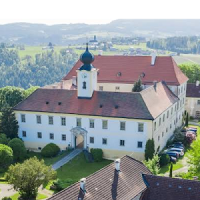
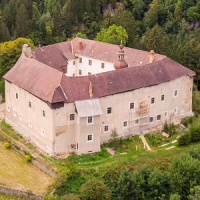
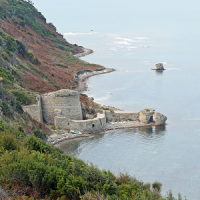
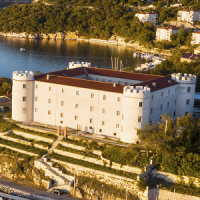
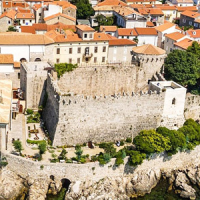
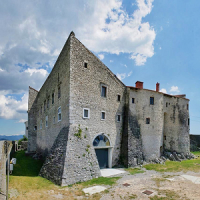
Frankopan Novi Vinodolski Castle
Kaštel Frankopanski Novi Vinodolski
51250, Novi Vinodolski, Primorsko-goranska županija, Republika Hrvatska
45.128577, 14.789147 View map
Frankopan Novi Vinodolski Castle - Kaštel Frankopanski Novi Vinodolski, Novi Vinodolski, Primorje-Gorski Kotar County, Republic of Croatia.
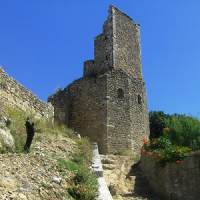
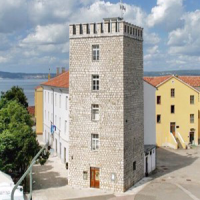
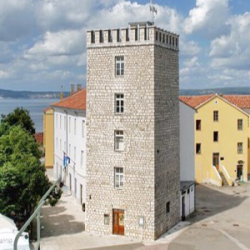
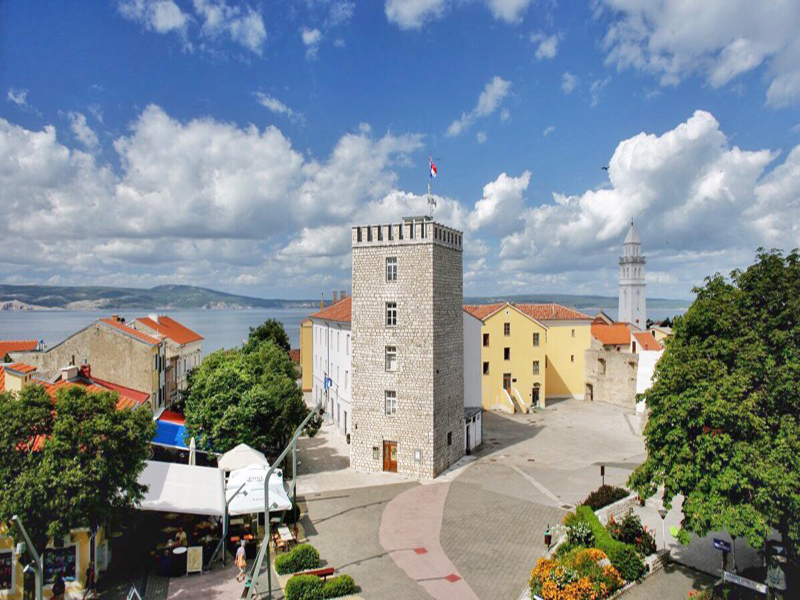
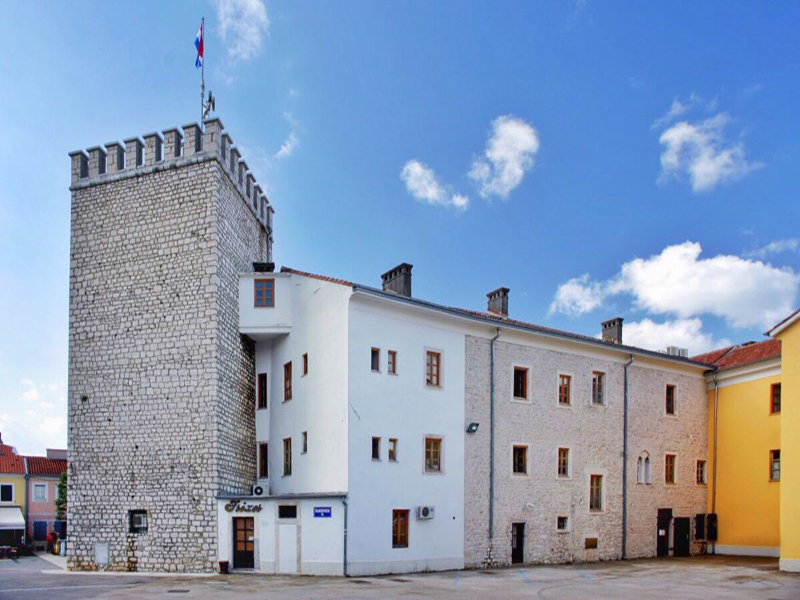
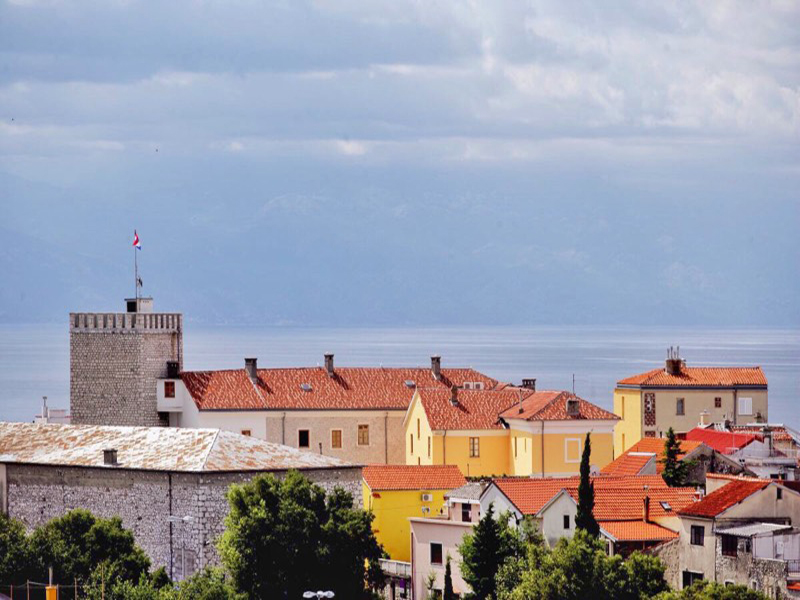
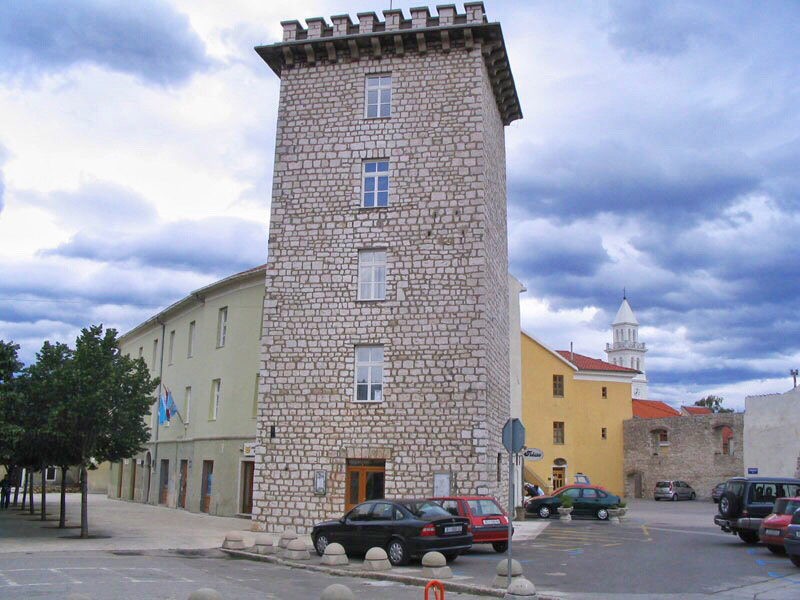
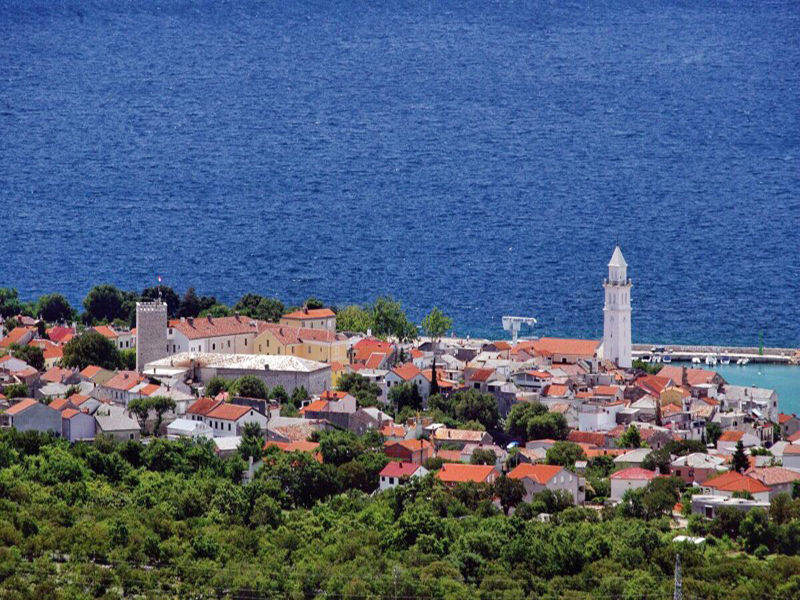
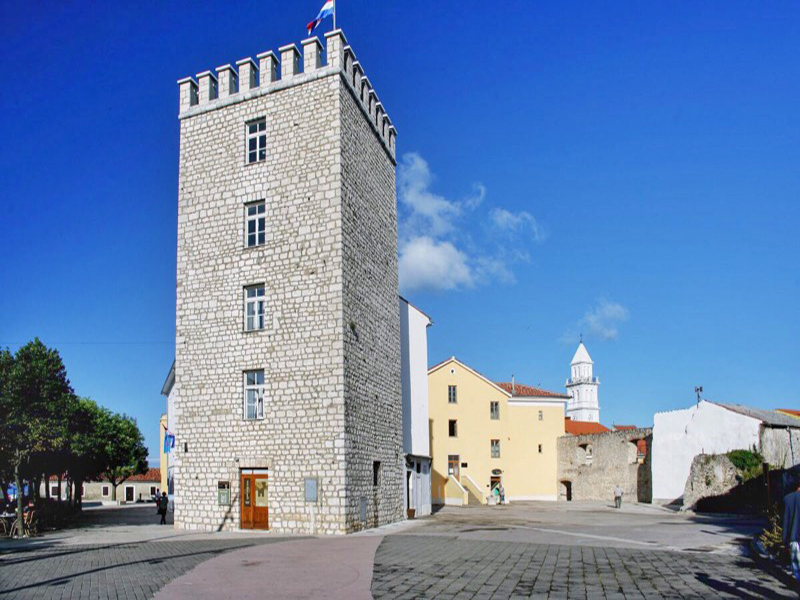
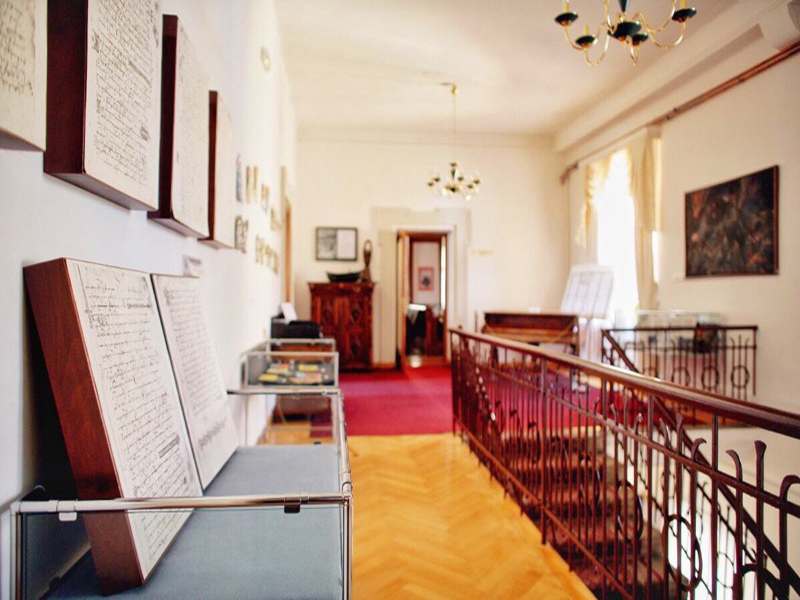
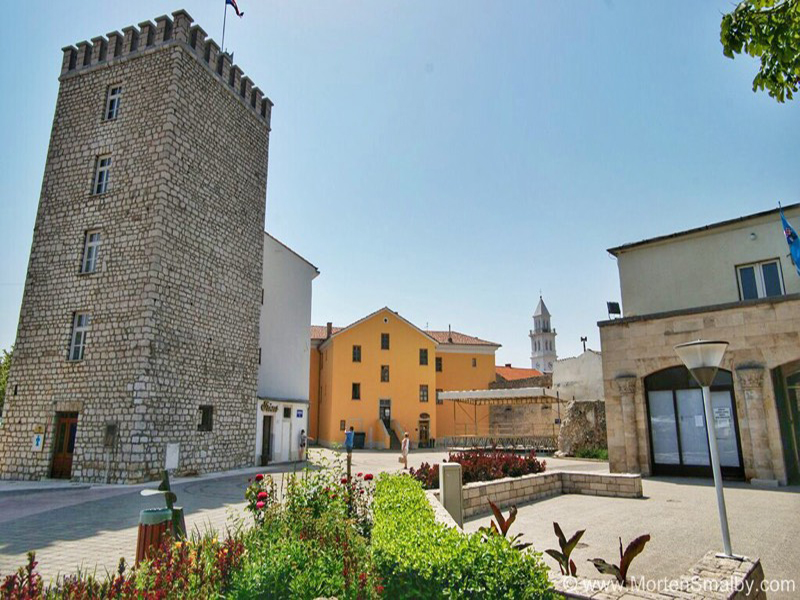
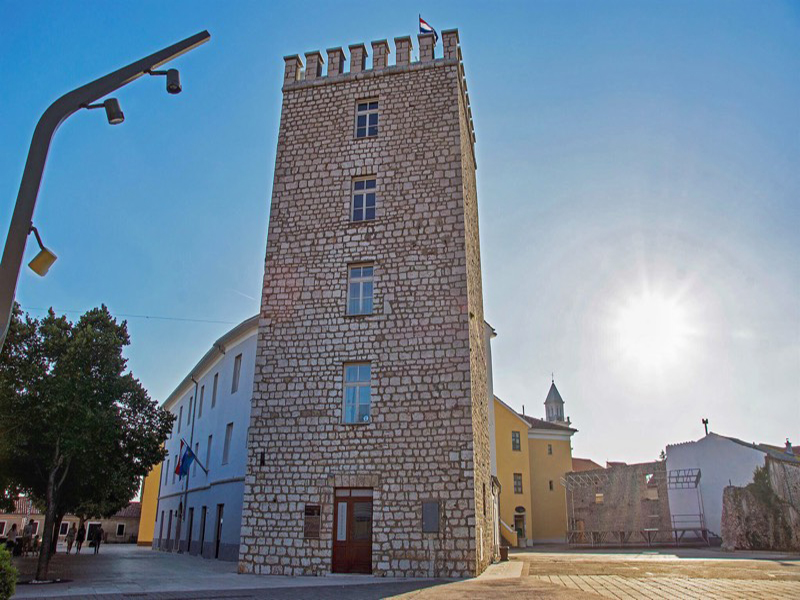
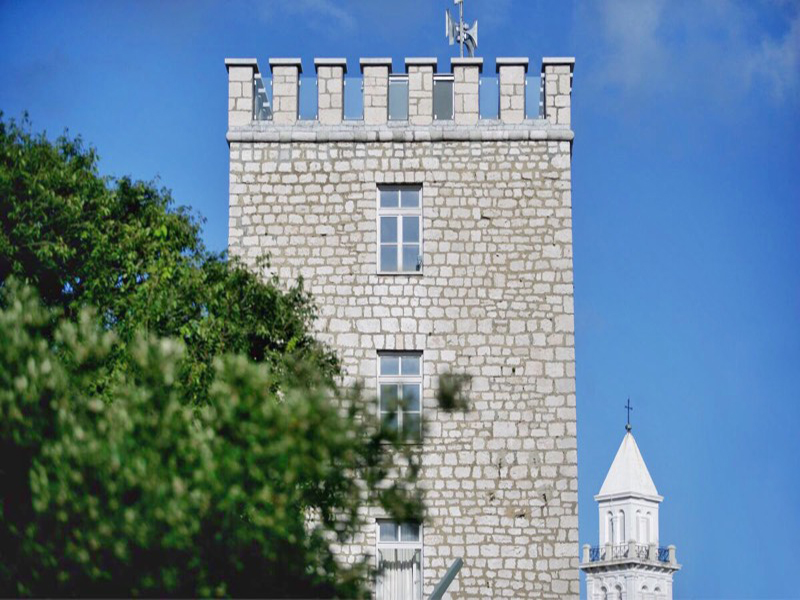
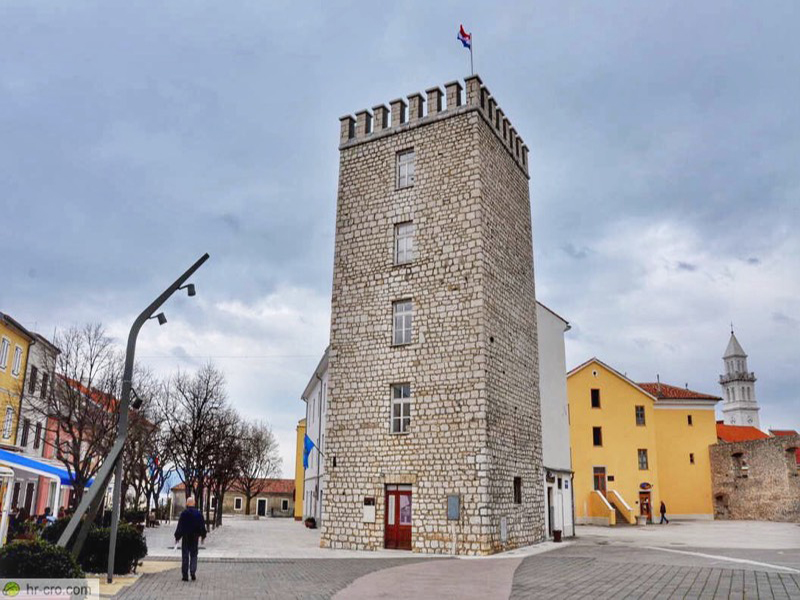
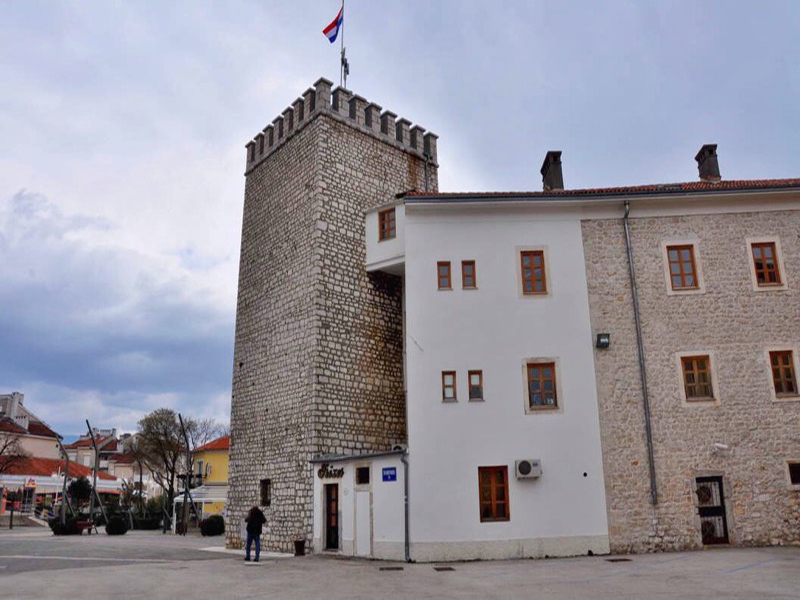
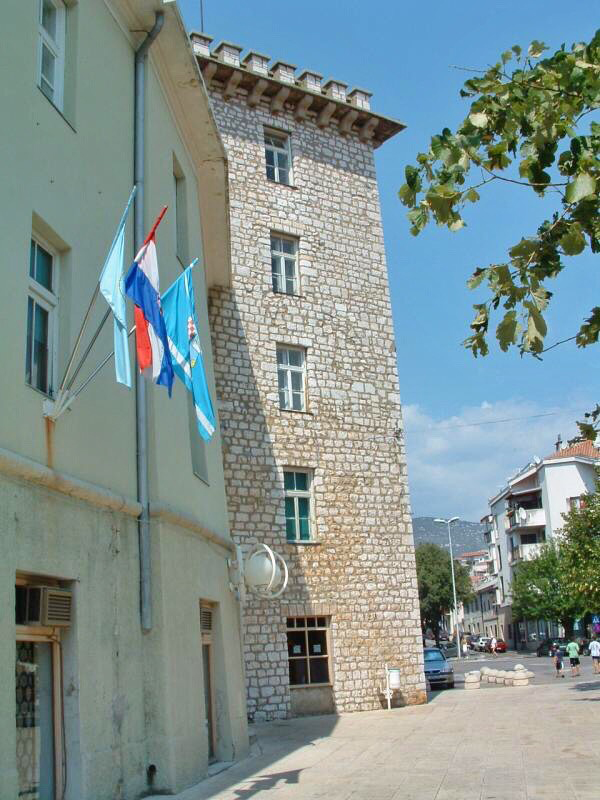
Only one tower remains of the once imposing castle in Novi Vinodolski. It was here, on January 6, 1288, that one of the most important medieval European documents, the Vinodol Law, was adopted. It is particularly noteworthy that it was drafted by representatives of nine Vinodol towns and regions. The castle's mention in the Vinodol Law is the first documented reference, but its exact construction date is unknown, and no precise date has been recorded.
The castle, with its square tower, became the center of the entire Vinodol principality. Soon, all the problems of the nine surrounding, also well-fortified towns, were resolved within the castle.
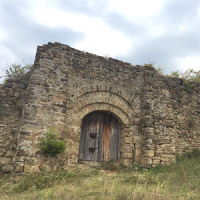
The castle was surrounded by double walls with a long, narrow courtyard and included an administrative building and two towers—a round one, known as Rondel, and a square one. Between the towers was the main wing of the castle, which was used for residential purposes. The courtyard contained a water reservoir and arched columns. The castle in Novi Vinodolski was one of the strongest and most durable strongholds. During the Ottoman conquest, Bishop Christopher found refuge here.
After the execution of Frankopan and Petar Zrinski in 1671, their estates were transferred to feudal lords. Then, in 1692, the Hungarian Chamber of Commerce sold the castle to Austria. Austrians began living in the castle in 1749.
In 1750, a major earthquake struck, severely damaging the fortress. In 1761, the decision was made to demolish more than half of the castle's buildings to save money on repairs. A monument constructed from stones from the ruined castle stands in the main square, next to which the castle stands. These stones most likely once formed the fortress's round tower.
10 sen 2026
0
0