- Articles
- Weapons
- Armor
- Armor for horses
- Emperor Armor
- Chivalry
- Chivalry
- Knights castle
- Knights tournament
- The Crusades
- Knightly Orders
- Knightly saddle
- Knightly motto
- Great Knights
- Price of armor
- Children's armor
- Castles and fortresses
- Museums of armor and weapons
- Coats of arms and heraldry
- Routes and excursions
- Guides


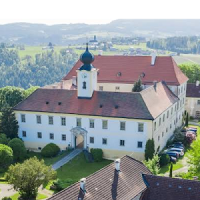
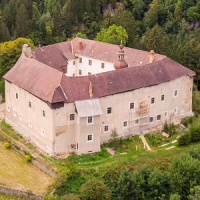
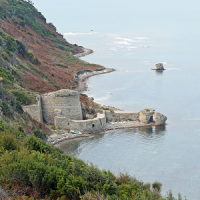
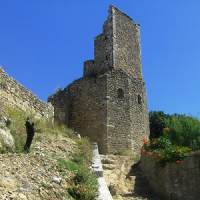
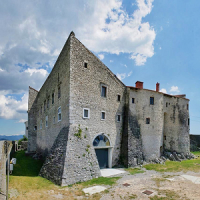
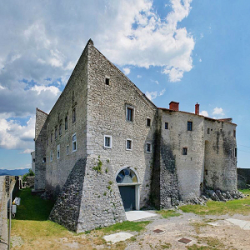
Frankopan Grobnik Castle
Kaštel Frankopanski Grad Grobnik
Grobnik, 51219, Čavle, Primorsko-goranska županija, Republika Hrvatska
45.371334, 14.460848 View map
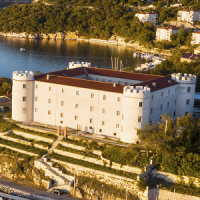
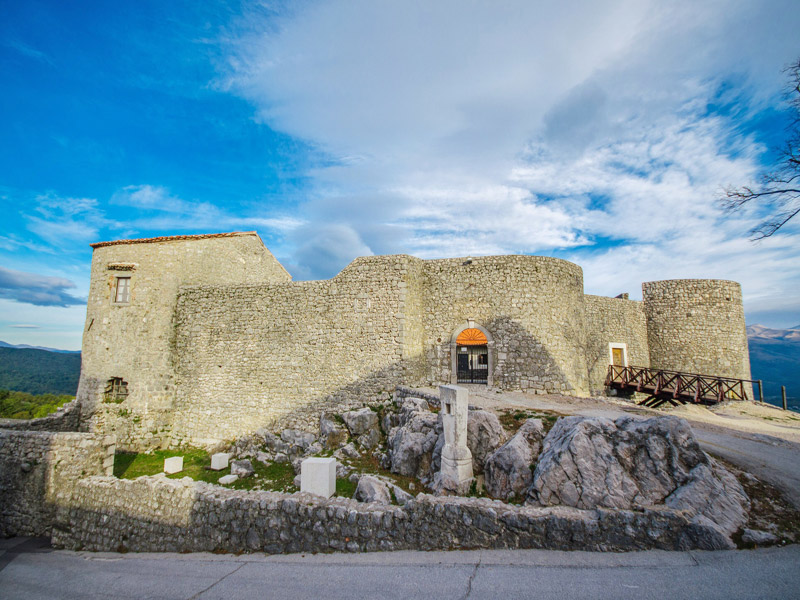
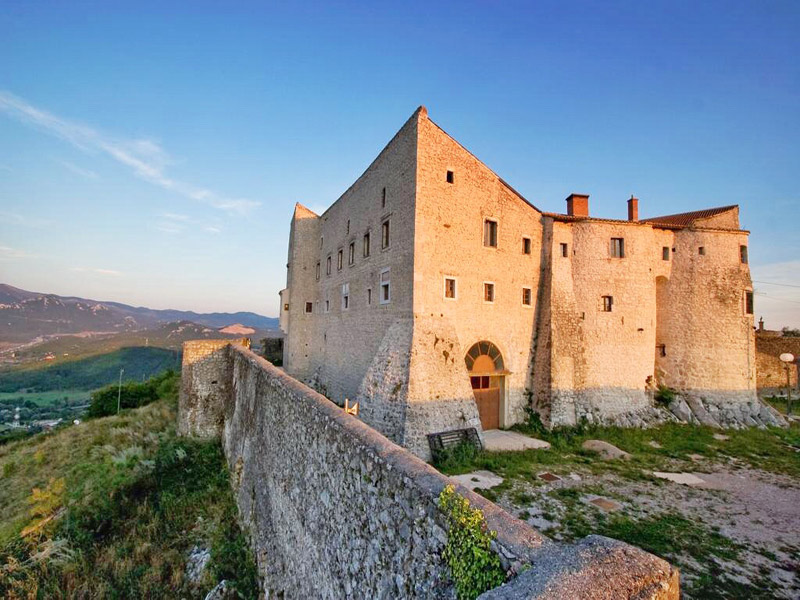
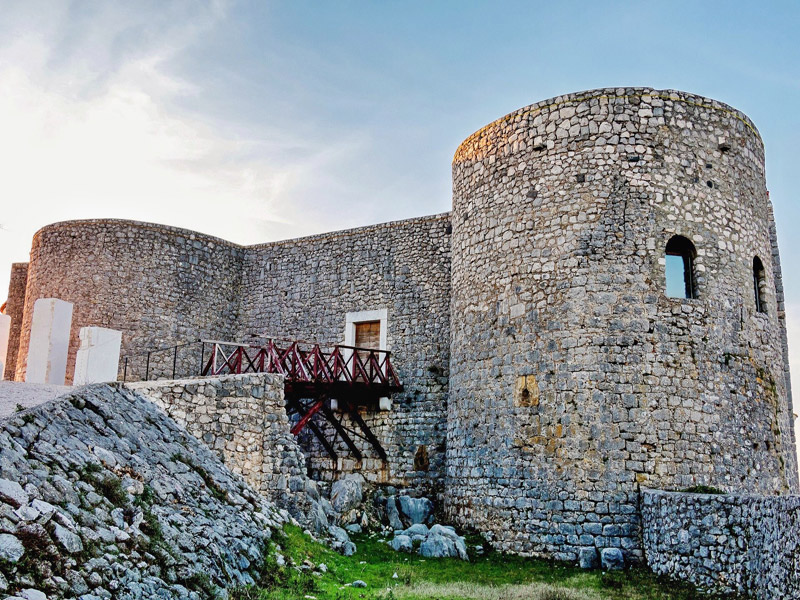
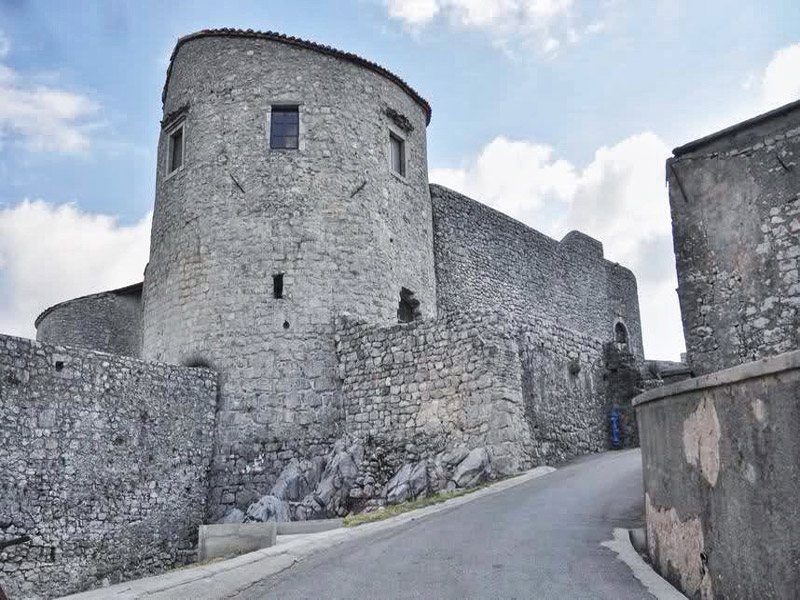
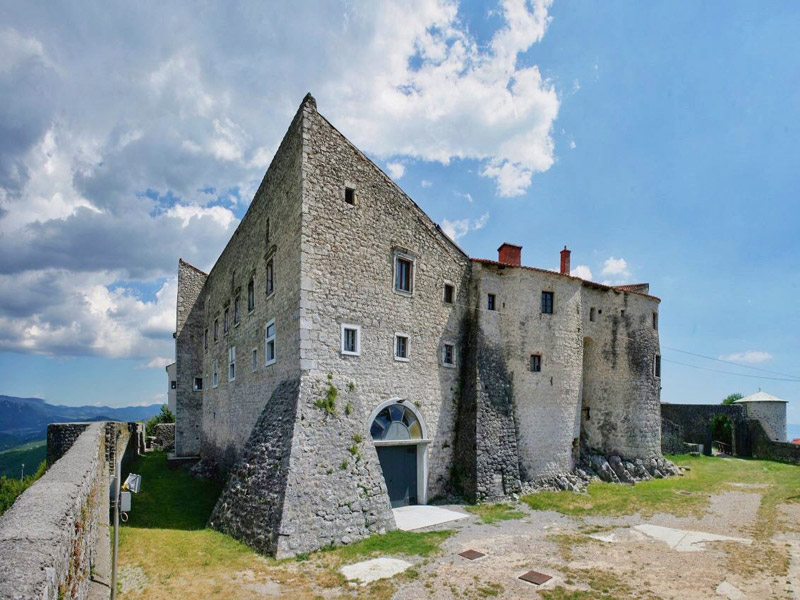
Frankopan Grobnik Castle - Kaštel Frankopanski Grad Grobnik, Grobnik, Primorje-Gorski Kotar County, Republic of Croatia.
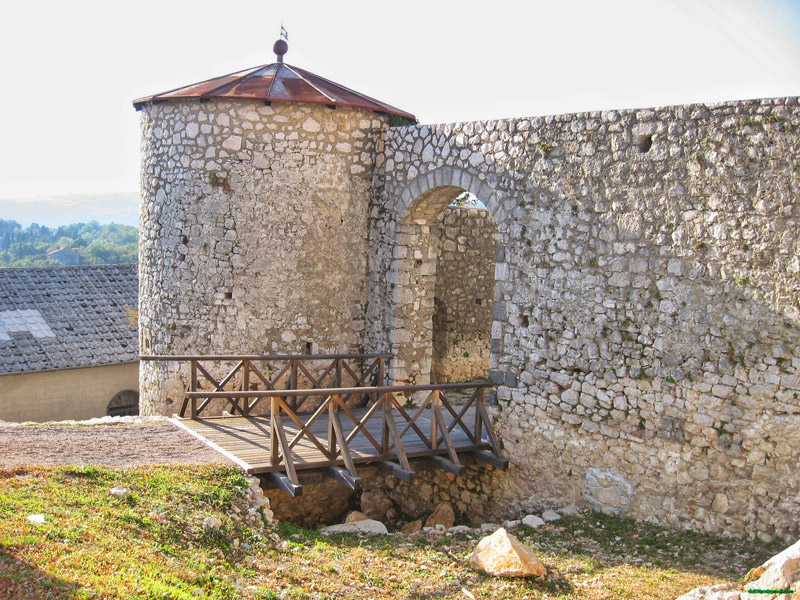
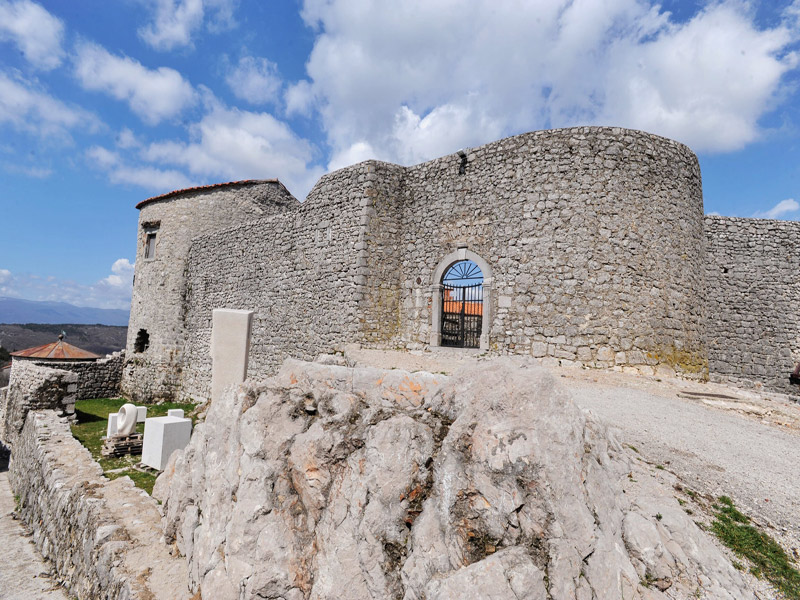
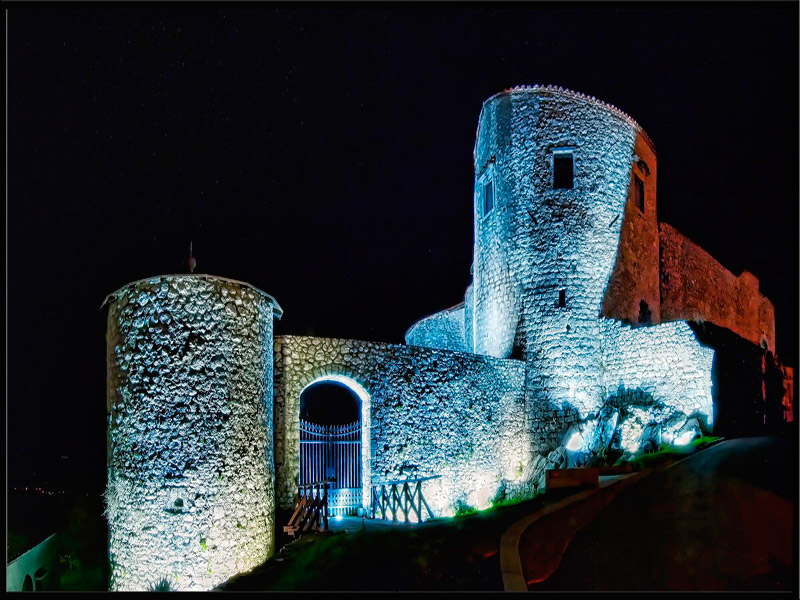
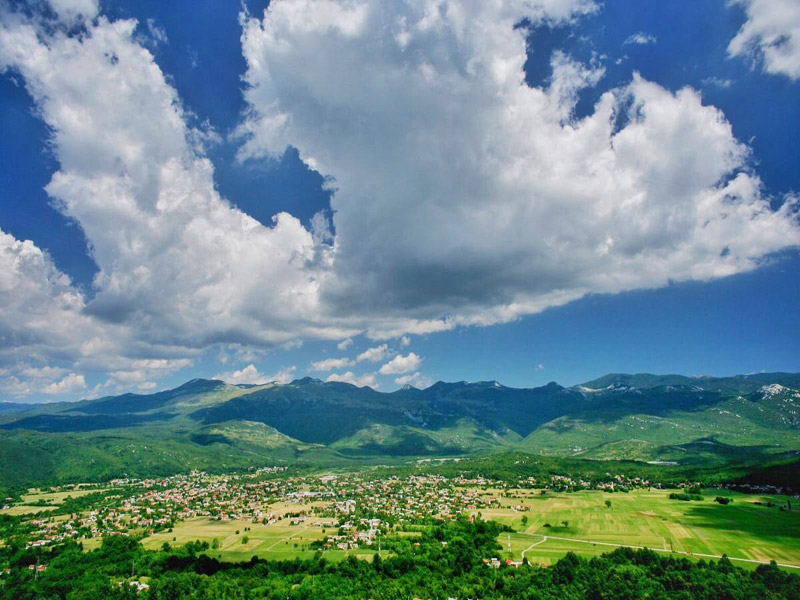
The fortified castle of Grobnik was built in the early Middle Ages on a strategic location at an altitude of 466 meters. Previously, these lands were ruled by the Illyrians, Romans, Goths, and Franks. In the 10th century, the castle became part of the Croatian lands, and in 1225 it came into the possession of the Counts of Krk, who later became the powerful Frankopan family.
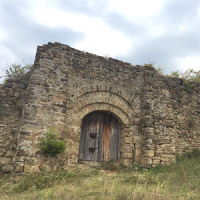
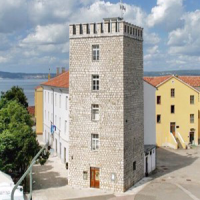
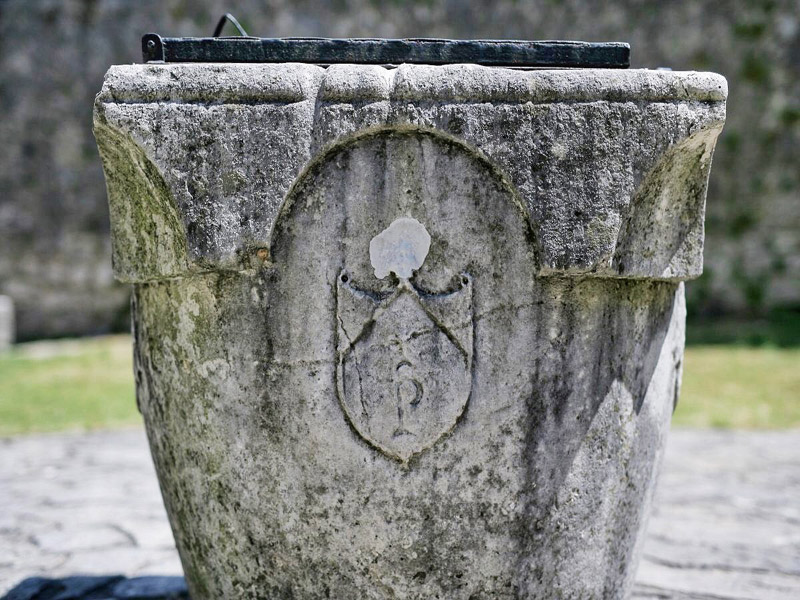
The name Grobnik and its members were mentioned in 1288 in the Vinodol Codex. Its oldest part is the southwestern tower with the former Chapel of St. Helena on the ground floor, where Romanesque and Gothic elements are visible. From the 15th to the 18th centuries, the castle was expanded and modernized, particularly during the reign of the Frankopans and Petar Zrinski. The castle's central plan is a triangle with towers at the corners. The outer ring of fortifications was reinforced with towers and half-towers, of which only the southwestern ones remain today. In the castle's arcaded courtyard, there is a spring well bearing the Frankopan coat of arms from the 15th century. At the highest point near the castle stands the parish church with a tall bell tower, dominating the village.
In the 14th and 15th centuries, military battles with the Ottoman Empire took place in this region. In 1493, the Turks defeated the Croatian army at the Battle of Krbava Field, but Count Bernardin Frankopan, who owned Grobnik, managed to preserve and save it.
After the failure of a conspiracy against the Austrian crown and the execution of its instigators, Grobnik was handed over to the Hungarian Chamber and plundered.
A folk legend is associated with the castle: one of the Frankopan counts fell in love with a beautiful village girl, Lucy, who rejected him, unwilling to live in the castle with him. When he ordered a guard to bring her by force, Lucy fled. Fleeing pursuit, she climbed the cliffs and, finding there was no further way, threw herself into the abyss. The spot from which she leaped is still called "Lucinski vir" ("Lucy's Spring").
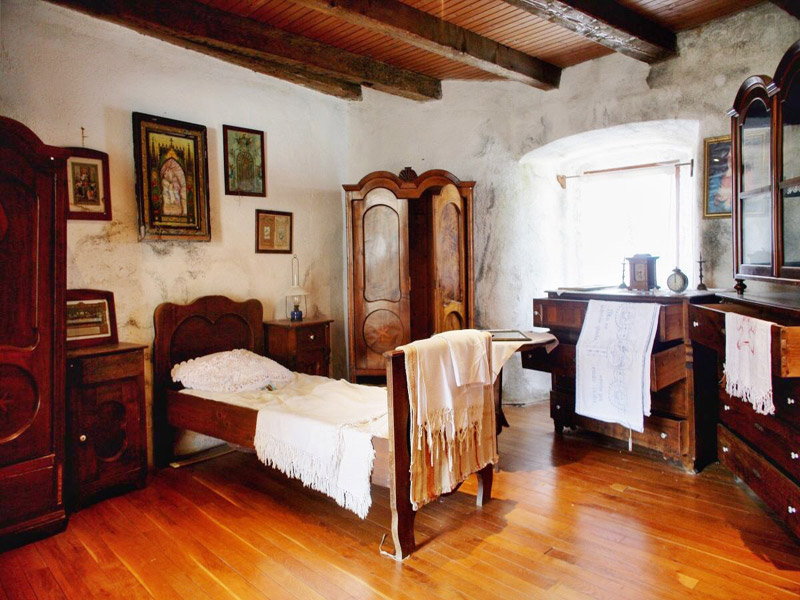
The castle now houses an ethnographic museum and a contemporary art gallery. The premises are used throughout the year for various cultural events.
10 sen 2026
0
0