- Articles
- Weapons
- Armor
- Armor for horses
- Emperor Armor
- Chivalry
- Chivalry
- Knights castle
- Knights tournament
- The Crusades
- Knightly Orders
- Knightly saddle
- Knightly motto
- Great Knights
- Price of armor
- Children's armor
- Castles and fortresses
- Museums of armor and weapons
- Coats of arms and heraldry
- Routes and excursions
- Guides


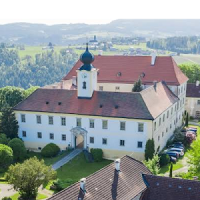
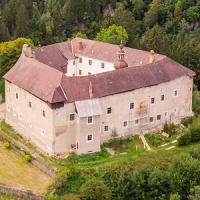
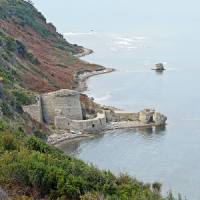
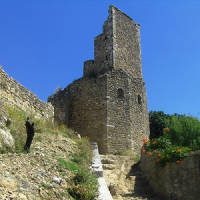
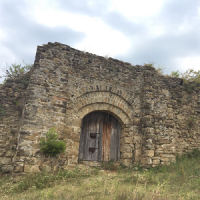

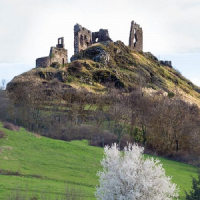
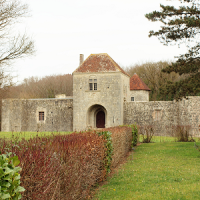
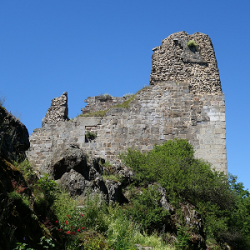
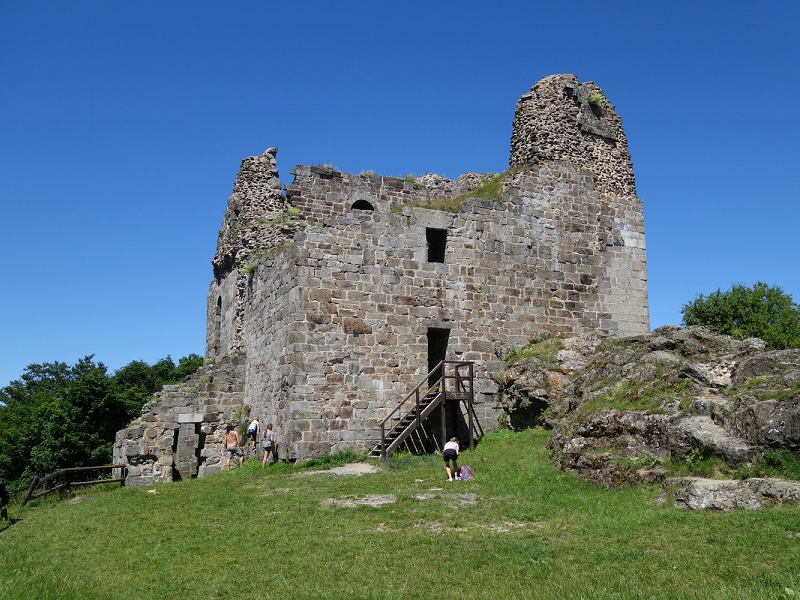
Primda Castle
Hrad Přimda
Around the clock. Weekend: No
www.hrad-primda.cz
348 06 Přimda, Plzeňský kraj, Česká republika
49.679754, 12.667009 View map
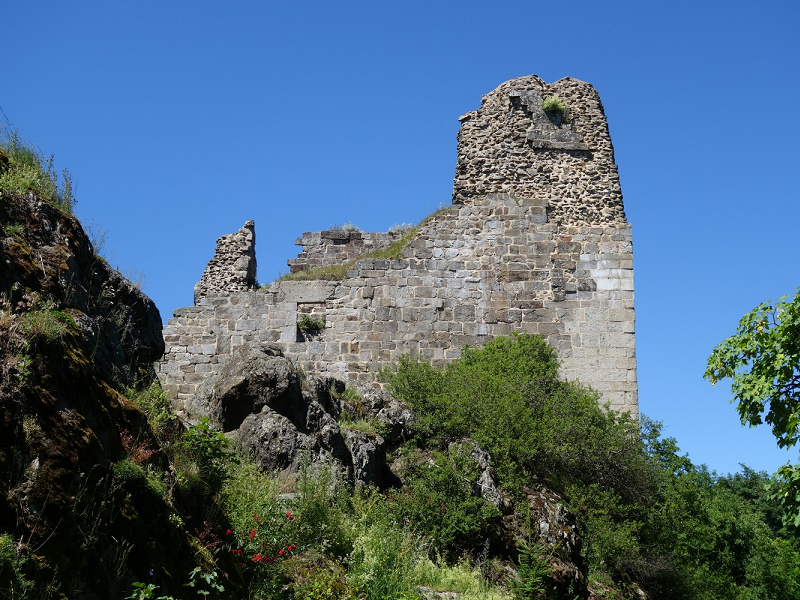
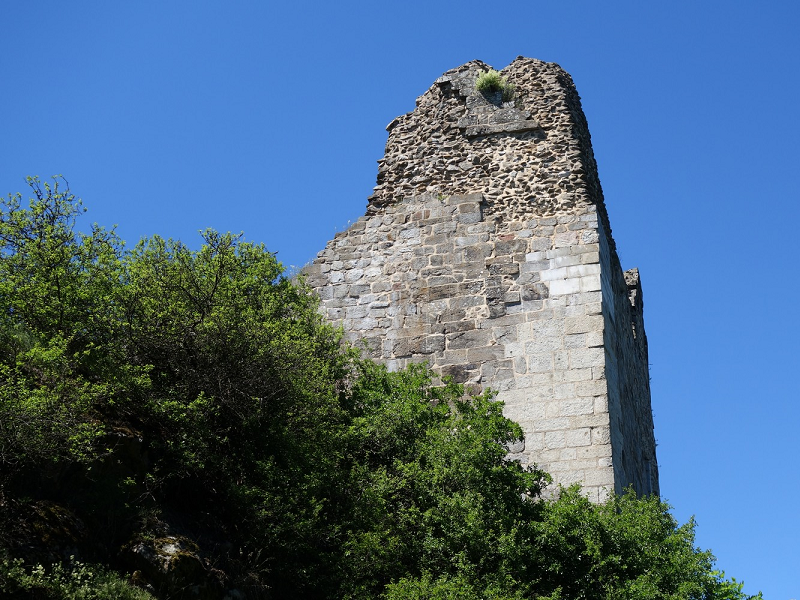
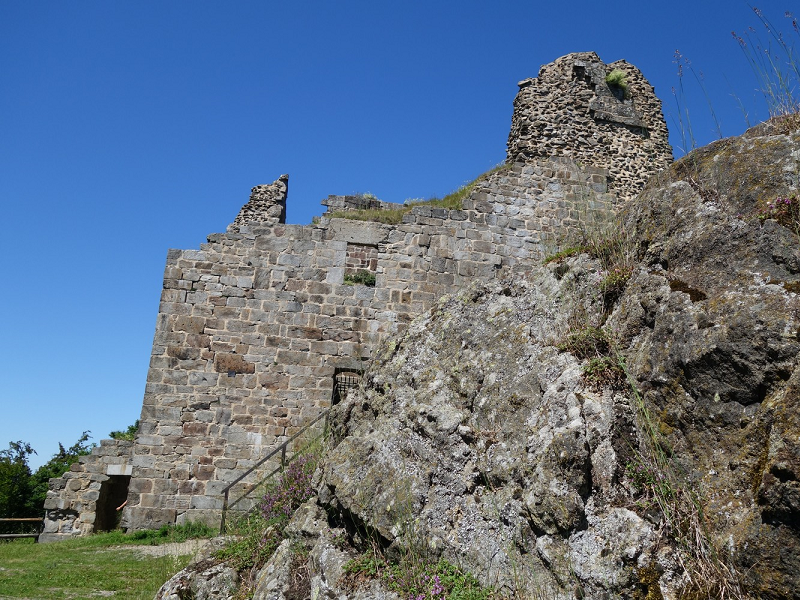
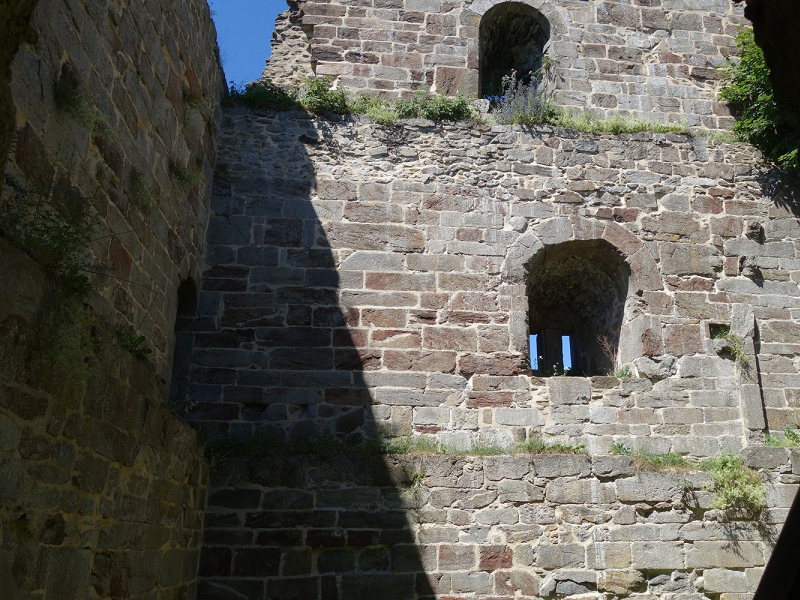
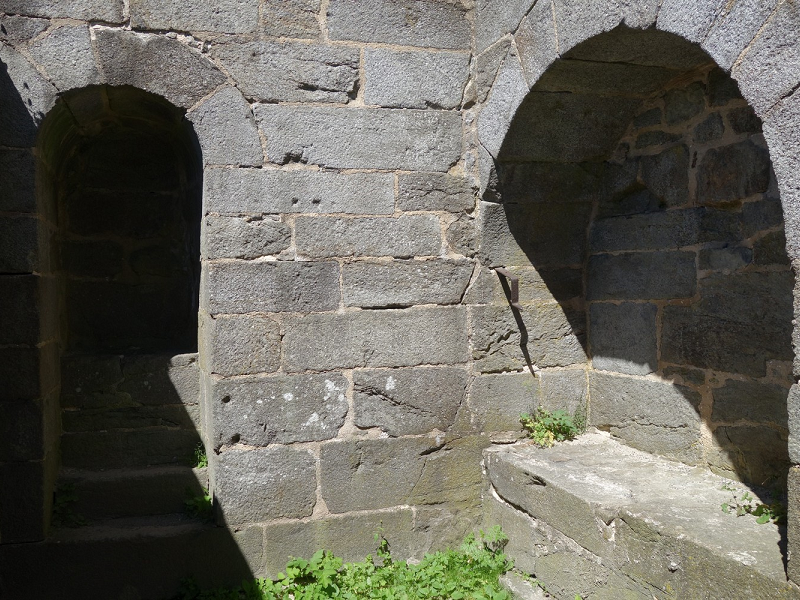
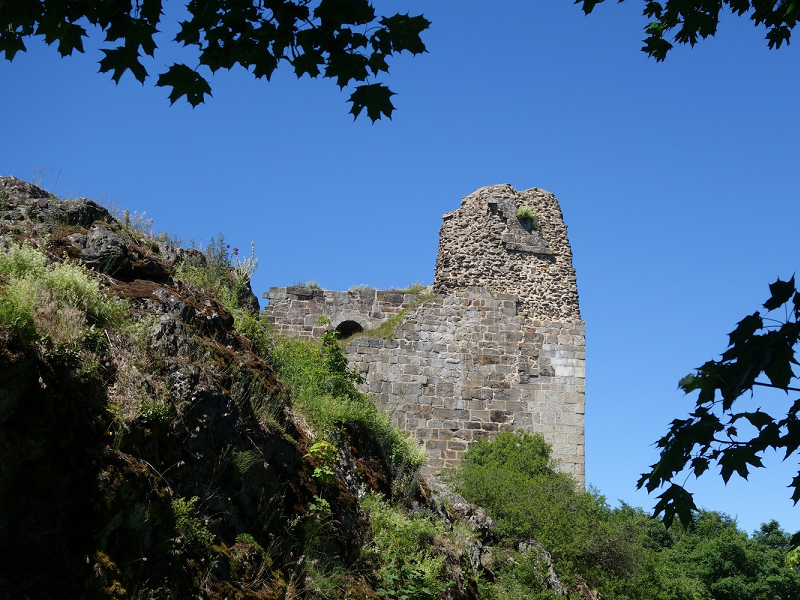
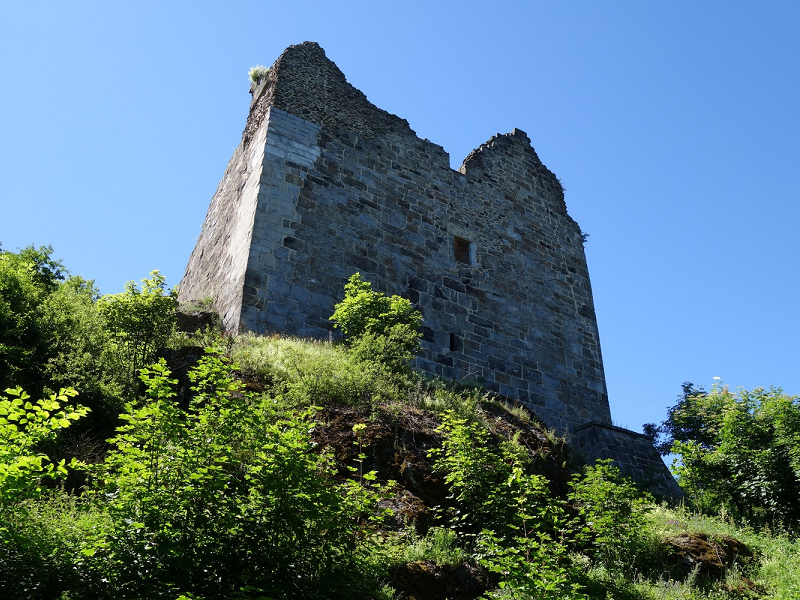
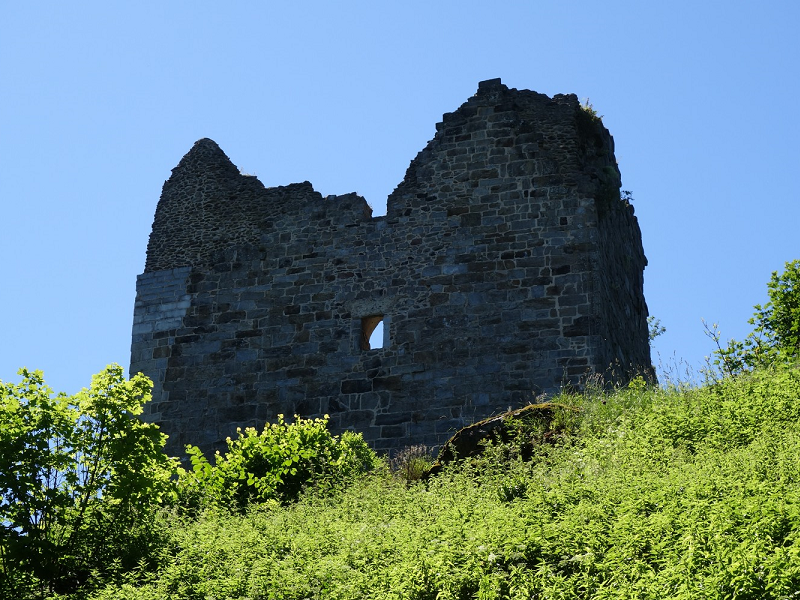
Primda Castle - Hrad Přimda, Primda, Plzen Region, Czech Republic.
A castle founded by Duke Vladislav I.
Records regarding the castle are very fragmentary for most of its history. Přimda is usually associated with an otherwise unidentified castle that, according to Cosmas's Chronicle, was built by Germans in 1121 on the Bohemian side of the border forest and immediately seized from them by the Czech Duke Vladislav I. However, the link between this account in Cosmas's Chronicle and Přimda has not been proven; the same applies to the hypothesis—cited in some literature—that the German in question and the castle's founder was the Bavarian Diepold II of Vohburg. In all likelihood, Přimda was founded in its stone form by a Czech duke to protect the border.
The first mention of the castle dates back to 1126, when Duke Soběslav I had it rebuilt (along with Tachov and Zhořelec).
From the outset, Přimda also served as a state prison. During the turbulent times of the 12th century, the future Duke Soběslav II was imprisoned there twice for a number of years by his cousin, Duke Vladislav II. During his first imprisonment, Soběslav was freed by his supporters, who stormed the castle, killed the burgrave, and threw him into the dungeon. Soběslav also had a subsequent burgrave of Přimda punished after his second liberation, once he had become duke. In 1249, Přemysl (the future King Přemysl Otakar II) also experienced imprisonment at Přimda following the failure of his rebellion against his father, King Wenceslaus I.
During the 14th century, Přimda Castle became the center for approximately fifteen *Chod* villages, whose inhabitants were required to perform border guard duty. It also served as the hub for the Přimda fiefs, the holders of which—vassals—were obligated to provide military service for the castle. At the same time, tolls were collected here on one of the branches of the Nuremberg Road.
During the reign of John of Luxembourg, Přimda was pledged (placed in the possession of) the nobility in exchange for a cash payment.
In 1336, amidst the disputes between John of Luxembourg and Emperor Louis IV (the Bavarian), the castle was attacked by German troops; the besiegers breached the outer fortifications but were forced to retreat after the garrison set fire to the wooden sections of the ramparts.
As part of his efforts to consolidate royal power and strengthen its pillars—the royal castles—Charles IV redeemed Přimda, designating it as a castle that had to remain in royal hands. However, in the period that followed, Přimda was once again pledged to others.
In 1406, Přimda passed into the hands of Boreš of Rýzmburk. However, Tista—the administrator appointed by Boreš—plagued the surrounding region with raids, apparently with his master's consent (with expeditions reaching as far as the Beroun area). In 1416, royal troops captured a group of thirty armed men from the castle at a local tavern; the men were subsequently hanged in Prague. It was not until a military campaign in 1418—during which the castle was besieged by royal forces and its garrison surrendered—that the resistance of the Rýzmburk family against the king was finally suppressed. Consequently, the castle was confiscated from the Rýzmburks.
During the Hussite period, while held by Jindřich Žito of Jivjany—a supporter of Sigismund—Přimda served as a reliable stronghold for the Catholic cause. In 1429, it faced another brief but unsuccessful siege, this time by Hussite forces, who did, however, destroy the small town situated beneath the castle.
In 1454, the Švamberk family acquired Přimda as a pledged estate. It remained in their possession until 1592. In 1548, the brothers Adam and Jindřich of Švamberk divided the estate and the castle between themselves; Adam took the so-called Upper Castle, while Jindřich took the Lower Castle (the two sections were separated by a longitudinal rocky ridge). Under the Švamberks in the 16th century, Přimda fell into disrepair; neither minor repairs nor the construction of new outbuildings improved the castle's condition, and parts of the structure were even demolished. The Chods—a group responsible for guarding the borders—complained to the monarch about the castle's dilapidated state and the misappropriation of funds intended for its repair. Following the deaths of both brothers, Adam and Jindřich, Rudolf II acquired the castle and its estate in 1592 but chose to sell off the property. The local municipality subsequently purchased the castle but was forced to sell it again as early as 1601.
By 1609, the castle was already described as desolate, ruined, and abandoned.
The ruins subsequently changed hands several times until 1675, when they came into the possession of Count Jan Václav Novohradský of Kolovrat; he established the nearby village of Velké Dvorce as the center of the estate. In 1711, lightning struck the residential tower, causing its southwestern section to collapse down to the ground-floor level.
7 okt 2026
0
0