- Articles
- Weapons
- Armor
- Armor for horses
- Emperor Armor
- Chivalry
- Chivalry
- Knights castle
- Knights tournament
- The Crusades
- Knightly Orders
- Knightly saddle
- Knightly motto
- Great Knights
- Price of armor
- Children's armor
- Castles and fortresses
- Museums of armor and weapons
- Coats of arms and heraldry
- Routes and excursions
- Guides


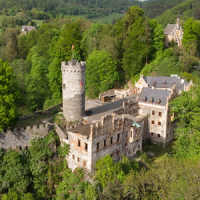
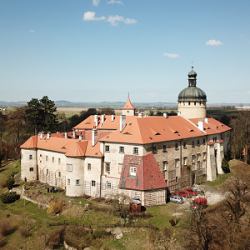
Grabstejn Castle
Hrad Grabštejn
Information on the website. Weekend: Information on the website
Adult - 180CZK, Children's (0-5) - Free, Children's (6-17) - 50CZK, Students - 140CZK, Pensioners - 140CZK
www.hrad-grabstejn.cz
463 34 Hrádek nad Nisou, Liberecký kraj, Česká republika
50.846153, 14.876186 View map
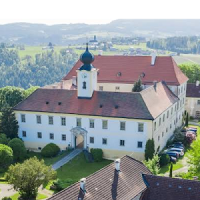
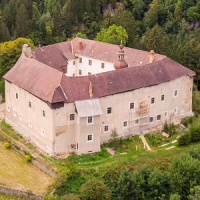
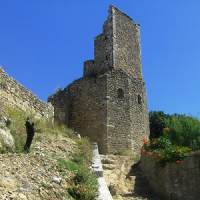
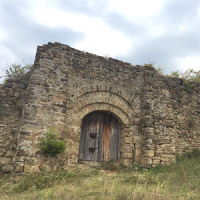
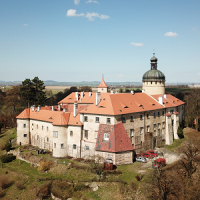
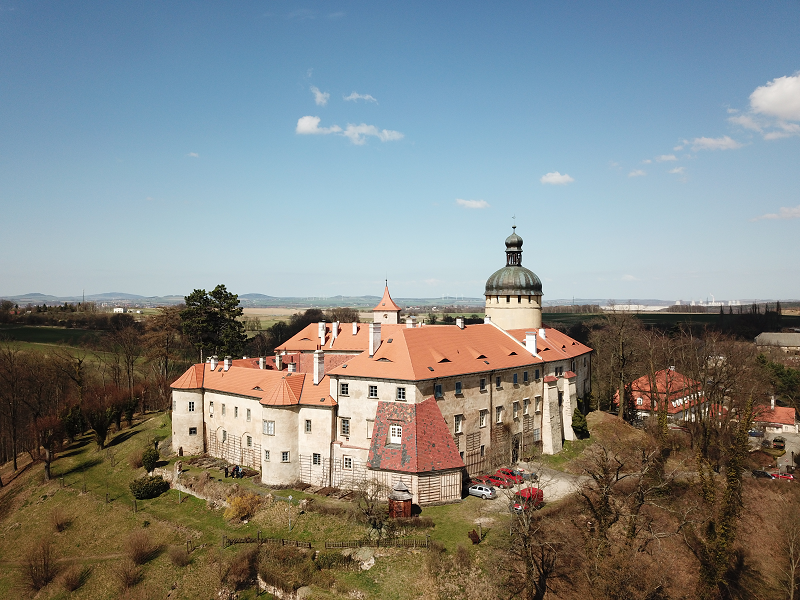
Grabstejn Castle - Hrad Grabštejn, Hradek nad Nisou, Liberec Region, Czech Republic.
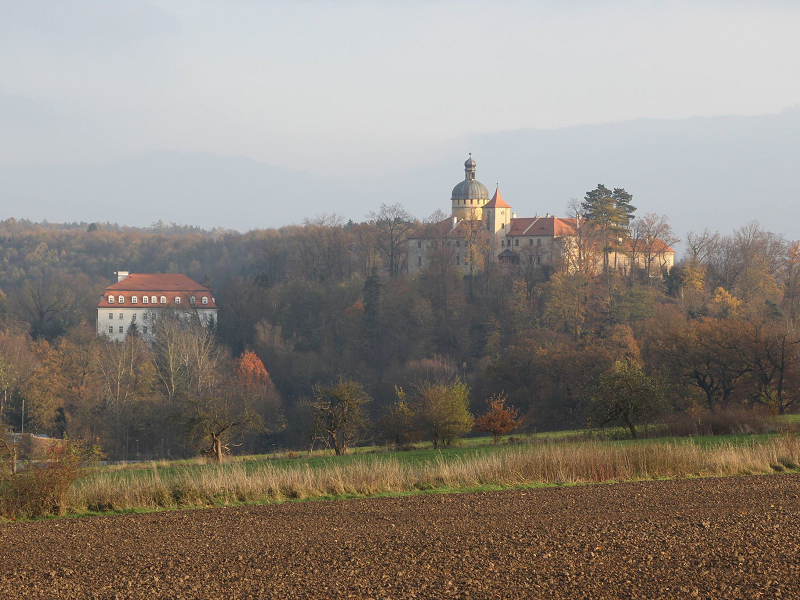
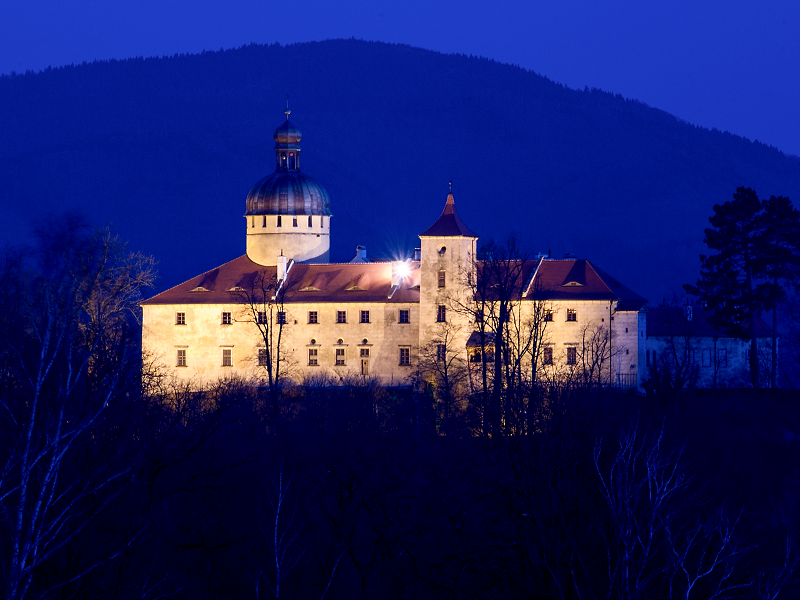
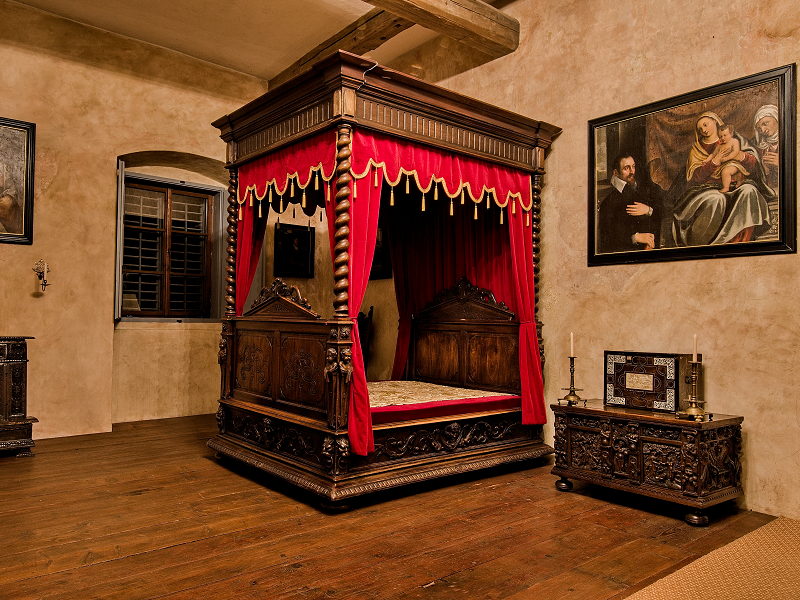
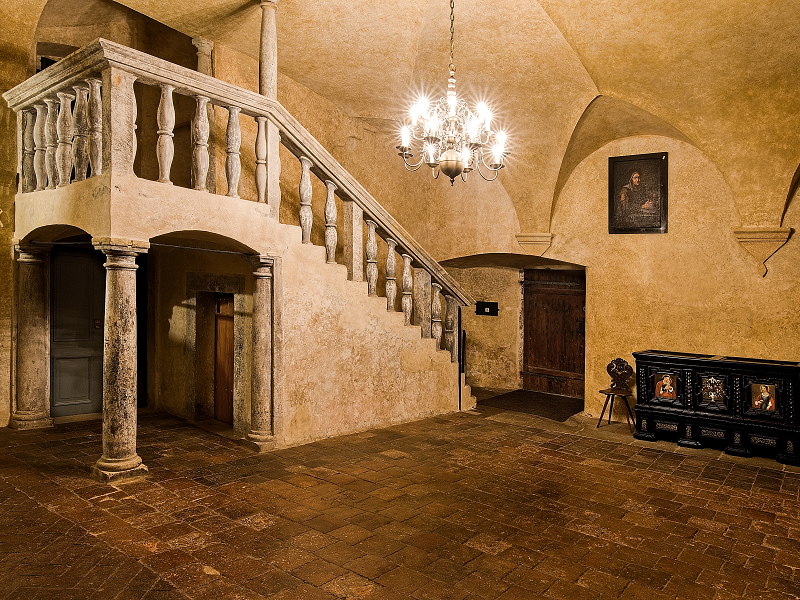
Grabštejn Castle, towering atop a rocky hill above the village of Chotyně near Hrádek nad Nisou, is first mentioned in a document from 1286, which lists Ota II—Burgrave of Donín and Grabštejn—as its owner.
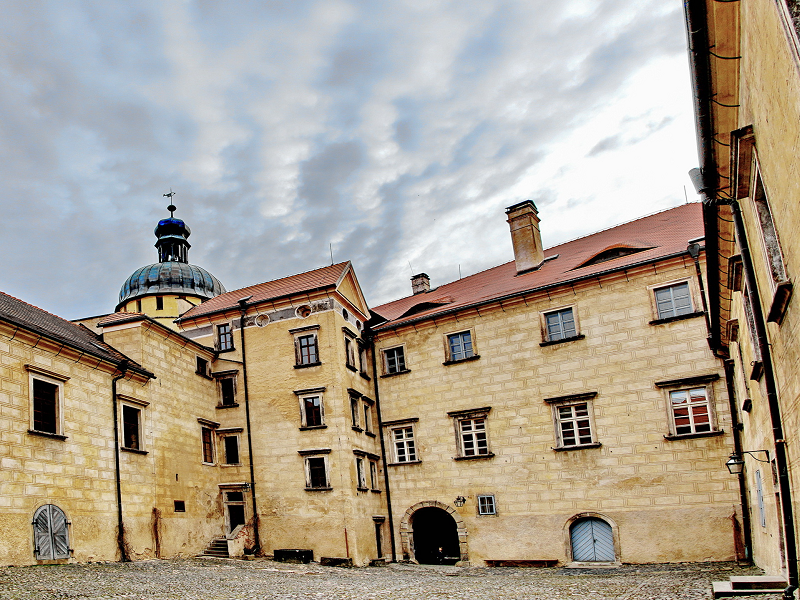
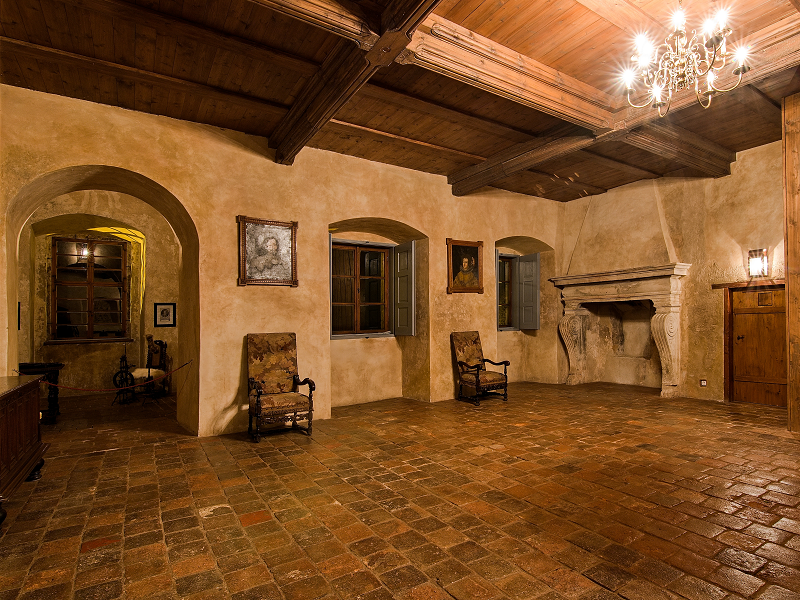
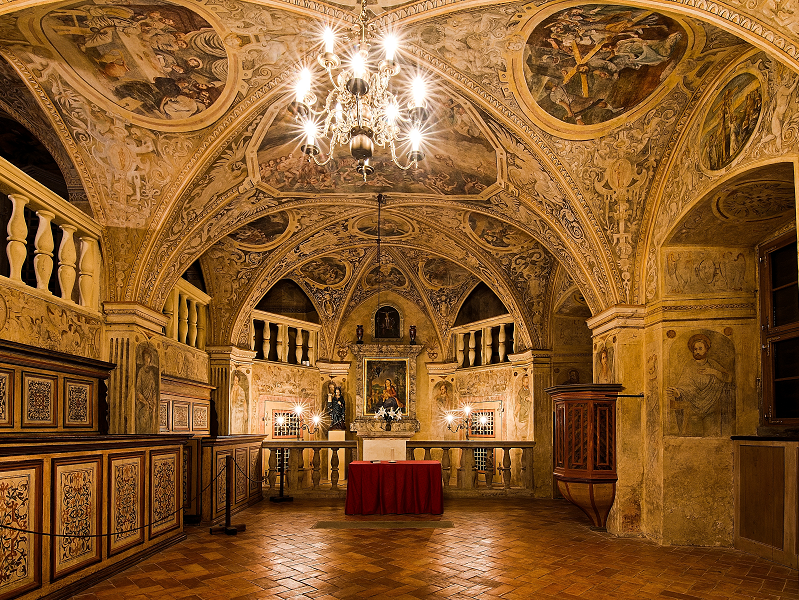
In 1562, Jiří Mehl of Střelice—a doctor of law, imperial court councillor, and German Vice-Chancellor of the Kingdom of Bohemia—purchased the castle and its vast, heavily indebted estate from the Donín family. This new owner ushered in a pivotal era for the castle; in 1564, the magnificent transformation of the Gothic *bergfried*-style castle into a lavish Renaissance residence began—a form largely preserved to this day. The reconstruction included the building of a chapel dedicated to St. Barbara, the patron saint of the miners who worked on the Grabštejn estate. The chapel is hailed as a Renaissance gem of Bohemia, primarily due to its exquisite and extensive painted decoration, which is unparalleled in the surrounding region.
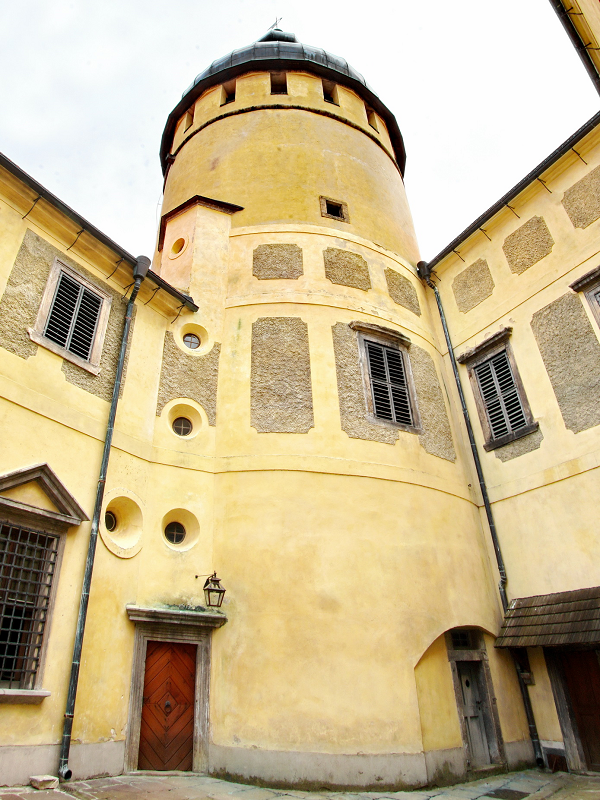
Unfortunately, fortune did not smile upon Jiří of Střelice for long. In 1586, he was forced to sell the Grabštejn estate due to debt. It was purchased by his friend and renowned bibliophile, Ferdinand Hoffmann of Grünbüchl. Thereafter, Grabštejn changed hands several times: it was held by the Lords of Černousy—during whose tenure the castle tower burned down in 1622—and briefly owned by Albrecht von Wallenstein, followed by Jan Hartvík of Nostitz and Matyáš Adam of Trauttmansdorf; under the latter, in 1655, by order of Emperor Ferdinand III... The medieval cylindrical tower was lowered, and the ramparts and fortifications were demolished—a process overseen by the military engineer Francesco Pieroni, who visited the castle that same year.
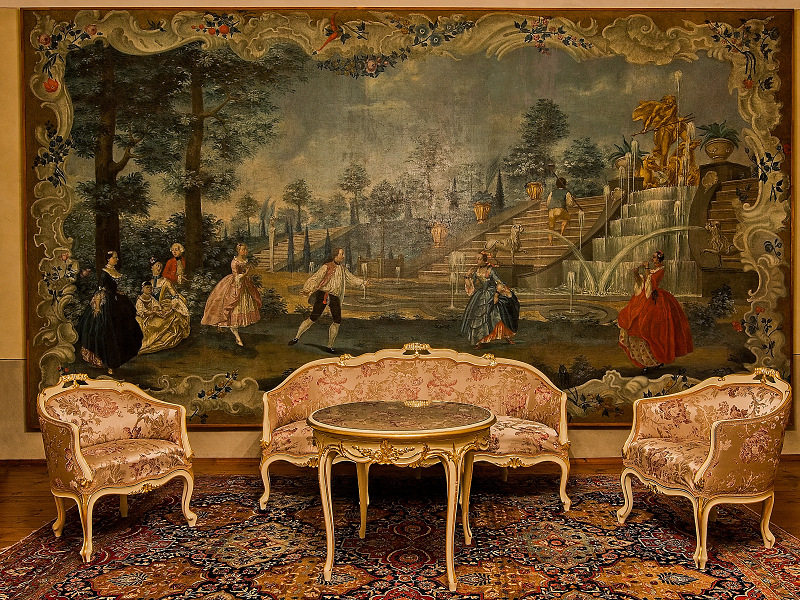
In 1704, Jan Václav Gallas purchased the castle and subsequently passed it on to his son, Filip Josef Gallas. The latter bequeathed all his estates to a distant relative, Kristián Filip of Clam; during his tenure, the castle burned down again in 1781 but was subsequently repaired and structurally modified. By this time, the castle served only as accommodation for administrative staff and was no longer inhabited by the nobility. The next owner was Kristián Kryštof Clam-Gallas, who in 1818 had the old administrative building in the outer bailey (now the Czech Army compound) converted into a small Neoclassical manor, which served the Clam-Gallas family as a summer residence.
In 1843, while Eduard Clam-Gallas owned the estate, lightning struck the castle tower, sparking a massive fire that engulfed the roofs and the top floor of the adjacent northern wing of the Upper Castle. During the repair of the fire-damaged areas, the tower was given a new appearance featuring a pointed Neo-Gothic top, a design it retained until 1992.
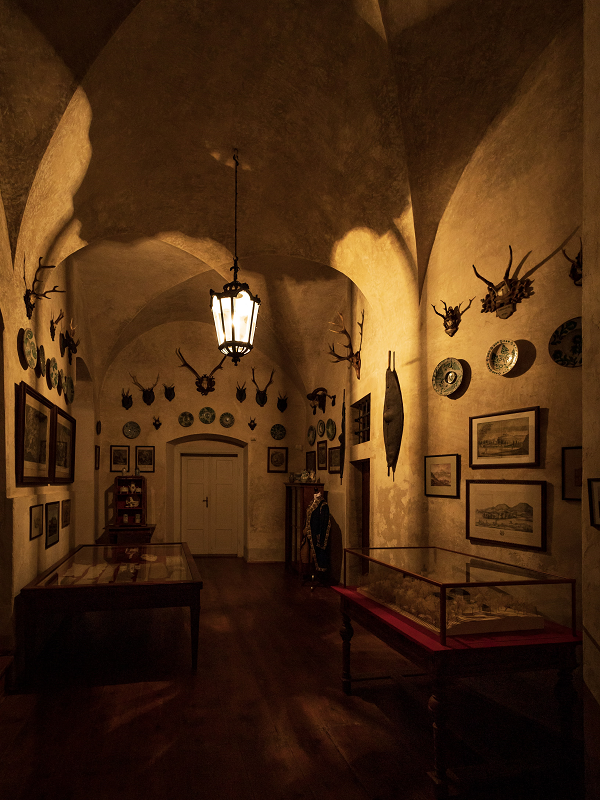
The last male descendant of the Clam-Gallas family was František; upon his death in 1930, he left his entire estate to his seven daughters, and Marie Clam-Gallasová, together with her husband Karel Podstatzký of Liechtenstein, became the owner of Grabštejn. Following World War I, the Clam-Gallas family lost one-fifth of their land due to agrarian reform; however, they retained the castle, where they established a small family museum and opened the site to tourists in 1934. In 1945, however, all their property was confiscated under Decree No. 12/1945 Coll. issued by President Edvard Beneš, marking the beginning of a new era during which the castle gradually fell into disrepair.
In 1953, the castle began serving military needs; it became the property of the Ministry of National Defence and was managed by the military housing administration. By then, the castle was already in poor condition, leading to discussions in 1955 regarding a plan for its comprehensive renovation. The army made full use of the castle until 1970, when the entire complex was transferred to the Regional Centre for State Heritage Preservation and Nature Conservation in Ústí nad Labem. Nevertheless, the castle grounds remained a restricted military area. After the Czechoslovak Army departed, the castle fell into total ruin, remaining an uninhabited shell for several years. The destruction of this significant monument was caused not only by the passage of time and the elements but also by occasional vandals, treasure hunters, and thieves stealing building materials.
In 1990, the Czechoslovak Army handed the castle complex over to the State Heritage Institute in Ústí nad Labem, which initiated major repairs on the dilapidated structure; these works were largely completed by 2010.
20 sen 2026
0
0