- Articles
- Weapons
- Armor
- Armor for horses
- Emperor Armor
- Chivalry
- Chivalry
- Knights castle
- Knights tournament
- The Crusades
- Knightly Orders
- Knightly saddle
- Knightly motto
- Great Knights
- Price of armor
- Children's armor
- Castles and fortresses
- Museums of armor and weapons
- Coats of arms and heraldry
- Routes and excursions
- Guides



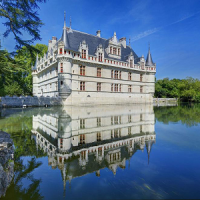
Azay-le-Rideau Castle
Château d'Azay-le-Rideau
Information on the website. Weekend: Information on the website
Adult - 13€, Children's (0-26) - Free
www.azay-le-rideau.fr
Rue de Pineau, 37190 Azay-le-Rideau, Indre-et-Loire, Centre-Val de Loire, République Française
47.259032, 0.465733 View map
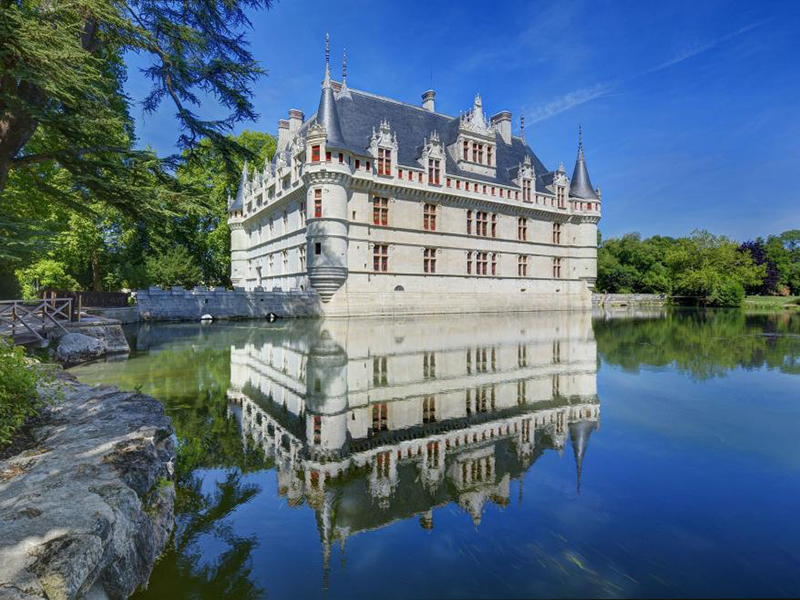
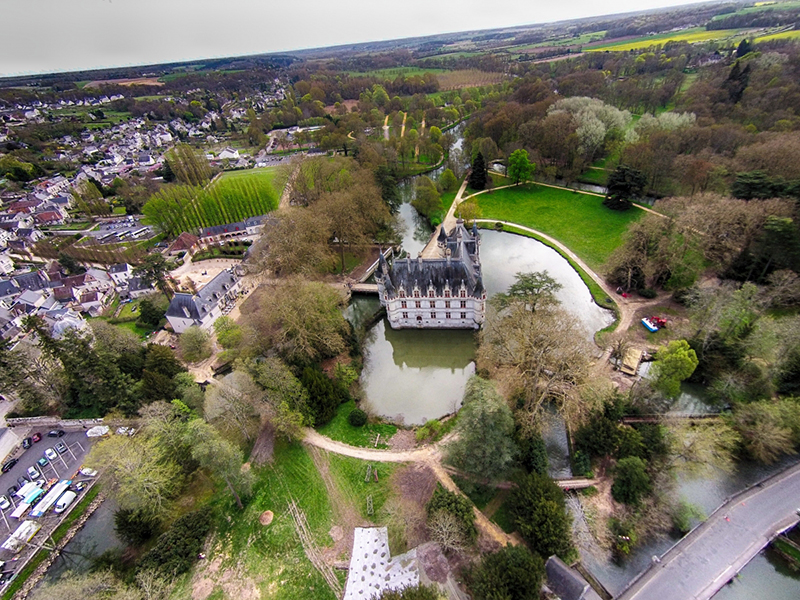
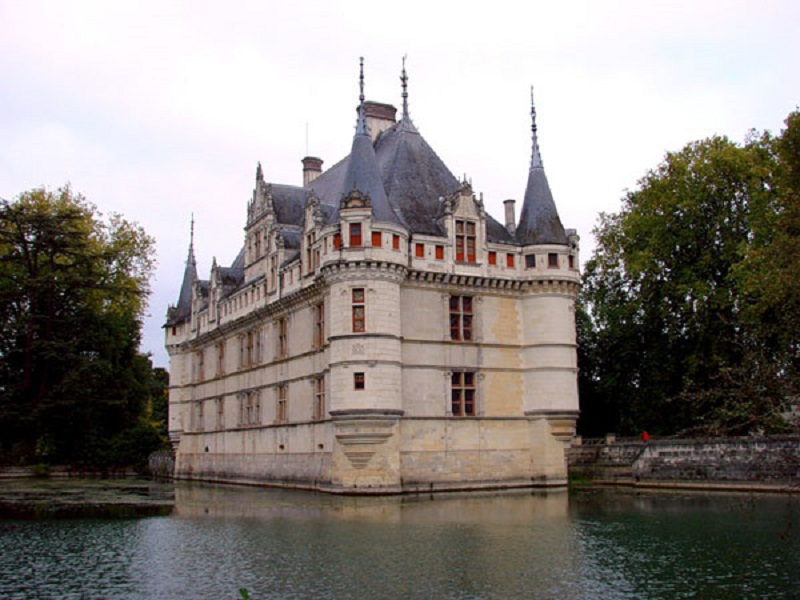
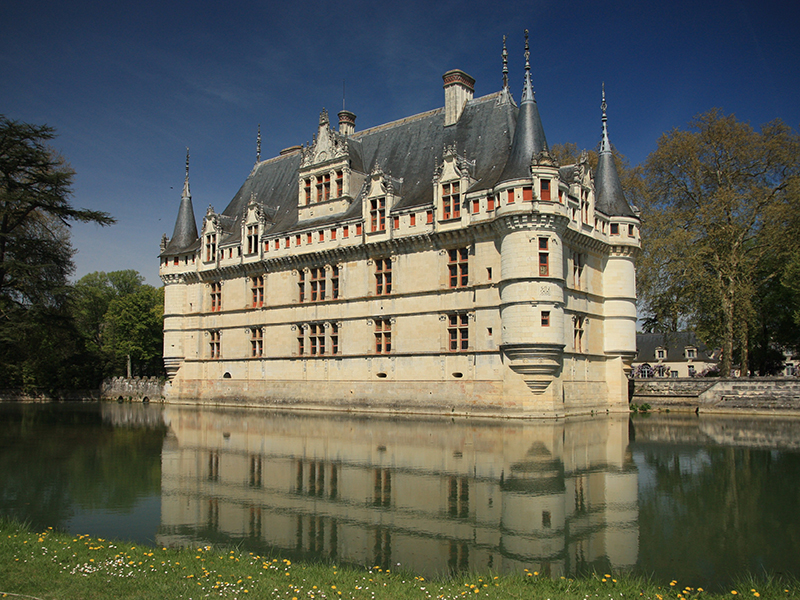
Azay-le-Rideau Castle - Château d'Azay-le-Rideau, Azay-le-Rideau, Indre and Loire, Center - Loire Valley, French Republic.
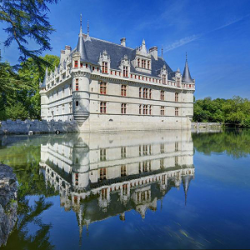
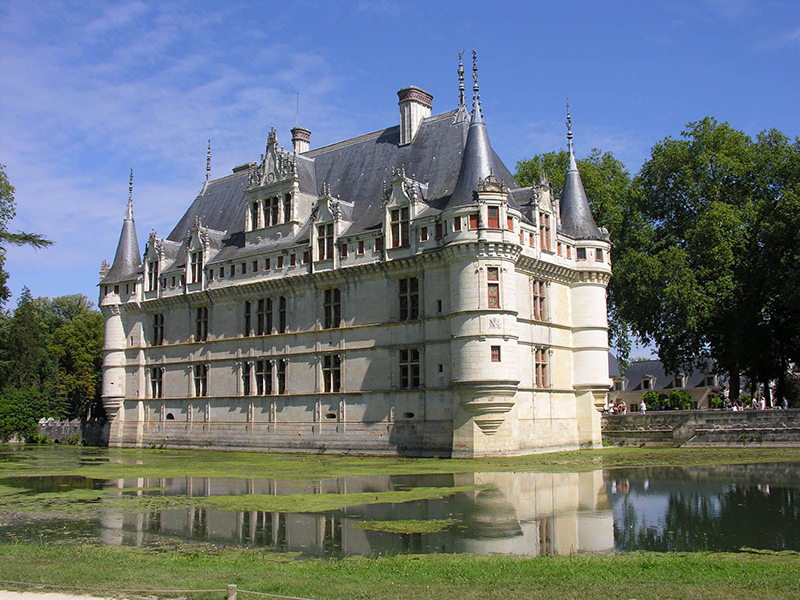
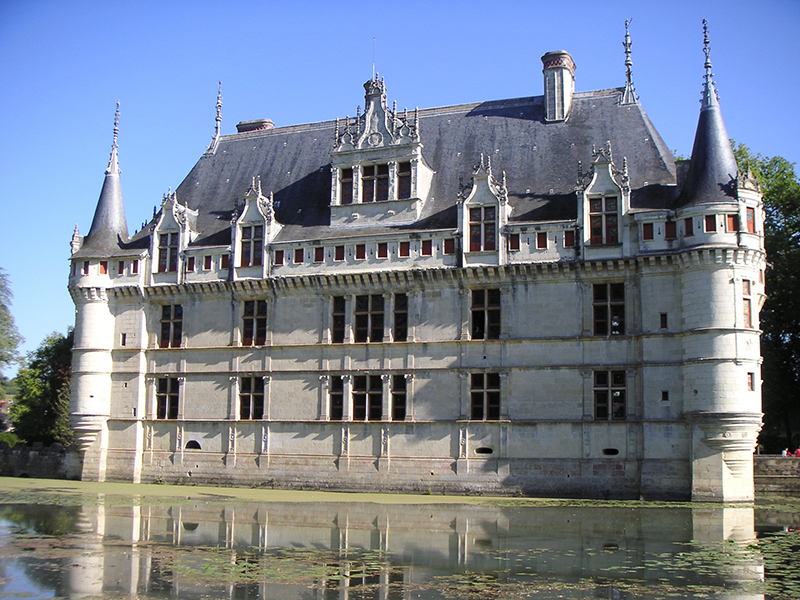
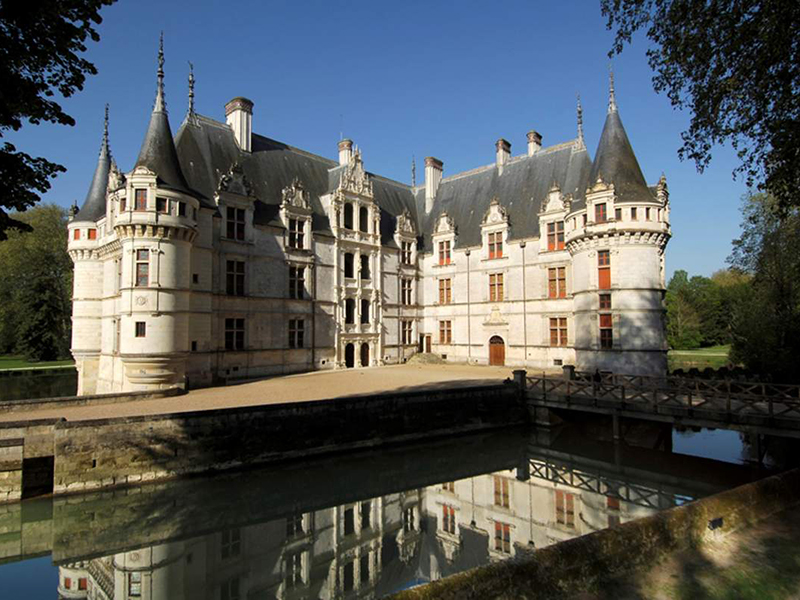
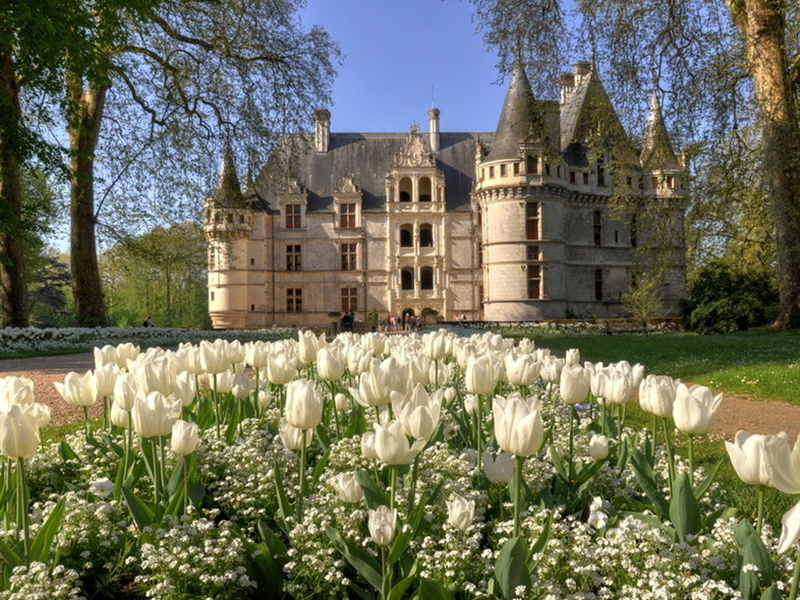
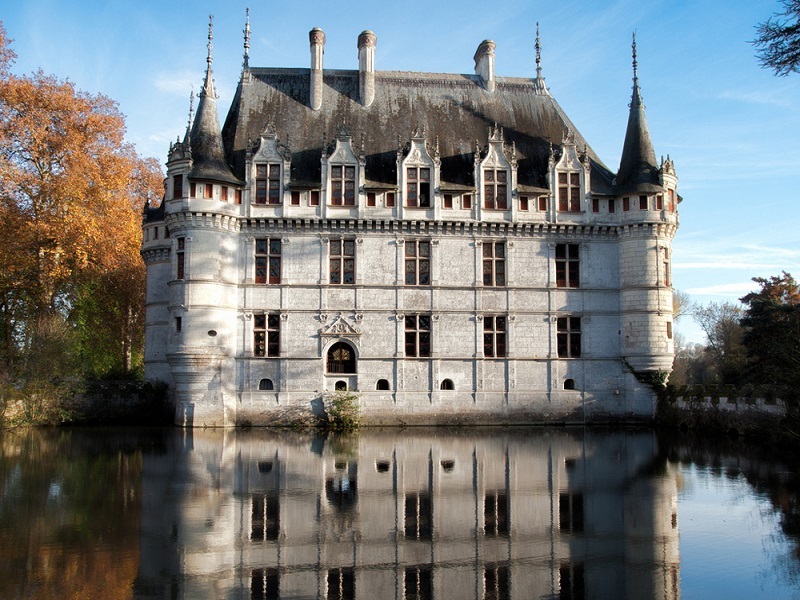
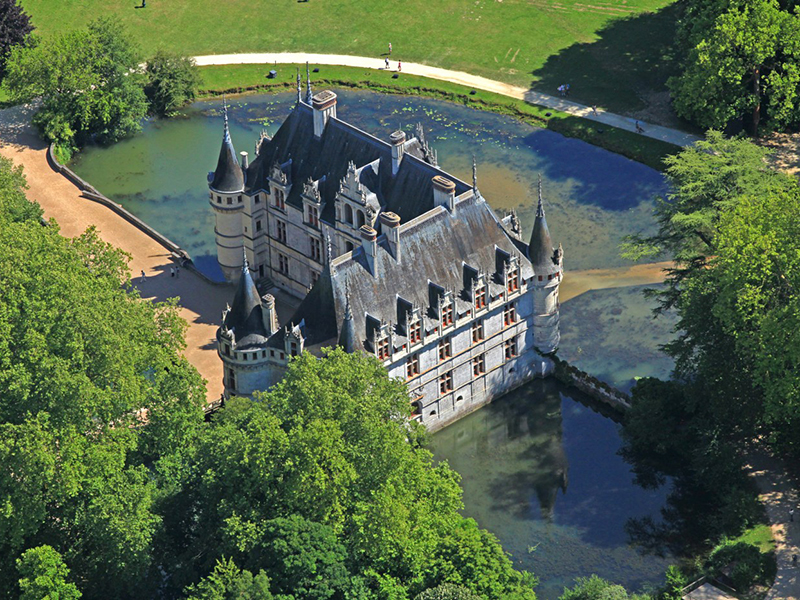
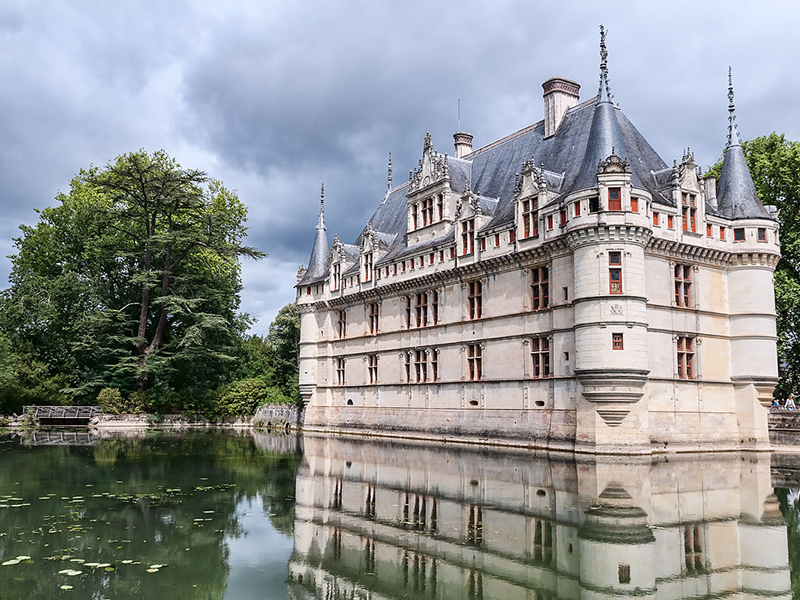
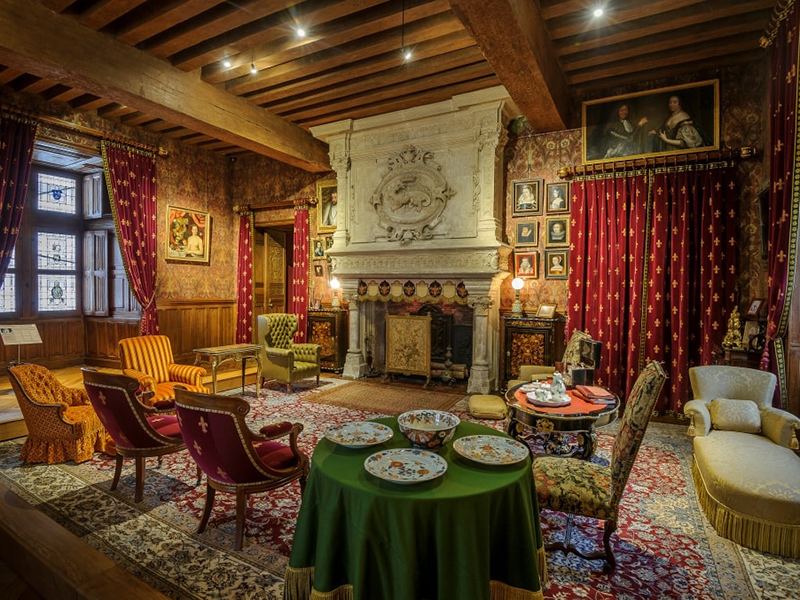
The Château d’Azay-le-Rideau is located in the French town of the same name and stands as an architectural landmark. It is counted among the most exclusive châteaux of the Loire Valley. The château occupies a commanding position overlooking the Indre River. It is believed that the name "Azay" likely derives from "Asiacus"—the name of one of the former owners of these lands. The château is surrounded by an English-style park.
Constructed in 1510 by the treasurer to King Francis I, the Château d’Azay-le-Rideau is widely recognized as a masterpiece of the French Renaissance.
Earlier, in the 12th century, the site belonged to a man named Rideau (or Ridel) d’Azay, who was notorious for his harsh and cruel temperament, earning him the nickname "the Devil’s Child." Henry II Plantagenet seized the château and all its associated lands; however, Philip Augustus later restored them to Rideau’s son, Hugues—a knight from Touraine and a vassal to the king.
By the early 15th century, Azay-le-Rideau was the property of the Duke of Burgundy. In 1418, a conflict arose between the fortress’s pro-Burgundian garrison and the Dauphin—the future King Charles VII—who had fled Paris. As a result, both the fortress and the adjacent village were destroyed: 354 people were hanged, and the village was burned and looted. The town subsequently became known as "Azay-le-Brûlé" ("Azay-the-Burned"). The site fell into desolation and remained undeveloped for another century, until 1518, when Gilles Berthelot—a financier and treasurer serving King Francis I—began the construction of a new château on the site. According to legend, the castle appeared in its present-day form to Gilles’s wife, Philippa Lebais, in a dream.
By the end of the 18th century, the castle had fallen into a state of disrepair, which allowed its new owner, Charles Biencourt, to acquire it for a pittance. In the 19th century, his heirs carried out restoration work and introduced several changes: a Neo-Renaissance-style tower was added, and a Chinese pavilion was replaced by a small corner turret.
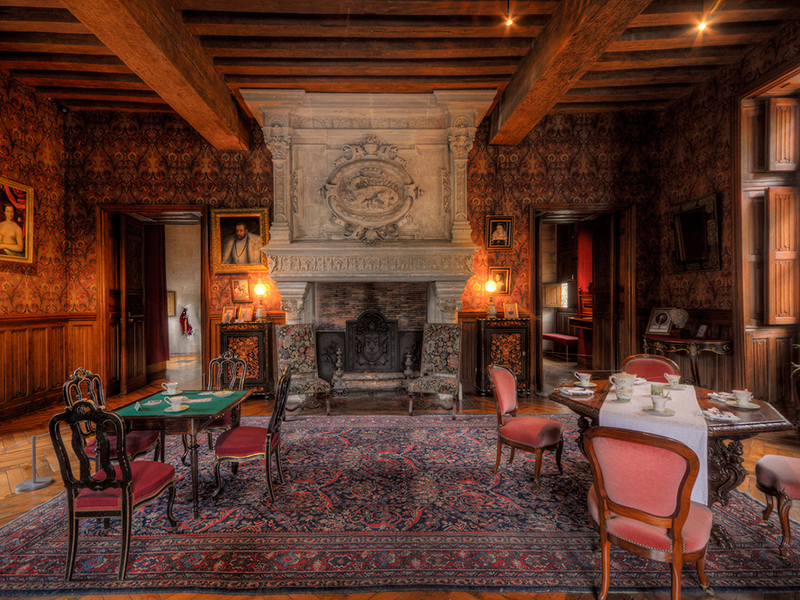
In 1840, the castle was designated a historical monument. At the beginning of the 20th century, it was purchased by the state; a reconstruction project followed, and the castle has since served as a museum.
25 okt 2026
0
0