- Articles
- Weapons
- Armor
- Armor for horses
- Emperor Armor
- Chivalry
- Chivalry
- Knights castle
- Knights tournament
- The Crusades
- Knightly Orders
- Knightly saddle
- Knightly motto
- Great Knights
- Price of armor
- Children's armor
- Castles and fortresses
- Museums of armor and weapons
- Coats of arms and heraldry
- Routes and excursions
- Guides




Aguilar Castle
Château d'Aguilar
Around the clock. Weekend: No
tuchan.fr/chateau-daguilar/
Château d'Aguilar, 11350 Tuchan, Aude, Occitanie, République Française
42.890676, 2.746986 View map
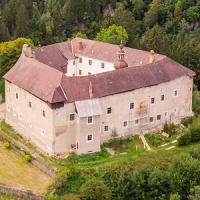
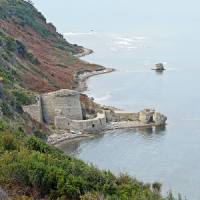
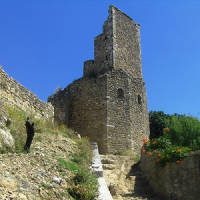
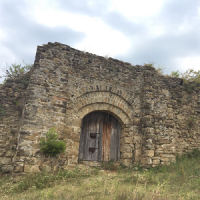
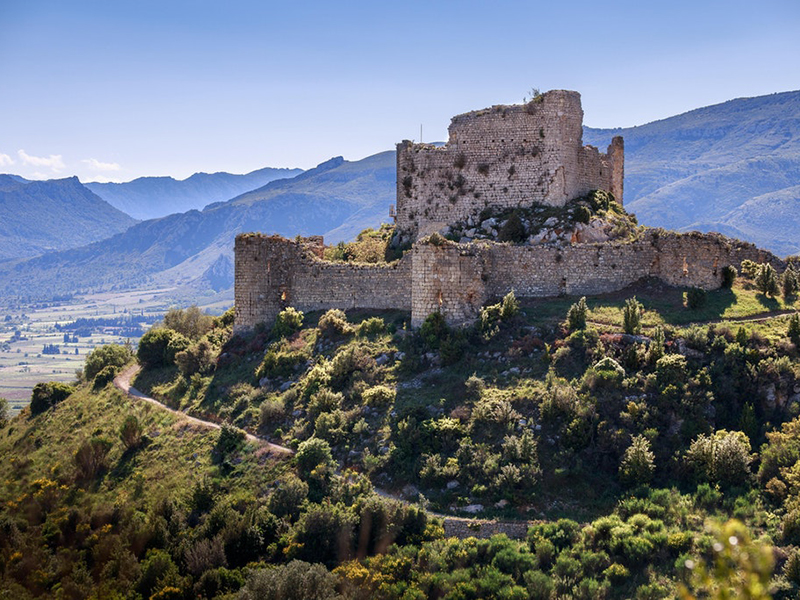
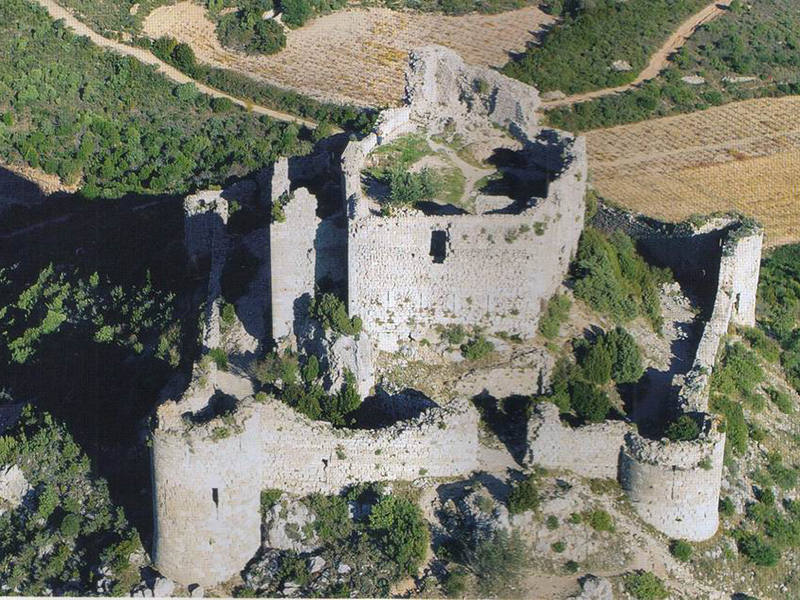
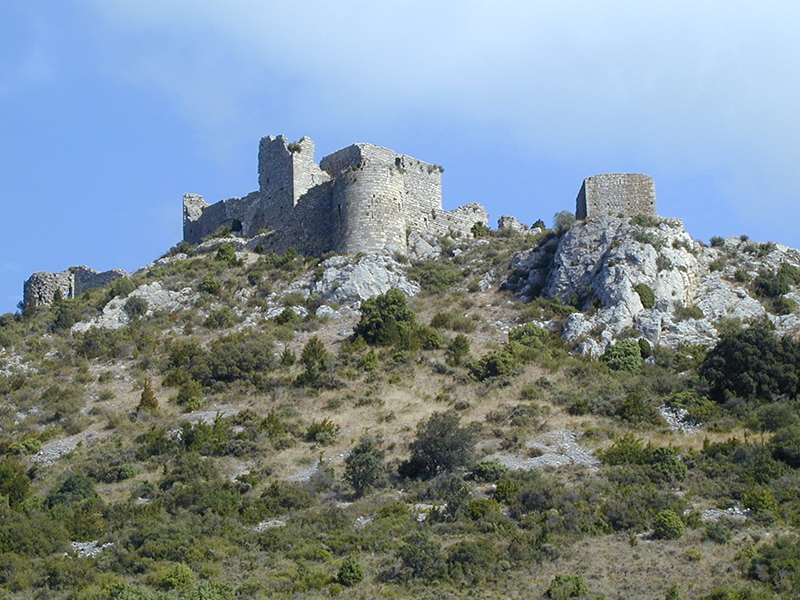
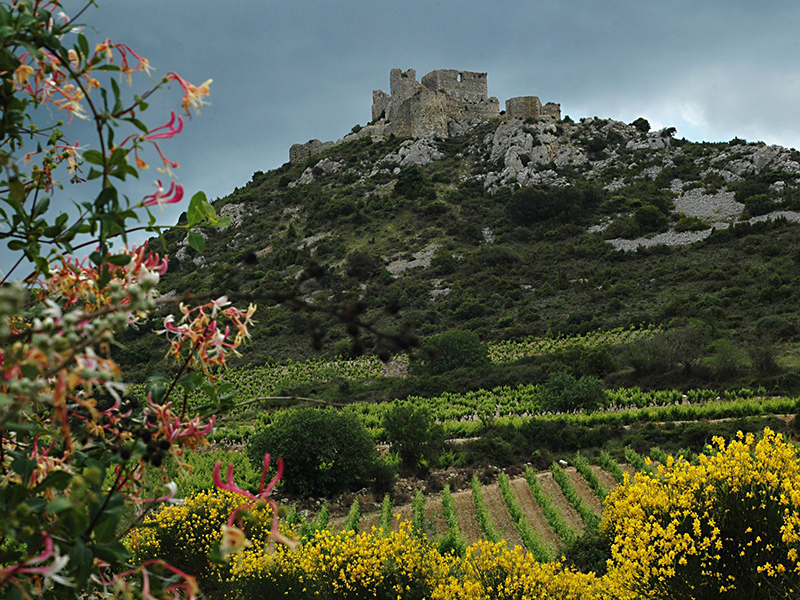
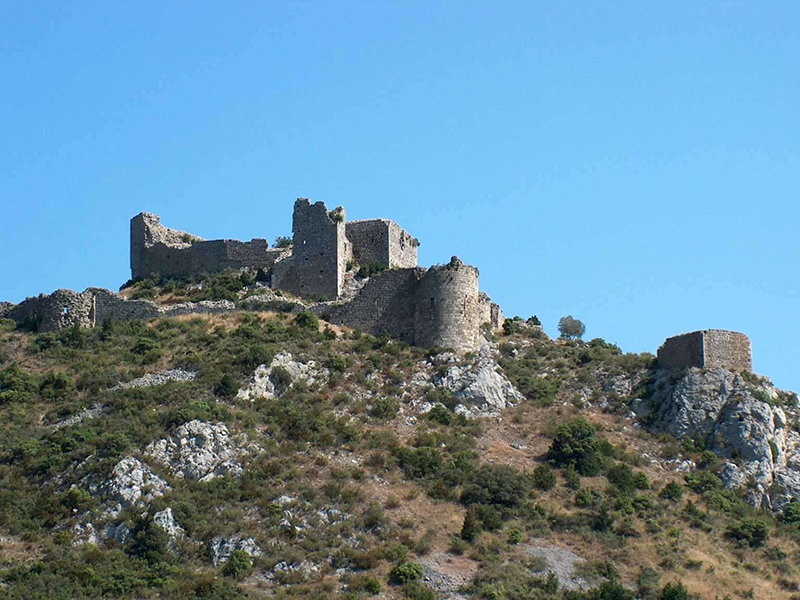
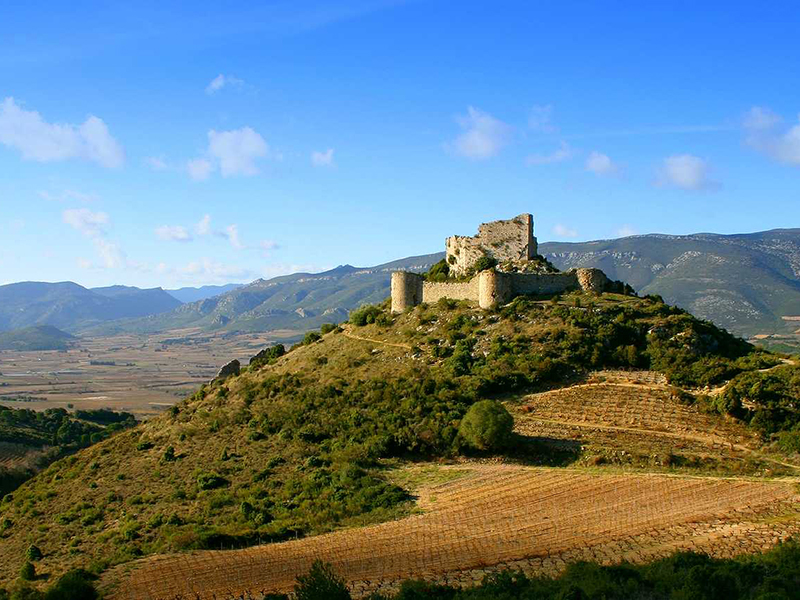
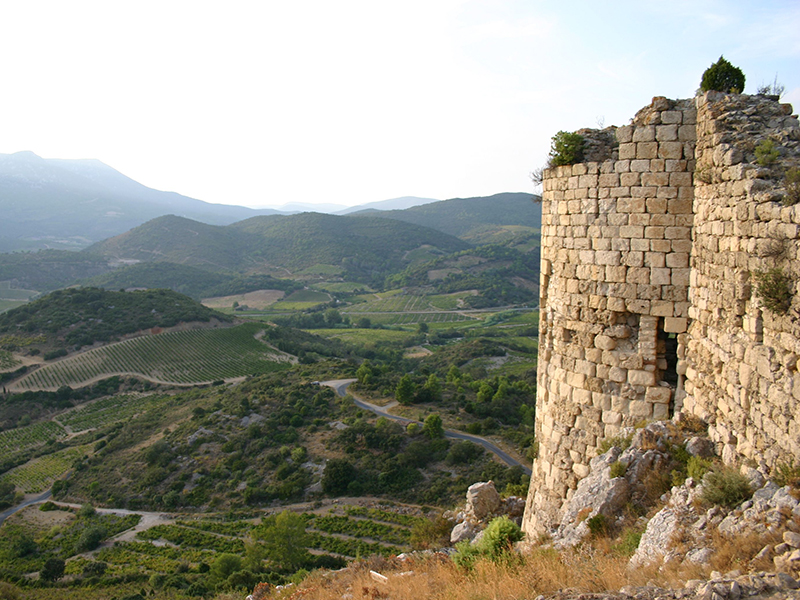
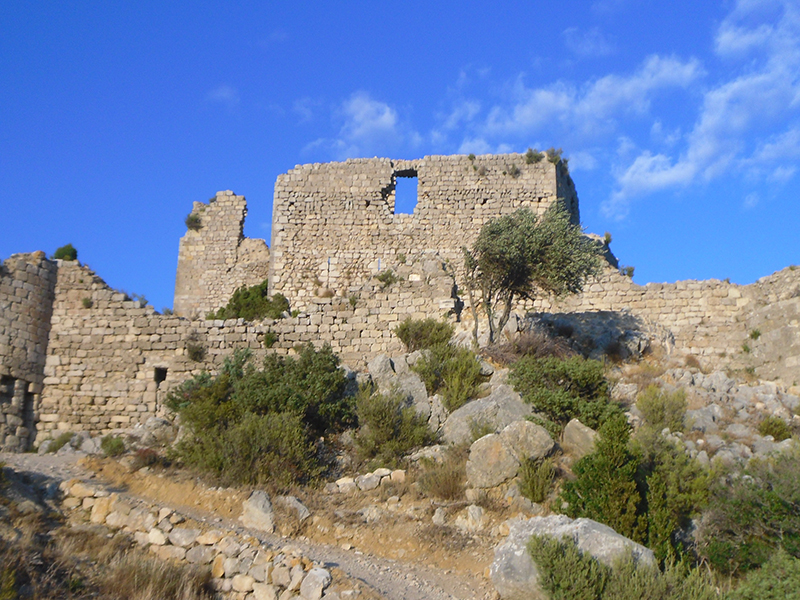
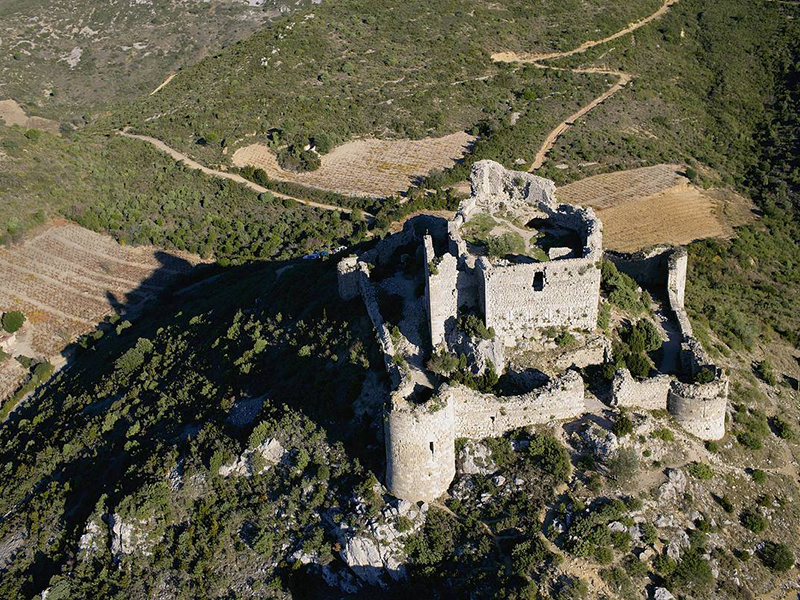
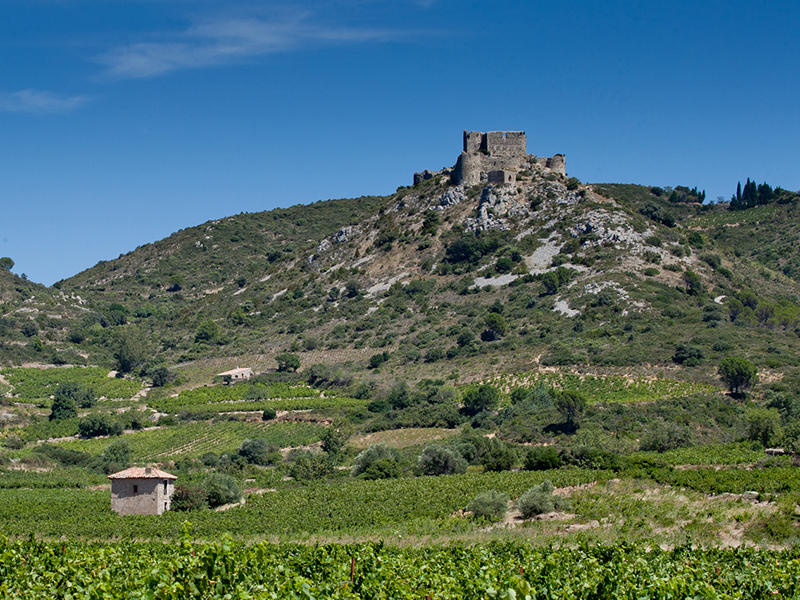
Aguilar Castle - Château d'Aguilar, Tuchan, Aude, Occitania, French Republic.
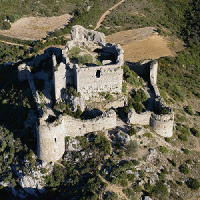
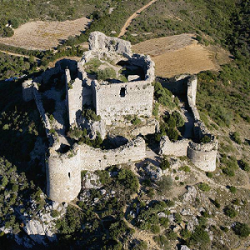
Château d’Aguilar—one of the so-called "Cathar castles"—embodies the most advanced fortification concepts of the late Middle Ages. Its central keep is enclosed by a pentagonal curtain wall, which is, in turn, surrounded by an outer wall featuring six circular corner towers equipped with arrow slits.
The first documentary mention of the castle dates back to 1021. In the early 13th century, the Viscounts of Carcassonne bequeathed the castle to their vassals, the de Termes family. During this period, the site underwent modernization, with older structures replaced by a large keep (donjon). In 1210, at the onset of the Albigensian Crusade, Aguilar was captured by a Crusader army led by Simon de Montfort. That same year, the castle’s owner, Raymond de Termes, was seized by the Crusaders and imprisoned in the dungeons of Carcassonne.
For the next 30 years, the castle remained removed from military conflict, until Raymond’s son, Olivier de Termes, reclaimed the fortress during an uprising against the Viscount of Carcassonne, Trencavel. Aguilar became a refuge for Cathar knights and other lords who had been dispossessed of their own castles. By 1246, a royal garrison was stationed there to guard the border with Aragon. Olivier de Termes eventually formed an alliance with King Louis IX and, in 1260, sold the castle to the French Crown. Despite its formidable defenses and advantageous strategic position, the castle would face several more sieges by enemies of France before the 16th century. In 1659, following the signing of the Treaty of the Pyrenees (a peace treaty between France and Spain), the border was shifted further south; the castle consequently lost its status as a frontier outpost—along with its strategic importance—and began to fall into decay.
In 1949, the French Ministry of Culture designated Aguilar a historical monument of national significance.
24 okt 2026
0
0