- Articles
- Weapons
- Armor
- Armor for horses
- Emperor Armor
- Chivalry
- Chivalry
- Knights castle
- Knights tournament
- The Crusades
- Knightly Orders
- Knightly saddle
- Knightly motto
- Great Knights
- Price of armor
- Children's armor
- Castles and fortresses
- Museums of armor and weapons
- Coats of arms and heraldry
- Routes and excursions
- Guides


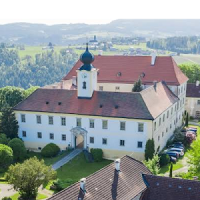
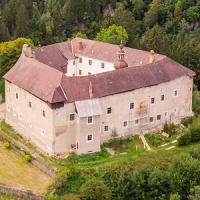
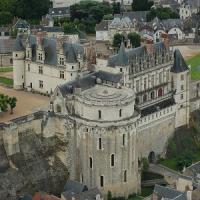

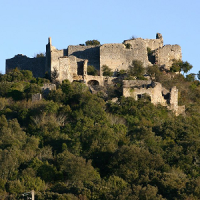
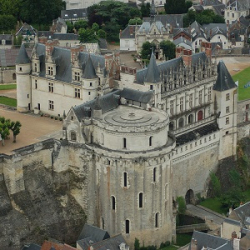
Amboise Castle
Château Royal d'Amboise
Adult - 17,3€, Children's (0-6) - Free, Children's (7-18) - 14,4€, Students - 11€
www.chateau-amboise.com
Montée de l'Emir Abd el Kader, 37400 Amboise, Indre-et-Loire, Centre-Val de Loire, République Française
47.413366, 0.987016 View map
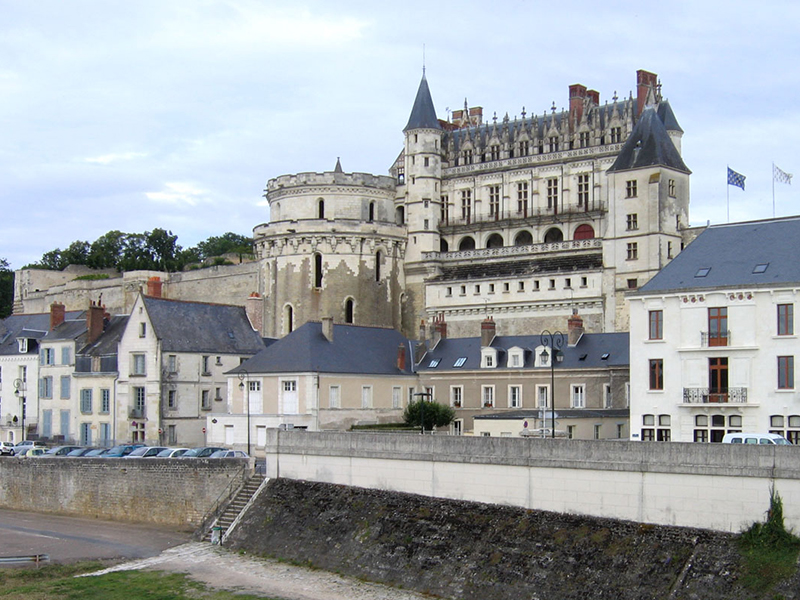
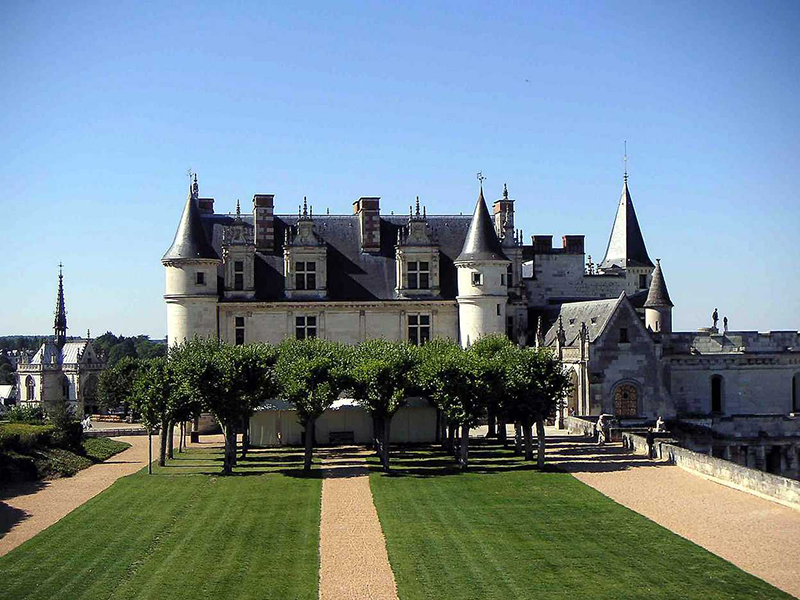
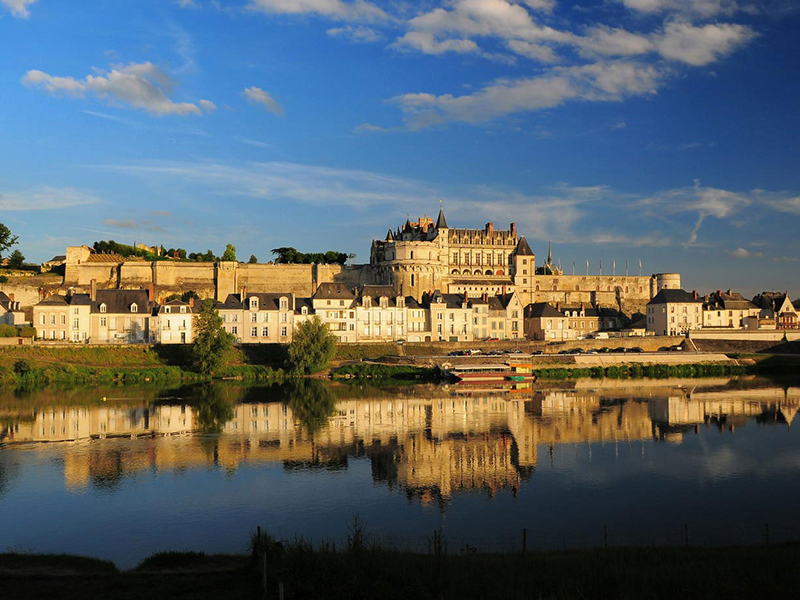
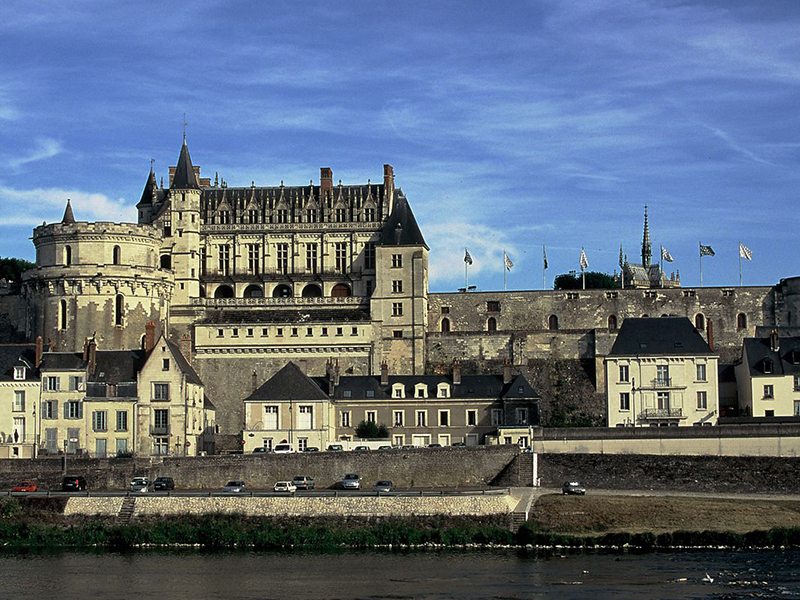
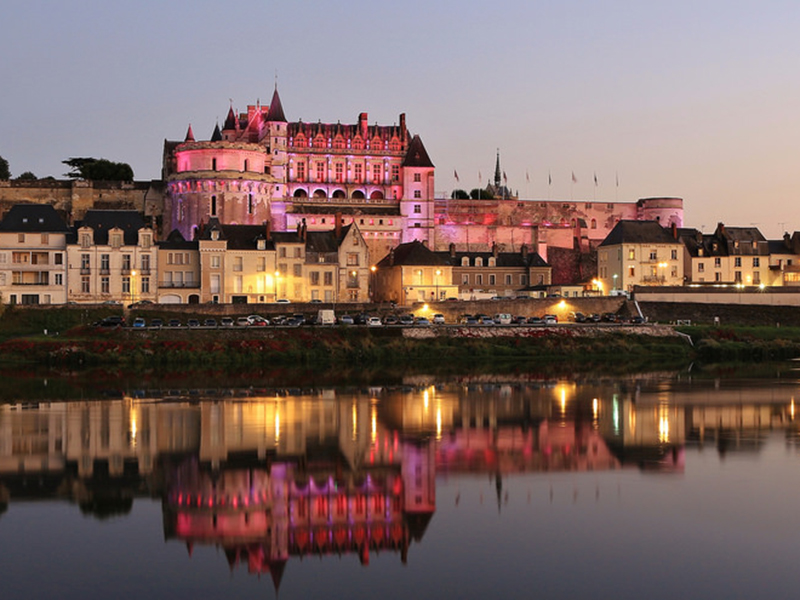
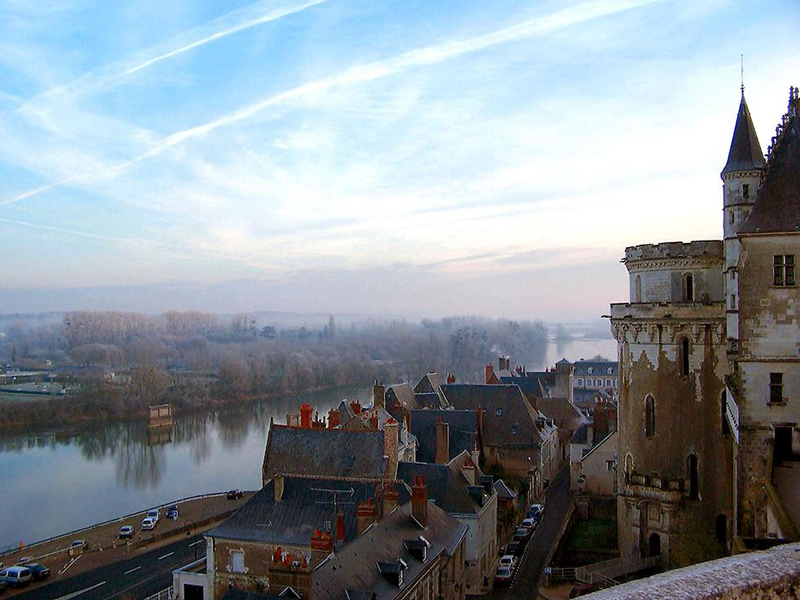
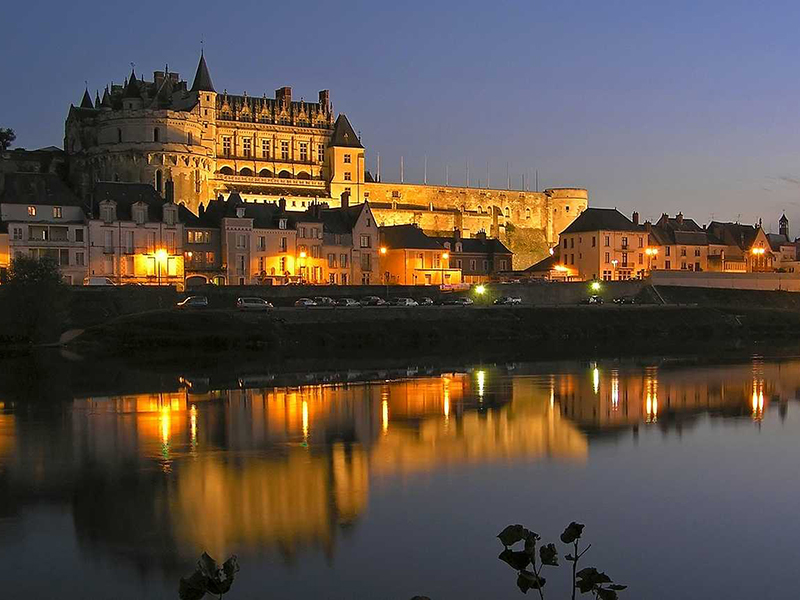
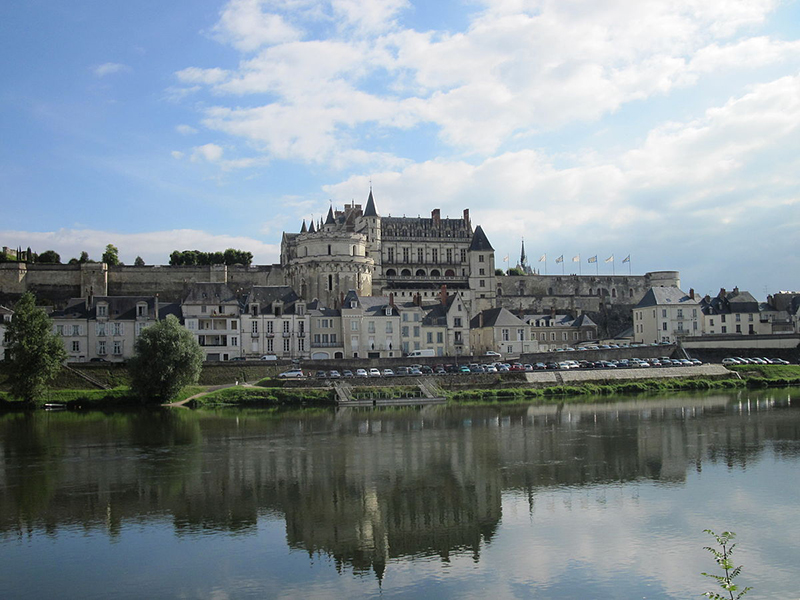
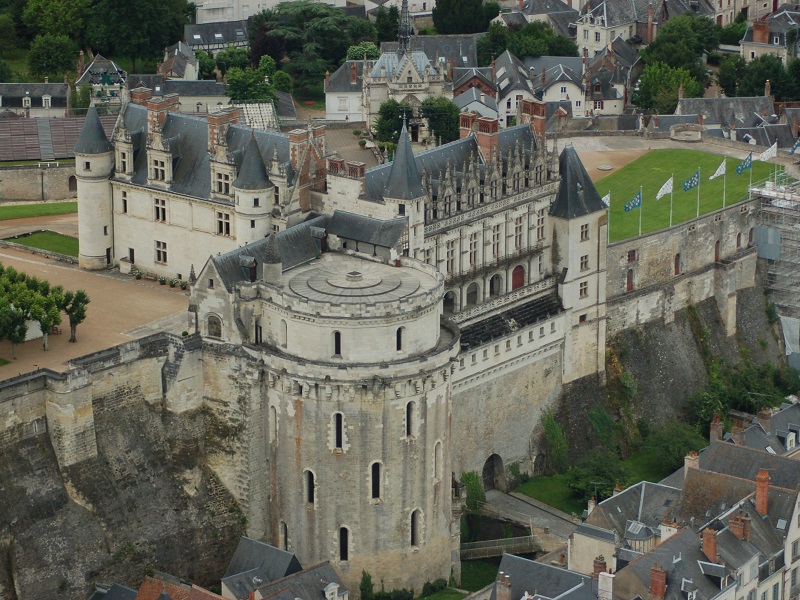
Amboise Castle - Château Royal d'Amboise, Amboise, Indre and Loire, Center - Loire Valley, French Republic.
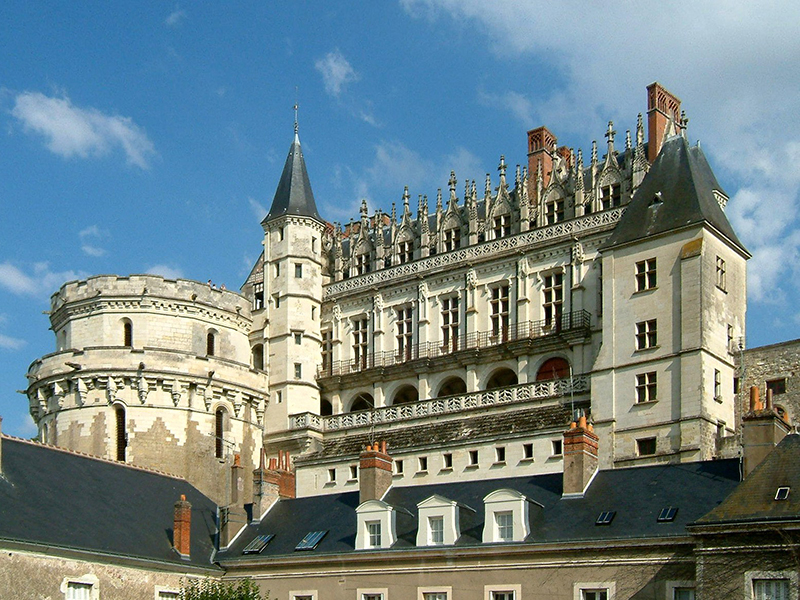
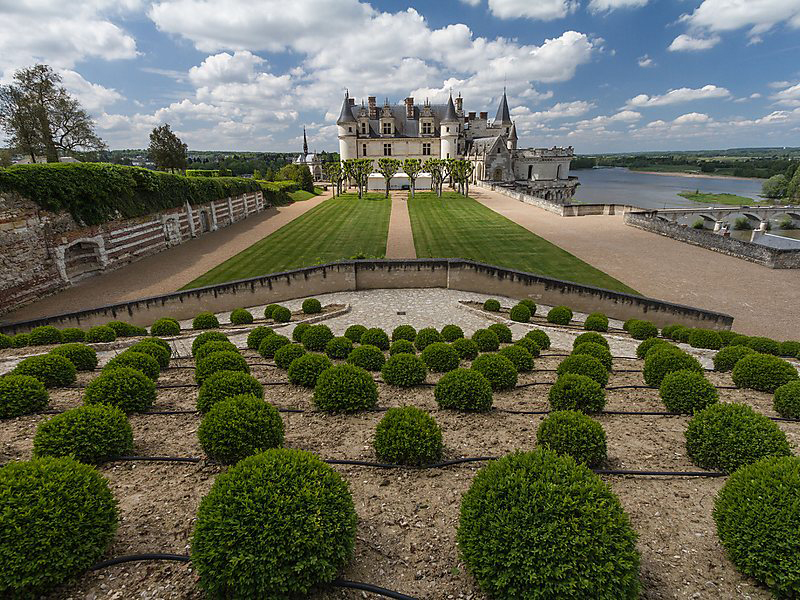
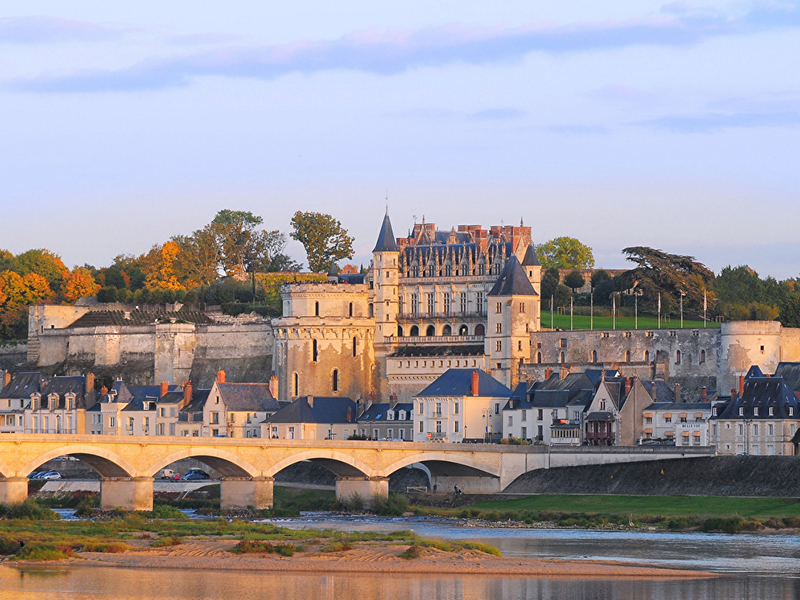
The Château d’Amboise stands above the Loire—France’s longest river—in the town of Amboise, in the Indre-et-Loire department. It is one of the most significant châteaux in the Loire Valley and has been a UNESCO World Heritage Site since 2000.
Its original creator and owner was Fulk Nerra, Count of Anjou. Later, the château and the town came into the possession of the Amboise family, who used the site to control an important ford across the Loire. In the early 1430s, the King accused the owners of conspiring against the Crown, and their entire estate was confiscated by the royal treasury.
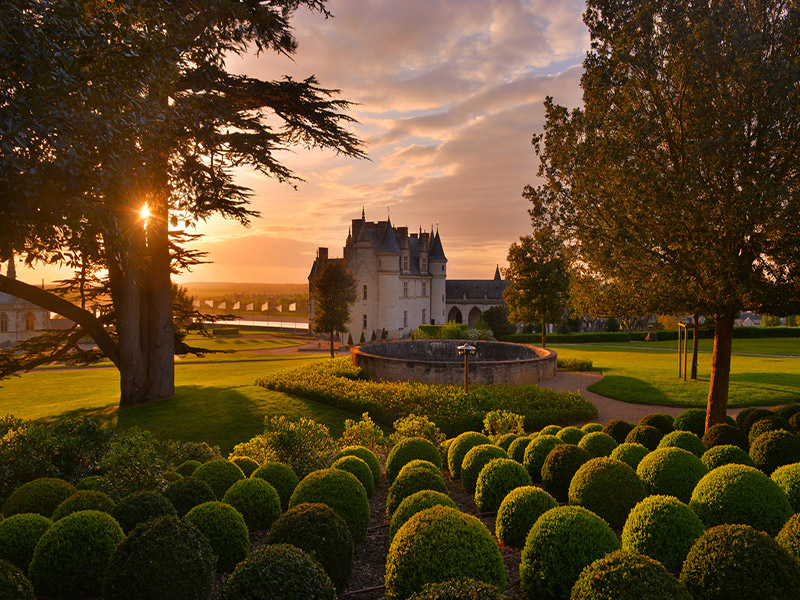
The château, in the form that has survived to the present day, was begun in 1492 by order of Charles VIII—who was both born and died in Amboise. To complete the project, the King invited the Italian architects Domenico da Cortona and Fra Giocondo, who introduced the new Renaissance style to French architecture. It is believed that the first formal garden outside of Italy was created here.
King Francis I also grew up at the château; he later favored it even more than the residence at Blois, which had belonged to his predecessor, Louis XII. In 1516, the King invited the renowned Leonardo da Vinci to reside at the Clos Lucé—an estate connected to the château by an underground passage. Holding the official title of First Painter, Engineer, and Architect to the King, Leonardo received an annual pension of one thousand écus. It was here that he completed the *Mona Lisa* (*La Gioconda*), and here he passed away in 1519. The artist is buried in the château’s Chapel of Saint Hubert. On the tombstone, there is an inscription: "Within the walls of this chapel lie the remains of Leonardo da Vinci, the greatest artist, engineer, and architect of the Kingdom of France."
Following the death of Francis I, the Château d'Amboise became the seat of the "young court" of Henry II and Catherine de' Medici. In 1560, the Dukes of Guise brought the young King Francis II here from Blois, at a time when the Huguenots were planning an attack on him. It was also here that the conspirators were subjected to a brutal reprisal.
Under subsequent rulers, the castle lost much of its former popularity. It passed into the hands of the King’s relatives and members of his inner circle, and was also used to hold high-profile prisoners.
During the French Revolution in the 18th century, a large part of the Château d'Amboise was destroyed. In 1872, the surviving portions of the castle were placed under the control of the House of Orléans. Today, the Château d'Amboise is owned by the Fondation Saint-Louis, headed by His Highness the Count of Paris.
26 okt 2026
0
0