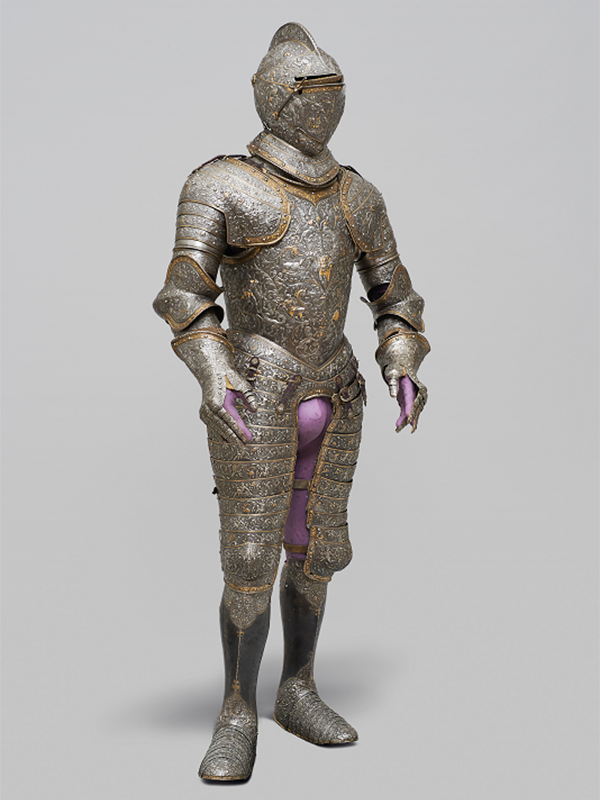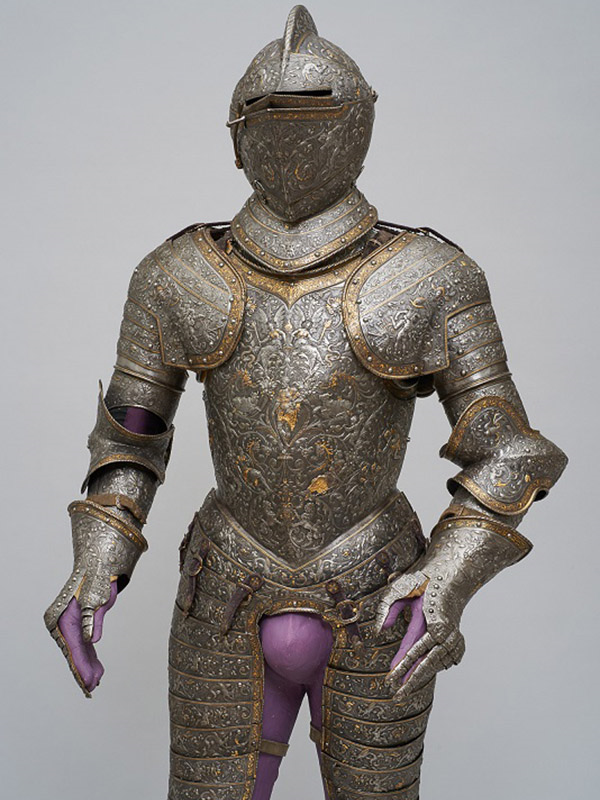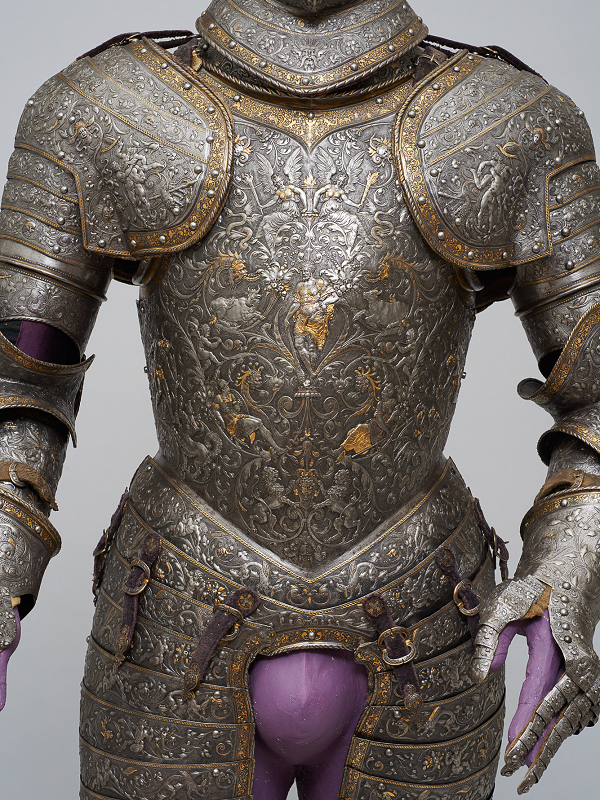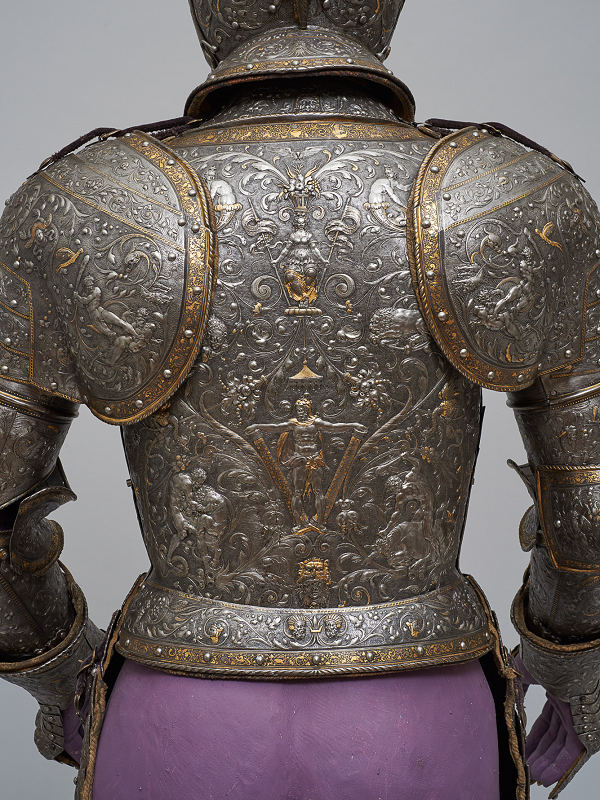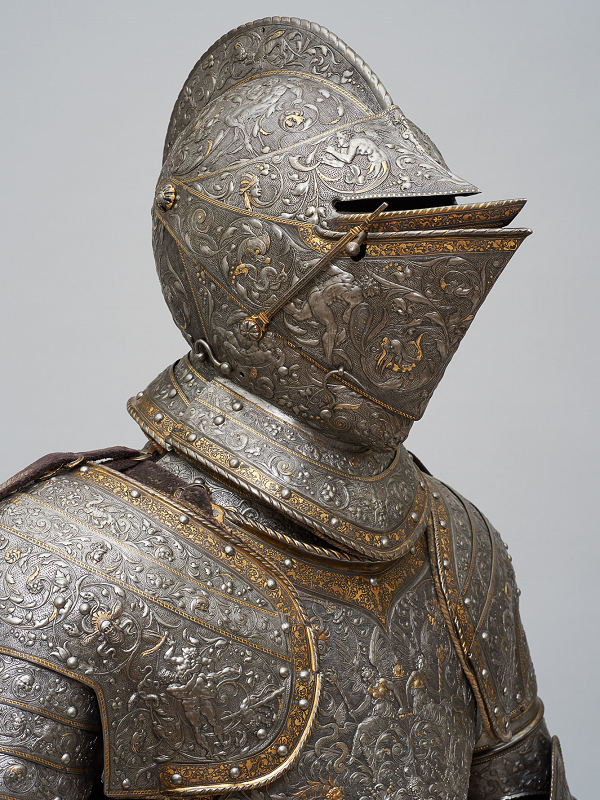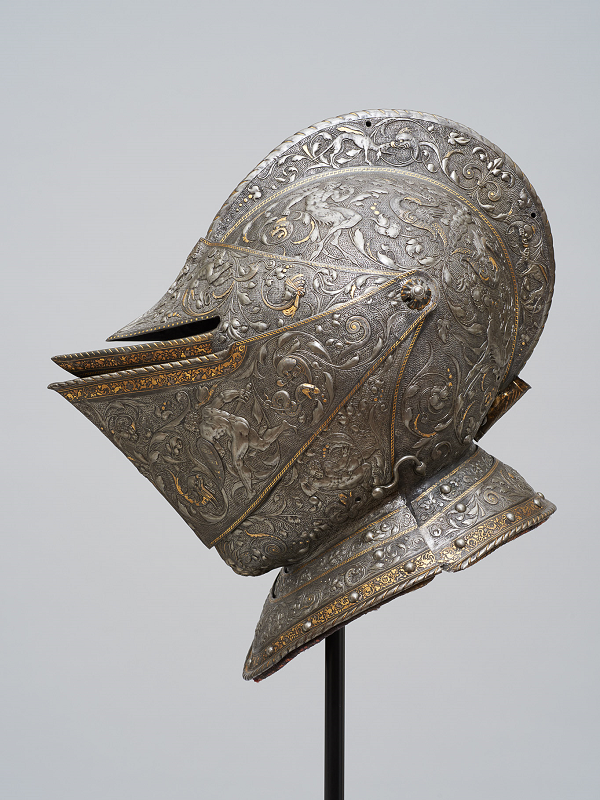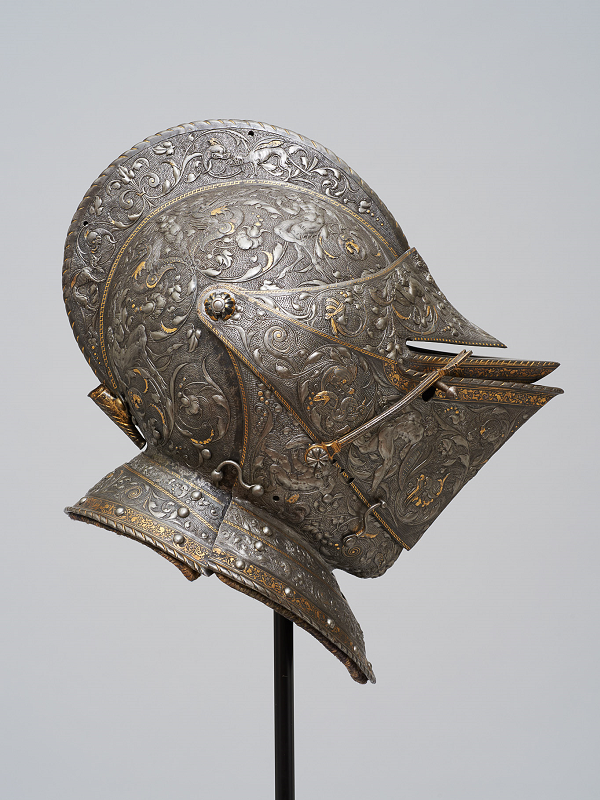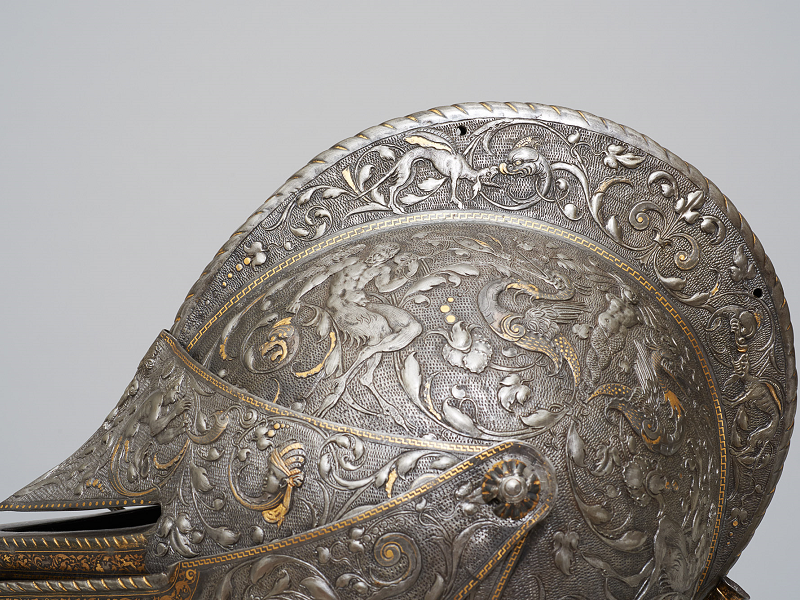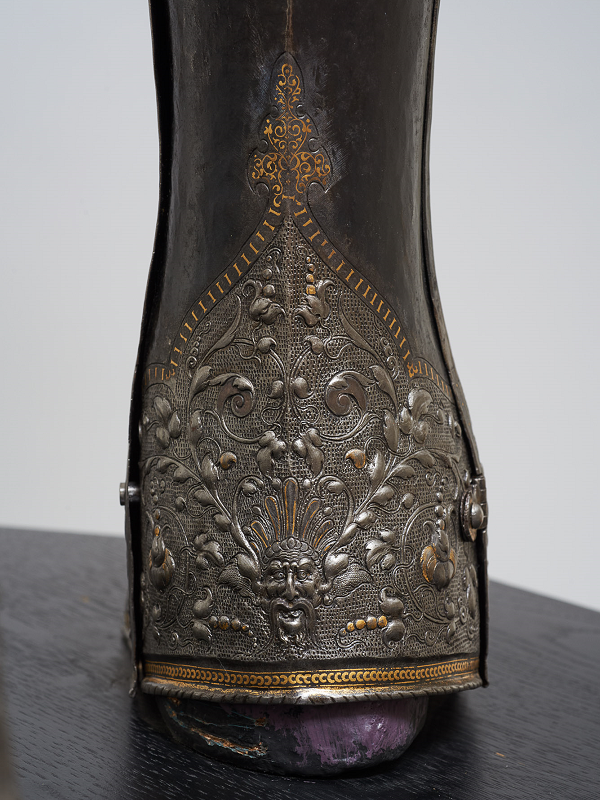



Eliseus Libaerts, activ 1530-1572, Antwerpen, Netherlands.
In the history of 16th-century European armory, there are few masters whose works transformed ordinary protective armor into a true work of art. One such outstanding armorer was Eliseus Libaerts, a Flemish armorer, jeweler, and master of decorative metalwork, whose works became the pinnacle of the Renaissance tradition of creating ceremonial armor.
Libaerts belonged to a generation of masters for whom armor was no longer simply military equipment. In the 16th century, knightly culture was gradually changing: heavy battle armor gave way to ceremonial attire designed for royal ceremonies, tournaments, and displays of power. It was in this style that Libaerts achieved his greatest mastery.
Libaerts worked in Antwerp, one of the most important artistic centers of 16th-century Northern Europe. During this period, the city was known not only for trade, but also for its development of jewelry, engraving, painting, and the production of luxury weapons.
Unlike a medieval blacksmith, a Renaissance armorer was simultaneously:
a metallurgist;
a sculptor;
an engraver;
a jeweler;
an artist of court art.
Work on a single royal armor could take years and required the participation of several specialists.
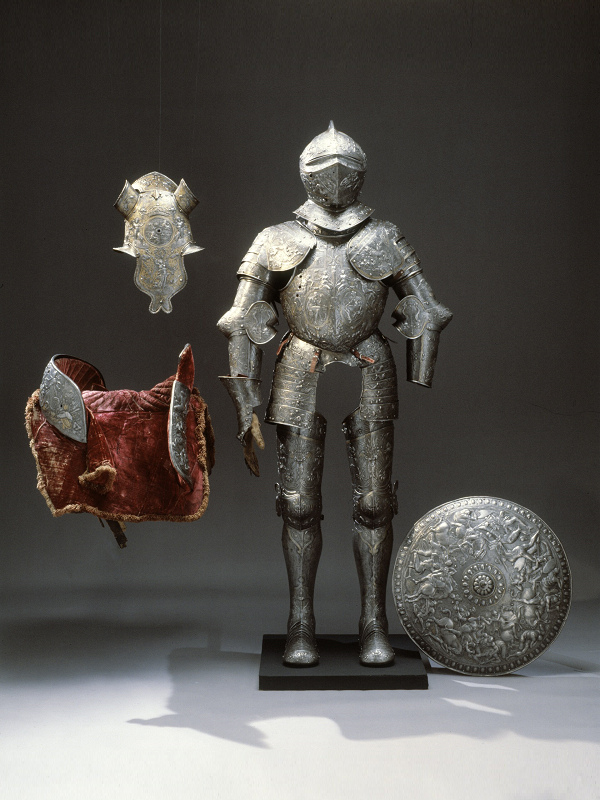
The crowning masterpiece is the armor of Eric XIV of Sweden.
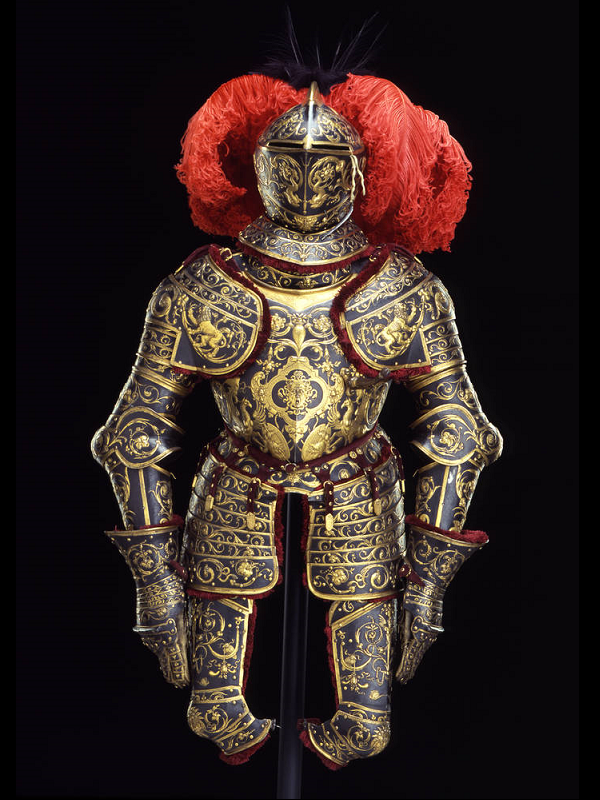
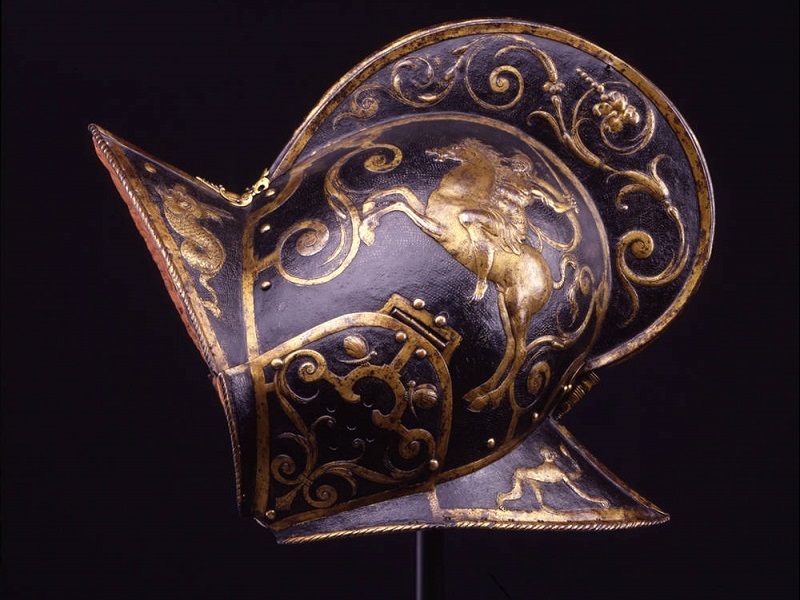
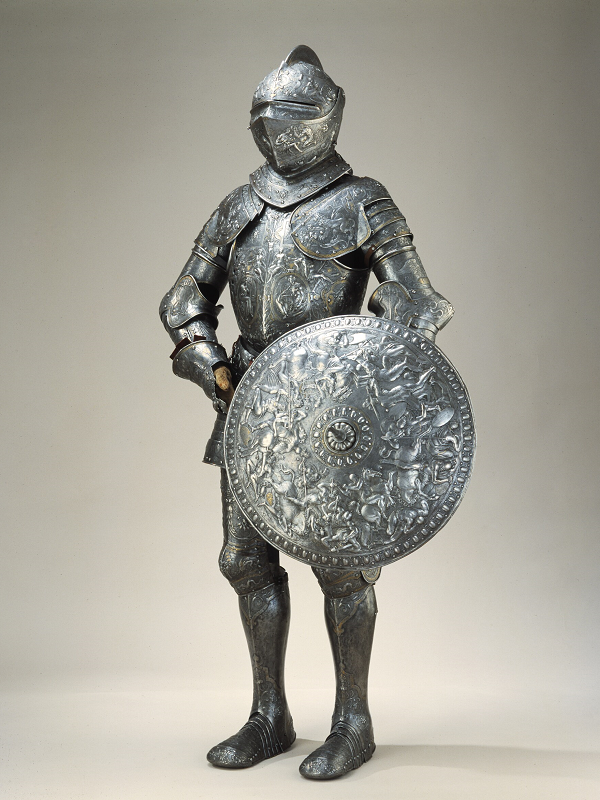
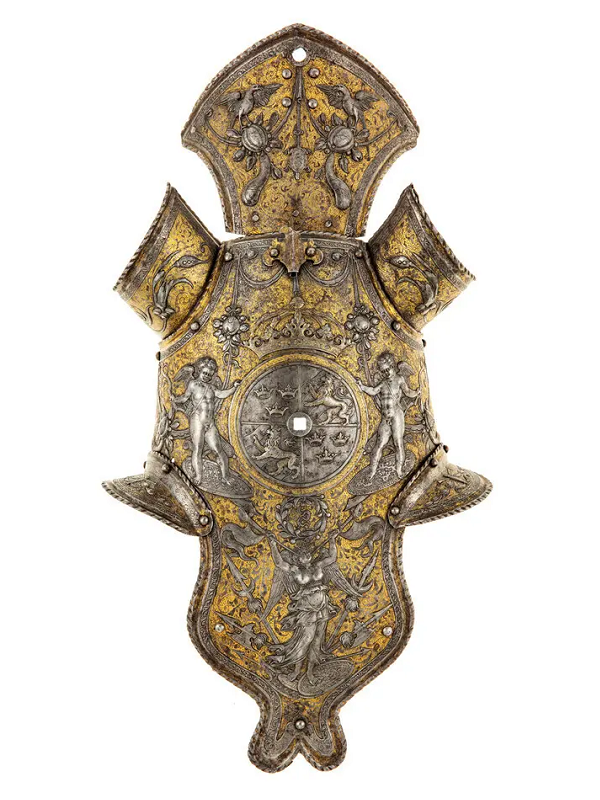
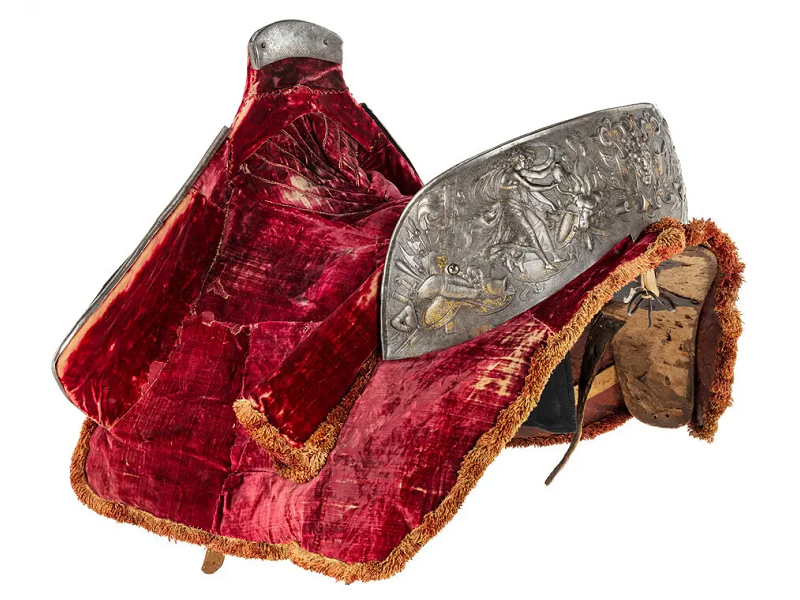
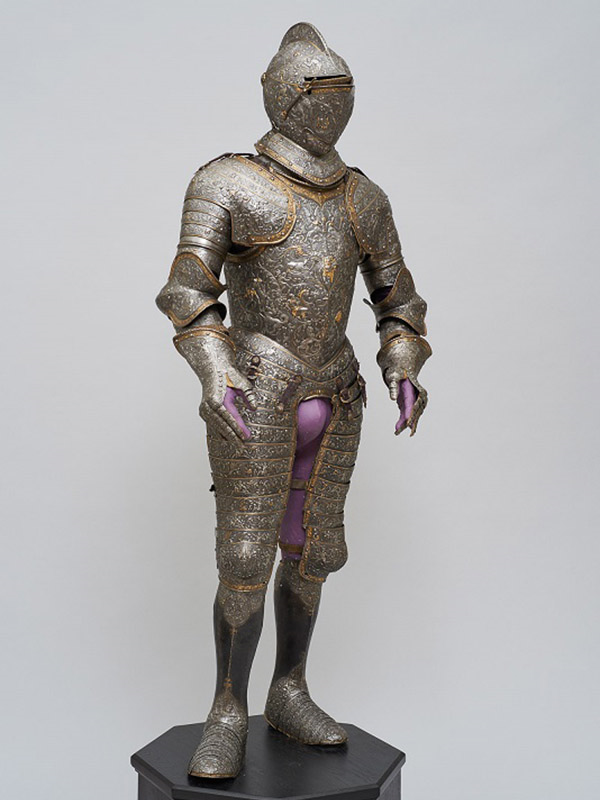
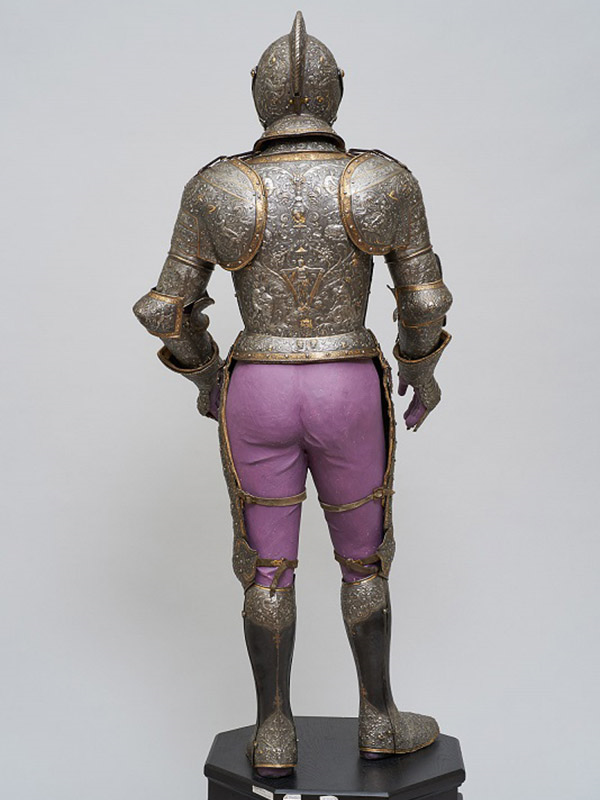
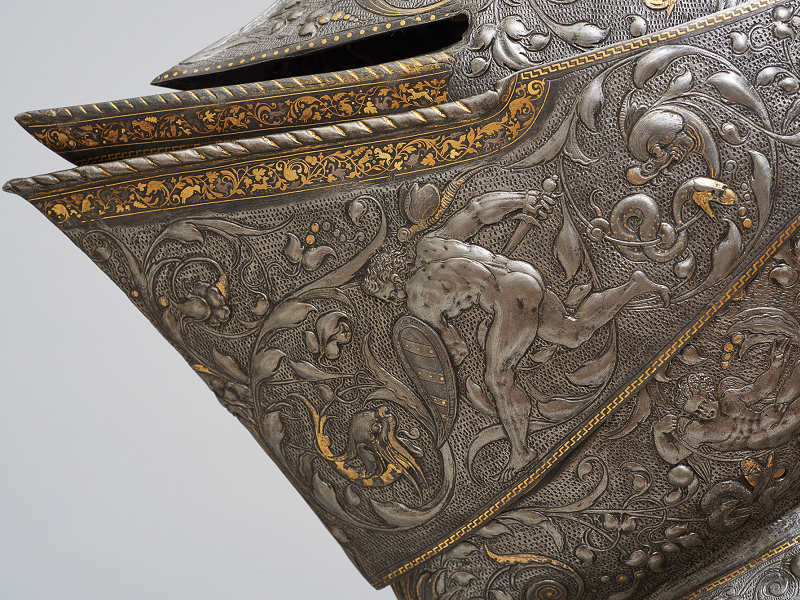
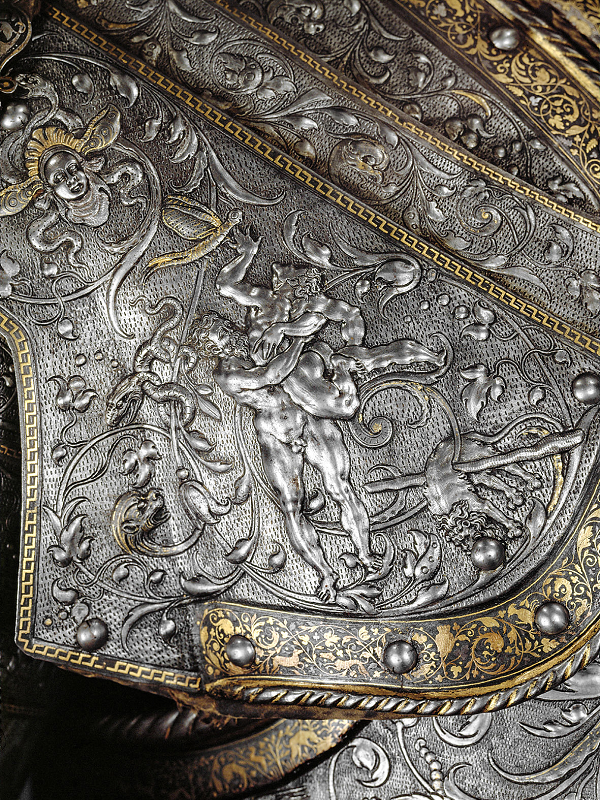
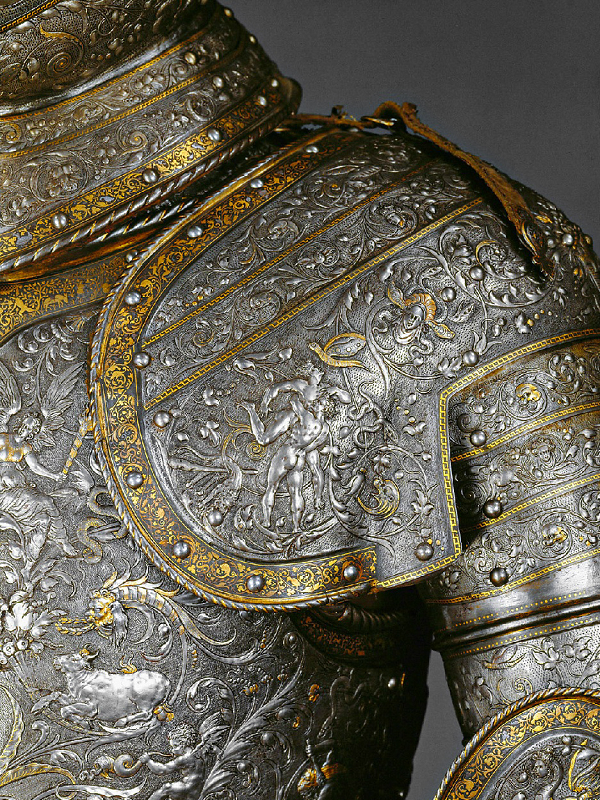
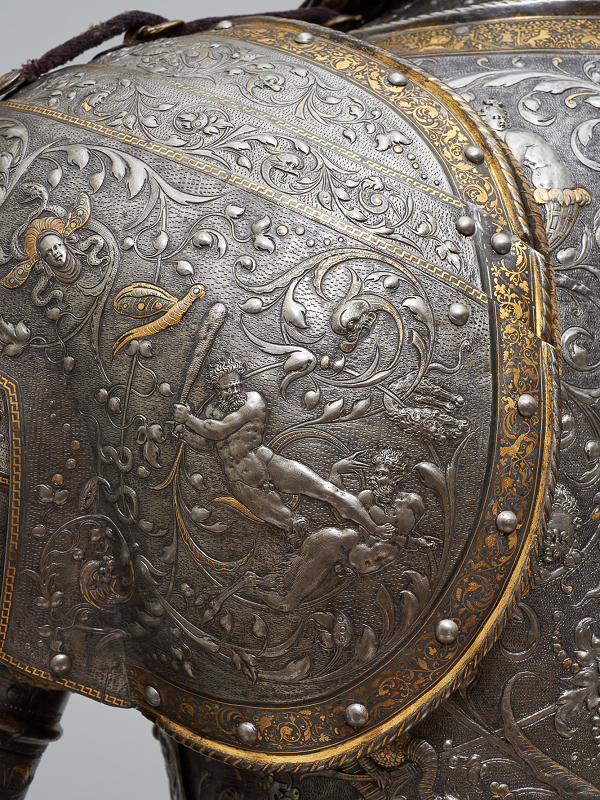
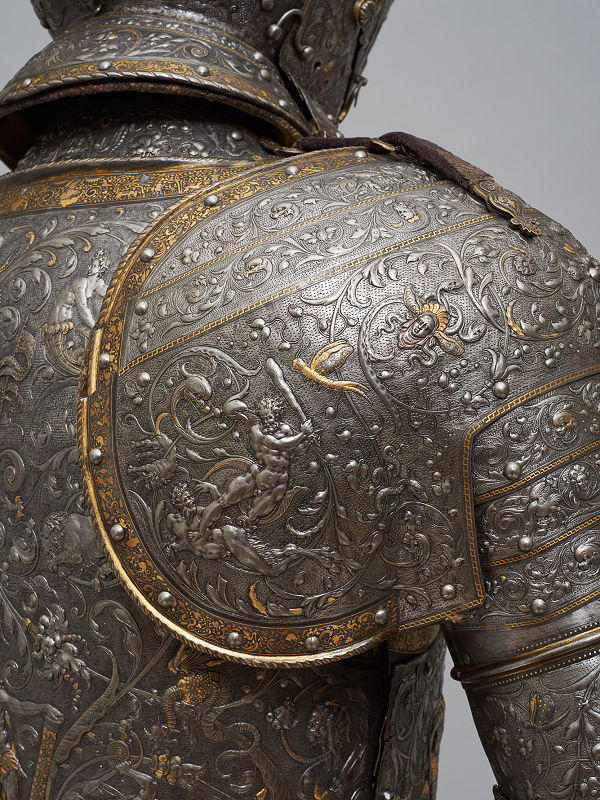
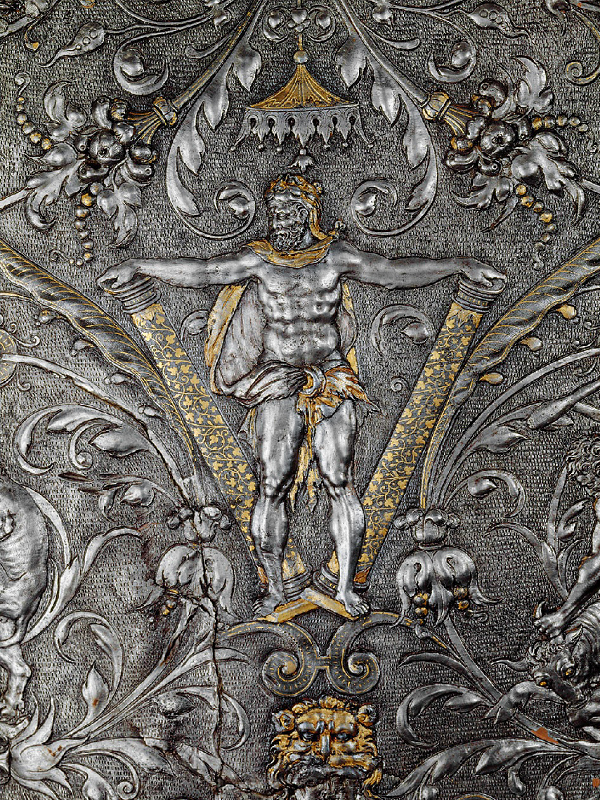
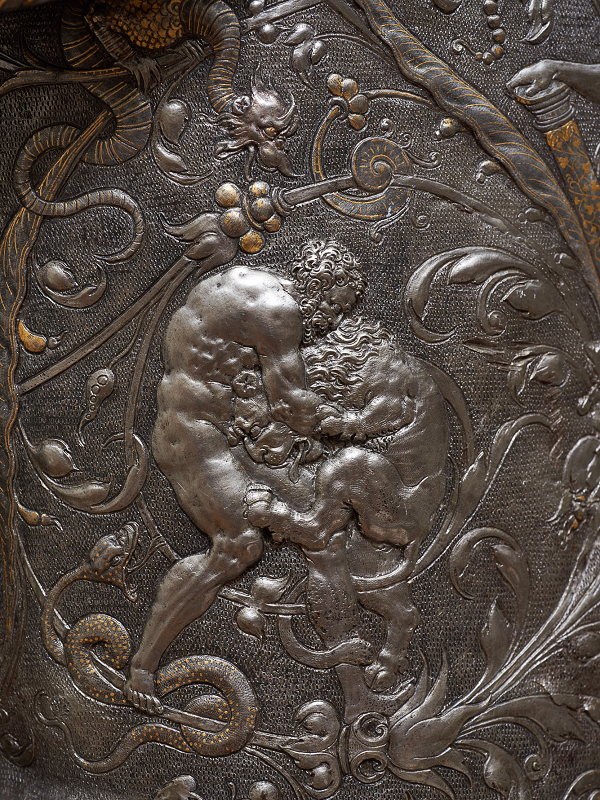
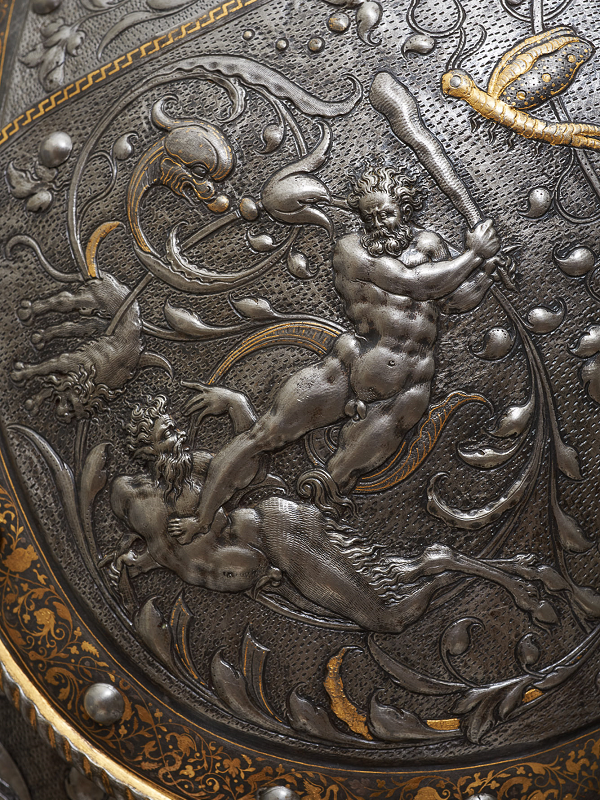
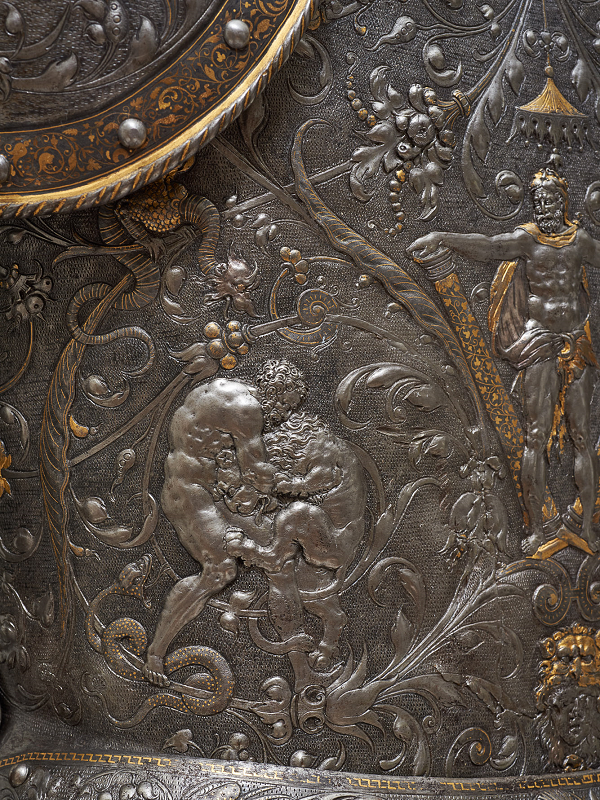
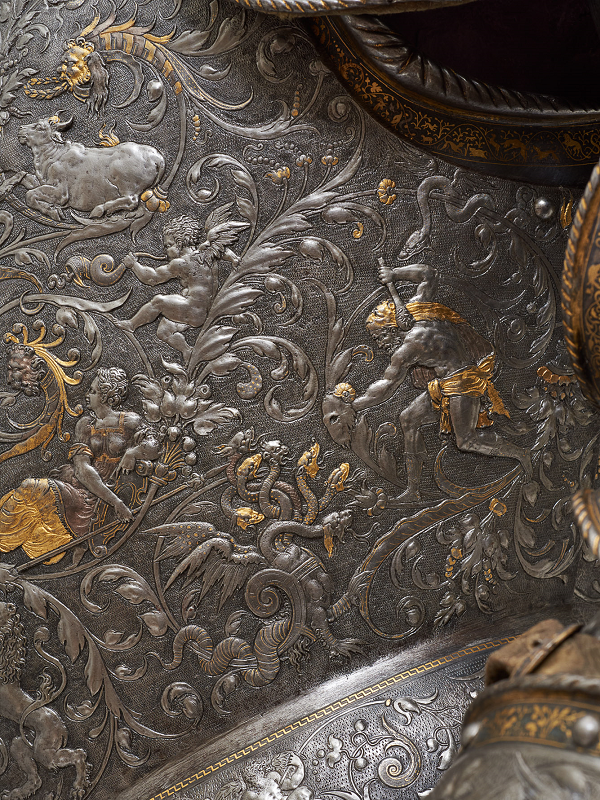
Libaerts's most famous creation is the magnificent ceremonial armor for King Eric XIV of Sweden, created in 1563–1564. This set is considered one of the greatest achievements of 16th-century European armormaking.
The armor was intended not for actual battle, but for royal representation. Its purpose was to create the image of the ideal monarch—strong, wise, and invincible.
The set's features include:
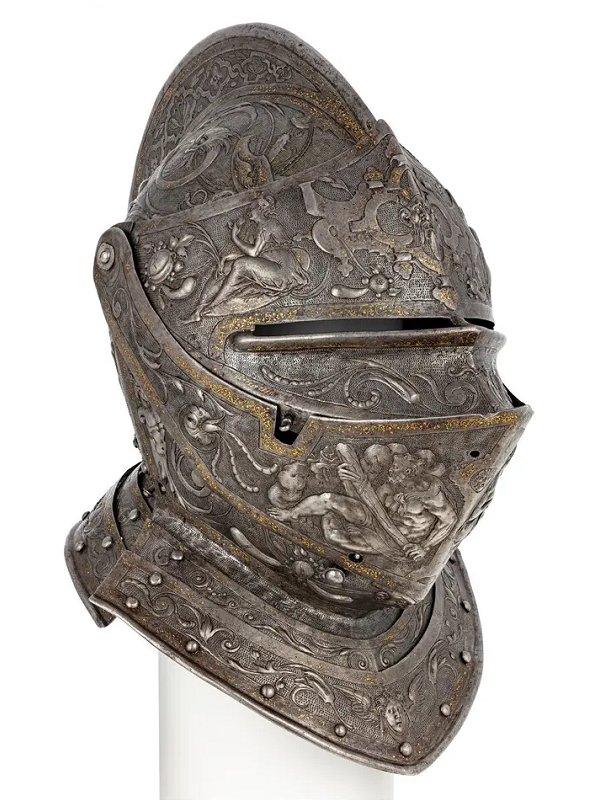
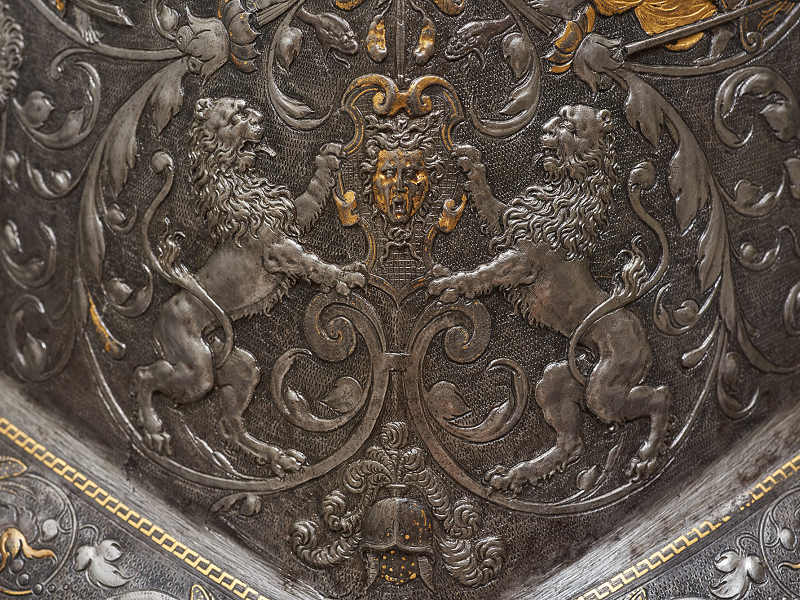
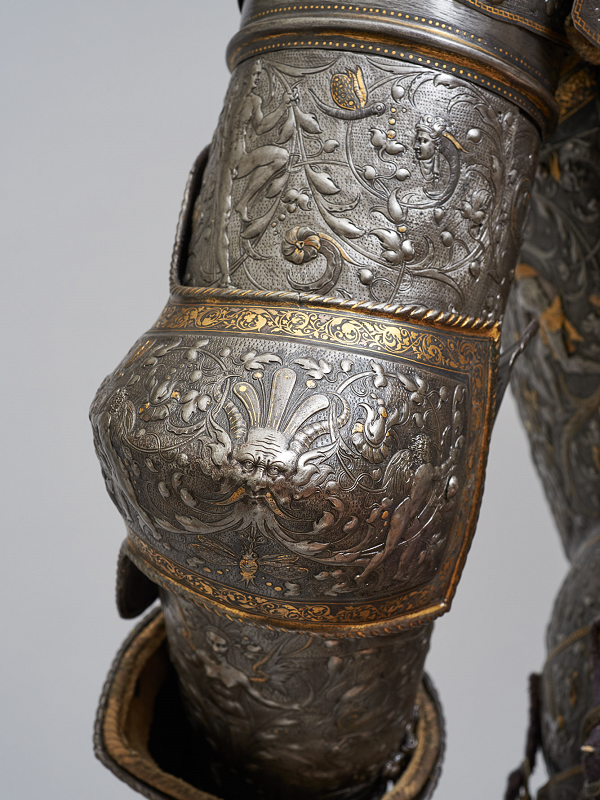
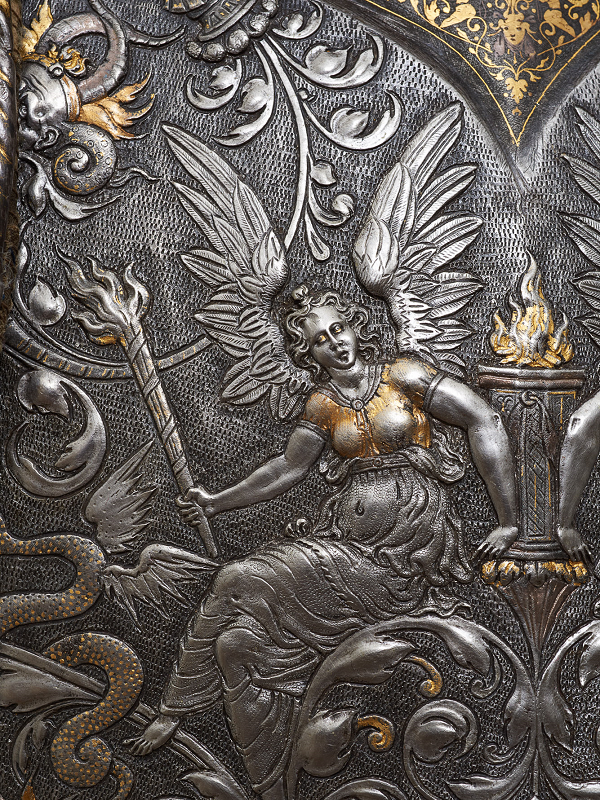
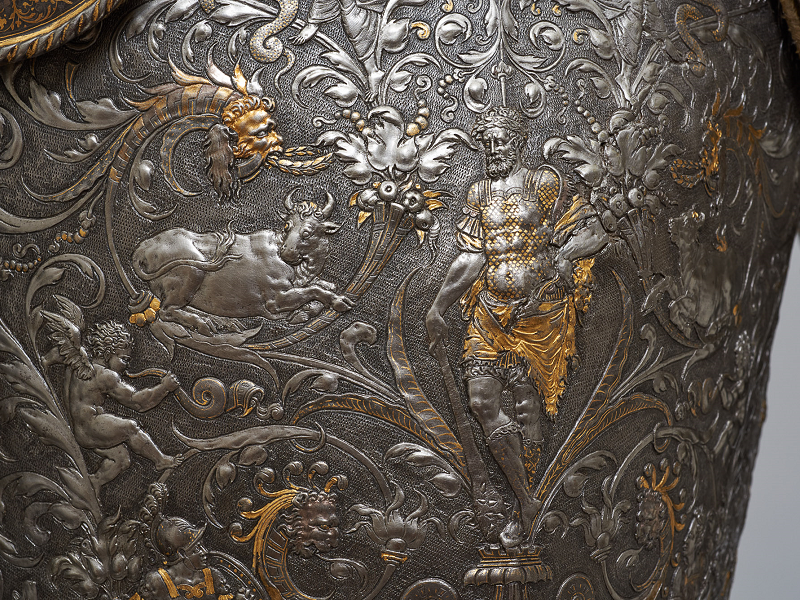
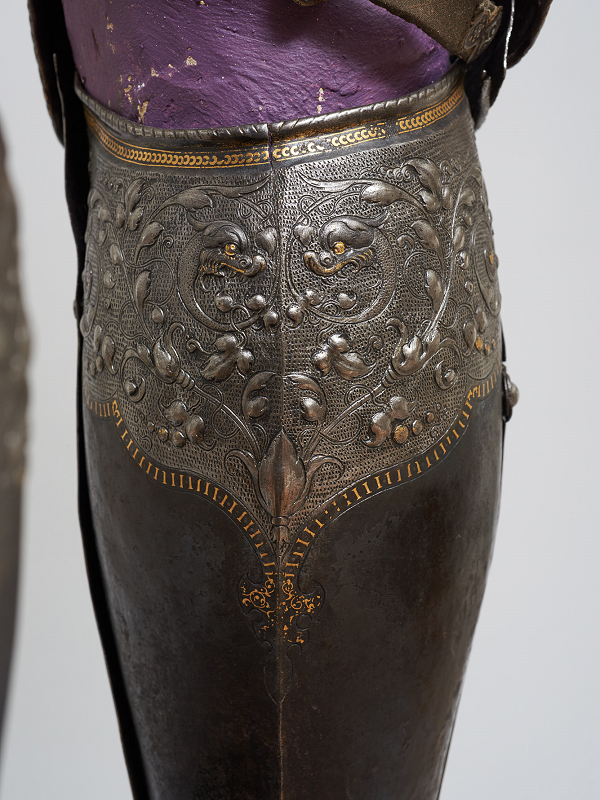
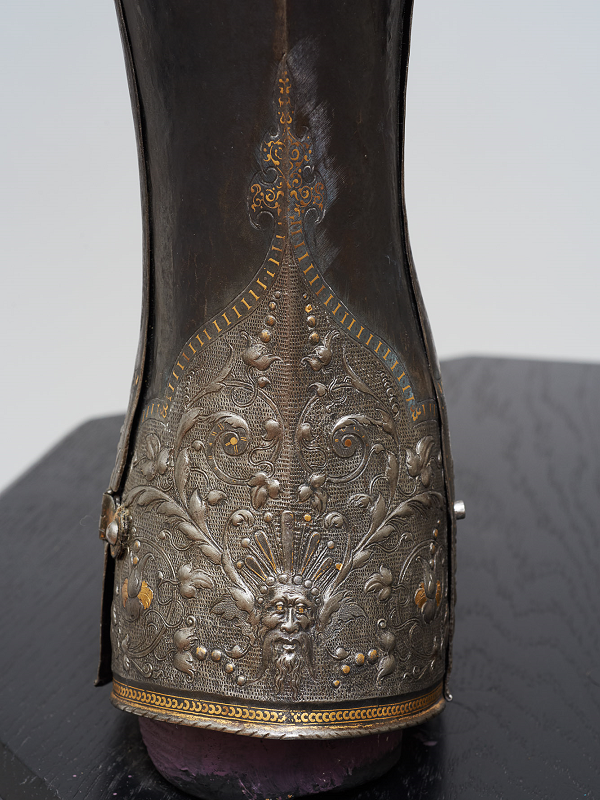
blackened steel with rich gilding;
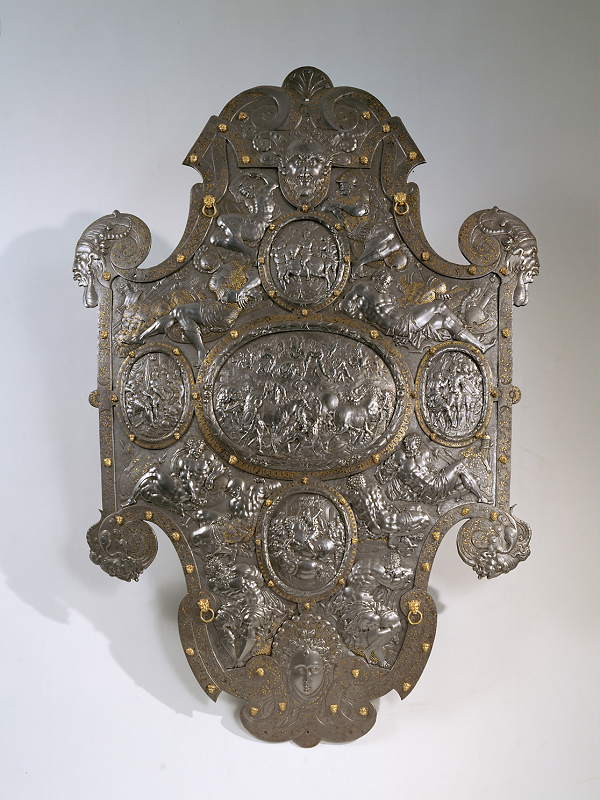
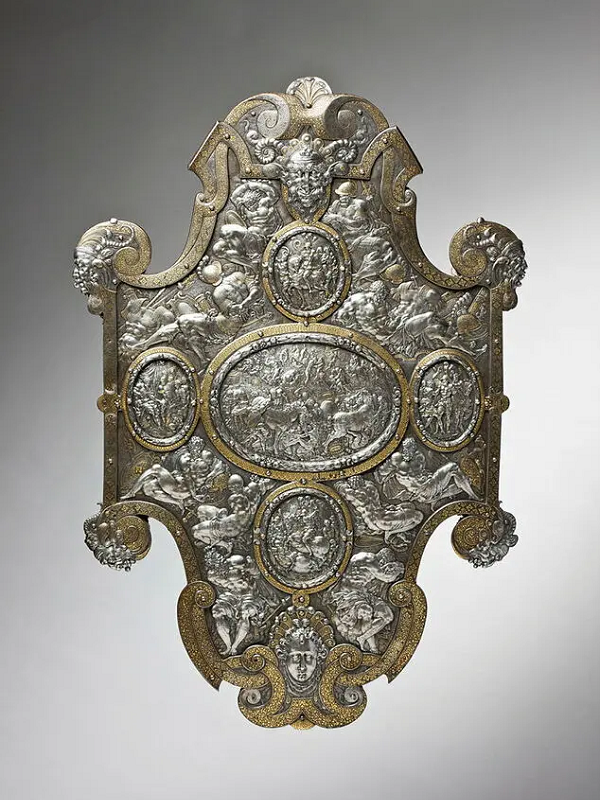
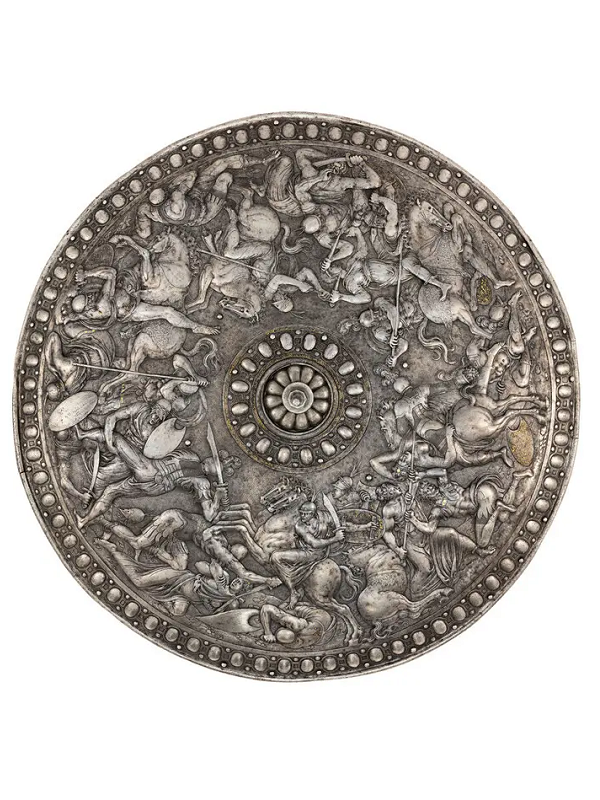
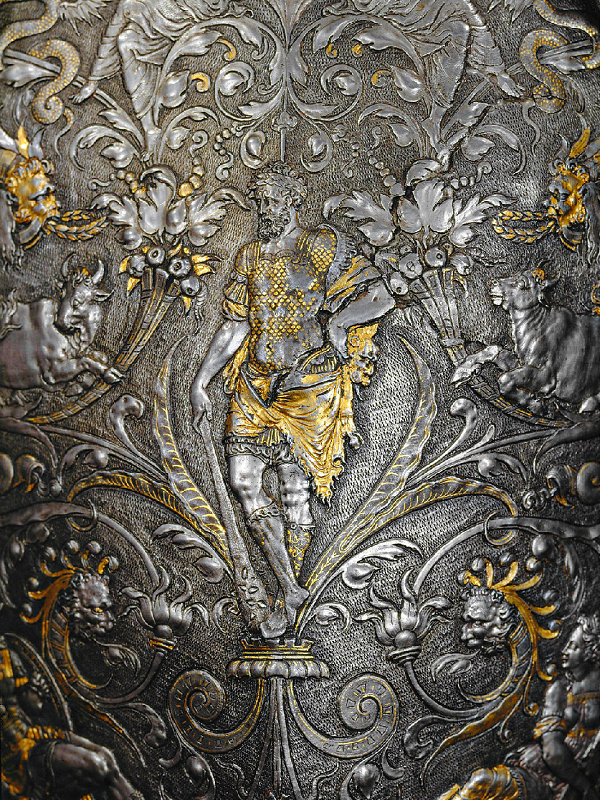
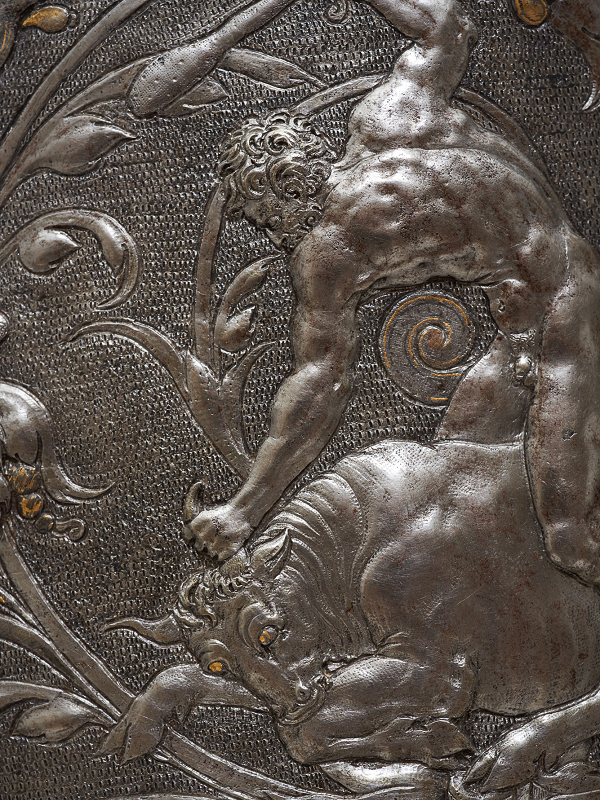
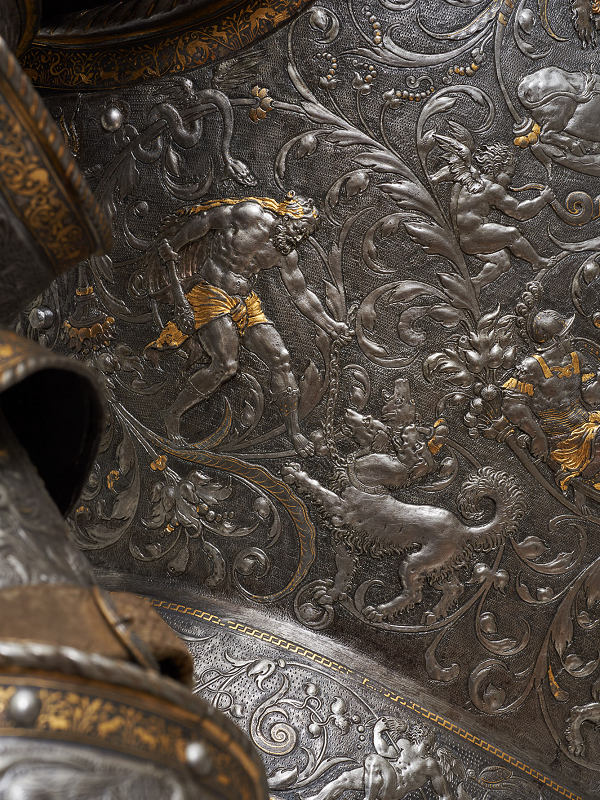
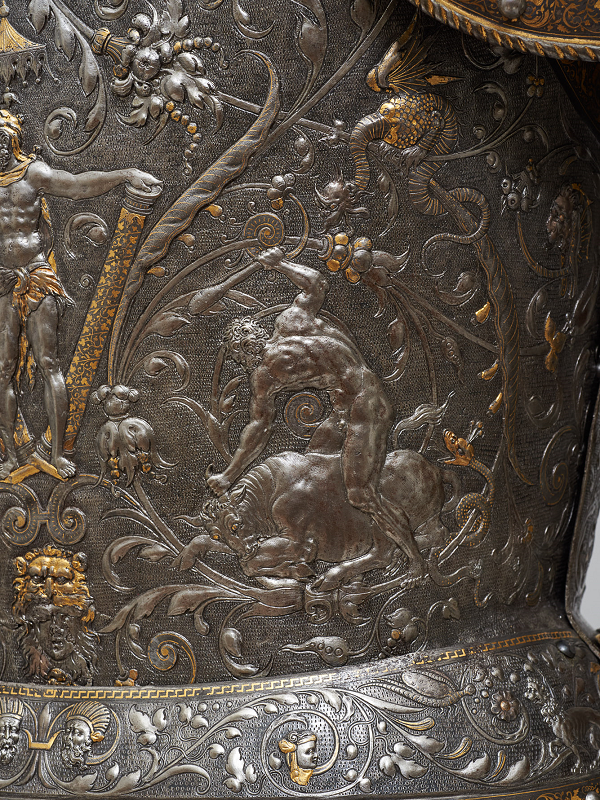
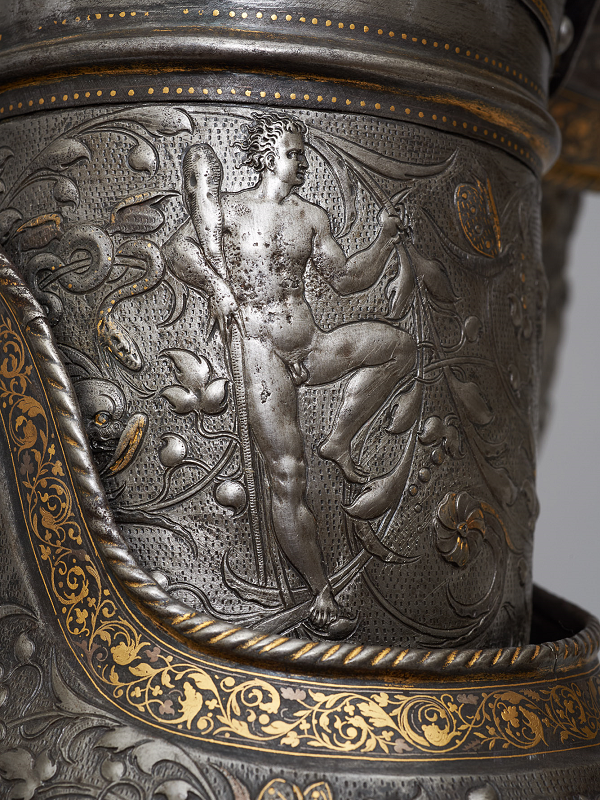
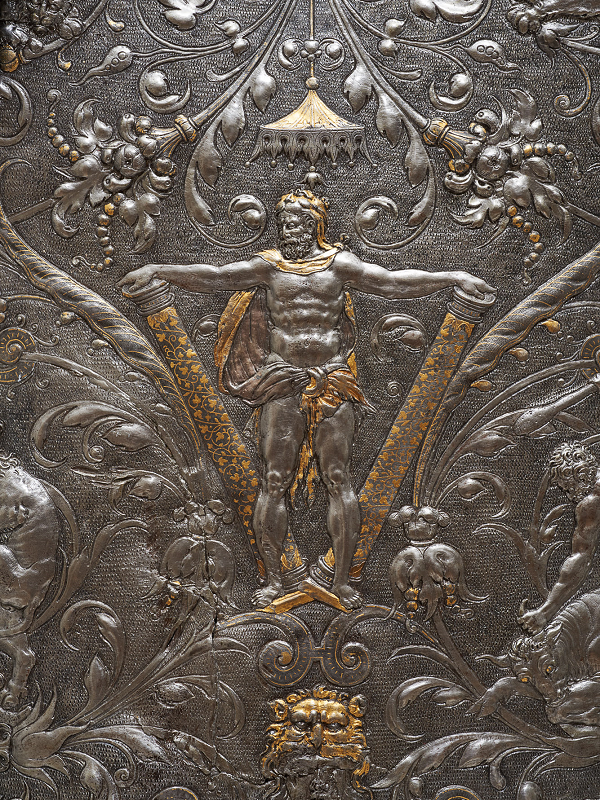
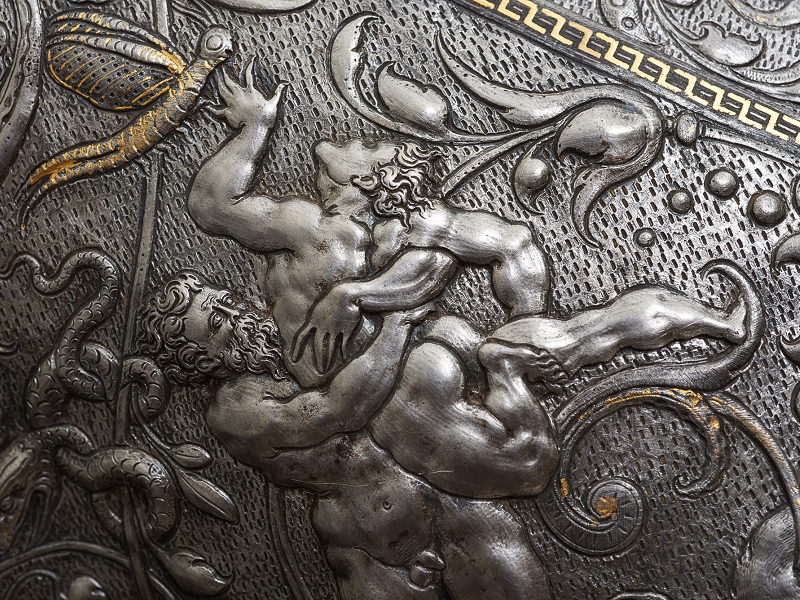
relief images of ancient heroes;
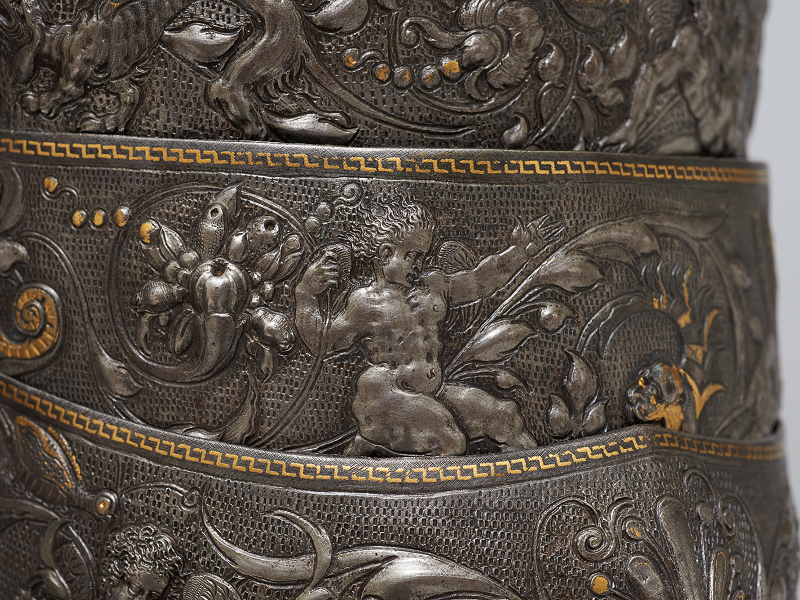
intricate engraving;
allegorical scenes;
ornaments in the style of Northern European Mannerism.
The central symbols are images of Hercules and the Gorgon Medusa. Hercules personified the ruler's strength and heroism, while Medusa's head was meant to symbolically protect the owner from enemies.
The "Golden Armor" and its fate.
Today, this famous set is known as the "Hercules Armor" or "Golden Armor." It is housed in the Dresden Armory (Rüstkammer) and is one of the collection's highlights.
The armor's history reflects the political conflicts of 16th- and 17th-century Europe. After being created for Eric XIV, it became associated with military events between the Scandinavian states and later became part of the collection of Saxon rulers.
In Dresden, this armor became a symbol of an era when weapons were simultaneously instruments of war and the language of political propaganda.
Mannerist art in metal.
Lieberts's work exemplifies Renaissance Mannerism—an artistic movement characterized by complex forms, sophistication, and a love of classical motifs.
On the surface of his armor, one can see:
Classical mythology.
Heroes of Ancient Greece and Rome replace traditional medieval religious symbols. The ruler was depicted as the heir to the great heroes of the past.
Steel sculpting.
The metal was transformed into something resembling stone or bronze sculpture. Convex reliefs created an effect of movement and depth.
Jewelry finishing The following were used:
gilding;
etching;
engraving;
blackening of metal.
This armor was more of a palace work of art than military equipment.
Armor as a symbol of power.
In the Middle Ages, knightly armor demonstrated membership in the military class. During the Renaissance, it also became a political symbol.
Royal ceremonial armor communicated to the viewer:
the ruler possesses physical strength;
he is the defender of the state;
he inherits the glory of ancient heroes;
his power is almost mythical.
This is why masters like Lieberts received commissions from the monarchs and princes of Europe.
The Importance of Elizeus Liebaerts in the History of Armor.
Elizeus Liebaerts occupies a special place among the great armorers of Europe, alongside such masters as:
Conrad Seusenhofer;
Jörg Seusenhofer;
Desiderius Helmschmidt;
the Negroli family.
But while medieval masters primarily created combat armor, Liebaerts created a new type of work—armor as a work of court art.
His works mark the transition from the era of knightly combat to the era of monarchical splendor, when steel became the artist's canvas.
Eliseus Liebaerts was one of the greatest armorers of the 16th century, whose name is forever etched in the history of European armor. His "golden armor" of Eric XIV is not only an outstanding example of defensive armament but also a monument to Renaissance culture, where knightly tradition merged with art, politics, and classical symbolism.
For modern researchers of the history of arms, Liebaerts remains an example of a master who transformed cold steel into a work of art.
Famous customers of the master:
Emperor Maximilian II.
Armor of the great master you can see:
Rüstkammer, Dresden, Saxony, Germany.
Skoklosters slott, Skokloster, Uppsala län, Konungariket Sverige.
Livrustkammaren, Stockholm, Stockholms län, Konungariket Sverige.
Hofjagd- und Rüstkammer, Wien, Republik Österreich.