- Articles
- Weapons
- Armor
- Armor for horses
- Emperor Armor
- Chivalry
- Chivalry
- Knights castle
- Knights tournament
- The Crusades
- Knightly Orders
- Knightly saddle
- Knightly motto
- Great Knights
- Price of armor
- Children's armor
- Castles and fortresses
- Museums of armor and weapons
- Coats of arms and heraldry
- Routes and excursions
- Guides


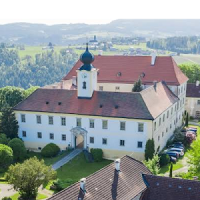

Veliki Tabor Castle
Dvor Veliki Tabor
www.veliki-tabor.hr
Košnički Hum 1 49216 Desinić, Krapinsko-zagorska županija, Republika Hrvatska
46.154548, 15.651450 View map
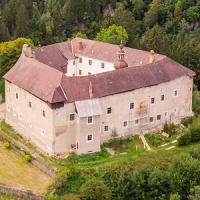
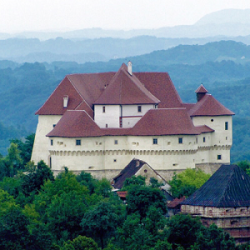
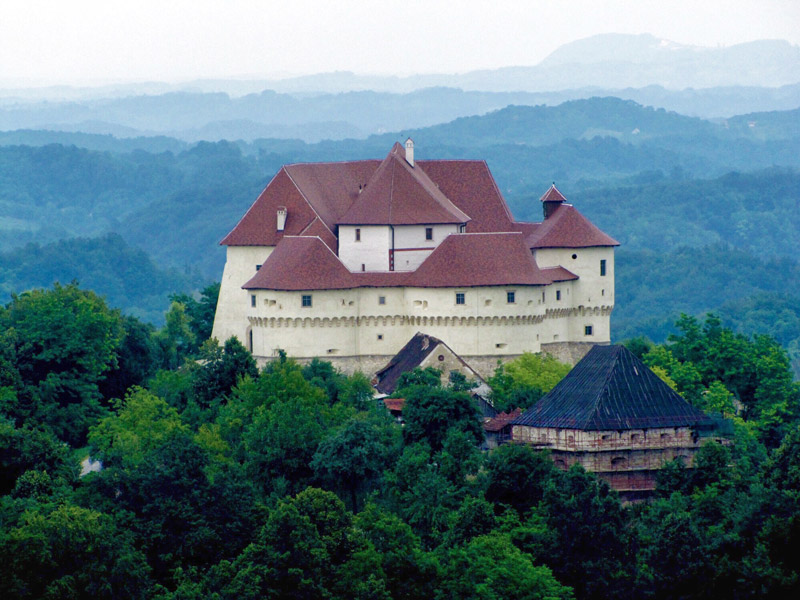
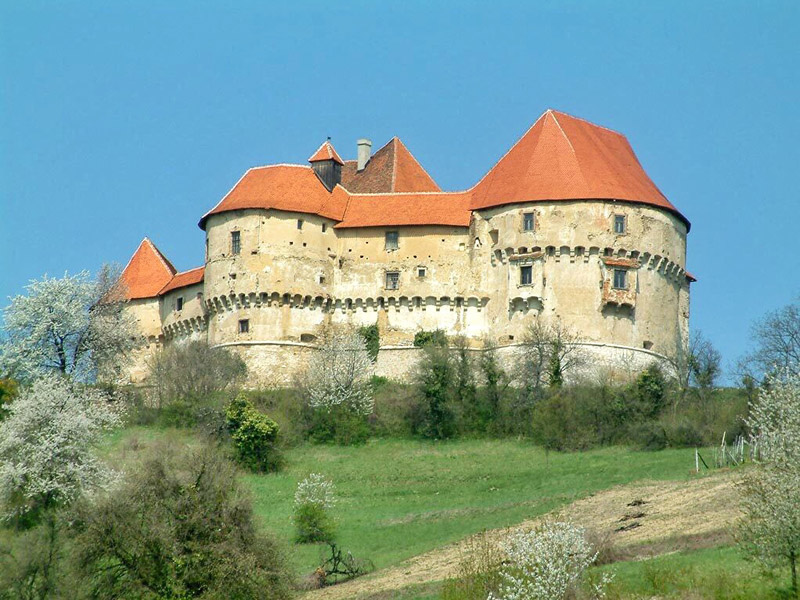
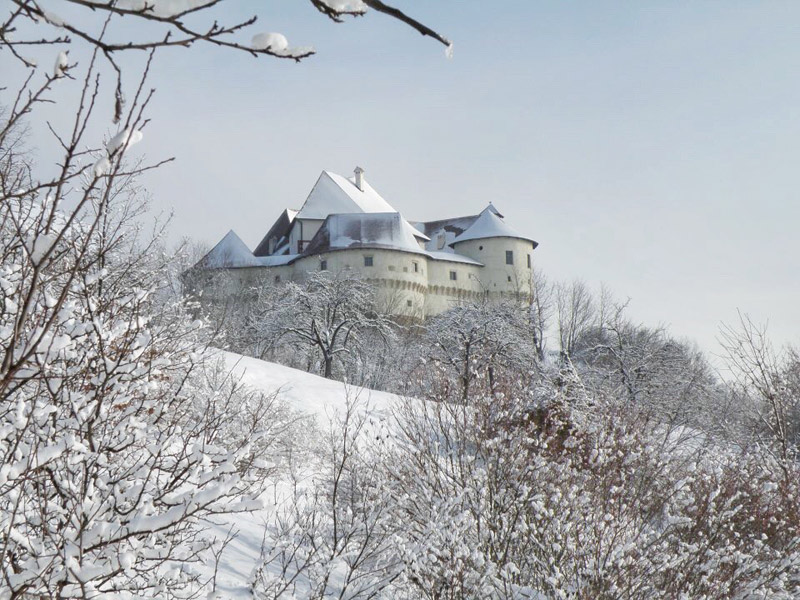
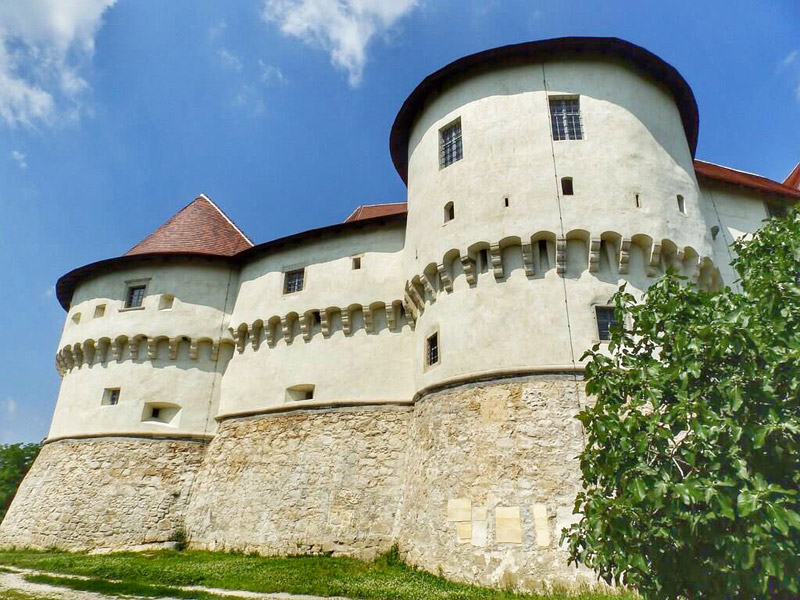
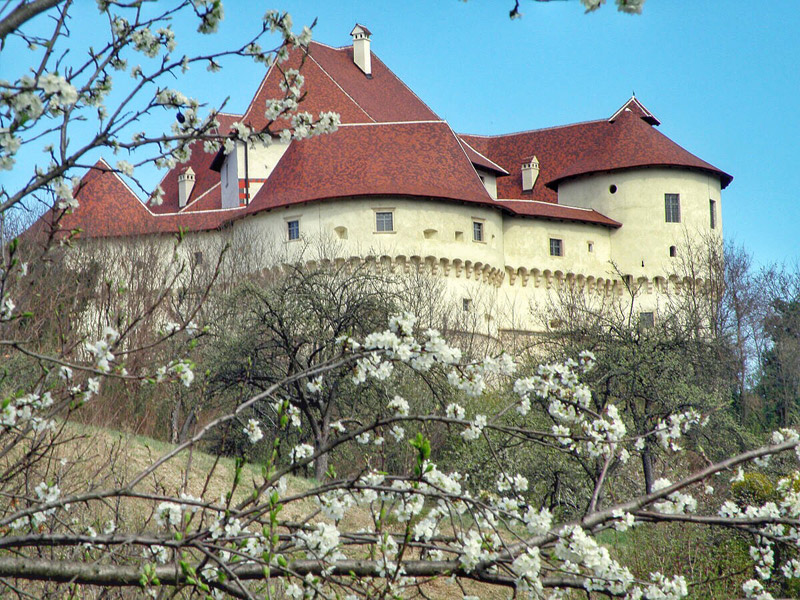
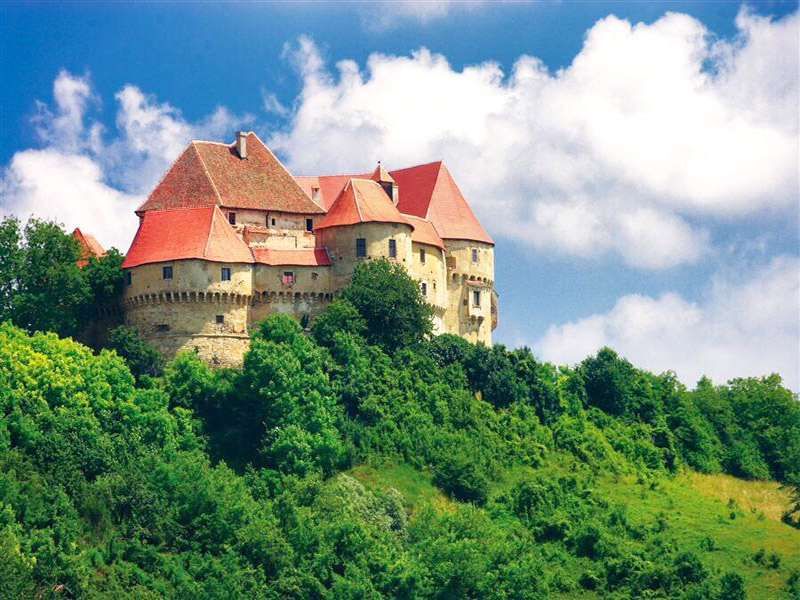
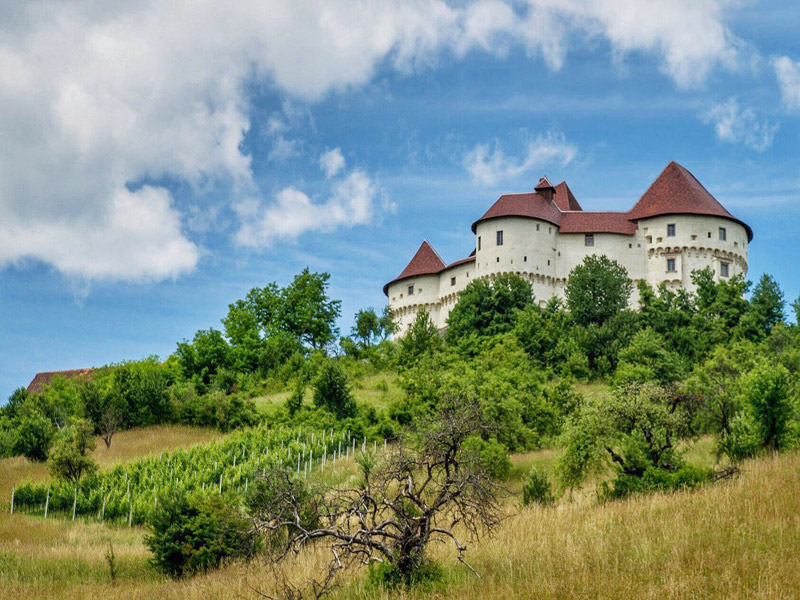
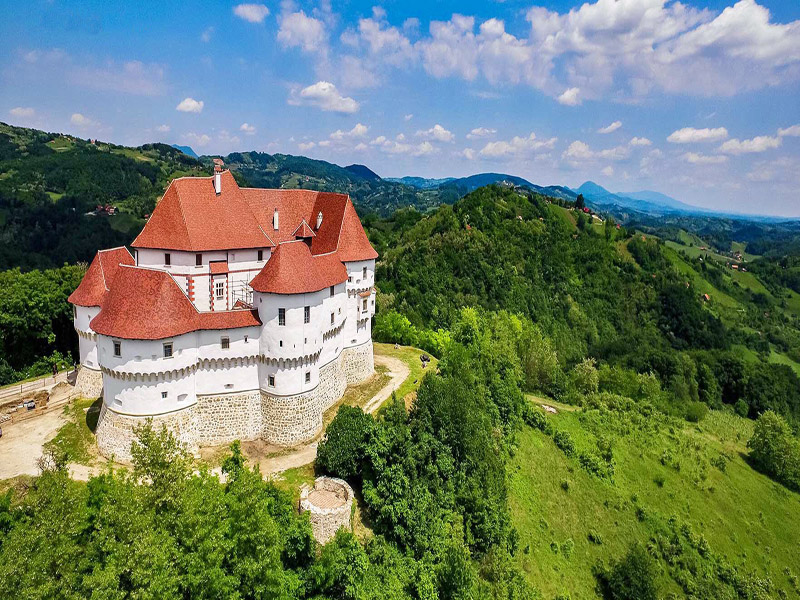
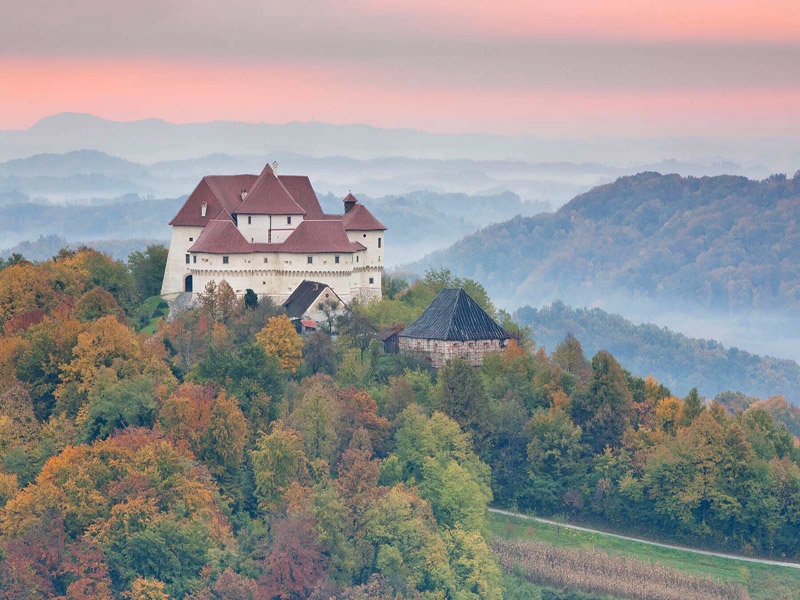
Veliki Tabor Castle - Dvor Veliki Tabor, Desinic, Krapina-Zagorje County, Republic of Croatia.
Not far from the town of Desinić stands one of Croatia's most famous castles, Veliki Tabor. It gazes proudly and majestically from a height of 219 meters over the picturesque surroundings and is one of the best-preserved fortified castles of the late Middle Ages and Renaissance in continental Croatia.
The castle was built here as early as the 12th century. It is believed to have succeeded the ancient Roman citadel that stood on this site in the 2nd century AD, and its location gave it an important strategic role.
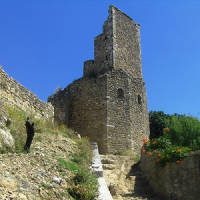
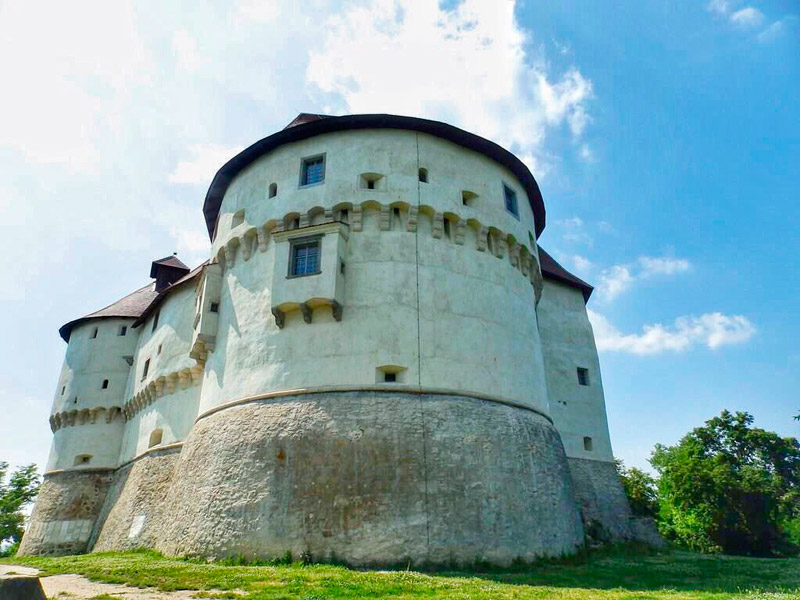
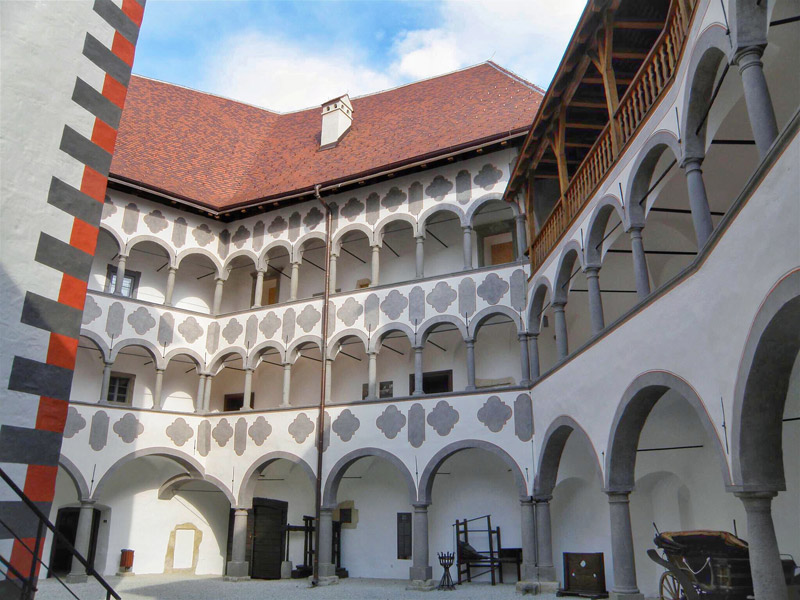
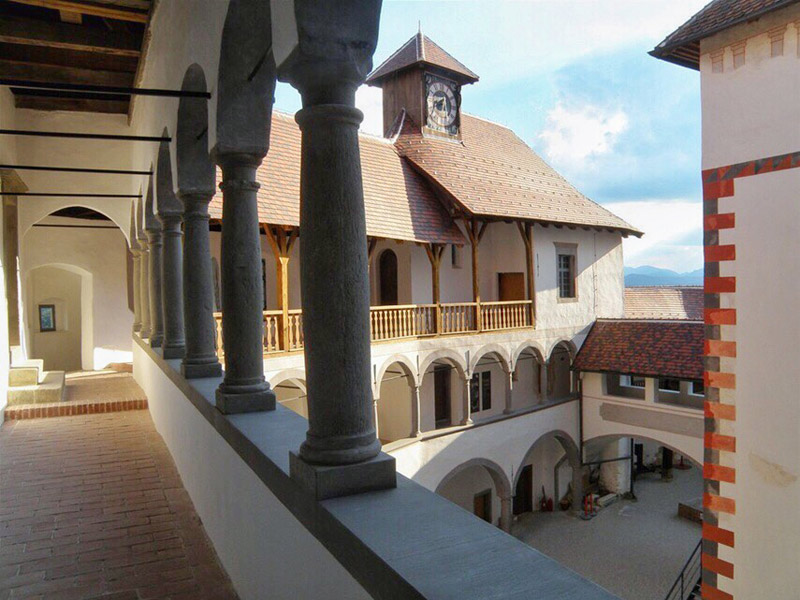
Veliki Tabor covers a vast area – 3,340 square meters. Its buildings date back to various periods. The castle's main pentagonal tower (Palas) dates back to the 12th century, while the other round towers were built later, in the mid-15th century. The interior consists of long galleries. And in the center of the columned courtyard stands one of the fortification's landmarks—an ancient well, 31 meters deep.
Documents indicate the aristocratic Rattkai family as the castle's first owners. They were not the builders, but merely reconstructed the existing fortification to protect against Turkish attacks. The castle remained in the family's possession for approximately 300 years, until 1793. During the 19th century, Veliki Tabor passed through several different owners and gradually fell into disrepair. During World War I, it was used as a prison.
The famous Croatian painter Oton Iveković became the fortress's last owner. He purchased Veliki Tabor in a dilapidated state and restored it to the best of his ability. From 1927 to 1935, he depicted the castle and its surroundings in his paintings.
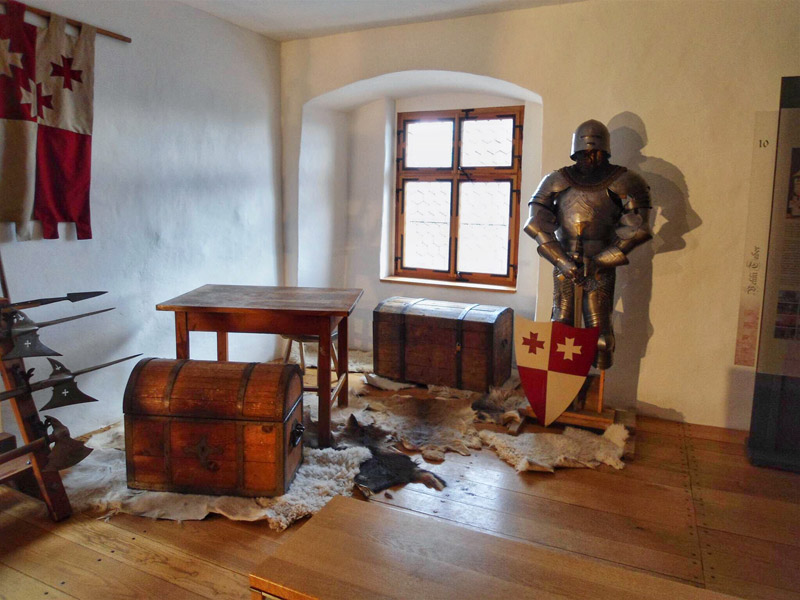
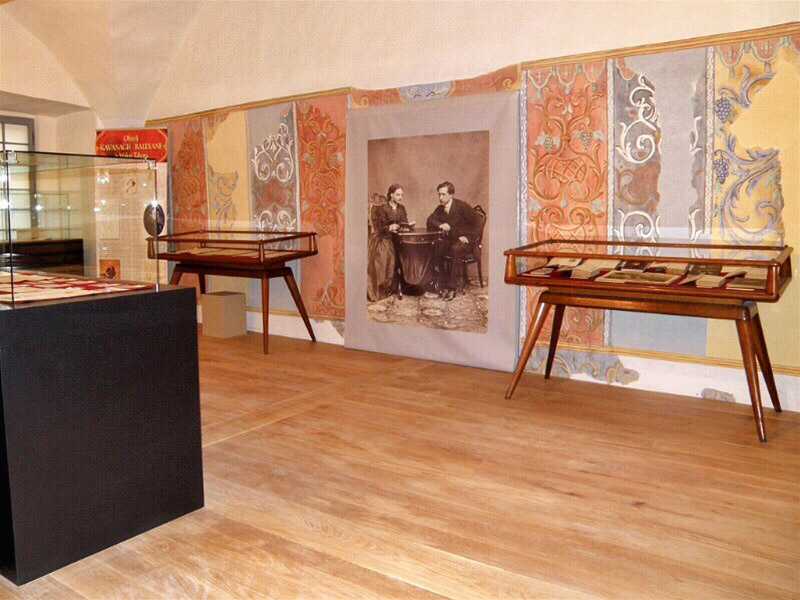
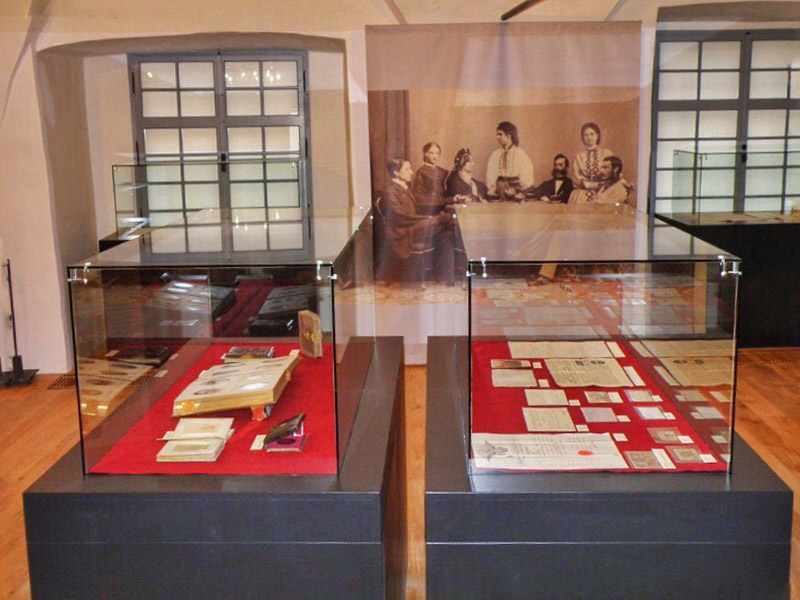
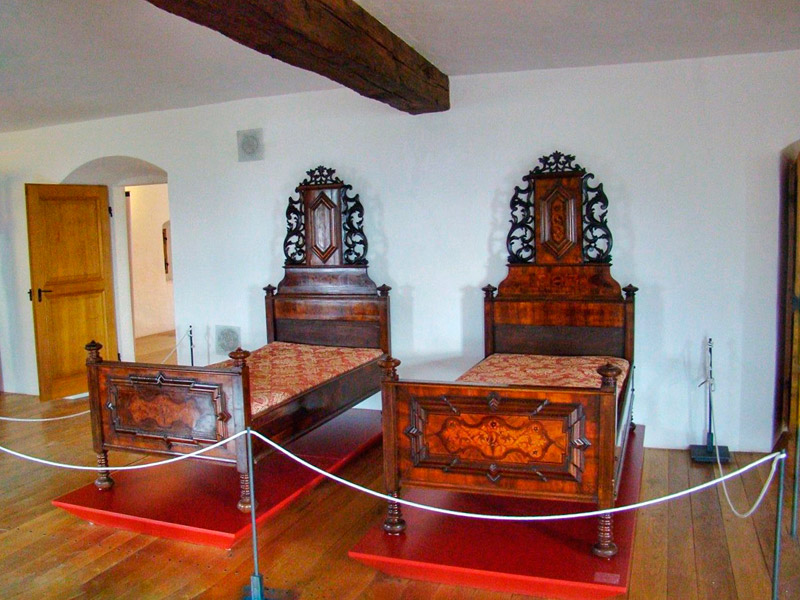
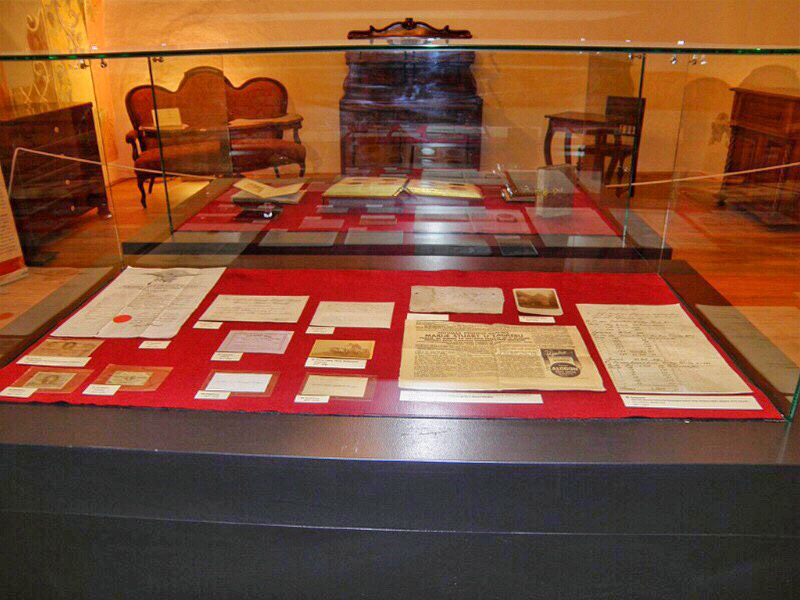
Today, the castle functions as a museum, offering various tours. It houses a magnificent collection of ancient paintings, historically valuable documents, and medieval household items. A unique collection of ancient bladed weapons is also housed here. The latest research on frescoes found on the wall of the local chapel is also on display, along with materials revealing the specific features of late Gothic stonework. Archaeological research on the castle grounds continues today.
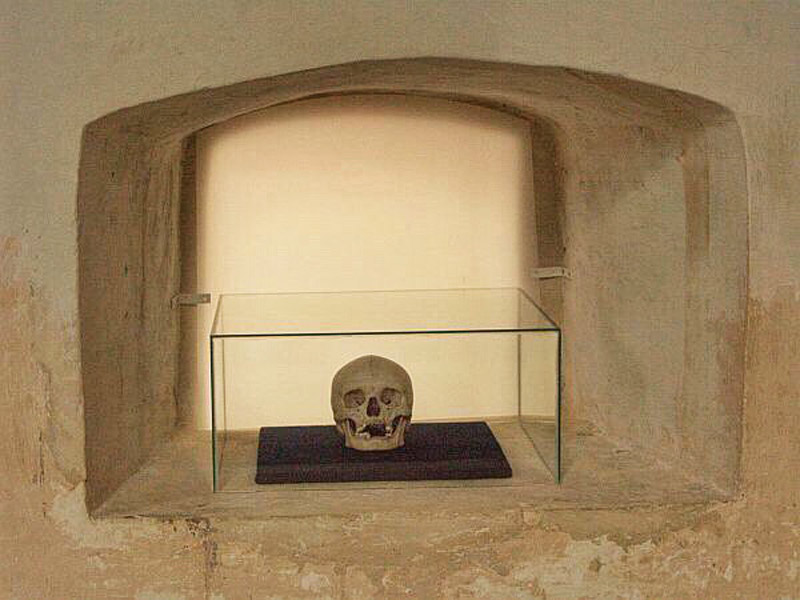
The castle chapel houses the museum's most unusual exhibit: the skull of a young girl named Veronika Desinić, who was executed in the mid-15th century for an affair with the son of the lord of Veliki Tábor.
The castle tour concludes with a visit to the centuries-old winery, where you can taste local wine.
In June, the castle hosts the annual Tábor Short Film Festival, and festivals and costumed performances depicting medieval life are also regularly held.
8 sen 2026
0
0