- Articles
- Weapons
- Armor
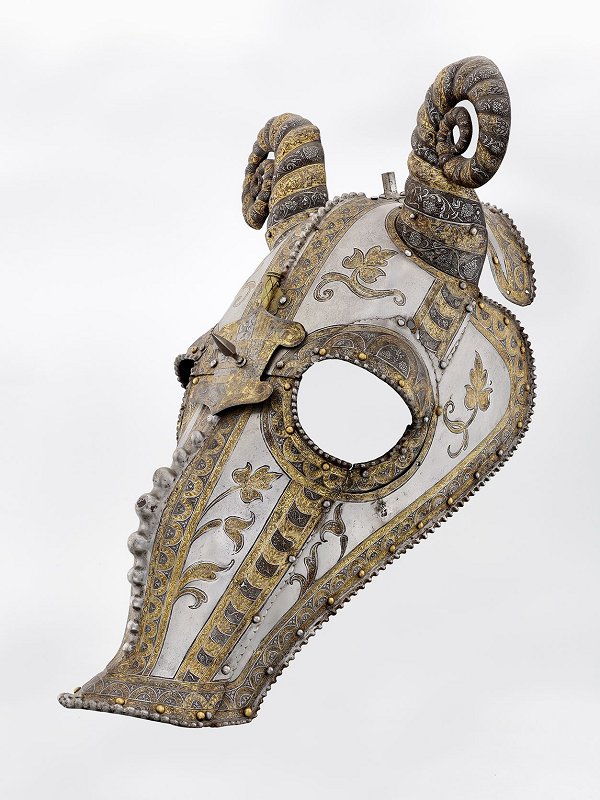
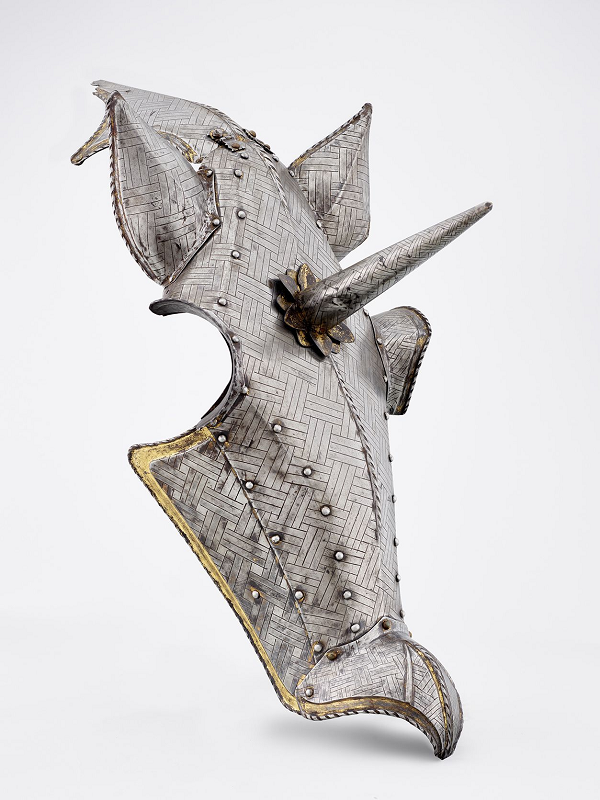
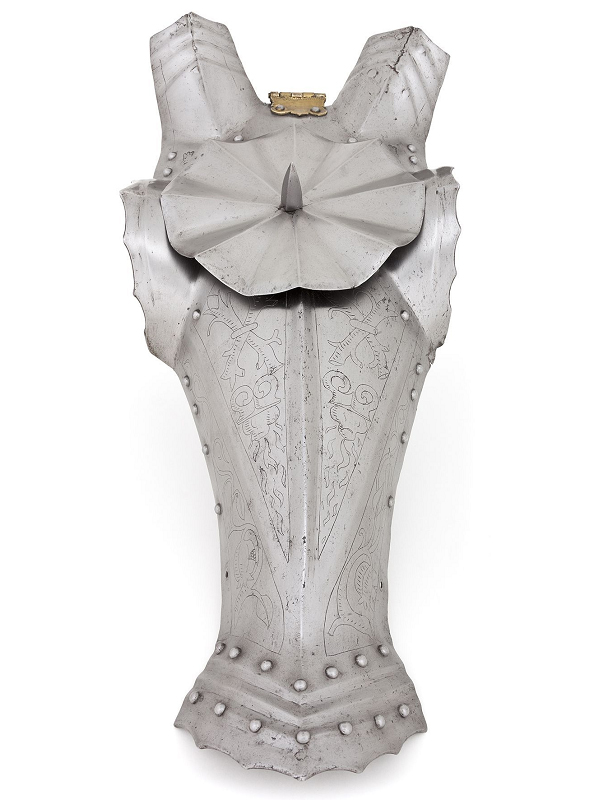
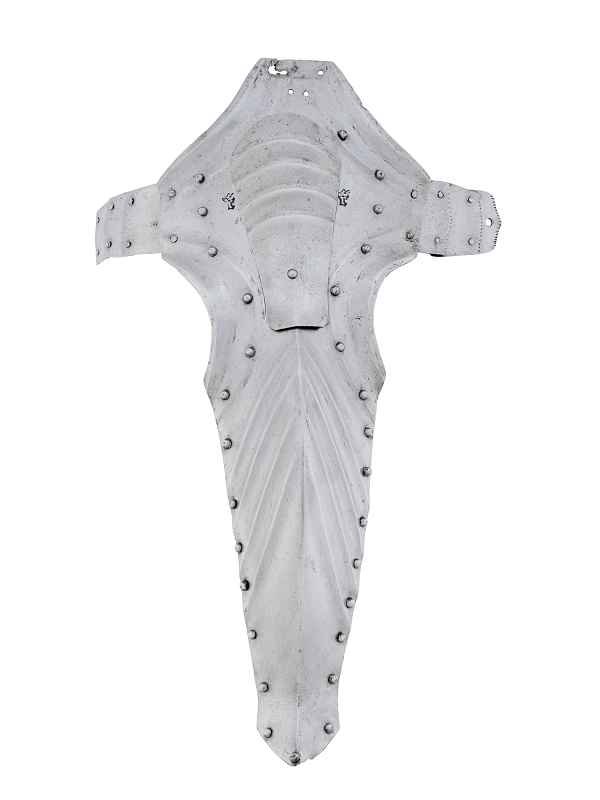
- Armor for horses
- Emperor Armor
- Chivalry
- Chivalry
- Knights castle
- Knights tournament
- The Crusades
- Knightly Orders
- Knightly saddle
- Knightly motto
- Great Knights
- Price of armor
- Children's armor
- Castles and fortresses
- Museums of armor and weapons
- Coats of arms and heraldry
- Routes and excursions
- Guides




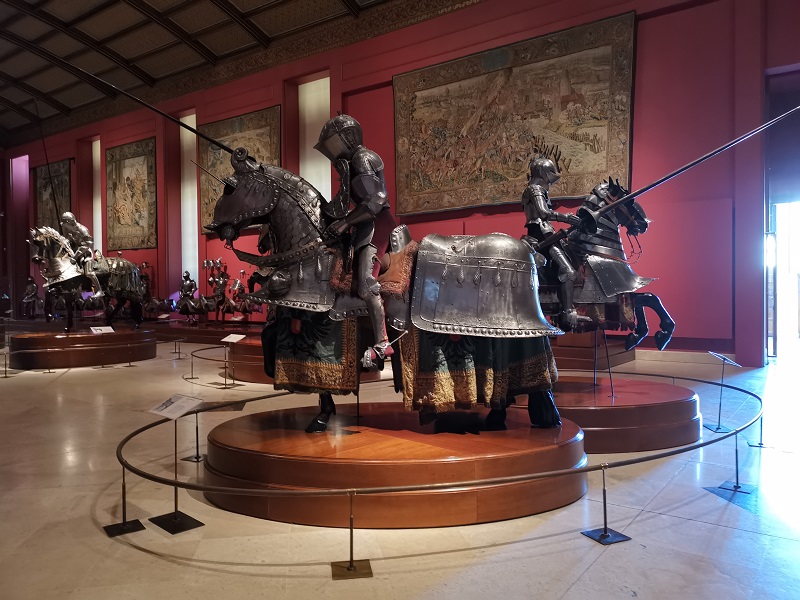
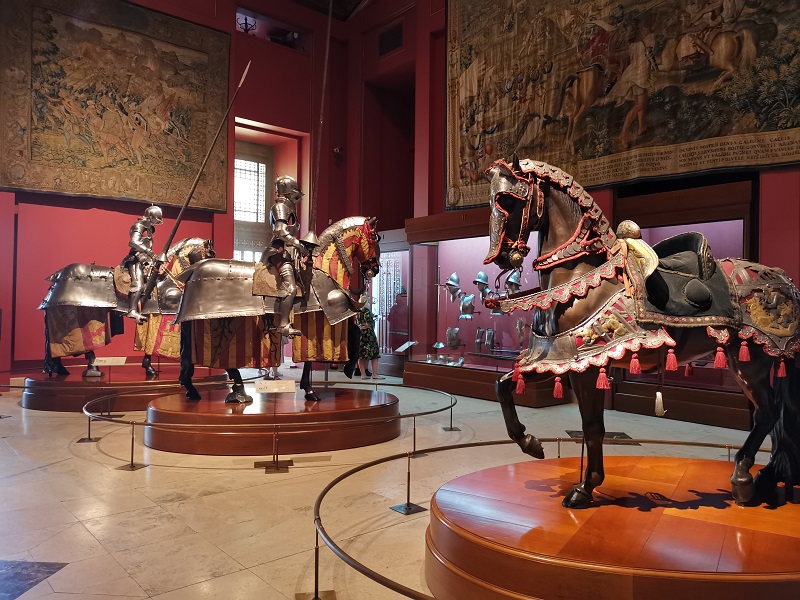
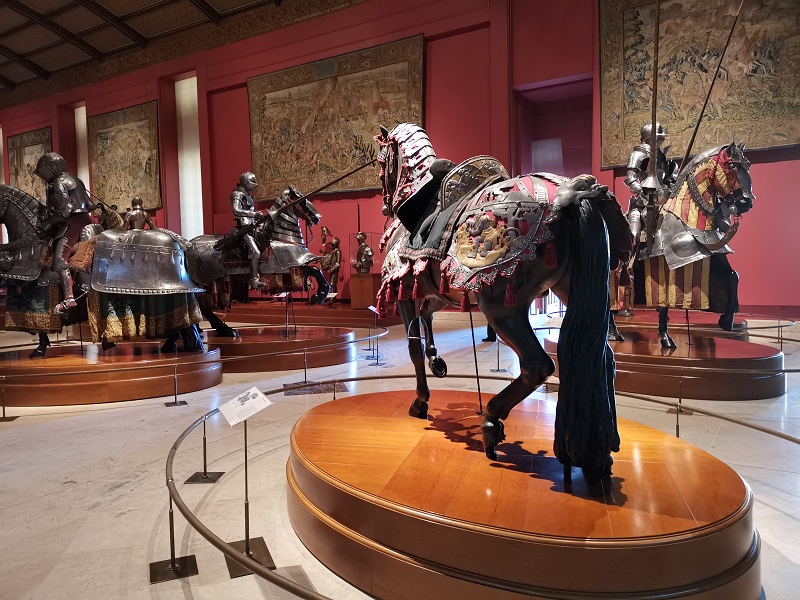
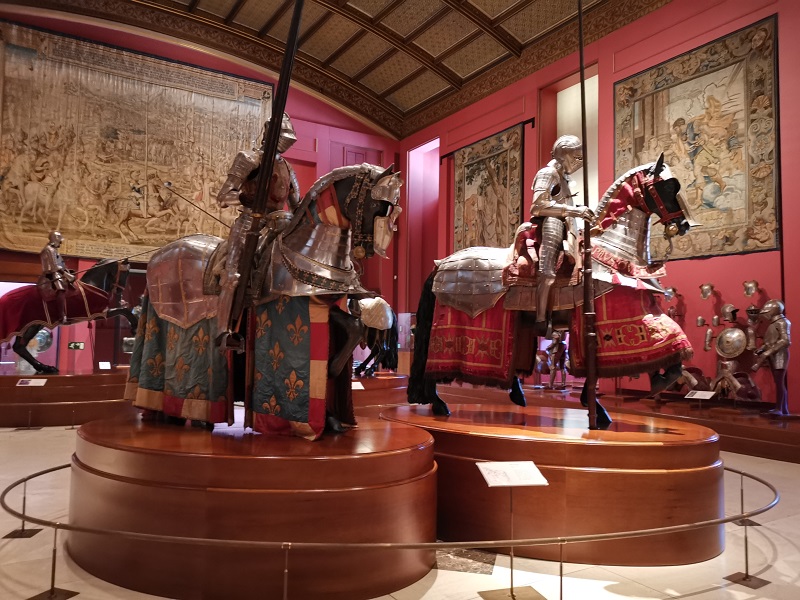
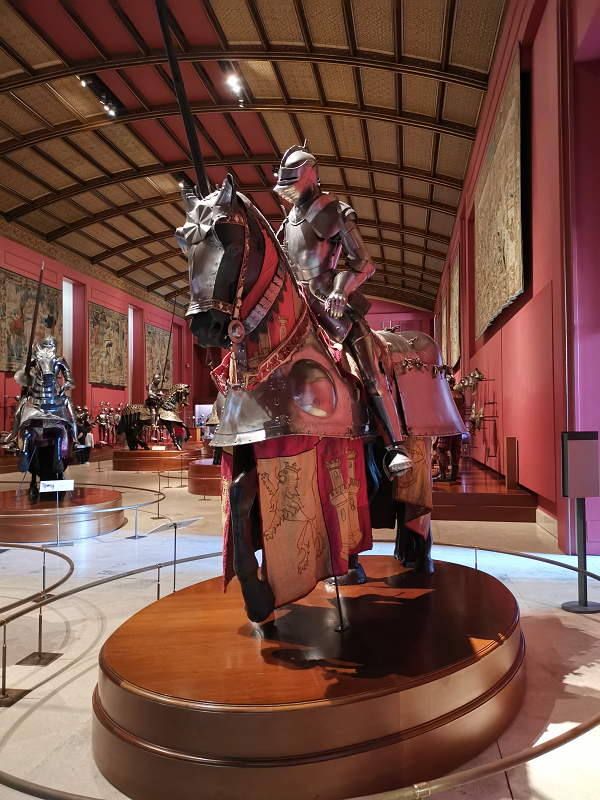
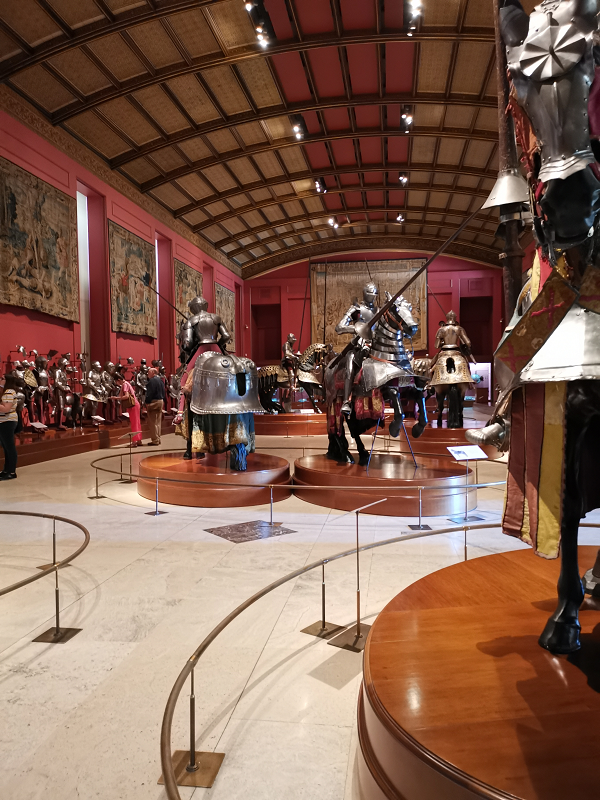
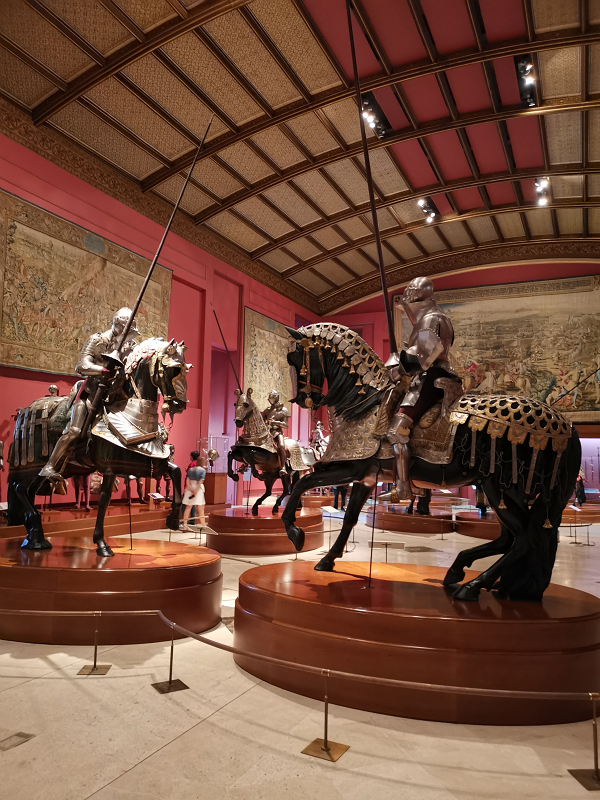
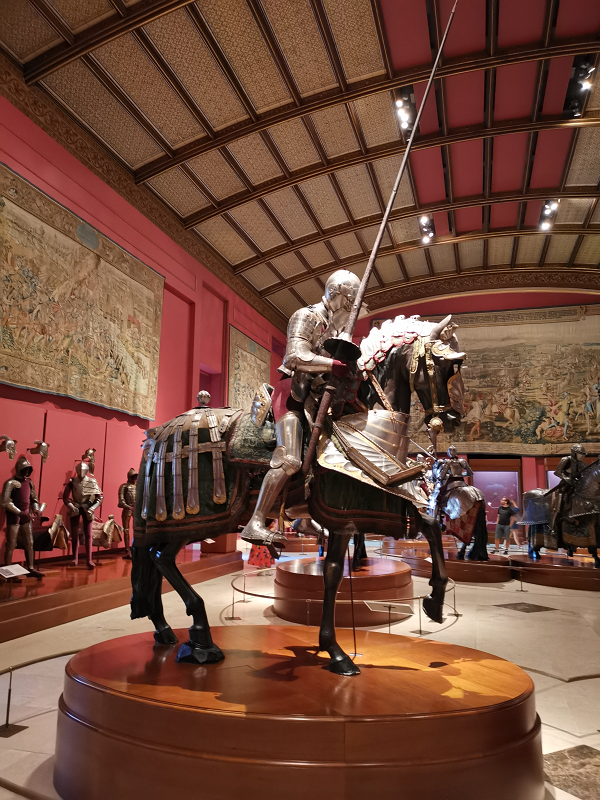
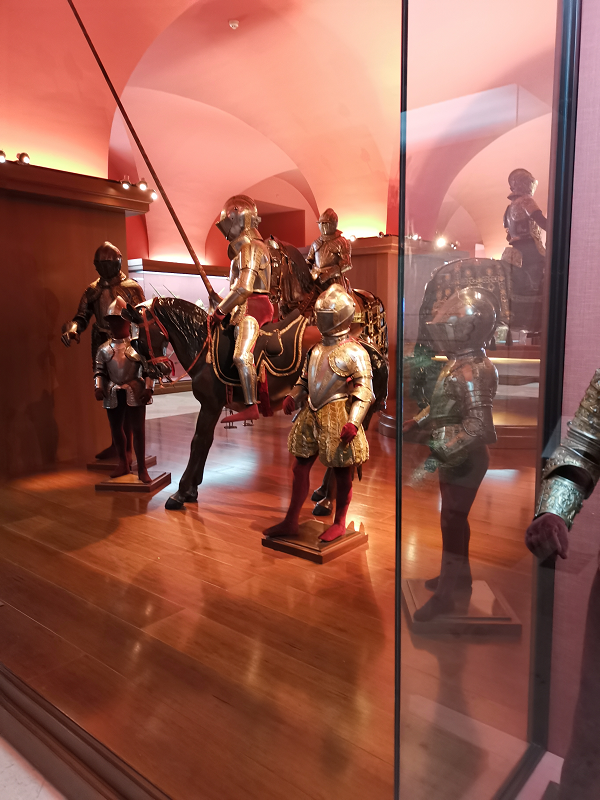
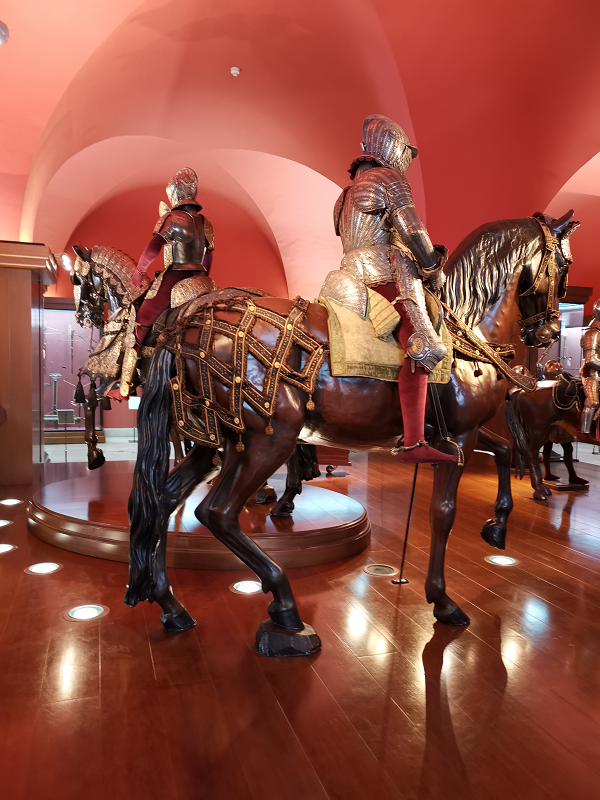
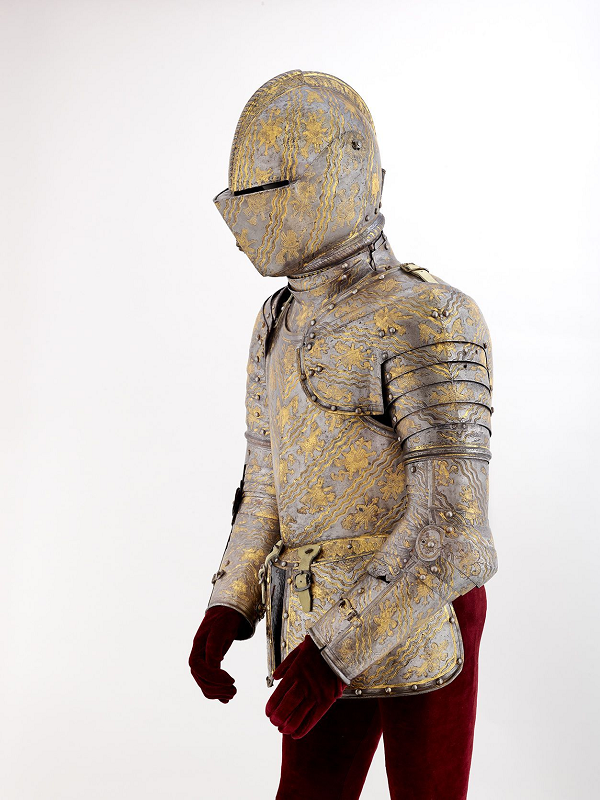
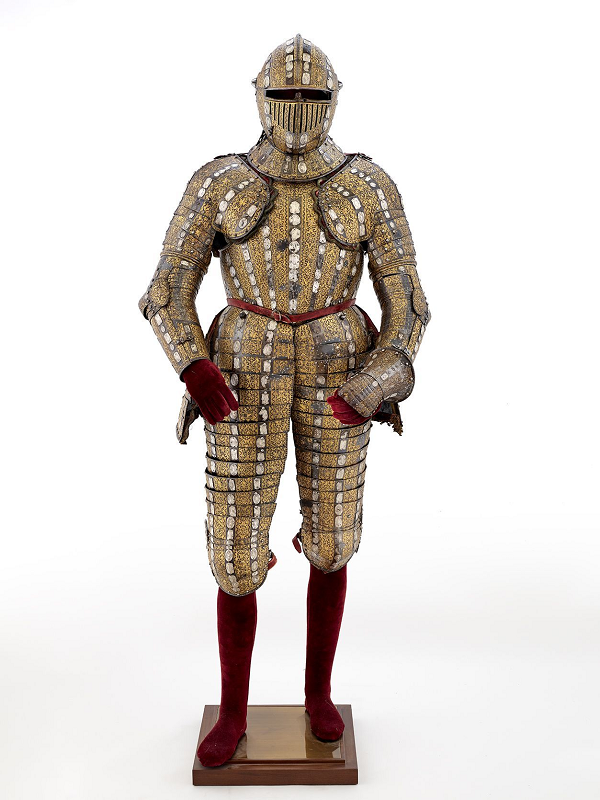
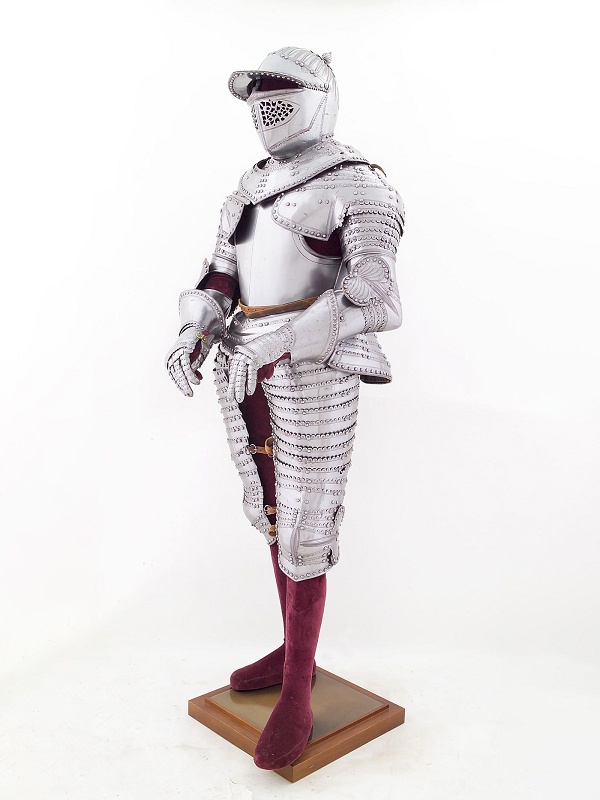
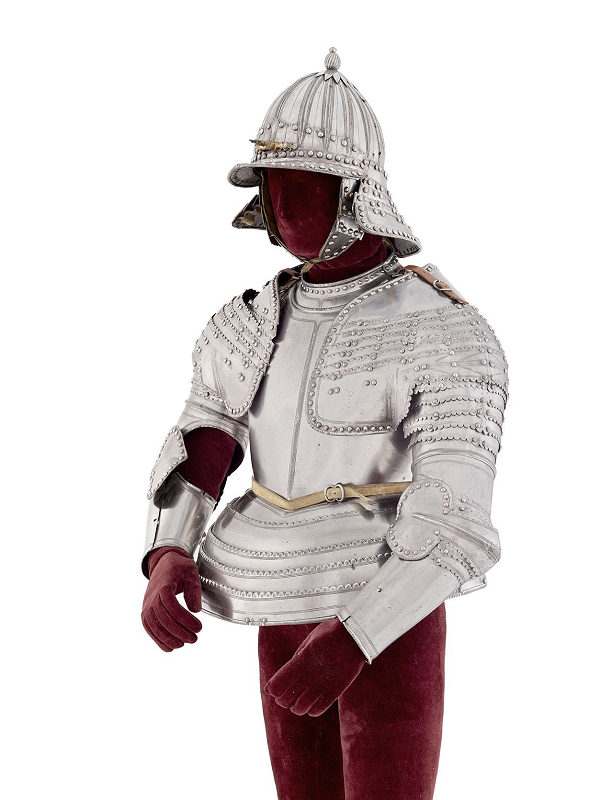
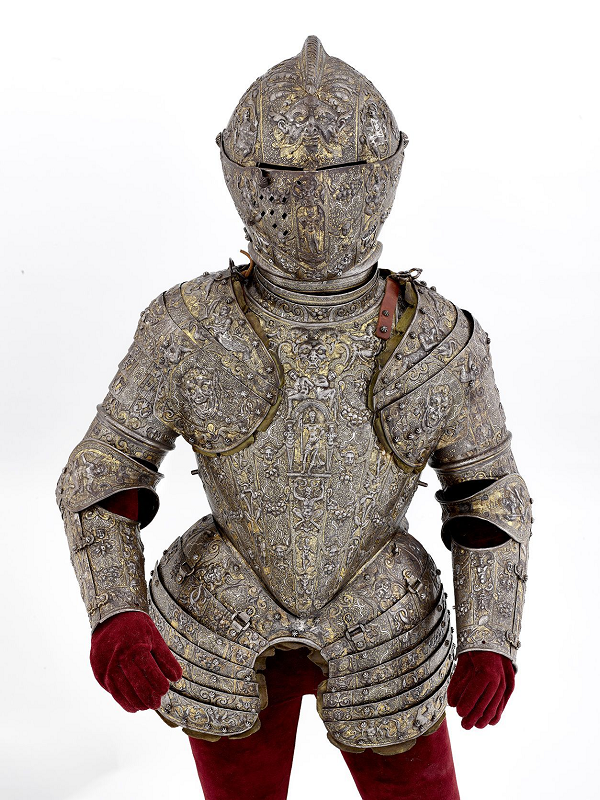
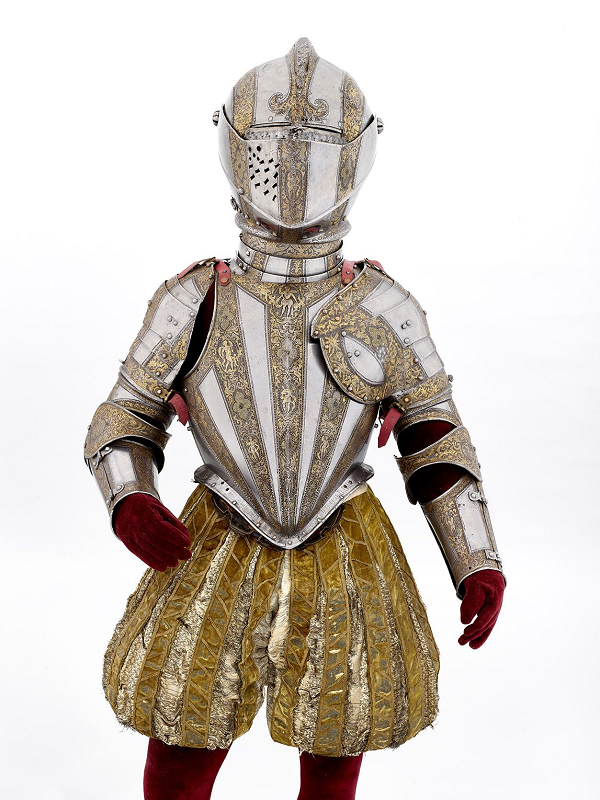
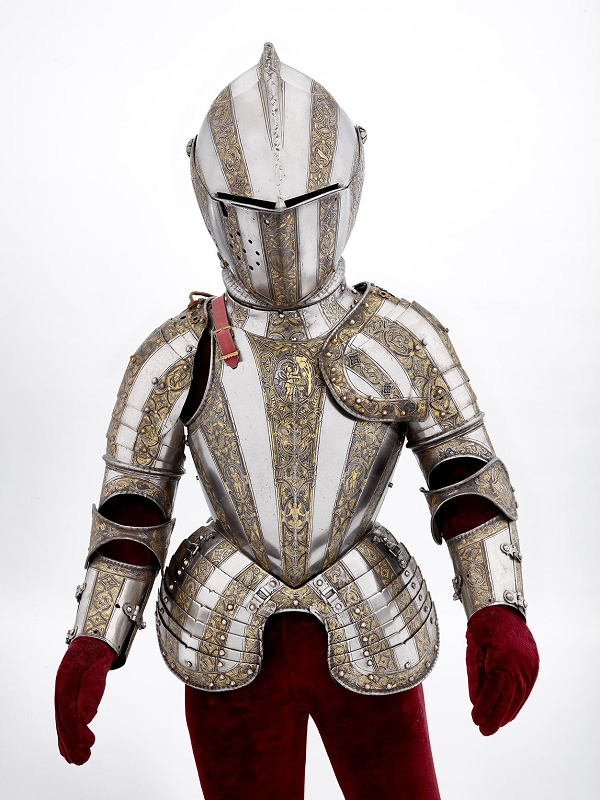
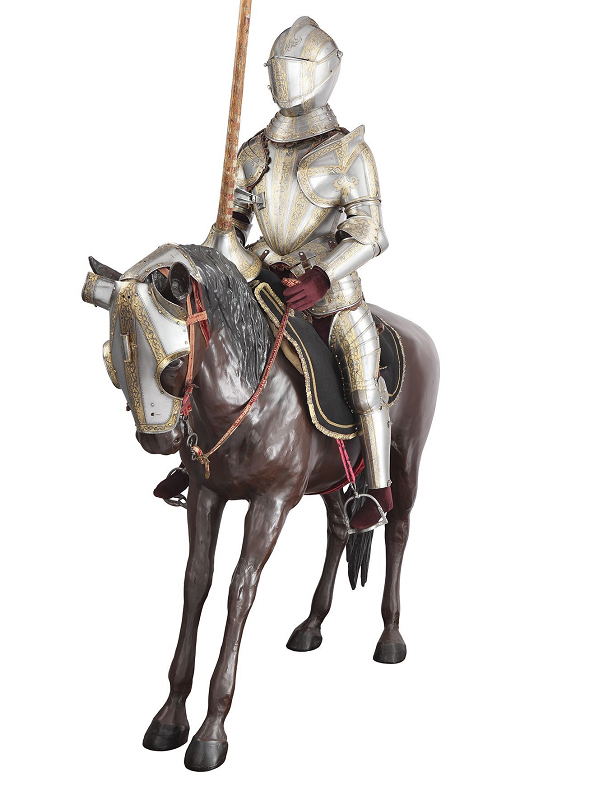
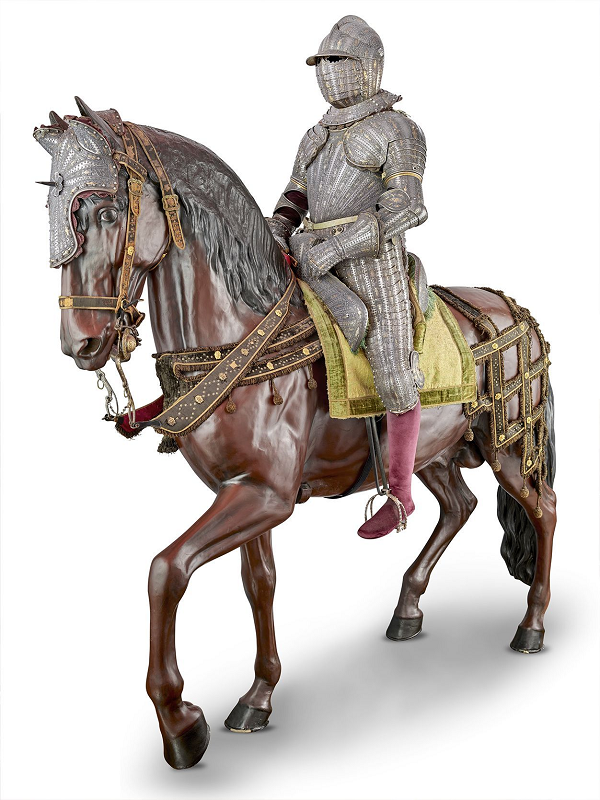
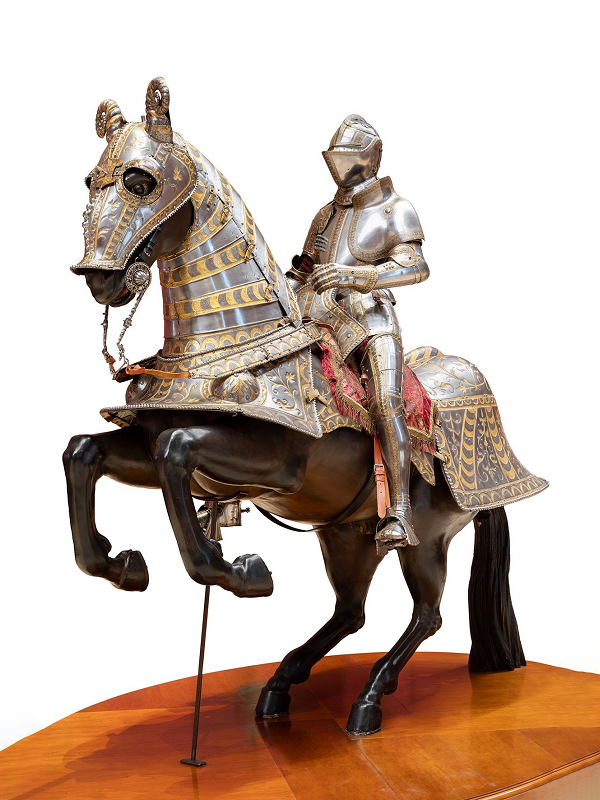
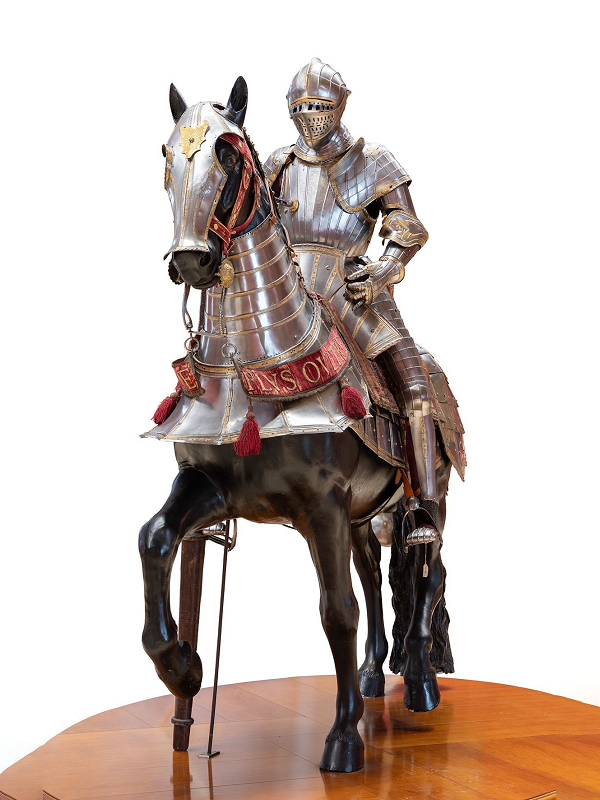
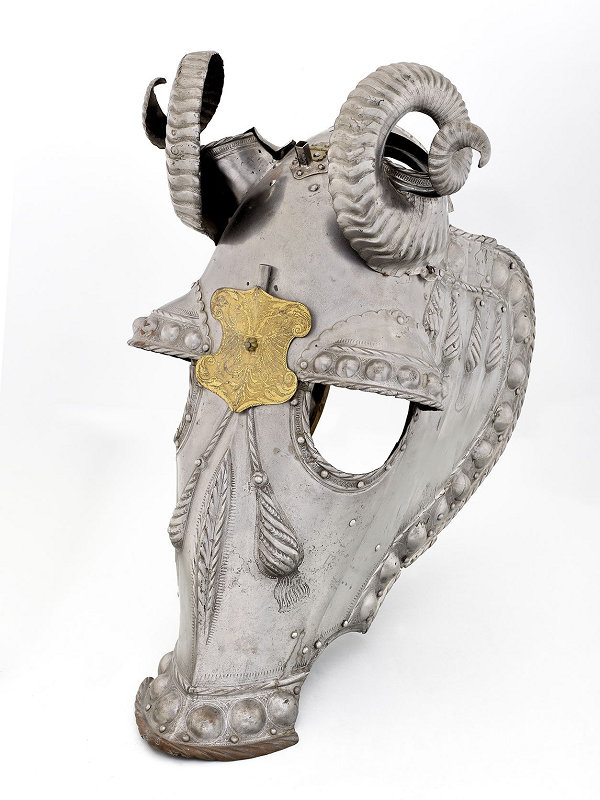
Real Armeria de Madrid
Real Armeria de Madrid
April-September Mo-Sa 10.00-19.00, Su 10.00-16.00, October-March Mo-Sa 10.00-18.00, Su 10.00-16.00. Weekend: No
Adult - 26€, Children's (5-16) - 17€, Students - 17€, Pensioners - 17€.
www.patrimonionacional.es/colecciones-reales/real-armeria
Plaza de Oriente. Madrid, Provincia de Madrid, Comunidad de Madrid, Reino de España.
40.416855, -3.715266 View map
Real Armería de Madrid - The Royal Armoury of Madrid, Provincia de Madrid, Comunidad de Madrid, Reino de España.
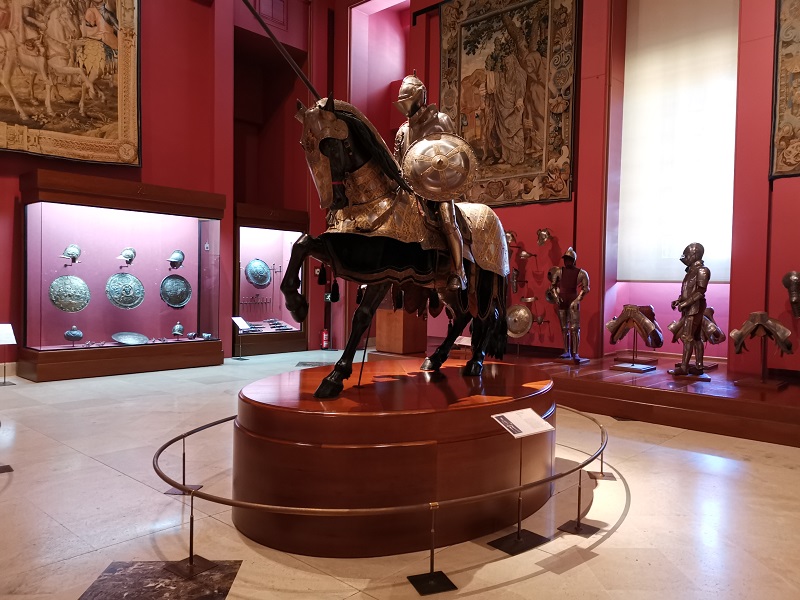
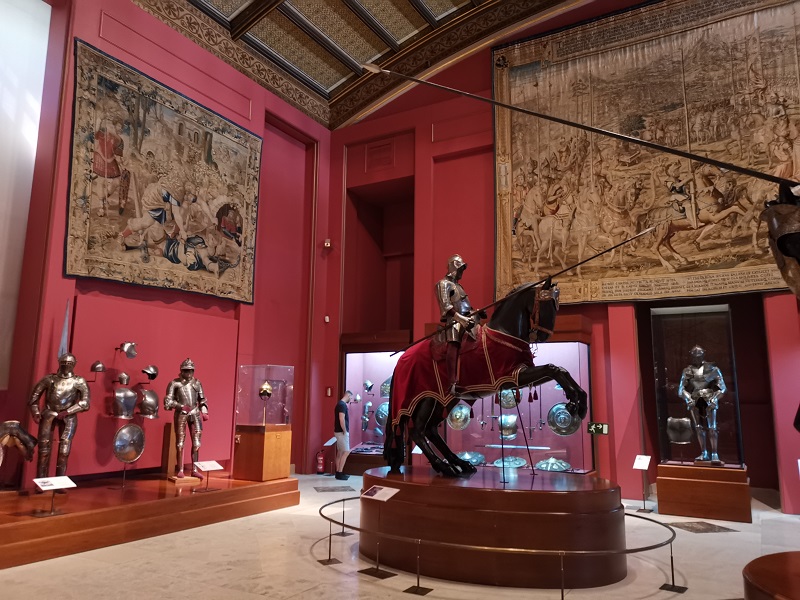
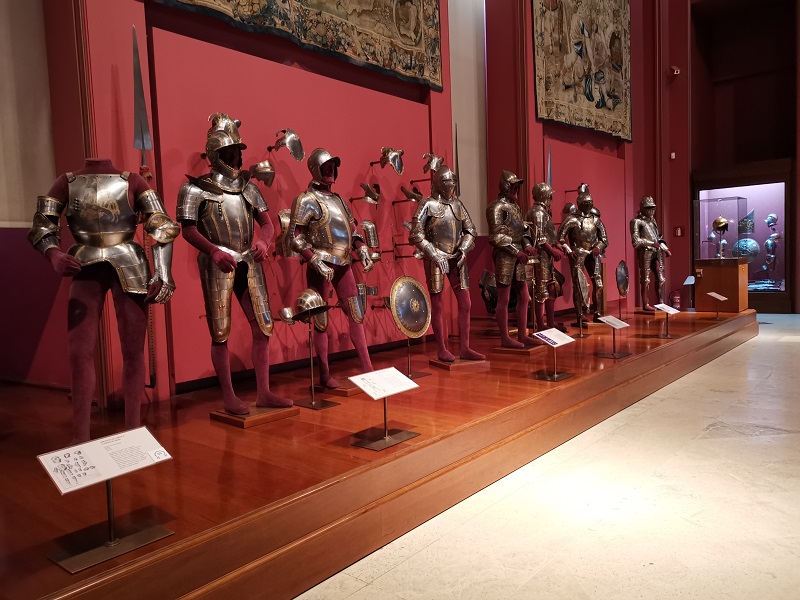
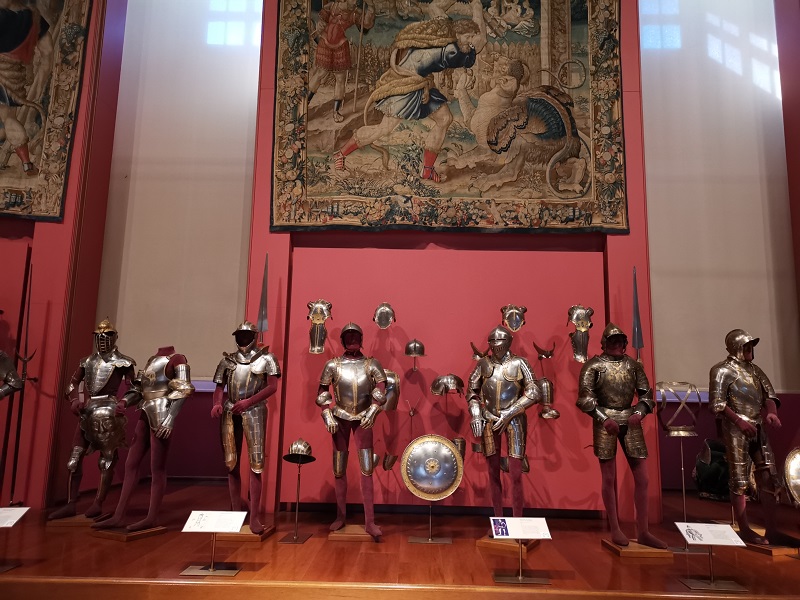
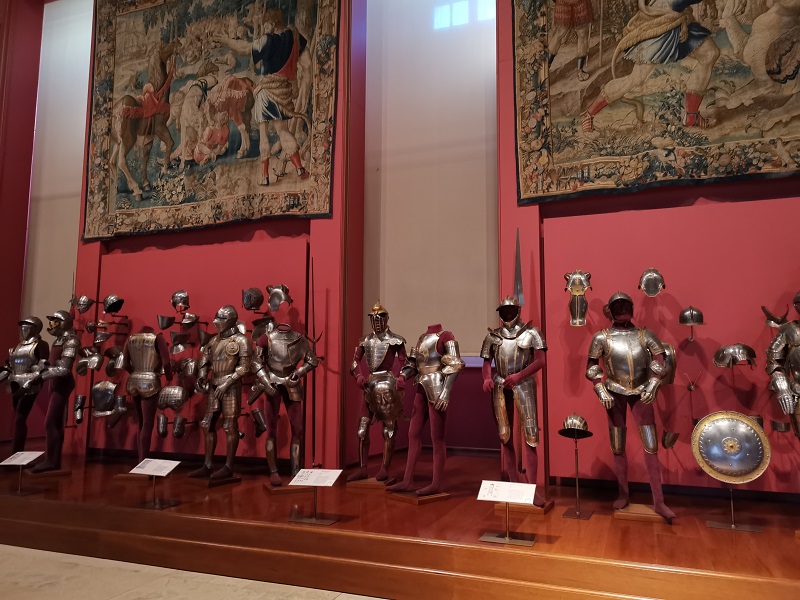
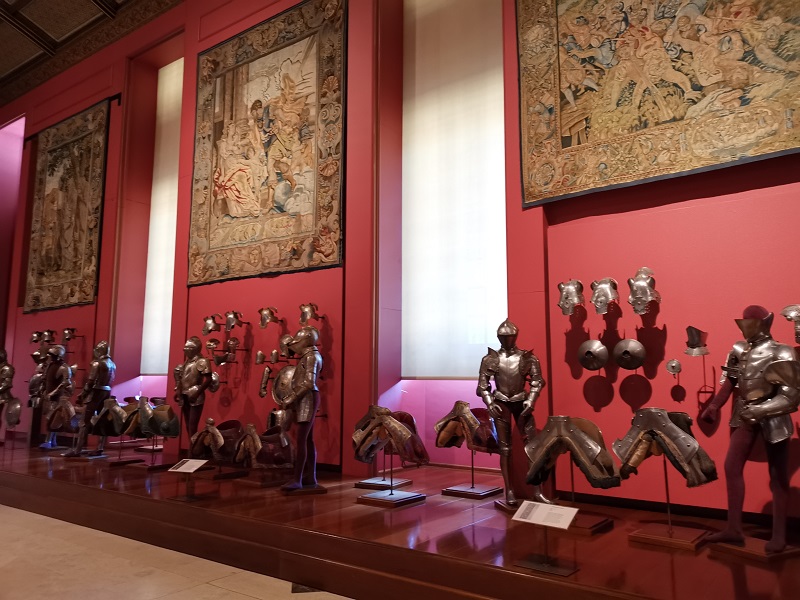
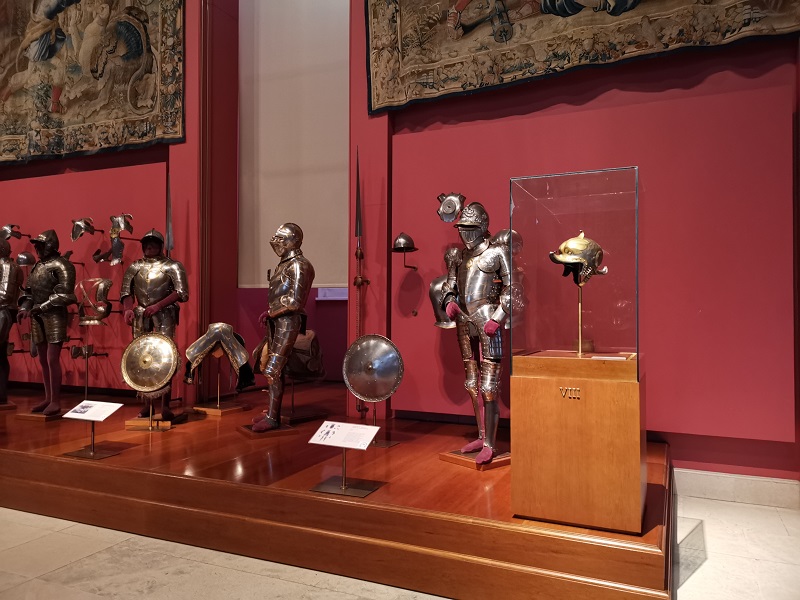
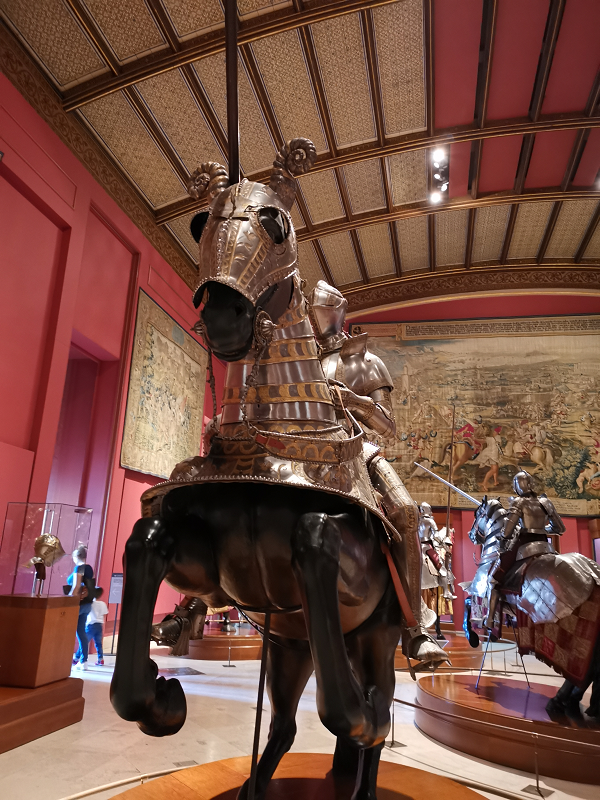
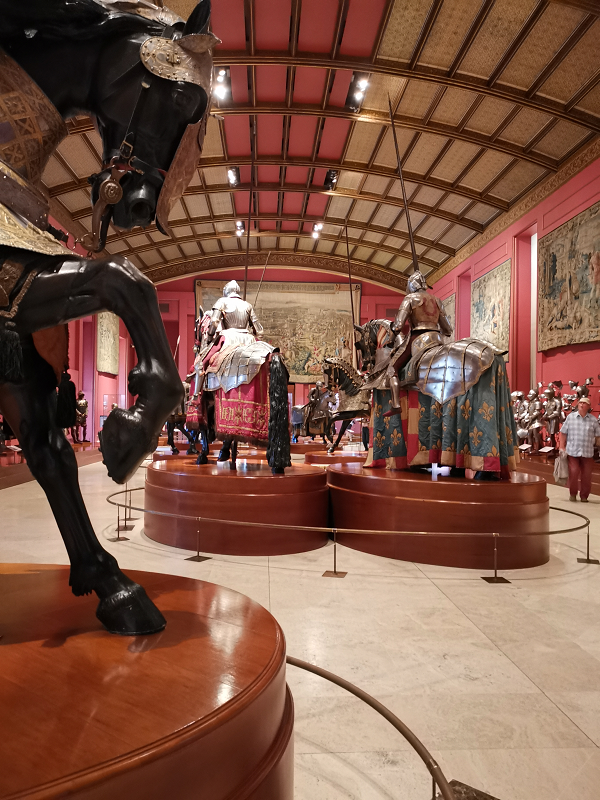
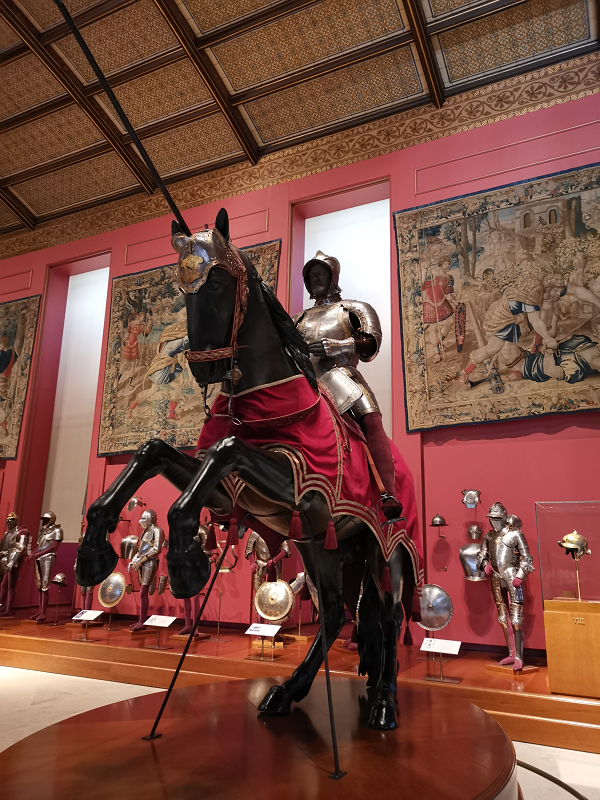
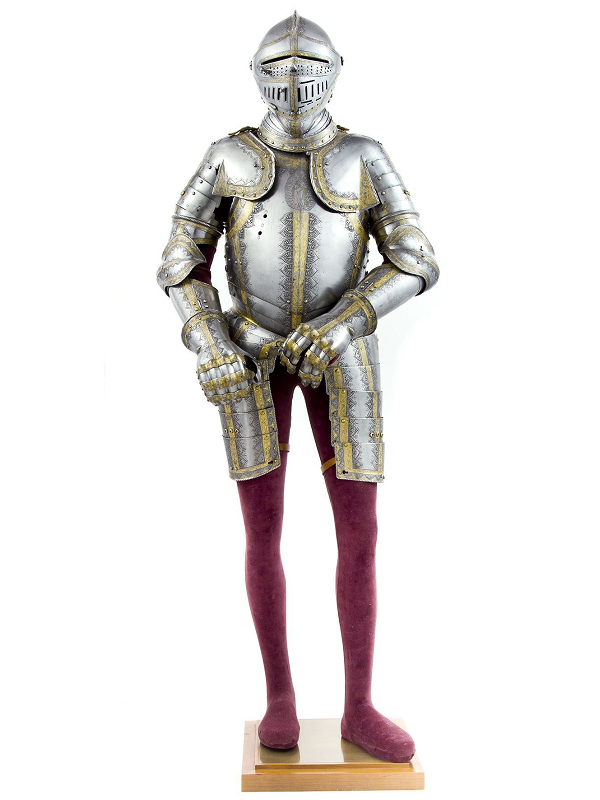
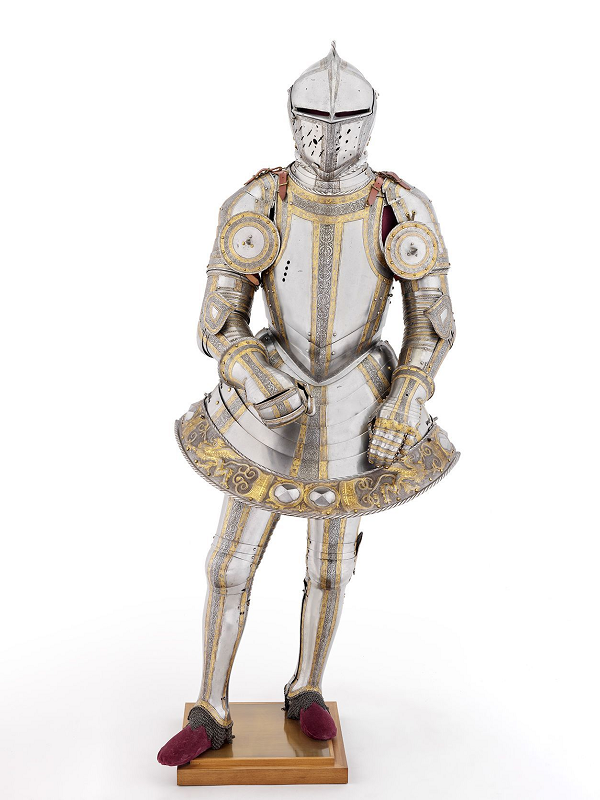
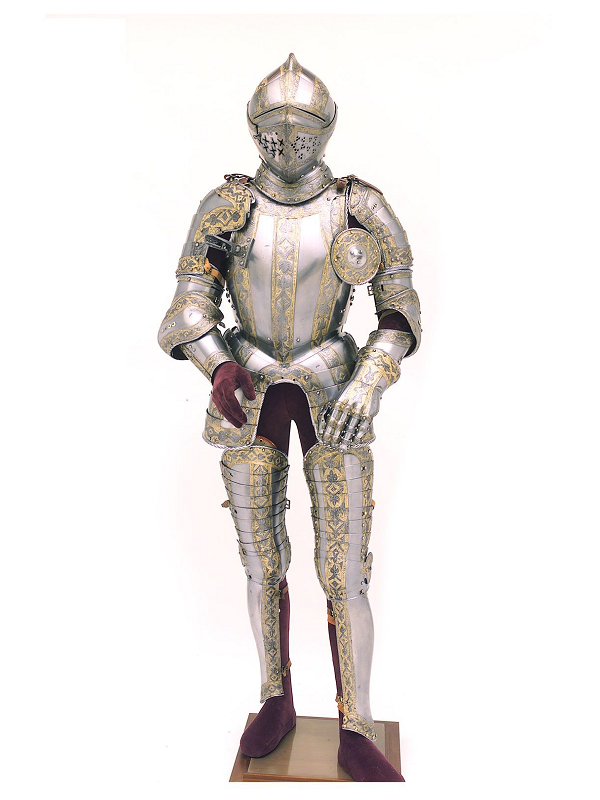
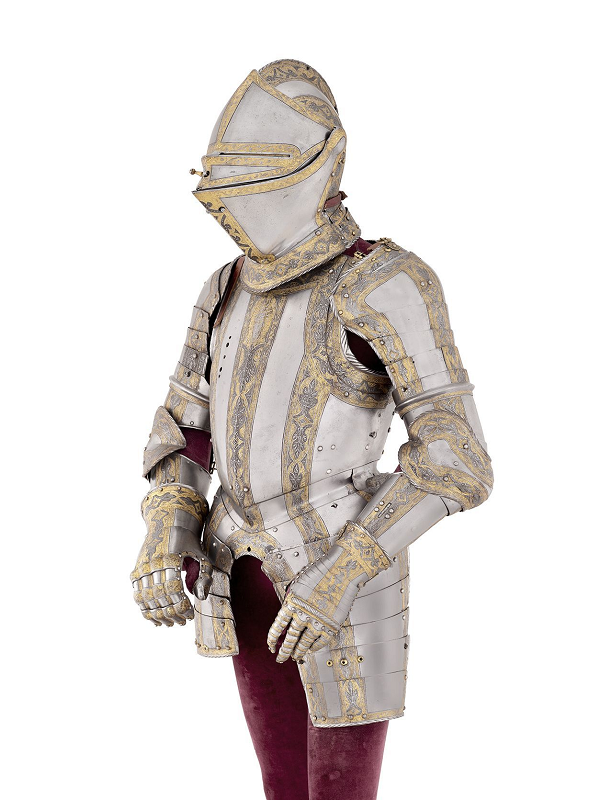
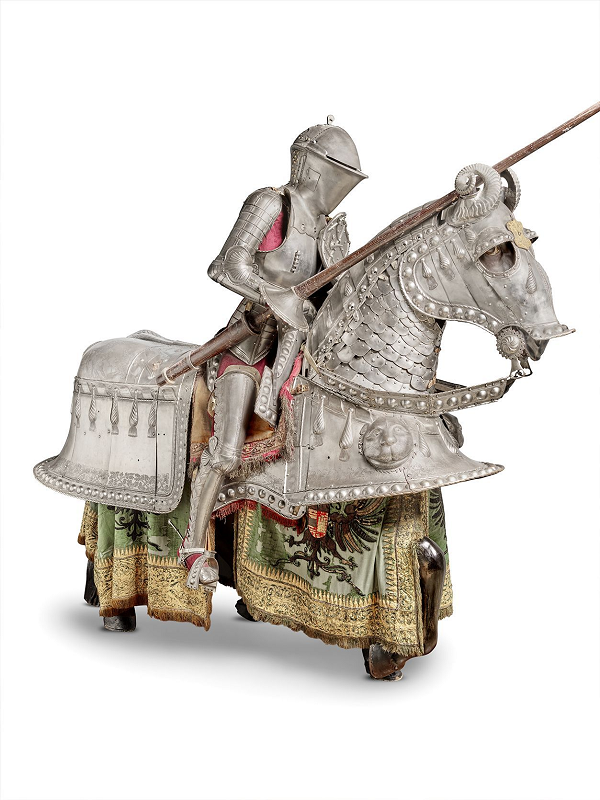
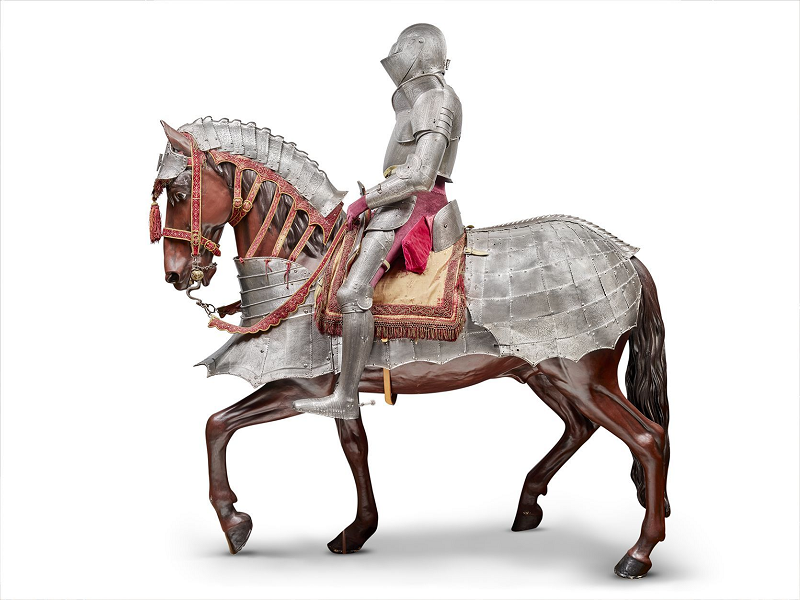
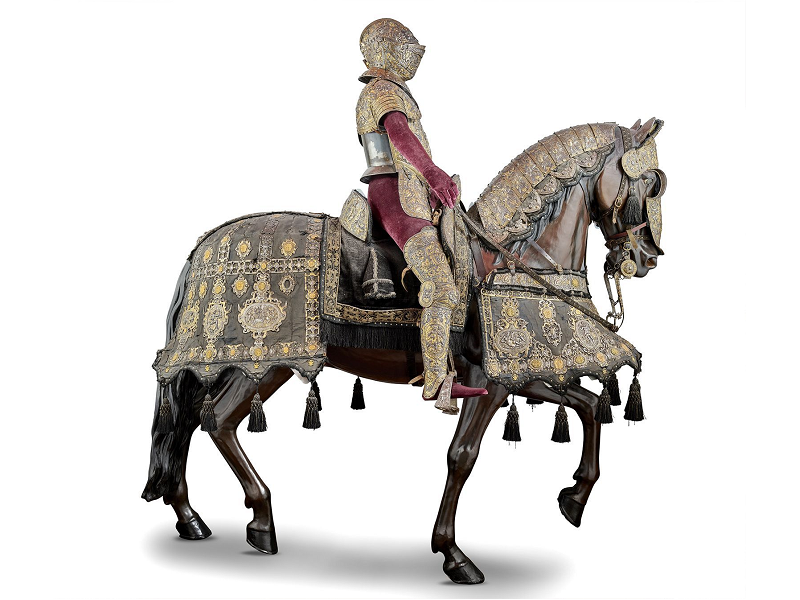
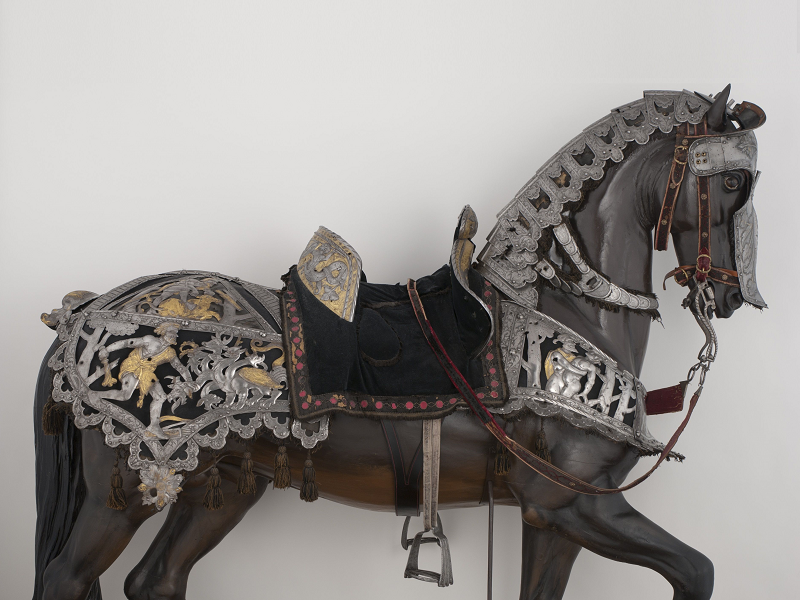
The Royal Armory's collection originates in the will of King Philip II, who decreed that it could not be sold for public money after his death, as was customary to pay the deceased's earthly and spiritual debts. He thereby linked the Armory to his son, the future Philip III, and his successors. This decision also meant that the collection was recognized as an inalienable property of the Crown of Spain, which today stands as one of the jewels of Spain's historical heritage.
Philip II's decision to preserve this collection of arms was motivated by two factors. First, the Armory held great symbolic and sentimental value, both as a collection that best demonstrated the power of the House of Austria and as containing the arms of his father, Emperor Charles V, whom he admired. Second, it was an exceptional collection of luxurious weapons of great material value that needed to be properly preserved. Its successors enriched it with some of their personal arms and other weapons of various provenances.
The decision to grant preferential treatment to the armory over other collections dates back at least to the death of Charles V, which occurred on September 21, 1558. By late 1559, Philip II had already declared his will to purchase the Imperial Armory at a favorable price. In 1560, the establishment of a court in Madrid meant that he also ordered the construction of a building in front of the Alcázar to house it, along with stables. This building remained in place until 1884, when it was closed and gave its name to the current Plaza de la Armeria.
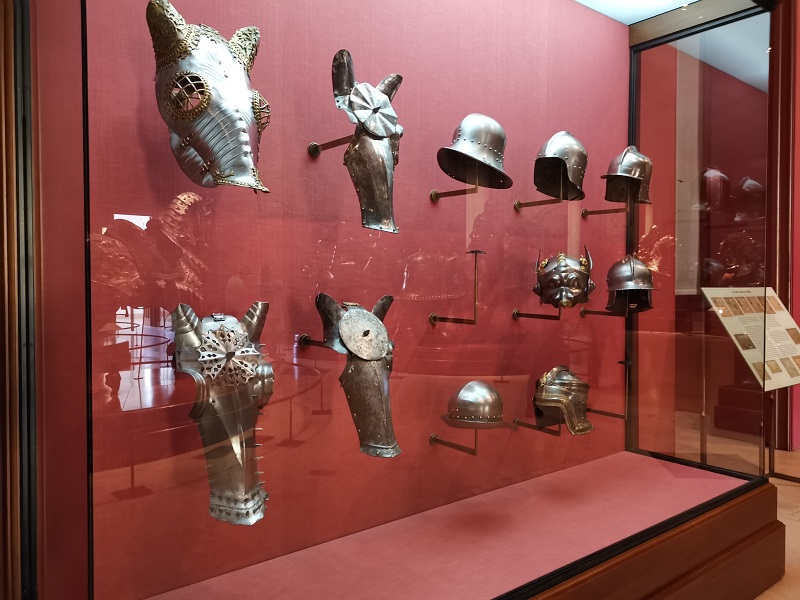
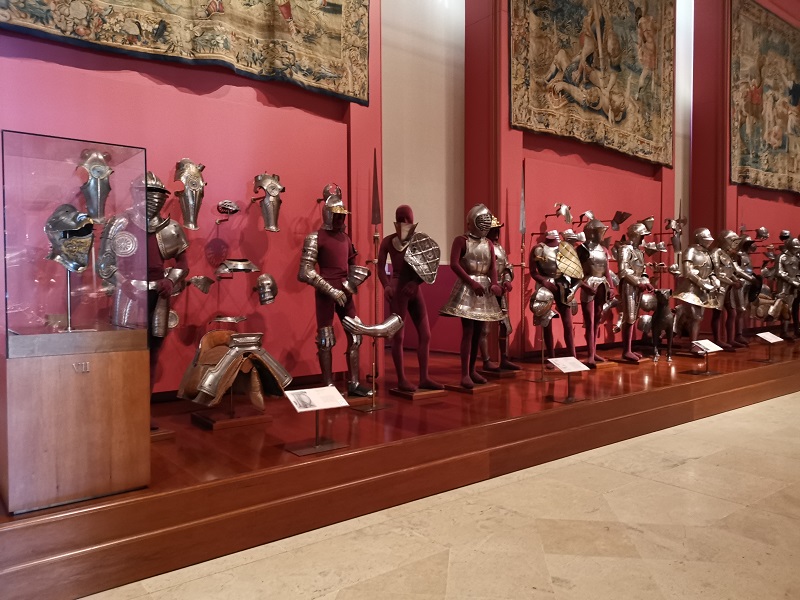
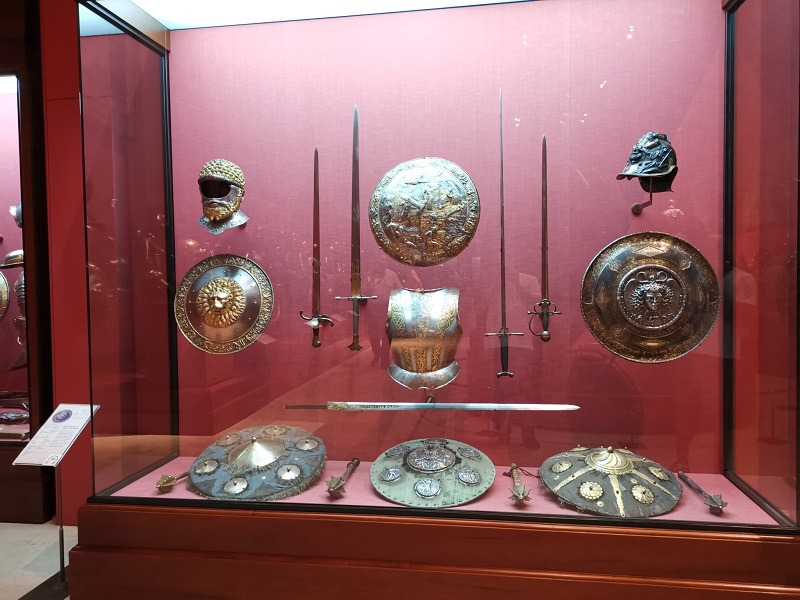
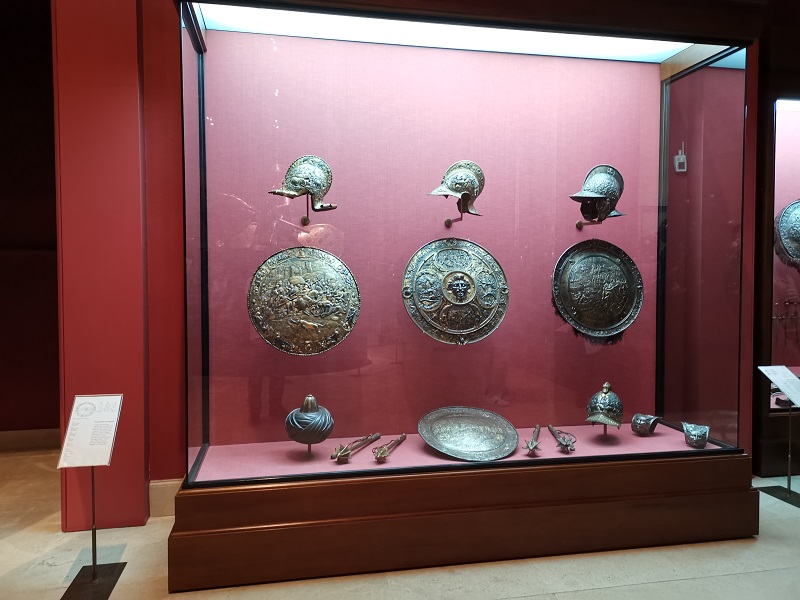
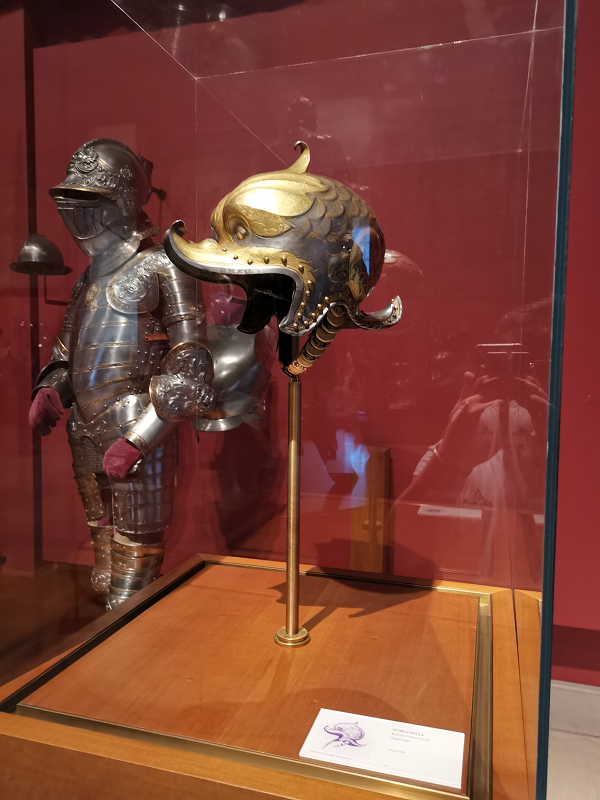
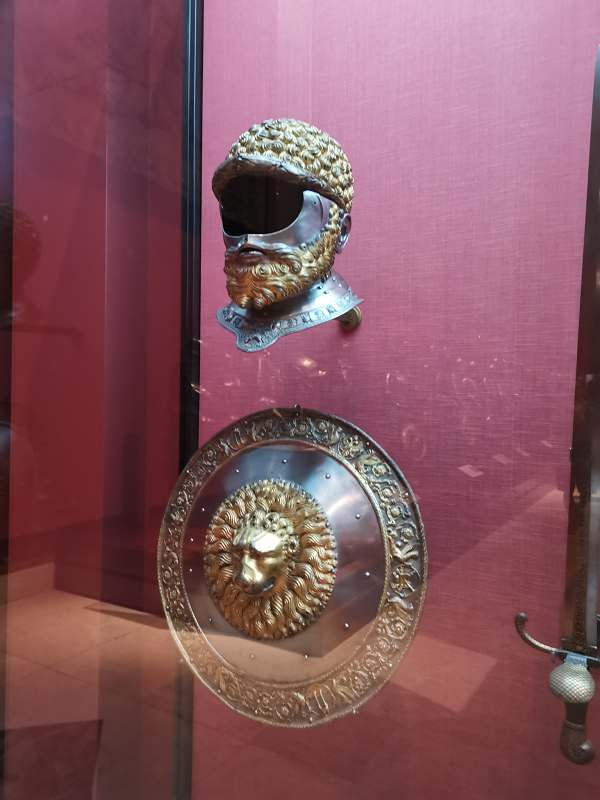
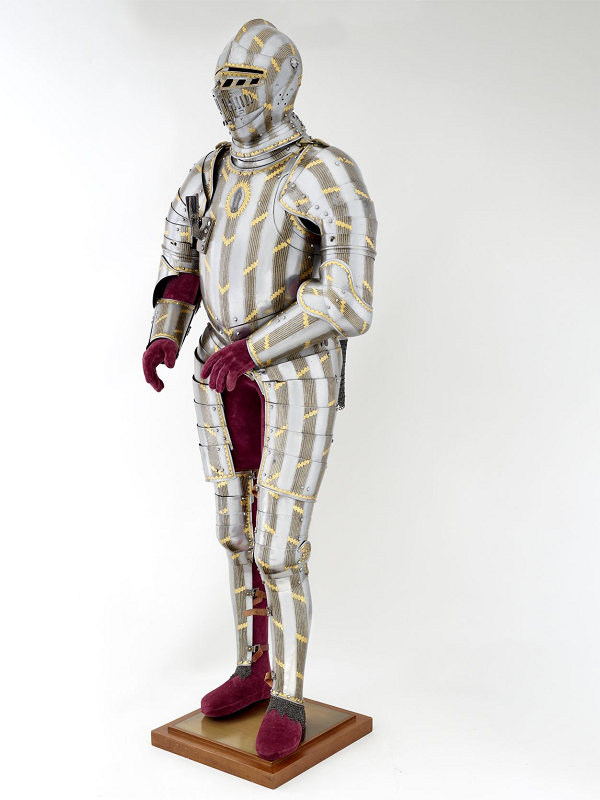
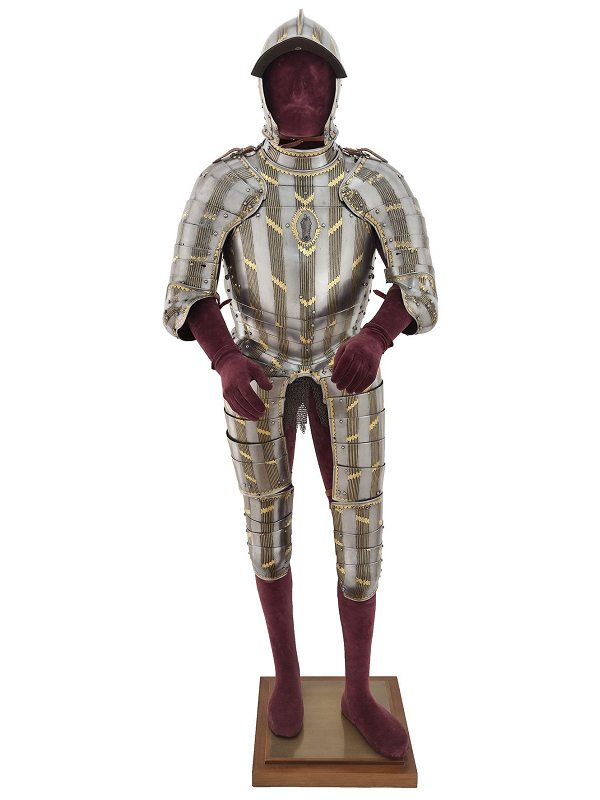
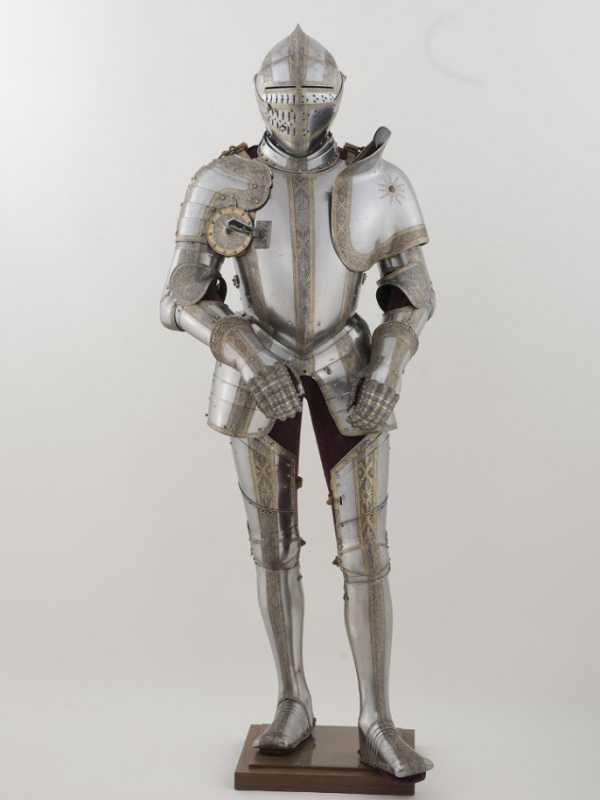
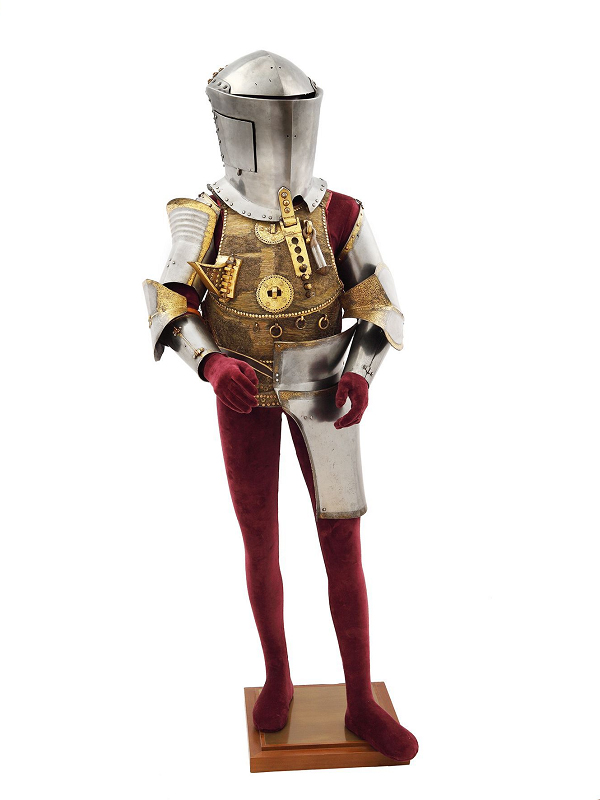
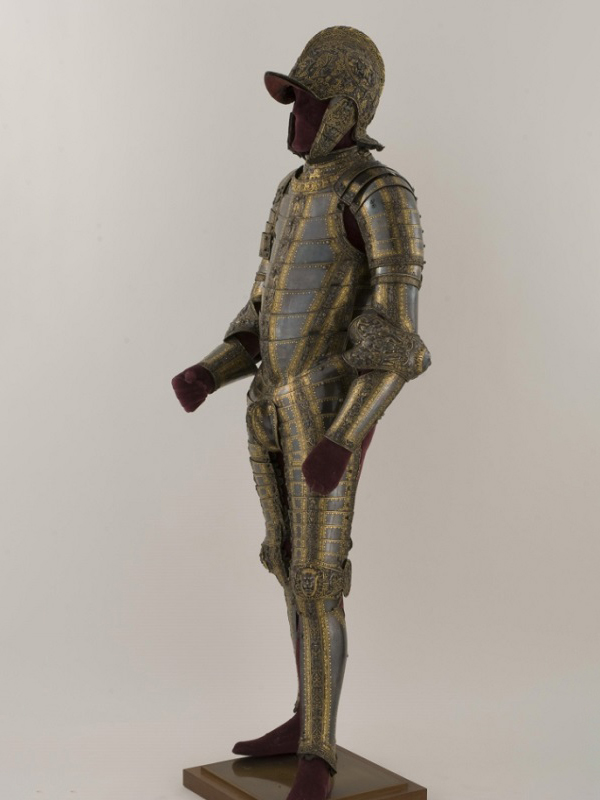
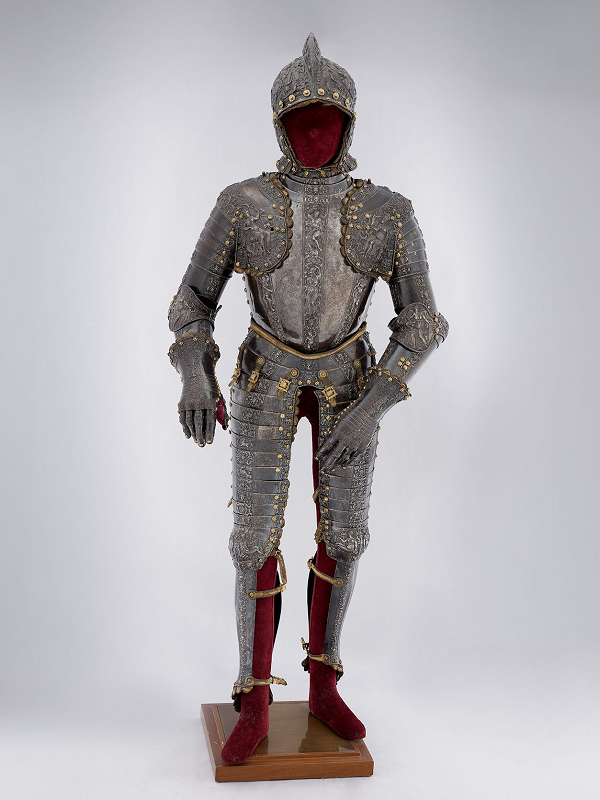
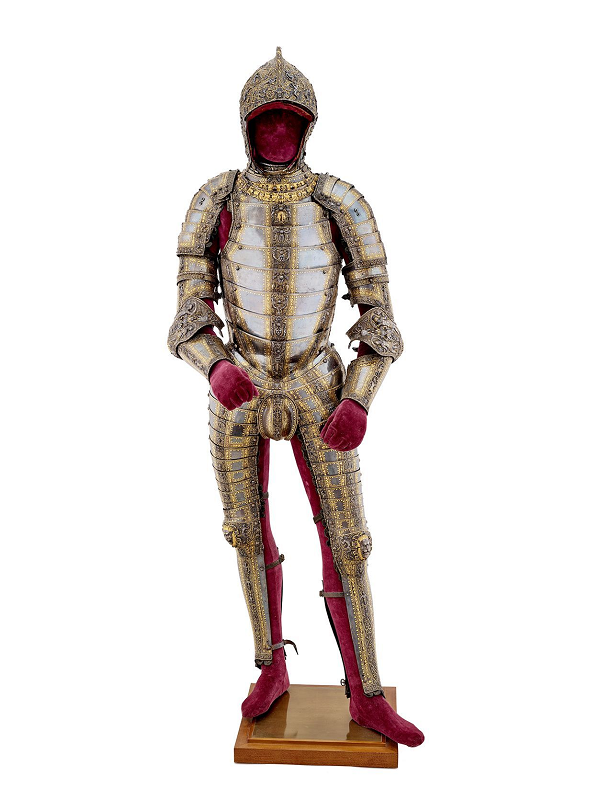
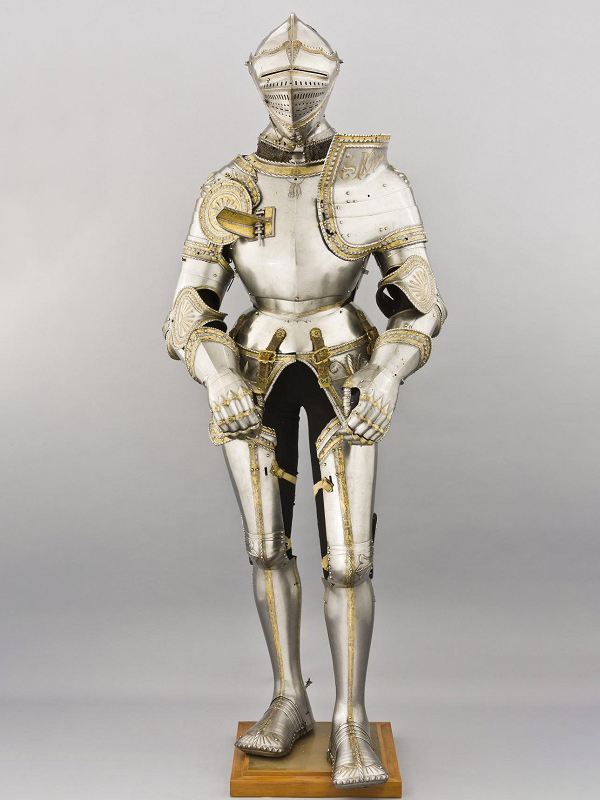
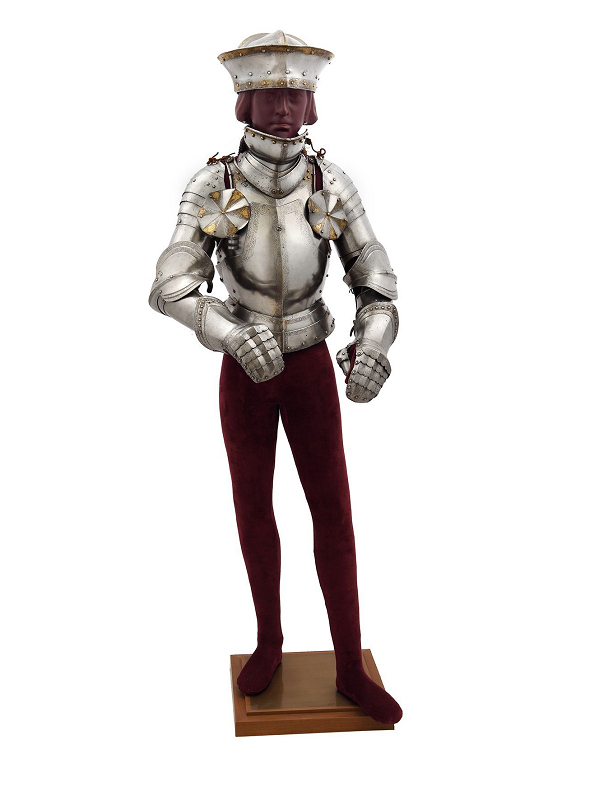
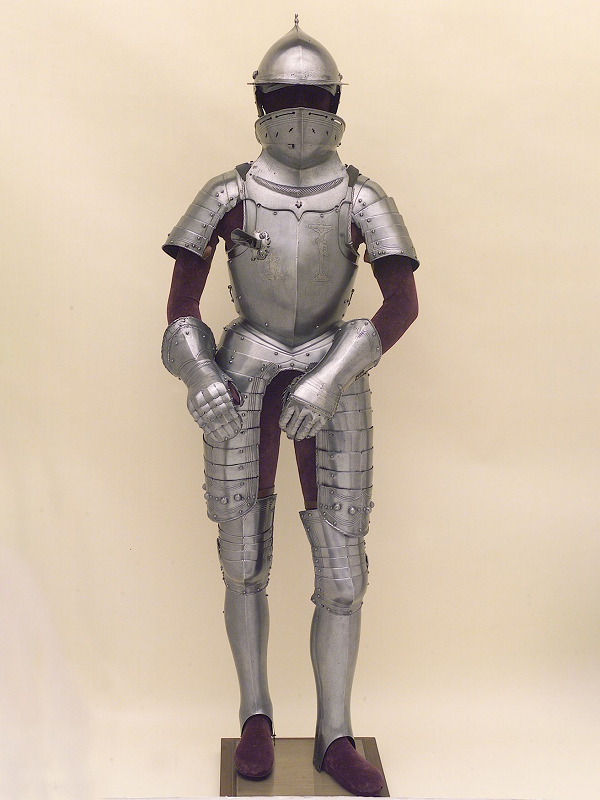
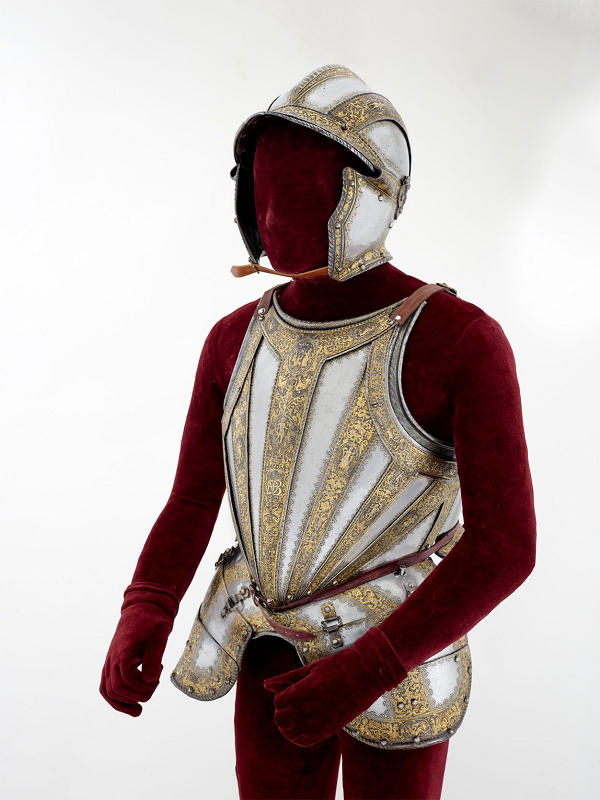
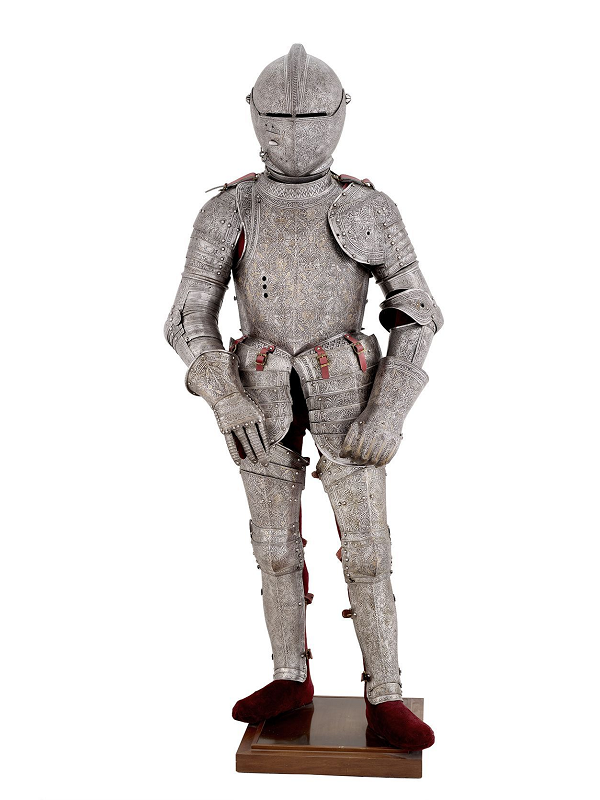
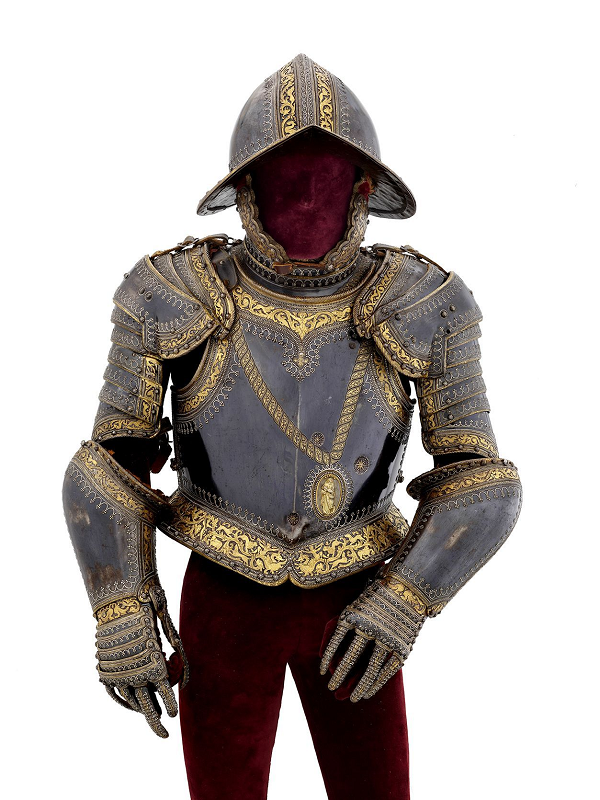
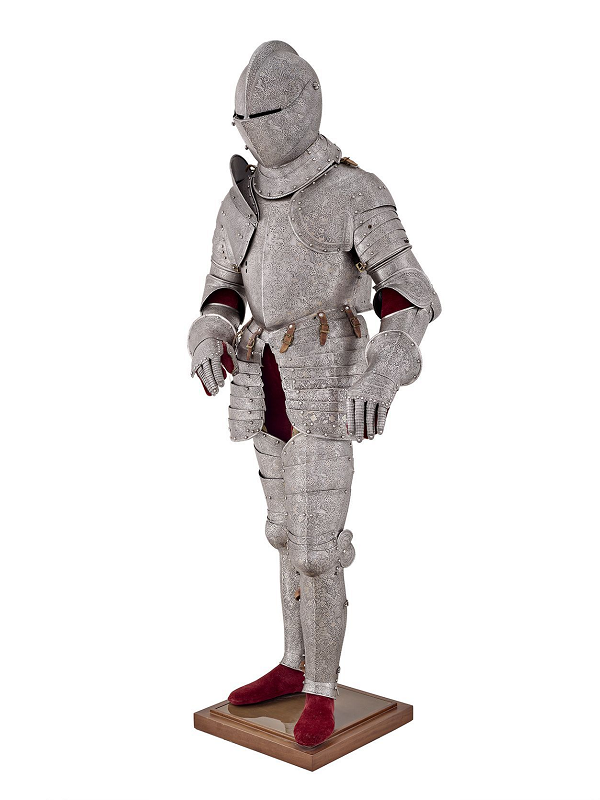
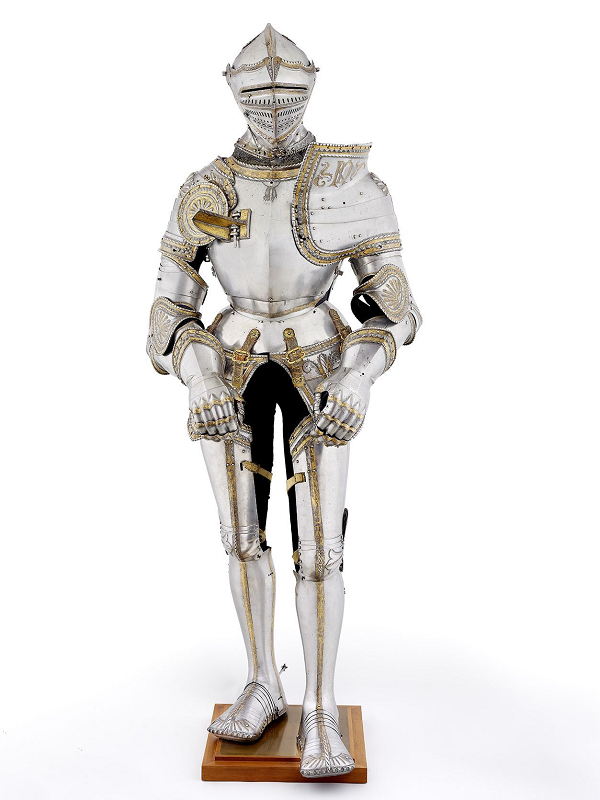
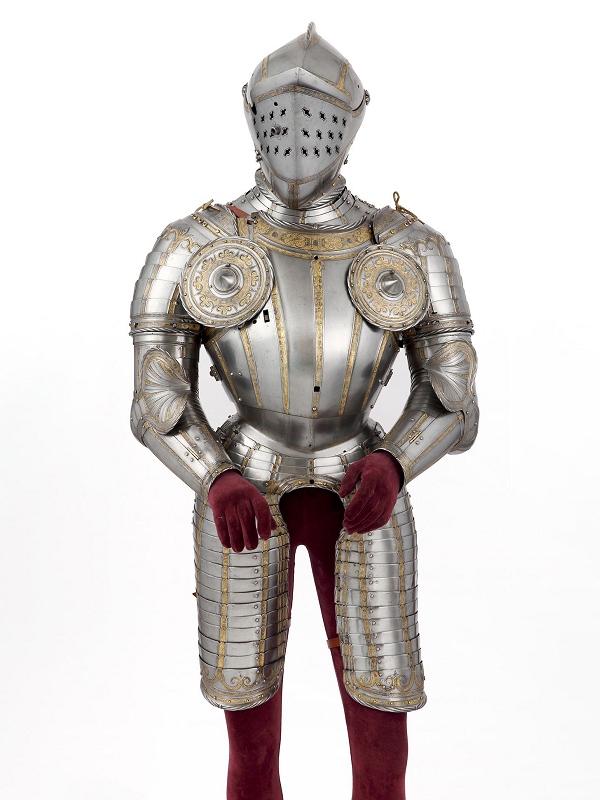
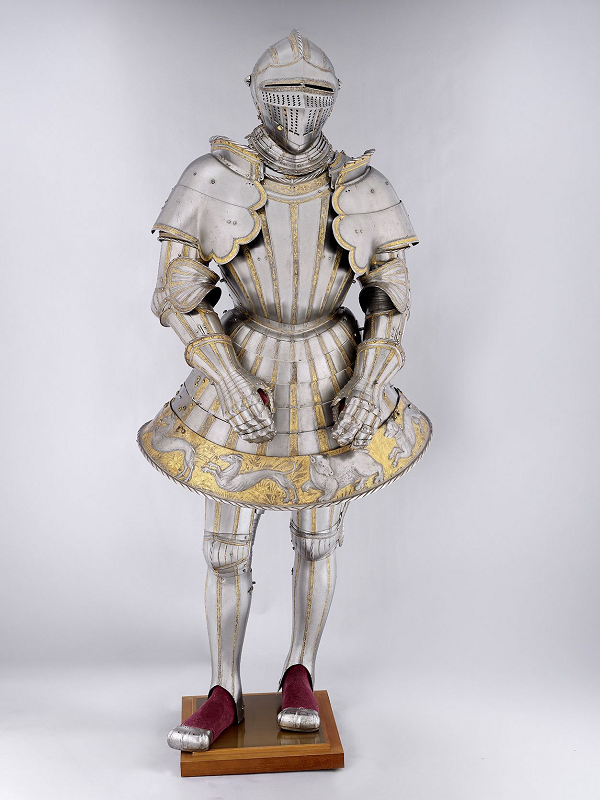
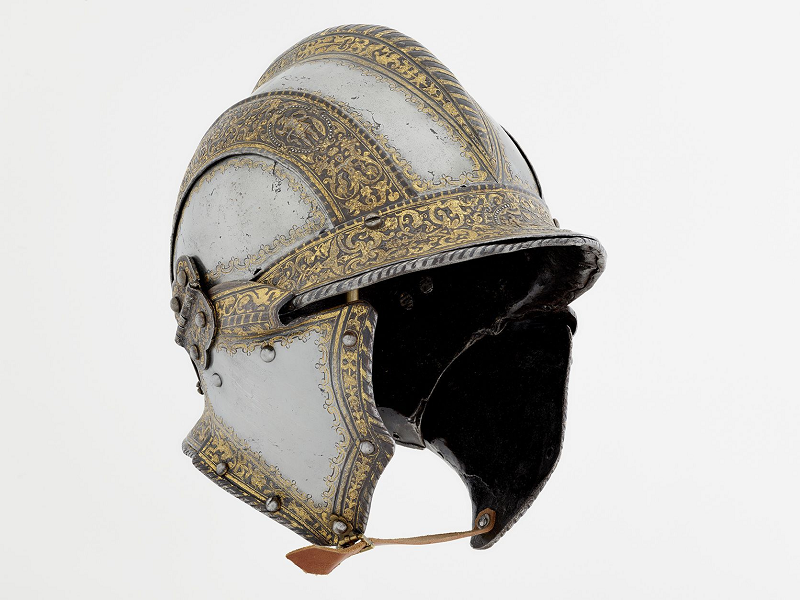
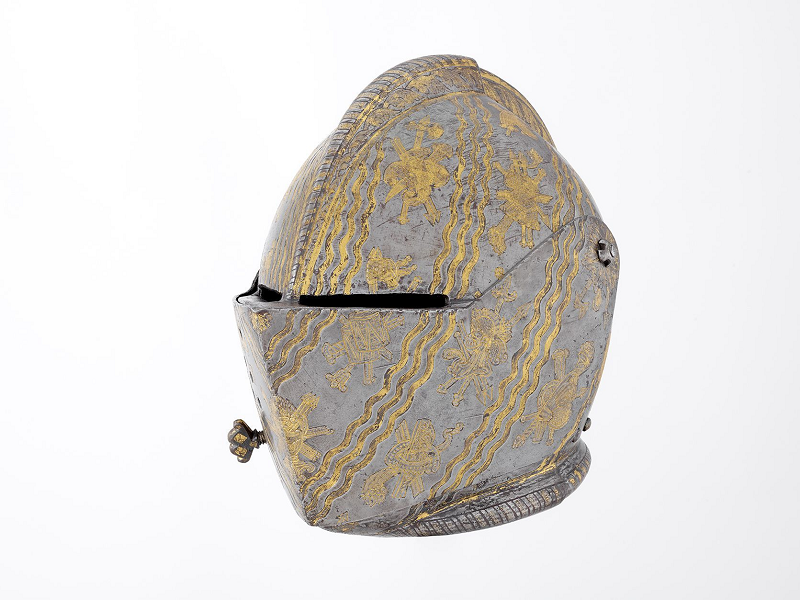
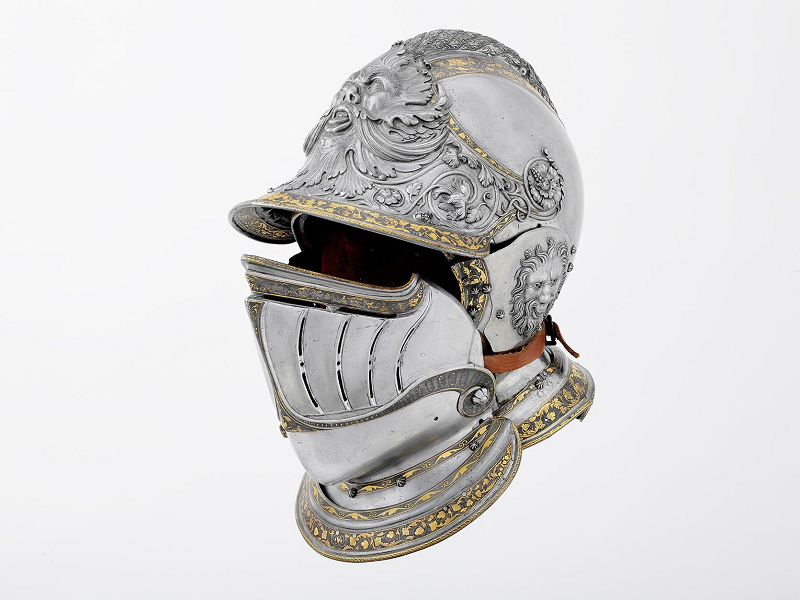
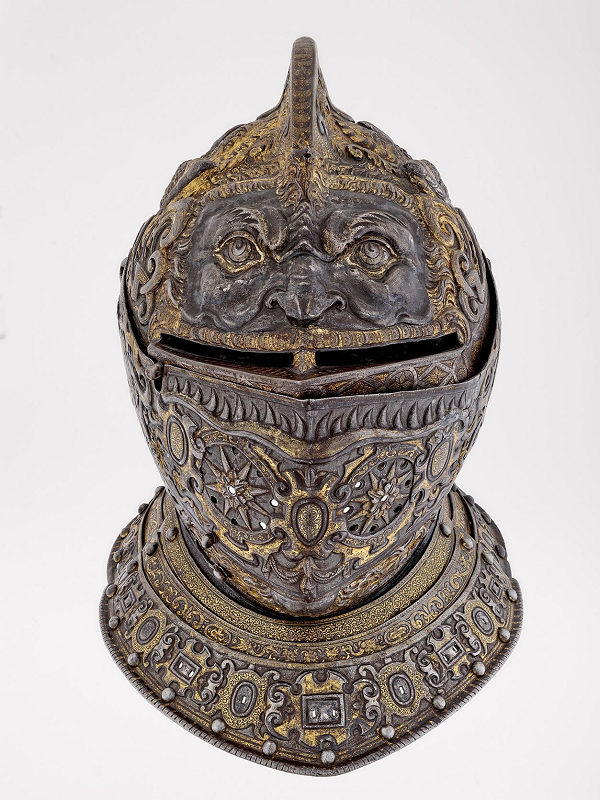
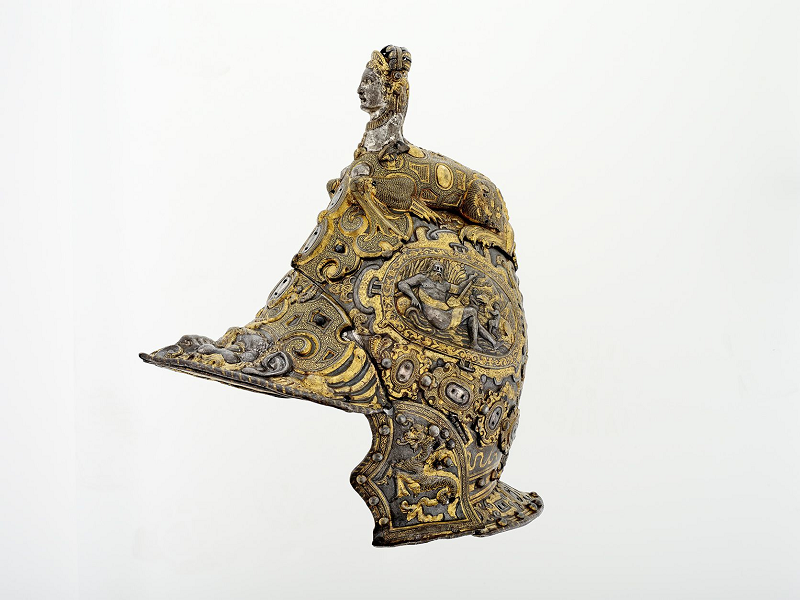
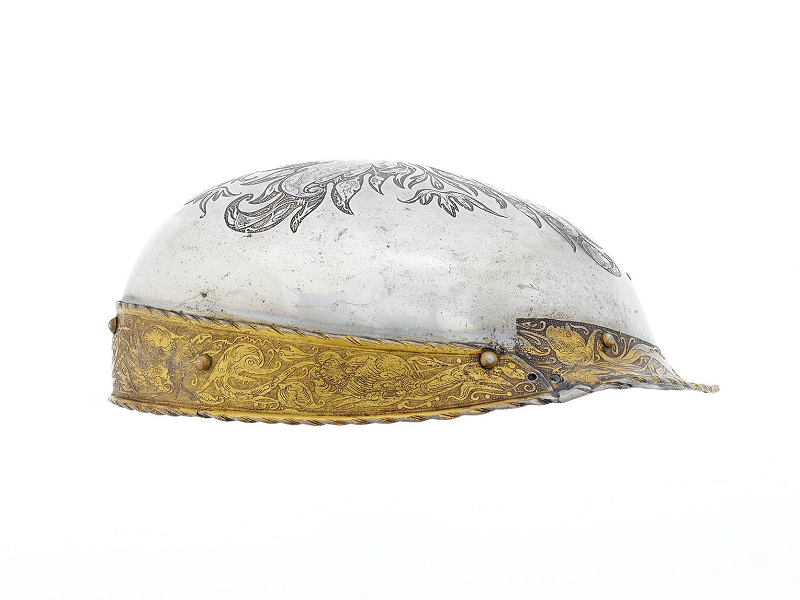
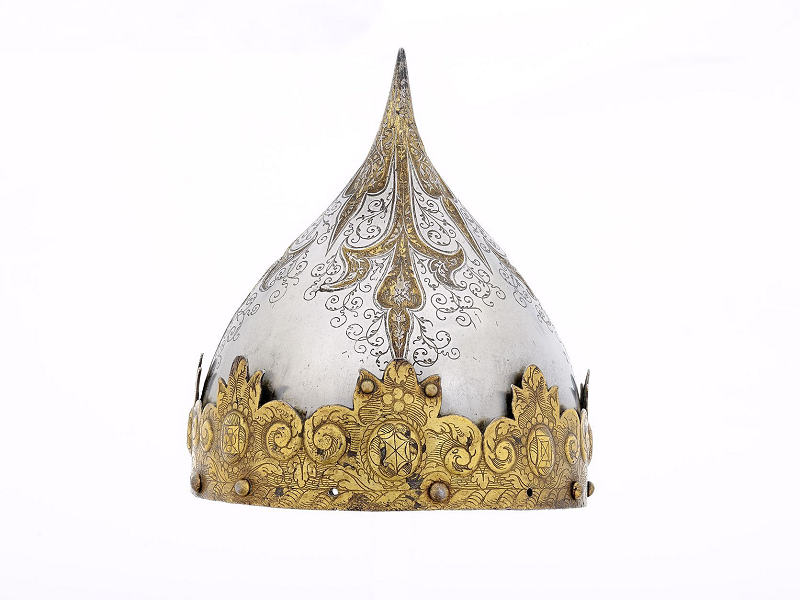
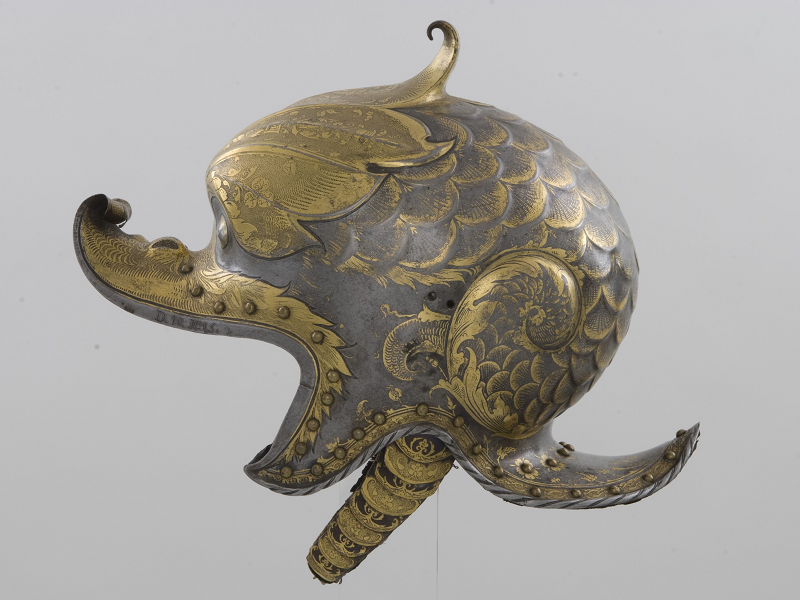
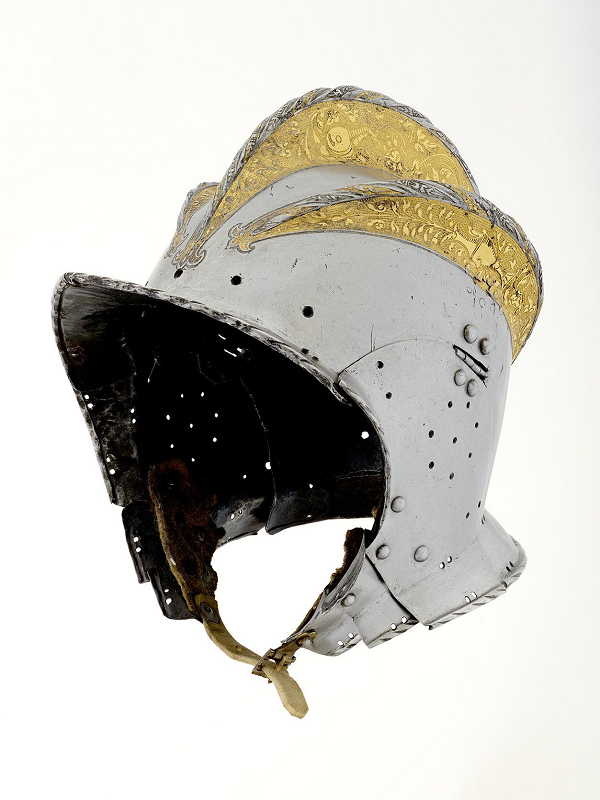
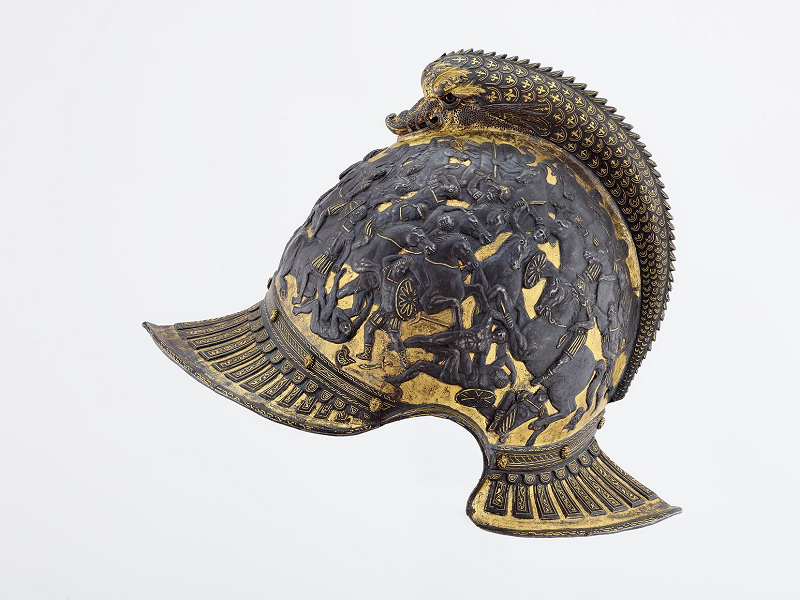
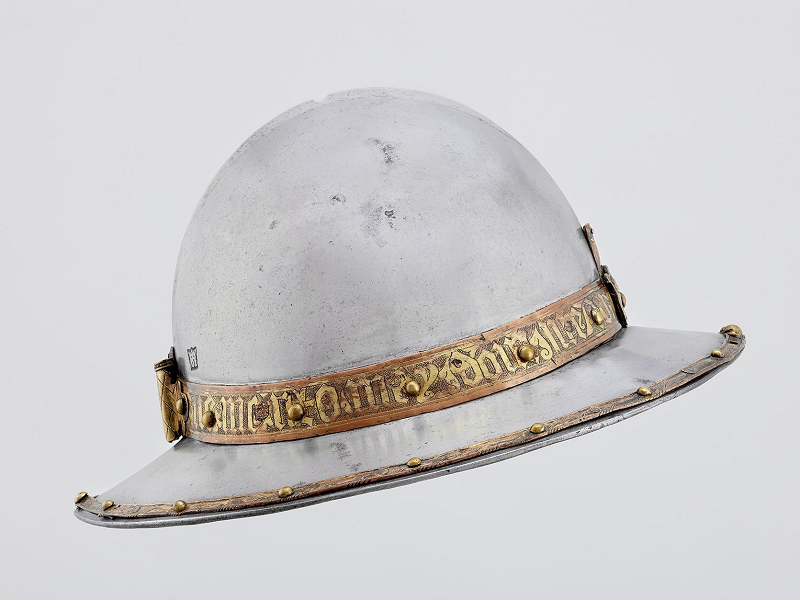
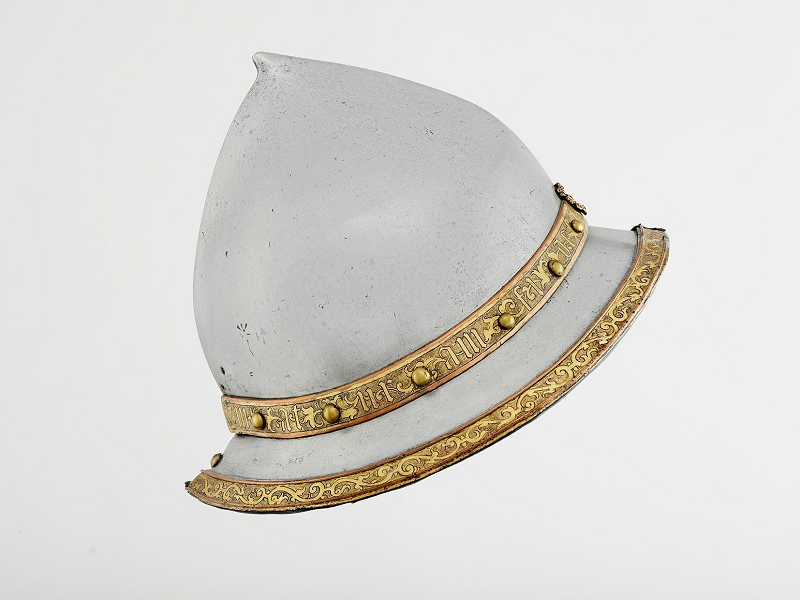
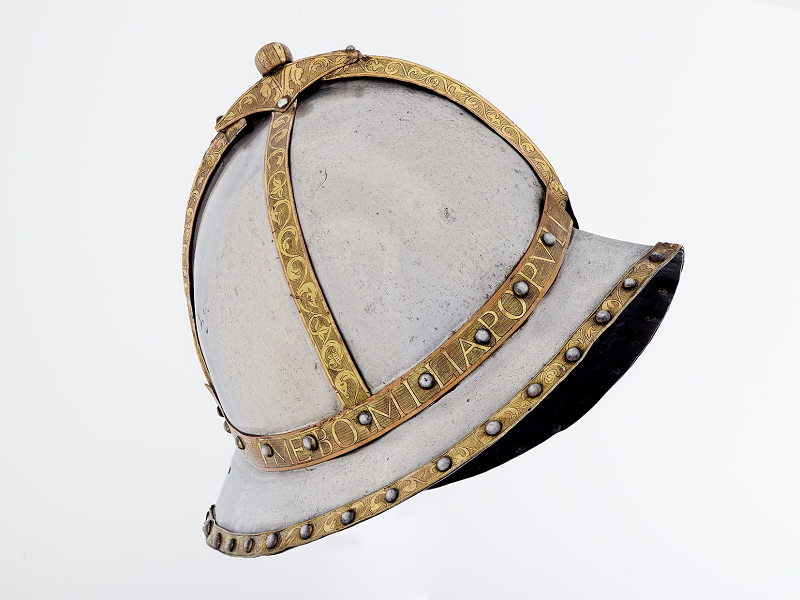
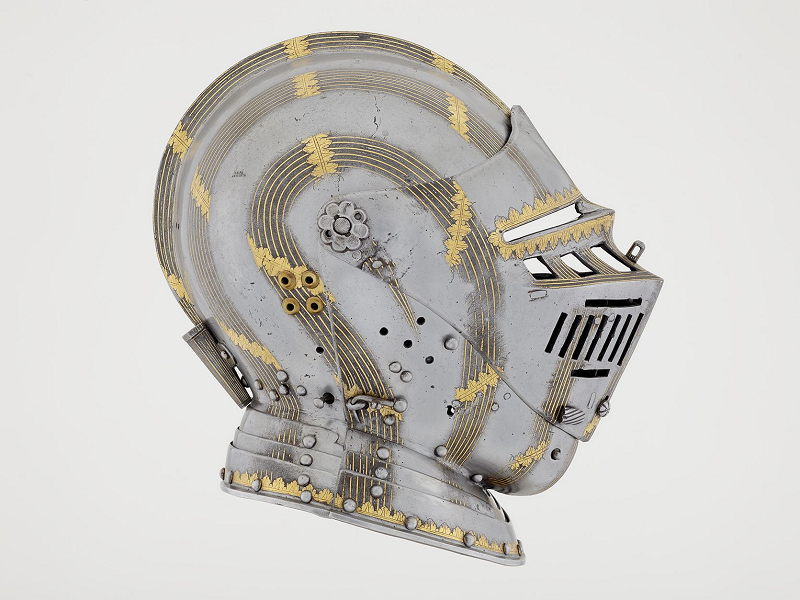
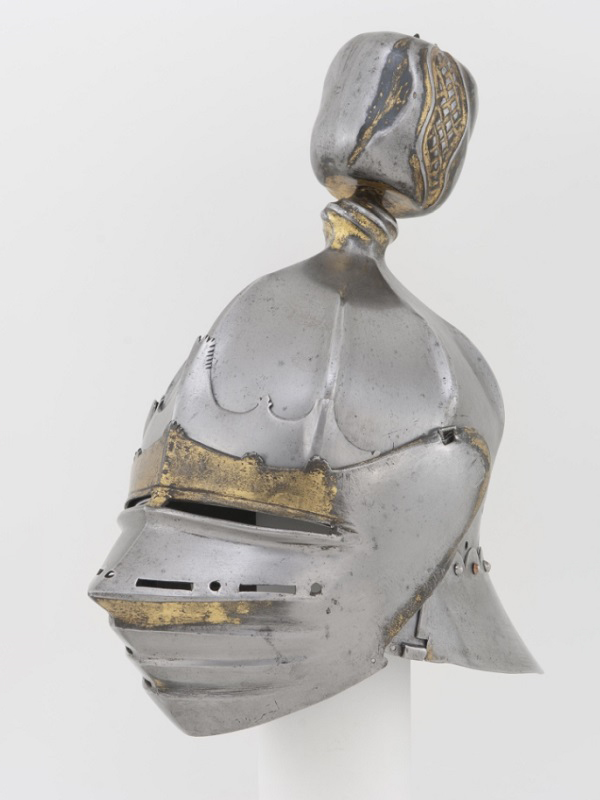
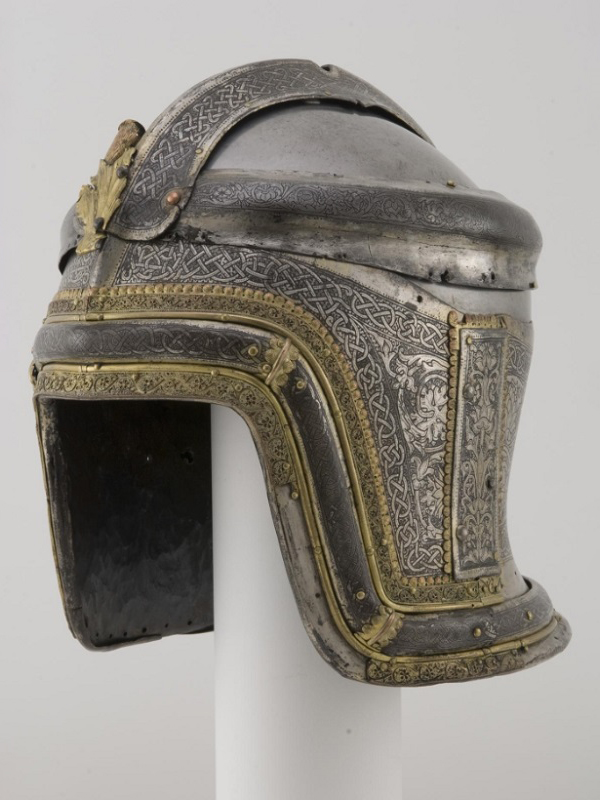
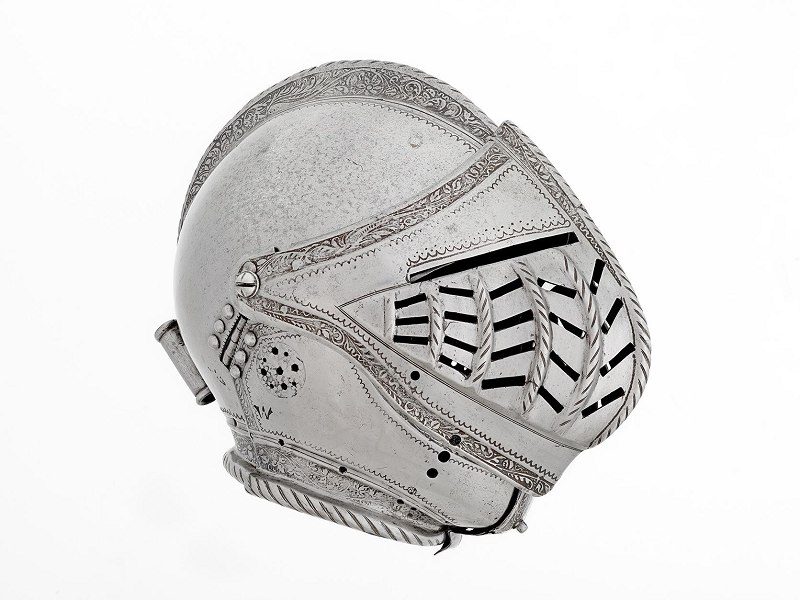
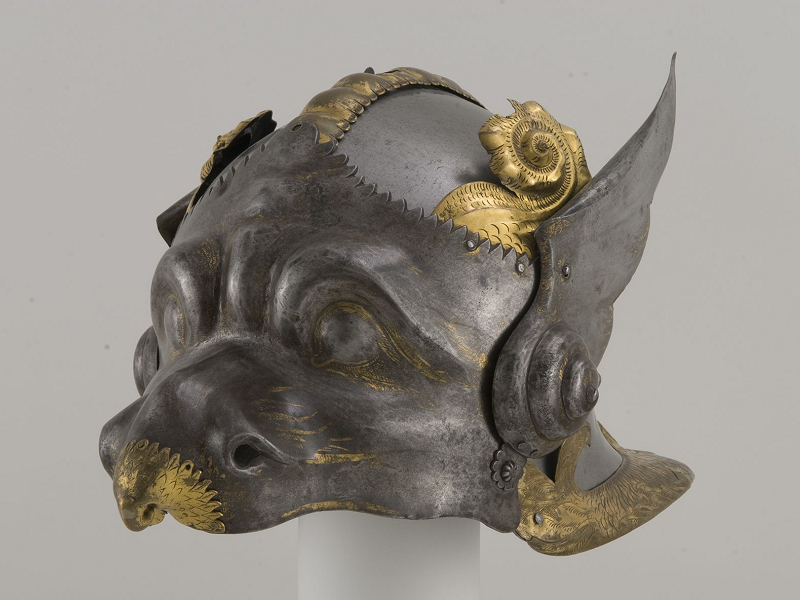
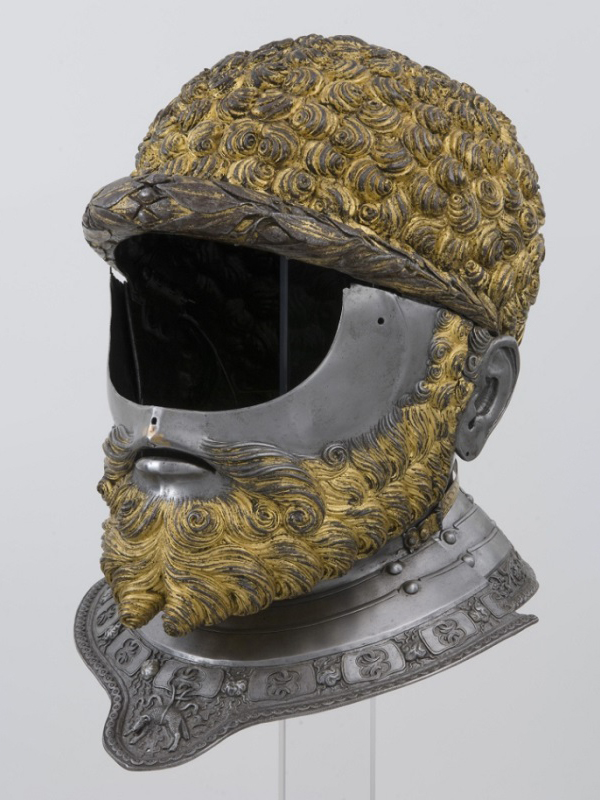
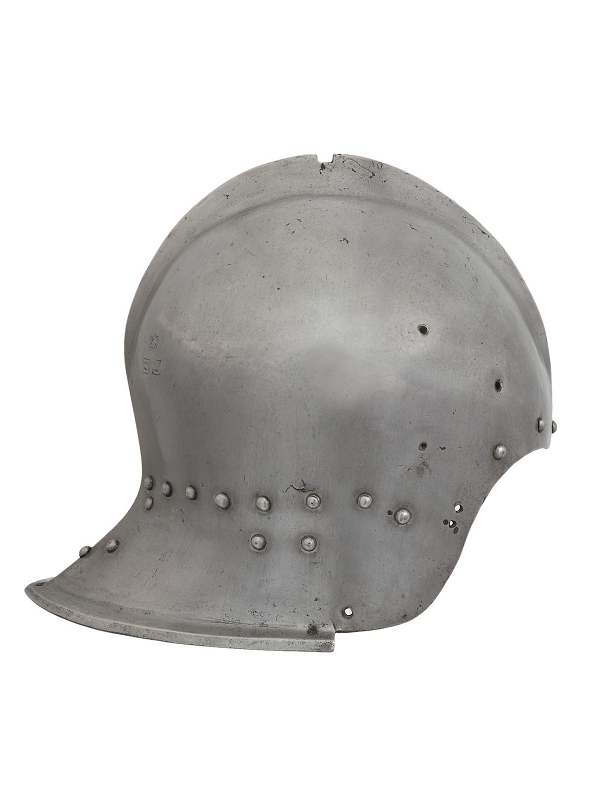
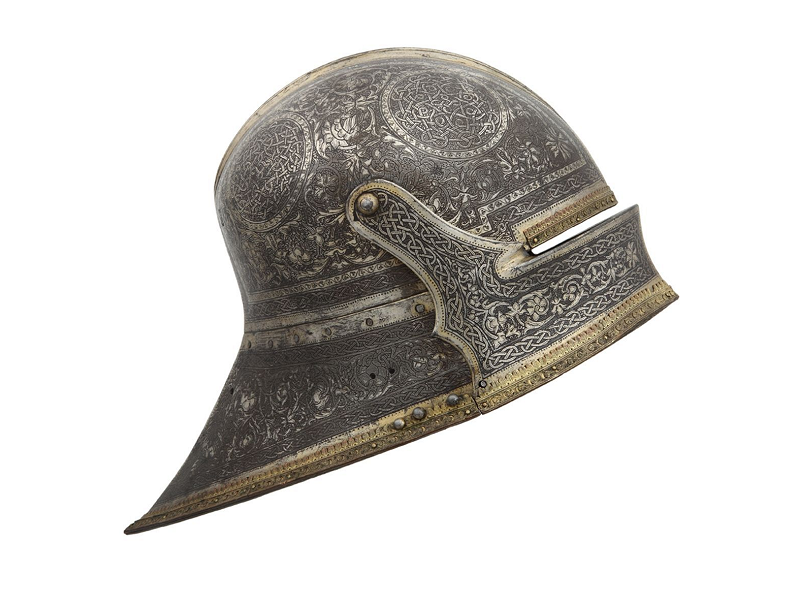
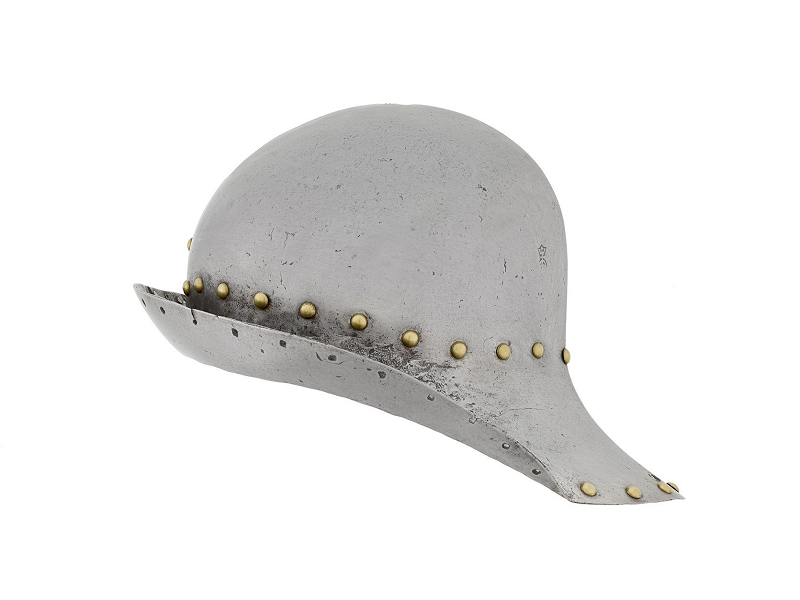
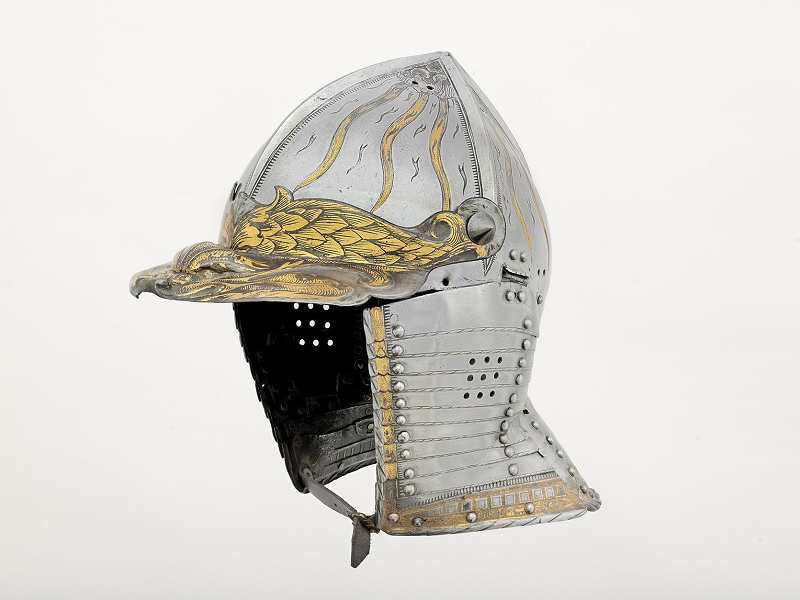
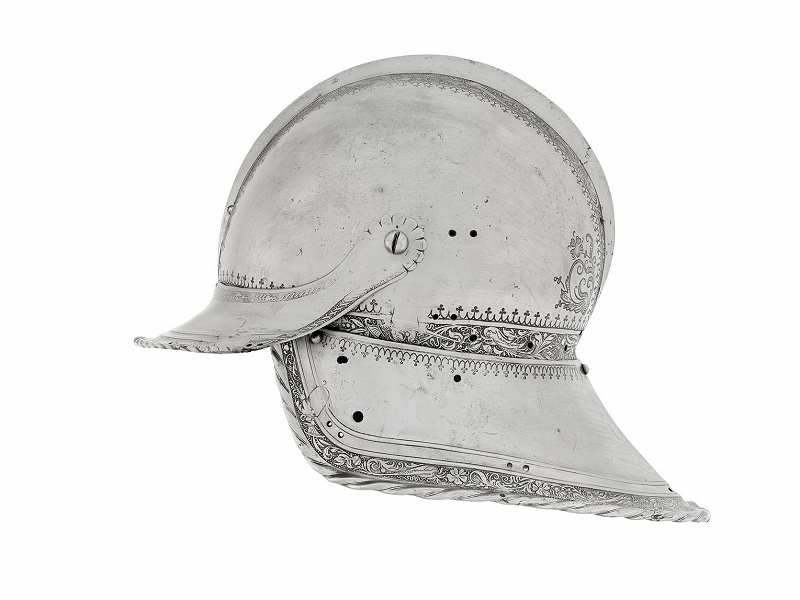
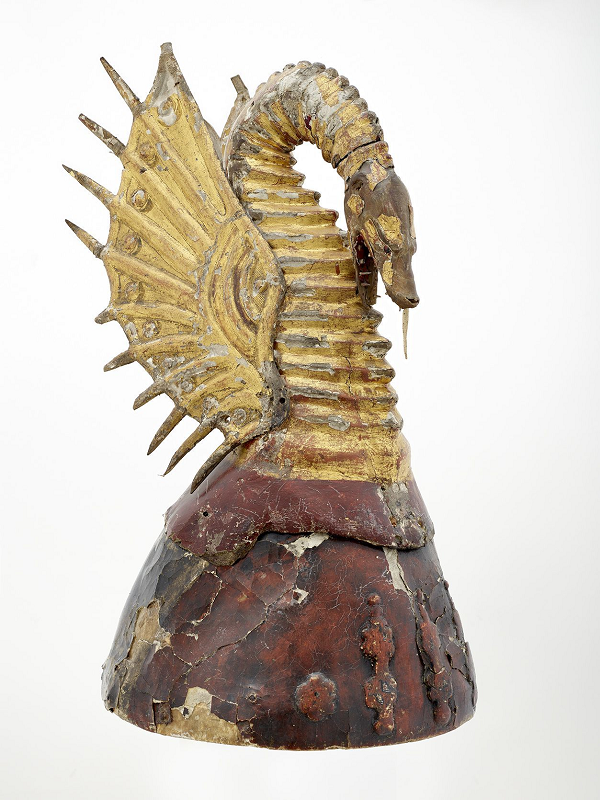
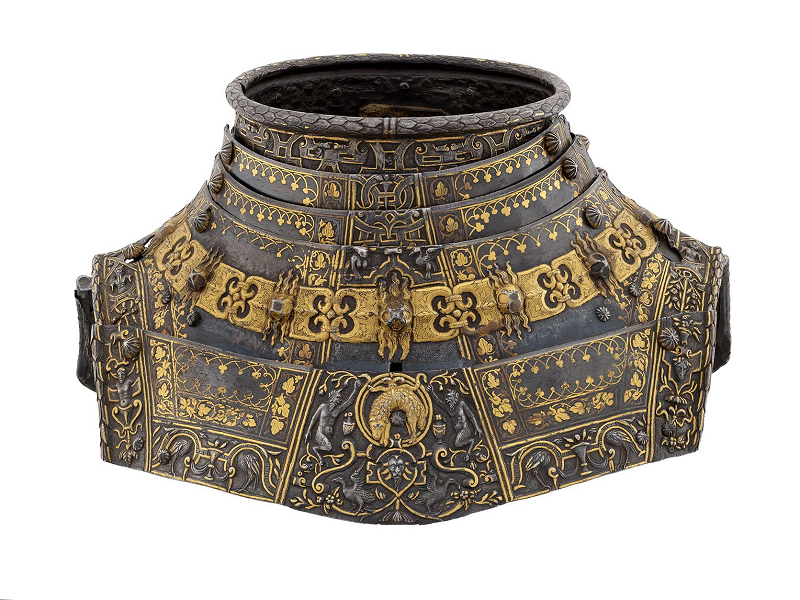
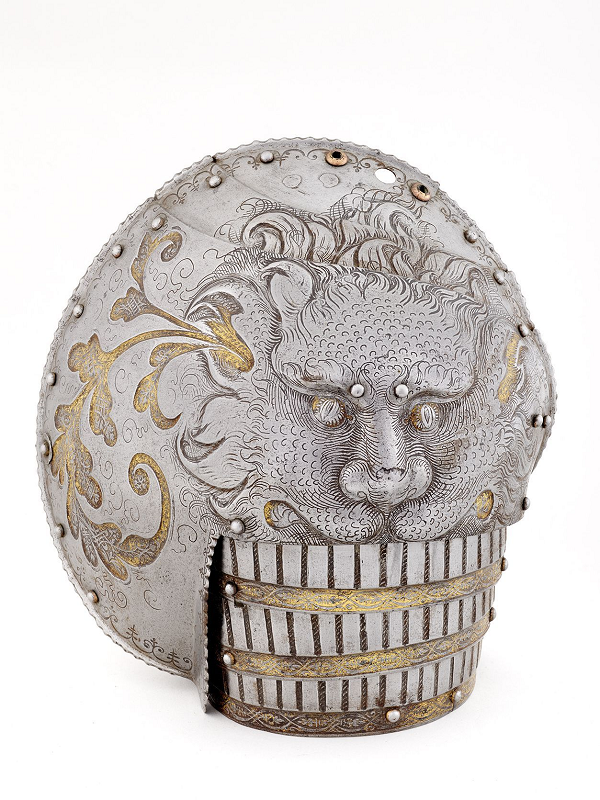
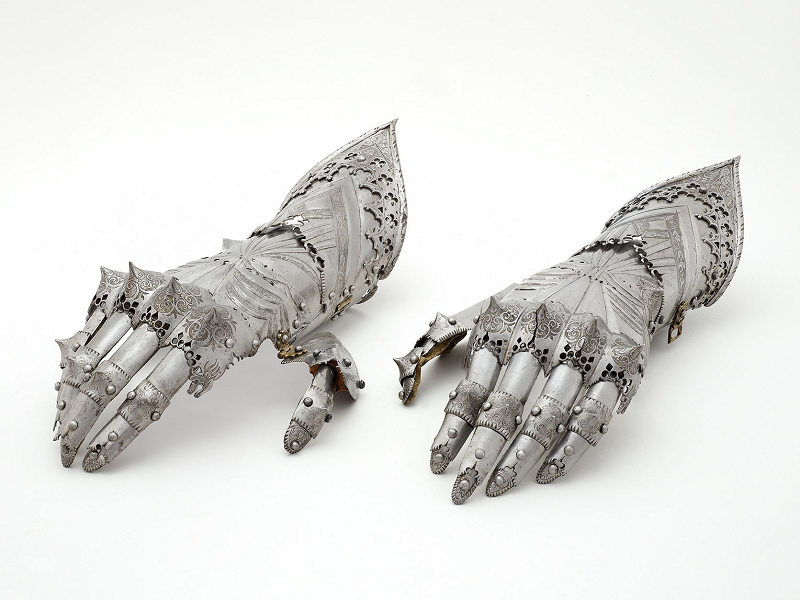
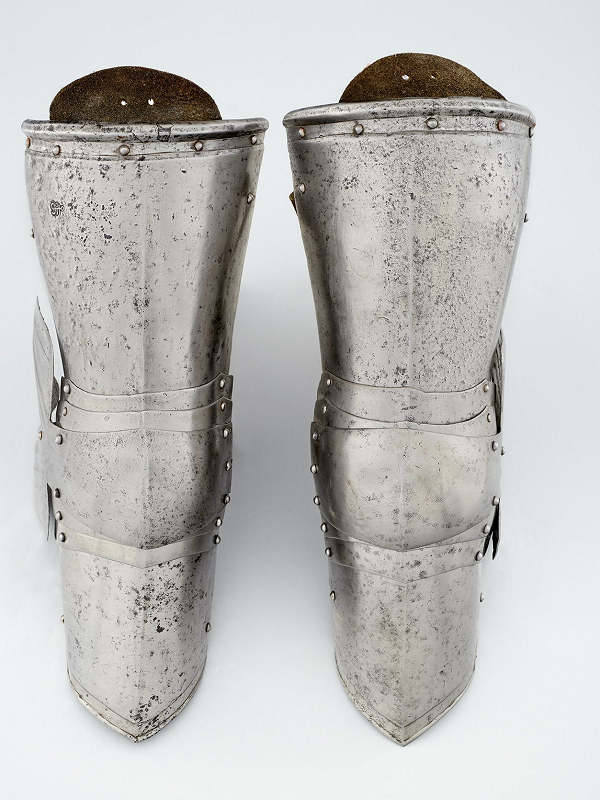
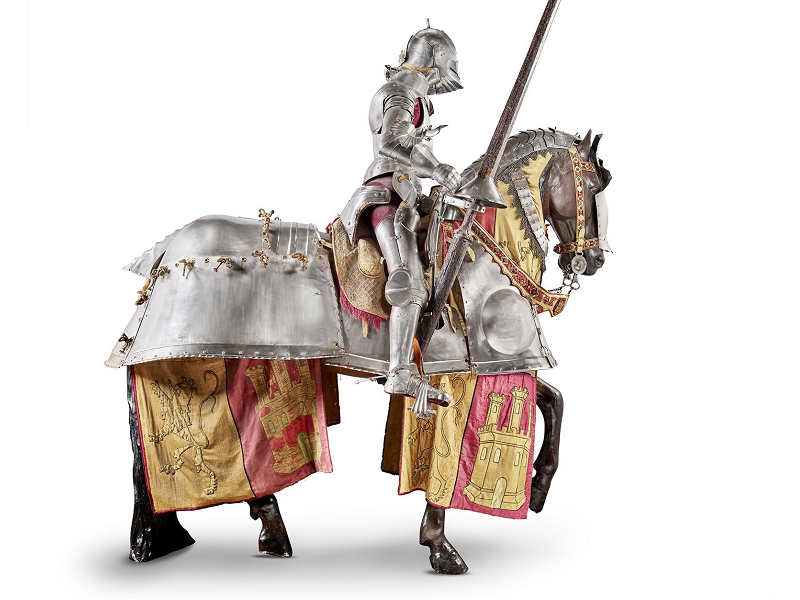
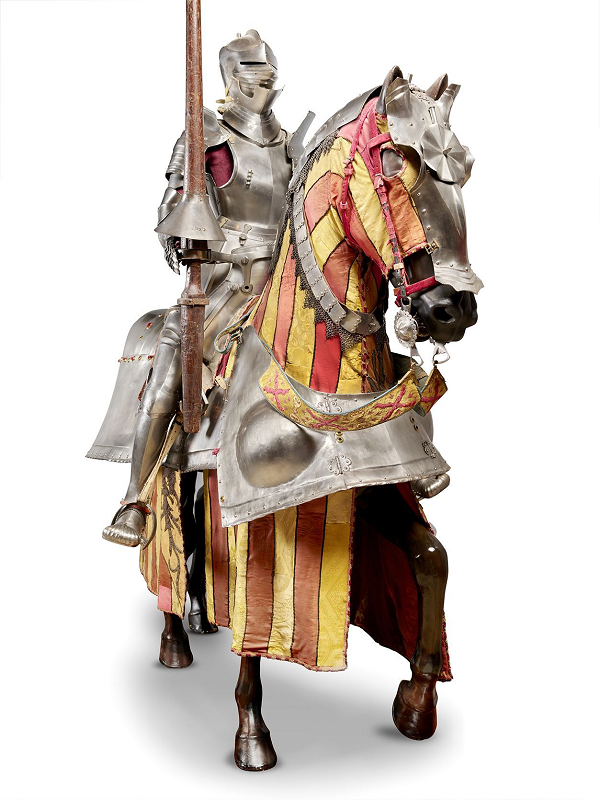
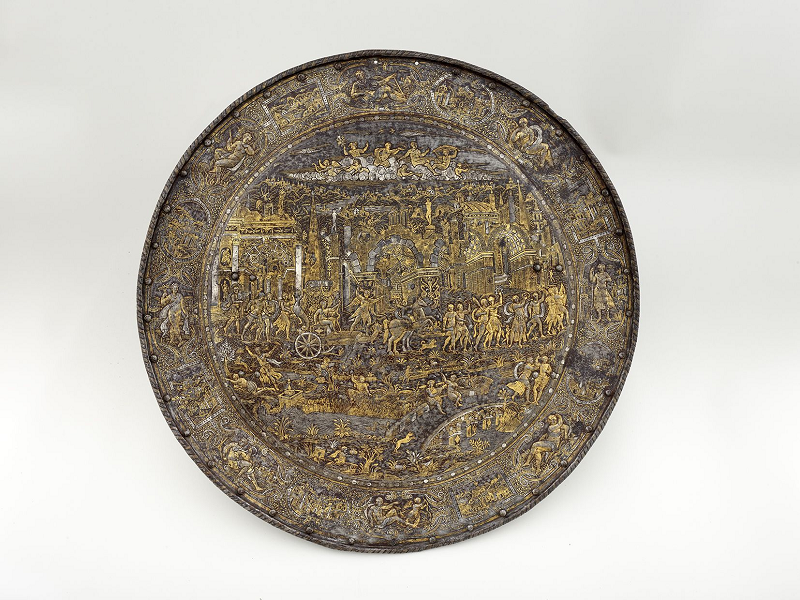
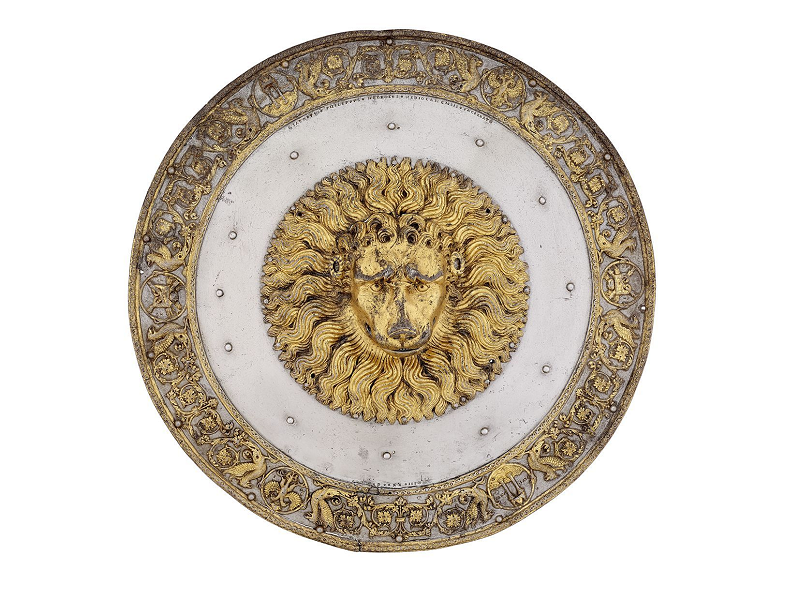
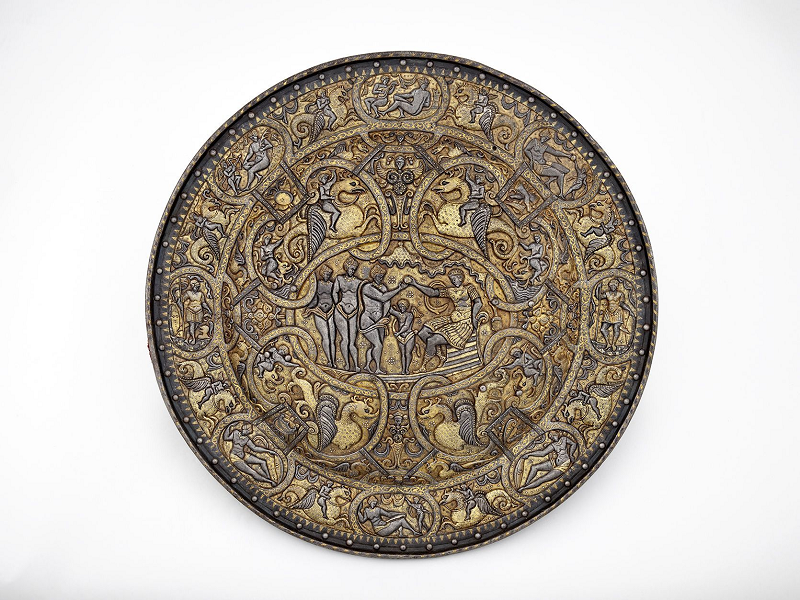
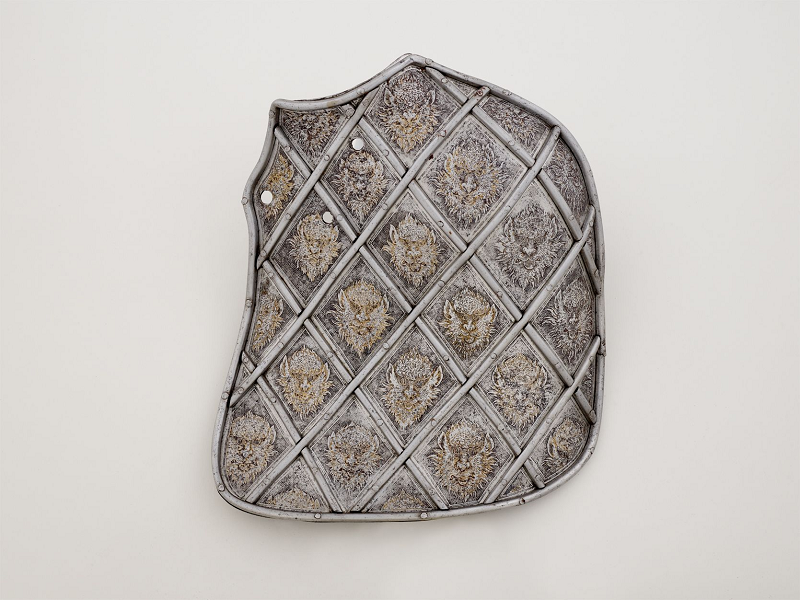
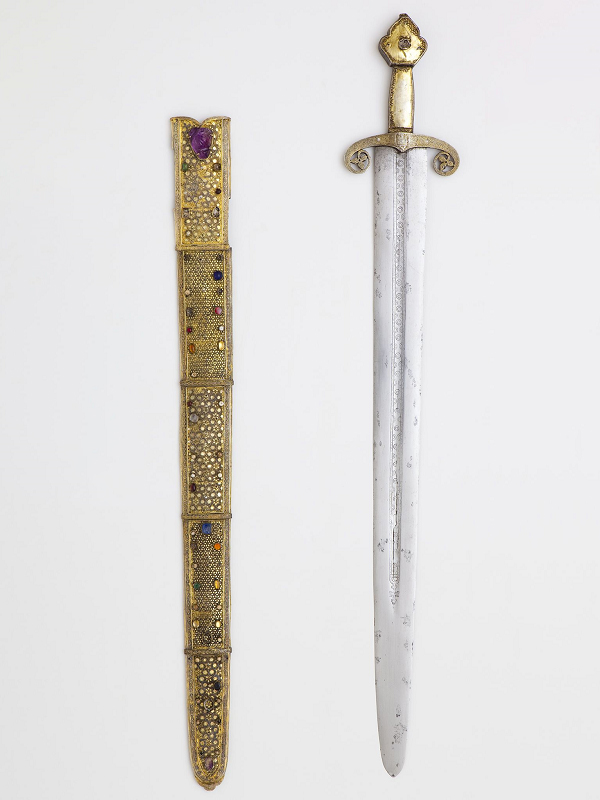
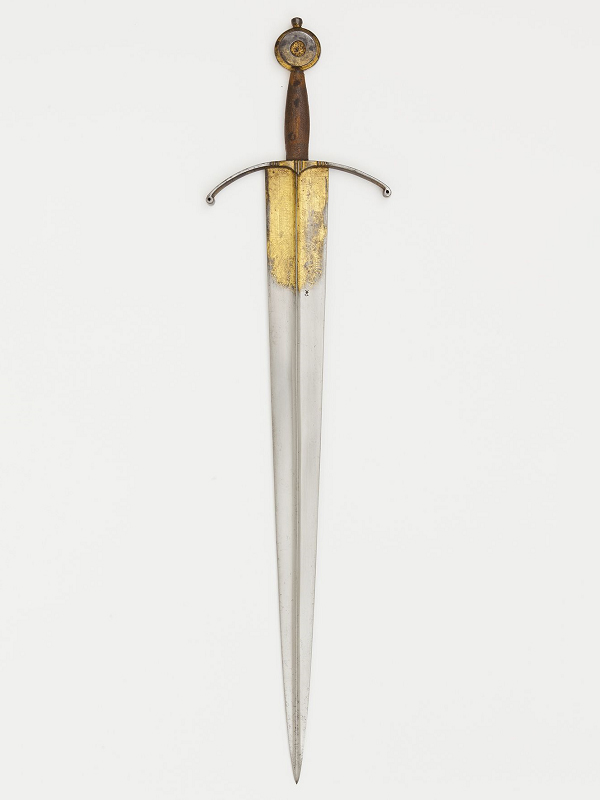
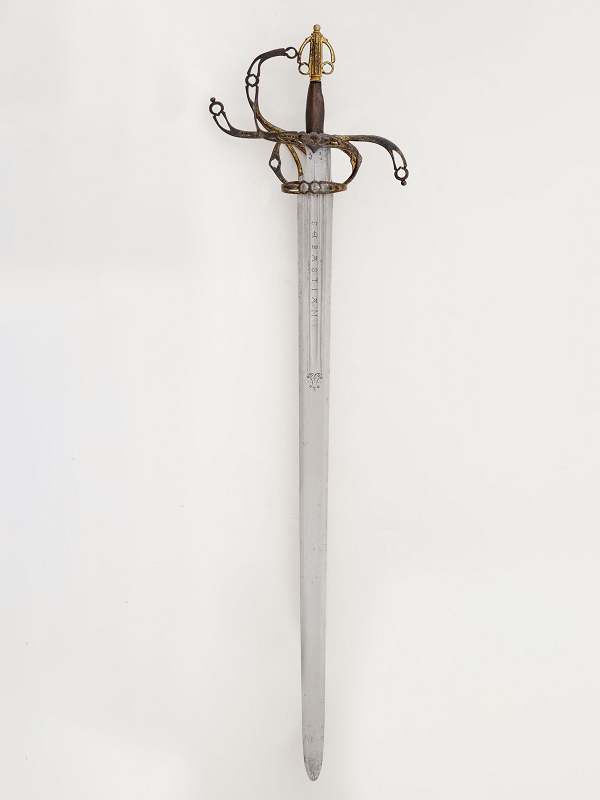
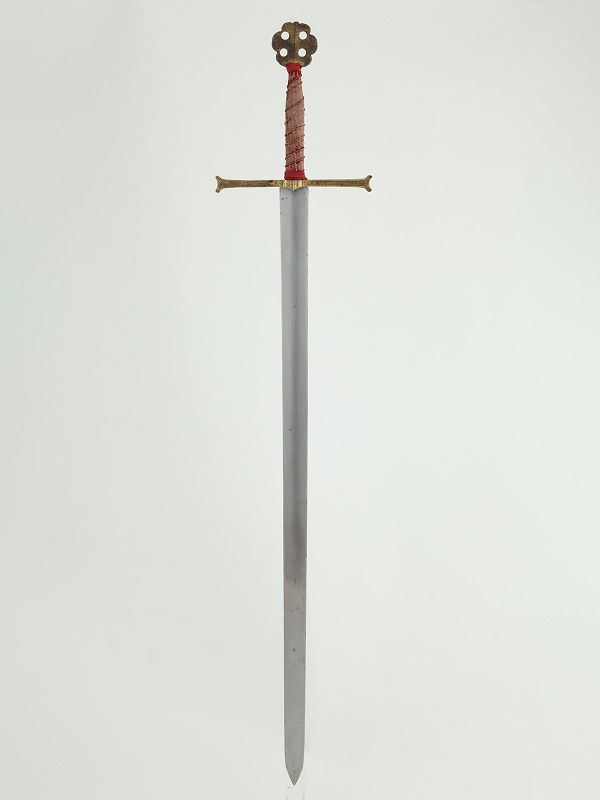
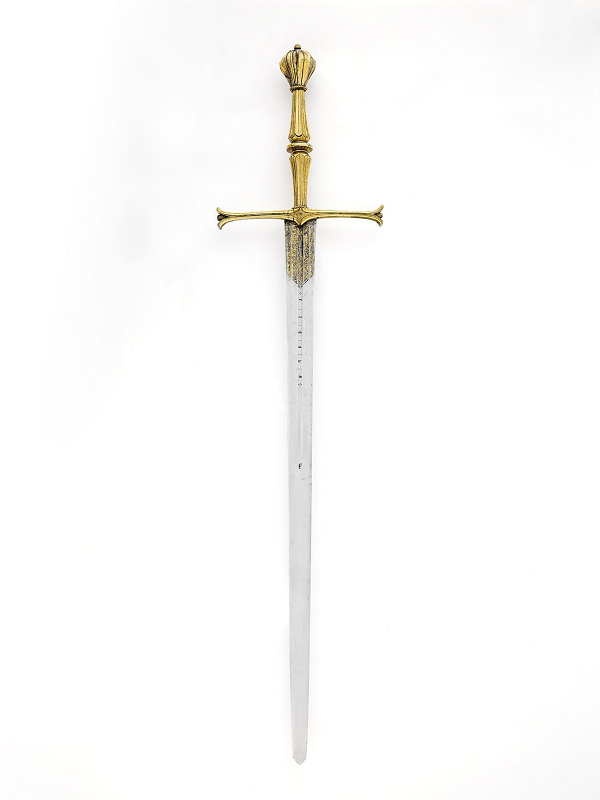
The core of the current collection corresponds to the armory of Emperor Charles V, which, in turn, guarded the weapons belonging to his father, King Philip I of Castile, as well as his grandparents, King Ferdinand el Católico and Emperor Maximilian I of Austria. To these, Philip II added his personal armory and medieval weapons from the royal treasure of the Alcázar of Trastámara in Segovia. The collection thus spans the entire 16th century, a period when Europe was at the epicenter of the Renaissance and during which the Spanish Crown occupied a dominant position in continental politics. This circumstance allowed him to obtain commissions for the main European workshops, located primarily in southern Germany and northern Italy, under the control of the Spanish Crown. Among them, notable are those headed by the Helmschmid, Grosschedel, and Negroli families. Along with objects for personal use, he also guarded military trophies such as Pavia (1525), Mühlberg (1547), and Lepanto (1571); diplomatic gifts from the Italian dukes of Mantua and Urbino, or from Japan, sent to Philip II in his capacity as King of Portugal.
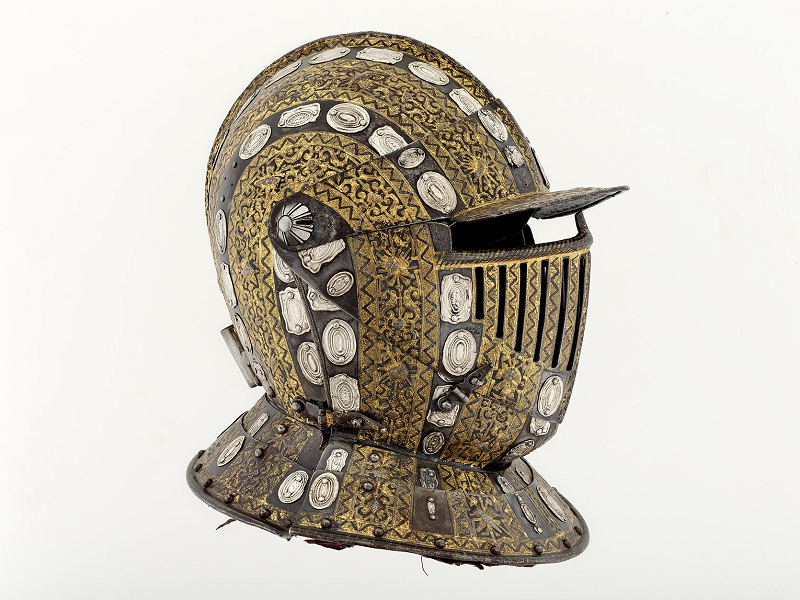
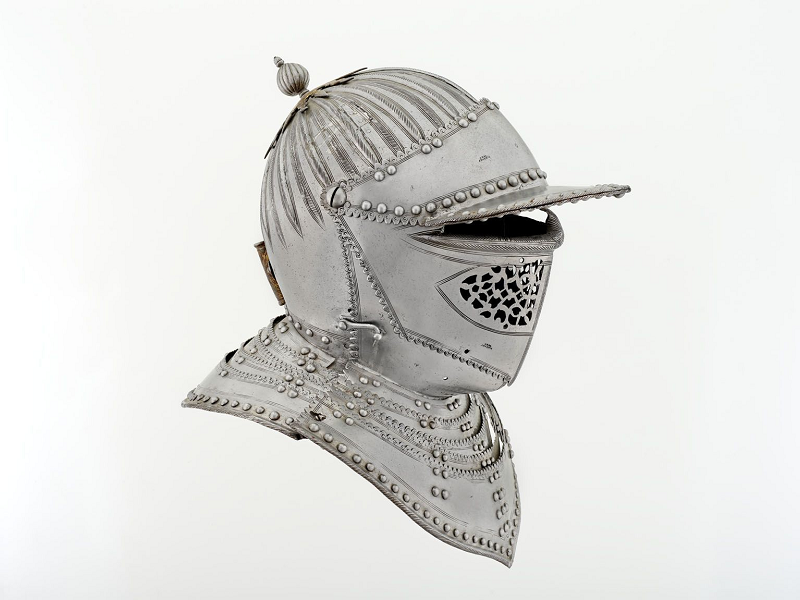
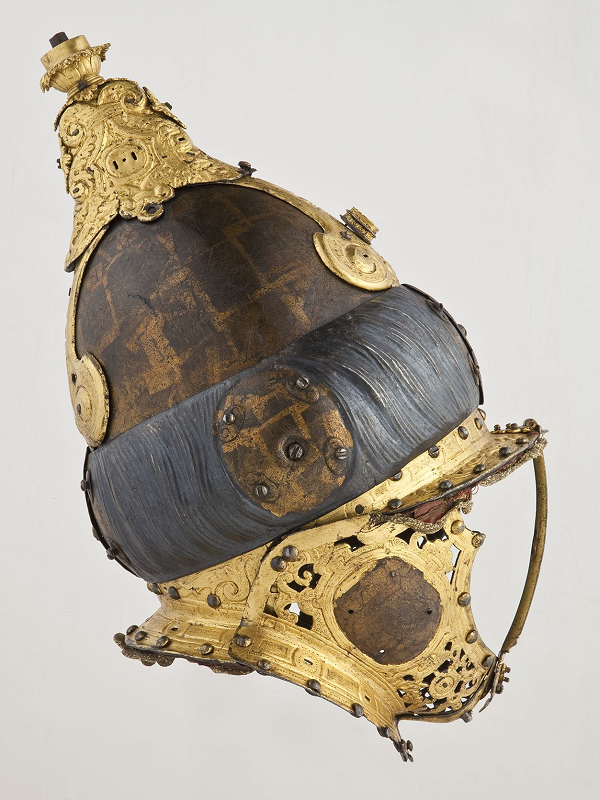
Although the collection's fame lies in the armories of Charles V and Philip II, the reigns of Philip III and Philip IV (1605-1621-1665) must be considered among the most important collections of the 17th century, also consisting of weapons for royal service and diplomatic or family gifts. Among them are those sent in 1604 and 1614 by James I of England, and most notably the sumptuous gift received in 1603 by Duke Charles Manuel I of Saboya.
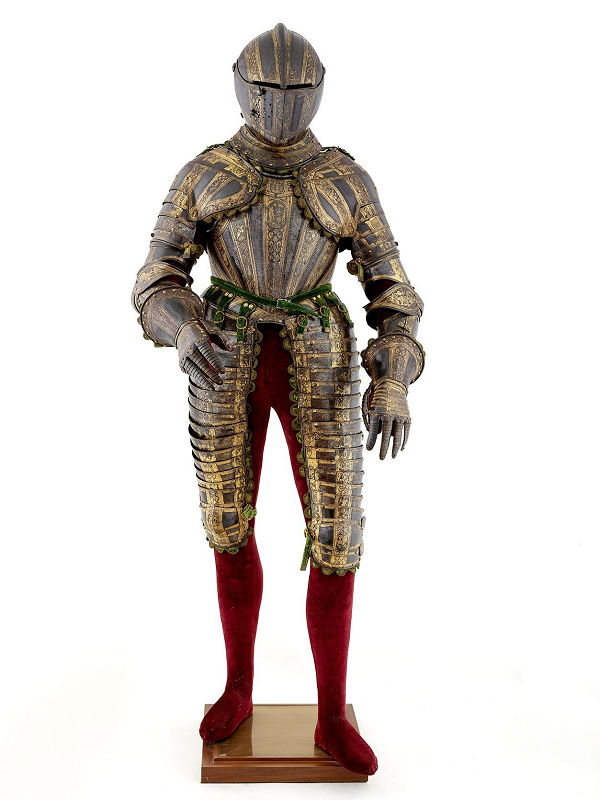
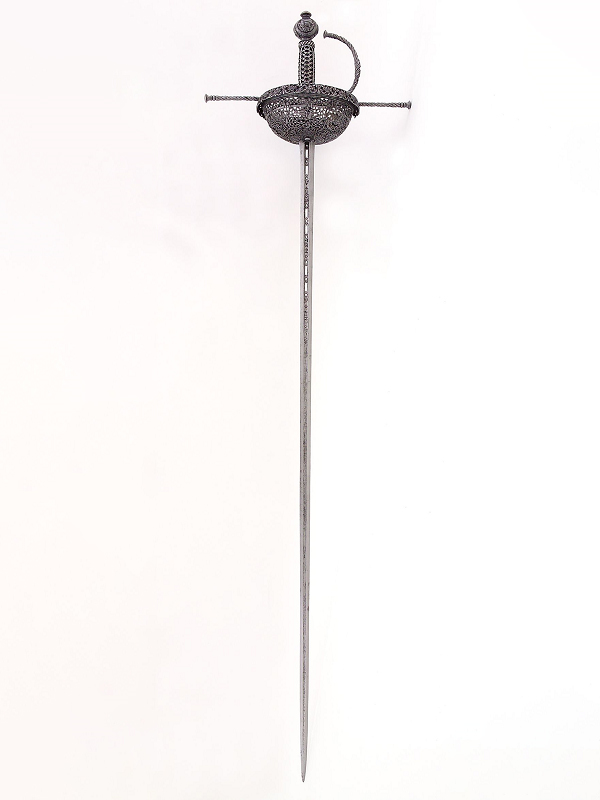
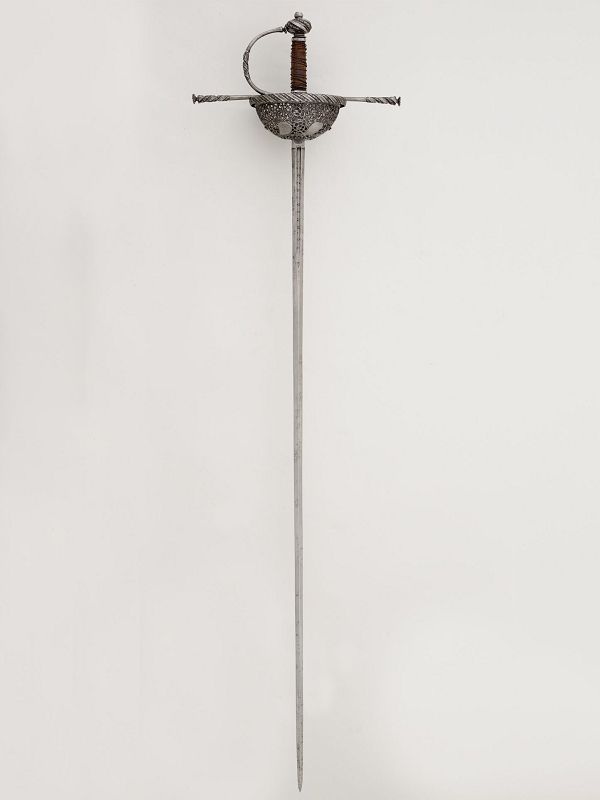
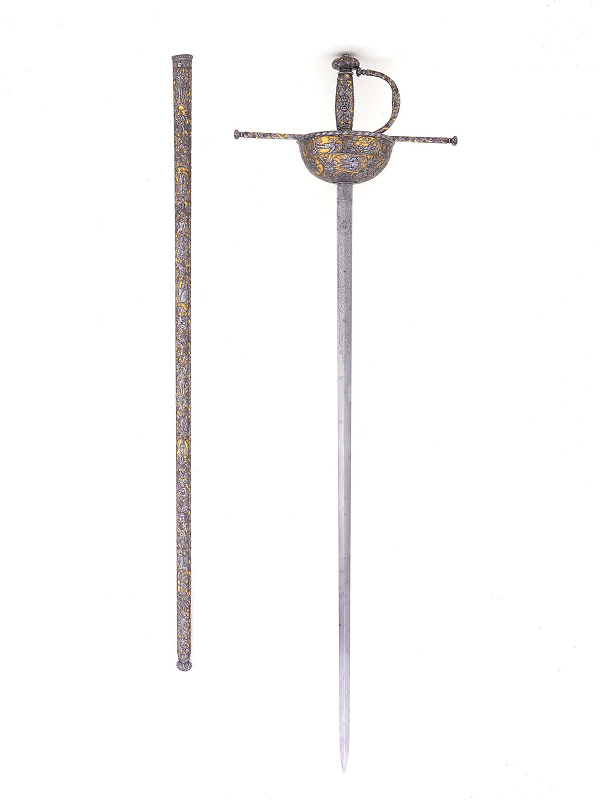
During the reign of Philip IV, armor lost its previous importance due to the advancement of firearms. Two valuable sets date from this final period of splendor in the art of armor, donated by her aunt, Infanta Isabel Clara Eugenia, as governor of the Netherlands, and by her brother, Cardinal Infante Don Fernando, as governor of Milan. The reigns of Felipe III and Felipe IV expanded the collection of firearms and white arms, highlighting those forged in Toledo.
After the arrival of the House of Bourbon, the collection continued to expand with personal weapons, war trophies, and diplomatic gifts, highlighting those sent from Turkey, Tunisia, Morocco, and Algeria between 1766 and 1770. In the eighteenth century, Villa de Madrid played an important role as one of the main European centers for the production of elite weapons. In the first decades of the 19th century, the growth of the Basque centers of Eibar and Plasencia de las Armas replaced Madrid as the leader of Spanish production, maintaining its reputation to this day.
In 1884, a fire destroyed the armory built by Felipe II. Alfonso XII (1857-1875-1885) ordered the construction of his current headquarters, a work completed after his death by the will of his wife, Queen Regent Maria Cristina de Habsburg.
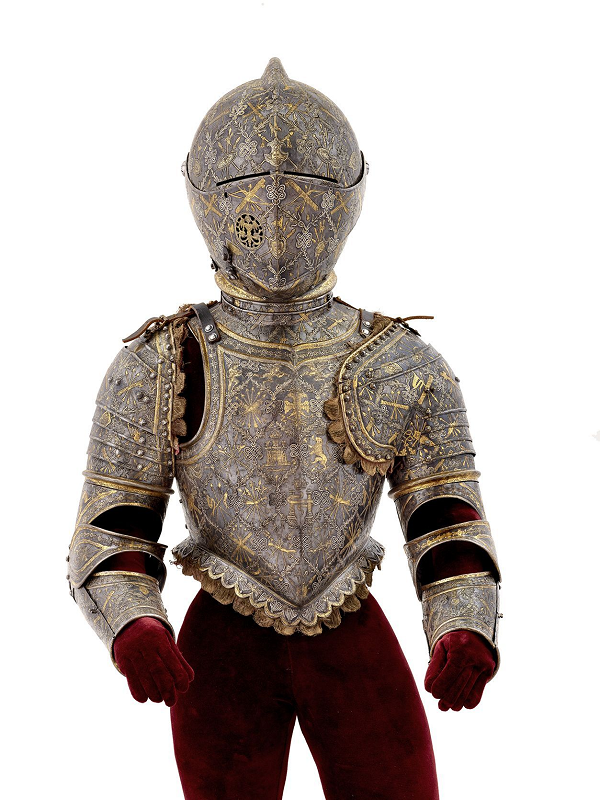
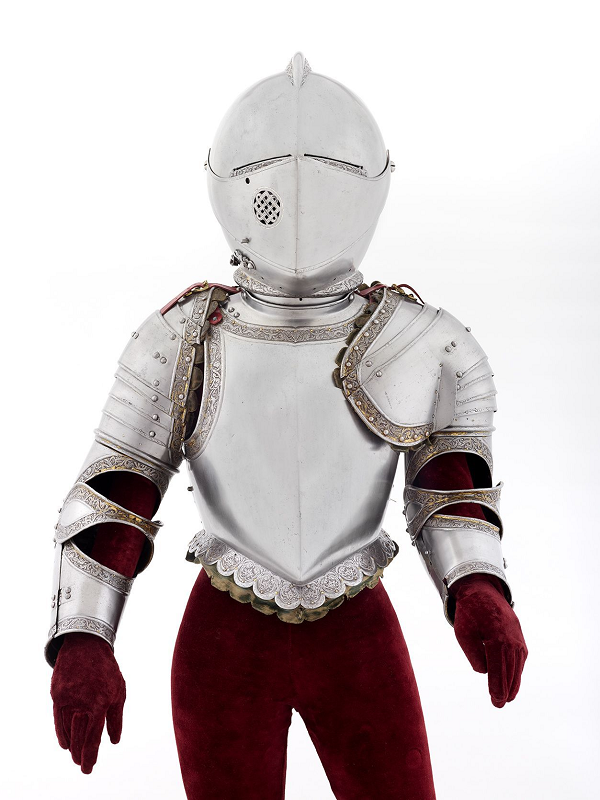
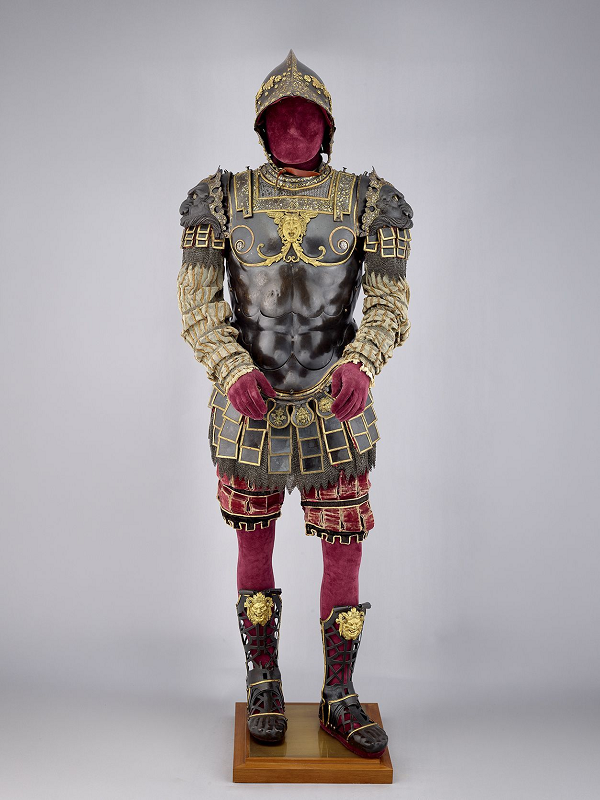
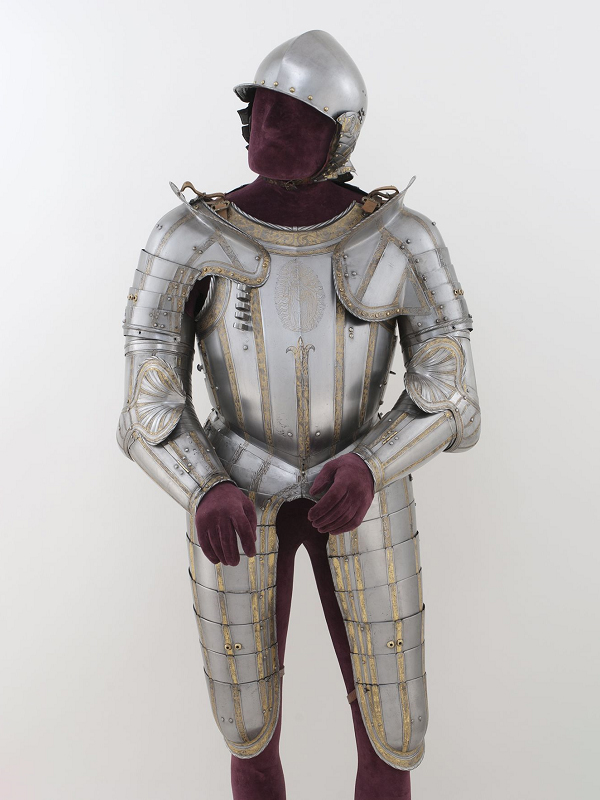
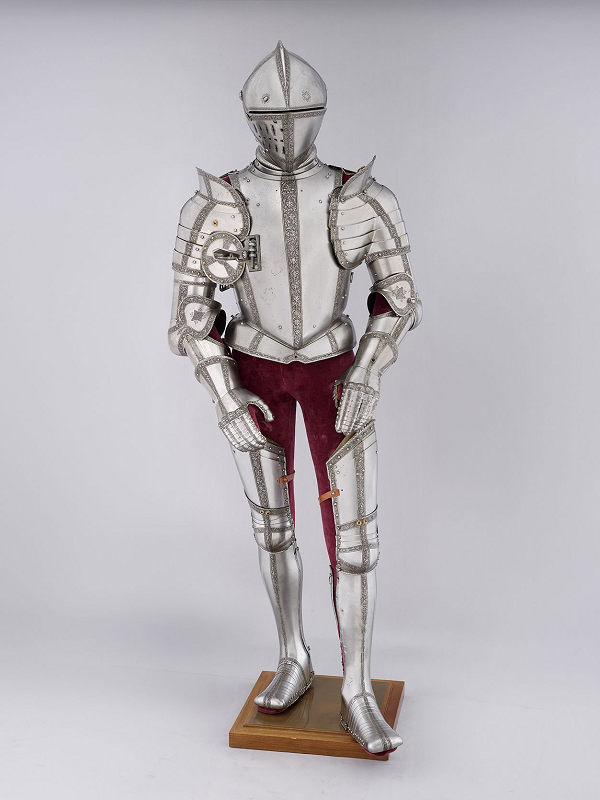
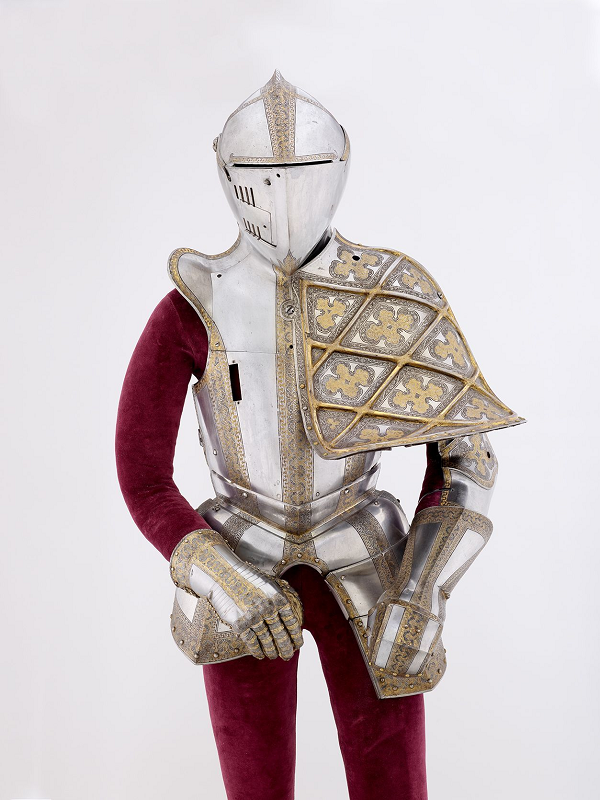
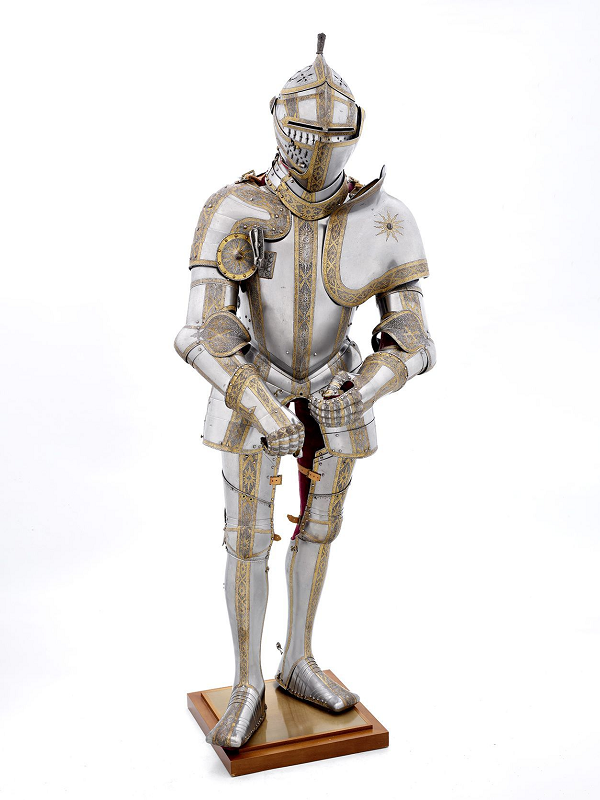
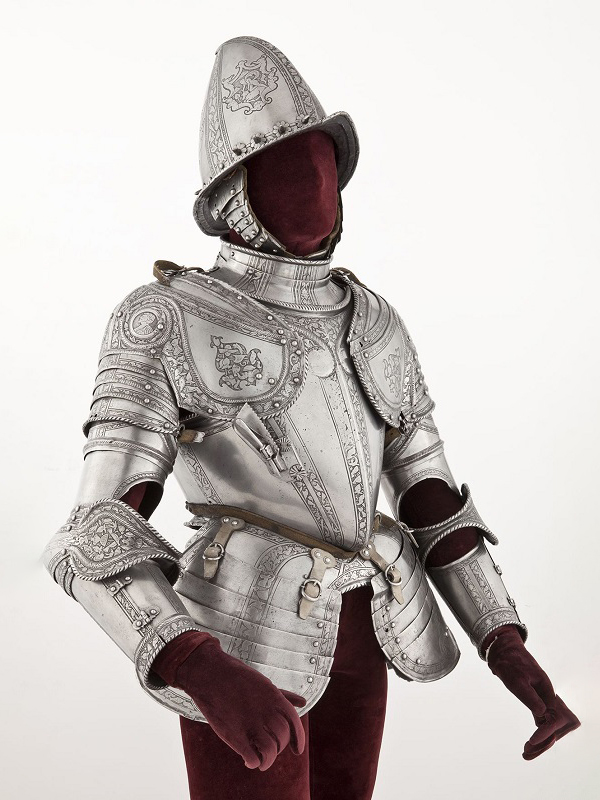
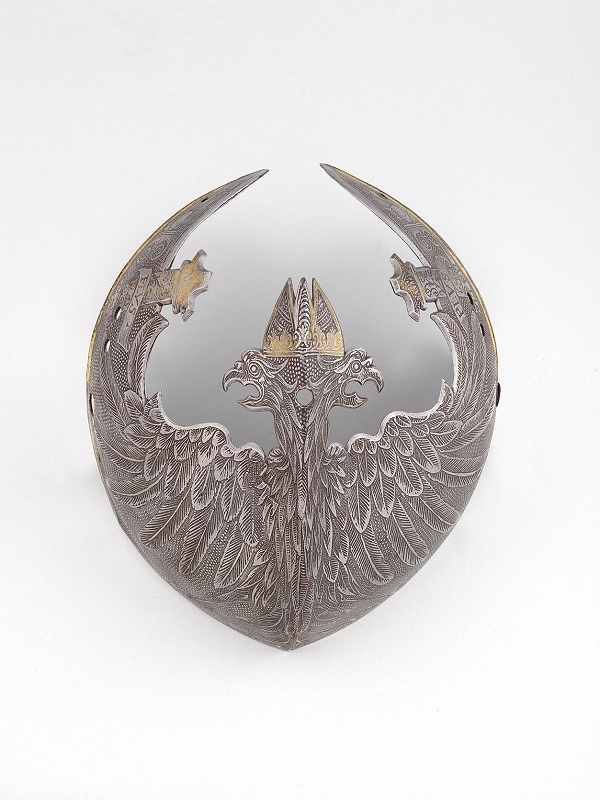
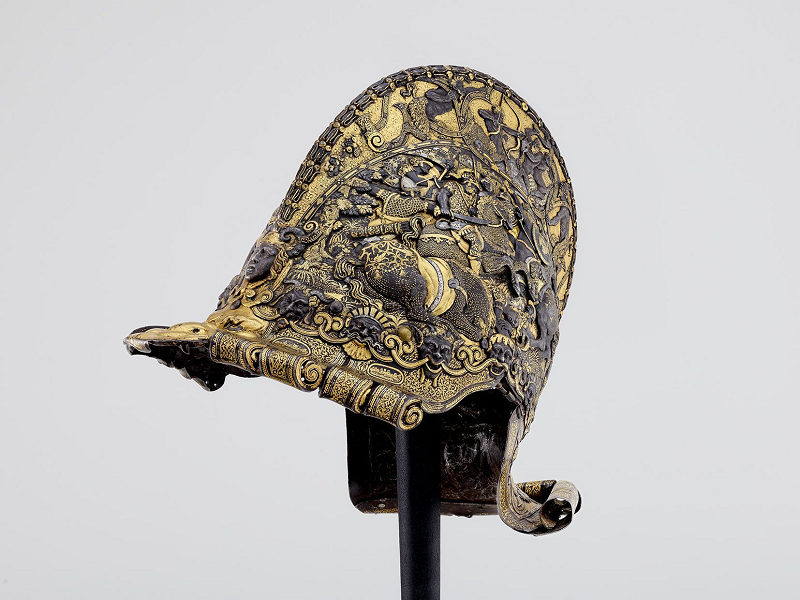
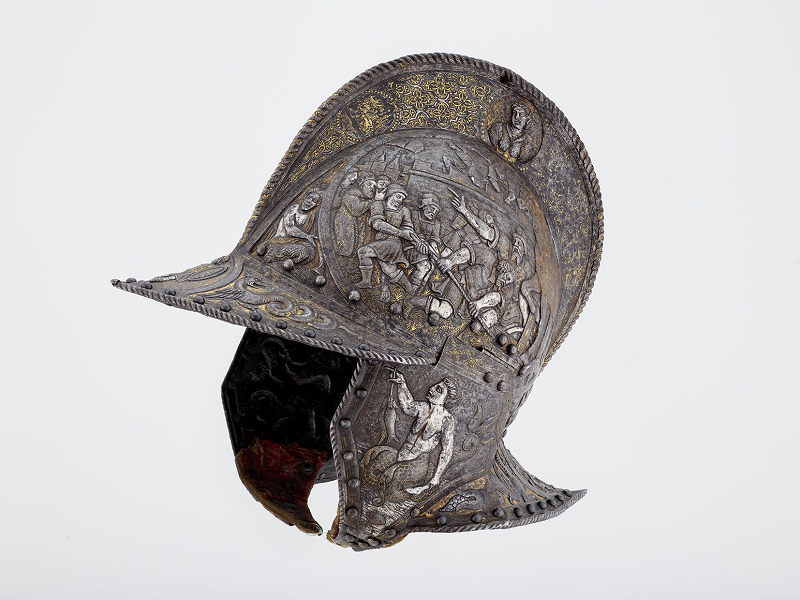
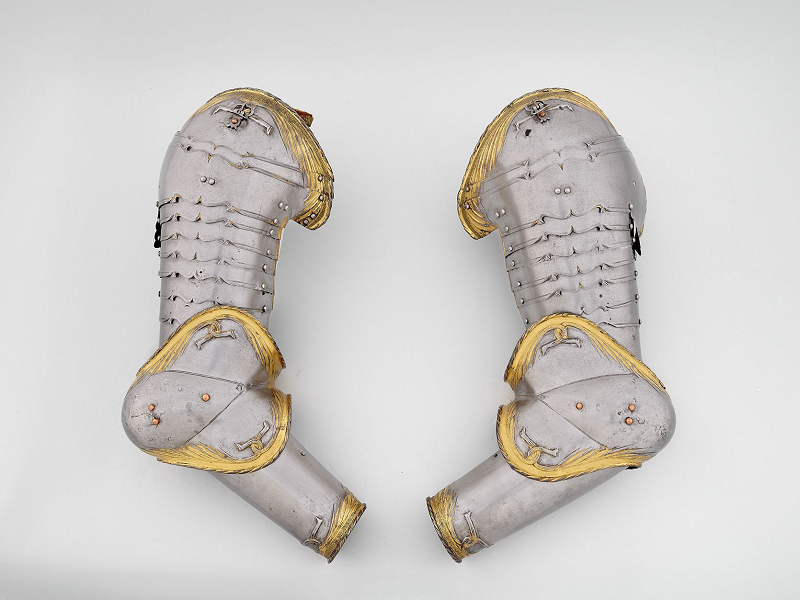
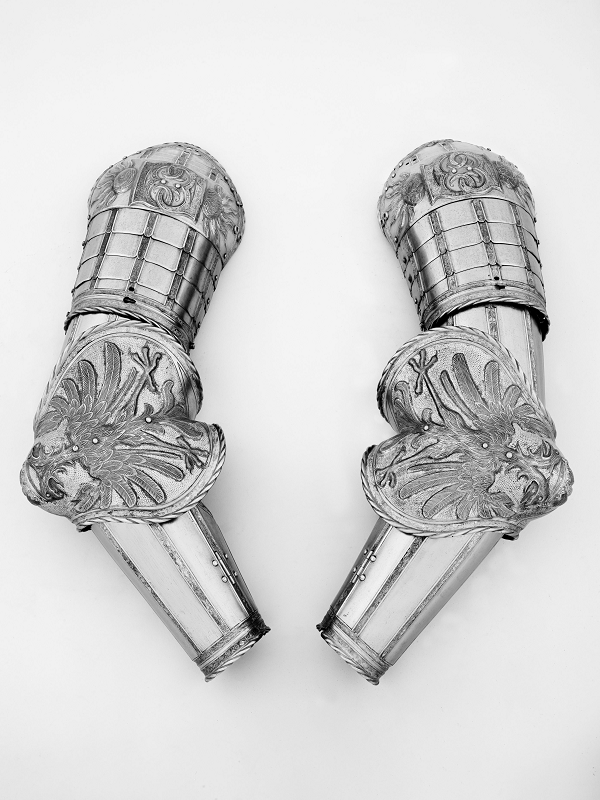
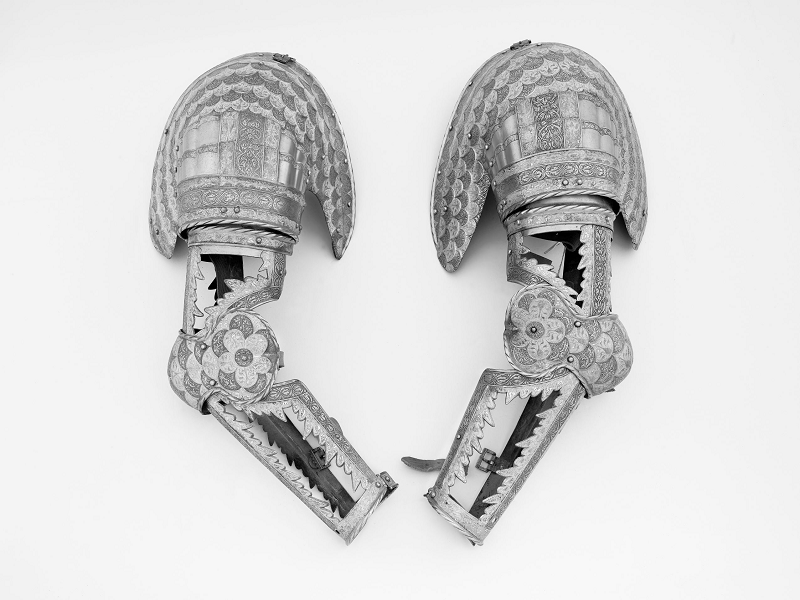
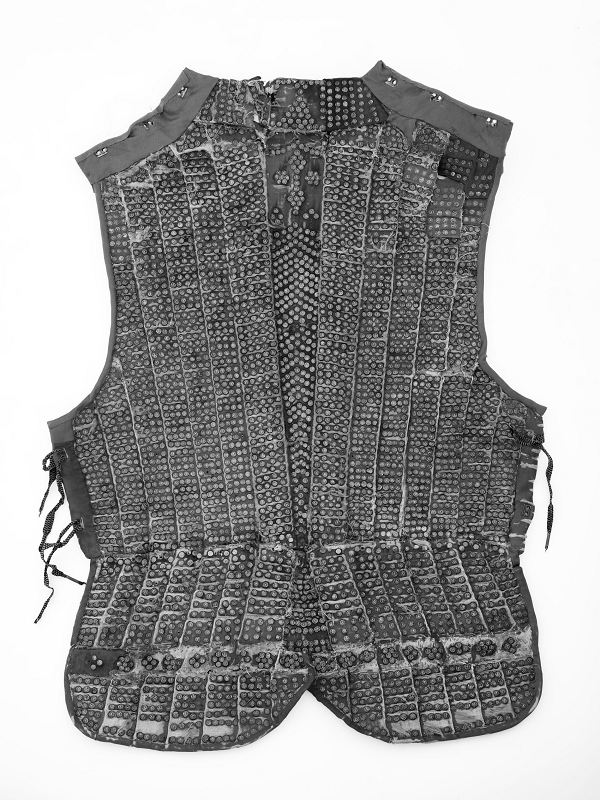
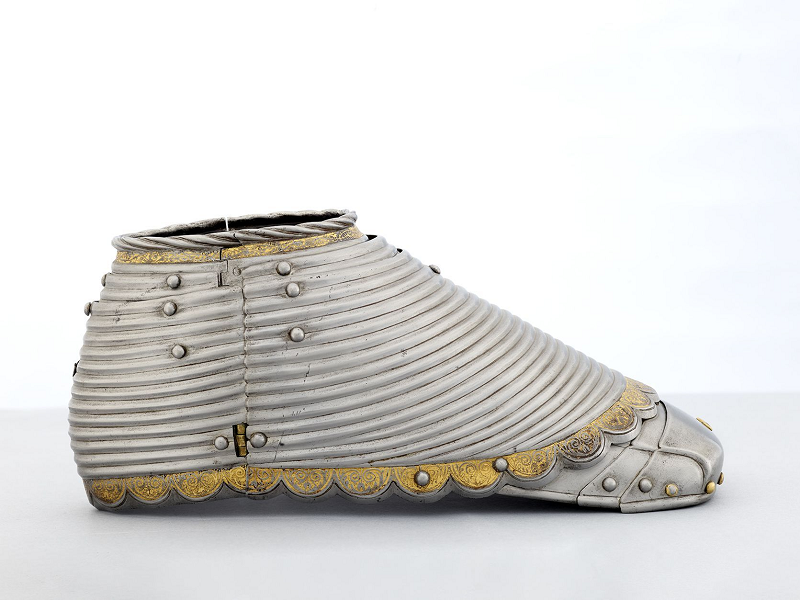
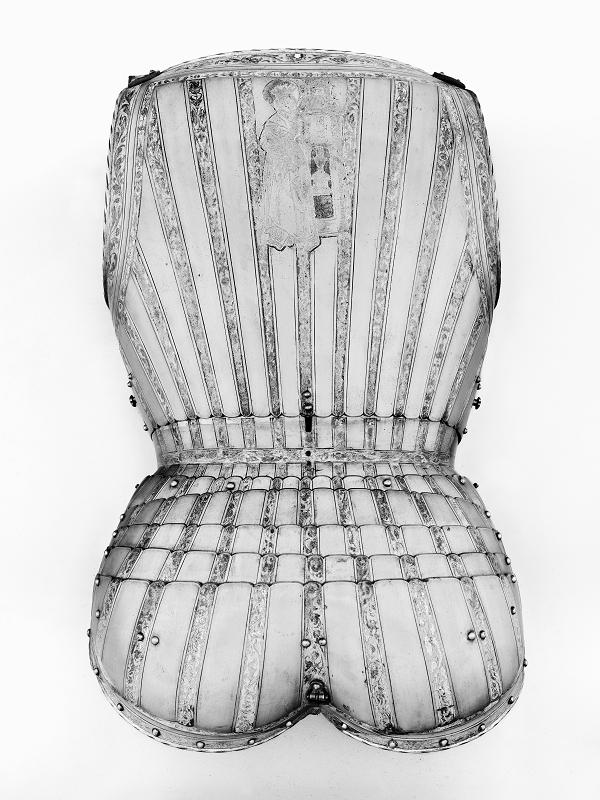
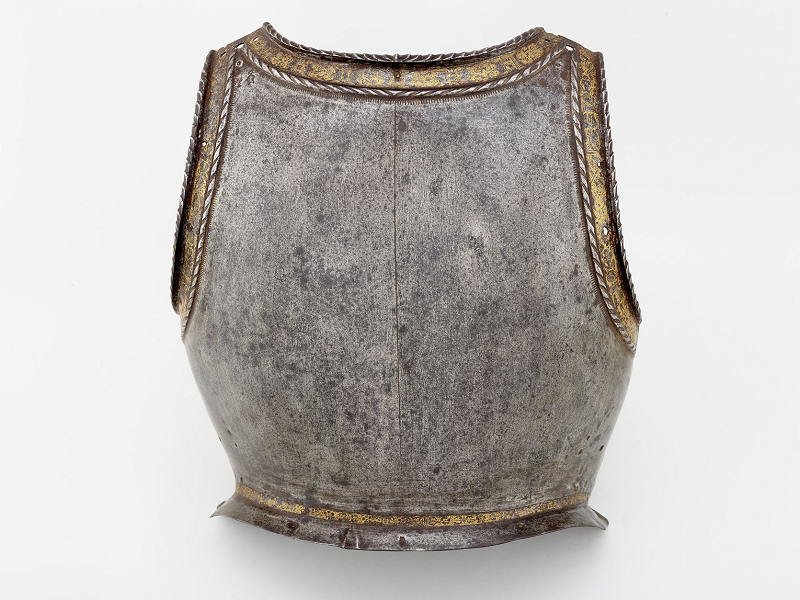
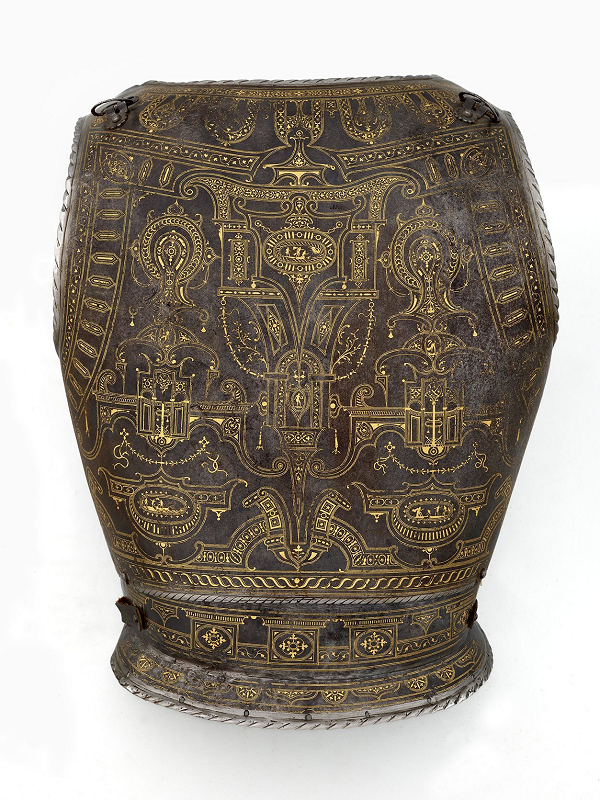
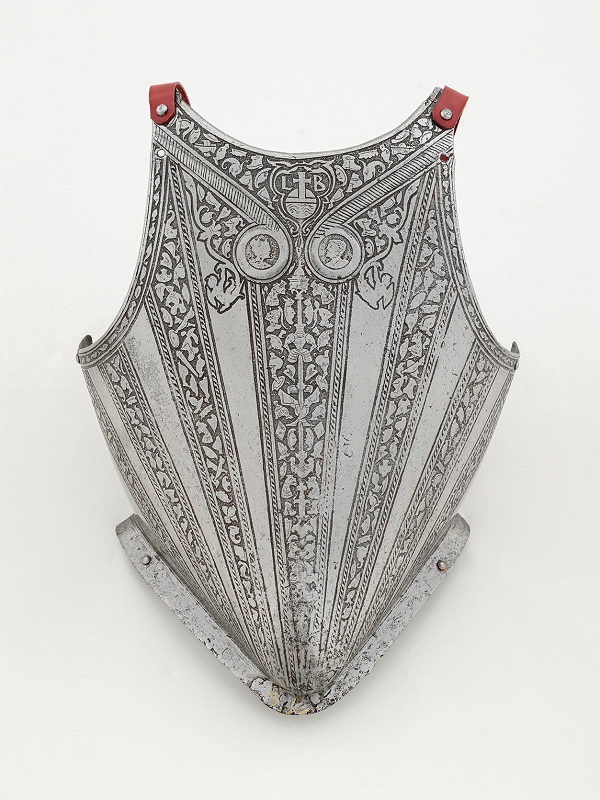
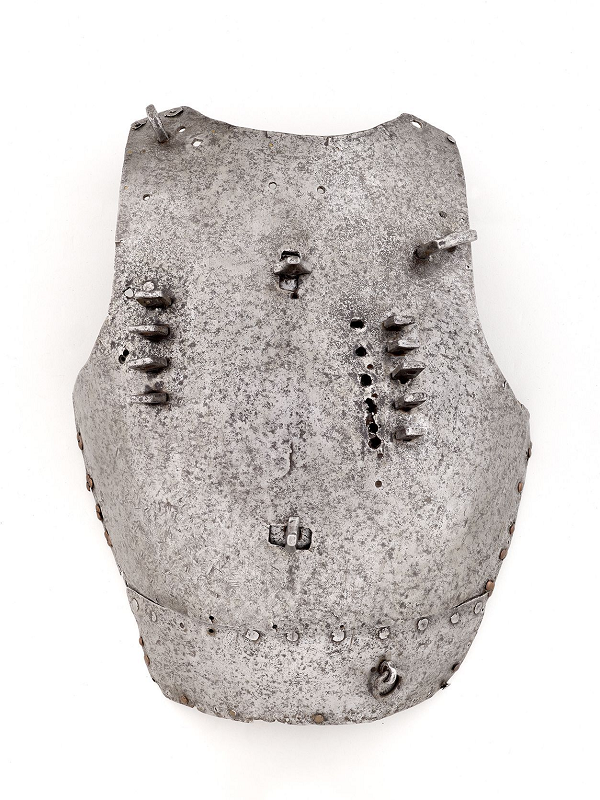
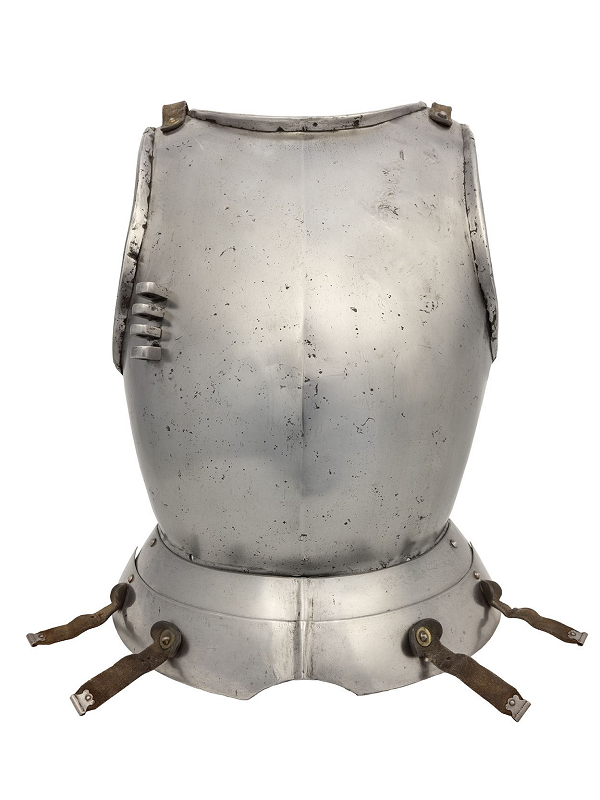
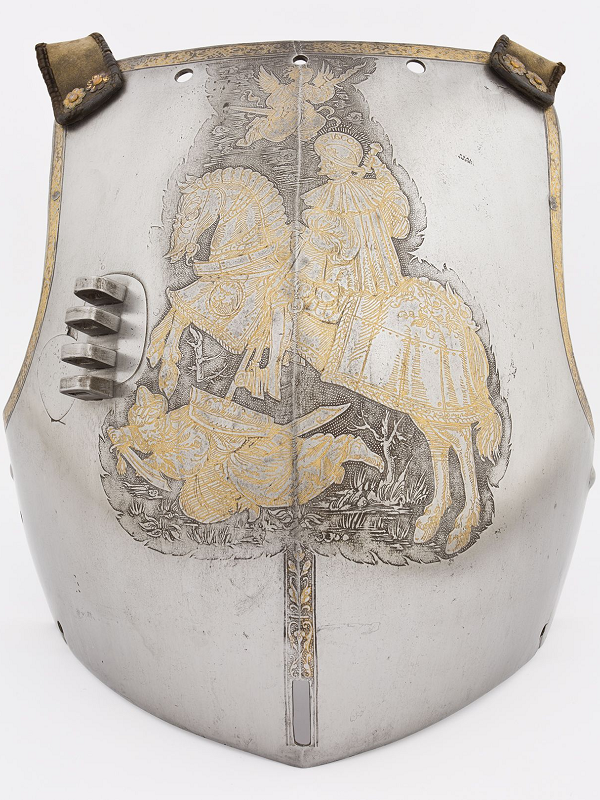
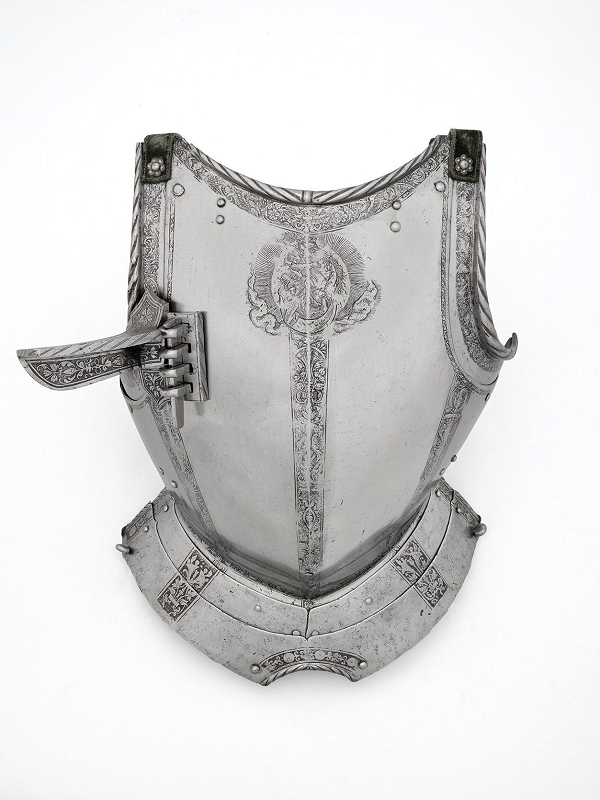
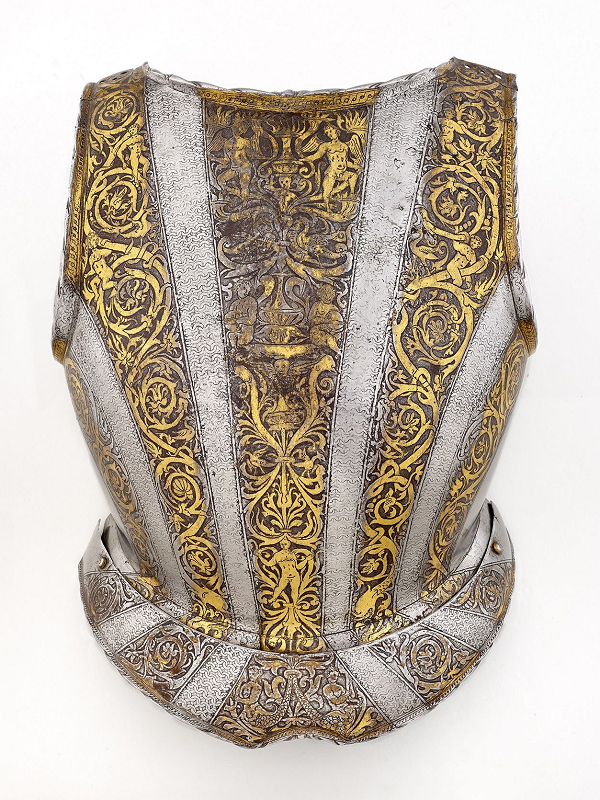
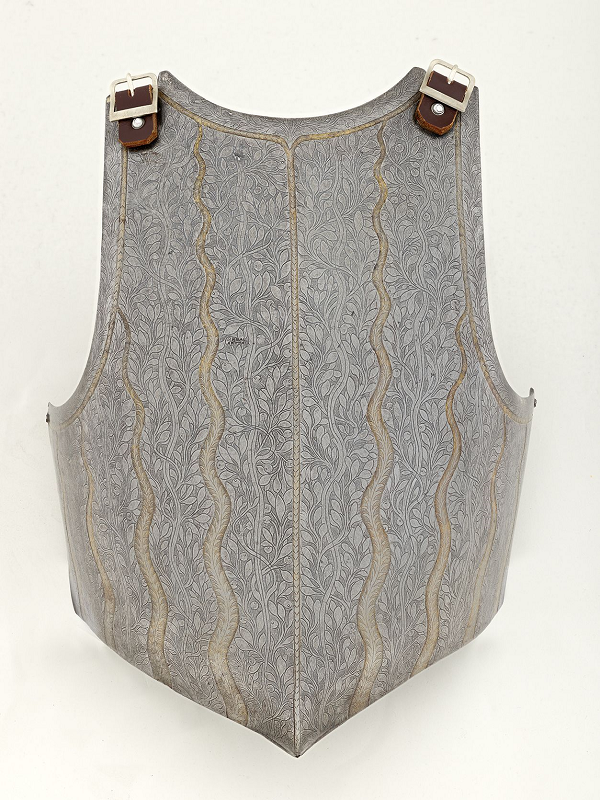
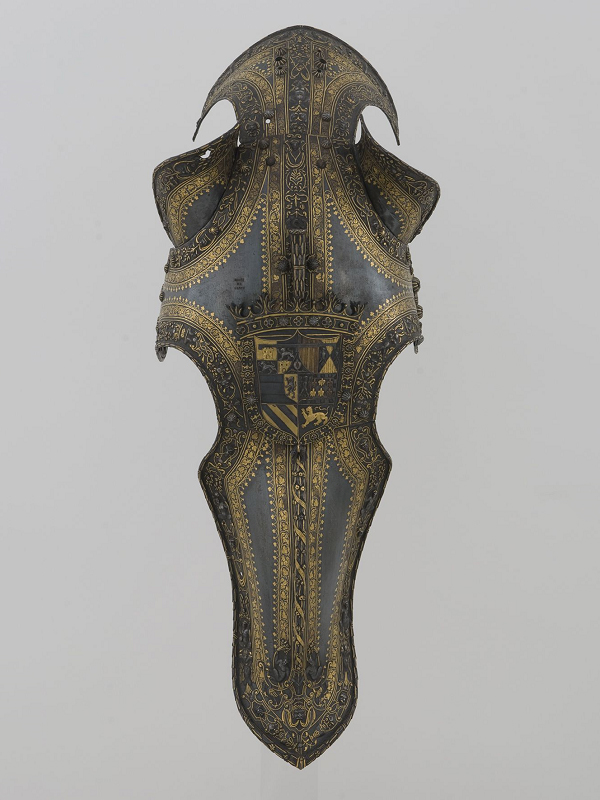
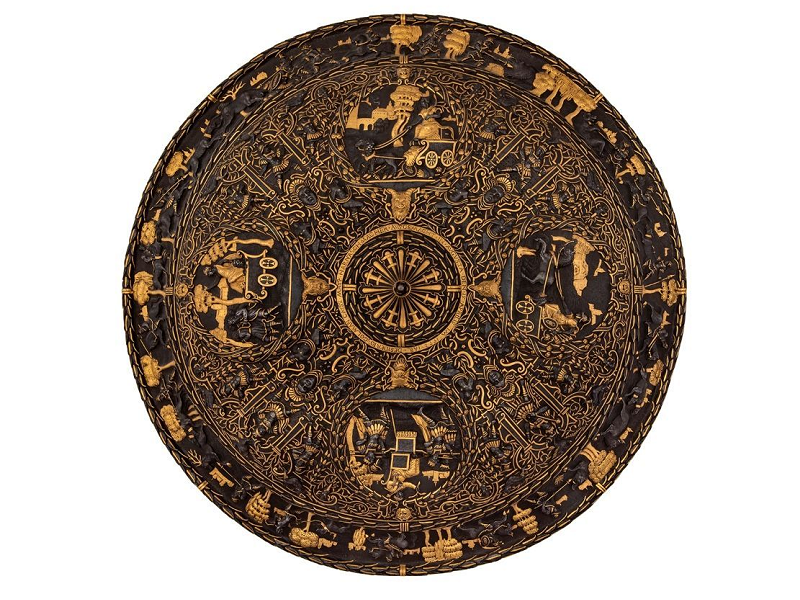
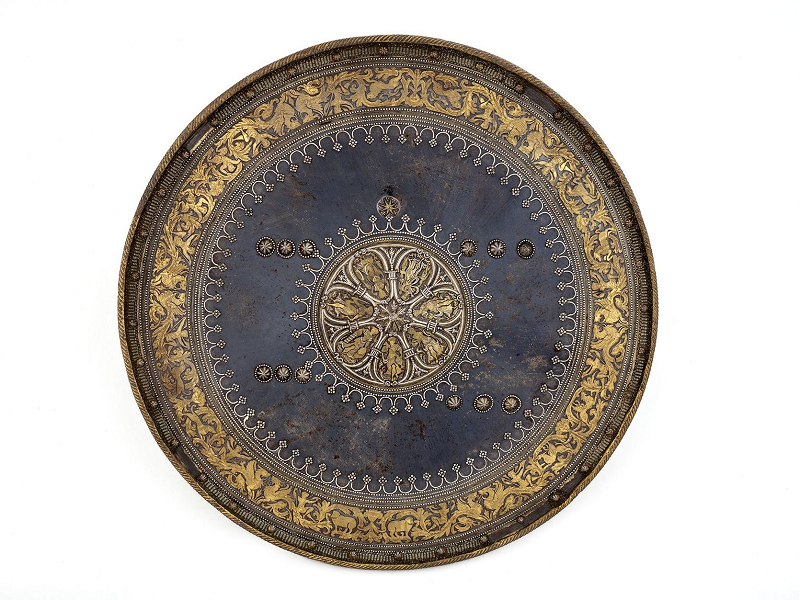
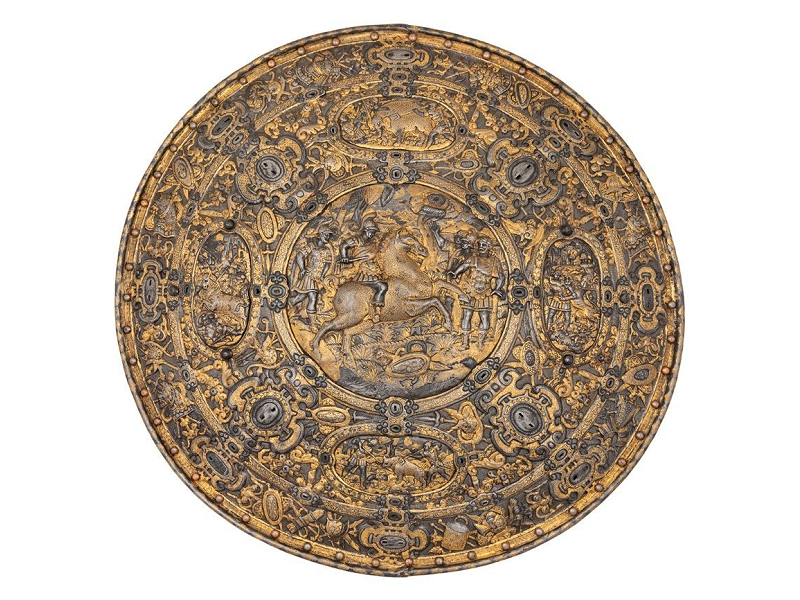
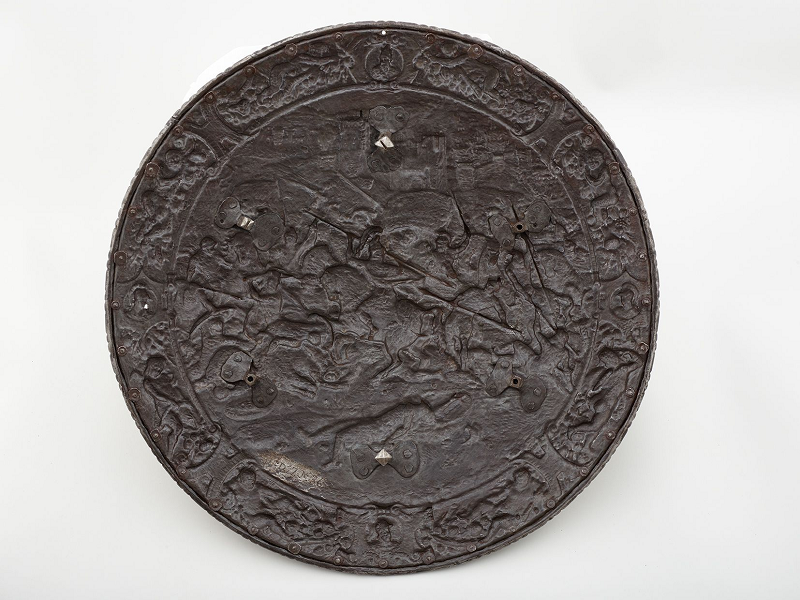
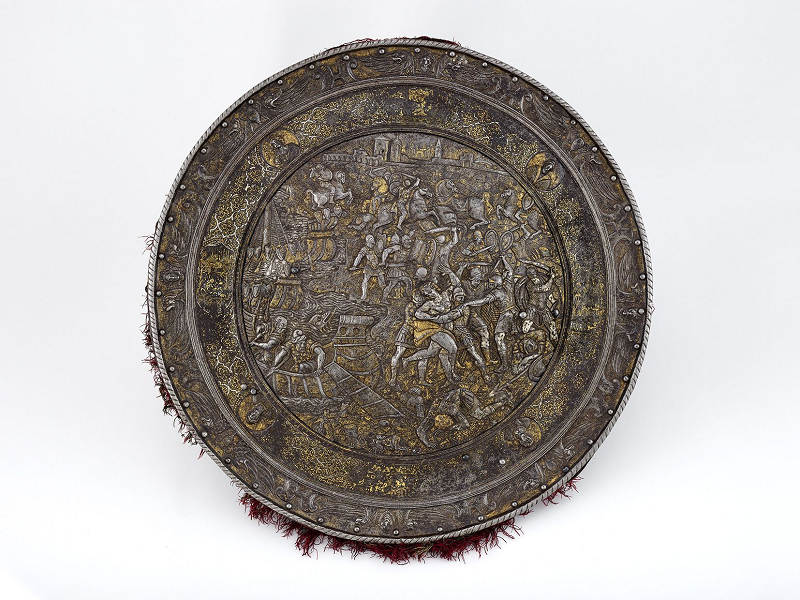
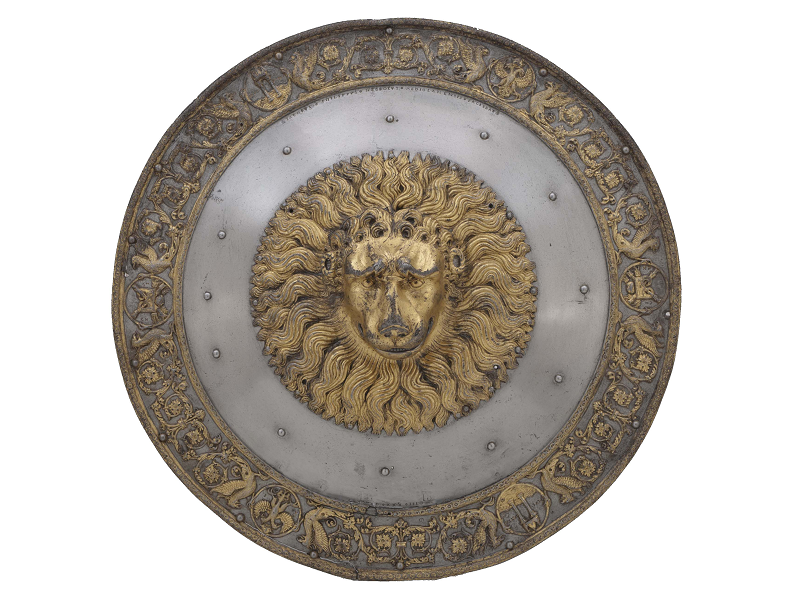
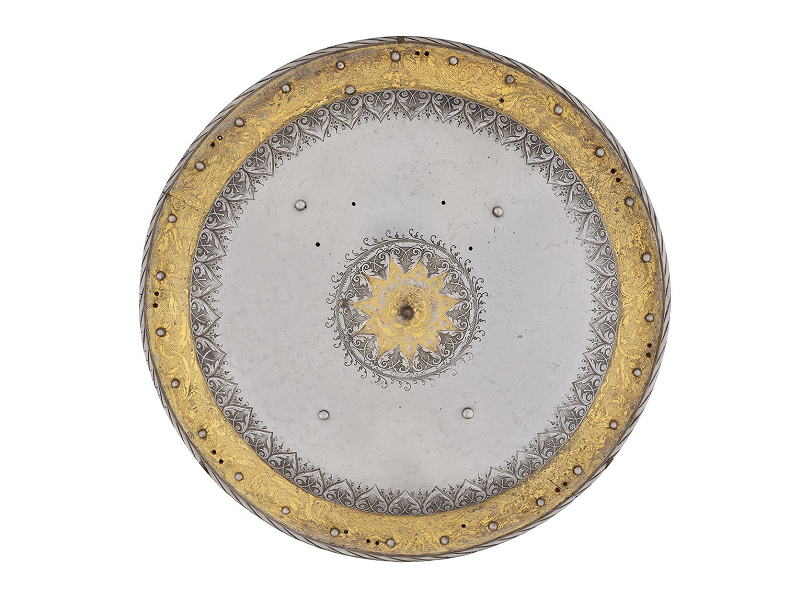
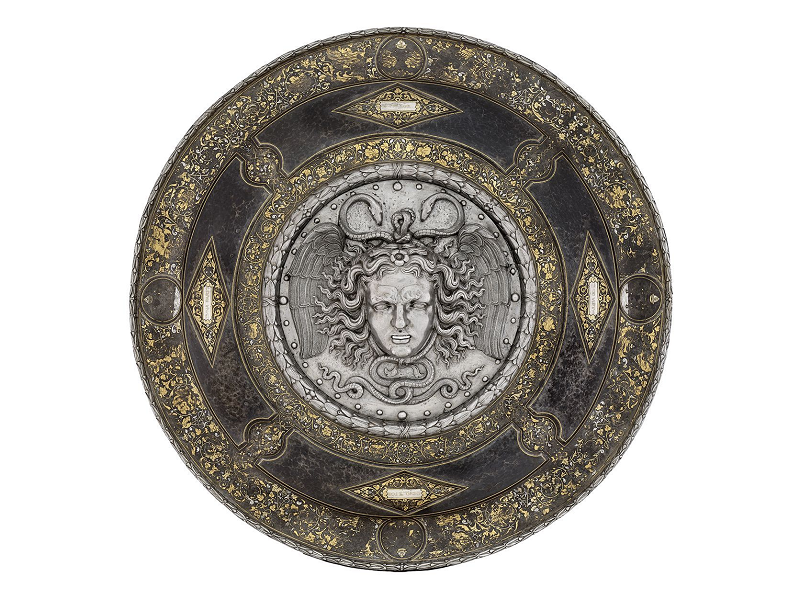
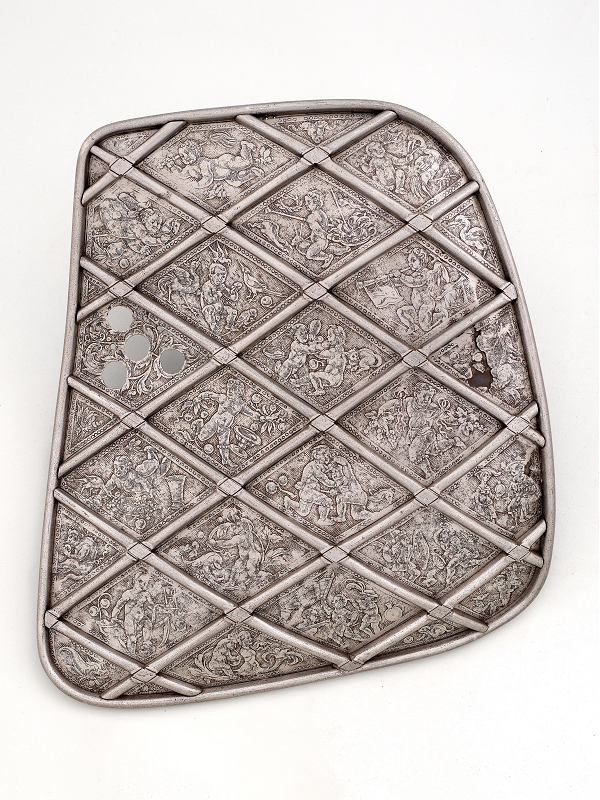
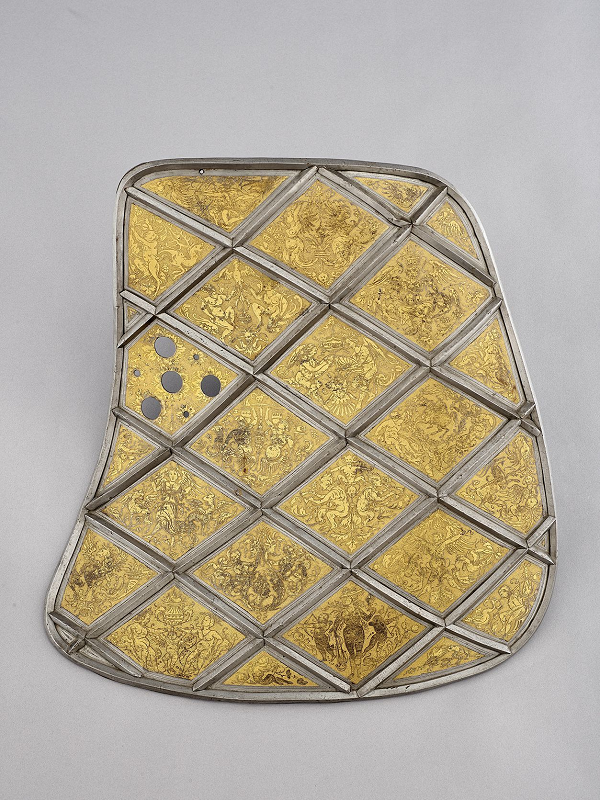
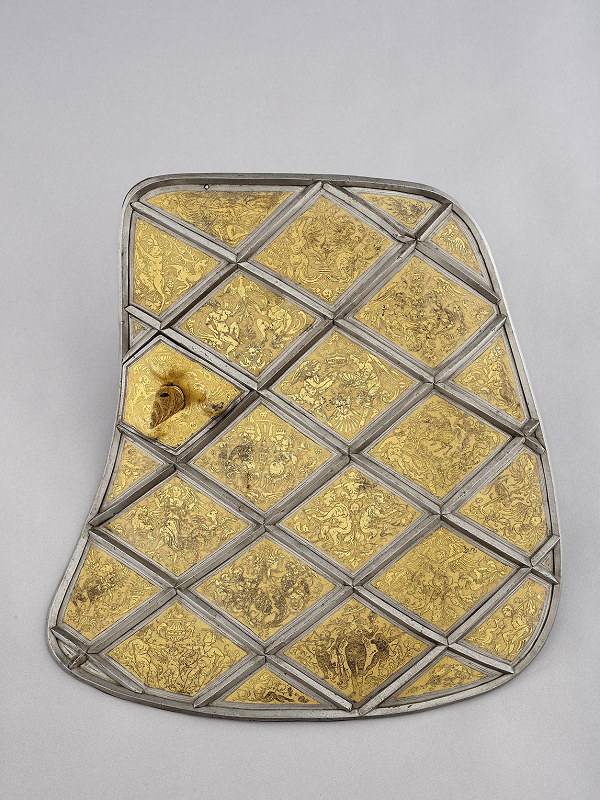
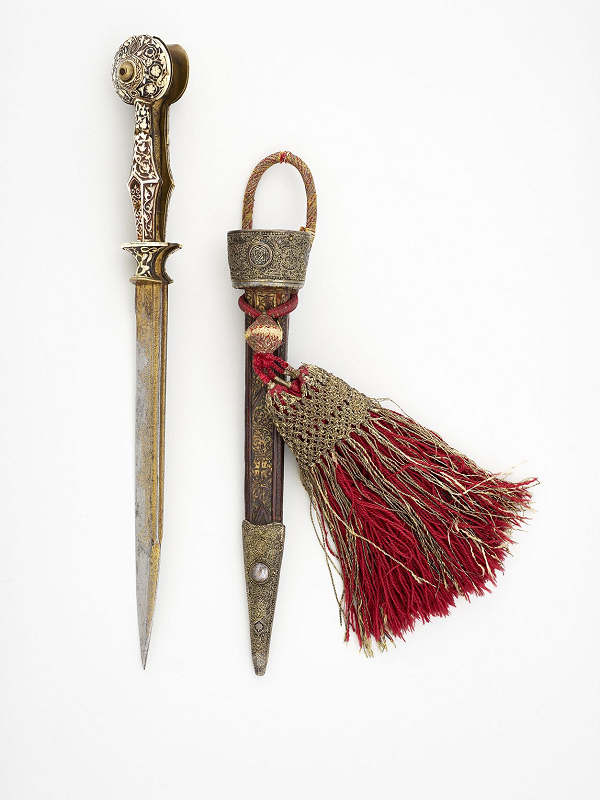
The museum displays the works of famous masters:
Anton Peffenhauser, Augsburg, Germany.
Bartolomeo Campi, Venezia, Italy.
Wolfgang Grosschedel, Landshut, Germany.
Desiderius Helmschmidt, Augsburg, Germany.
Domenico Negroli, Milan, Italy.
Caremolo Modrone, Mantova, Italy.
Kolman Helmschmidt, Augsburg, Germany.
Konrad Seusenhofer, nnsbruck, Austria.
Kunz Lochner, Nuremberg, Germany.
Lucio Piccinino (Marliani), Milan, Italy.
Matthäus Frauenpreiss d. Ä., Augsburg, Germany.
Michel Witz, the Younger, Innsbruck, Austria.
Pompeo della Cesa, Milan, Italy.
Filippo Negroli, Milan, Italy.



10 dec 2025
0
0