- Articles
- Weapons
- Armor
- Armor for horses
- Emperor Armor
- Chivalry
- Chivalry
- Knights castle
- Knights tournament
- The Crusades
- Knightly Orders
- Knightly saddle
- Knightly motto
- Great Knights
- Price of armor
- Children's armor
- Castles and fortresses
- Museums of armor and weapons
- Coats of arms and heraldry
- Routes and excursions
- Guides


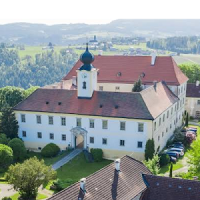
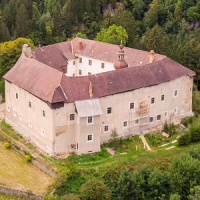
Livrustkammaren.
Livrustkammaren
Tu, We, Fr, Sa, Su 11.00-17.00, Th 11.00-20.00. Weekend: Monday
Adult - 180SEK, Children's (0-18) - Free.
livrustkammaren.se
Slottsbacken 3 (The Royal Palace), Stockholm, Stockholms län, Konungariket Sverige.
59.326657, 18.073036 View map
Livrustkammaren - The Royal Armoury, Stockholm, Stockholms län, Konungariket Sverige.
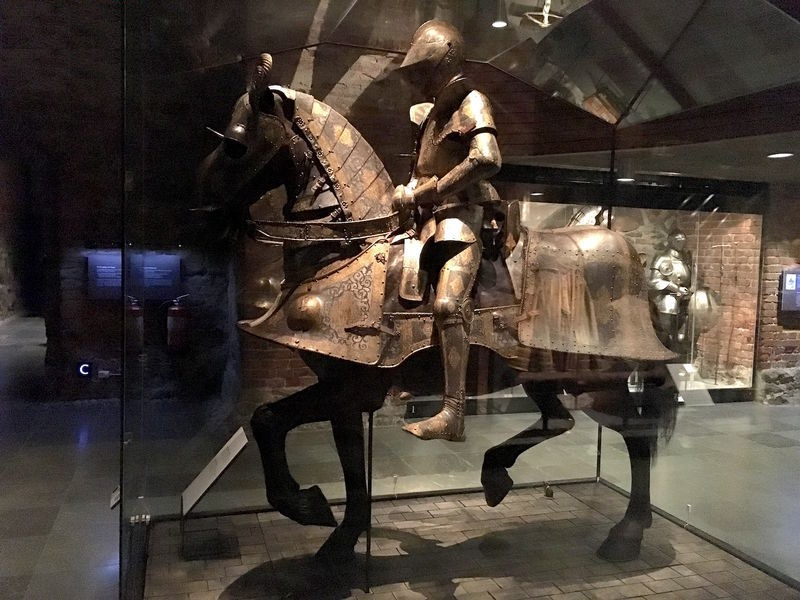
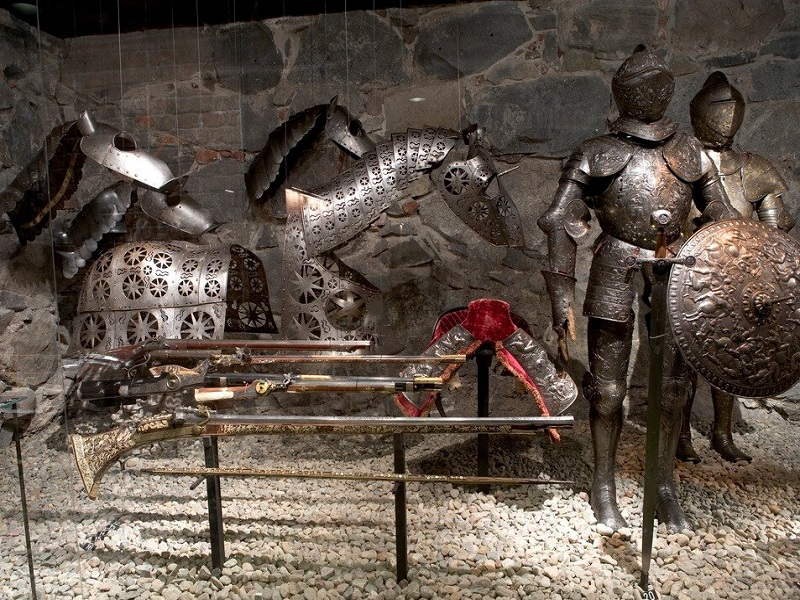
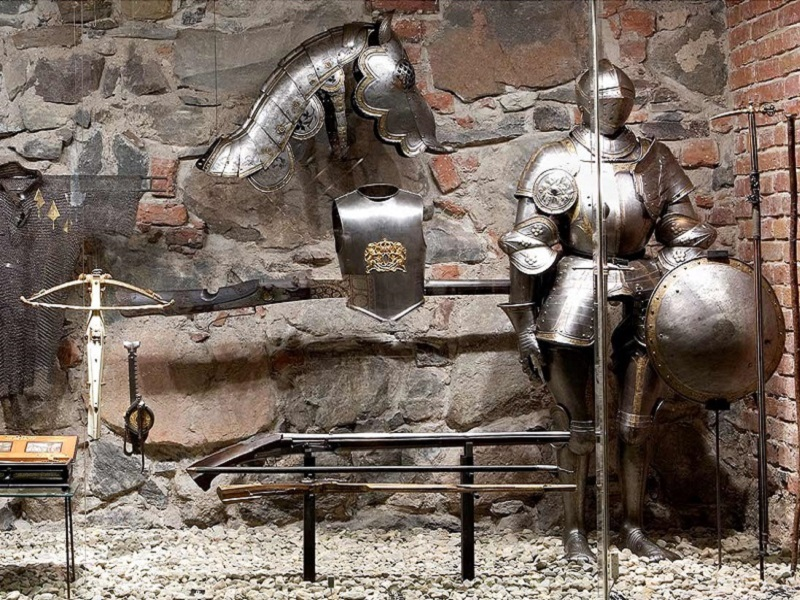
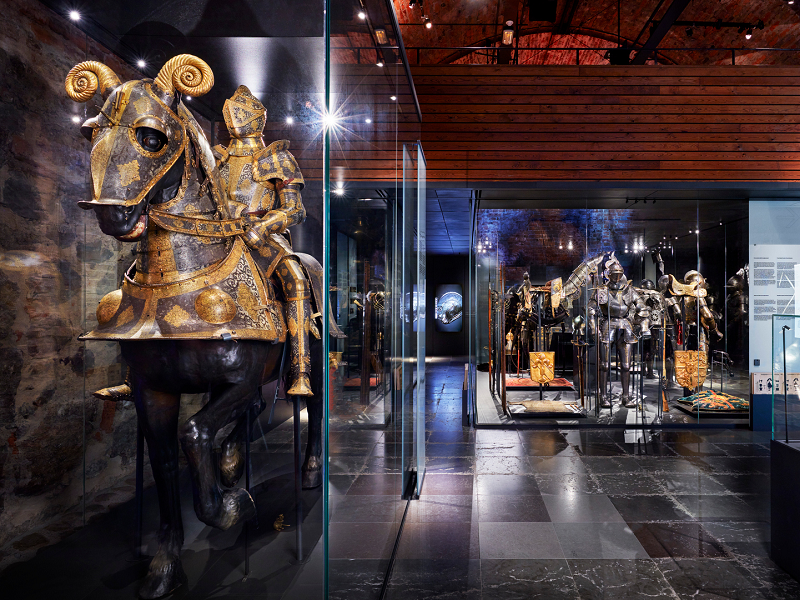
The oldest artifacts in the Royal Armouries are sets of royal state and ceremonial weapons, which were kept in the old Palace of the Three Crowns during the 16th century. Even then, guests at court were likely allowed to occasionally browse them and admire the wealth of the new Vasa dynasty—Gustav Vasa and his sons Eric XIV, John III, and Charles IX. The Swedish Renaissance kings were very careful about their reputation in Europe, where every court possessed elegant collections of weapons.
It was in this royal armory that Gustav Adolf, in the 1620s, wanted his blood-stained clothes preserved "as a lasting monument." This became the hallmark of the Royal Armouries: blood-stained suits preserved a testimony to royal valor. In the 1850s, the ceremonial costumes of Swedish royalty were taken from the royal wardrobe and incorporated into the royal armory. Other valuable ceremonial parade parade parades, such as saddles, had been in the royal armory since the 17th century, while it was only in the late 19th century that the royal carriages were transferred there from the royal stables.
Among the richly decorated saddles and harnesses are various diplomatic gifts from kings and sultans. Honorary gifts, such as extravagantly equipped horses, were gradually replaced by orders of knighthood, many examples of which can also be found in the Royal Armoury.
Artifacts with some association with royal wars or with political or ceremonial affiliation mostly come to the museum directly from the royal family. However, since the mid-19th century, the museum has also acquired items such as royal costumes, donated or purchased from the general public. These reflect the varied relationships between the royal family and the Swedish people.
The Royal Armoury collections can also be studied for changes in style and fashion, craftsmanship, and materials. Royal commissions often meant high-quality work, accompanied by reliable documentation.
The Royal Armoury treasures have been exhibited in many locations in Stockholm and beyond. By the mid-19th century, plans were underway to include them in the National Museum, opened in 1866, but when space there quickly ran out, alternative housing was provided in 1907 in the newly built Nordic Museum.
In the 1970s, the Royal Armoury was moved to the basement of the south wing of the Royal Palace, where it now resides.
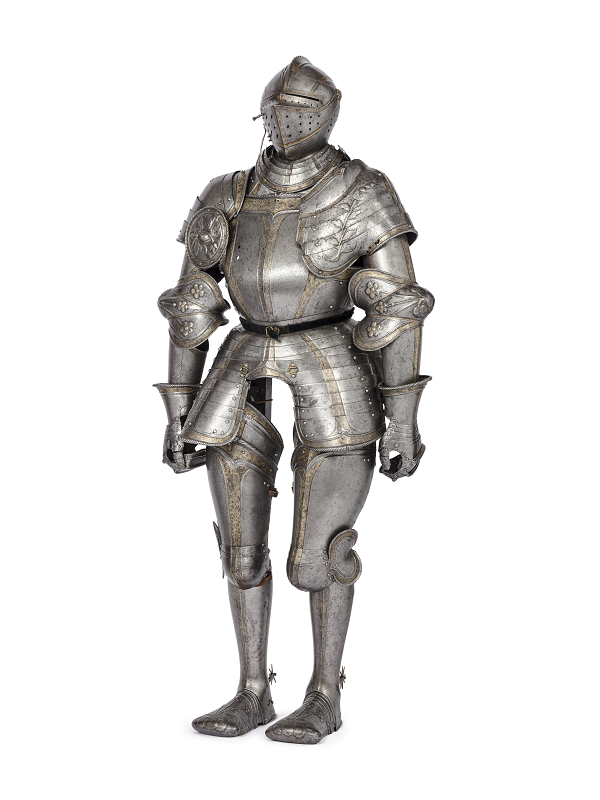
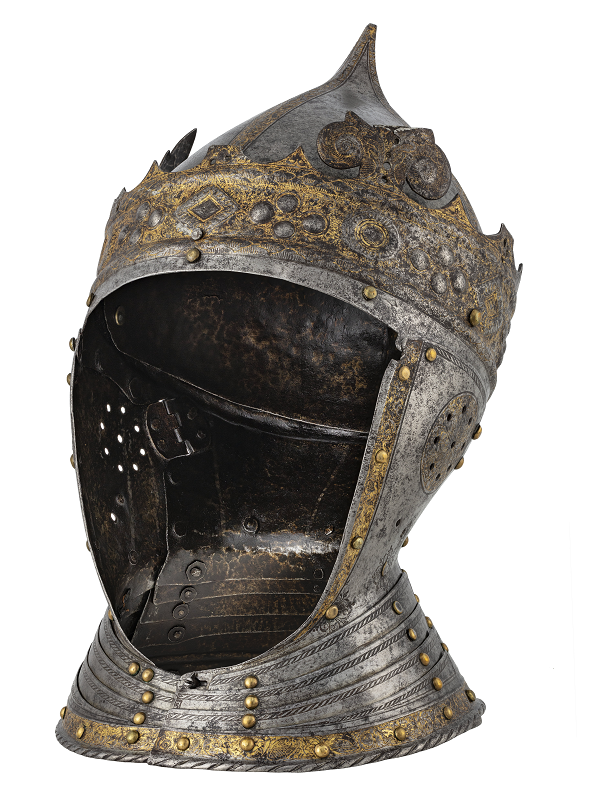
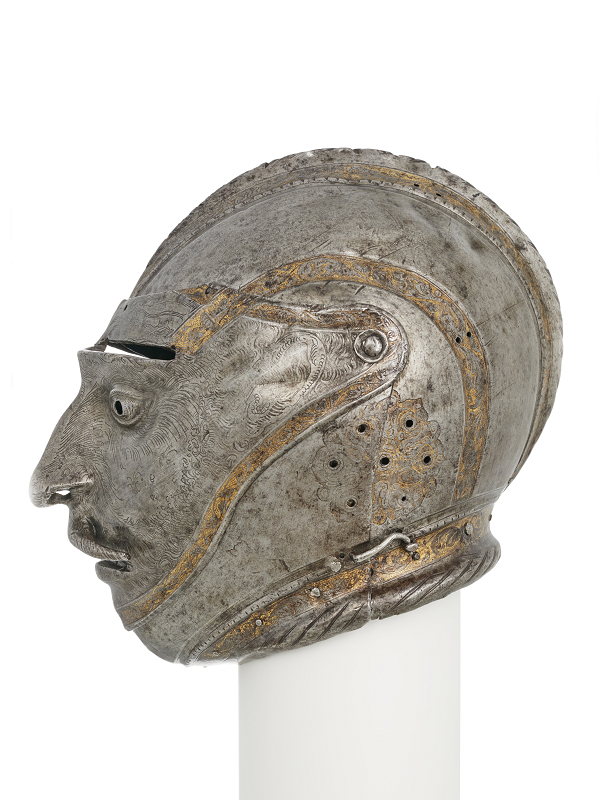
The museum displays the works of famous masters:
Kunz Lochner, Nuremberg, Germany.
Eliseus Libaerts, Antwerpen, Netherlands.
10 nov 2025
0
0