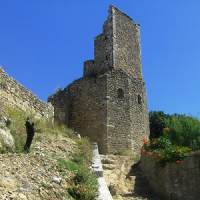
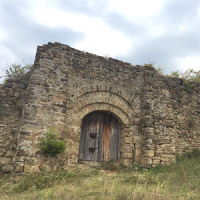

Matthes Deutsch (documented active 1485-1505), Landshut, Germany.
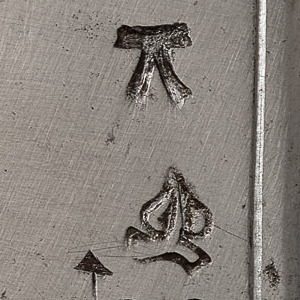
Matthes Deutsch (also Matthäus Deutsch) was a renowned German master armorer (armorer, weaponsmith) from Landshut, Bavaria, in the late 15th and early 16th centuries. He worked during the heyday of southern German armormaking, when Landshut was one of the leading centers of armor production, along with Augsburg and Nuremberg.
His exact dates of birth and death are unknown. He is first mentioned in documents from 1485, and his last known works date from around 1505. He lived and worked in Landshut, the residence of the Bavarian dukes, which gave him access to noble clients. Deutsch specialized in high-quality tournament and field armor, prized for its durability, thoughtful design, and craftsmanship.
His hallmarks often included a linden leaf (the symbol of Landshut) and city marks. Deutsch's armor was distinguished by high-quality heat-treated steel, ergonomics, and decorative elements transitioning from late Gothic to Renaissance forms (including early fluted "Maximilian" motifs).
Matthes Deutsch represented the "Landshut school" of armorers, which competed with the Augsburg and Nuremberg masters. His works served not only as protection but also as a status symbol for European nobility during the reign of Maximilian I and the early Renaissance. Today, his armor is the pride of leading museums around the world (the Metropolitan, the Vienna Armory, and Philadelphia) and is an important source for the study of medieval and Renaissance military equipment.
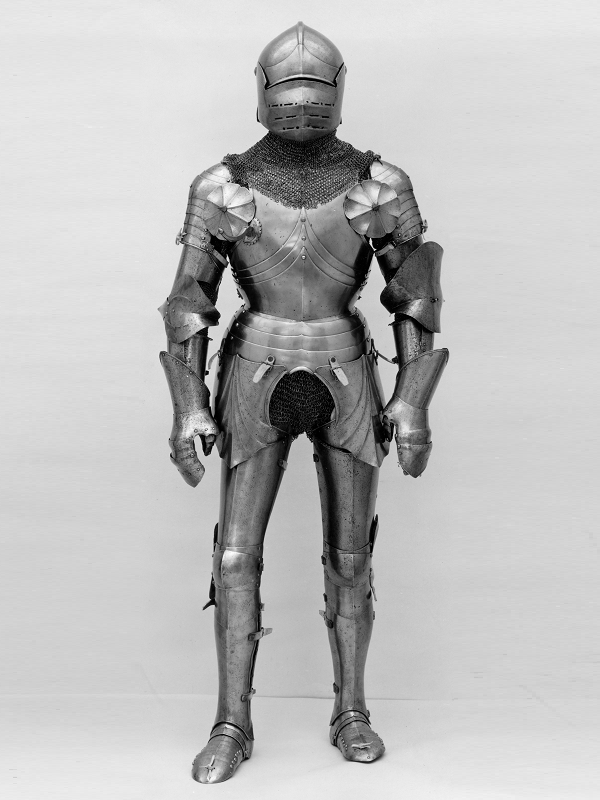

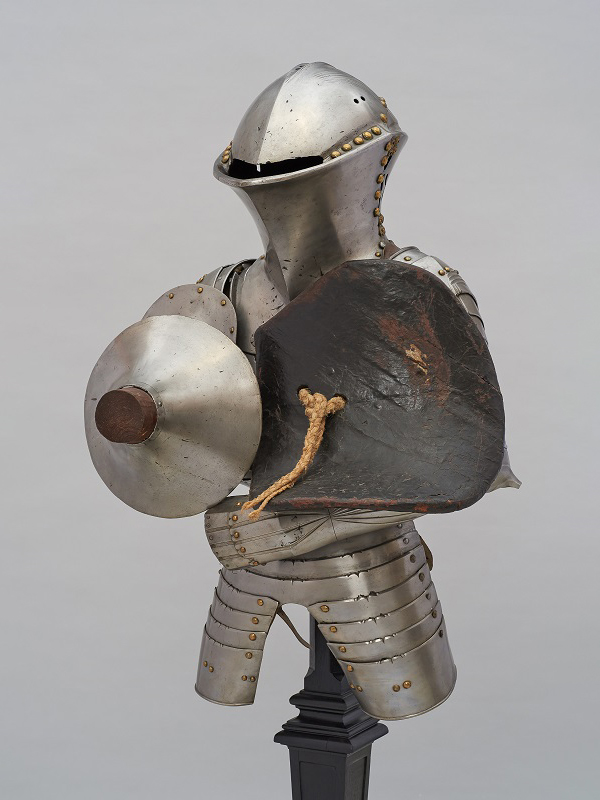
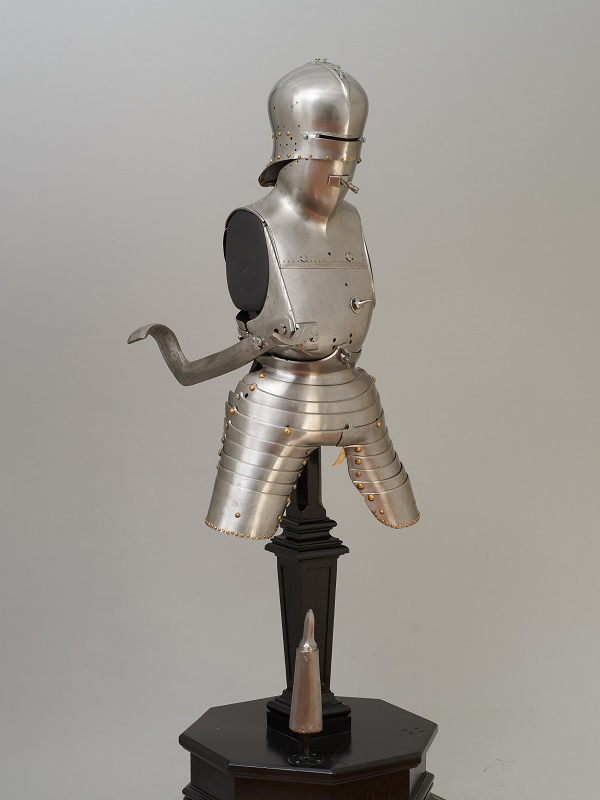
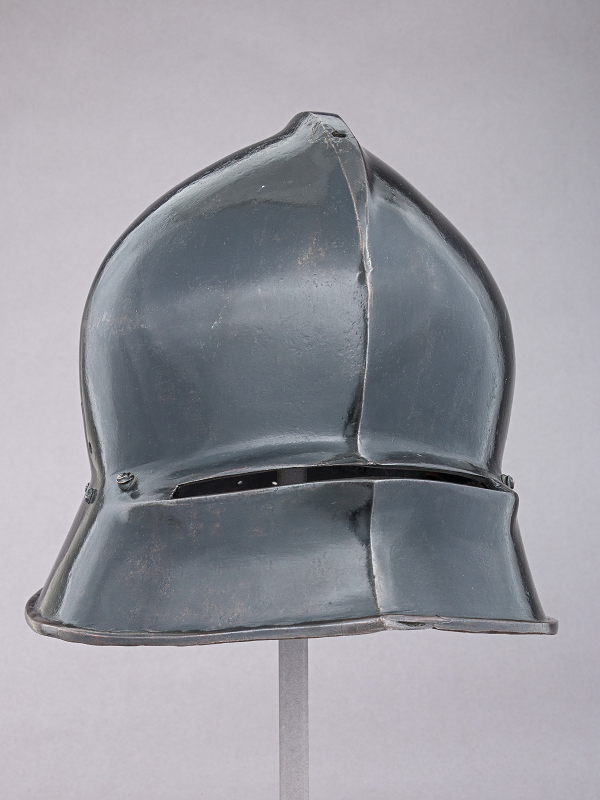
Armor of the great master you can see:
The Metropolitan Museum of Art, New York, New York, USA.
Hofjagd- und Rüstkammer, Wien, Republik Österreich.
Deutsches Historisches Museum, Berlin, Bundesrepublik Deutschland.
Philadelphia Museum of Art, Philadelphia, Pennsylvania, USA.