
Hans Ringler (activ 1525-1547), Nürnberg, Germany.
Hans Ringler was a renowned Nuremberg armorer (armorsmith, master armorer) of the 16th century, one of the leading representatives of the Nuremberg school of armormaking during the late Middle Ages and early Renaissance.
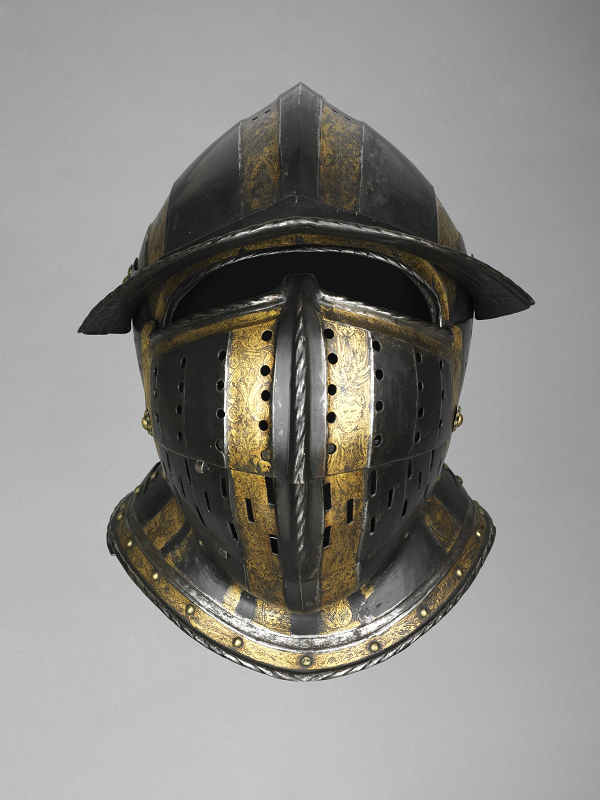
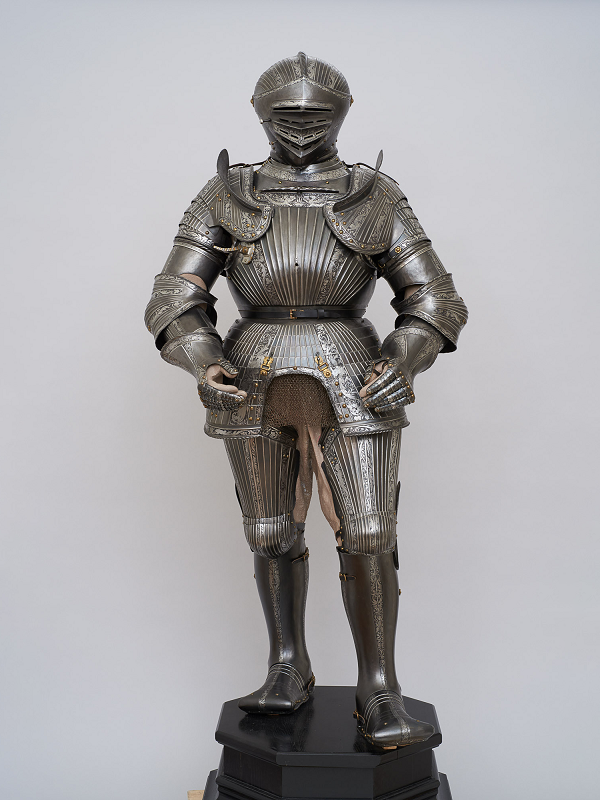
Ringler worked in Nuremberg, one of the main centers of armor production in the Holy Roman Empire, along with Augsburg and Innsbruck. Nuremberg armorers were renowned for the high quality of their steel, precision craftsmanship, and decorative finishes. Ringler specialized in high-quality field and tournament armor, often featuring engraving, gilding, and fluting (characteristic grooves used to increase rigidity while reducing weight).
His most famous work is a suit of equestrian and field armor for Otto Heinrich (Ottheinrich), Count Palatine of the Rhine (1502–1559), commissioned in 1531. The armor dates from approximately 1532–1536. It is an impressive ceremonial and combat suit, combining functionality with luxurious decoration: the black surface "rough from the hammer" combined with gold engraving emphasized both the warrior's status and the noble origins of the owner. Parts of this armor are held in museums, including the Musée de l'Armée (Paris) and The Wallace Collection (London).
His work is also associated with other noble patrons, such as Johann Friedrich, Elector of Saxony (fluted curasso, circa 1530).
In the 16th century, armor evolved from the completely smooth "Maximilian" style (with deep fluting) to smoother and more functional forms suitable for gunpowder weapons. Masters like Ringler combined Gothic and Renaissance traditions, focusing on both protection and aesthetics. Their armor was extremely expensive, commissioned only by wealthy aristocrats and military leaders. Nuremberg guilds maintained strict quality standards, and masters often added their own hallmarks.
Today, Hans Ringler's works are prized exhibits in the world's largest armor collections. They represent the pinnacle of German armorsmithing during a time when armor was not only a protective device but also a symbol of status, art, and engineering excellence. His name is mentioned in historical catalogs and studies of the history of arms alongside other renowned masters (Seusenhofer, Missaglia, and others).

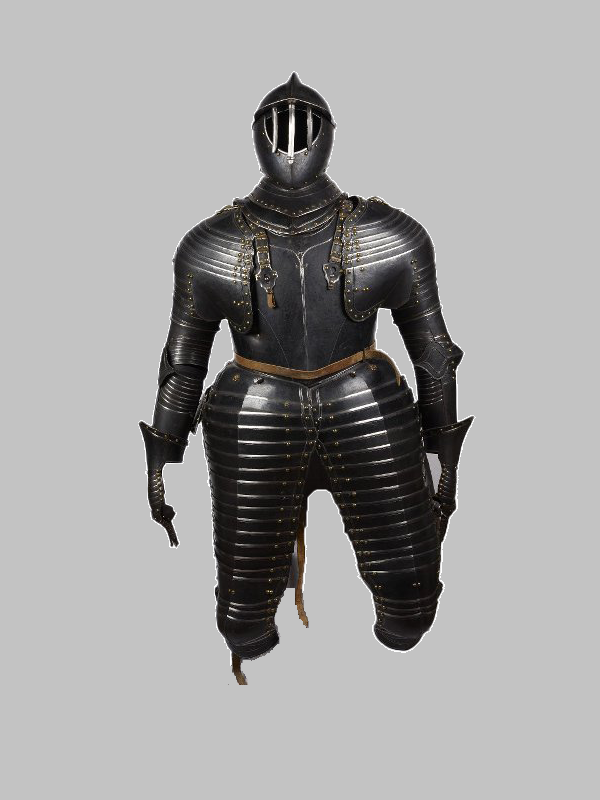
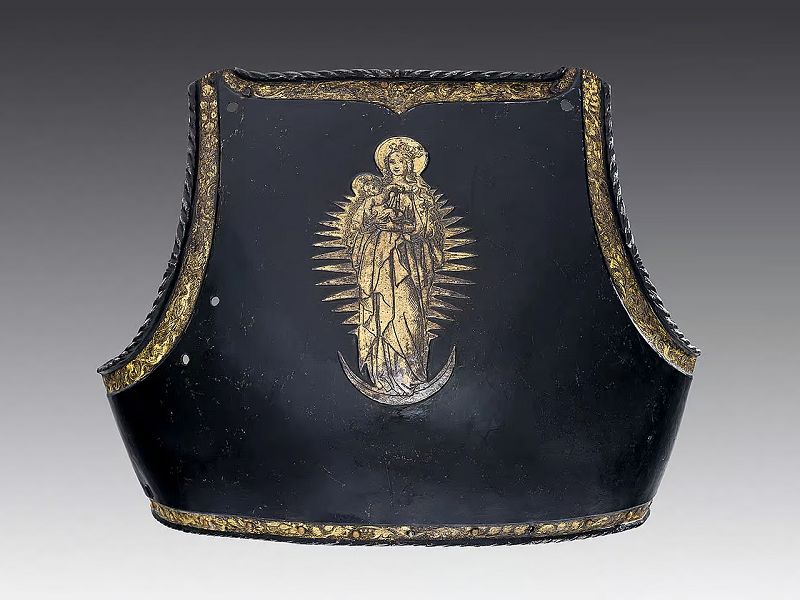
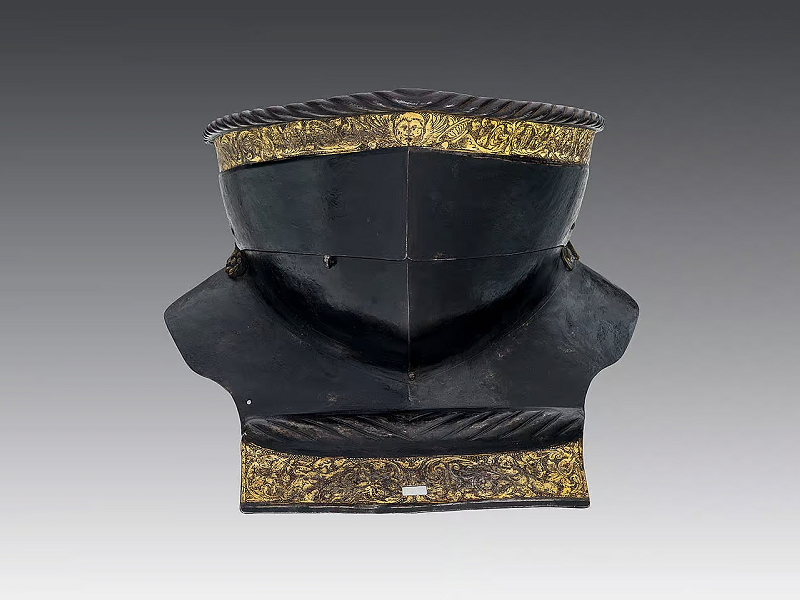
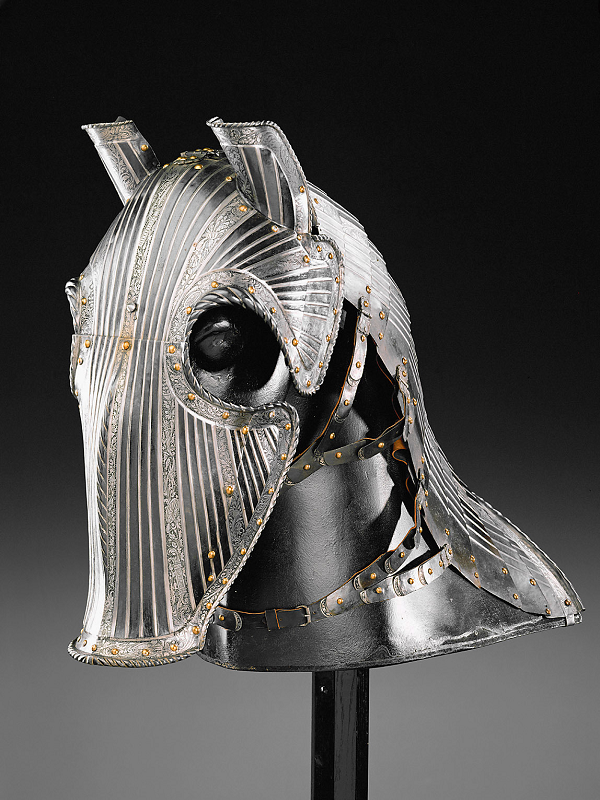
Armor of the great master you can see:
Bayerisches National Museum, München, Oberbayern, Freistaat Bayern, Bundesrepublik Deutschland.
Hermitage museum, Saint Petersburg, Russian Federation.
The Wallace Collection, London, Greater London, United Kingdom.
Hofjagd- und Rüstkammer, Wien, Republik Österreich.