- Articles
- Weapons
- Armor
- Armor for horses
- Emperor Armor
- Chivalry
- Chivalry
- Knights castle
- Knights tournament
- The Crusades
- Knightly Orders
- Knightly saddle
- Knightly motto
- Great Knights
- Price of armor
- Children's armor
- Castles and fortresses
- Museums of armor and weapons
- Coats of arms and heraldry
- Routes and excursions
- Guides






The Metropolitan Museum of Art.
The Metropolitan Museum of Art
Mo, Tu, Th, Su 10.00-17.00, Fr, Sa 10.00-21.00. Weekend: Wednesday
Adult - 30$, Children's (0-12) - Free, Students - 17$, Pensioners - 22$.
www.metmuseum.org
1000 5th Ave, New York, New York 10028, USA.
40.779440, -73.963245 View map
The Metropolitan Museum of Art, New York, New York, USA.
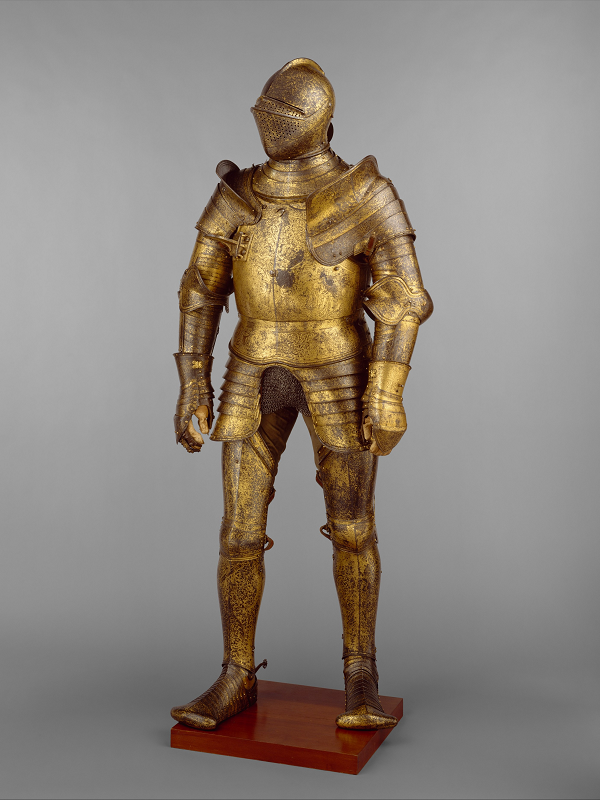
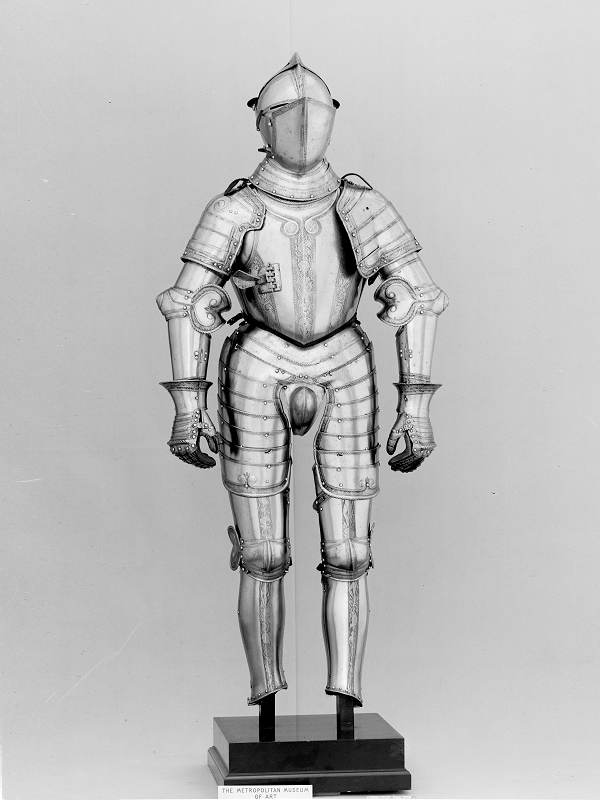
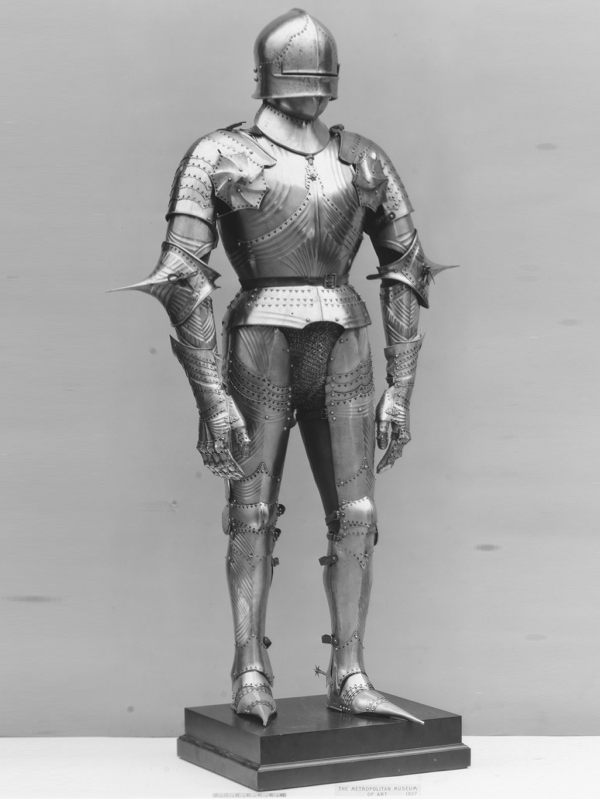
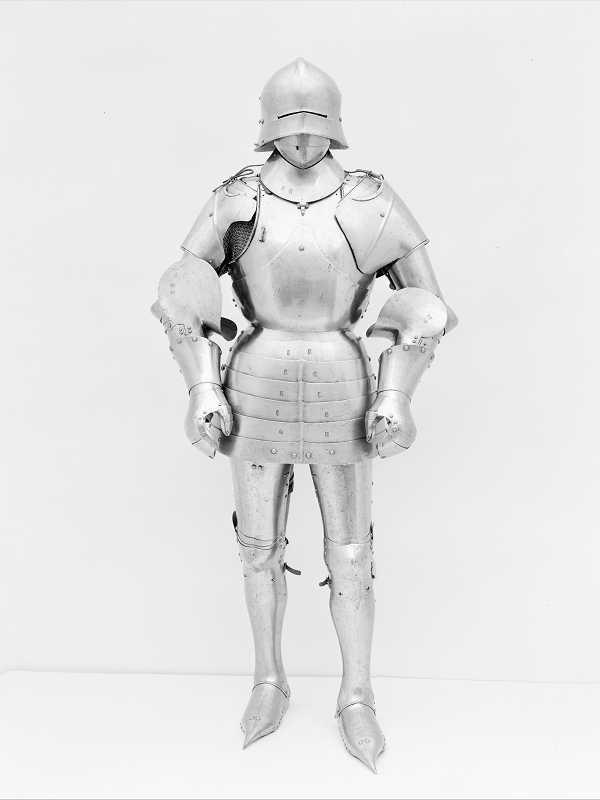
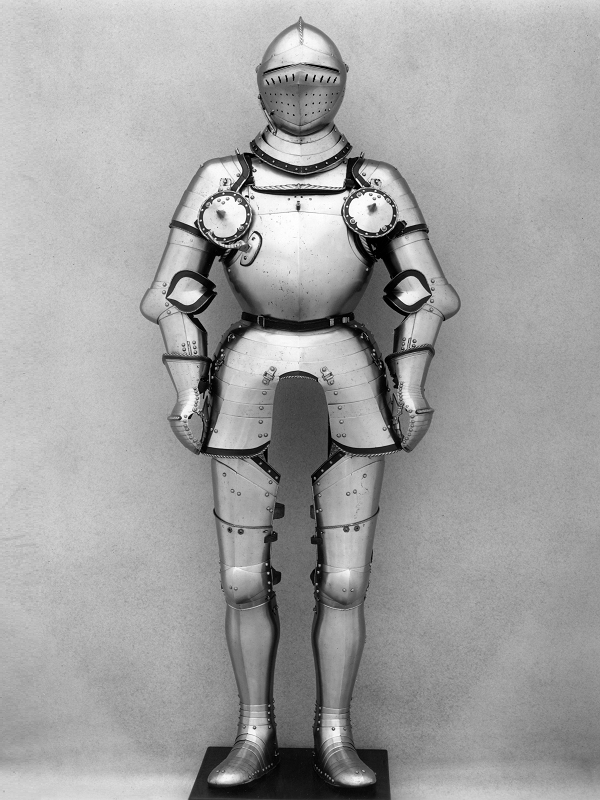
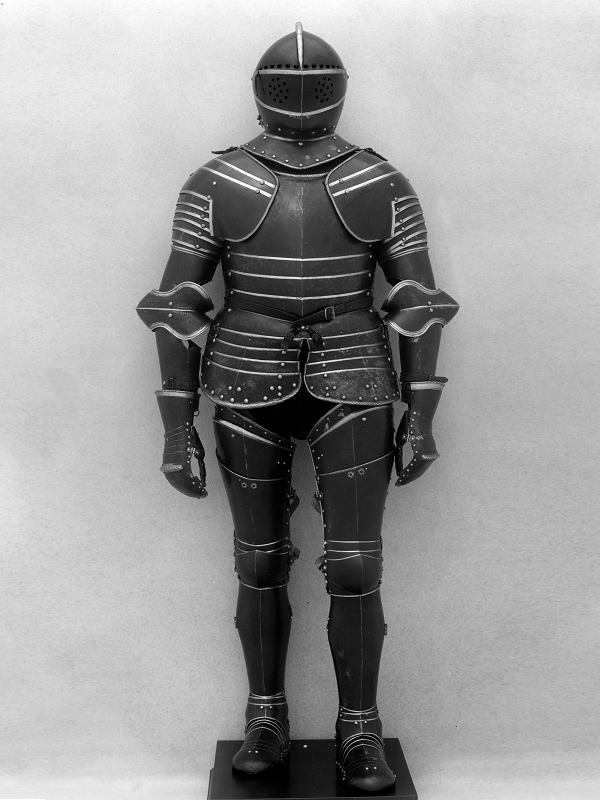
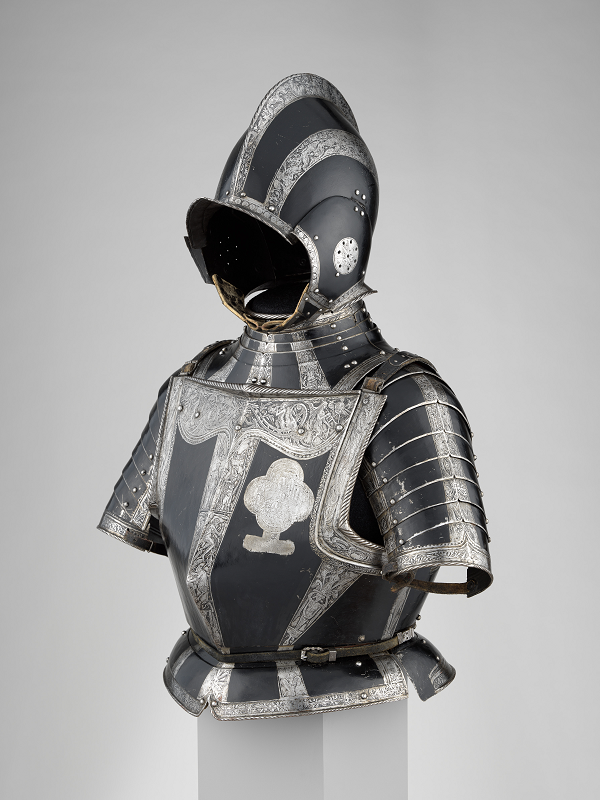
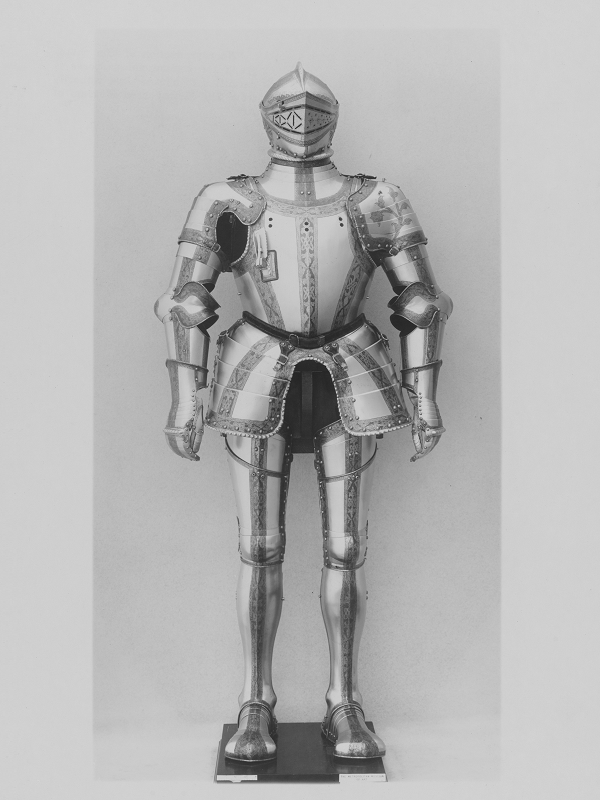
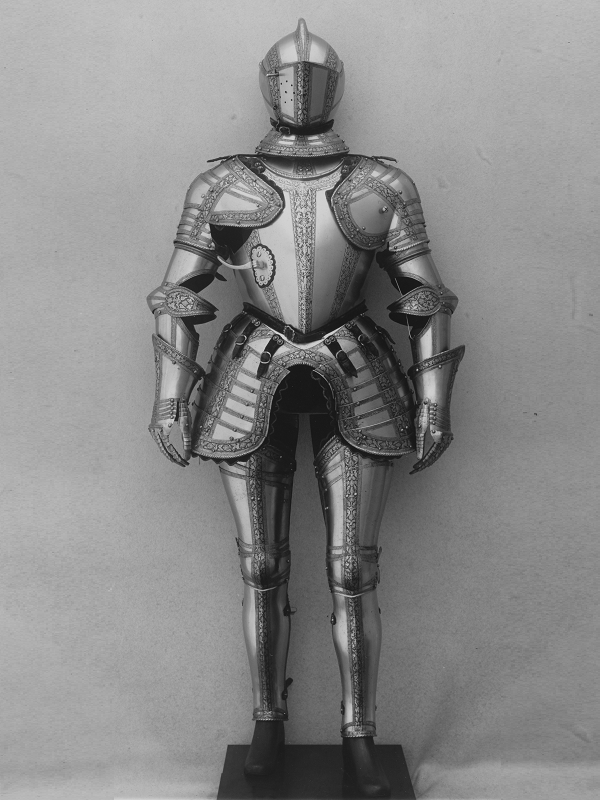
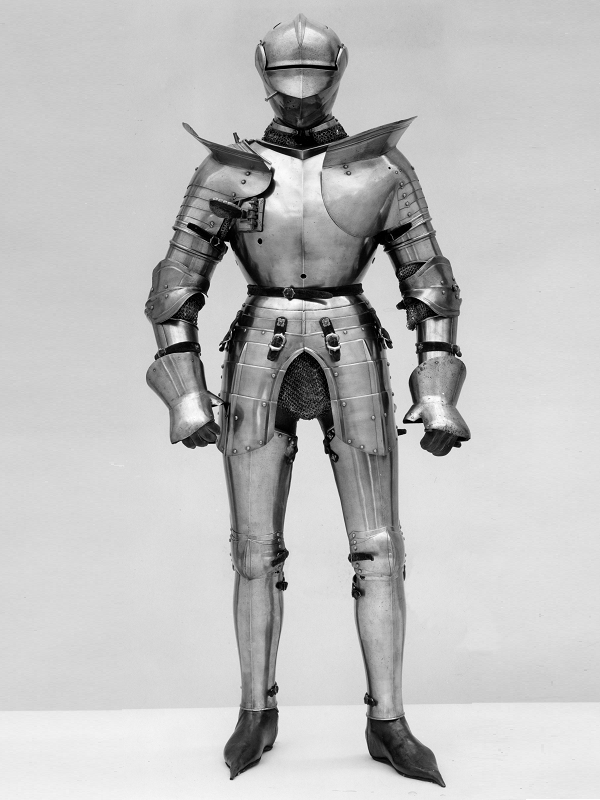
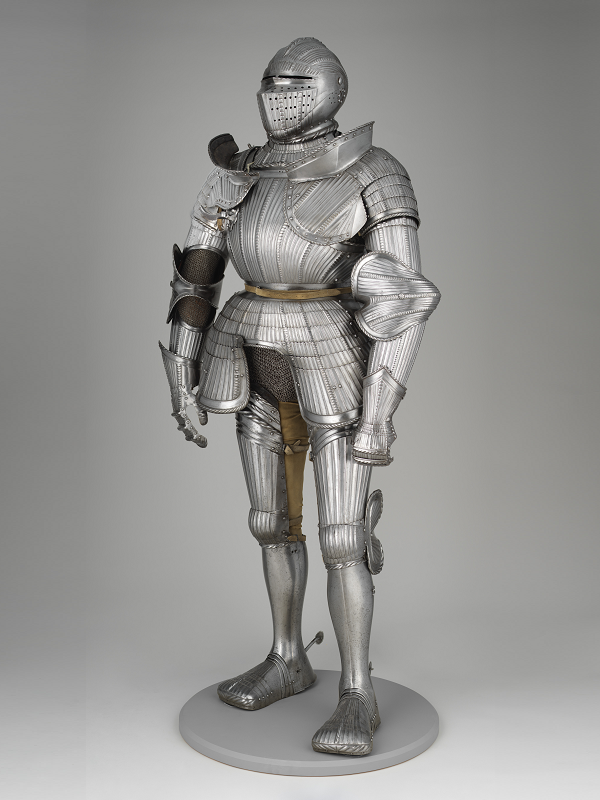
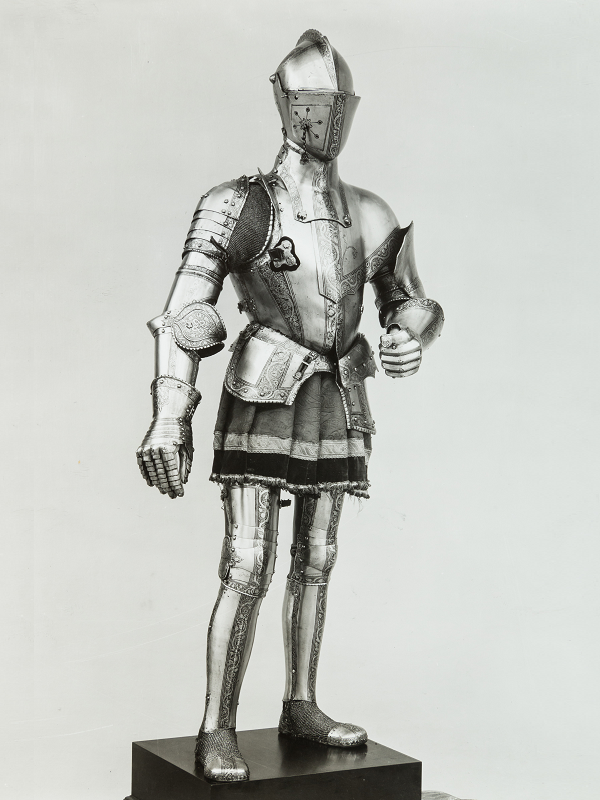
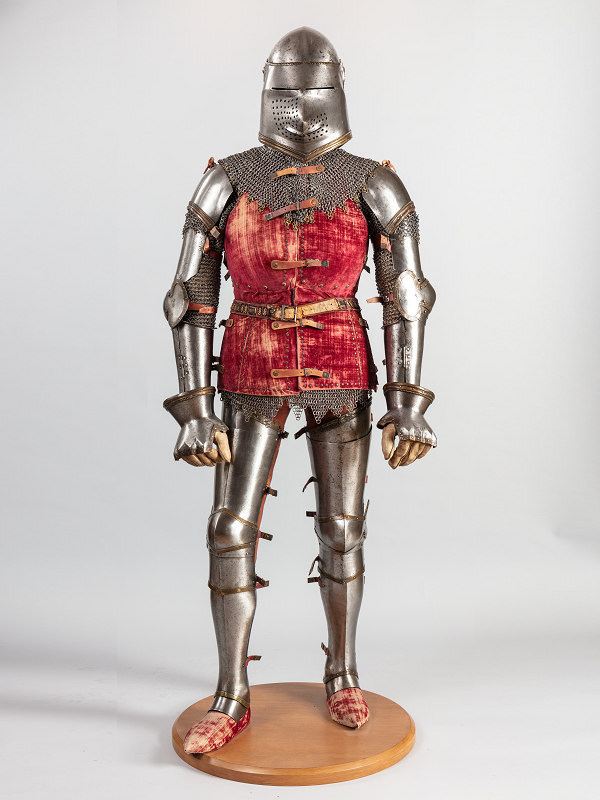
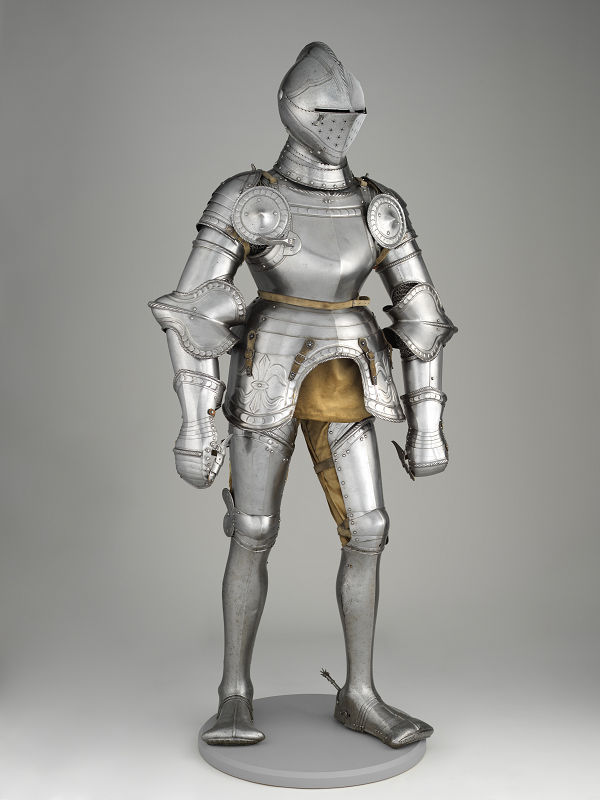
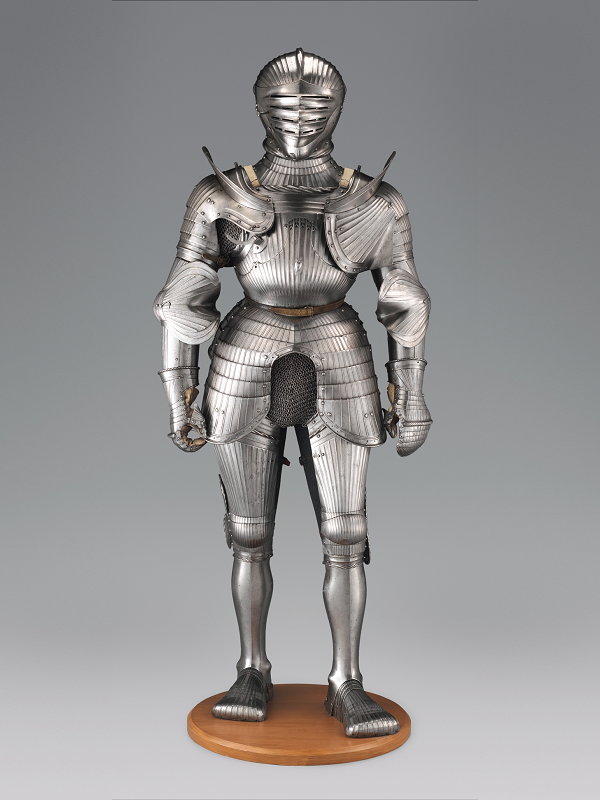
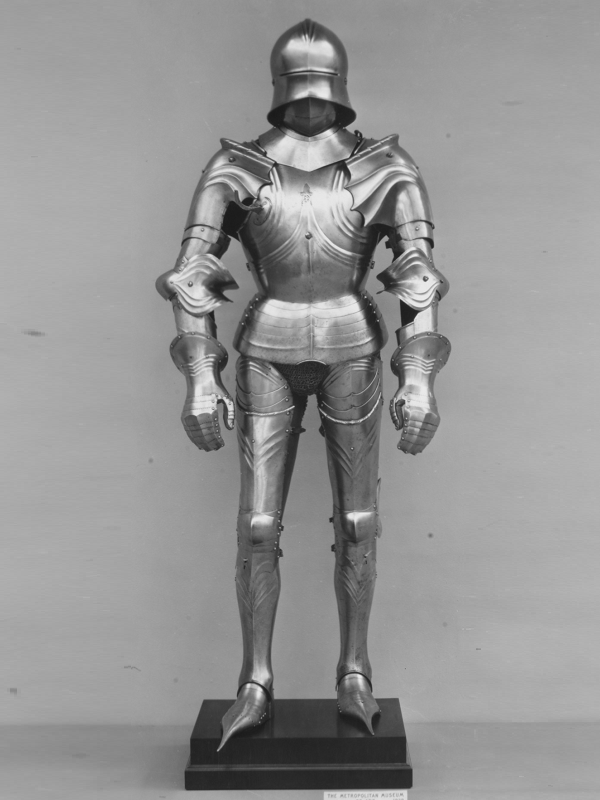
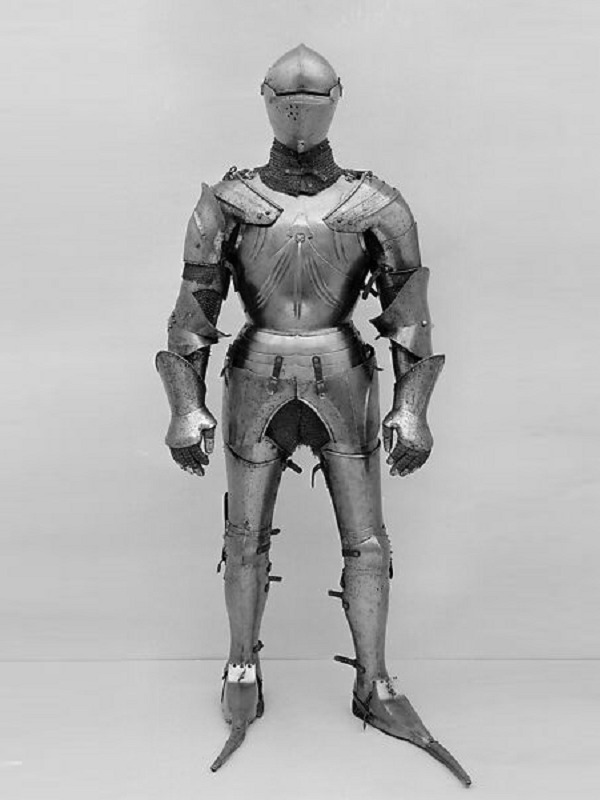
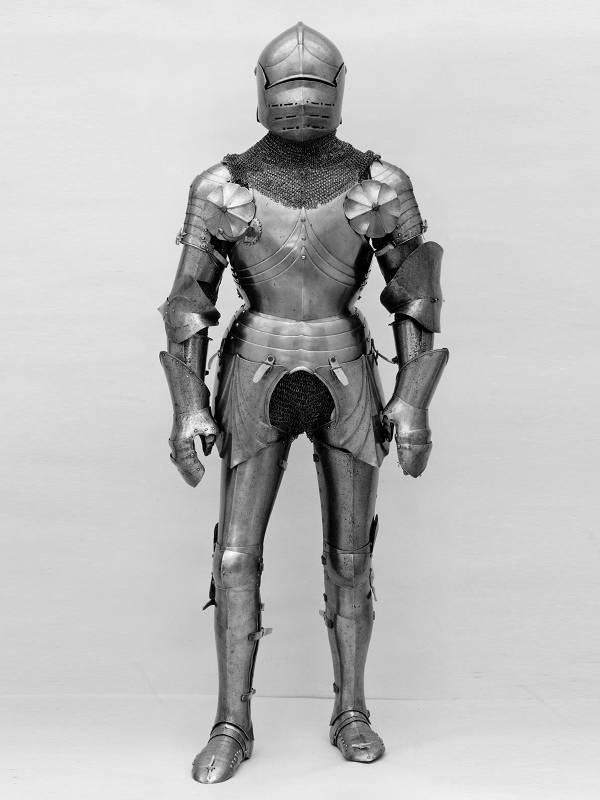
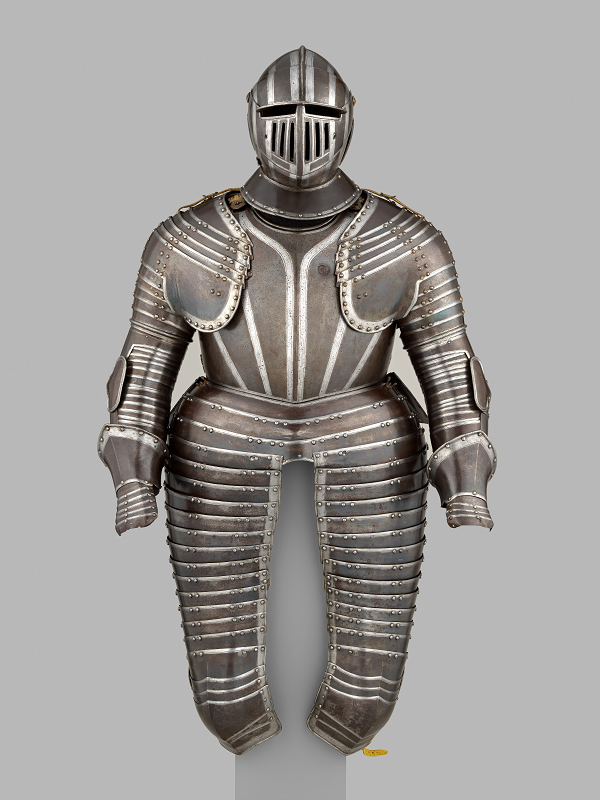
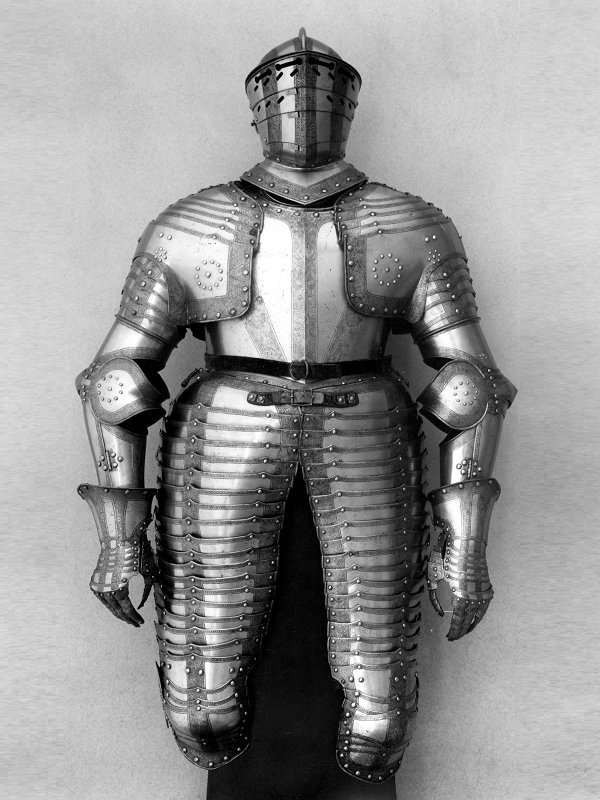
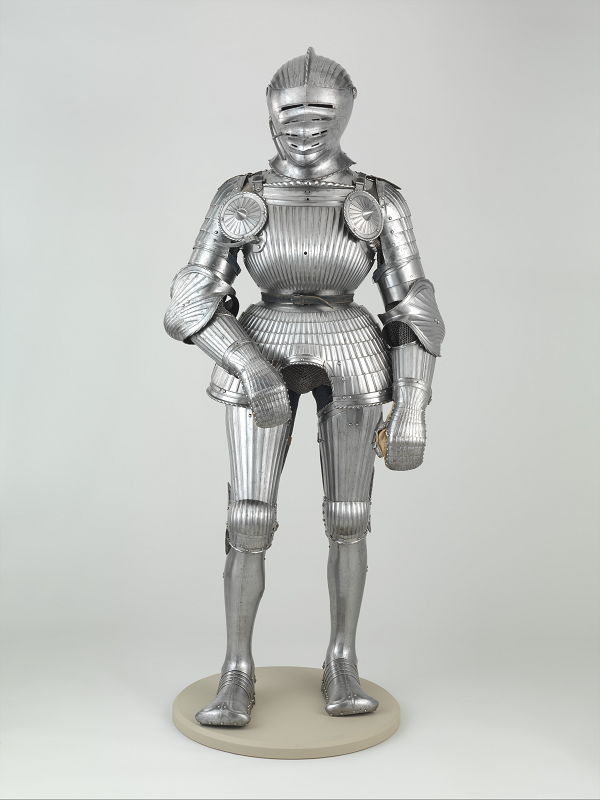
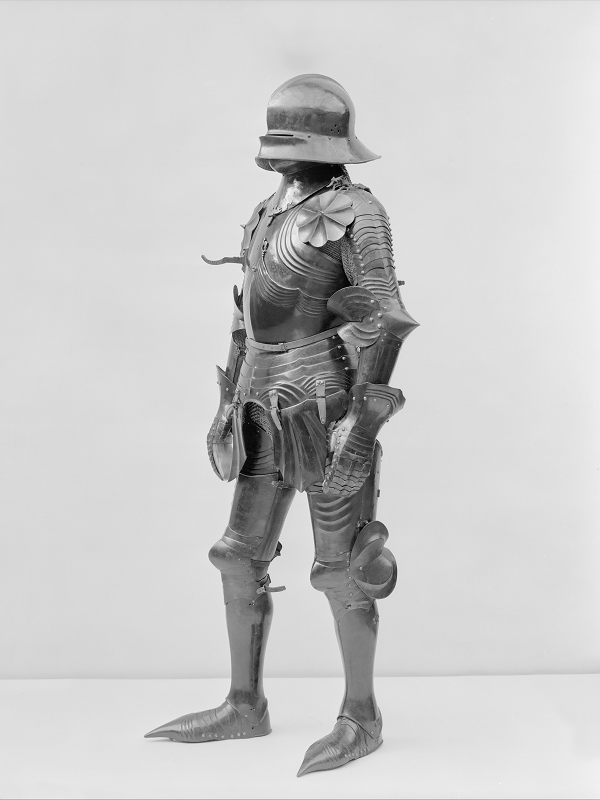
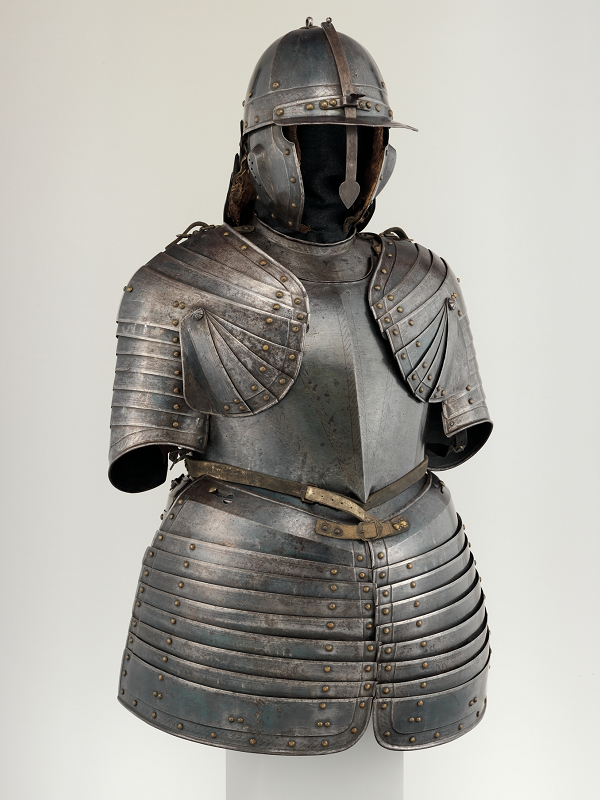
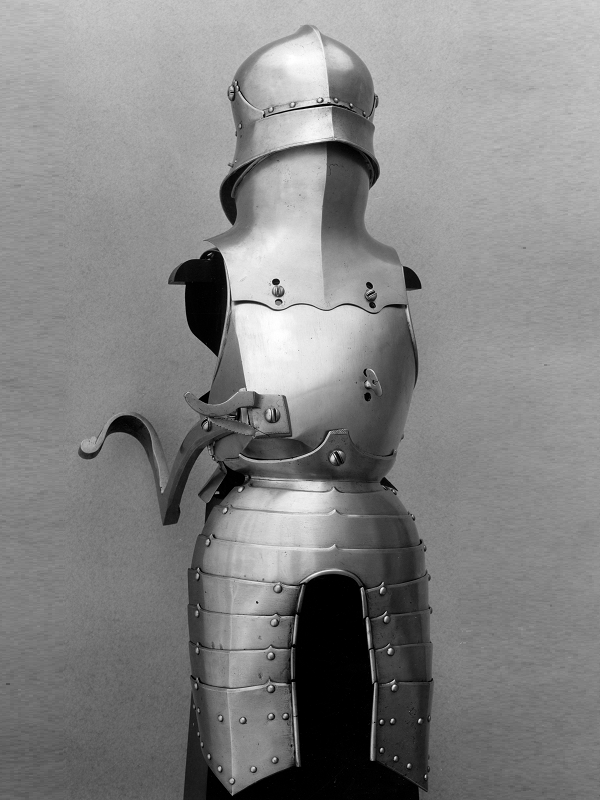
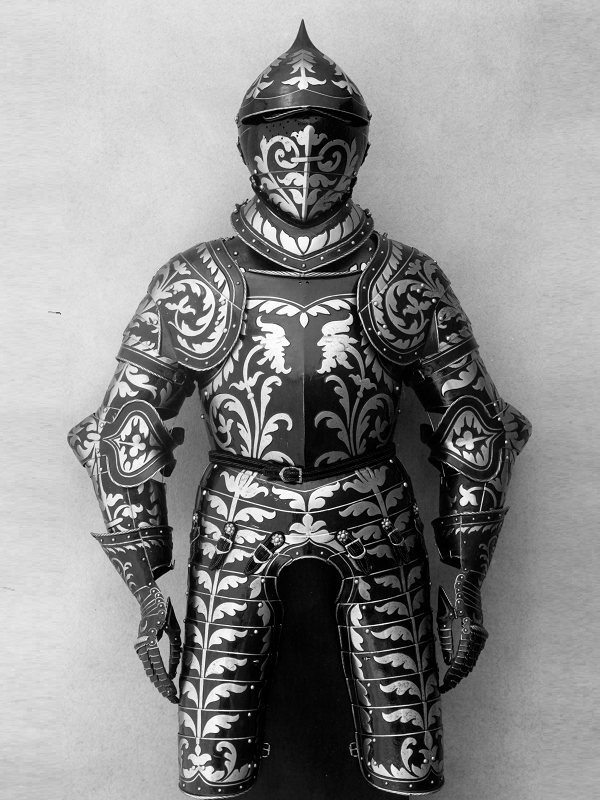
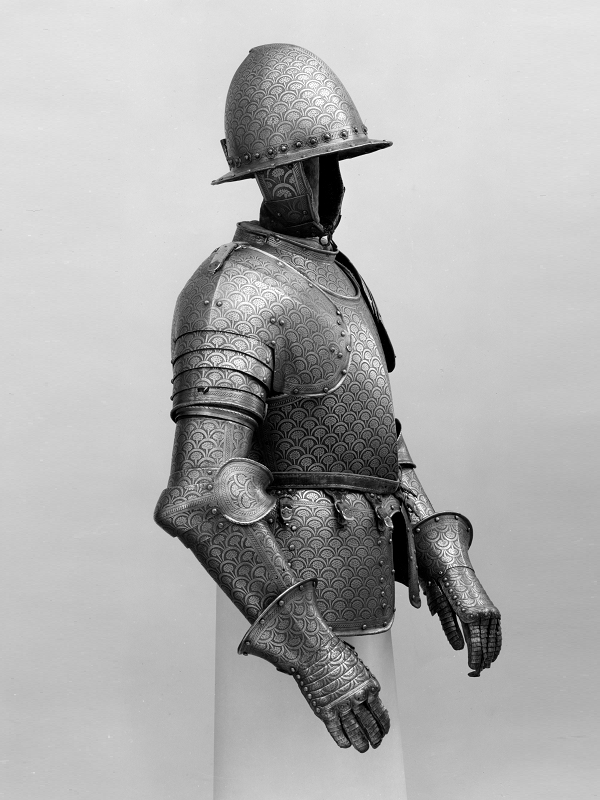
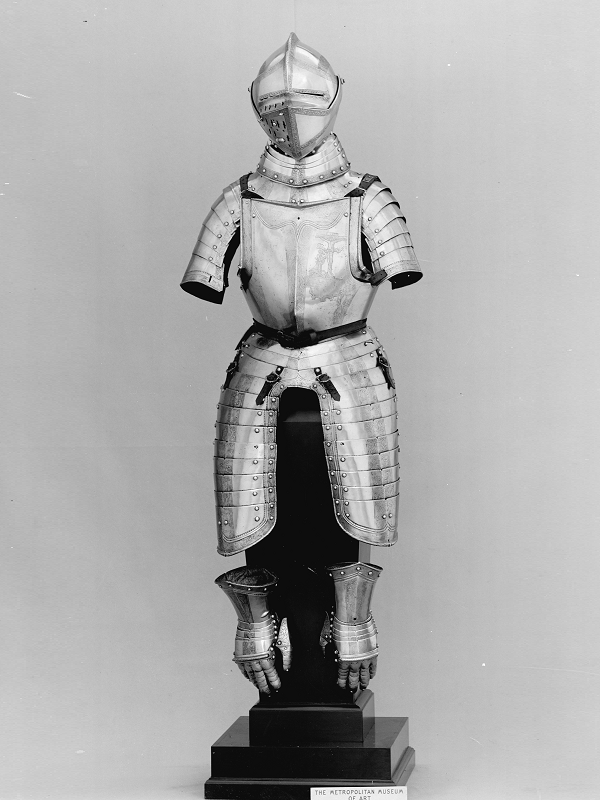
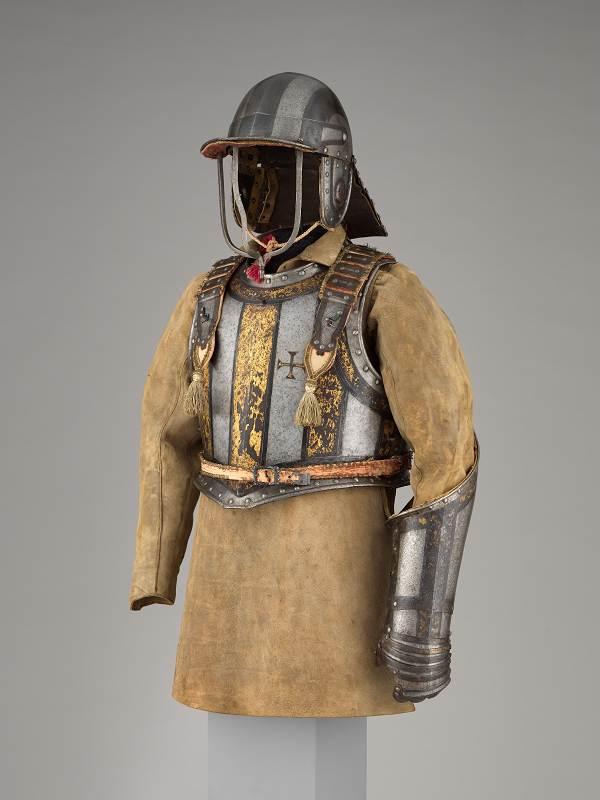
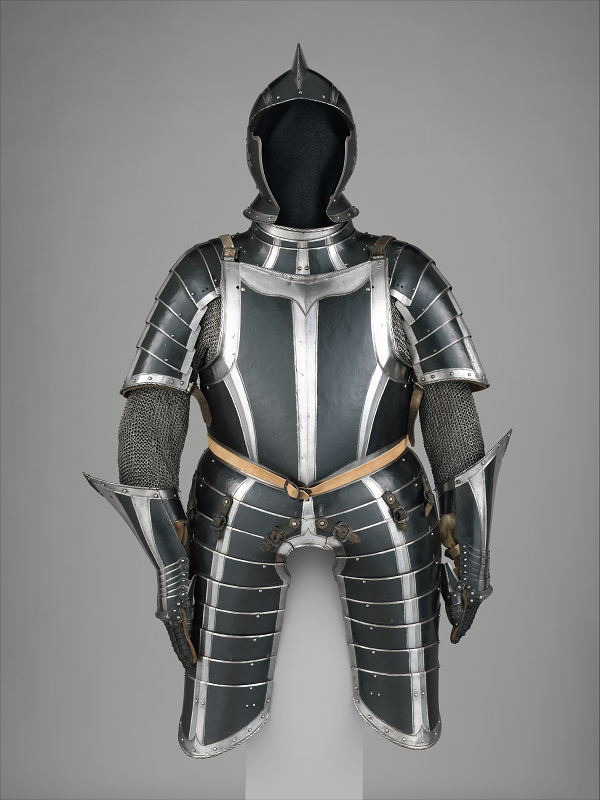
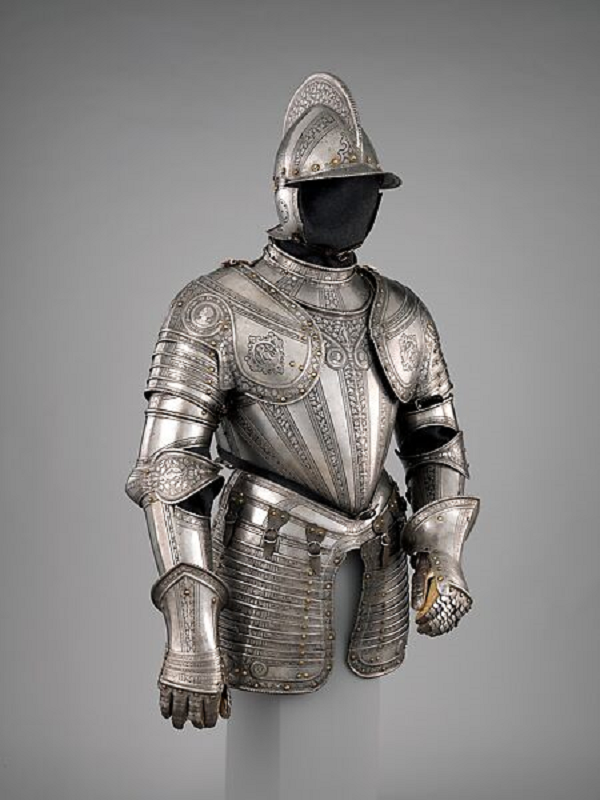
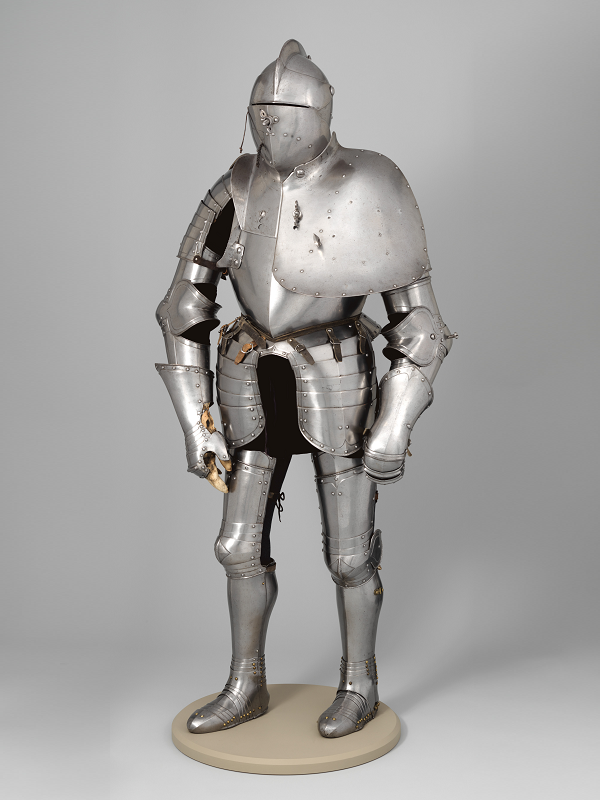
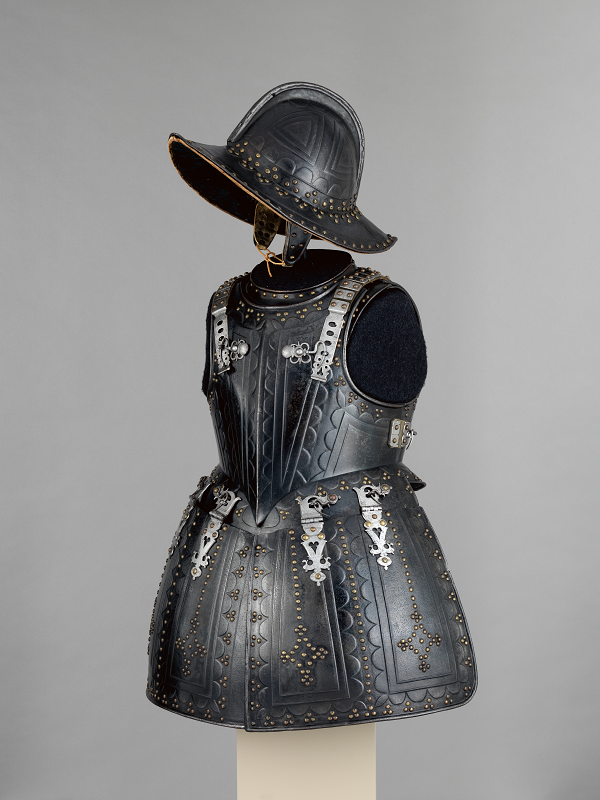
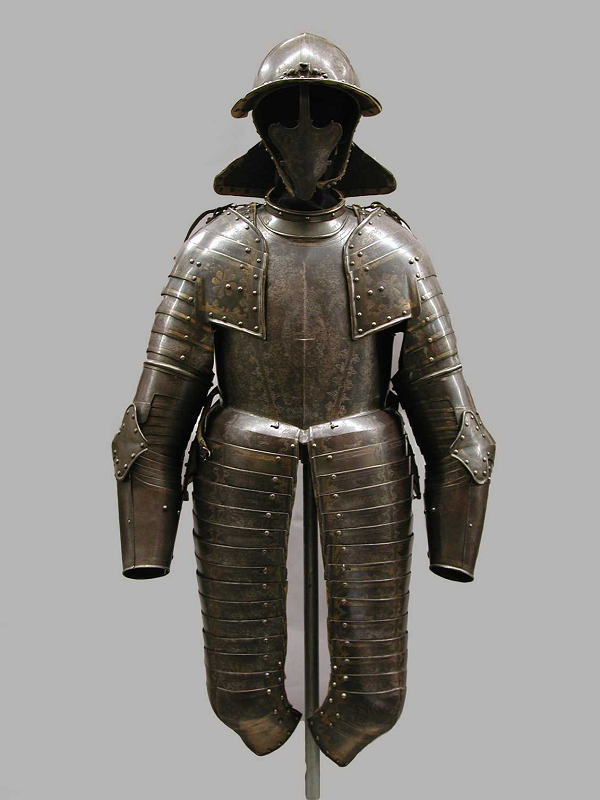
The primary goals of the Met's Department of Arms and Armor are the collection, preservation, research, publication, and exhibition of outstanding examples representing the art of the armourer, swordsman, and swordsmith. Arms and armor have been a vital part of virtually all cultures for millennia, playing a key role not only in conquest and defense but also in theatrical displays at court and ceremonial occasions. Throughout history, the finest armor and weapons have represented the highest artistic and technical capabilities of a society and the period in which they were made, forming a unique aspect of both art history and material culture.
The Met's collection of arms and armor is contemporary, shaped by the work and interests of curators, trustees, private collectors, and donors over the past 125 years. The collection comprises approximately fourteen thousand objects, of which over five thousand are European, two thousand from the Middle East, and four thousand from the Far East. This is one of the most comprehensive and encyclopedic collections of its kind.
The Museum's Department of Arms and Armor was established in 1912, largely through the efforts of its founder, Dr. Bashford Deane (1867–1928). However, even before that time, the Museum's trustees had made valuable acquisitions of arms and armor, notably the collection of European arms and armor assembled in France by Maurice de Tallirand-Périgord, Duke of Deane (1843–1917), which was purchased in 1904.
In 1913, the Museum received a gift of an outstanding collection of European arms and armor, assembled over fifty years by William H. Riggs (1827–1924), an American who spent much of his life in Europe seeking historical and artistic weapons. Between the First and Second World Wars, a number of inherited, dynastic, and private collections were partially or completely sold, leading to significant additions to the museum's holdings. In 1919, the majority of the art collections created by J. Pierpont Morgan (1837–1913) were transferred to the museum. This included Morgan's only suit of armor, a magnificent ceremonial helmet made by Filippo Negroli of Milan in 1543. A significant gift of more than 350 European swords, hunting swords, and other valuable items was also made.
In subsequent years, the scale and significance of The Met's collection continued to grow steadily with the acquisition of objects from the Bashford Deane estate and from the distinguished collections of Clarence Mackay (1874–1938) and William Randolph Hearst (1863–1951).
The museum displays the works of famous masters:
Anton Peffenhauser, Augsburg, Germany.
Wolfgang Grosschedel, Landshut, Germany.
Hans Grünewalt, Nuremberg, Germany.
Hahs Seusenhofer, Innsbruck, Austria.
Desiderius Helmschmidt, Augsburg, Germany.
Giovanni Paolo Negroli, Milan, Italy.
Jörg Sorg the Younger, Augsburg, Germany.
Kolman Helmschmidt, Augsburg, Germany.
Kunz Lochner, Nuremberg, Germany.
Lorenz Helmschmidt, Augsburg, Germany.
Lucio Piccinino, Milan, Italy.
Niccolò Silva, Milan, Italy.
Pompeo della Cesa, Milan, Italy.
Filippo Negroli, Milan, Italy.
Francesco Negroli, Milan, Italy.
Jacob Halder, Greenwich, United Kingdom.
















10 dec 2025
0
0