- Articles
- Weapons
- Armor
- Armor for horses
- Emperor Armor
- Chivalry
- Chivalry
- Knights castle
- Knights tournament
- The Crusades
- Knightly Orders
- Knightly saddle
- Knightly motto
- Great Knights
- Price of armor
- Children's armor
- Castles and fortresses
- Museums of armor and weapons
- Coats of arms and heraldry
- Routes and excursions
- Guides


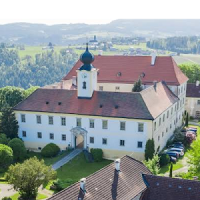
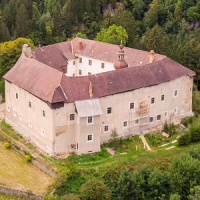
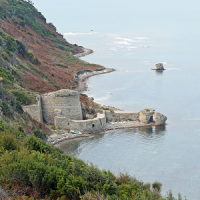
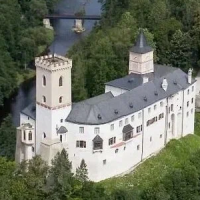
Museo Cerralbo.
Museo Cerralbo
Tu, We, Fr, Sa 09.30-15.00, Th 09.30-15.00 и 17.00-20.00, Su 10.00-15.00. Weekend: Monday
Adult - 3€, Children's (0-18) - Free, Students - Free, Pensioners - Free, Preferential - 1,5€.
www.cultura.gob.es/mcerralbo/coleccion/coleccion0/armeria1.h
Calle de Ventura Rodríguez, 17, 28008 Madrid, Provincia de Madrid, Comunidad de Madrid, Reino de España.
40.423767, -3.714539 View map
Museo Cerralbo - Museum Cerralbo, Madrid, Provincia de Madrid, Comunidad de Madrid, Reino de España.
After the invention of gunpowder, feudal armor lost its defensive value, leading to the emergence of armor in great noble families, displaying various battle armor associated with glorious family events.
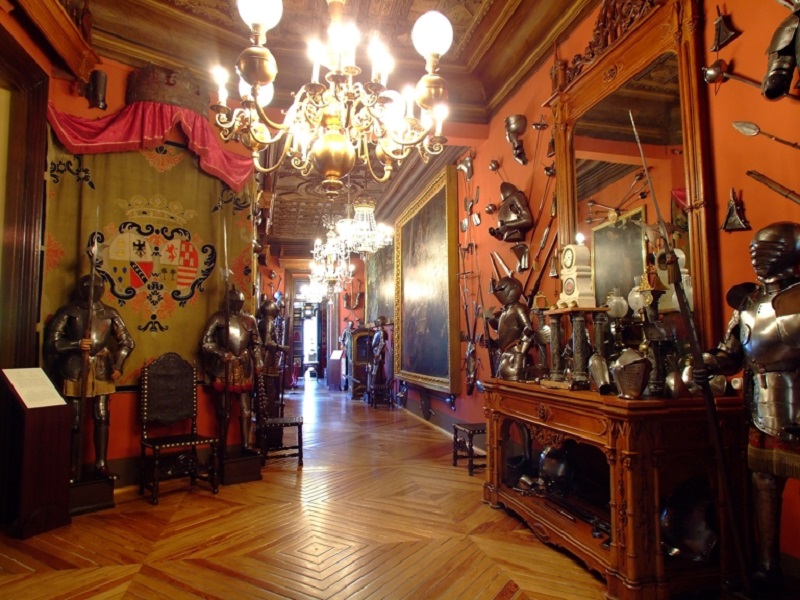
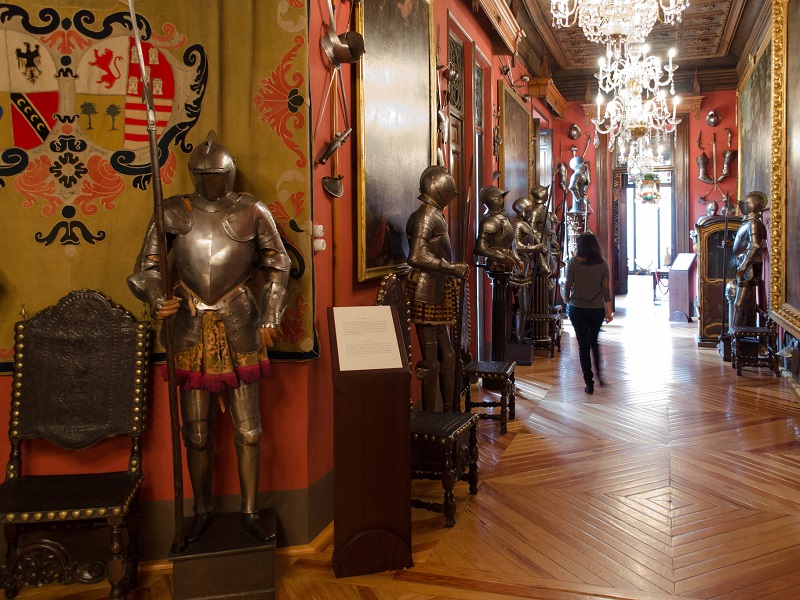
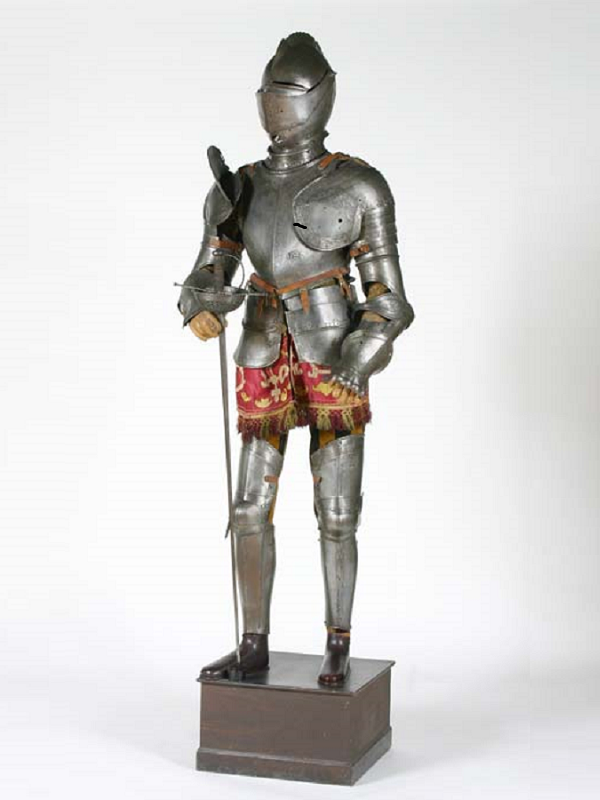
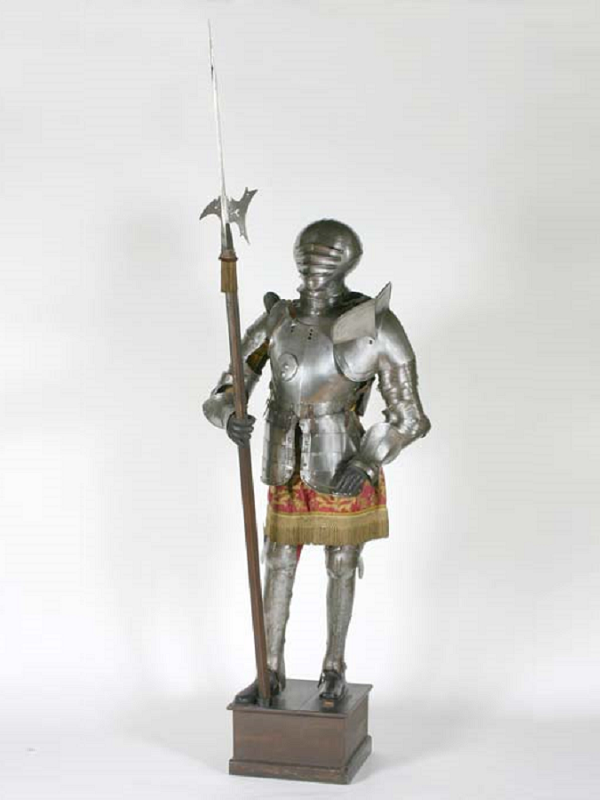
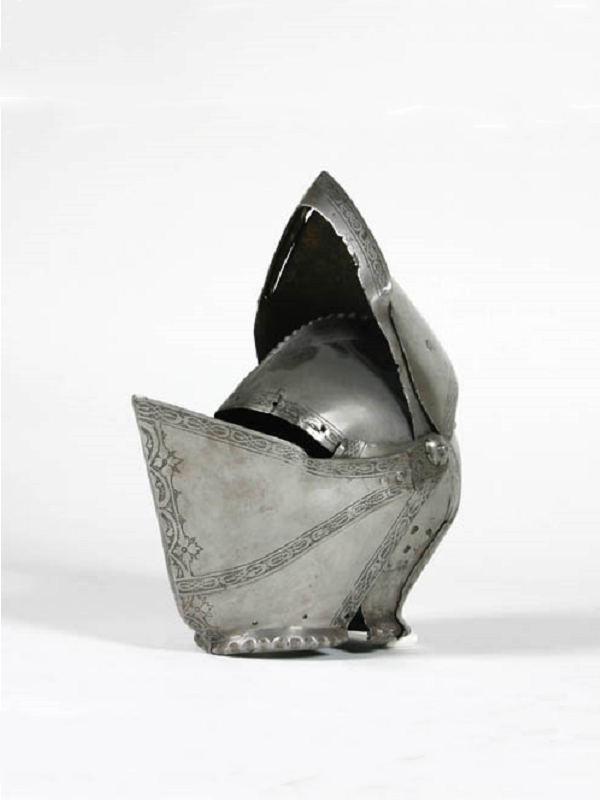
Offensive and defensive weapons reflect the evolution of warfare from the 15th to the 19th centuries. The Cerralbo Museum Armory contains approximately 700 pieces of various origins (Europe, America, Asia, and Oceania), acquired both in Spain and abroad, primarily at auctions at the Hôtel Drouot and the Hôtel des Commisaires-Priseurs in Paris.
The most important armor in the collection is closely linked to the historical and heroic events of Casa Cerralbo, presented on the Staircase of Honor. Among the combat armor, we highlight a mid-17th-century suit of armor traditionally belonging to the illustrious ancestor of the Marquis of Cerralbo: Pablo Fernández Contreras, 1st Count of Alcúdia, admiral of the Spanish squadron that defeated the Dutch in 1635.
Also on display are firearms such as arquebuses, rifles, shotguns, and pistols, all reflecting the evolution of these weapons over time, with examples and elements from the 16th to the 19th centuries.
The museum's weapons include items from Borneo, the Philippines, India, Japan, Malaysia, Turkey, Morocco, and Oceania. Some of them were acquired at an auction of 15th- to 18th-century art and souvenirs held at the Château de Saint-Jean in Chân-le-Rotrou in 1877 by the Hôtel Drouot. Other items were collected by Cerralbo himself during his trips to Constantinople, Scutari, and Andrinopolis (today Edirne, Turkey).
The most unique items are military armor from 18th-century Japan, made of copper, lacquered leather, and colored ribbons. This is the distinctive armor of the samurai, a military class honored with the wearing of two sabers called wakizashi, of which a sample is also shown.
19 nov 2025
0
0