- Articles
- Weapons
- Armor
- Armor for horses
- Emperor Armor
- Chivalry
- Chivalry
- Knights castle
- Knights tournament
- The Crusades
- Knightly Orders
- Knightly saddle
- Knightly motto
- Great Knights
- Price of armor
- Children's armor
- Castles and fortresses
- Museums of armor and weapons
- Coats of arms and heraldry
- Routes and excursions
- Guides



Museo delle Armi "Luigi Marzoli"
Museo delle Armi "Luigi Marzoli"
Tu-Su 10.00-18.00. Weekend: Monday
Adult - 15€, Children's (6-26) - 8€, Pensioners - 12€.
www.bresciamusei.com
Via del Castello, 9, 25121 Brescia, Provincia di Brescia, Lombardia, Repubblica Italiana.
45.542761, 10.225294 View map
Museo delle Armi "Luigi Marzoli" - Arms Museum Luigi Marzoli, Brescia, Provincia di Brescia, Lombardia, Repubblica Italiana.
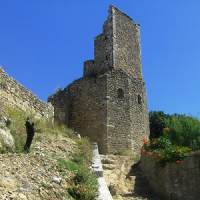
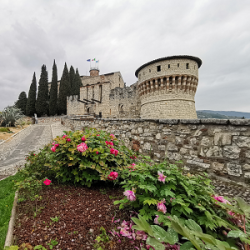
In one of the Castle's most ancient spaces, the Mastio Visconteo, a fine 14th-century workmanship and a significant monumental survival of the defensive apparatus on the Cidneo hill, is the "Luigi Marzoli" Arms Museum, opened in 1988 on the Carlo Scarpa site. It welcomes visitors to one of the richest European collections of armor and ancient weaponry.
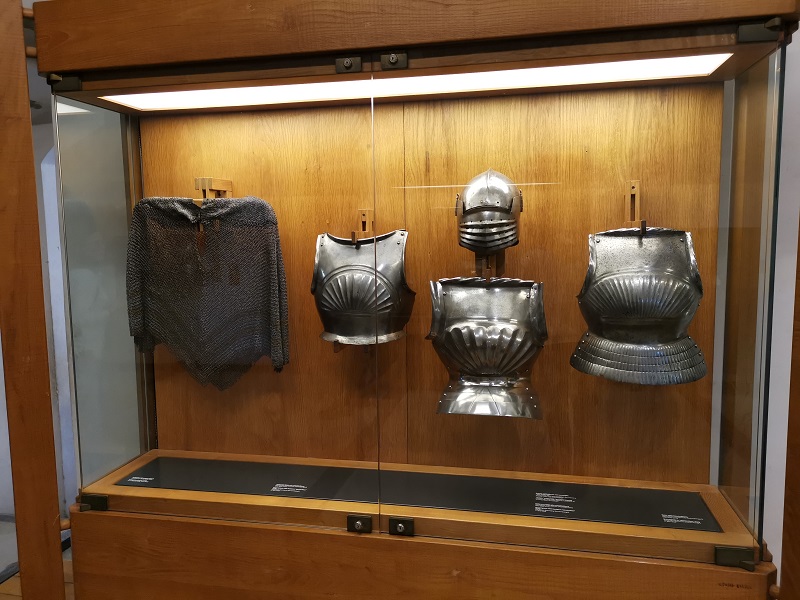
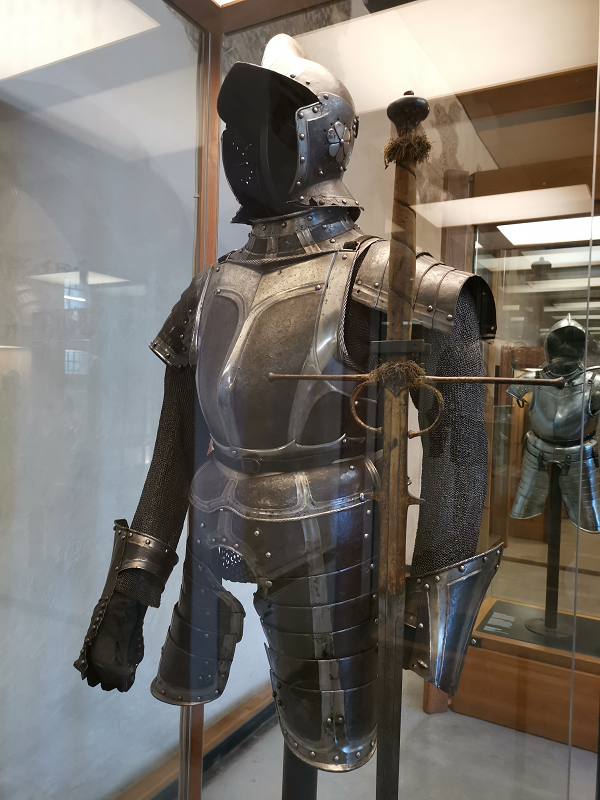
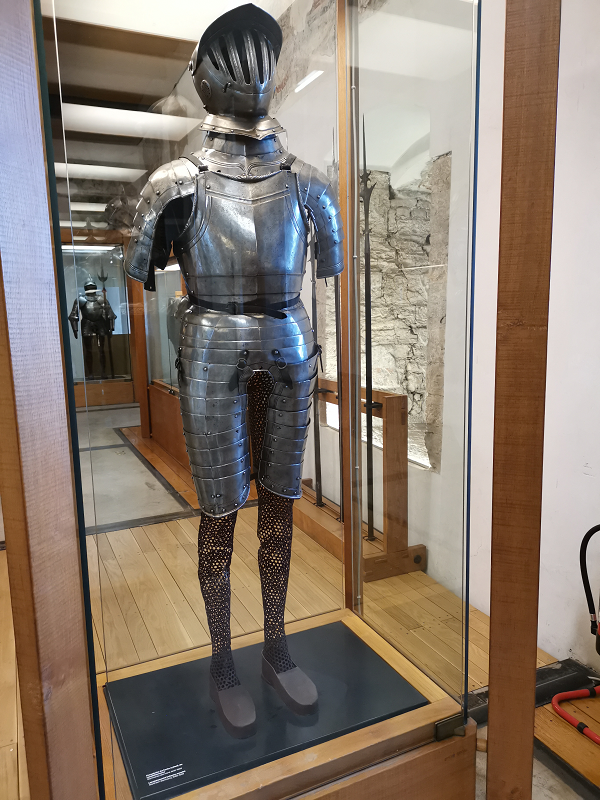
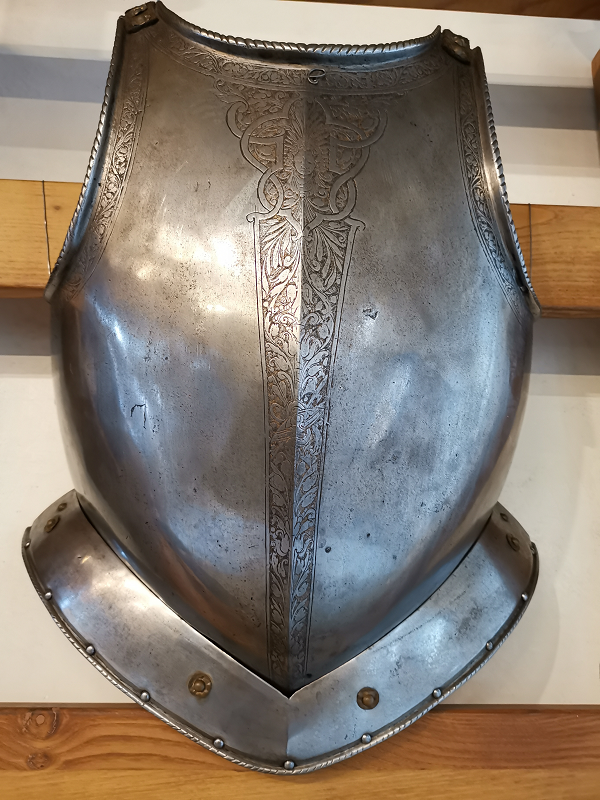
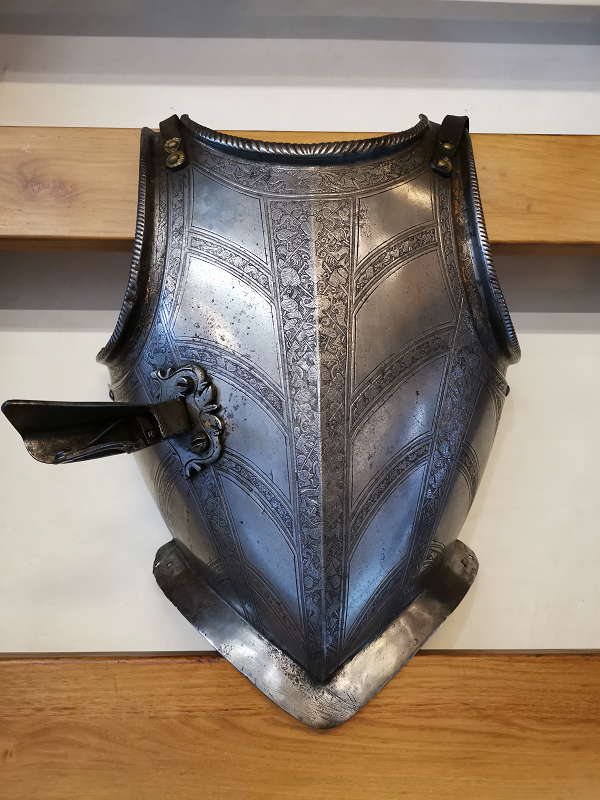
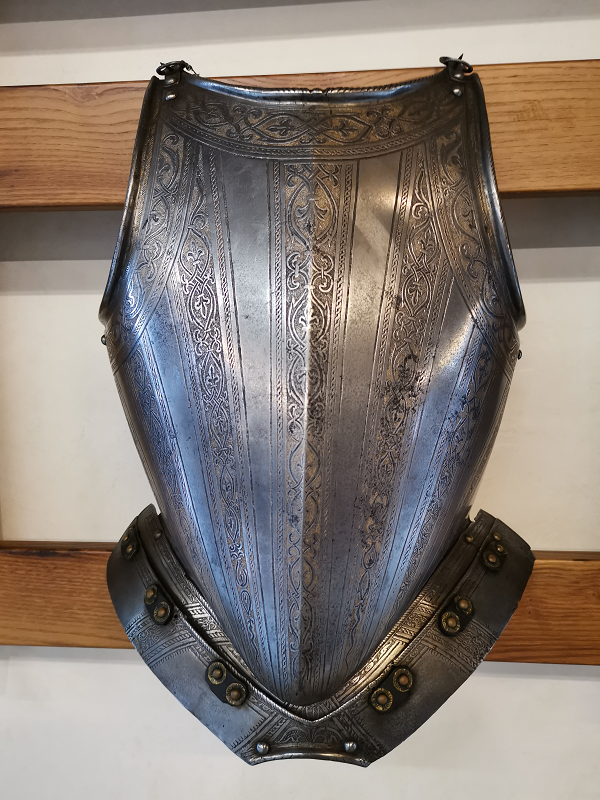
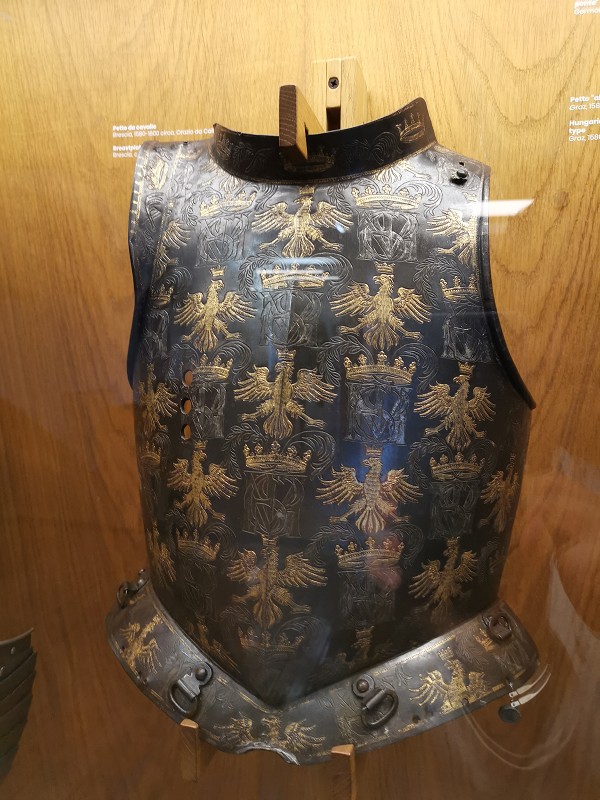
Arms, firearms, and armor, which, on the one hand, tell of Brescia's long tradition of arms production, and on the other, reconstruct 580 pieces (part of the 1,090 pieces bequest commissioned by the industrialist Luigi Marzoli) along an exhibition route, are simultaneously war and art, contained within armory objects, particularly in Milan and Brescia from the 15th to 18th centuries. The core of the collection includes another three hundred pieces from civic collections, particularly nineteenth-century firearms.
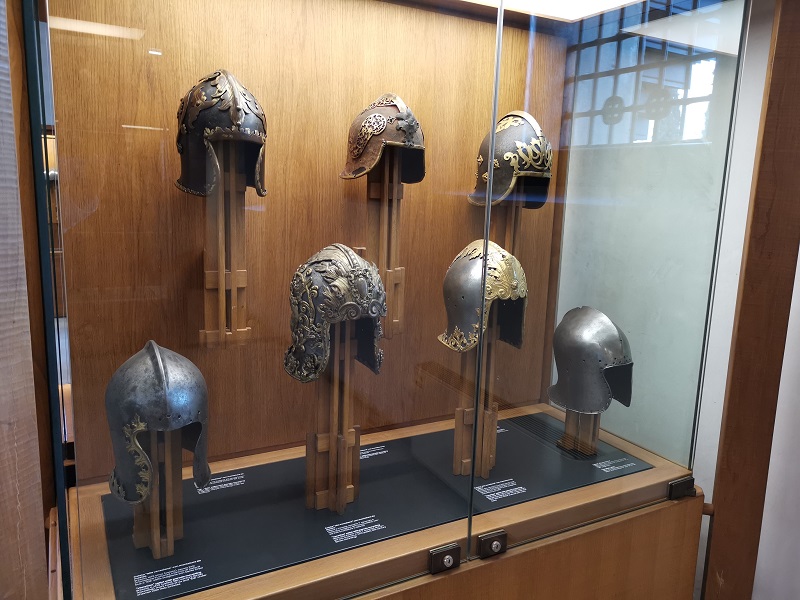
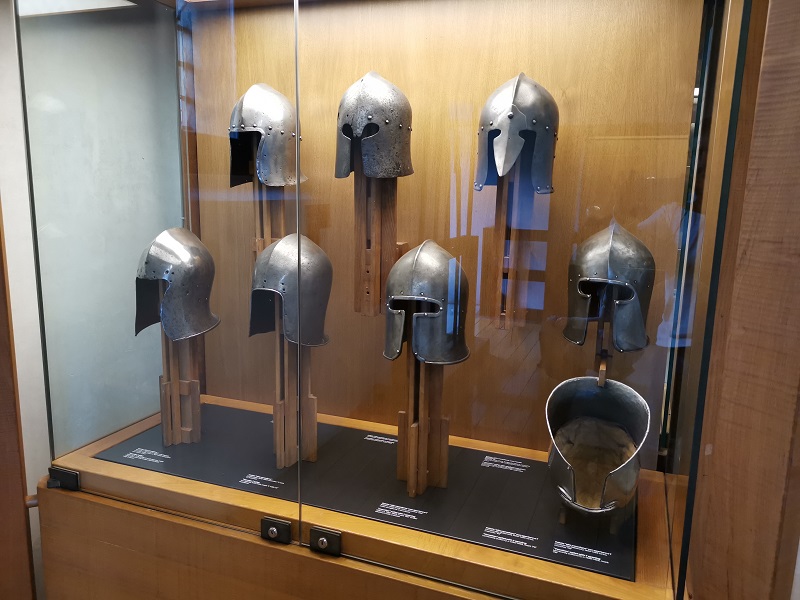
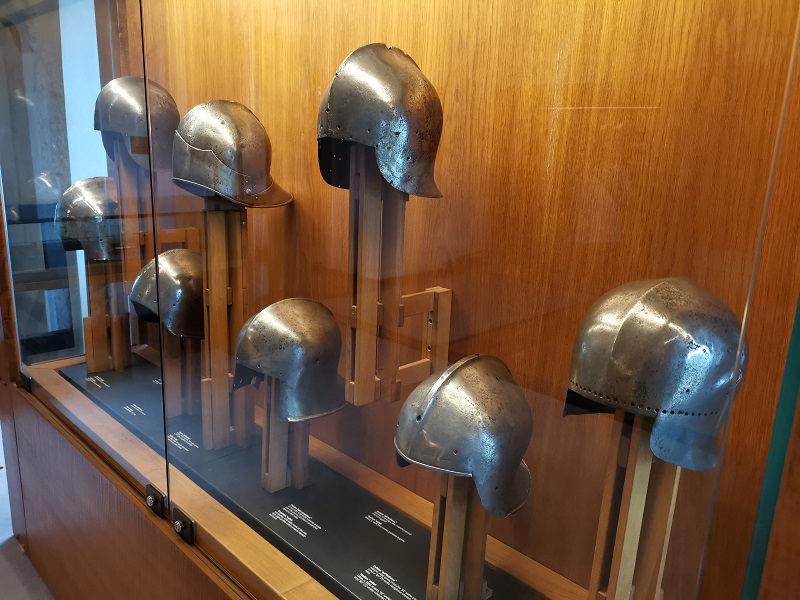
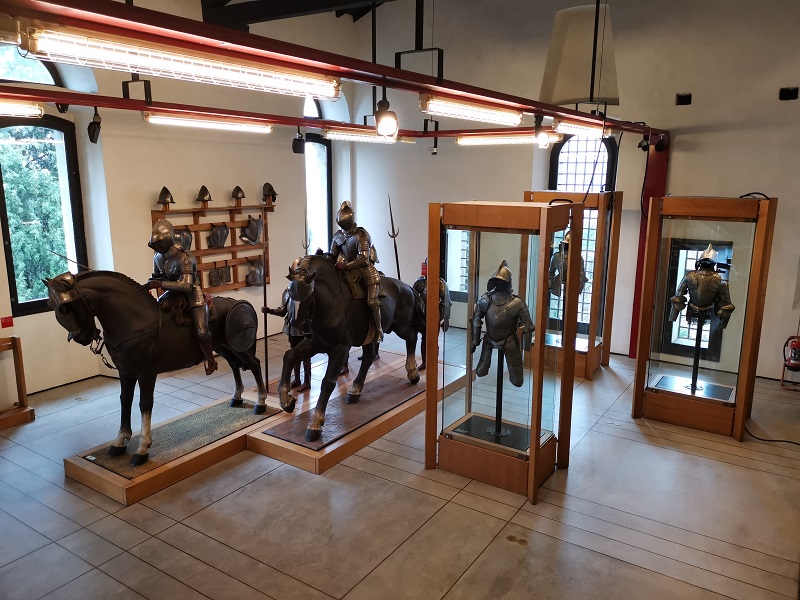
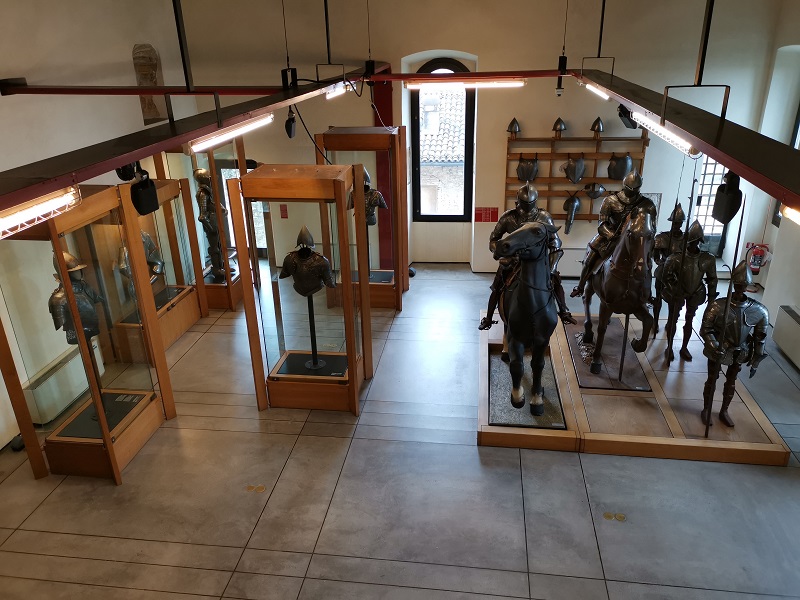
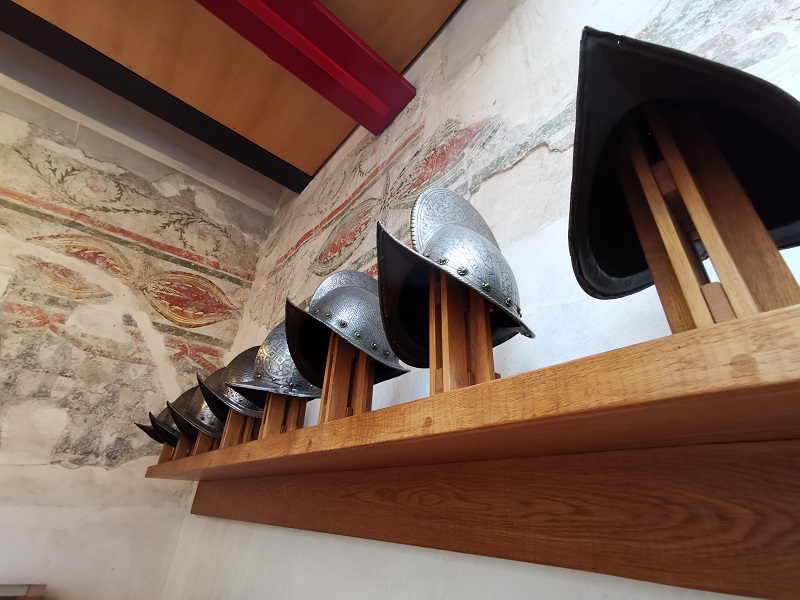
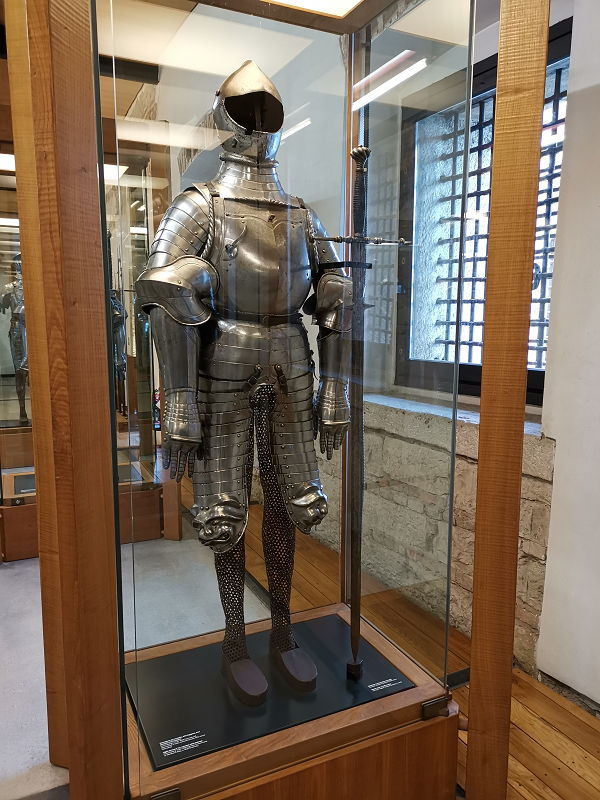
Throughout ten exhibition halls, the Museum traces the history of a craft that transcends the boundaries of art, beginning with the significance of armor in the fifteenth century, the age of heavy cavalry, in which helmets and armor became strategic elements.
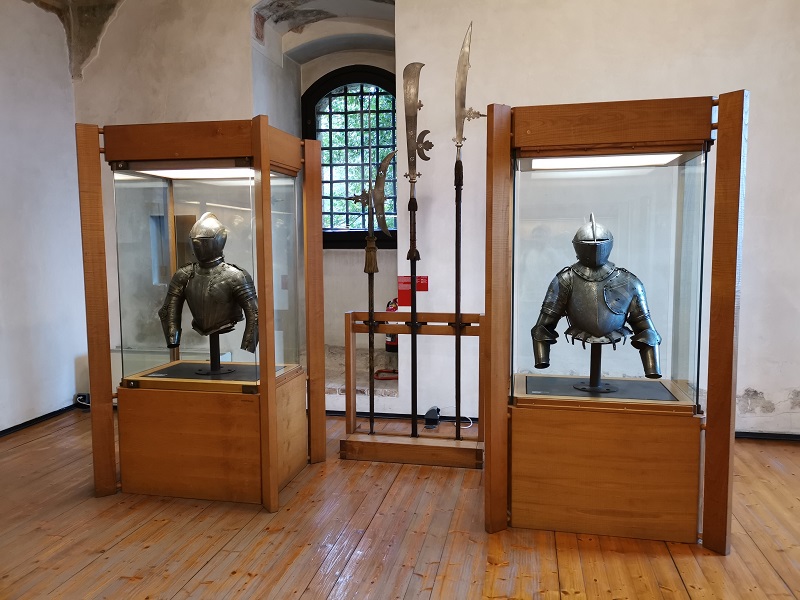
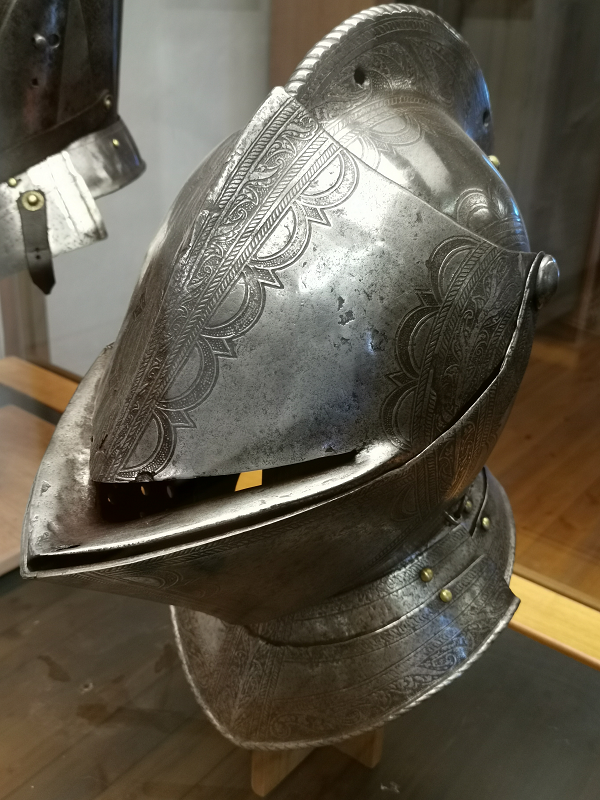
Among the most significant rarities are a large Venetian helmet and a bascinet with a dog-face visor, as well as a sword dating to the thirteenth century, the oldest exhibit in the exhibition.
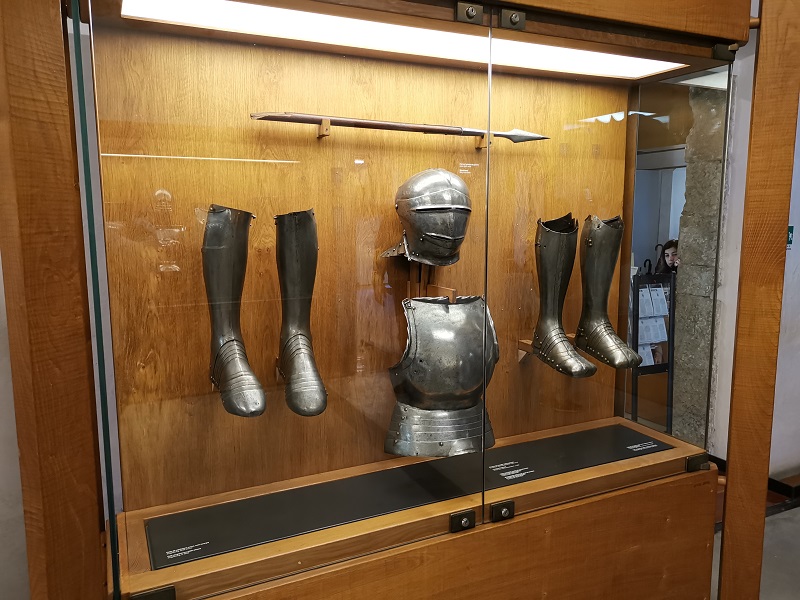
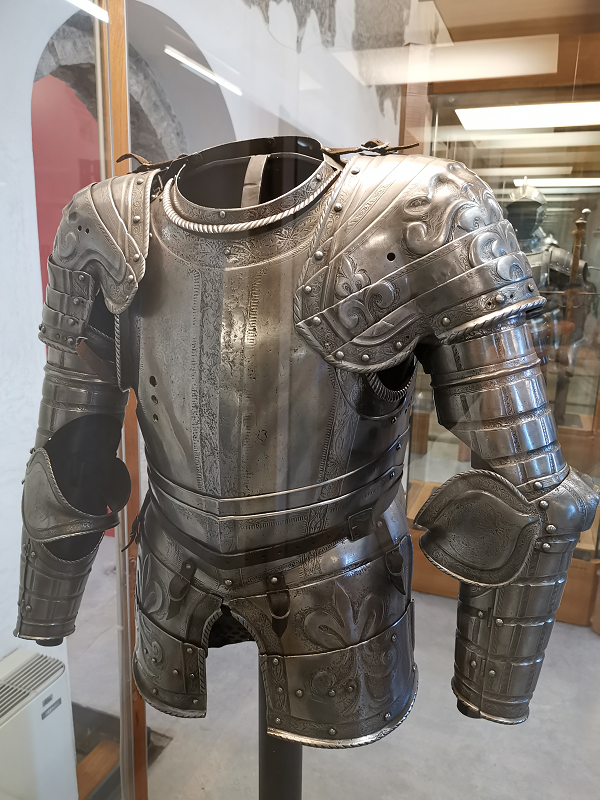
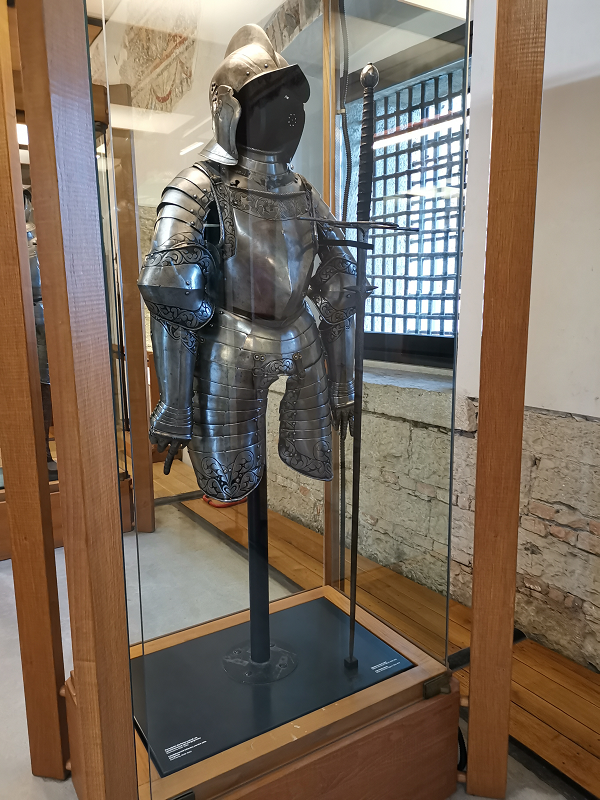
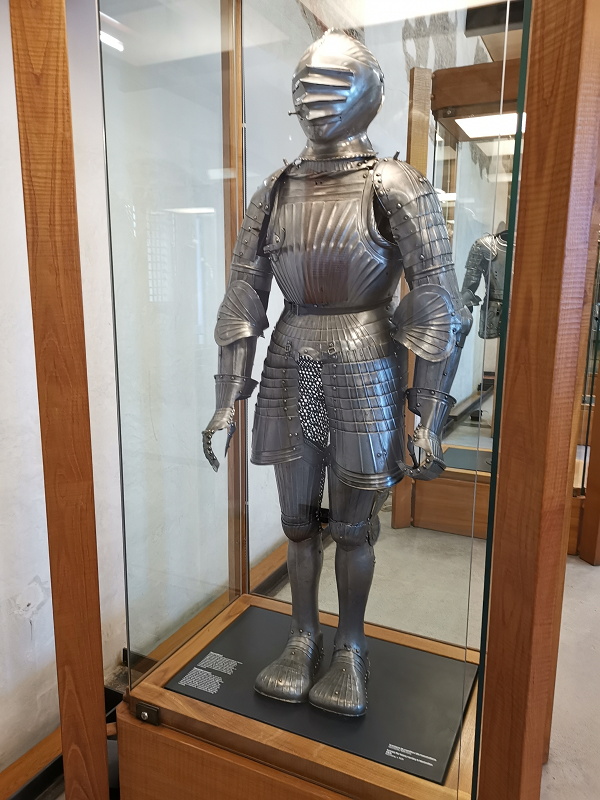
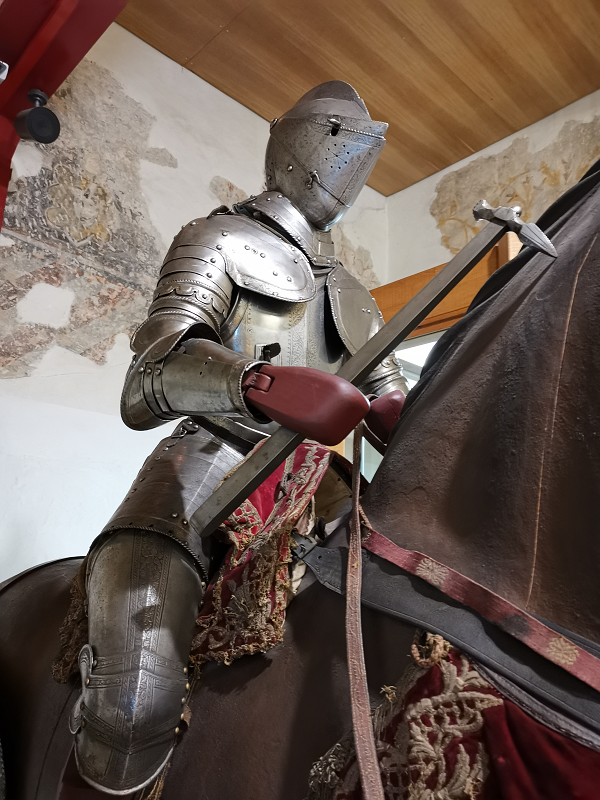
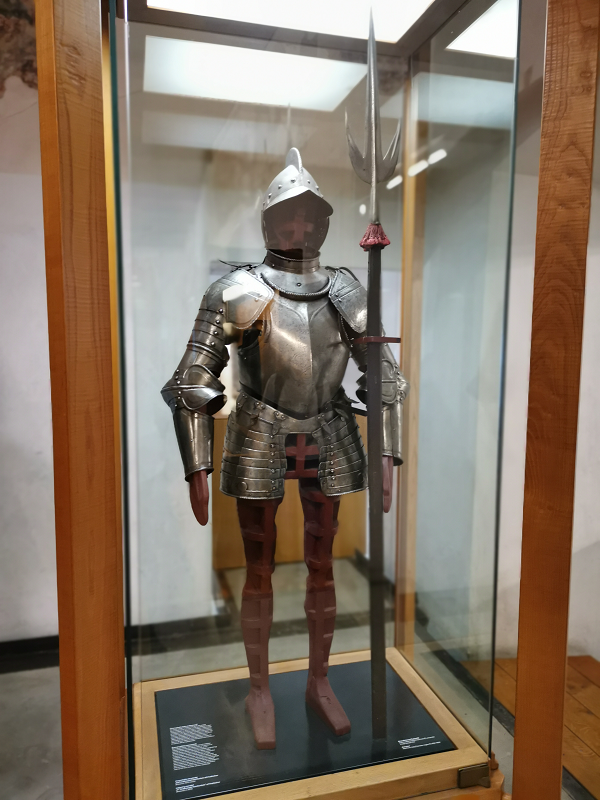
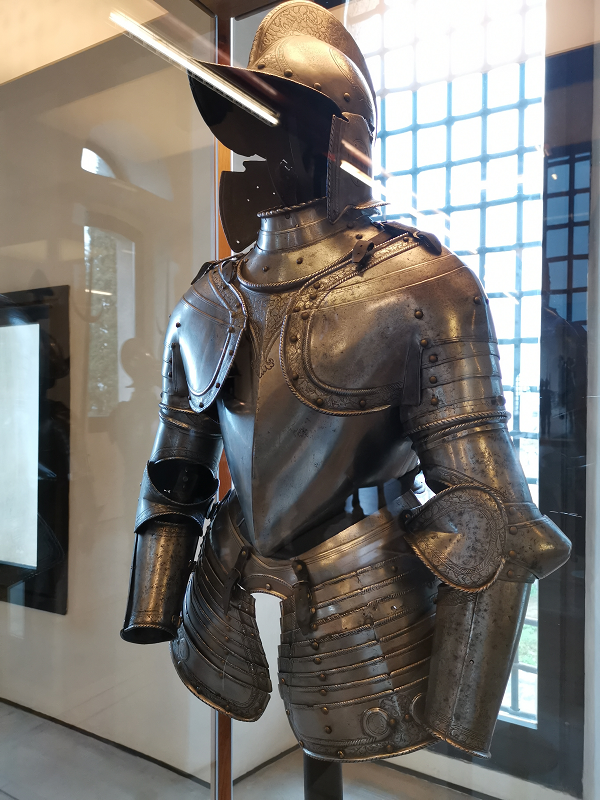
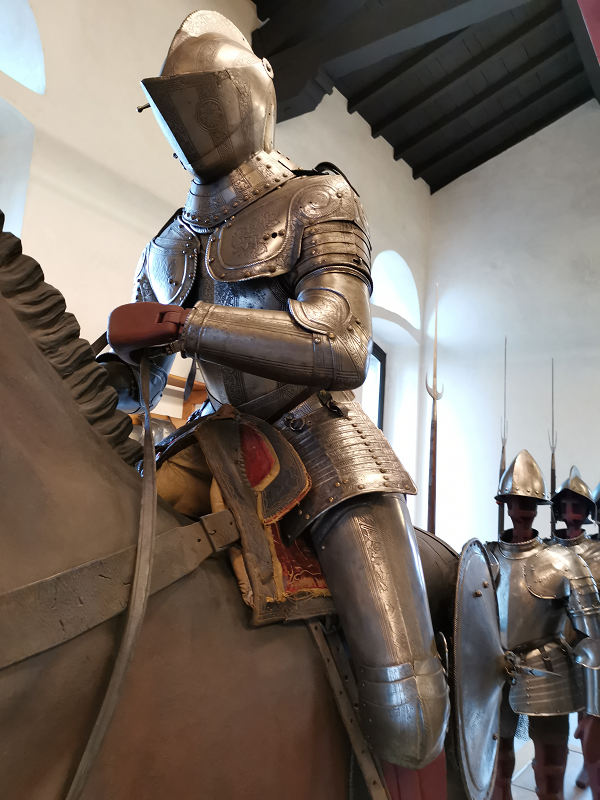
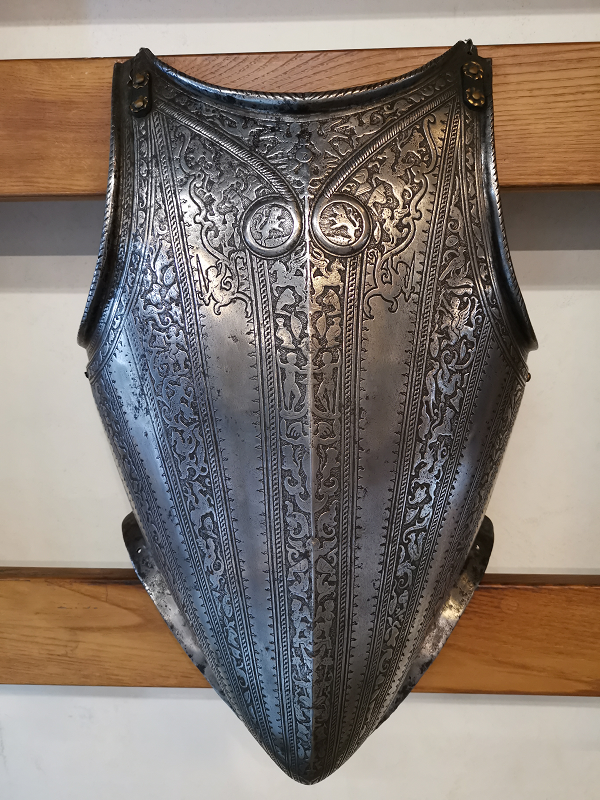
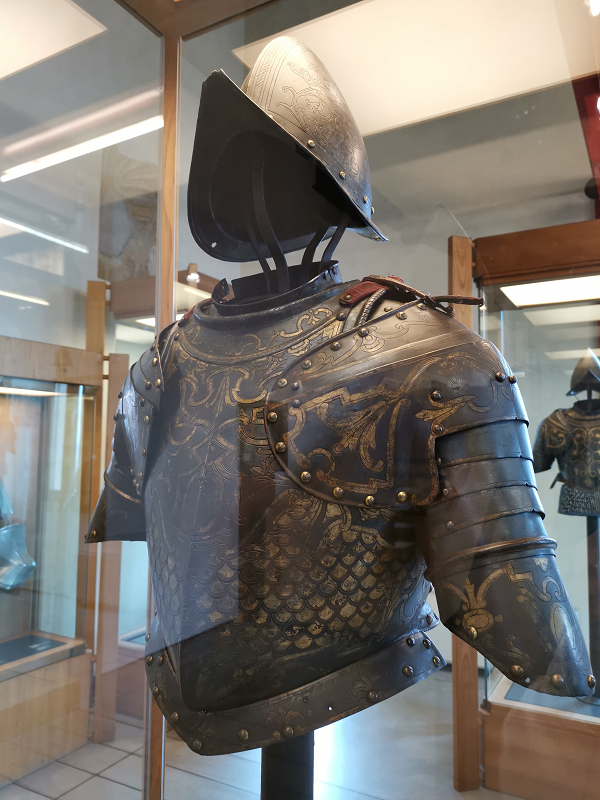
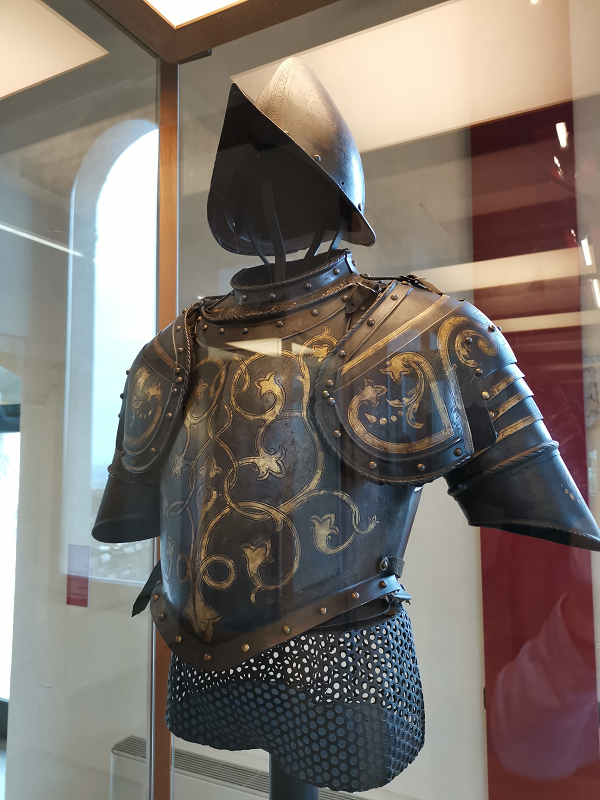
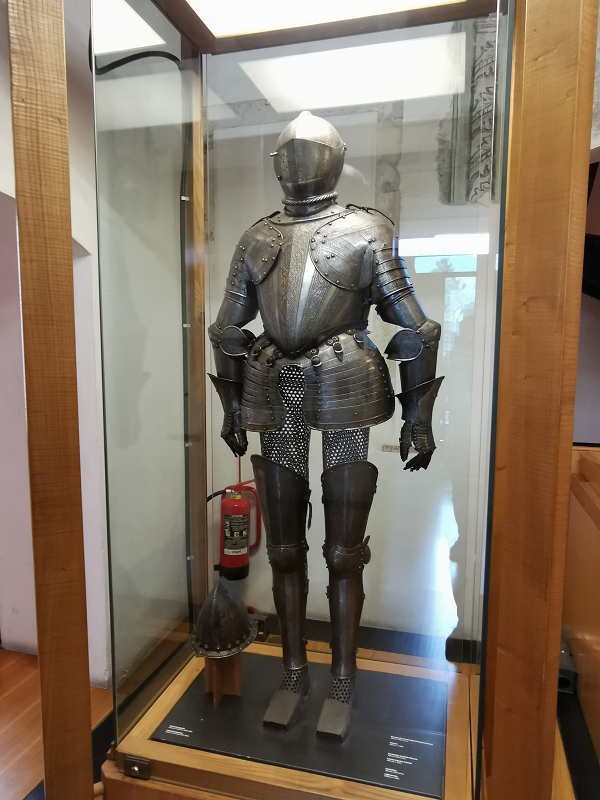
The presentation of sixteenth-century weaponry is broad, as offensive tactics evolved and the design of combat moves became increasingly dynamic, requiring more comfortable and light armor, such as the superb Massimiliano armor, with its vibrant, almost scenographic contours. Alongside the needs of the battlefield, the Museum's rooms also reflect the parallel purpose of presentation and public recognition that arms and armor begin to acquire at public parades, as a pretext for display and admiration.
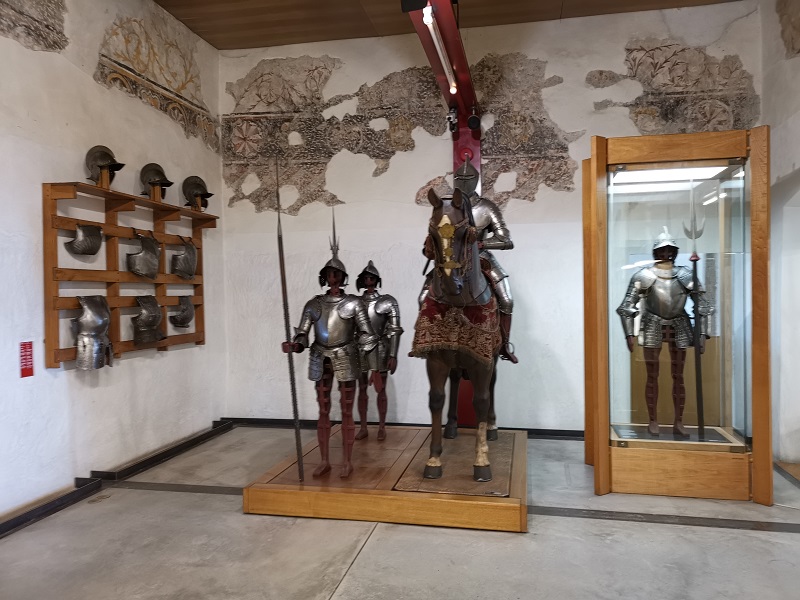
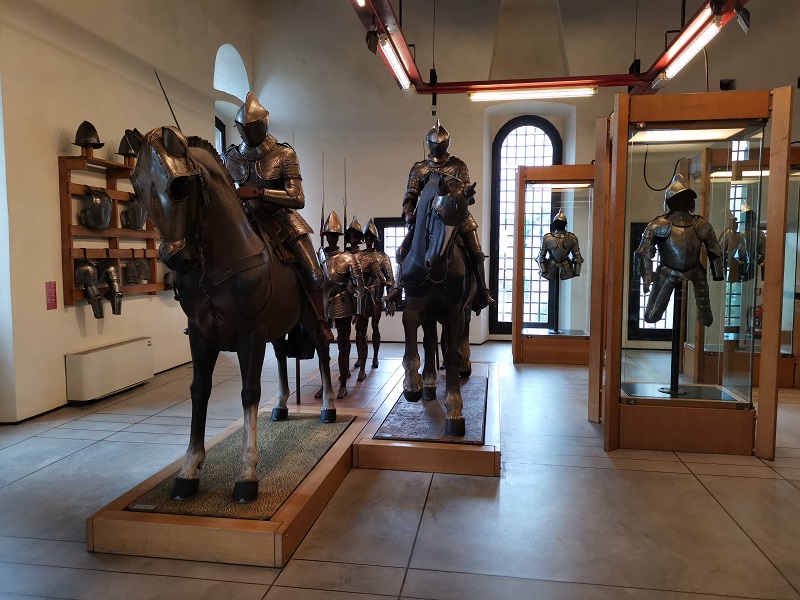
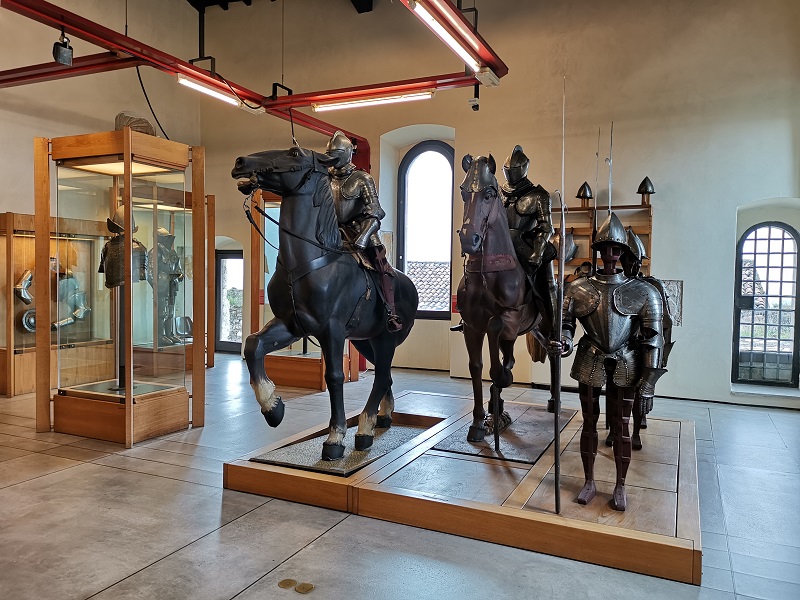
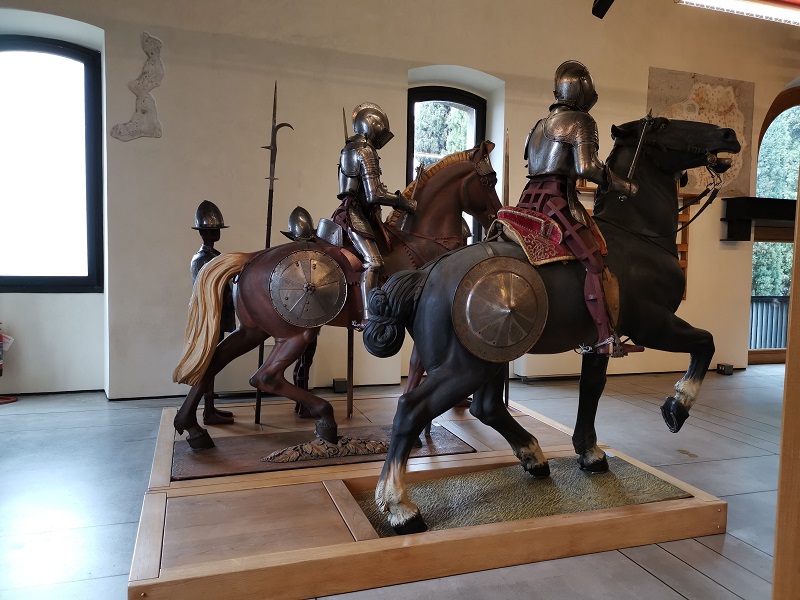
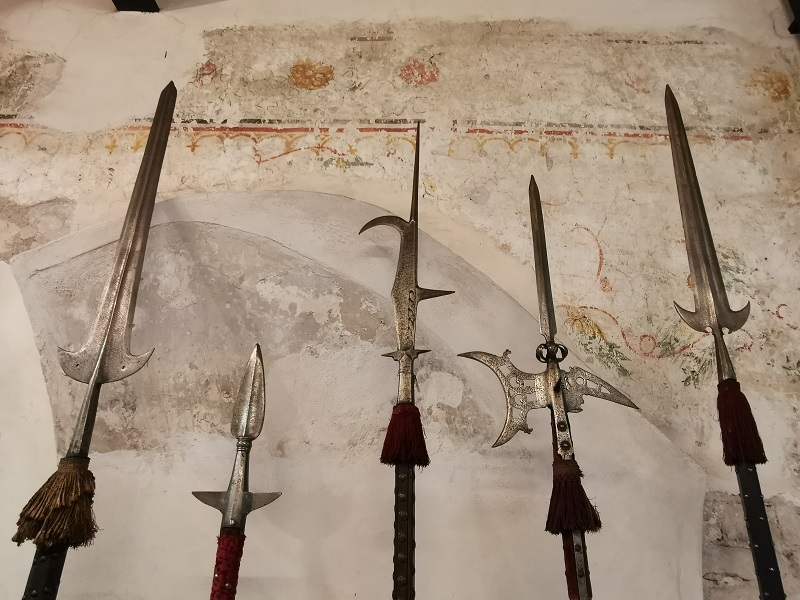
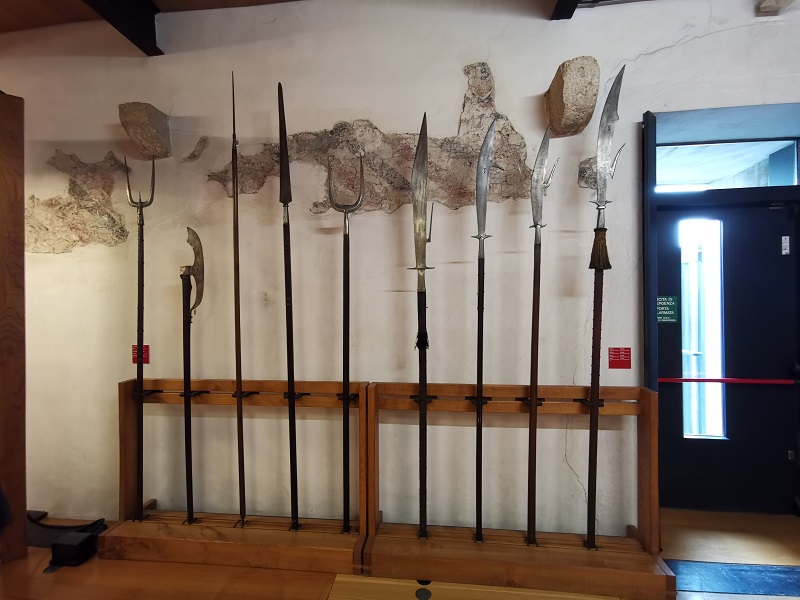
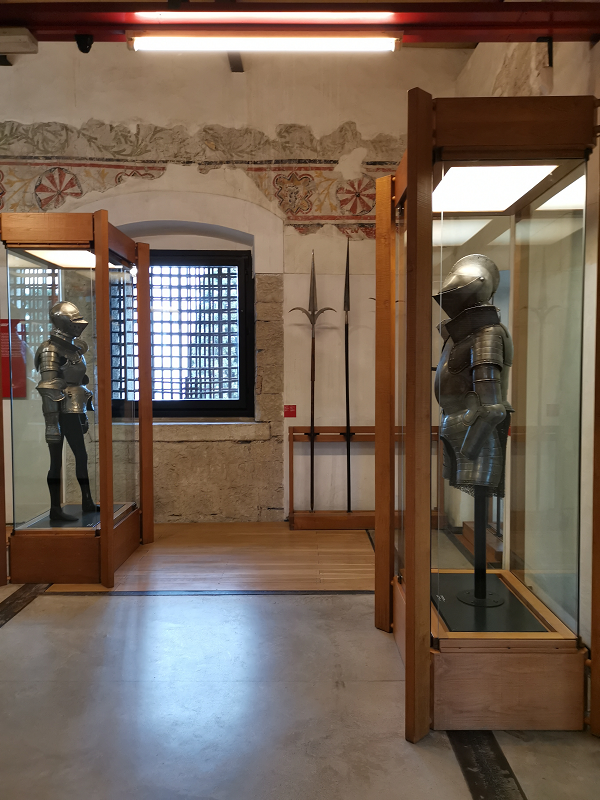
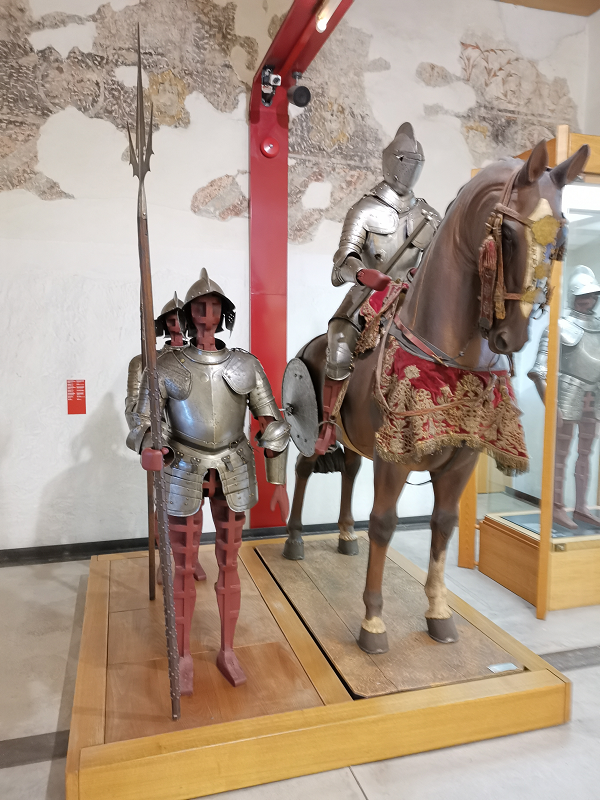
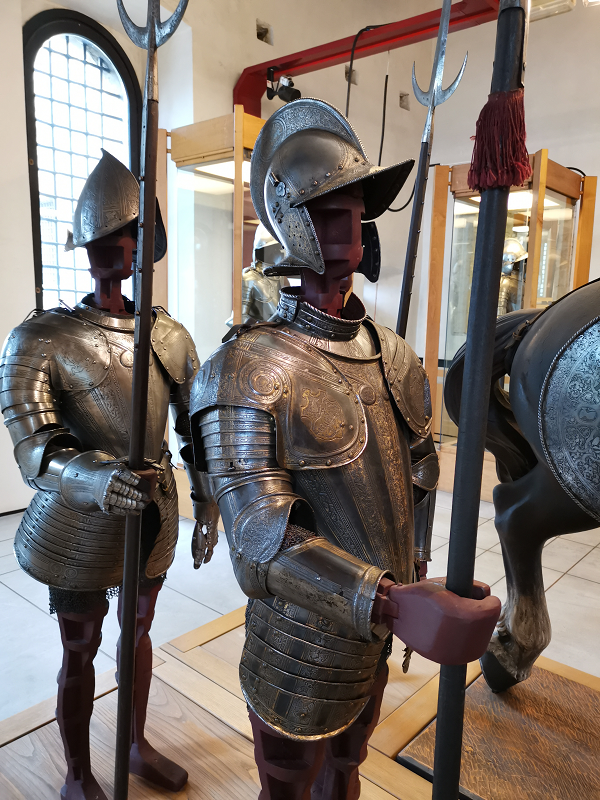
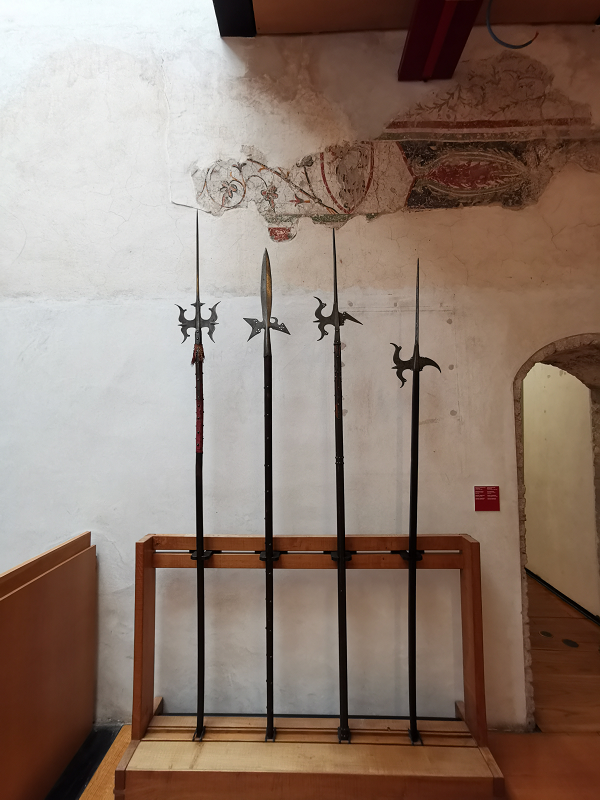
This is evidenced by the evocative reconstruction in the room known as the Elk of two mounted squadrons of knights, consisting of infantry and mounted knights, armed with halberds and lances, enhancing the overall effect.
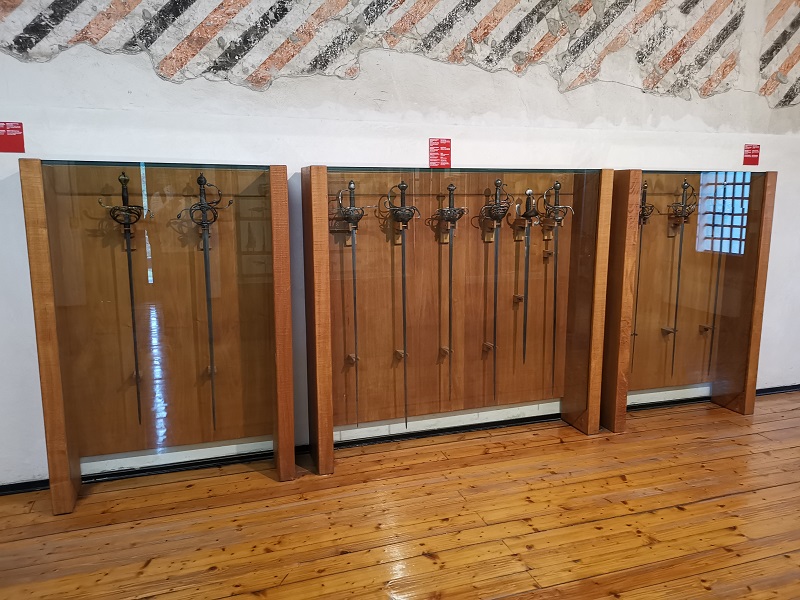
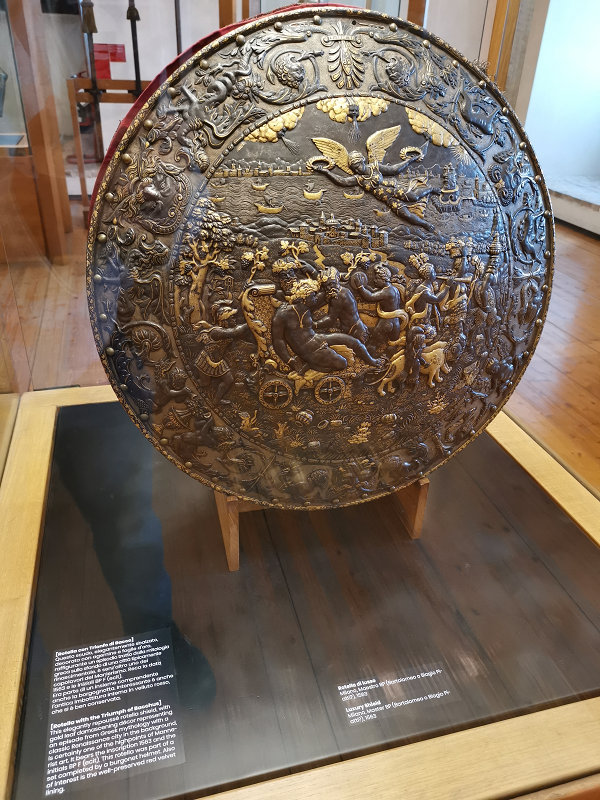
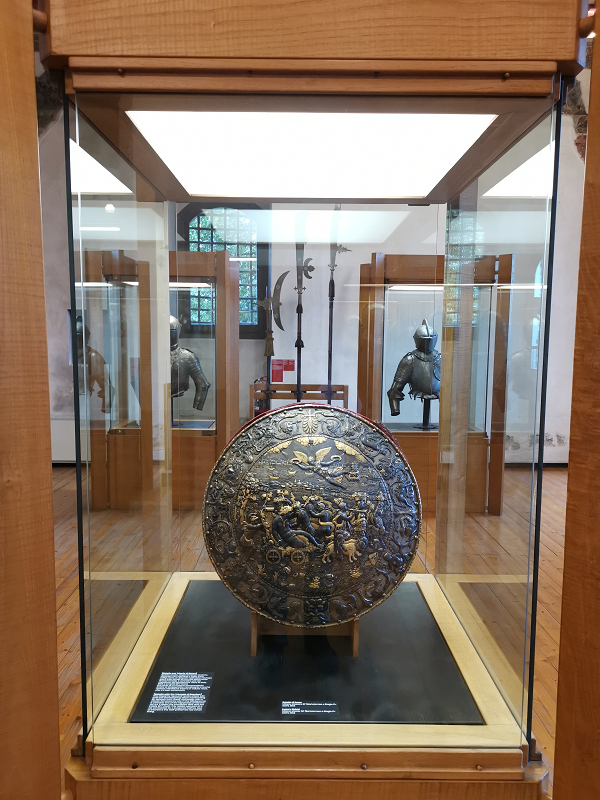
Aesthetic taste never abandons the craftsmanship, sometimes even taking on technical needs, as in the two ceremonial wheels to which the Hall of Sumptuous Armor is dedicated: the wheels, one of which is signed and dated 1563, are exquisitely crafted with gold panels and an exquisite depiction of the triumph of Bacchus, making them a true work of art. A historical and artistic journey that explores the voice of weapons also includes a recollection of the sword, which evolved from a mixed weapon, a cut and a blow, to become a subtle fencing instrument, as exemplified by examples from the mid-sixteenth to the eighteenth centuries, increasingly functional and designed to protect the opponent's hand.
Amidst halberds, scorched mouths, flies, and pushers, the Museum's special section offers ample space for a rich display of firearms created by the most renowned cane makers, such as Cominazzo, Cinelli, Dafino, and Purchas. Original both for their study of gunpowder ignition mechanisms and for their decorative purposes, the weapons on display, whether Brescian or foreign, offer an extraordinary mirror of artisanal engineering over the centuries. For lovers of architecture and ancient art, a visit to the Museum of Arms allows you to appreciate the fragments of Visconti-era frescoes that adorn the rooms of the Mastio, the only evidence of the fortress's defensive structure dating back to the fourteenth century.
The coexistence of a first-century AD Roman temple, which is evident in the building's foundation perimeter and wide staircase, is a legacy of the various temples that once stood on Cidneo, a prestigious acropolis during the Roman era.
2 nov 2025
0
0