- Articles
- Weapons
- Armor
- Armor for horses
- Emperor Armor
- Chivalry
- Chivalry
- Knights castle
- Knights tournament
- The Crusades
- Knightly Orders
- Knightly saddle
- Knightly motto
- Great Knights
- Price of armor
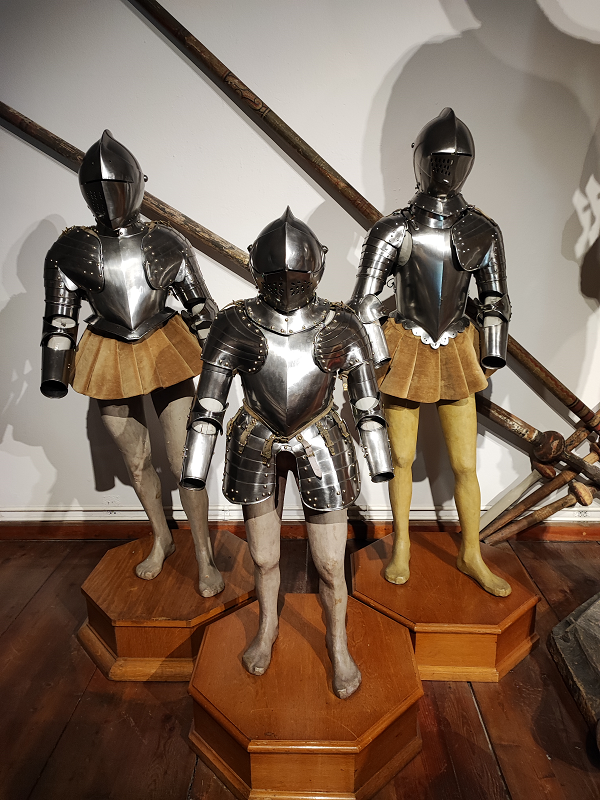
- Children's armor
- Castles and fortresses
- Museums of armor and weapons
- Coats of arms and heraldry
- Routes and excursions
- Guides


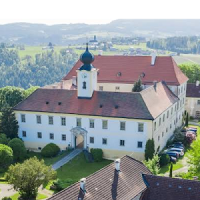
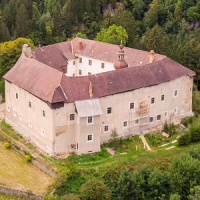
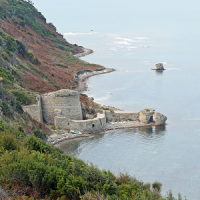
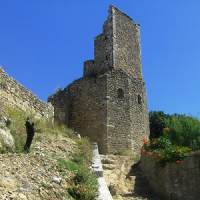
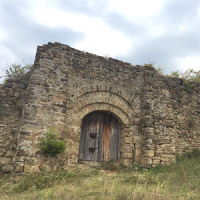
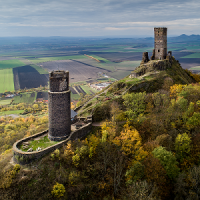

Schloss Ambras Innsbruck.
Schloss Ambras Innsbruck
December to October - 10.00-17.00. Weekend: November - Close
Adult - 16€, Children's (0-19) - Free, Students - 12€, Seniors (65+) - 12€
www.schlossambras-innsbruck.at
Schlossstraße 20, 6020 Innsbruck, Tirol, Republik Österreich.
47.256590, 11.433618 View map
Schloss Ambras Innsbruck - Ambras Castle, Innsbruck, Tirol, Republik Österreich.
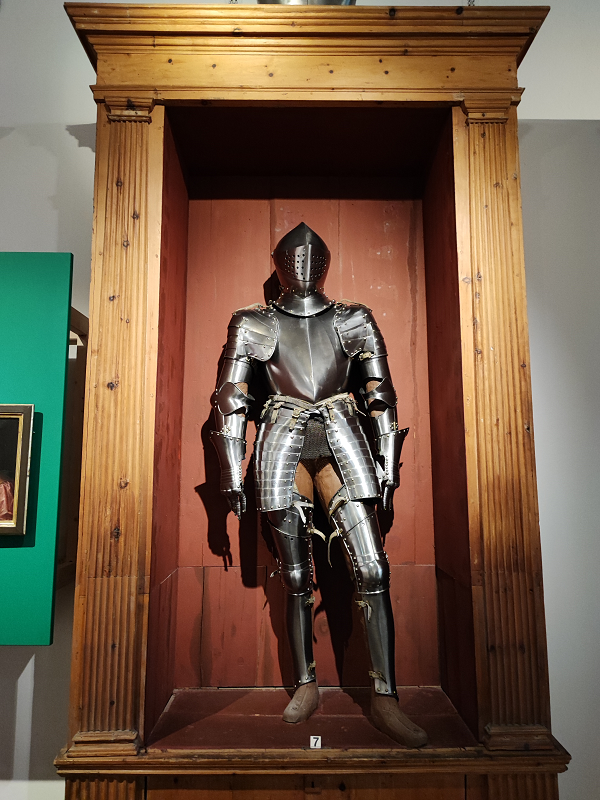
Archduke Ferdinand II (1529–1595) housed his world-famous, extensive collections in the Unterschloss (Lower Castle), a building built specifically for museum purposes.
Heroes' Arms
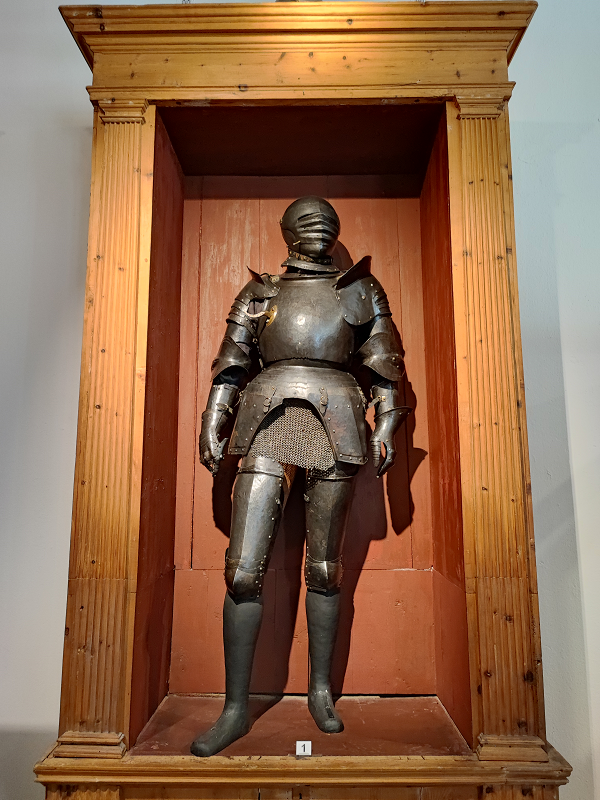
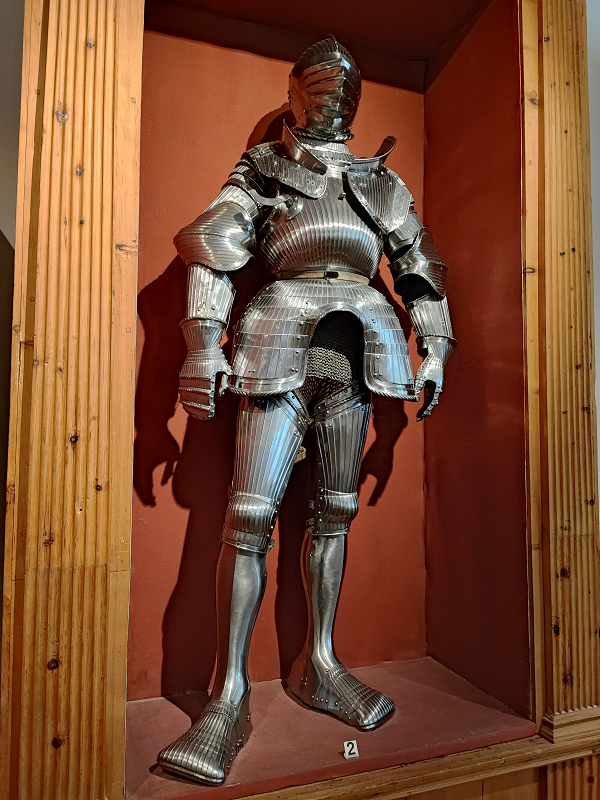
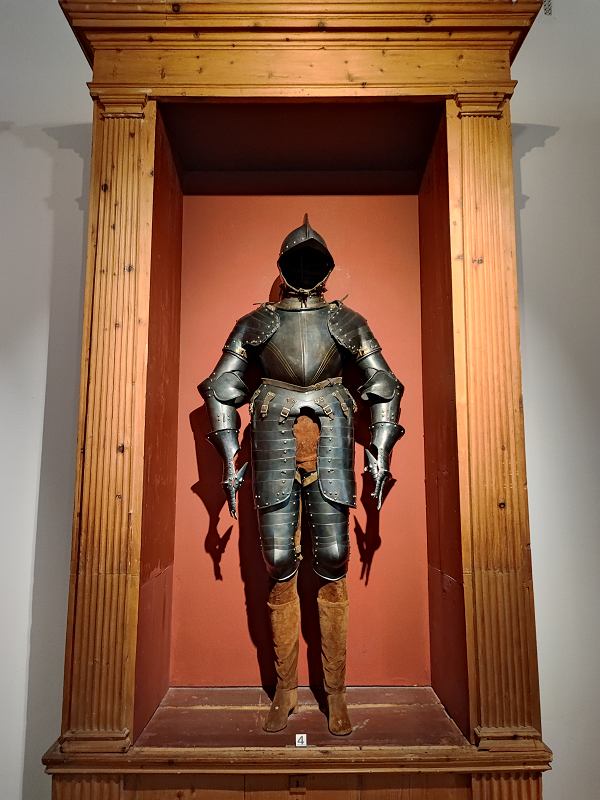
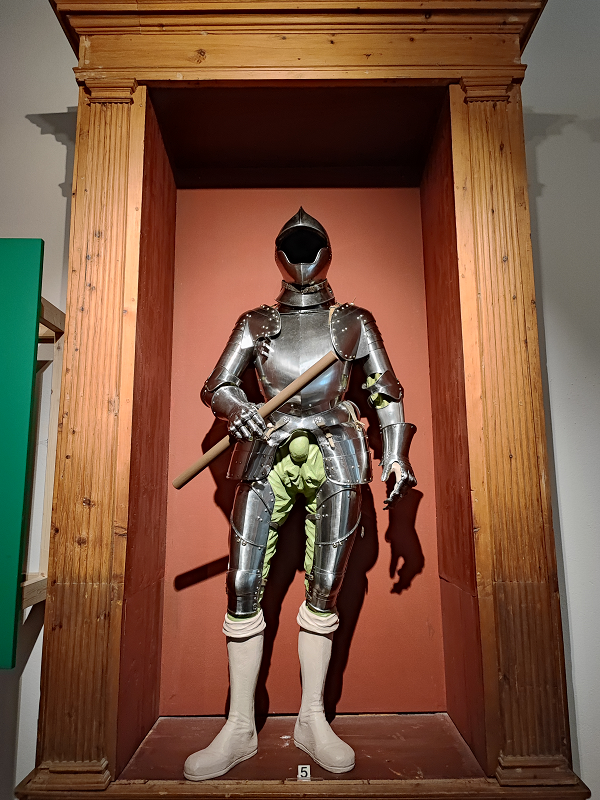
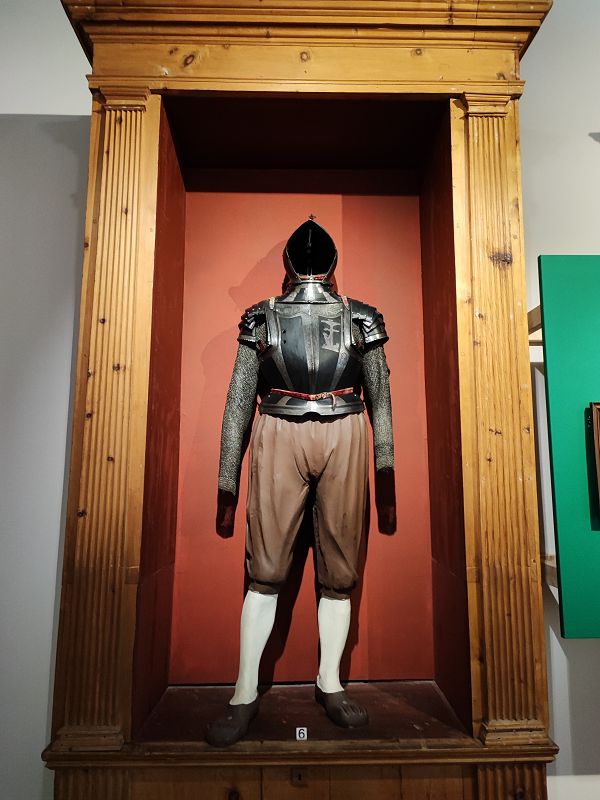
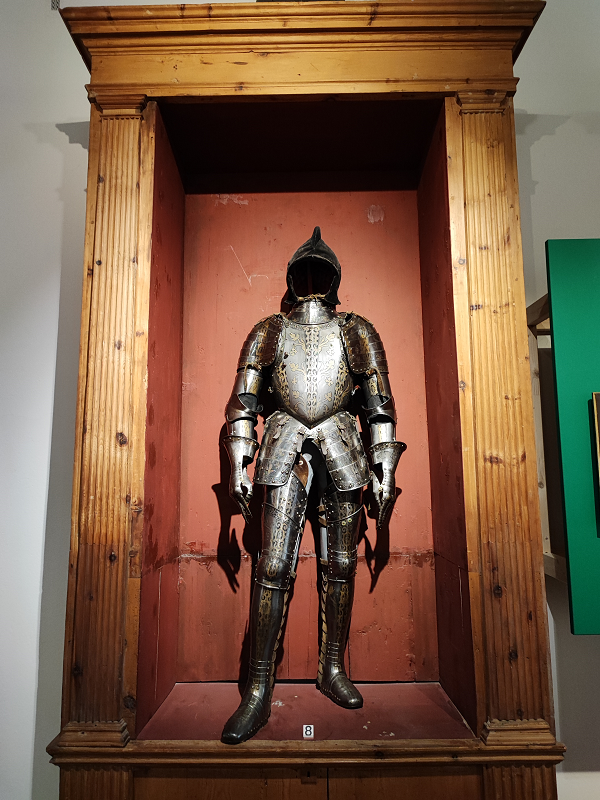
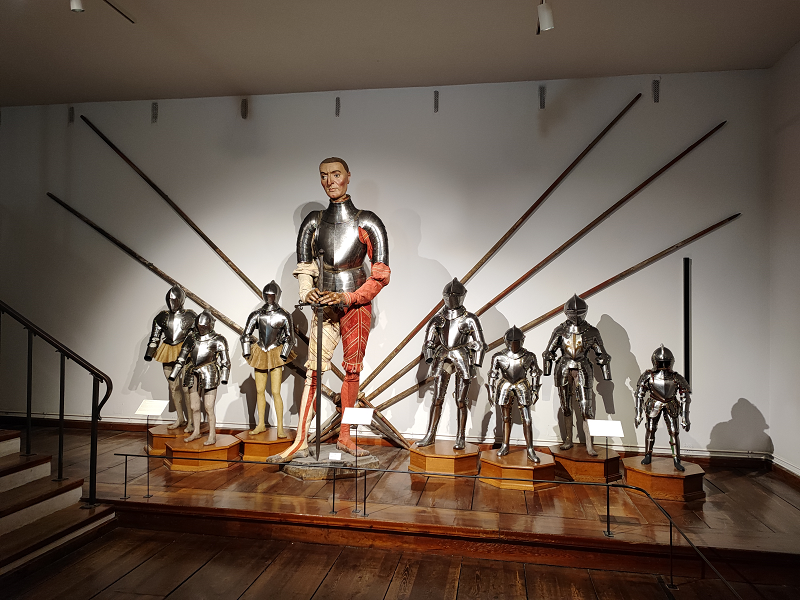
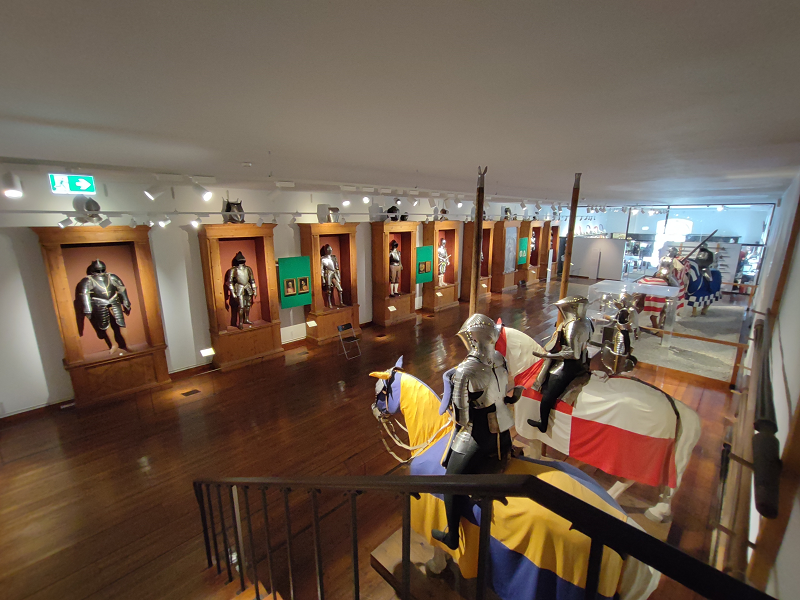
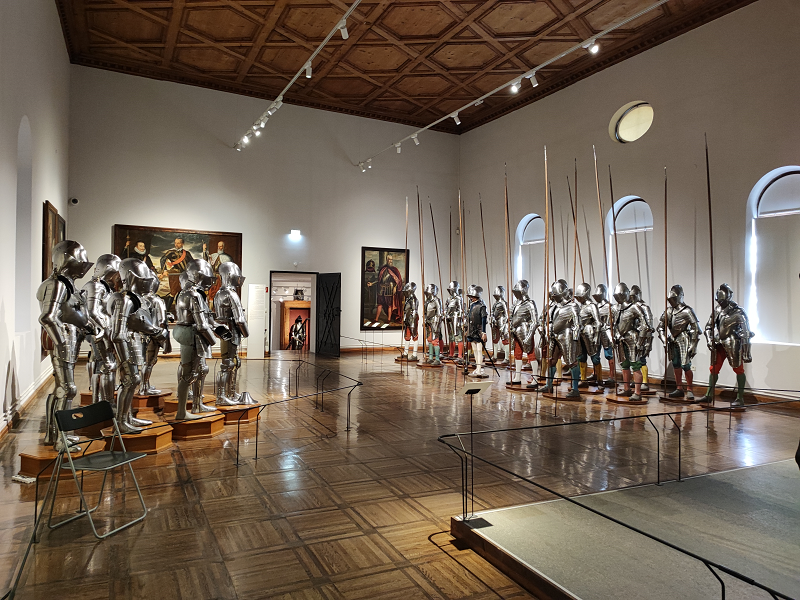
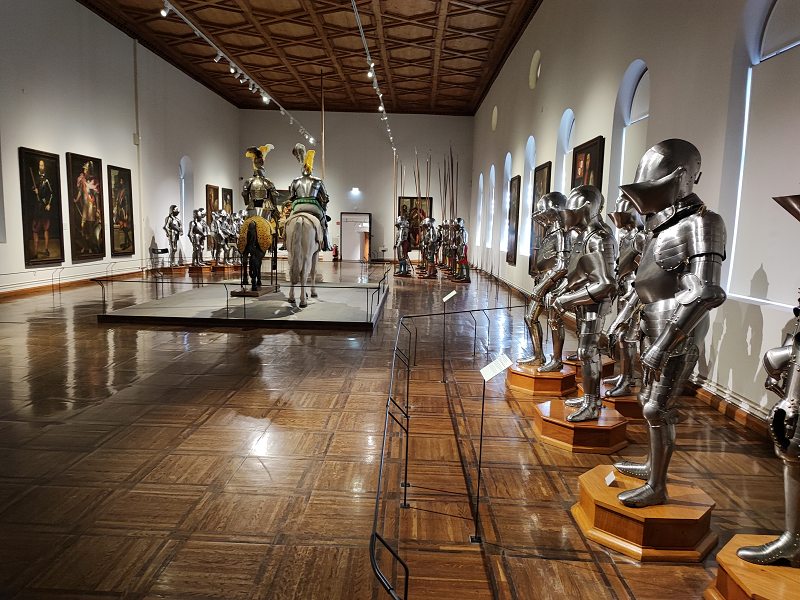
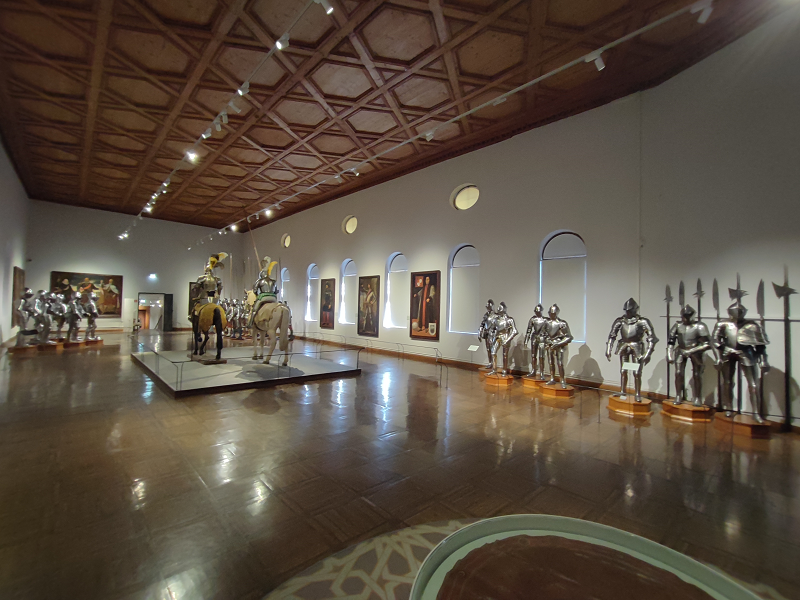
The core of Ferdinand's collection was the Heldenrüstkammer (Heroes' Armory). Thus, the Archduke implemented the very first systematic presentation of objects in the museum's history, based on his new museum concept of methodical collecting. He treasured original armor belonging to famous figures of his time and past centuries, as well as weapons and portraits. To preserve the memory of their deeds and highlight the leading historical role of the Habsburg dynasty, his collection comprised over 120 suits of armor, primarily from military leaders. Eight original tall wooden cabinets still exist today, in which their original armor bears witness to history. In the middle, Ferdinand also included himself among the heroes.
TOURNAMENTS
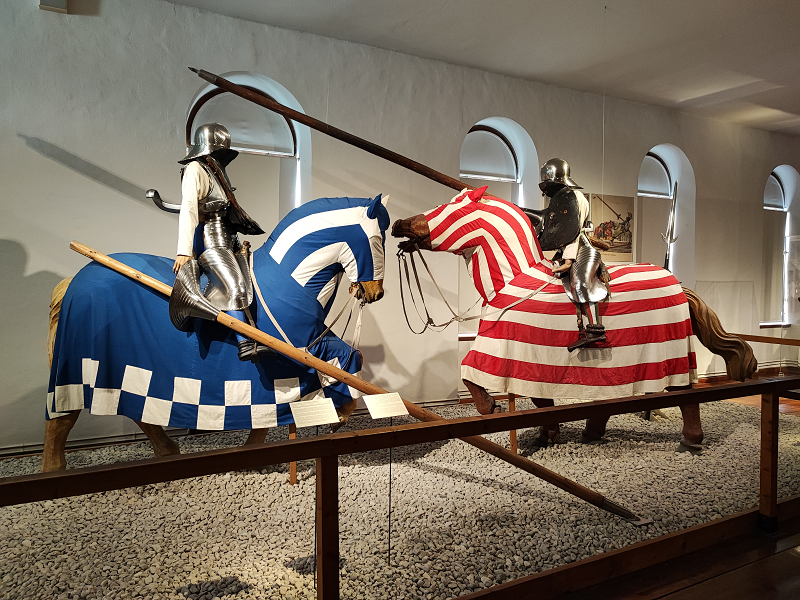
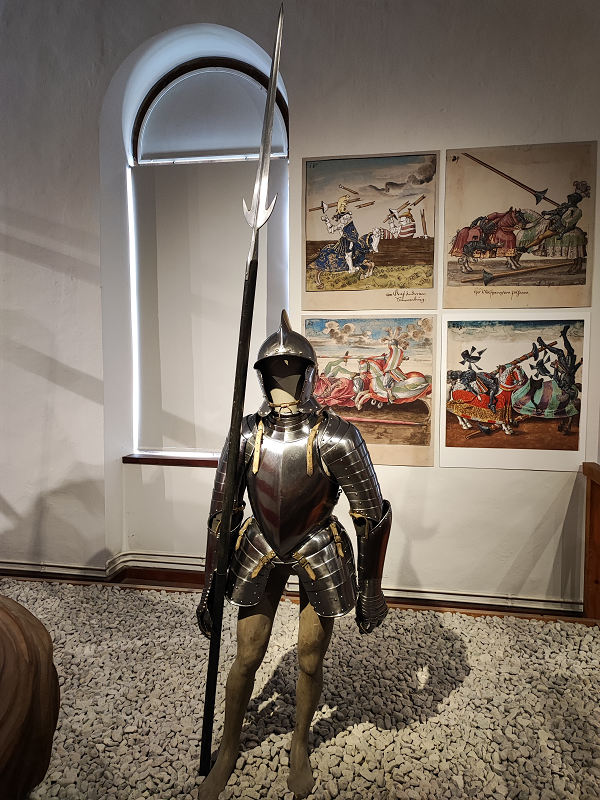
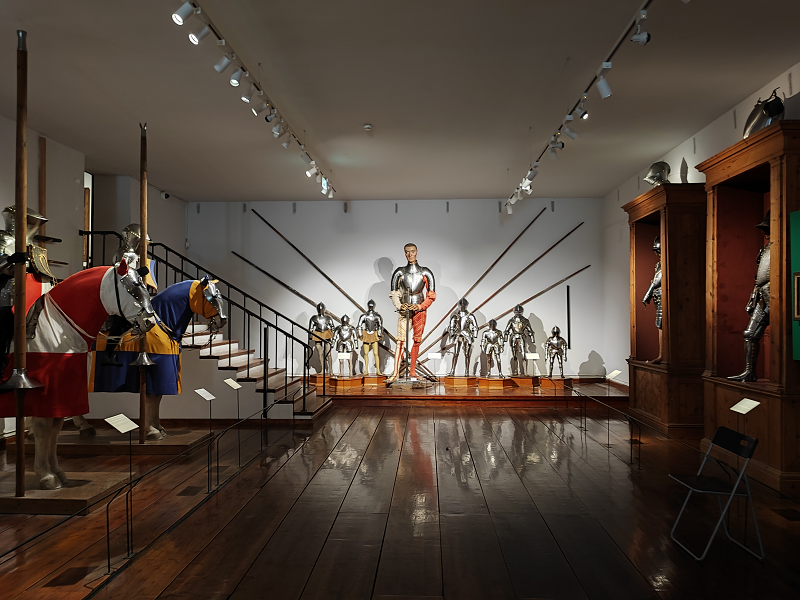
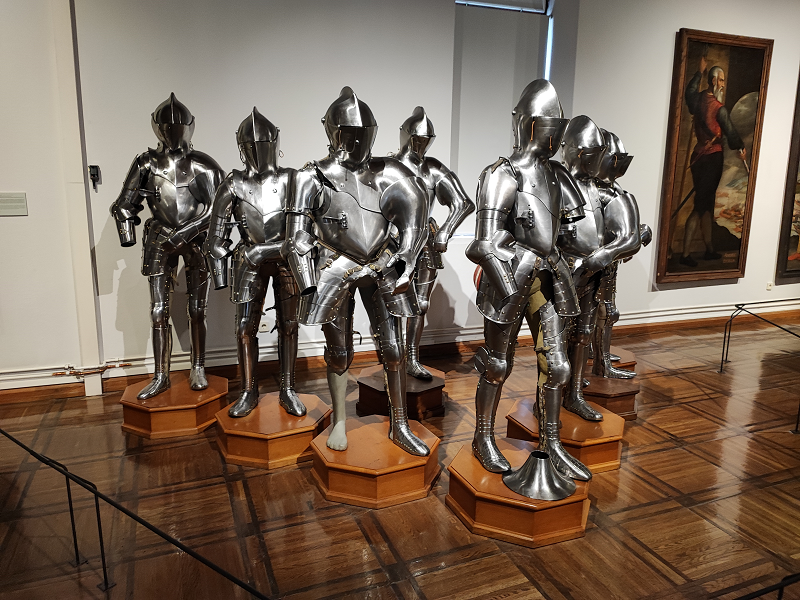
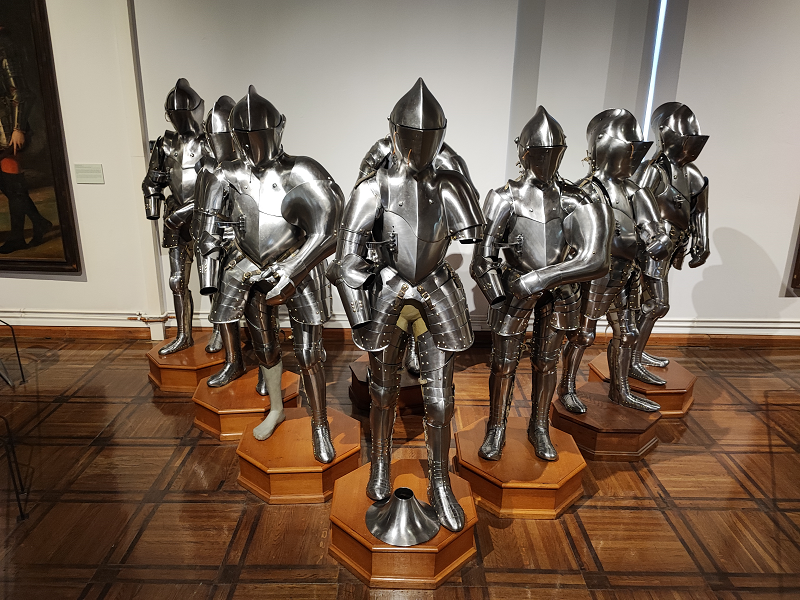
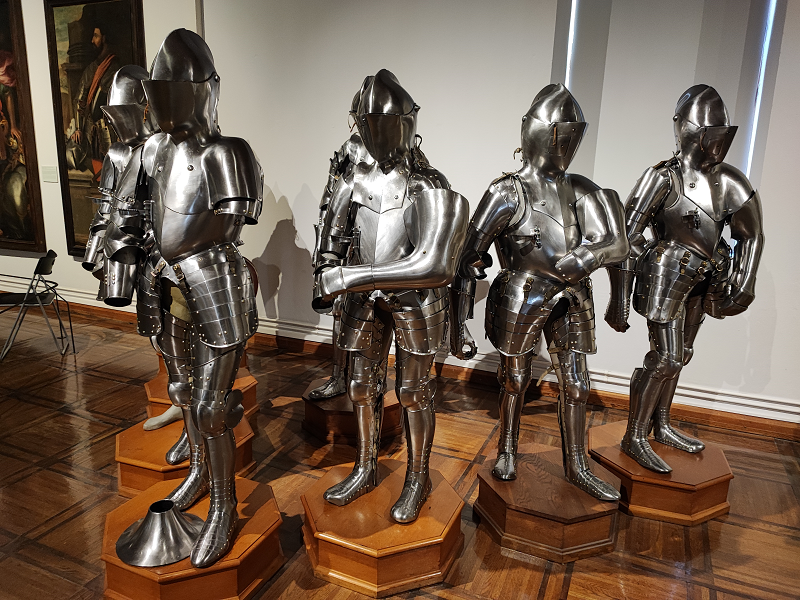
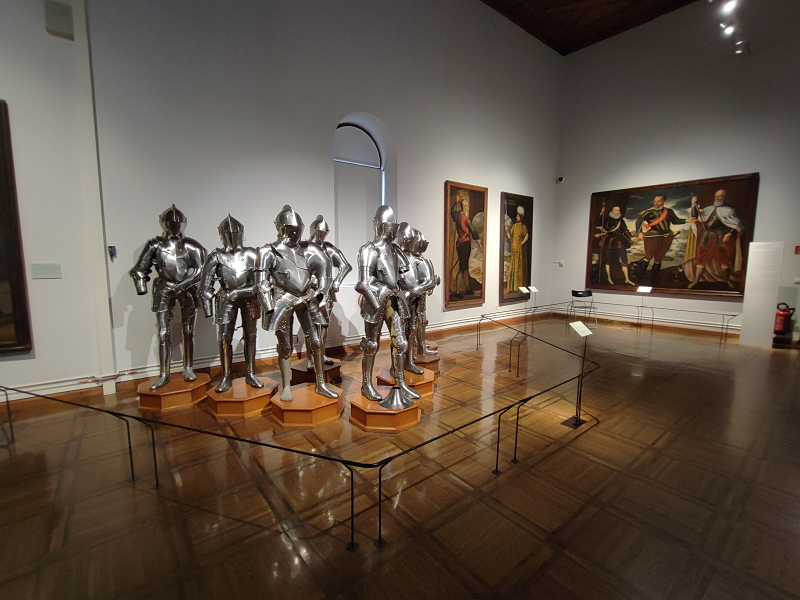
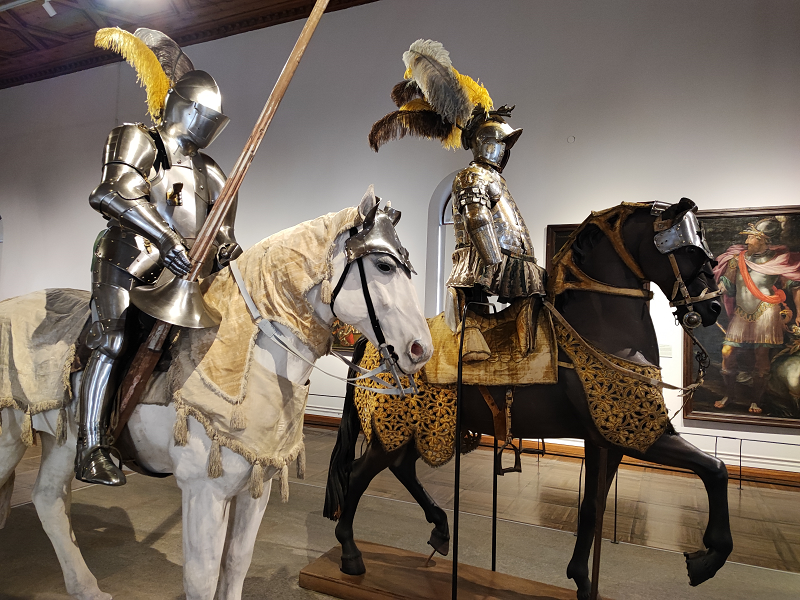
Ferdinand selected the knightly arms and armor of his ancestors, Archduke Sigmund (1427–1496) and Emperor Maximilian I (1459–1519), to illustrate the forms of knightly tournaments. Today's presentation demonstrates the use of weapons and tournament procedures as found in the Freidahl, Emperor Maximilian I's tournament book.
COURT ARMY
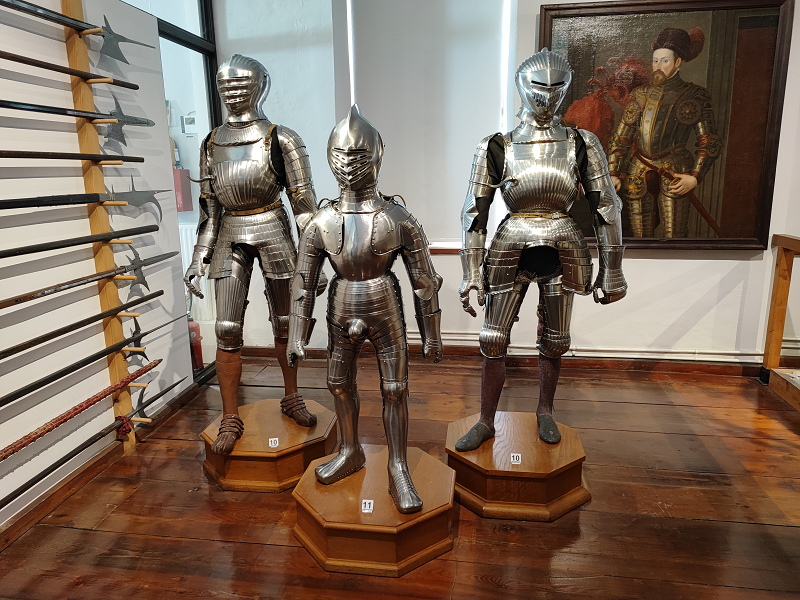
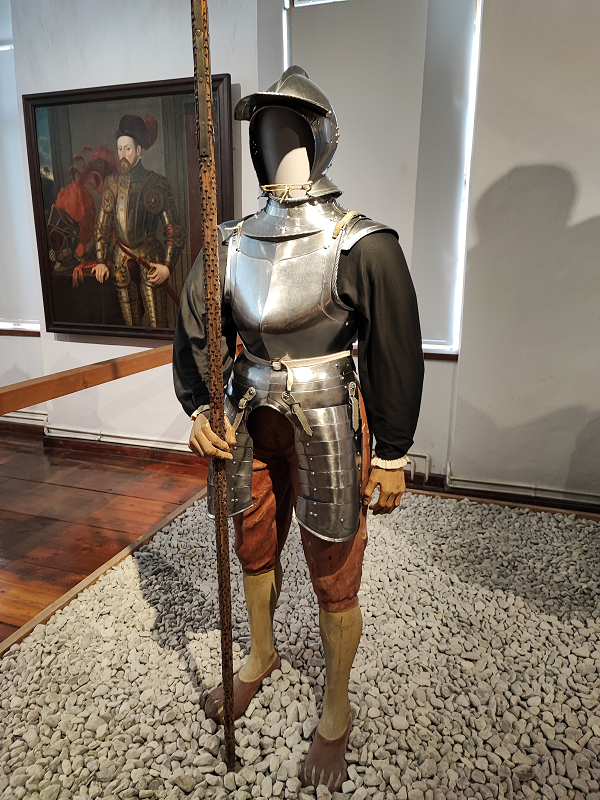
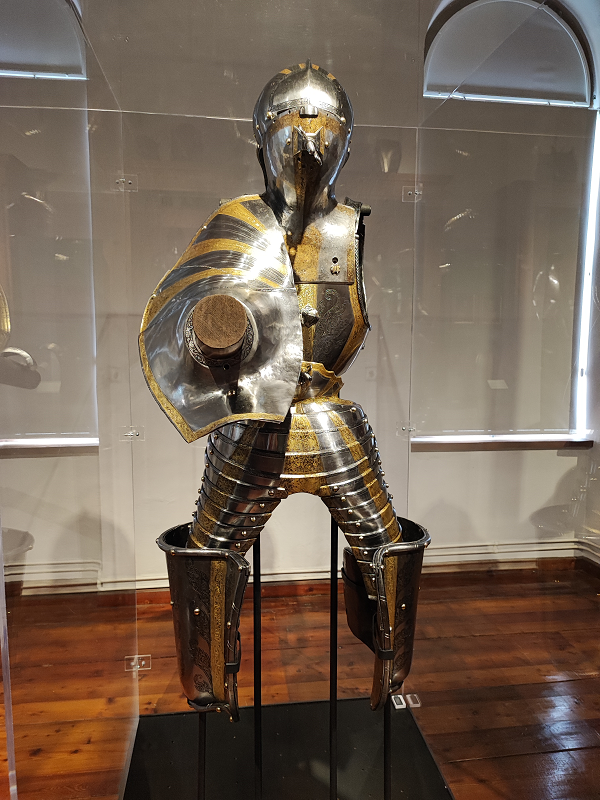
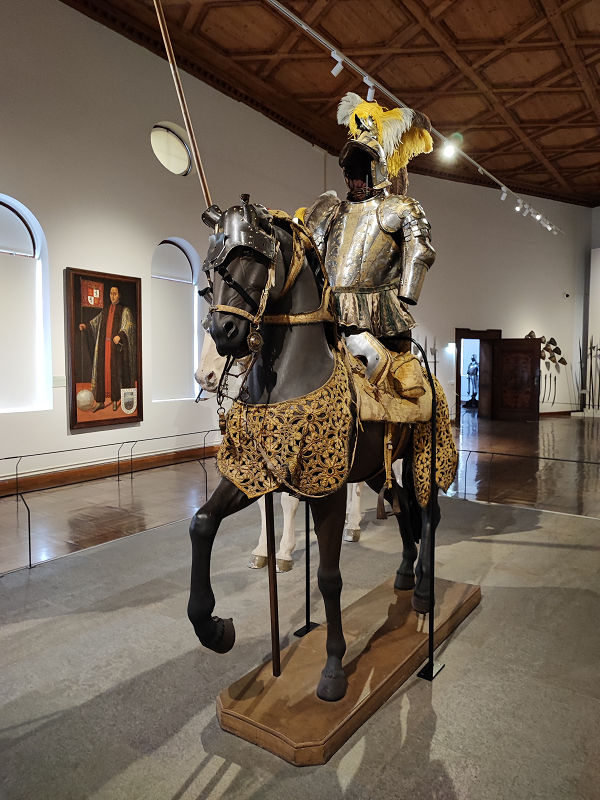
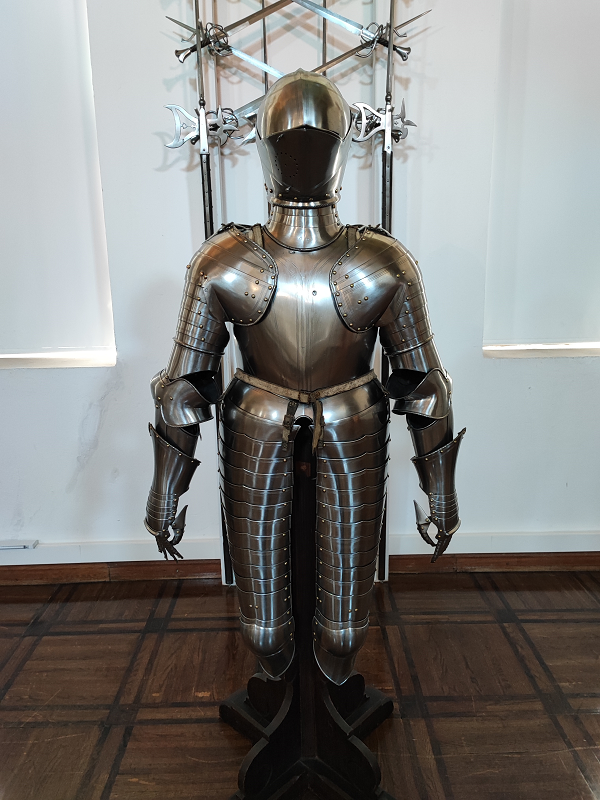
The Second Armory presents Archduke Ferdinand II as the host, organizer, and director of court feasts and tournaments. The armor was masterpieces of Prague and Innsbruck armorers. Armor for plankengestech (sloping combat), Freiturnier (free tournament), and Fußturnier (foot combat) is displayed.
In the center of the Second Armory is Ferdinand's magnificent wedding armor in the classical style. He presented ceremonial armor at the celebrations of his second marriage to Anna Caterina Gonzaga in 1582.
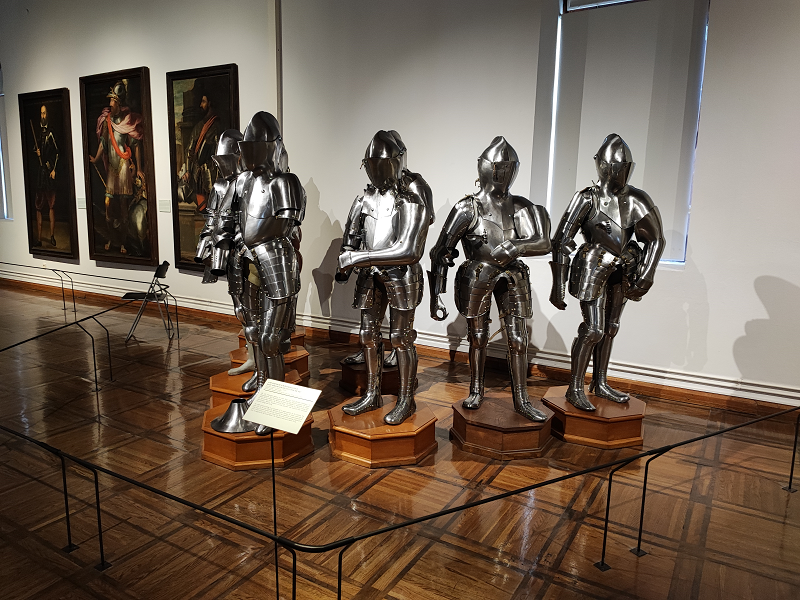
The portraits depict famous sixteenth-century commanders, whose arms and armor Ferdinand displayed in the Armory of His Heroes.
TURKISH CHAMBER
The so-called Türkenkammer (Turkish Chamber) is located at the end of the Amour Courtyard. The "Turcica" collection that Ferdinand assembled corresponded to the "Turkish fashion" that was much favored in the 16th century. Ottoman armor, military equipment, and luxury items such as saddles, arrows and quivers, sabres, shields, and helmets were diplomatic gifts or part of the spoils of battle. These were trophies and souvenirs of military battles with the then-greatly feared Ottomans, who had extended their territory to the borders of the Habsburg kingdom. The charm of Eastern art and culture could also be seen at court festivals and tournaments.
Baroque Cupid
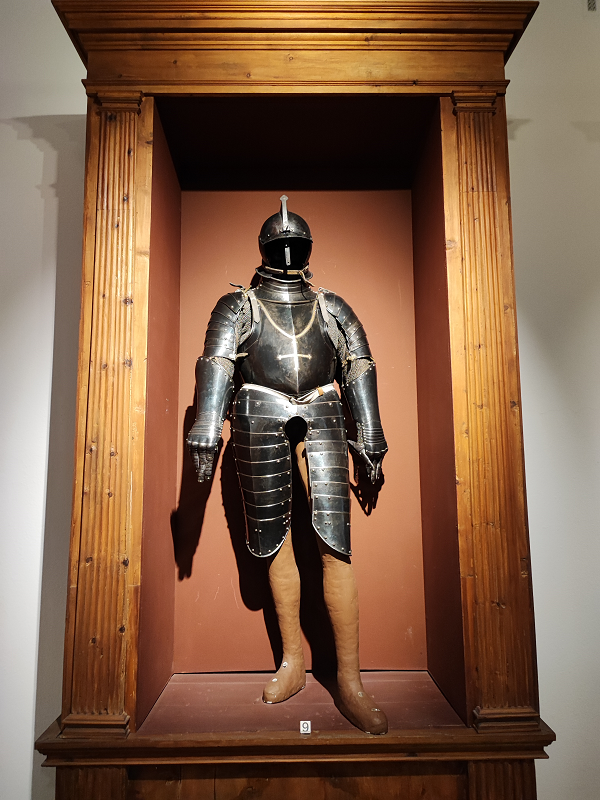
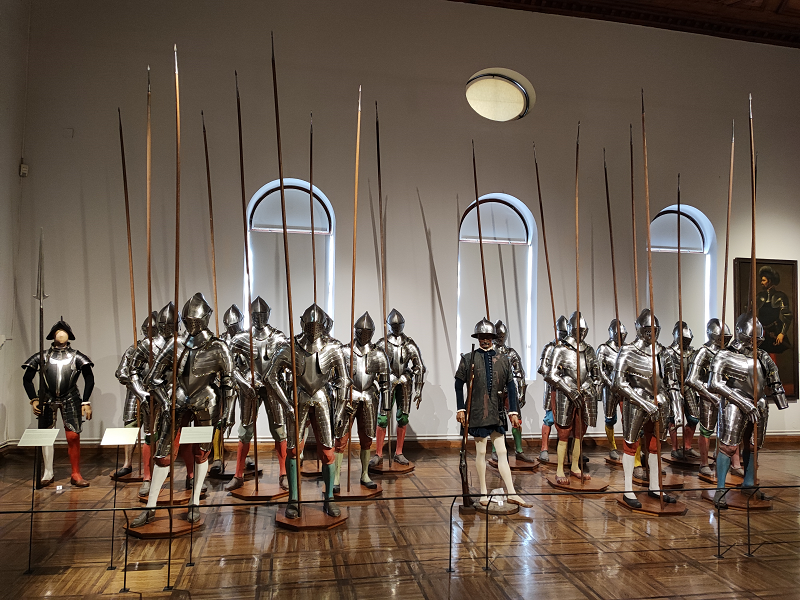
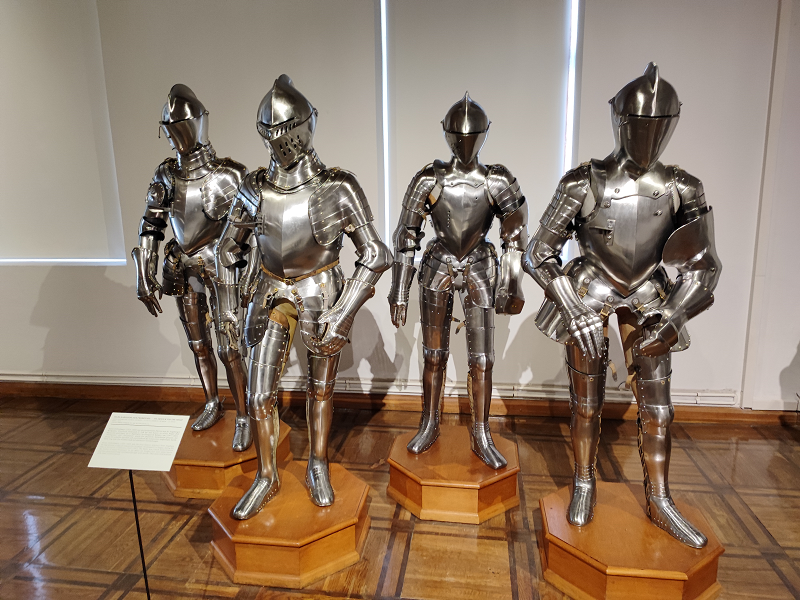
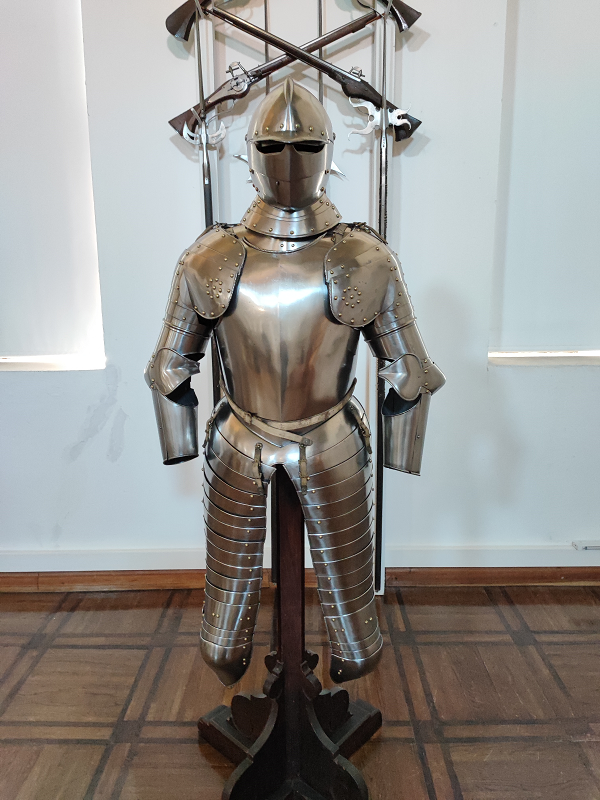
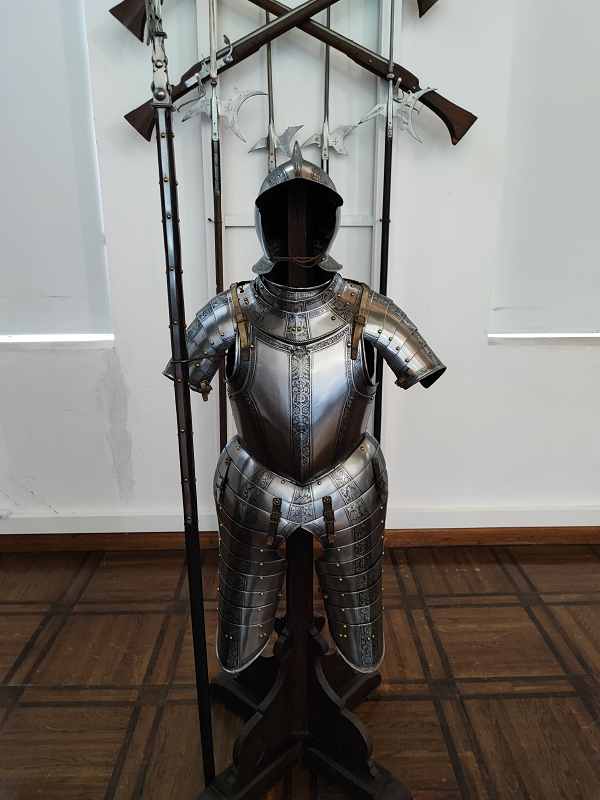
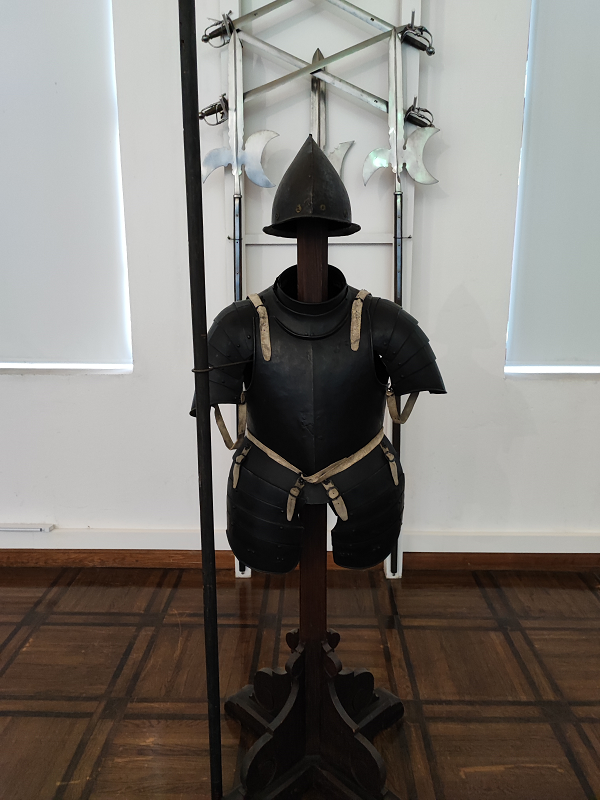
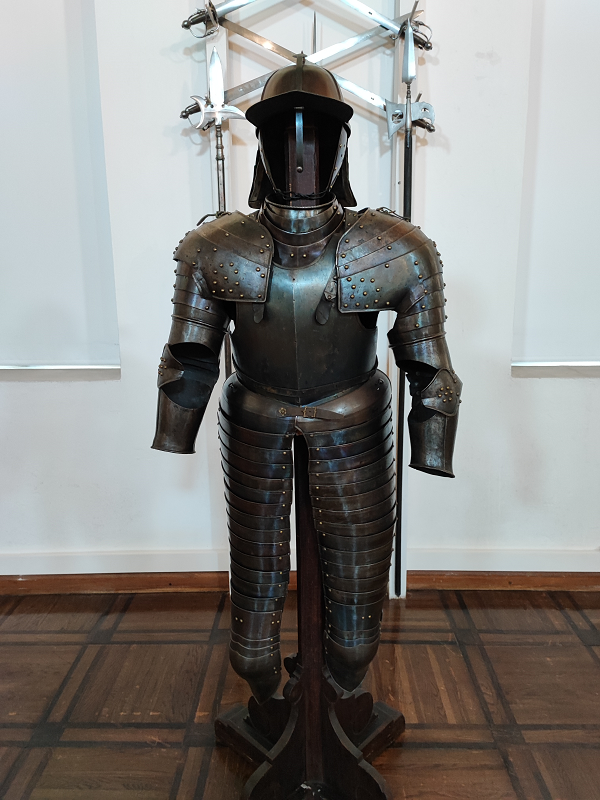
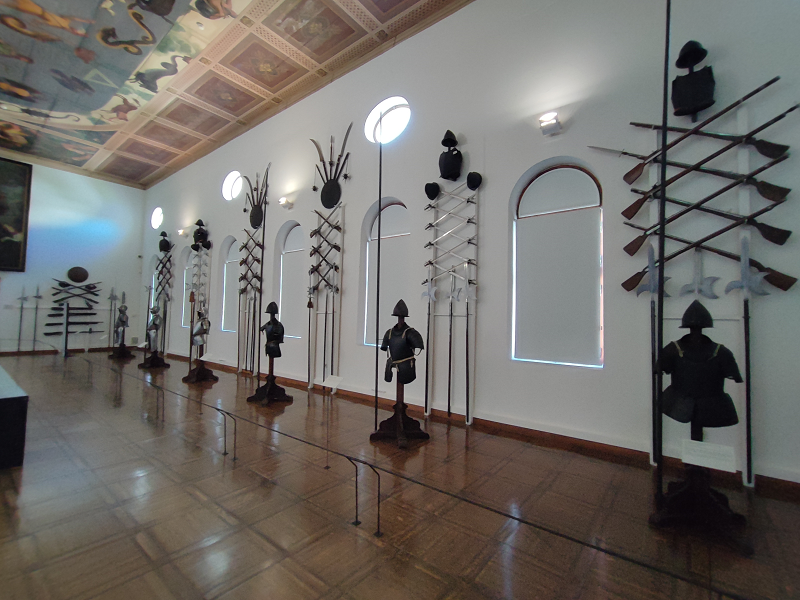
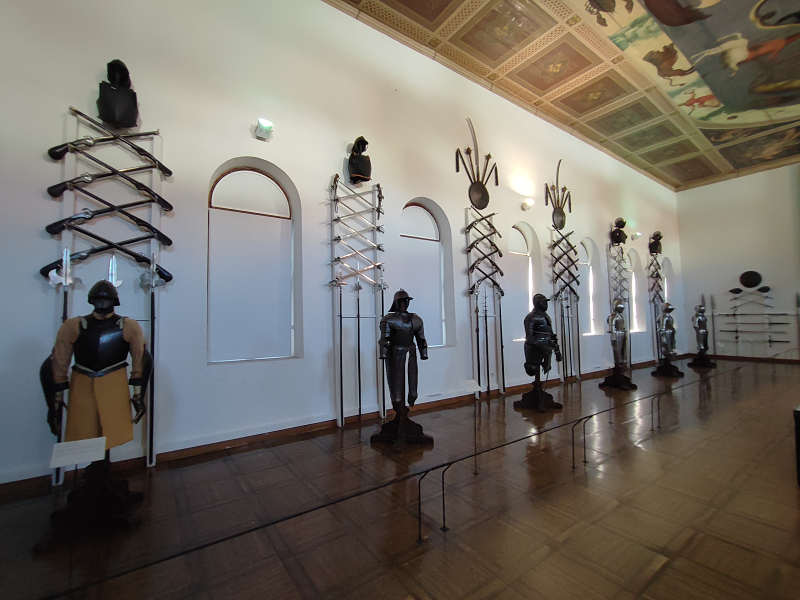
The Third Armory contains arms and armor from the Thirty Years' War (1618–1648). These come primarily from the former Viennese arsenal and illustrate the difference between the magnificent Renaissance monoblocs and the mass-produced armaments of the Baroque period. The Armory also displays the Baroque arsenal's layout.
The museum displays the works of famous masters:
Anton Peffenhauser Augsburg, Germany.
Konrad_Seusenhoffer, Innsbruck, Austria.
Jakob Topf, Innsbruck, Austria.
31 okt 2025
0
0