- Articles
- Weapons
- Armor
- Armor for horses
- Emperor Armor
- Chivalry
- Chivalry
- Knights castle
- Knights tournament
- The Crusades
- Knightly Orders
- Knightly saddle
- Knightly motto
- Great Knights
- Price of armor
- Children's armor
- Castles and fortresses
- Museums of armor and weapons
- Coats of arms and heraldry
- Routes and excursions
- Guides





Palazzo Ducale.
Palazzo Ducale
April-October Mo-Su 09.00-19.00, November-March Mo-Su 09.00-18.00. Weekend: No
Adult - 30€, Children's (6-14) - 15€, Students (15-25) - 15€, Pensioners - 15€.
palazzoducale.visitmuve.it/it/il-museo/percorsi-e-collezioni
San Marco 1, 30124 Venezia, Città Metropolitana di Venezia, Veneto, Repubblica Italiana.
45.433711, 12.340389 View map
Palazzo Ducale - Palace Doge's, Venezia, Città Metropolitana di Venezia, Veneto, Repubblica Italiana.
The Armory
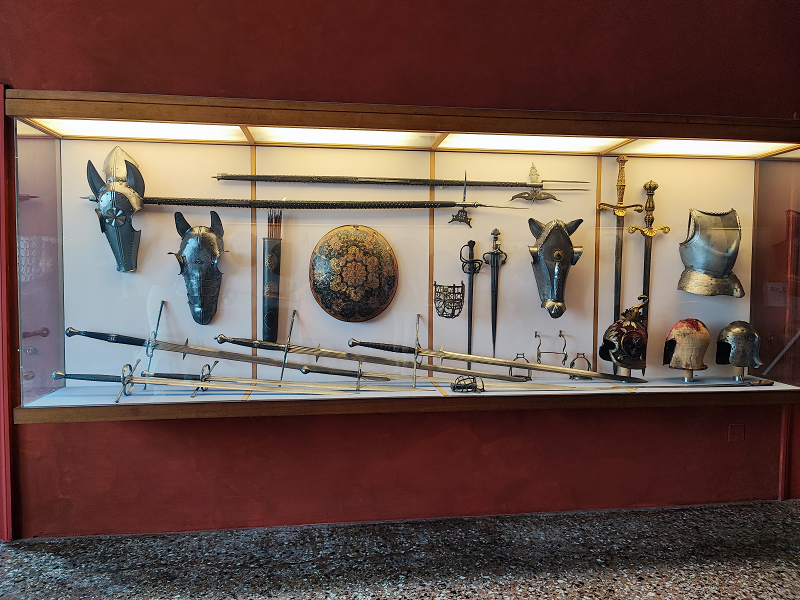
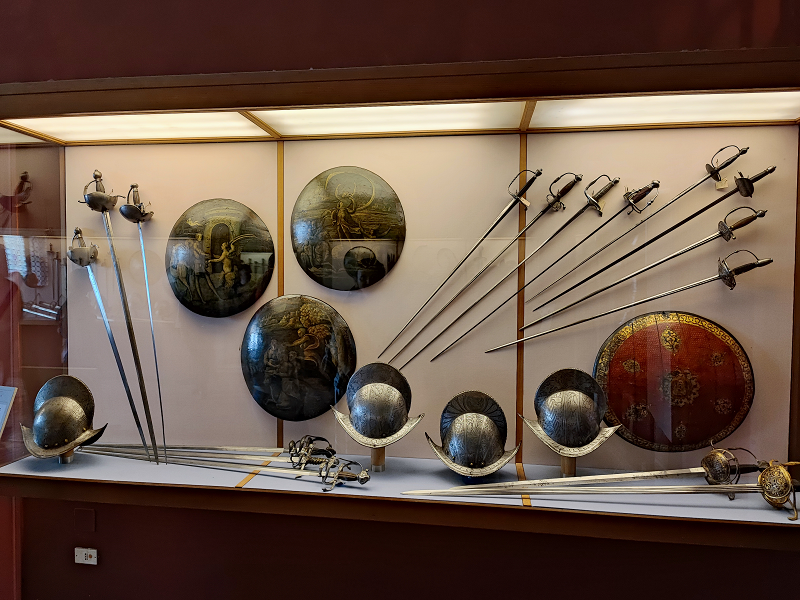
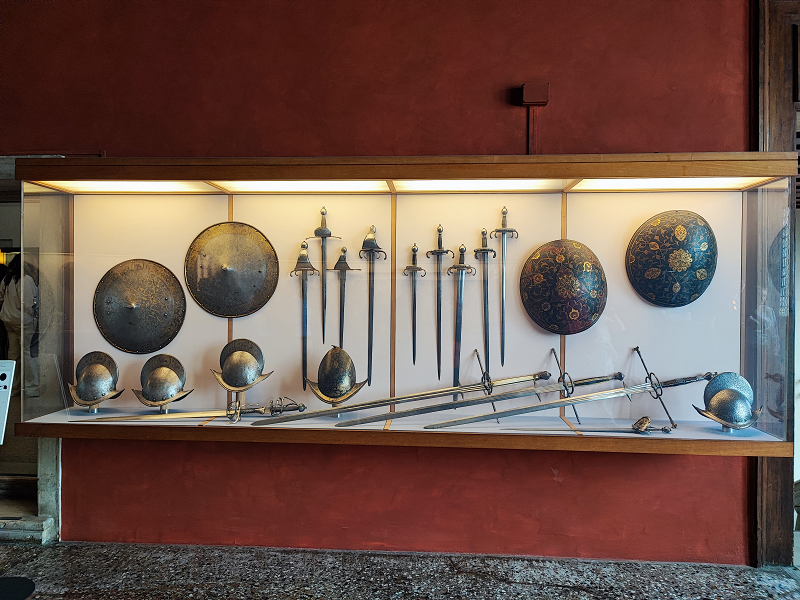
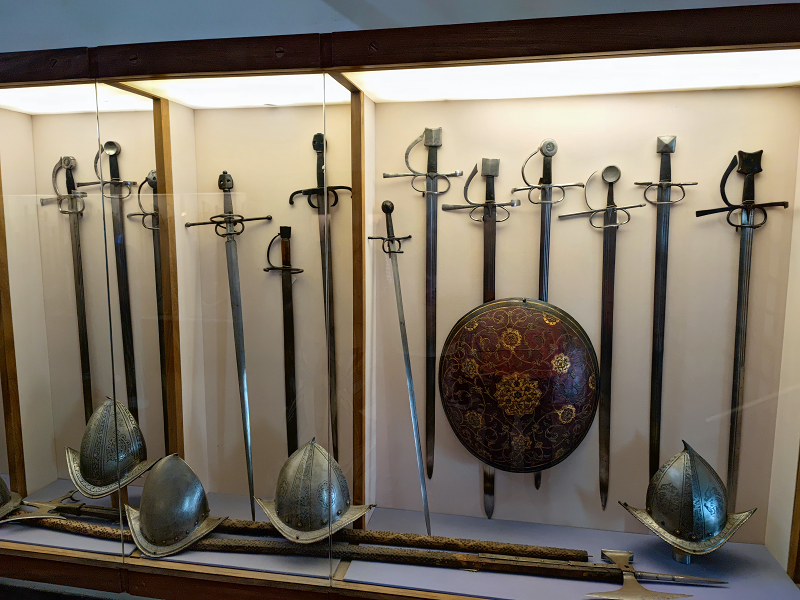
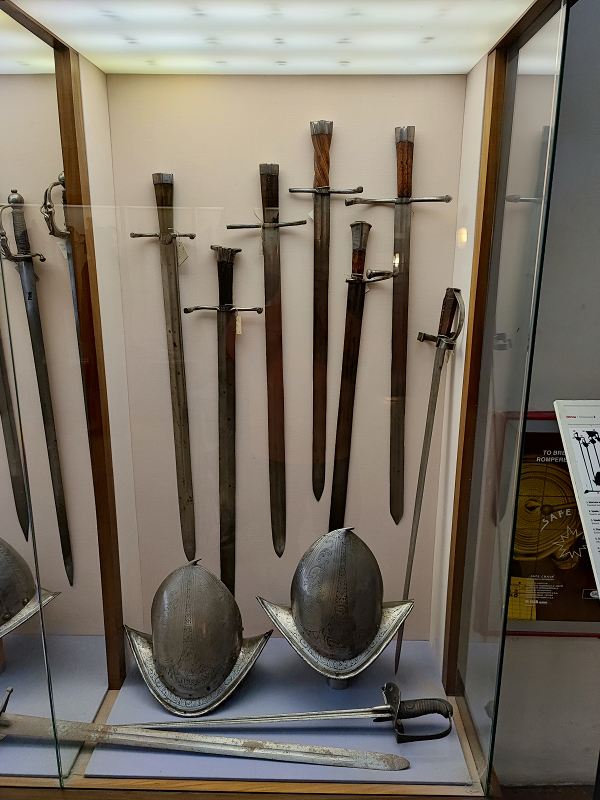
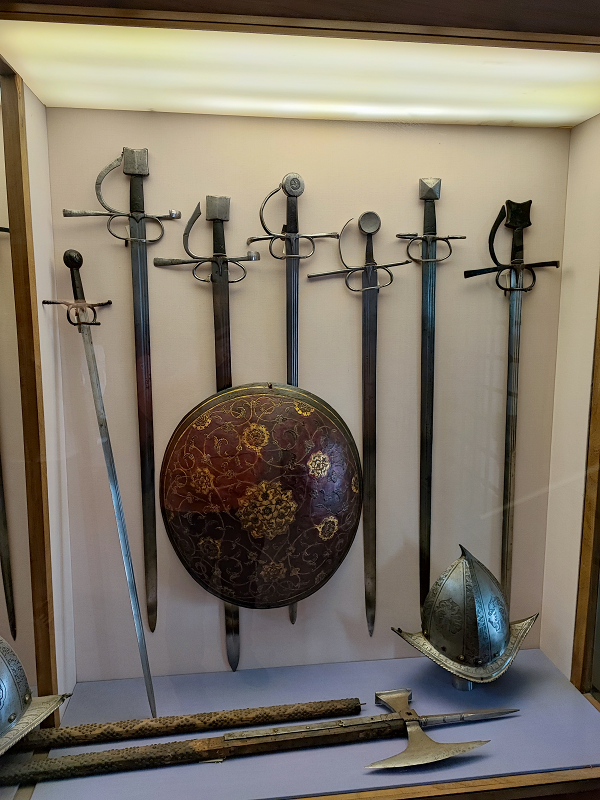
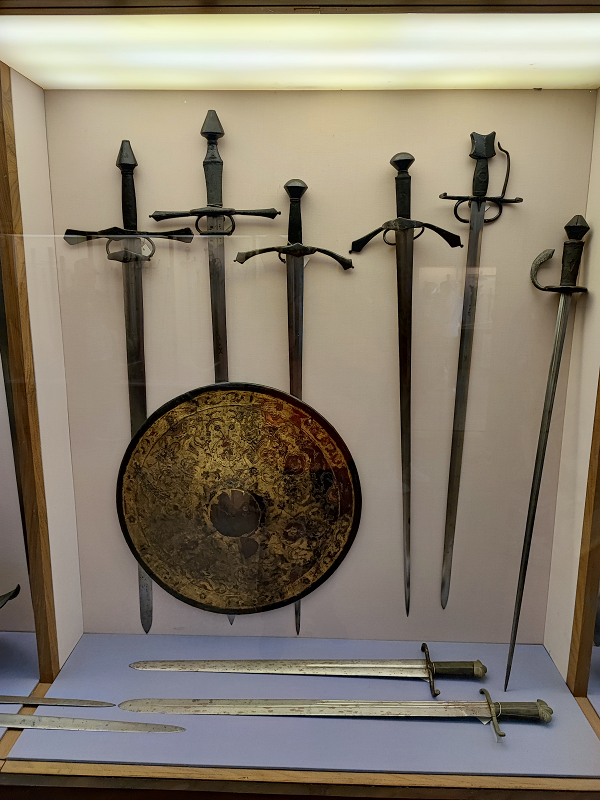
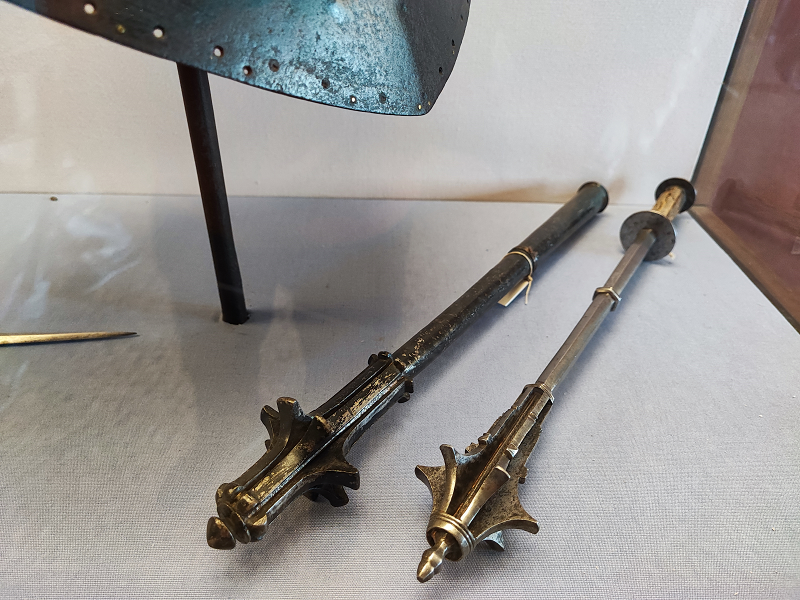
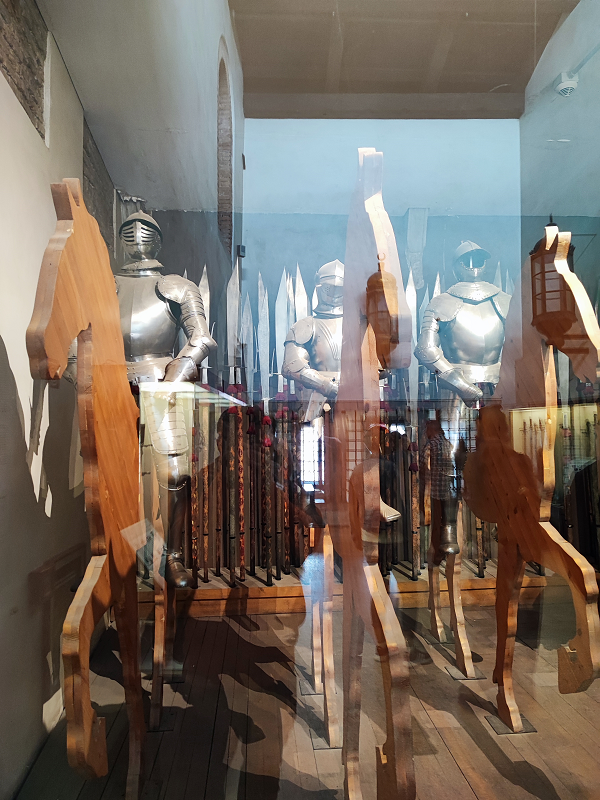
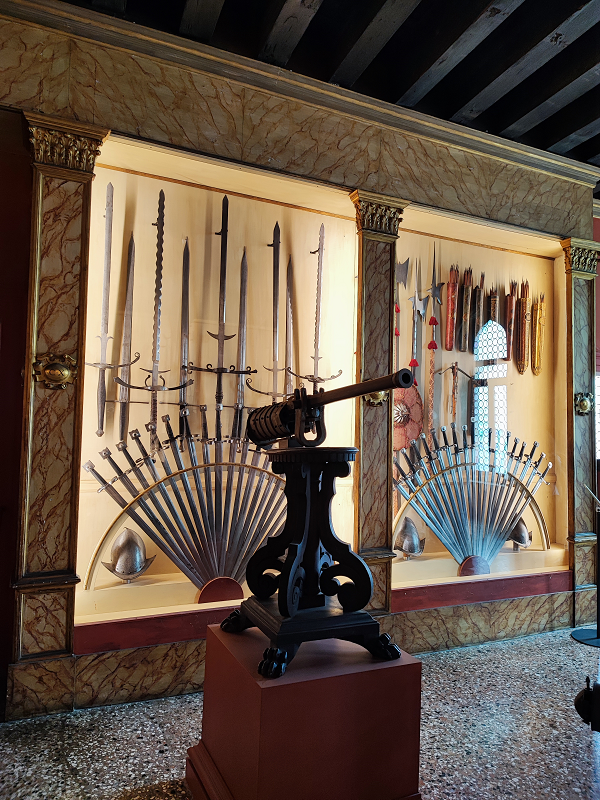
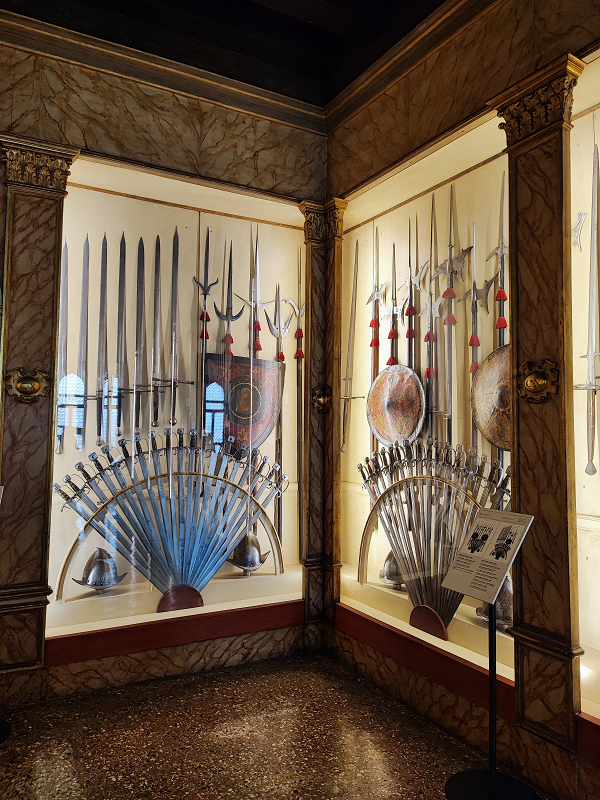
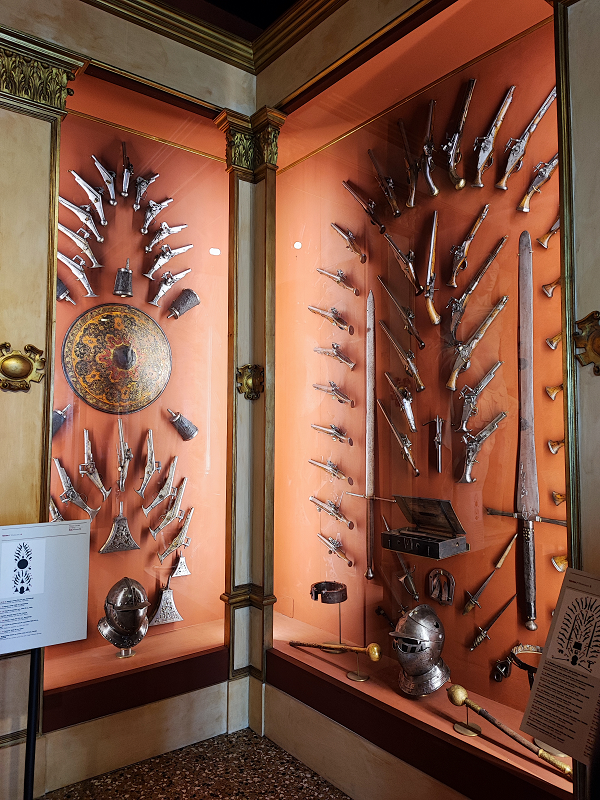
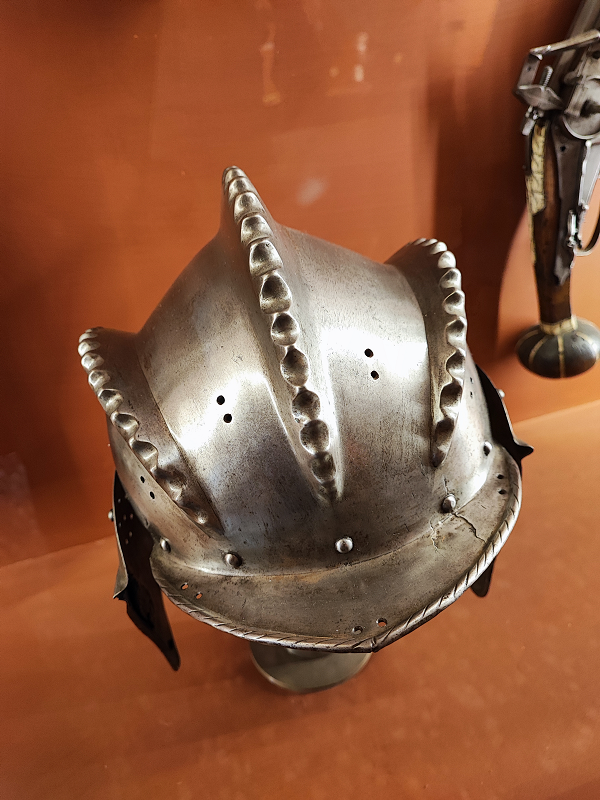
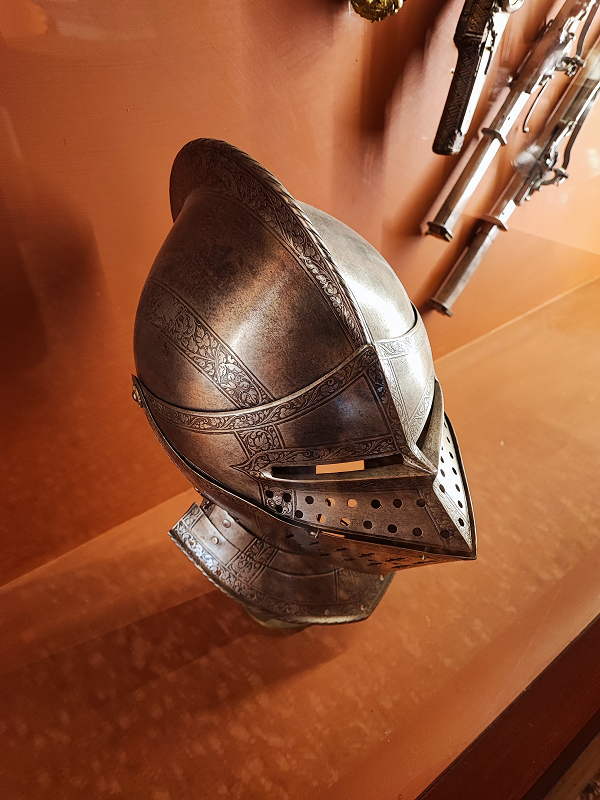
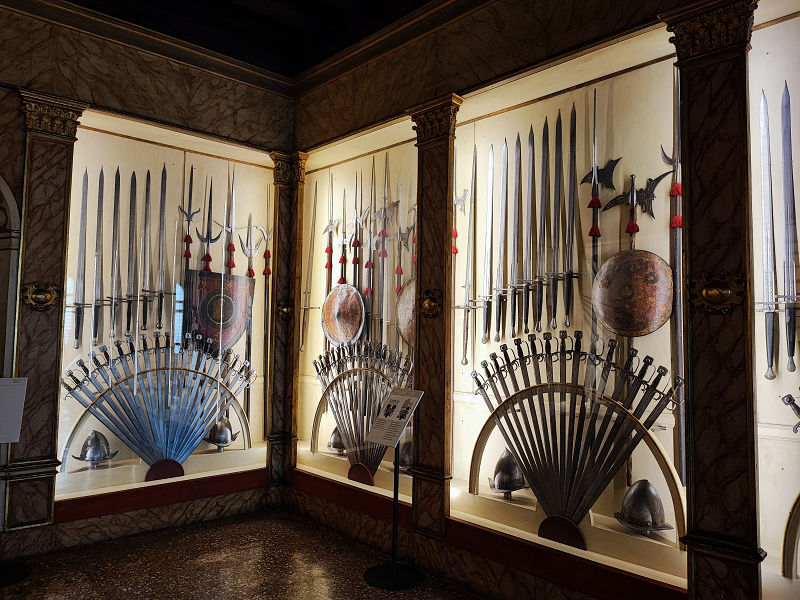
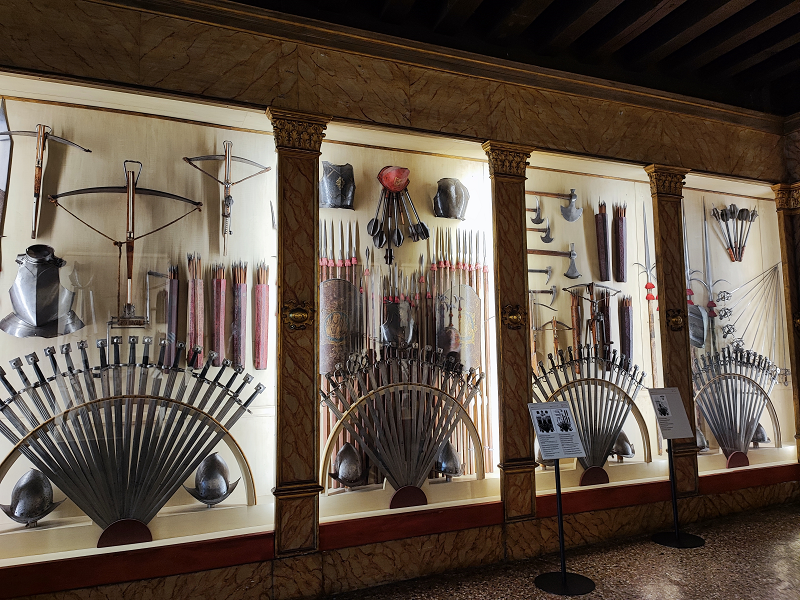
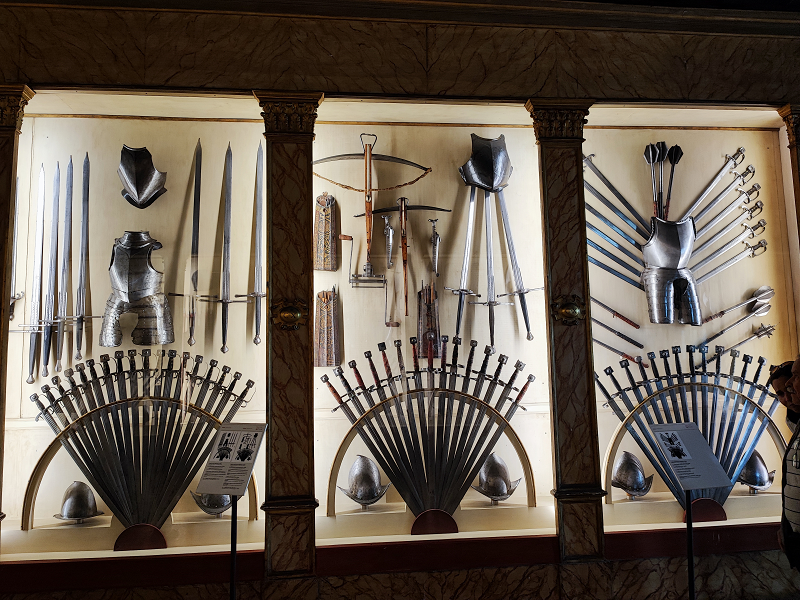
Chamber houses a valuable historical collection of arms and weaponry from several sources. The core of the collection is documented as having existed since the 14th century, and during the Republic, the Armory, under the control of the Council of Ten, was stocked with weapons readily available to the palace guards. On particularly sensitive or important occasions, these guards could be joined by arsenalotti, a highly skilled workforce from the Arsenal shipyards (for example, when the Doge died, all the gates to the Palace were sealed and placed under the protection of arsenalotti). The arms collection, consisting of various valuable items, was partially dispersed after the fall of the Republic, but still numbers over 2,000 pieces. These include highly renowned examples of armor from the 15th and 16th centuries, as well as swords, halberds, quivers, and crossbows. They often bear an inscribed or painted monogram CX – "Council of Ten," which also appears on the doorframes, further evidence of the Council's power. Also of interest are Turkish pieces, including weapons, standards, and ship lanterns; these were taken from the enemy during battle. Other exhibits in the collection include outstanding examples of firearms from the 16th and 17th centuries; torture devices, a chastity belt, and a series of small but deadly weapons prohibited by law.
Room I. This first room is known as the Gattamelata Room, as it contains a chased suit of armor that once belonged to the condottiere Erasmo da Narni, nicknamed Il Gattamelata. There are also a number of other suits of heavy and light armor from the 16th century for horsemen and foot soldiers, as well as other costumes used in tournaments. A curious miniature suit of armor, found on the battlefield at Marignano in 1515, is believed to have belonged to a child or a dwarf. The room also contains numerous swords from various periods and several crossbow bows with their typical quivers of painted or embossed leather. Ship lanterns, decorated with a crescent moon design on top, were captured in battle from Turkish ships.
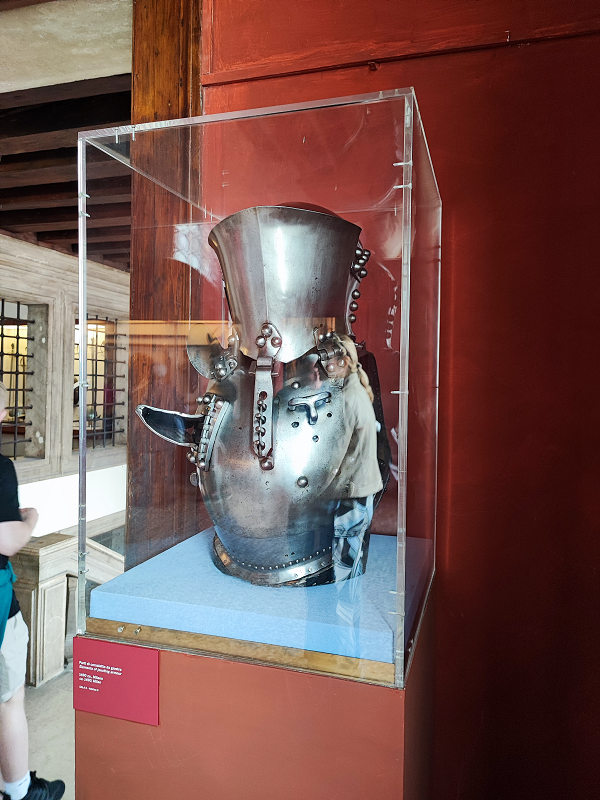
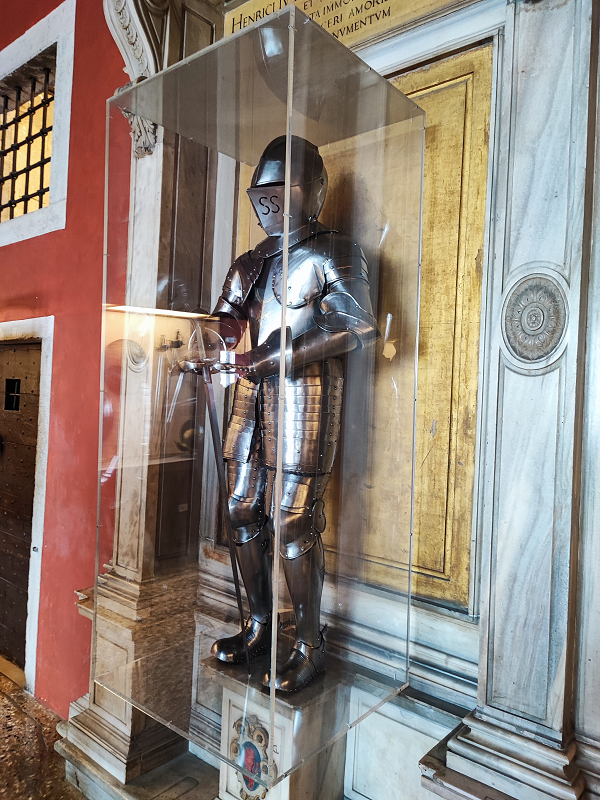
Room II. The main feature here is another Turkish artifact: a triangular standard taken during the famous Battle of Lepanto in 1571. The borders are embroidered with verses from the Koran, and the inscription in the center pays homage to Allah and his prophet Muhammad. There is also a noteworthy set of armor that Henry IV of France donated to the Republic in 1604. Other items in this room include a 15th-century armored horse-head protector, several large swords, and two richly decorated halberds.
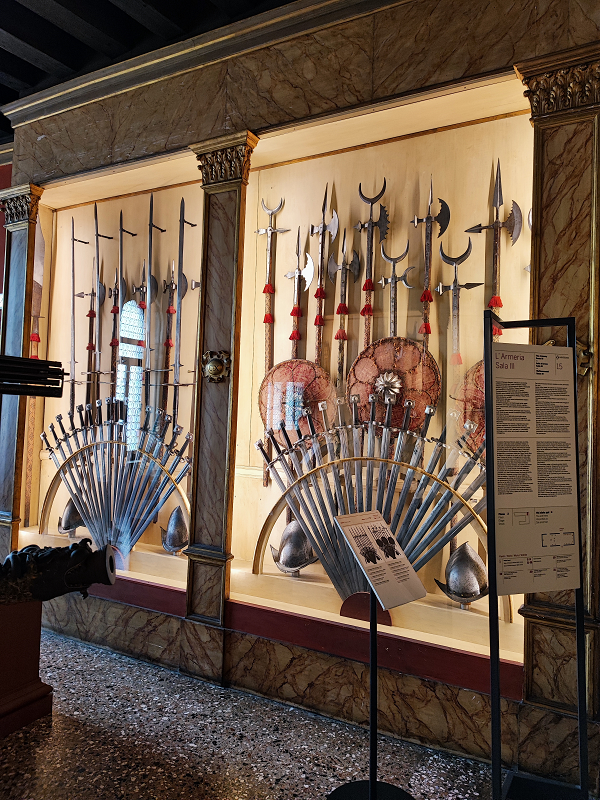
Room III. It takes its name from the bust of Francesco Morosini in a niche at the end of the room. Venetian admiral Morosini became supreme commander of the Venetian navy during the 1684-1688 war against the Turks, and his reconquest of the Peloponnese led to his being known as Il Peloponnesiaco. Elected Doge in 1688, Morosini achieved such military victories that he was the only person in the entire history of the Venetian Republic to be honored with a public monument during his lifetime. This room contains numerous swords, halberds, crossbows, and quivers, all inscribed or painted with the letters CX, the initials that also appear on the doorframes, all attesting to the extensive power of the Council of X. Another notable piece is a culverin, a small, beautifully decorated cannon from the mid-16th century.
Room IV. This room contains outstanding examples of firearms from the 16th and 17th centuries. There's also a deadly "devil's chest," which, when opened, fired four hidden pistols and a poisoned arrow. The collection also includes several torture devices, as well as a chastity belt and several weapons that were banned because they were too small to be hidden behind a person (all of which once belonged to the Carrara family of Padua, which Venice conquered in 1405).
20 nov 2025
0
0