- Articles
- Weapons
- Armor
- Armor for horses
- Emperor Armor
- Chivalry
- Chivalry
- Knights castle
- Knights tournament
- The Crusades
- Knightly Orders
- Knightly saddle
- Knightly motto
- Great Knights
- Price of armor
- Children's armor
- Castles and fortresses
- Museums of armor and weapons
- Coats of arms and heraldry
- Routes and excursions
- Guides


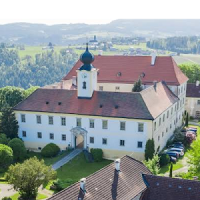
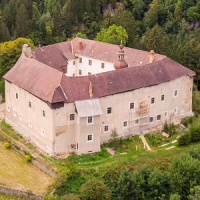
Ostfriesisches Landesmuseum Emden.
Ostfriesisches Landesmuseum Emden
Tu-Su 10.00-17.00. Weekend: Monday
Adult - 8€, Children's (+15) - 4€, Students - 4€, Family - 14€.
www.landesmuseum-emden.de/31-0-33
Brückstraße 1, 26721 Emden, Niedersachsen, Bundesrepublik Deutschland.
53.366749, 7.206574 View map
Ostfriesisches Landesmuseum Emden - East Frisian State Museum Emden, Emden, Niedersachsen, Bundesrepublik Deutschland.
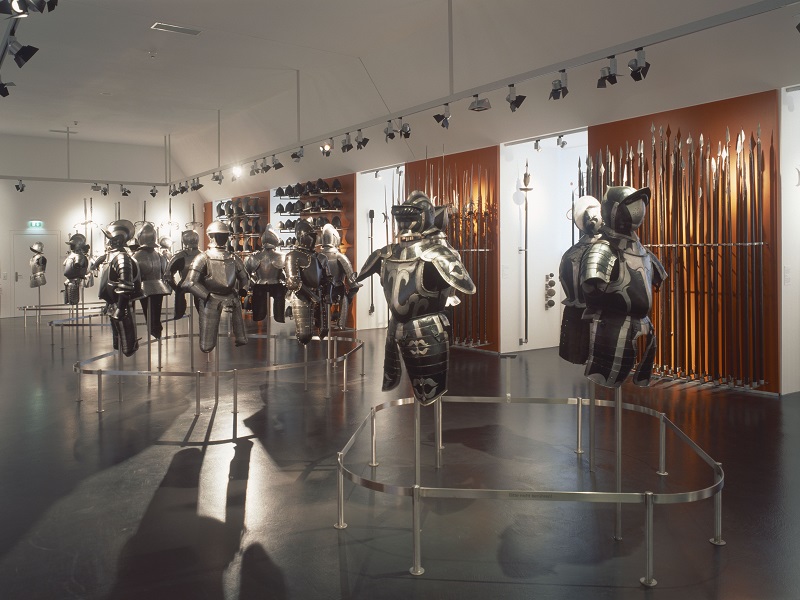
The Emden Armory is unique in northern Germany for the quantity and quality of its weapons. This illustrates the self-defense spirit of an autonomous city in the early modern period.
Armories and armories in northern German cities typically existed only as isolated facilities from the 16th century onward. City regulations in Emden document the existence of an arsenal for equipping the city's warriors and mercenaries as early as 1562. In 1582, it found its home under the roof of the new town hall on Delft. The town hall, like the armory, was an expression of the city's political and economic power and the pride of its citizens.
However, the arsenal lost its proper function by the mid-17th century, when the warriors lost their importance in defending the city. There were no purchases of modern weapons; expansion was limited to gifts of personal weapons, and the armory increasingly became a cabinet of curiosities. It only experienced a brief renaissance in the 19th century, when the equipment of the militants from the revolutionary years of 1848/49 expanded the stock. One of the last notable additions was made under Emperor Wilhelm I, who donated weapons acquired during the Franco-Prussian War of 1870/71. However, the weapons also survived until the end of World War I. These objects bear witness to the efforts made until the early 1910s.
The current permanent exhibition is dedicated to weapons from the 16th and 17th centuries, the city's "golden age," while valuable hunting weapons, Dutch wheellock pistols, and rear-loading rifles from the 19th and early 20th centuries are presented in special exhibitions.
For Emder, the armory has always been a proud part of its own history. And so it was presented to distinguished visitors, such as Kaiser Wilhelm II in 1902 and Federal President Theodor Heuss in 1959.
20 nov 2025
0
0