- Articles
- Weapons
- Armor
- Armor for horses
- Emperor Armor
- Chivalry
- Chivalry
- Knights castle
- Knights tournament
- The Crusades
- Knightly Orders
- Knightly saddle
- Knightly motto
- Great Knights
- Price of armor
- Children's armor
- Castles and fortresses
- Museums of armor and weapons
- Coats of arms and heraldry
- Routes and excursions
- Guides


Berneck Castle - Burg Berneck
Burg Berneck
Mo-Su by arrangement, from 10 persons.. Weekend: No
Adult - 9€, Children's (0-6) - Free, Children's (6-14) - 5€, Pensioners - 7€, Family - 22€
www.burg-berneck.at
Kauns 60, 6522 Kauns, Tirol, Republik Österreich
47.076198, 10.702092 View map
Berneck Castle - Burg Berneck, Kauns, Tyrol, Republic of Austria.
Location and History.
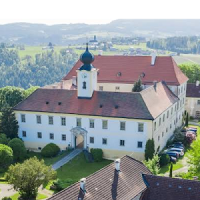
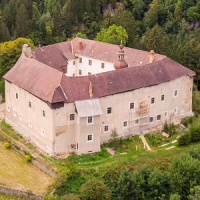
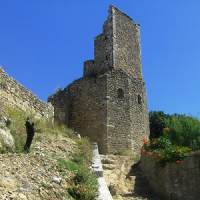
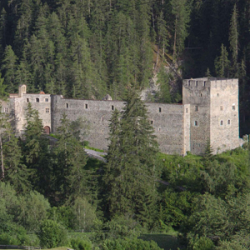
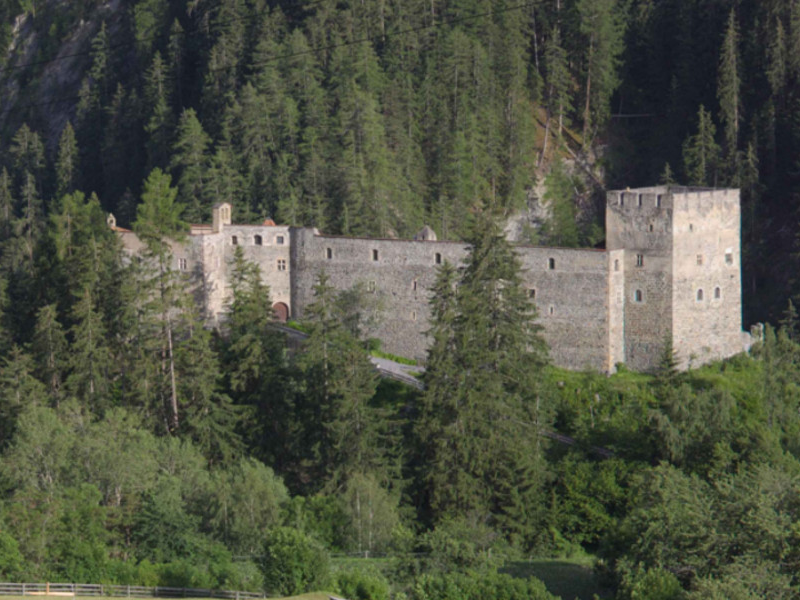
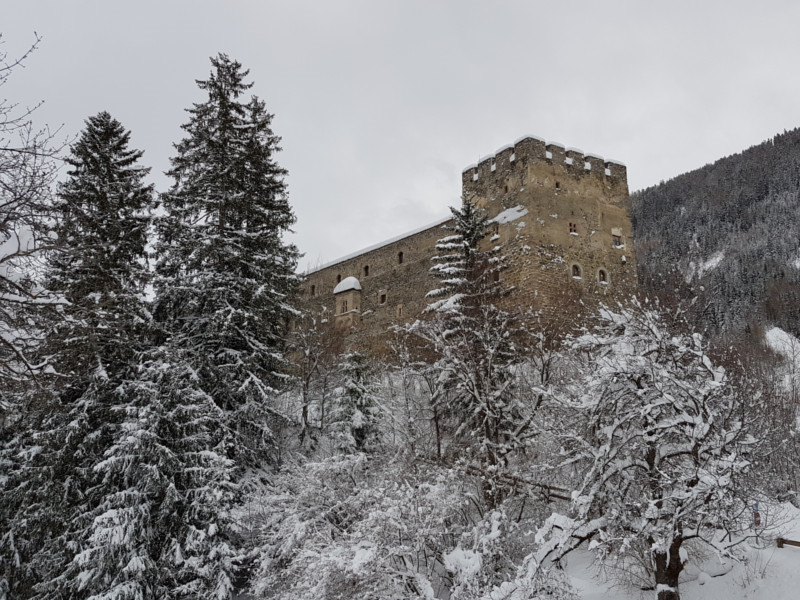
Berneck Castle is situated at the entrance to the Kaunertal Valley on a rocky spur that rises 150 meters above the valley floor. The castle is connected to the village of Kauns and its surrounding plateau by gentle hills. The structure is a so-called tongue castle, meaning it occupies the entire 80-meter length of the rocky outcrop but measures little more than 10 meters in width. This form was already present in the medieval structure from the late 12th century. The castle served to secure the important trade route over the Reschen Pass and may have been founded by the Bishops of Regensburg, who held property in the Prutz area. In 1225, the Lords of Berneck resided here and remained in possession of the castle until 1415. In 1435, Berneck passed to the Swiss Hans Wilhelm von Mülinen, a loyal follower and friend of Duke Frederick IV, the ruler of Tyrol at the time.
The Gothic Residential Castle.
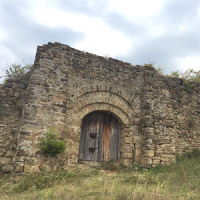
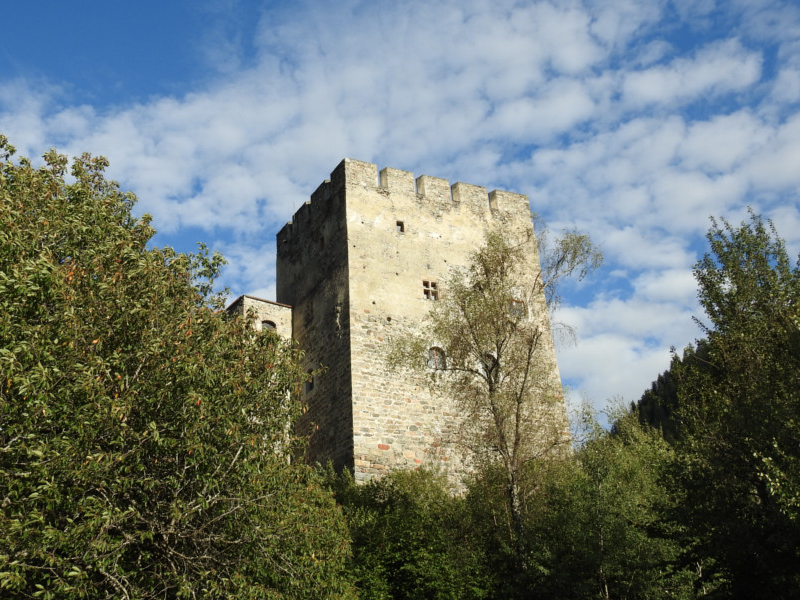
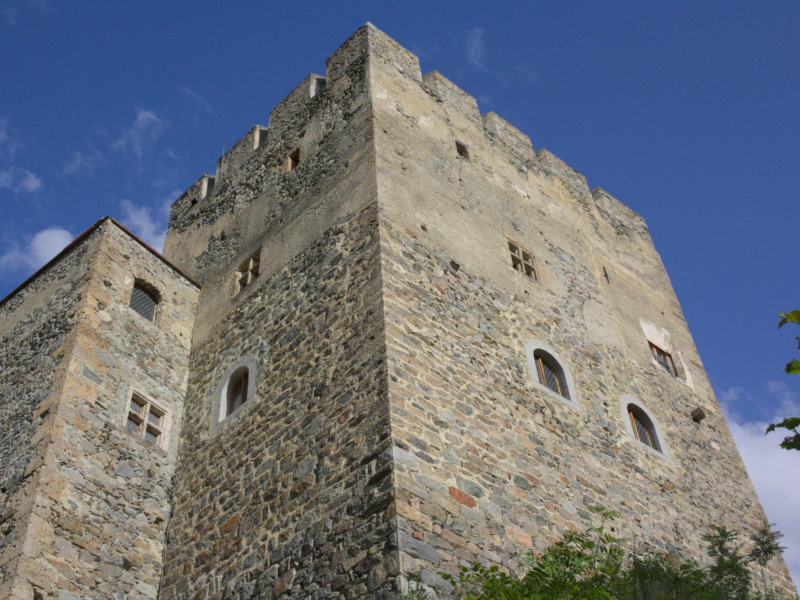
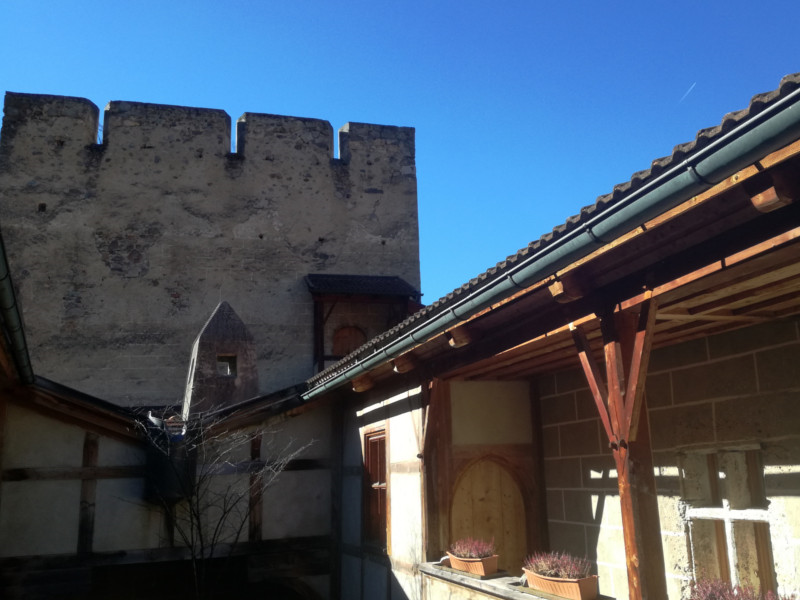
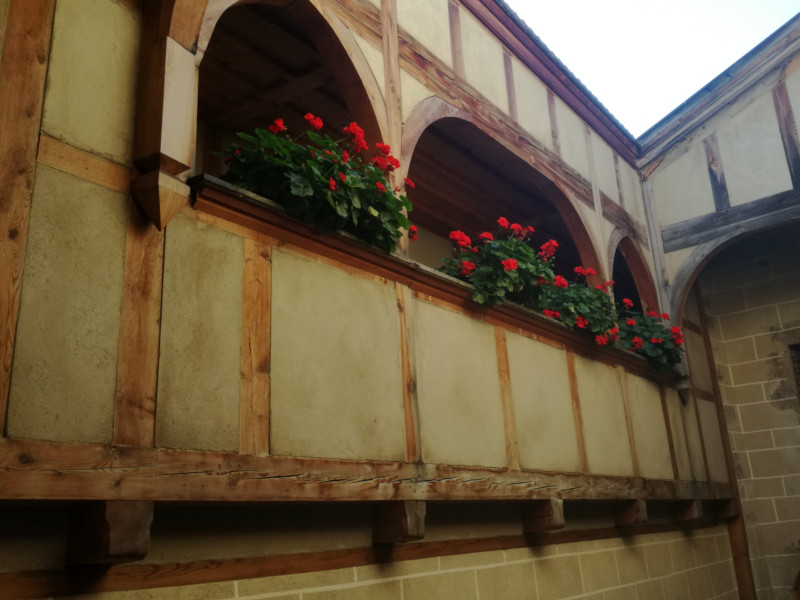
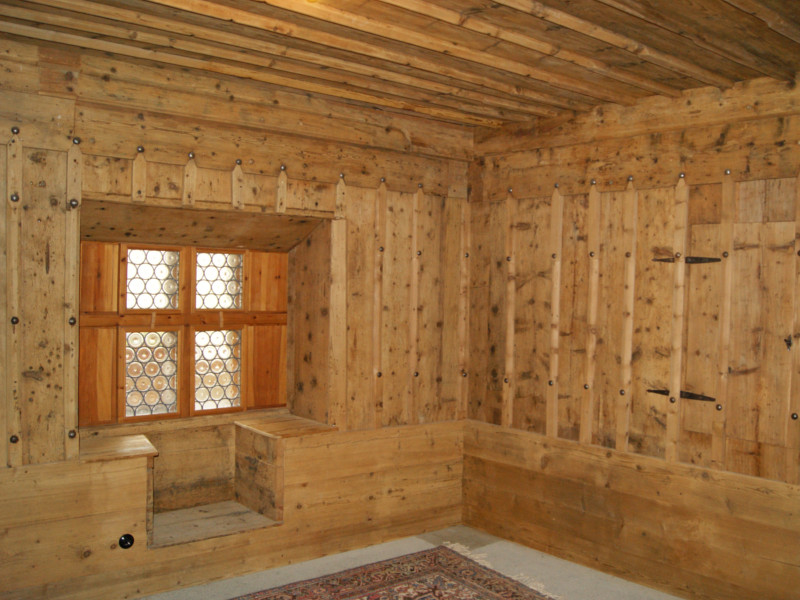
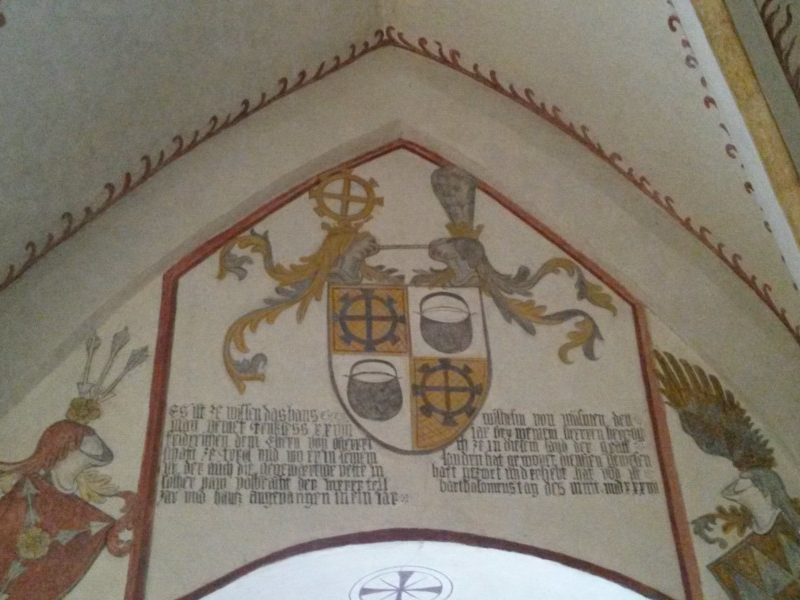
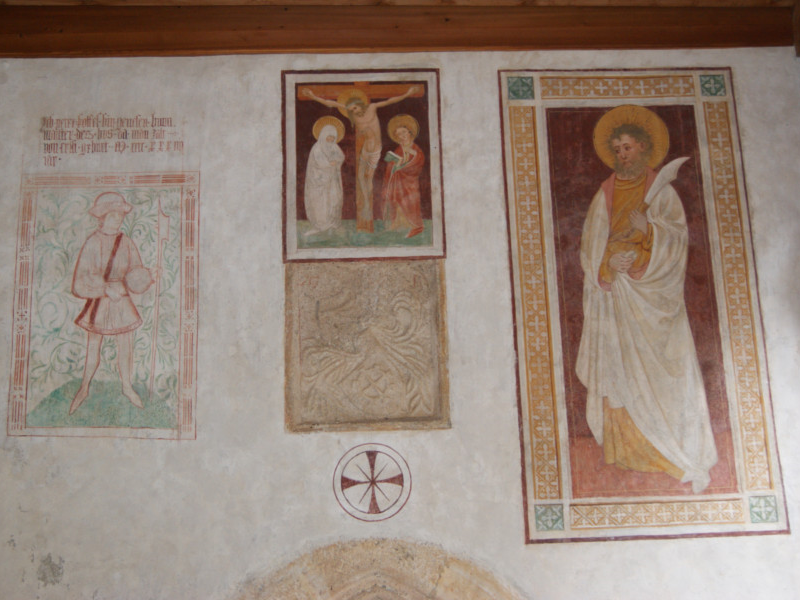
Under Mülinen's rule, the castle underwent extensive reconstruction, transforming it into the most beautiful Gothic residential castle in North Tyrol. The master builder was Peter Kofel, who is depicted in a painting on the chapel wall. The castle gained three courtyards and a wooden gallery along the rock face, from which the individual rooms were accessed. The keep on the west side, as well as the imposing old curtain wall to the north, were heightened and finished with a characteristic plasterwork featuring painted ashlar joints. All living quarters were paneled, the chapel was rebuilt, and it received a valuable array of frescoes.
Emperor Maximilian Visits Berneck.
In 1499, Emperor Maximilian acquired Berneck as his direct property. The castle gained increased strategic importance during the Swiss Wars. Accordingly, the tower was equipped with firearms for defense. The emperor's interest in hunting in the game-rich Kaunertal valley, which also boasted a large population of ibex, likely also played a role in his acquisition. There are two accounts of Maximilian's hunting trips to the castle, where he was considered one of the greatest hunters of his time.
The wealthy Zott salt merchants as owners of the castle.
From 1530 to 1637, the Zott family, who had amassed their fortune through the salt trade in the town of Hall, owned the castle. Since salt production required a large amount of wood, the abundant forests in the Kaunertal valley proved very advantageous to them. The castle remained at least partially inhabited and well-furnished well into the 17th century.
The castle's slow decline.
This changed subsequently, as the later owners, the Barons von Pach from South Tyrol, could no longer afford the remote castle. In 1819, they attempted a renovation, but by 1934, they were forced to sell the castle, which was only partially habitable, to farmers. Nothing seemed able to halt the building's decay.
The major restoration project from 1976 onwards.
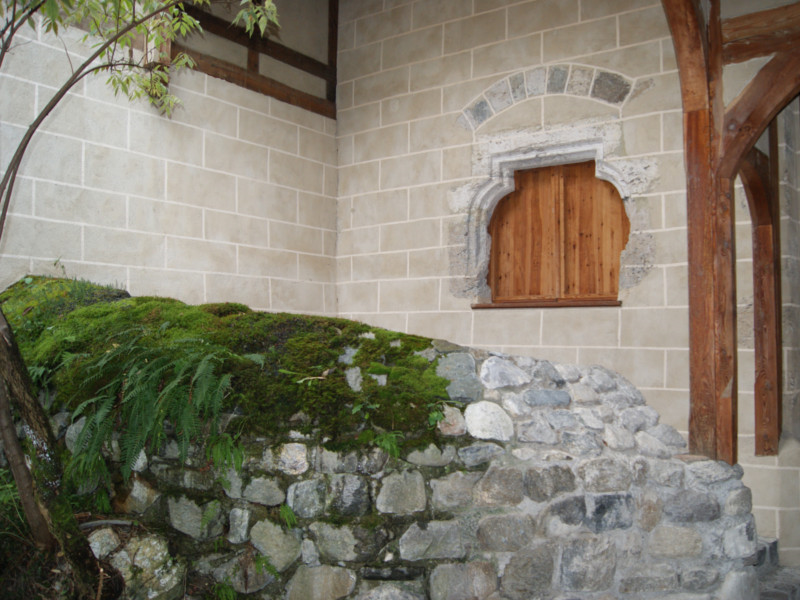
After being owned by an American stockbroker, the complex, which had by then fallen into complete ruin, was acquired in 1976 by the Innsbruck architect Ekkehard Hörmann. Intensive research revealed that even in its ruined state, the original 15th-century structure, the so-called Mülinen Building, was still discernible, especially since there had been no later alterations to this building, the Gothic residential castle. This newly acquired knowledge was put into practice, and an authentic reconstruction was undertaken, guided by the idea of making the castle complex visible for future generations in all its fascinating, interconnected structure and construction. The reuse of the same materials (larch and spruce for the woodwork, plasterwork based on old models, stone mullioned windows and gate frames crafted from the original tuff stone, etc.) played a crucial role. Modern additions were out of the question with this particular concept; there is hardly anything comparable in modern historic preservation. The work was largely completed in 1981; the chapel and its frescoes were restored in 1986/87; the Gothic parlor was reinstalled in 2007; and in 2010, a new wall was built to secure the path. The castle, which for many years also housed an architect's office, now serves as the residence of the Hörmann family, and guided tours are offered during the summer.
27 jan 2026
0
0