- Articles
- Weapons
- Armor
- Armor for horses
- Emperor Armor
- Chivalry
- Chivalry
- Knights castle
- Knights tournament
- The Crusades
- Knightly Orders
- Knightly saddle
- Knightly motto
- Great Knights
- Price of armor
- Children's armor
- Castles and fortresses
- Museums of armor and weapons
- Coats of arms and heraldry
- Routes and excursions
- Guides


Berat Fortress - Kalaja e Beratit
Kalaja e Beratit
Around the clock. Weekend: No
bashkiaberat.gov.al/trashegimia-2/lagjet-karakterist
Rruga Mihal Komnena 5001, Berat, Qarku i Beratit, Republika e Shqipërisë
40.710324, 19.945643 View map
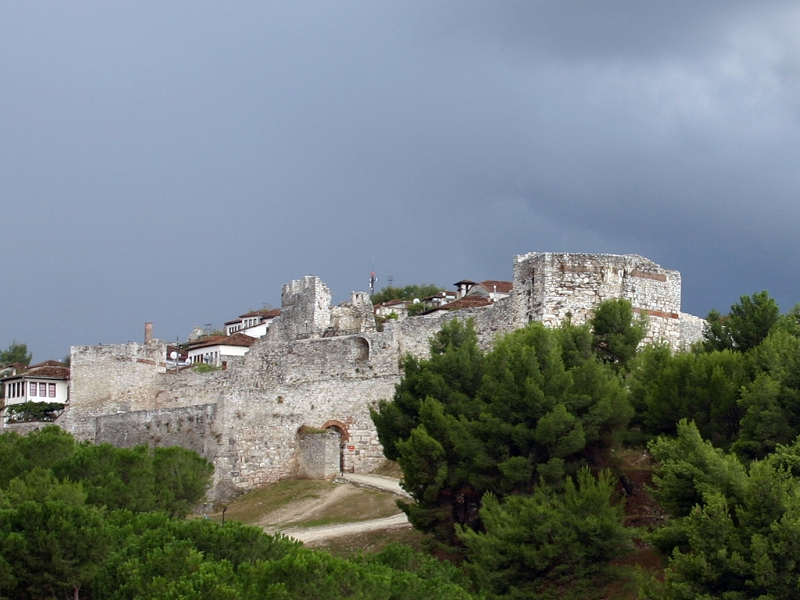
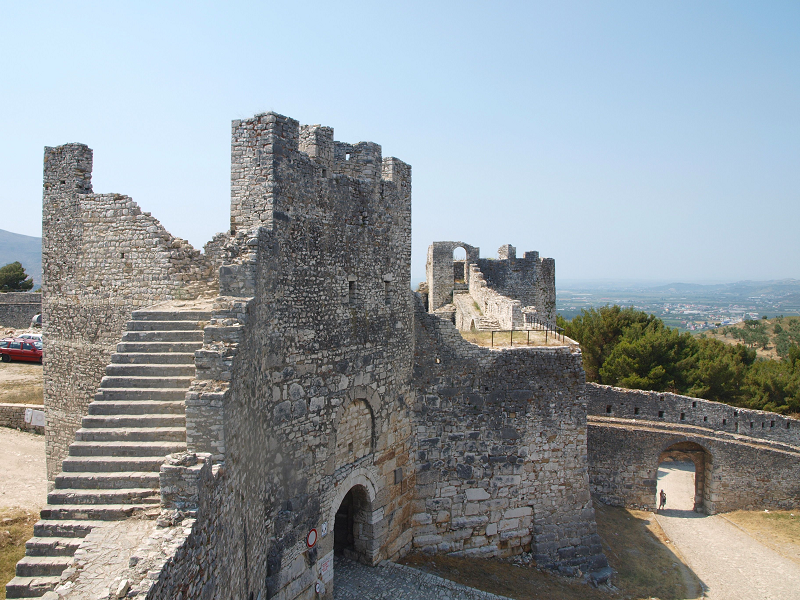
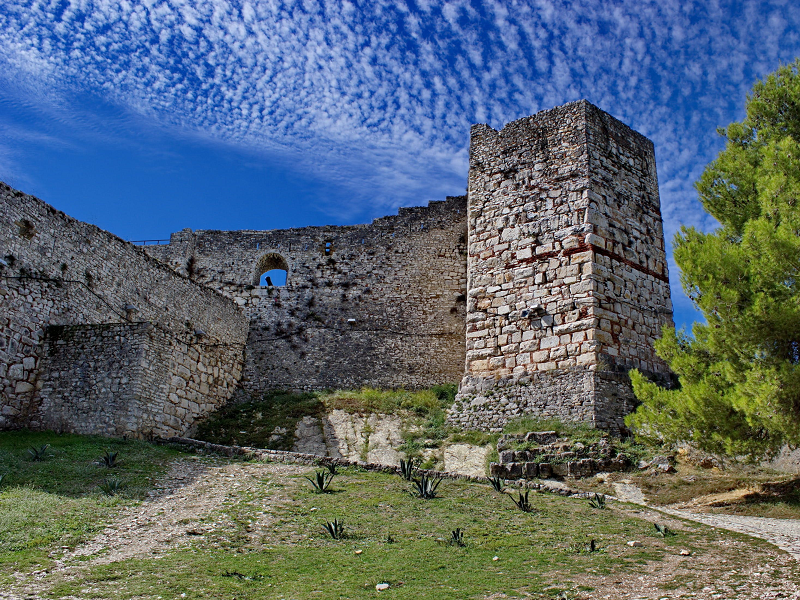
Berat Fortress - Kalaja e Beratit, Berat, Berat County, Republic of Albania.
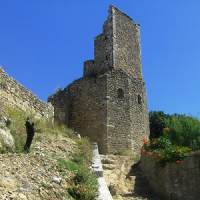
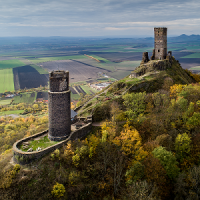
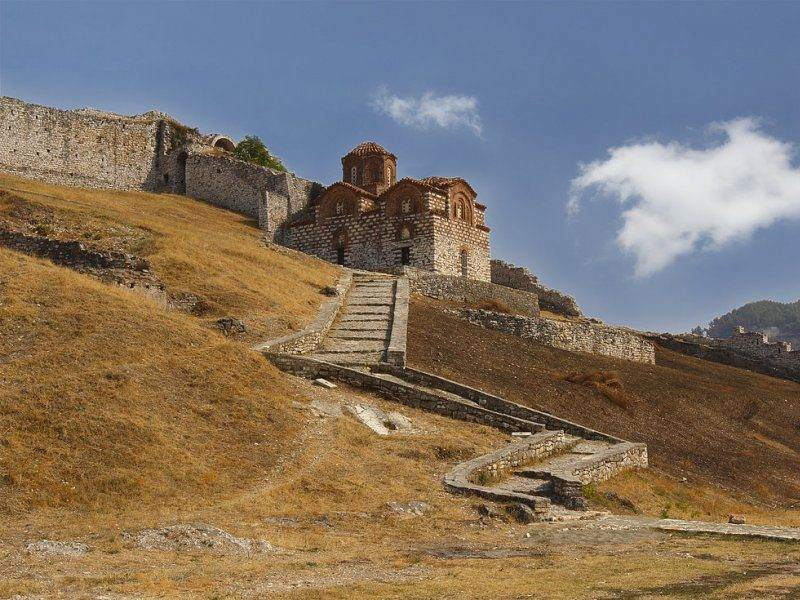
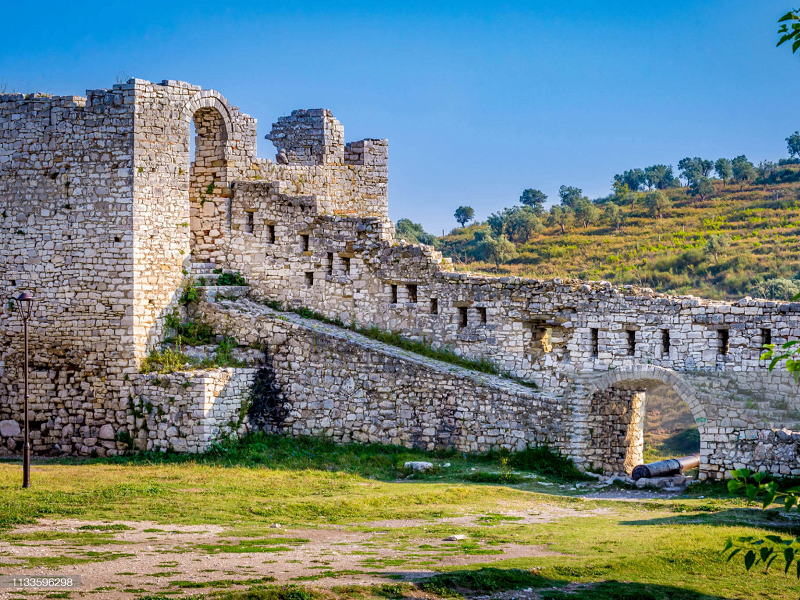
The castle stands at the highest point of the historic center and is one of the few medieval monuments in Albania that continues to develop actively within its surrounding walls. Until the 13th century, the medieval town developed primarily within the castle grounds, which, in addition to numerous religious, defensive, and engineering monuments, also housed a significant number of residential buildings. The castle, like the other two quarters, acquired its current architectural and urban appearance in the 18th and 19th centuries. As with any fortified settlement, urban development was directly dependent on the shape of the fortifications and, especially, the entrances. The main road network of the quarter is largely determined by the main northern entrance, from which three main roads radiate, crossing the quarter. The eastern and western roads follow the surrounding wall, while another leads to the center, to the acropolis. Numerous side streets branch off from these three main arteries, which, with their characteristic curves typical of medieval urban planning, create a very interesting and functional circulation.
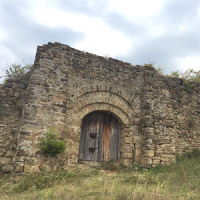
The main dominant buildings are undoubtedly the characteristic residential buildings, occupying a significant area on the eastern, northern, and western slopes of the hill. The garrison castle is located on the highest part, with the headquarters within it. The narrow terrain has resulted in the houses being located close to one another, yet they nevertheless retain a certain diversity, unlike the houses in the Mangalem area, where the terrain is more uneven. Despite the narrowness of the site, the houses in most cases have a courtyard, albeit a small one. The houses face the street primarily through their side facades, usually with entrance gates covered by vaults or lintels. The overwhelming majority of the houses belong to the Ottoman period architecture of the 18th and 19th centuries; especially the dates inscribed on their entrances confirm that they were rebuilt after the earthquake of 1851. Most of the houses are small, but there are also larger ones with more developed architecture.
Source: bashkiaberat.gov.al/trashegimia-2/lagjet-karakteristike-mangalem-gorice-kala/
15 jan 2026
0
0