- Статьи
- Оружие
- Доспехи
- Доспехи для лошадей
- Императоры доспехов
- Рыцарство
- Рыцарство
- Рыцарский замок
- Рыцарский турнир
- Крестовые походы
- Рыцарские Ордена
- Рыцарское седло
- Рыцарский девиз
- Великие рыцари
- Цена доспехов
- Детский доспех
- Замки и крепости
- Музеи доспехов и оружия
- Гербы и геральдика
- Маршруты и экскурсии
- Экскурсоводы


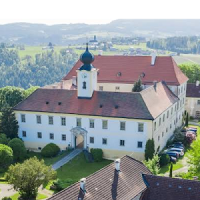
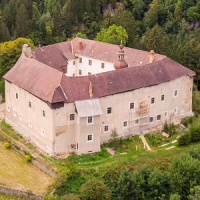
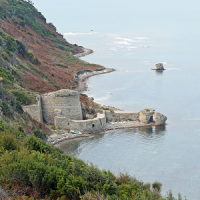
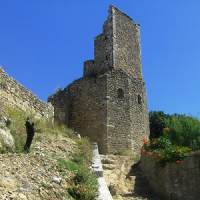
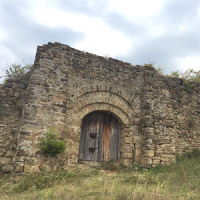

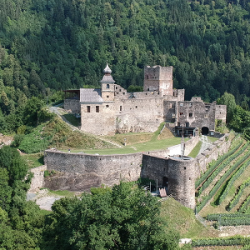
Замок Гланег - Burgruine Glanegg
Burgruine Glanegg
Взрослый - 4€
www.burg-glanegg.at
Mautbrücken 1, 9555 Glanegg, Salzburg, Republik Österreich
46.726667, 14.181923 На карте
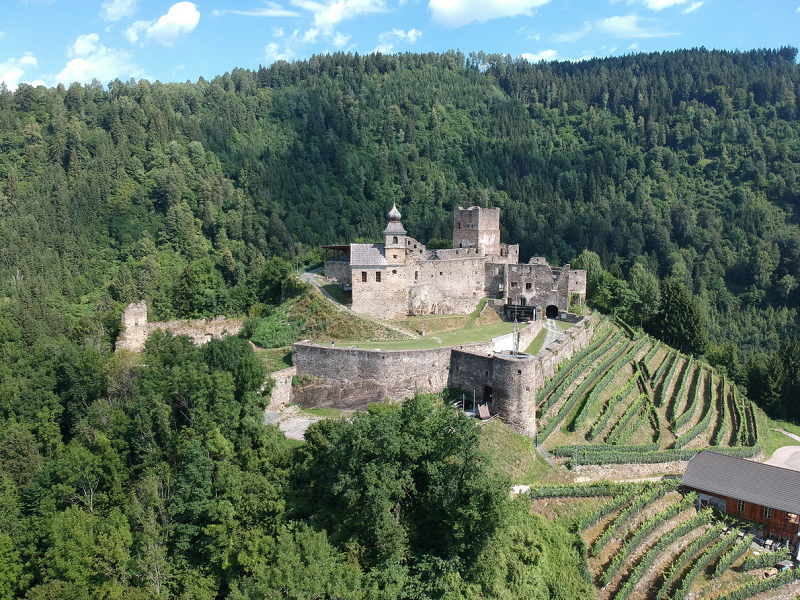
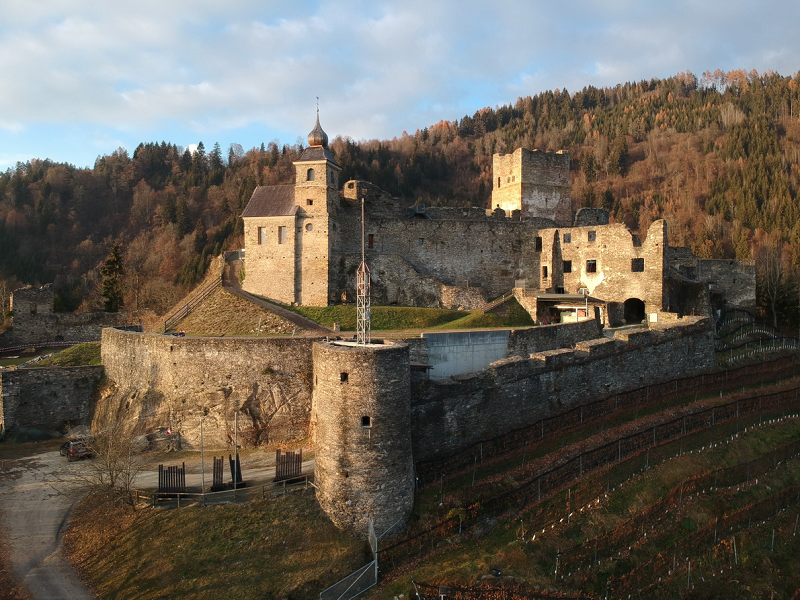
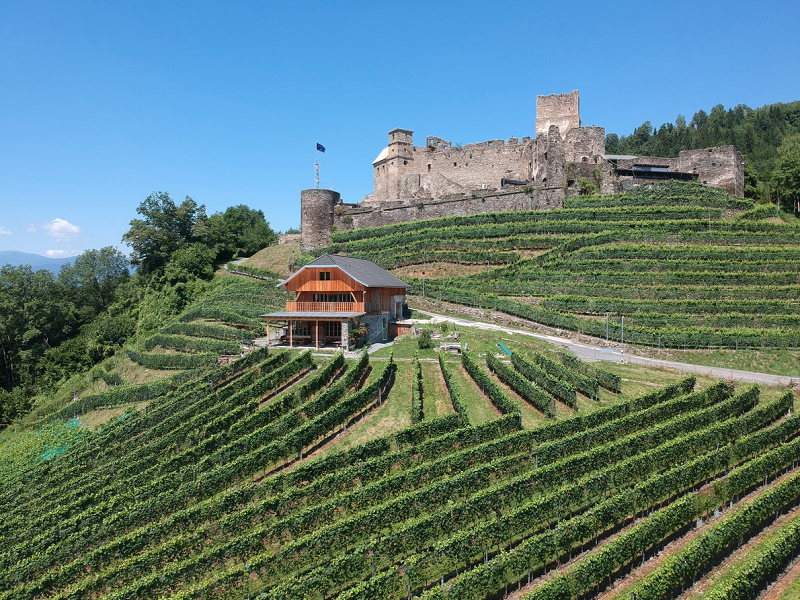
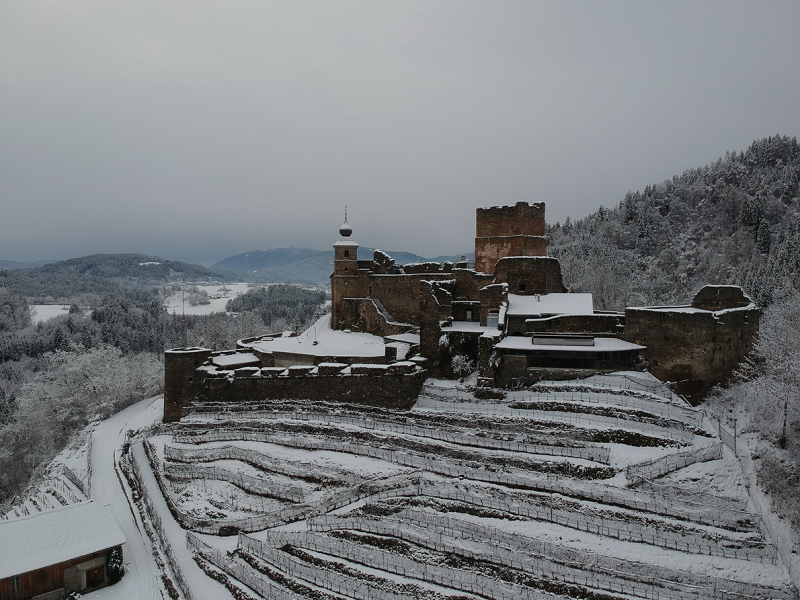
Замок Гланег - Burgruine Glanegg, Гланег, Зальцбург, Австрийская Республика.
Замок Гланег впервые упоминается в документах в 1121 году. Это взгляд на его насыщенную событиями историю со счастливым концом
Двойное юбилейное празднование было запланировано на 29 августа 2021 года в замке Гланег. Празднование было отложено до 2022 года (из-за пандемии коронавируса). С момента первого документального упоминания замка прошло 900 лет, а ассоциация замка была основана 25 лет назад.
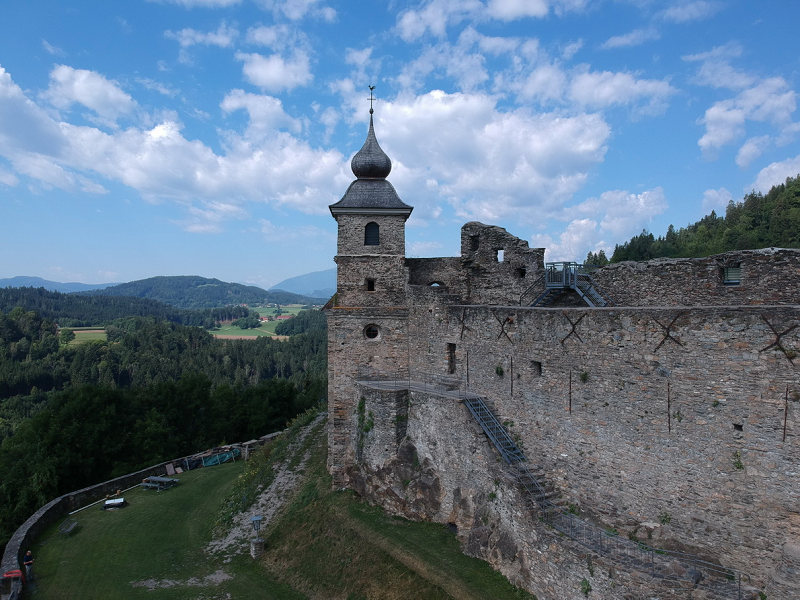
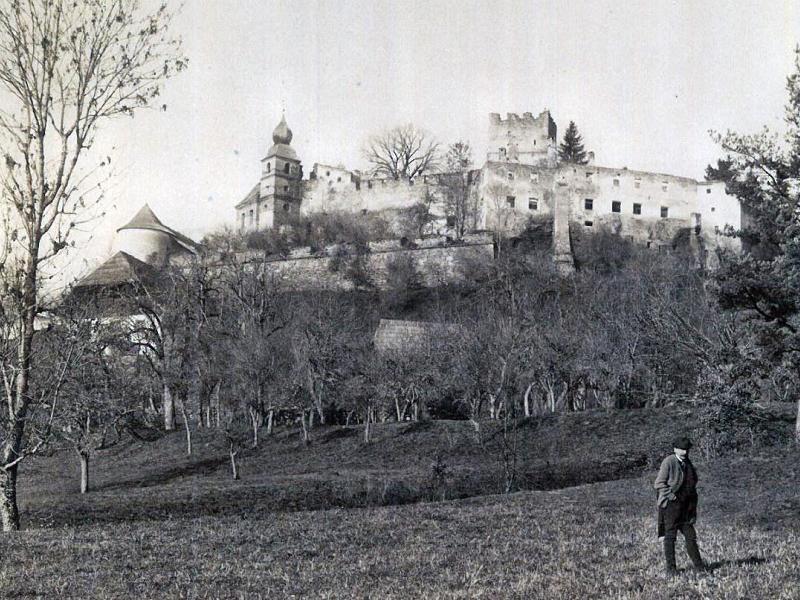
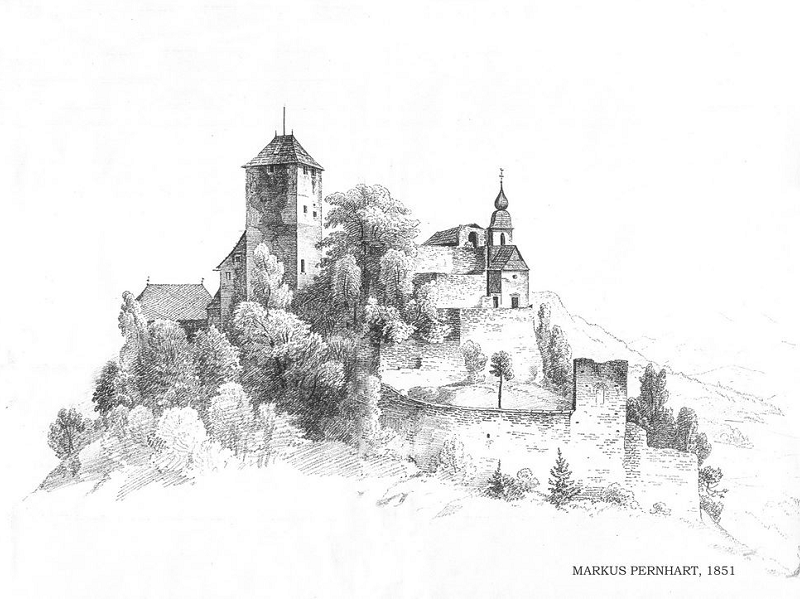
Замок Гланег возвышается на возвышенности между бывшим герцогским городом Санкт-Файт и Фельдкирхеном. С Высокого Средневековья до XIX века эта внушительная крепость служила резиденцией знати и оборонительным сооружением, центром правосудия и контролировала проход через долину Глан. Центральными зданиями обширного комплекса являются романская башня, позднеготический дворец и часовня, фундамент которой восходит к моменту основания замка.
Замок, вероятно, был построен около 1100 года. Личность первоначальных строителей остается неясной, поскольку исторические записи об этом раннем периоде слишком фрагментарны. «Однако, когда в документе 1121 года впервые упоминается «Гланекке», явно относящееся к замку, комплекс находился в сфере влияния семьи Эппенштайн». Всего год спустя он перешел во владение штирийских маркграфов в качестве наследства. Лорды Гланегга вскоре поселились в замке в качестве своих министериалов (слуг). Последовало множество смен владельцев. Семья Эрнау, получившая замок в качестве залога от монарха, перестроила его настолько комфортно на заре Нового времени, что «там можно было жить».
На протяжении веков внушительное укрепление превратилось в дворец и адаптировало свою структуру к последним достижениям военного дела: огнестрельному оружию. Таким образом, замок выдержал осаду турок в конце XV века. Даже венгерские набеги и грабительские экспедиции не смогли навредить могущественному правителю долины Глан. Но его самые славные дни вскоре были сочтены. После того, как семья Эрнау продала Гланег после своего изгнания как протестантов, замок оставался в относительно хорошем состоянии до XVII века, но затем стал жертвой налога на крыши, введенного Иосифом II. Чтобы сэкономить деньги, крыши замка были сняты. Это предрешило медленный, но неизбежный упадок некогда великолепного сооружения.
Но, как говорится, когда что-то идет не так, это не обязательно конец. Муниципалитет арендовал руины у семьи Цвиллинк и передал их Ассоциации замка Гланег для восстановления. Это было в 1996 году. В 2021 году, после 25 лет напряженной работы членов ассоциации-волонтеров, 900-летний замок вновь засиял во всей красе: «К тому времени было вложено около 1 миллиона евро и более 30 000 часов работы. В рамках проекта «EU LEADER Triangulum» были также проведены археологические и архитектурно-исторические исследования, которые выявили множество новых фактов».
Годы становления замка
1121: Замок впервые упоминается в 1121 году герцогом Генрихом III из династии Эппенштейнов (внуком Адальберо). Он был очень преданным герцогом императору. В то время правил император Генрих V из династии Салиев. После смерти герцога Генриха (1122) замок унаследовал его племянник, граф Бернхард Шпангеймский. В свою очередь, он завещал замок своему племяннику, маркграфу Оттокару II Штирийскому. Затем замком управляли штирийские министериалы, называвшие себя лордами Гланега.
В 1185 году Оттокар II, к тому времени герцог Штирии, после своей смерти завещал замок герцогу Бабенбергскому Леопольду V. Он передал замок в качестве феода следующим лордам с правом наследования: Реймперту фон Муреку, Рудольфу фон Расу и Реймберту фон Гланегу.
В 1424 году Гланег стал суверенным владением и региональным двором под управлением герцога Вильгельма, которого сменил Эрнест Железный, завещавший замок своему сыну Фридриху III (императору Священной Римской империи, династии Габсбургов).
В 1473 году долина Глан находилась под угрозой со стороны турок до 1478 года. Турки не смогли причинить вреда замку, как и последующие венгерские набеги. Император Фридрих III завещал замок своему сыну, императору Максимилиану I, который, в свою очередь, завещал его своему внуку, императору Фердинанду I.
В 1534 году, из-за больших долгов, император Фердинанд заложил замок Ульриху фон Эрнау, который впоследствии полностью выкупил его и перестроил в замок. В 1588 году наследники Ульриха фон Эрнау, умершего в 1540 году, получили полное право собственности на замок Гланэгг.
В 1630 году поместье несколько раз переходило из рук в руки, в том числе Иоганна Вебера фон Эренталя, Кронегга, Зеенуса, Виндишгреца и Ашау. В 1713 году замок принадлежал графу Штампферу, который построил первую дорогу через долину Глан (старая дорога проходила через Сен-Мартен, Каллич и через реку Глан у Маутбрюккена), где до 1775 года взималась пошлина.
В 1802 году замок купил господин Кирн, затем в 1806 году его приобрел граф Батьяни, а в 1818 году — придворный судья Хирцеггер фон Оссиах. Его дочь, Жозефина, вышла замуж за господина Клинцера и привезла замок Гланег в качестве части своего приданого.
В 1830 году Клинцер построил поместье Маутбрюккен, и молодая семья переехала туда.
12 фев 2026
0
0