
Помпео делла Кьеза - Pompeo della Cesa (1537-1610г.), Милан, Италия.
Клеймо - подпись POMPEO, POMPE, POMP, на некоторых работах Maestro dal Castello Sforzesco (в виде трехбашенного замка).
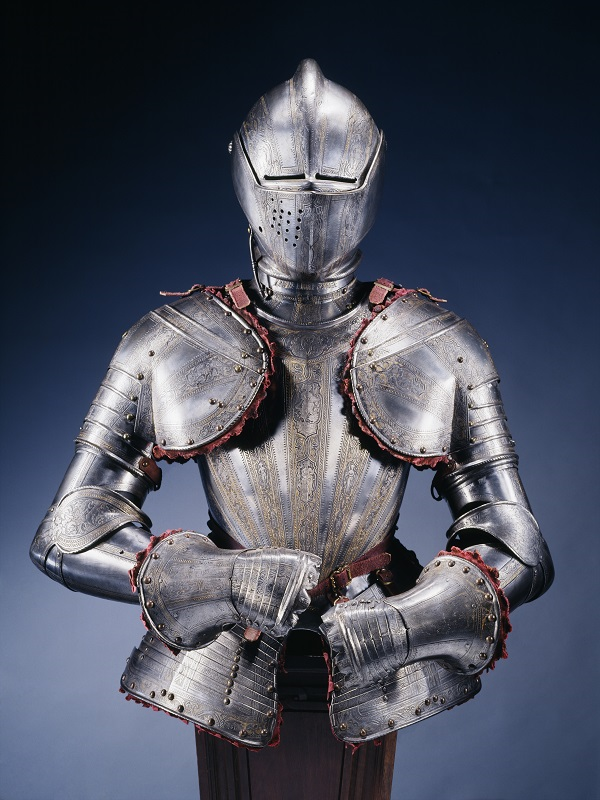
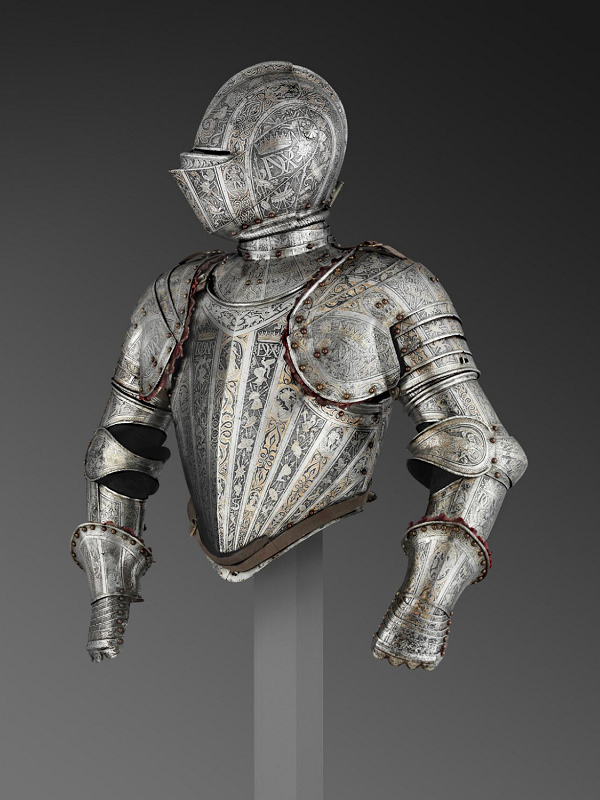
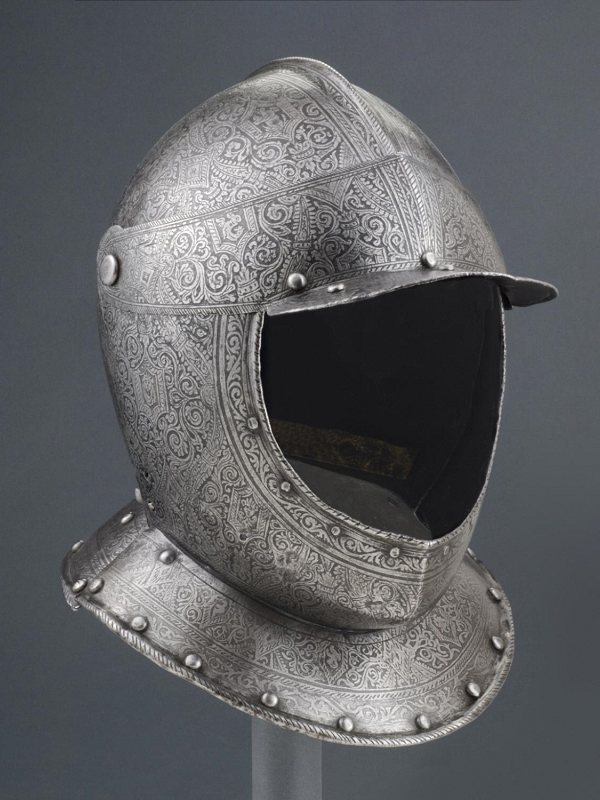
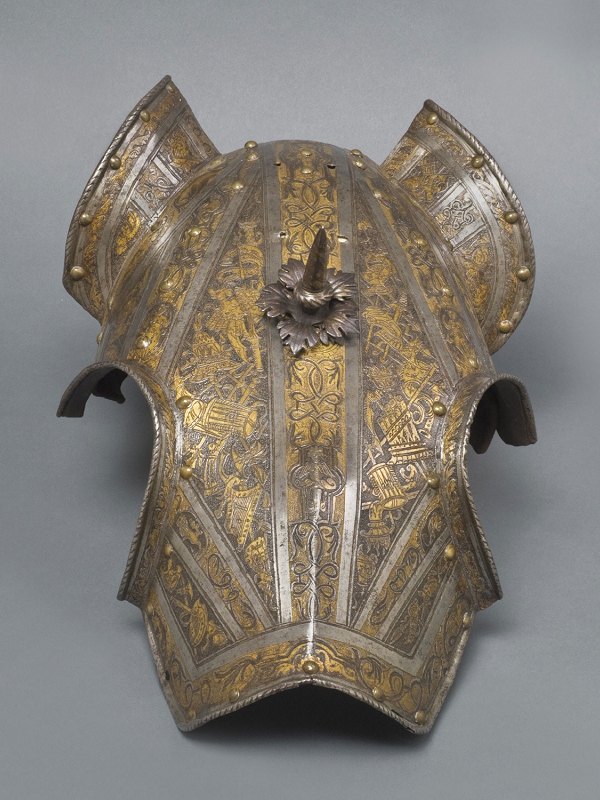
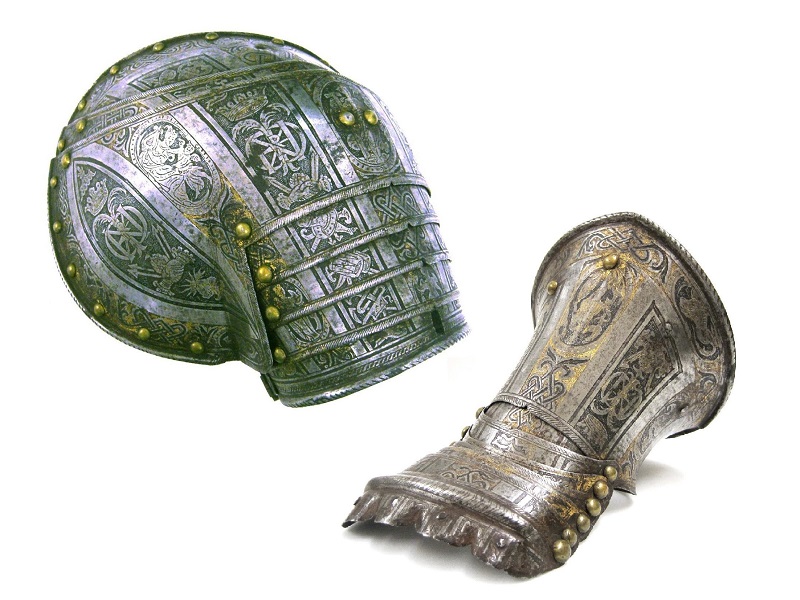
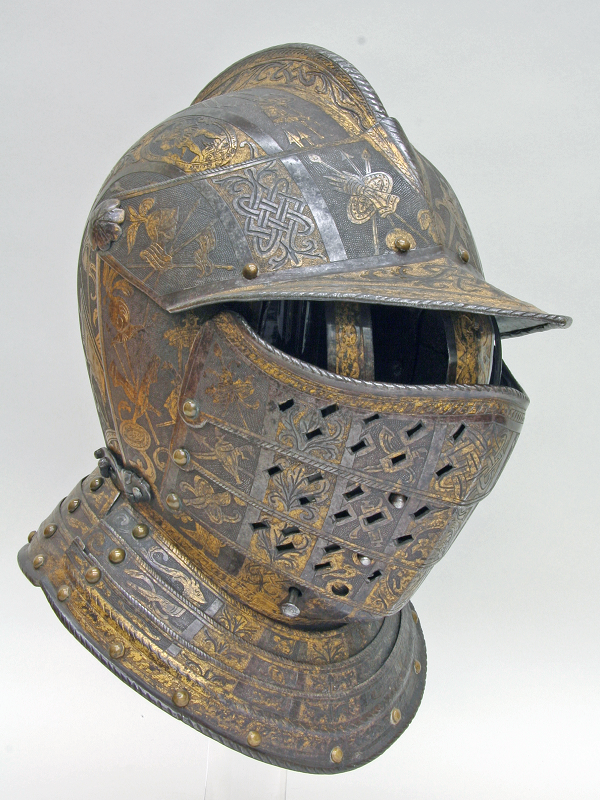
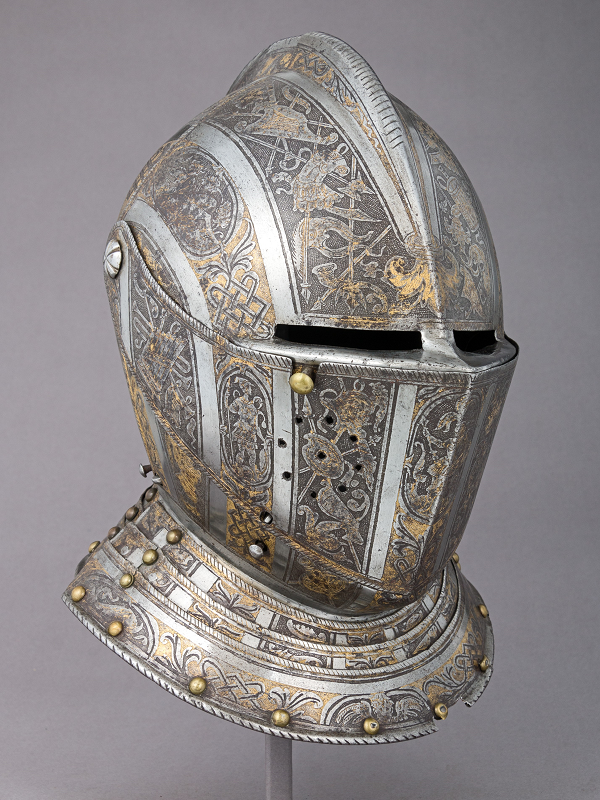
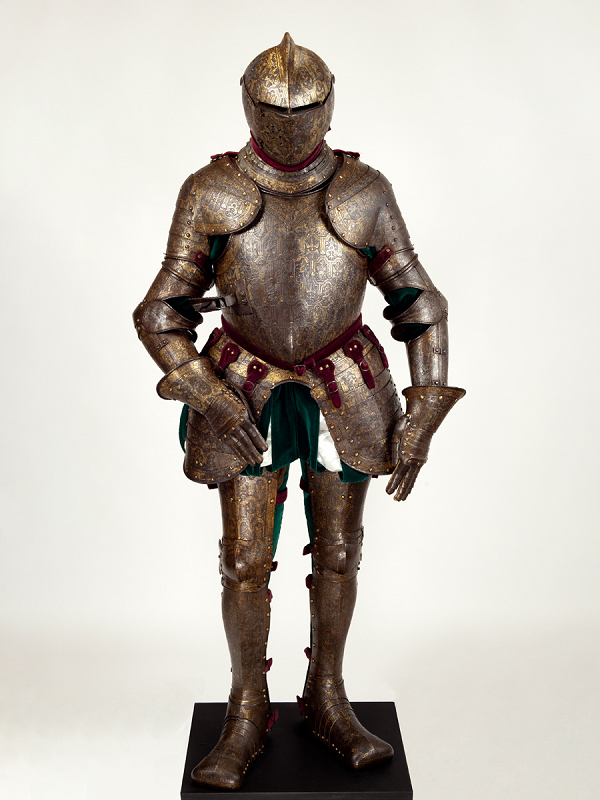
Одним из центров производства высококачественных доспехов в XV-XVI веке являлась Северная Италия. Широкую известность своими изысканными и высокохудожественными работами завоевал миланский оружейник Помпео делла Кьеза.
Мастер был придворным оружейником короля Испании Филиппа III, герцога Миланского. Хотя он входит в число самых выдающихся оружейников конца XVI века, подробности его жизни стали известны лишь недавно; даже Мориджиа (Nobiltà di Milano, 1595) умалчивает о нём. Теперь же были найдены некоторые интересные документы о нём, которые Анджелуччи приводит дословно; заслуга их обнаружения также принадлежит ему. Значение мастера заключается прежде всего в его работах, некоторые из которых, с его монограммой, сохранились в коллекциях.
Документы, которые Анджелуччи привозит из государственных архивов в Милане и Парме, содержат следующее: 1585, 6 марта, Милан. Купец Антонио Перего обращается к губернатору с просьбой разрешить вывезти в Севилью, Испания, 12 щитов и такое же количество шлемов, которые он заказал у Помпео делла Кьеза.
1586, 28 октября, Парма. Казначей указывает 351 скудо 21 сольди и 1 денарий в качестве остатка от 842 скудо 17 сольди, выплаченных Помпео делла Кьеза за изготовление и подкладку доспехов для герцога Алессандро II. Дата и место выдачи не указаны. Придворный оружейник Помпео делла Кьеза запрашивает у губернатора разрешение на экспорт доспехов с двумя пластинами и тремя шлемами, которые он изготовил для Антонио Кавалино, в Геную.
1593 год. Казначей Антонио Грассо выплачивает придворному оружейнику Помпео Кьеза 720 скудо в качестве остатка от 500 дукатов за полированные и позолоченные доспехи, которые он изготовил для герцога Алессандро (умершего примерно 3 декабря 1593 года).
В письме от неназванного лица из Мармироло. 28 июля 1592 года председателю магистратов Мантуи было поручено выплатить Помпео делла Кьеза, королевскому оружейнику, оставшиеся 140 дукатов за все оружие, которое он передал к этому дню.
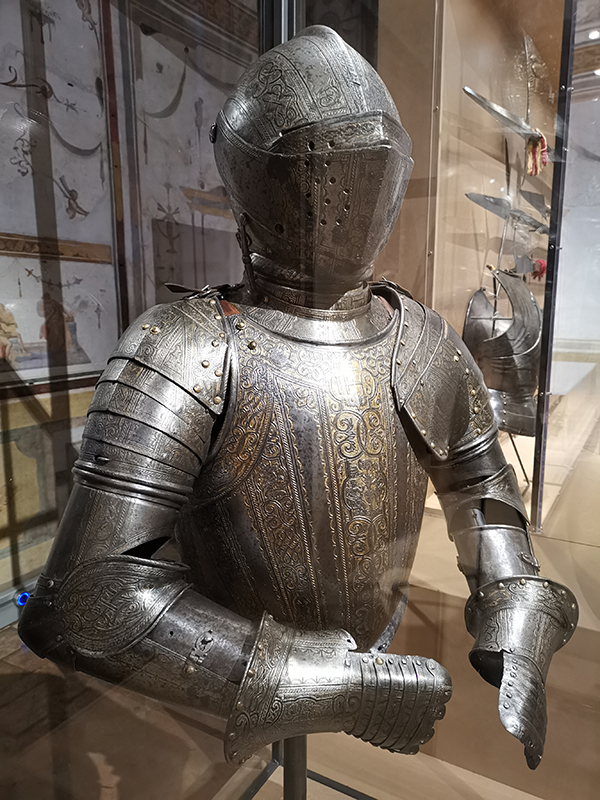
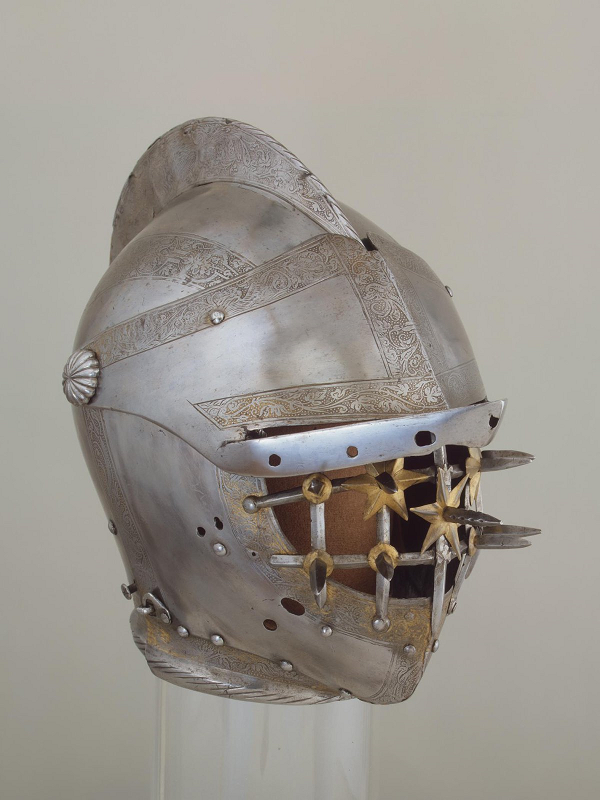
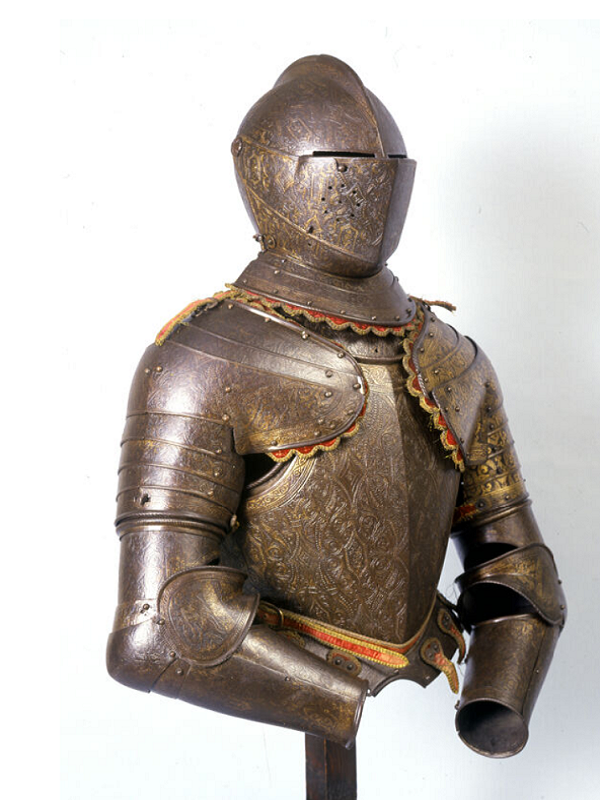
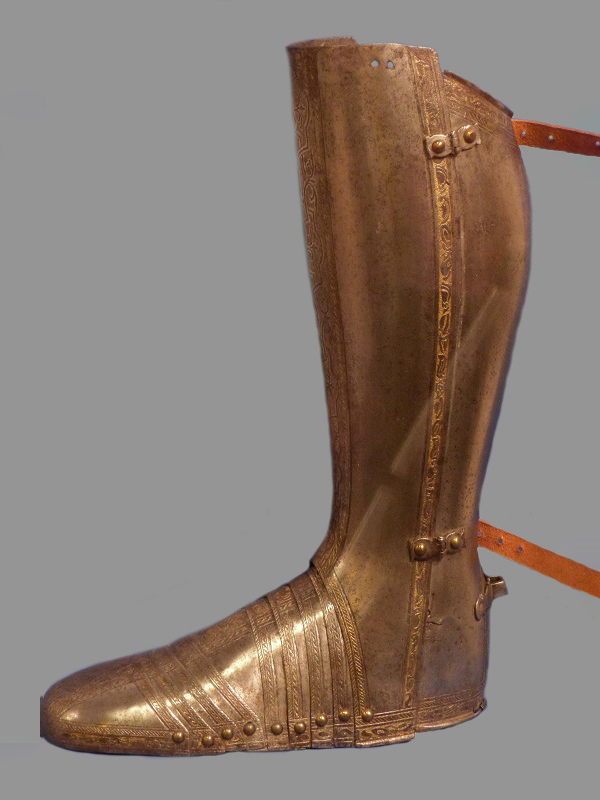
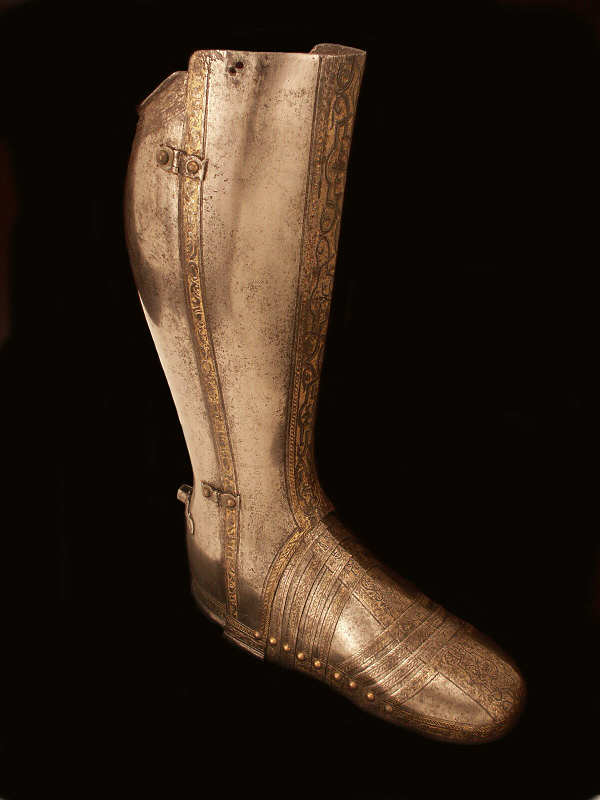
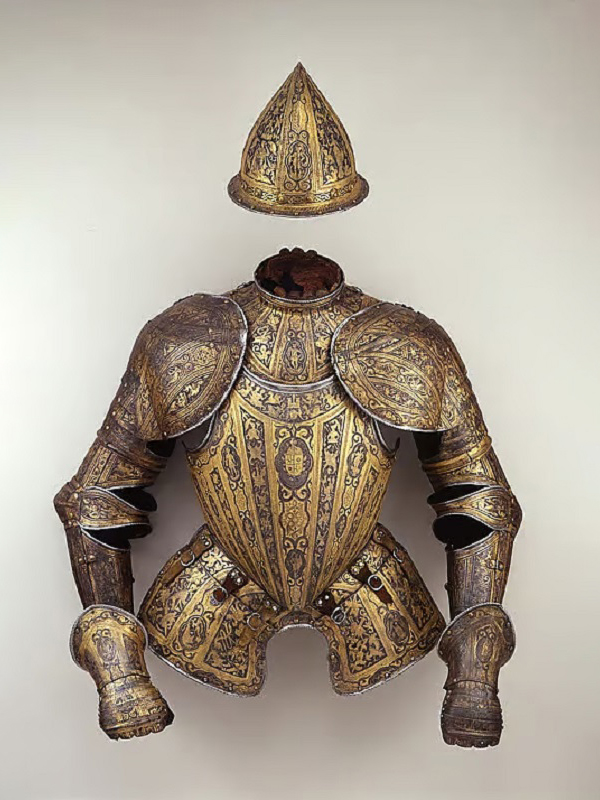
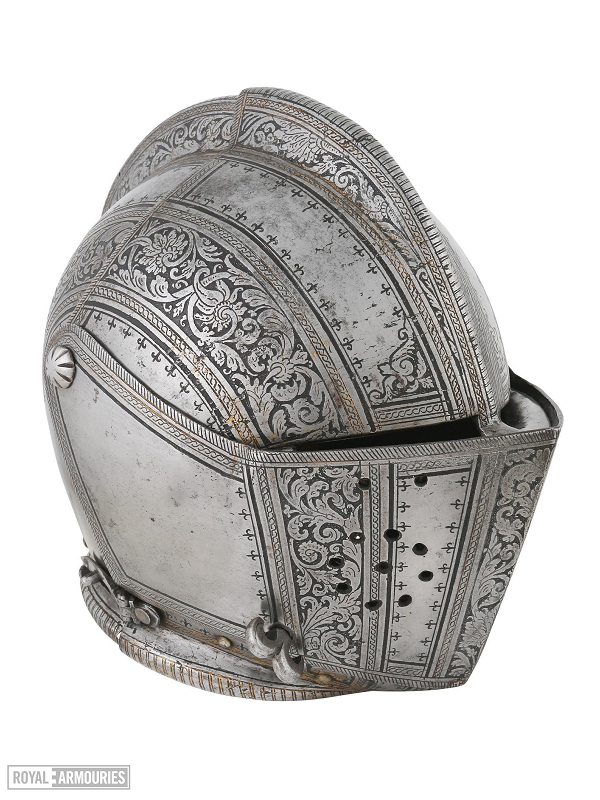
Следующие работы этого мастера сохранились до наших дней, все они относятся к последним десятилетиям XVI века и демонстрируют одинаковый характер и технику в своих декоративных особенностях. В Императорской оружейной палате в Вене (858 и 859): комплект доспехов, состоящий из кавалерийского облачения с поножами и шлемом (отсутствует набедренная броня); также доспехи пехотинца с длинными фалдами (отсутствует шлем).
В Королевской оружейной палате в Турине (C. 21): части рыцарских доспехов, состоящие из нагрудника, передней части горжета, наплечников и нарукавников; также (C. 70) нагрудник от кавалерийского облачения.
В коллекции Рауля Ричарда в Риме: фрагменты рыцарских доспехов.
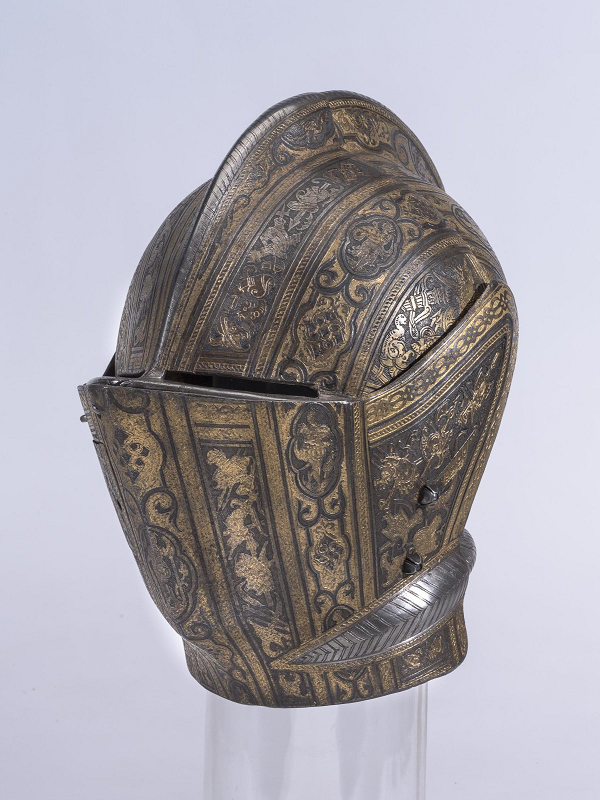
Декор доспехов Помпео уже демонстрирует упадок искусства и техники. Широкие полосы с очень узкими, пустыми промежутками между ними. Первый комплект включает медальоны со сценами из мифологии, перемежающиеся трофеями и орнаментами в виде полос, выполненными позолоченной гравировкой на черном фоне. В целом, однако, создается впечатление благородства, характерное для более ранних работ подобного рода из Милана. На верхнем крае нагрудников Помпео идентифицирует себя своим сокращенным именем POMPE в рамке, напоминающей полосу. Примечательна большая буква М в центре, которая, вероятно, обозначает Милан, или, возможно, имя POM-PEO.
Чиконьяра упоминает Помпео Турконе среди своих знаменитых миланских оружейников. Возможно, это относится и к нашему учителю.
Источник: Meister der Waffenschmiedekunst vom XIV. bis ins XVIII. Jahrhundert, Wendelin Boeheim, 1897, Berlin, 171 - Мастера оружейного дела с XIV по XVIII век, Венделином Бёхаймом, 1897 Берлин, стр. 171




Знаменитые заказчики мастера:
Испанский король Филипп II Габсбург - King of Spain Felipe II.
Герцог Пармы и Пьяченцы Александро Фернезе - Herzog Alessandro Farnese, Herzog von Parma und Piacenza.
Мантуанский герцог Винченцо I Гонзага - Vincenzo I Gonzaga Duchy of Mantua.
Великий герцог тосканский Франческо I Медичи - Francesco I de Medici Grand Duchy of Tuscany.
Князь-епископ Зальцбурга Вольф Дитрих фон Райтенау - Wolf Dietrich von Raitenau Prince-Archbishop of Salzburg.
Испанский король Филипп III - King of Spain Felipe III.
Феррарский герцог Карло Джезуальдо да Веноса - Carlo Gesualdo dа Venosa Duchy of Ferrara.
Доспехи великого мастера вы можете увидеть:
Баварский национальный музей - Bayerisches National Museum, Мюнхен, Верхняя Бавария, Свободное государство Бавария, Федеративная Республика Германия.
Виндзорский замок - Windsor Castle, Виндзор, Беркшир, Юго-Восточная Англия, Великобритания.
Военно-исторический Музей артиллерии, инженерных войск и войск связи МО РФ - Military-Historical Museum of Artillery, Engineer and Signal Corps, Санкт-Петербург, Россия.
Военно-исторический музей в Праге - VojenskÝ HistorickÝ Ústav Praga, Прага, Чехия.
Вустерский музей искусств - Worcester Art Museum, Вустер, Массачусетс, США.
Государственный Эрмитаж - Hermitage museum, Санкт-петербург, Россия.
Гражданский музей Палаццо Фарнезе - Musei Civici di Palazzo Farnese, Пьяченца, Эмилия-Романья, Италия.
Дворец доспехов - The Palace Armoury, Валлетта, Мальта.
Замок Светого Ангела - Castel Sant'Angelo, Рим, Лацио, Италия.
Кливлендский Музей искусств - The Cleveland Museum of Art, Кливленд, Огайо, США.
Коллекция Уоллеса - The Wallace Collection, Лондон, Великобритания.
Королевская Оружейная палата - Royal Armouries Museum Leeds, Лидс, Западный-Йоркшир, Йоркшир и Хамбер, Великобритания.
Королевский Дворец в Турине - Musei Reali di Torino, Турин, Пьемонт, Италия.
Музей армии - Musée de l'Armée, Париж, Франция.
Музей армии - Museo del Ejército, Толедо, Кастилия-Ла-Манча, Испания.
Музей Виктории и Альберта - Victoria and Albert Museum, Лондон, Великобритания.
Музей искусств Метрополитен - The Metropolitan Museum of Art, Нью-Йорк, Нью-Йорк, США.
Музей королевской охоты и оружия - Hofjagd- und Rüstkammer, Вена, Австрия.
Музей оружия Алавы - Museo de Armería de Álava, Виктория-Гастейc, Авила, Испания.
Музей Польди Пецоли - Museo Poldi Pezzoli, Милан, Ломбардия, Италия.
Музей Стибберта - Museo Stibbert, Флоренция, Тоскана, Италия.
Национальные Музей и Галерея Каподимонте - Museo e Real Bosco di Capodimonte, Неаполь, Италия.
Сент-Луисский художественный музей - Saint Louis Art Museum, Сент-Луисс, Миссури, США.
Художественный музей Филадельфии - Philadelphia Museum of Art, Филадельфия, Пенсильвания, США.