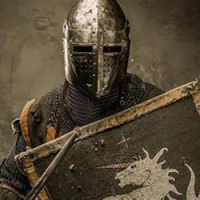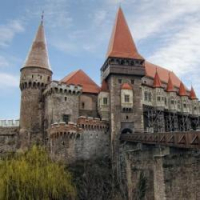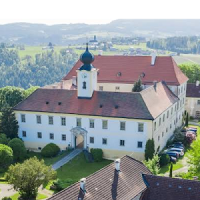
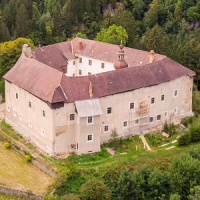
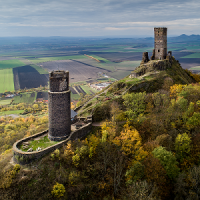
Орден Калатрава (Orden de Calatrava) — первая военно-монашеская орден Испании, основанная в 1158 году в Королевстве Кастилия. Она возникла во время Реконкисты для защиты приграничных территорий от альмохадов. Рыцари следовали строгому цистерцианскому уставу (бедность, послушание, целомудрие), сочетая монашескую жизнь с военной службой. Эмблема — чёрный крест с равными концами на белом плаще.
История ордена.
Основание связано с замком Калатрава (Qal'at Rabah, нынешняя Calatrava la Vieja). Тамплиеры отказались его защищать, и король Санчо III Кастильский передал крепость аббату Раймундо де Фитеро (цистерцианцу). Аббат с монахами и рыцарями взял на себя оборону. В 1164 году папа Александр III официально утвердил орден.
В XII веке орден расширялся, получая новые земли и замки для контроля границ. В 1174 году король Альфонсо VIII передал Зориту-де-лос-Канес для обороны северного берега Тахо.
Кризис наступил после поражения при Аларкосе (1195г.): орден потерял главную крепость, многие рыцари погибли или попали в плен. Рыцари отступили, временно захватили Сальватьерру (с 1198г. орден иногда называли Орденом Сальватьерры). В 1211 году мавры взяли и Сальватьерру.
Поворотный момент — битва при Лас-Навас-де-Толоса (1212г.). После победы орден восстановил силы, построил новую мощную штаб-квартиру — Калатраву ла Нуэва (1213–1217г., частично руками пленных мавров). Орден получил земли в Андалусии и участвовал в дальнейшей Реконкисте (взятие Кордовы, Севильи и др.).
В XIII–XV веках Калатрава владела обширными территориями, encomiendas (командорствами) и влияла на политику. После объединения Испании (Рейес Католи́кос) орден потерял военную самостоятельность, магистры часто назначались королём. Сегодня орден существует как почётный, великий магистр — король Испании.
Структура и символика.
Крест Калатравы — главный символ: греческий красный крест с лилиями (fleur-de-lis) на концах (иногда с дополнительными элементами). Рыцари носили его на груди или на плаще. Этот крест позже вдохновил логотипы (например, Patek Philippe).
Организация: рыцари (кавалеры, из знати), сержанты, капелланы и слуги. Во главе — магистр (Maestre), избираемый рыцарями (позже утверждался папой или королём). Были также приор (духовный глава, часто француз из Моримона), командоры (encomenderos) и система энкомьенд (командорств) — земельных владений с крепостями для обороны и хозяйства.
Устав требовал молчания в трапезной, дормитории и оратории, постов, чтения молитв и готовности к бою. Жизнь сочетала монашеский аскетизм и воинскую дисциплину.
Важные битвы.
Битва при Аларкосе (19 июля 1195г.): Тяжёлое поражение христиан (Альфонсо VIII) от альмохадов под командованием Абу Юсуфа Якуба аль-Мансура. Орден потерял Калатраву ла Вьеху и другие крепости. Это отбросило фронт Реконкисты и едва не уничтожило орден.
Битва при Лас-Навас-де-Толоса (16 июля 1212г.): Решающая победа объединённых сил Кастилии, Арагона и Наварры (с участием европейских крестоносцев) над альмохадами. Рыцари Калатравы сражались в авангарде и центре. Победа ослабила мусульманское господство, открыла путь в Андалусию и позволила ордену возродиться. Перед битвой христиане взяли несколько крепостей ордена, включая Калатраву. Это одно из ключевых событий Реконкисты.
Орден также участвовал в обороне границ, кампаниях в Хаэне, Арагоне (включая Альканьис) и колонизации приграничных земель.
Главные замки и крепости.
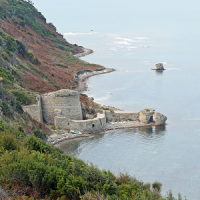
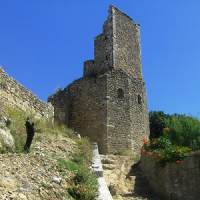
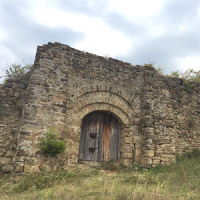
Орден владел сетью крепостей, часто перестроенных на мавританской основе. Они служили резиденциями, монастырями и оборонительными центрами.
Castillo de Calatrava la Nueva (провинция Сьюдад-Реаль). Самая знаменитая штаб-квартира с 1217/1218 года. Огромный комплекс (около 46 000 м²) на холме Альакраньехо, доминирующий над Пуэрто-де-Калатрава. Состоит из крепости, конвента и церкви XIII века. Построен после Лас-Навас-де-Толоса. Хорошо сохранился, открыт для туристов — символ ордена.
Castillo de Calatrava la Vieja (провинция Сьюдад-Реаль). Исходная крепость ордена (1158г.). Расположена у реки Гуадиана. После 1195г. потеряна, позже стала обычной encomienda. Руины с археологическими раскопками.
Castillo de Calatrava la Vieja (провинция Сьюдад-Реаль);
Castillo de Salvatierra (провинция Бадахос);
Стратегическая крепость напротив Калатравы ла Нуэва. После Аларкоса — временная база. Взят маврами в 1211г., возвращён после 1212г. Руины на холме.
Castillo de Zorita de los Canes (провинция Гвадалахара):
Передан в 1174 году для обороны Тахо. Важный северный форпост. Руины впечатляющего комплекса.
Другие значимые замки:
Аларкос (провинция Сьюдад-Реаль) — место битвы 1195 года, руины.
Castillo de Doña Berenguela (провинция Сьюдад-Реаль) — ранняя история ордена.
В Хаэне: Castillo de la Peña (Мартос), Castillo de Alcaudete (Алькаудете), Поркуна — форпосты против Насридов.
В Арагоне: Castillo de Calatravos — главная encomienda.
Также: Каракуэль, Малагон, Гуадалерзас и др. в Кампо-де-Калатрава.
Многие замки сегодня — руины или частично восстановлены. В Кастилии-Ла-Манче есть туристический маршрут «Ruta de los Castillos de la Orden de Calatrava».
Современное состояние
После XV века военная роль угасла, но наследие сохранилось в архитектуре и туризме. Калатрава ла Нуэва — один из самых впечатляющих памятников Реконкисты. Если планируете поездку, начните с провинции Сьюдад-Реаль: отличная концентрация объектов, виды и атмосфера Средневековья.
Великие Магистры Ордена Калатравы:
Дон Гарсия - Don García (1164–1169г.)
Фернандо Исаса - Fernando Icaza (1169–1170г.)
Мартин Перес де Сионес - Martín Pérez de Siones (1170–1182г.)
Нуньо Перес де Киньонес - Nuño Pérez de Quiñones (1182–1199г.)
Мартин Мартинес - Martín Martínez (1199–1207г.)
Руй Диас де Янгуас - Ruy Díaz de Yanguas (1207–1212г.)
Родриго Гарсес - Rodrigo Garcés (1212–1216г.)
Мартин Фернандес де Кинтана - Martín Fernández de Quintana (1216–1218г.)
Гонсало Яньес де Новоа - Gonzalo Yáñez de Novoa (1218–1238г.)
Мартин Руис де Севальос - Martín Ruiz de Cevallos (1238–1240г.)
Гомес Манрике – Gómez Manrique (1240–1243г.)
Фернандо Ордоньес - Fernando Ordóñez (1243–1254г.)
Педро Яньес - Pedro Yáñez (1254–1267г.)
Хуан Гонсалес - Juan González (1267–1284г.)
Руй Перес Понсе де Леон - Ruy Pérez Ponce de León (1284–1295г.)
Диего Лопес де Сантсолес - Diego López de Santsoles (1295–1296г.)
Гарси Лопес де Падилья - Garci López de Padilla (1296–1322г.)
Хуан Нуньес де Прадо - Juan Núñez de Prado (1322–1355г.)
Диего Гарсия де Падилья - Diego García de Padilla (1355–1365г.)
Мартин Лопес де Кордоба - Martín López de Córdoba (1365–1371г.)
Педро Муньис де Годой у Сандоваль - Pedro Muñiz de Godoy y Sandoval (1371–1384г.)
Педро Альварес де Перейра - Pedro Álvarez de Pereira (1384–1385г.)
Гонсало Нуньес де Гусман - Gonzalo Núñez de Guzmán (1385–1404г.)
Энрике де Вильена - Enrique de Villena (1404–1407г.)
Луис Гонсалес де Гусман - Luis González de Guzmán (1407–1443г.)
Фернандо де Падилья - Fernando de Padilla (5 месяцев в 1443г.)
Альфонсо де Арагон у де Эскобар - Alfonso de Aragón y de Escobar (конец 1443–1445г.)
Педро Гирон Акуна Пачеко - Pedro Girón Acuña Pacheco (1445–1466г.)
Родриго Тельес Гирон - Rodrigo Téllez Girón (1466–1482г.)
Гарсия Лопес де Падилья - García López de Padilla (1482–1487г.)
Католические монархи - Catholic Monarchs (с 1487)
Король Испании Хуан Карлос I - King Juan Carlos I of Spain
Король Испании Филлипе VI - King Felipe VI of Spain