
Орден Святого Гроба Господнего Иерусалимского.
Историческое происхождение Ордена несколько туманно, хотя, согласно недокументированной традиции, его истоки восходят к Первому крестовому походу. Фактически, первое документальное свидетельство о посвящении в рыцари, именуемые «Орденом Гроба Господня», датируется 1336 годом. С момента этого первого свидетельства о существовании Ордена, то есть с XIV века, папы постепенно и регулярно выражали желание юридически присоединить организацию к Святому Престолу.
Рыцарский Орден Гроба Господня Иерусалимский всегда пользовался защитой пап, которые на протяжении веков реорганизовывали его, расширяя и обогащая его привилегии. Климент VI в 1342 году передал хранение Гроба Господня францисканским монахам, но это было еще в эпоху, когда только рыцари имели право посвящать других членов Ордена. Александр VI в 1496 году провозгласил себя верховным модератором Ордена и делегировал францисканцам право присваивать рыцарское звание дворянам и джентльменам-паломникам, совершающим паломничество в Святую Землю (право на инвеституру). Подтверждение этой францисканской привилегии, устно или папской буллой, было возобновлено папой Львом X в 1516 году, Бенедиктом XIV в 1746 году и продолжалось до восстановления Латинского патриархата Иерусалима Пием IX в 1847 году.
Таким образом, папская делегация перешла к патриарху, когда в 1868 году Пий IX издал апостольские письма, объявляющие о восстановлении Ордена. Орден рыцарей был основан с назначением Дам Гроба Господня благодаря Льву XIII в 1888 году. Более того, в 1907 году Пий X постановил, что титул Великого магистра Ордена будет зарезервирован за самим папой.
В 1932 году Пий XI утвердил новую Конституцию, разрешив рыцарям и дамам получать посвящение в местах своего происхождения, а не только в Иерусалиме. В 1940 году Пий XII назначил кардинала покровителем Ордена и централизовал организацию в Риме, в рамках Великого Магистериума, передав титул Великого Магистра кардиналу Канали. Иоанн XXIII утвердил новую Конституцию, представленную кардиналом Тиссераном в 1962 году.
После обновления Второго Ватиканского собора в 1977 году Павел VI утвердил новую Конституцию. После этого Иоанн Павел II сделал Орден юридическим, каноническим и общественным субъектом, учрежденным Святым Престолом. Сегодня Орден стремится привлечь своих членов к участию в жизни местных церквей, надеясь на их освящение. Это основная и глубокая причина, которая послужила мотивом для пересмотра Конституции во время «Консультативного совещания», состоявшегося в 2013 году.
Источник: https://www.oessh.va/content/ordineequestresantosepolcro/de/chi-siamo/histoire.html
Устав Рыцарского Ордена Святого Гроба Господнего Иерусалимского.
Устав (Конституция) Рыцарского Ордена Святого Гроба Господнего Иерусалимского (лат. Ordo Equestris Sancti Sepulchri Hierosolymitani, OESSH) — это официальный документ, регулирующий деятельность современного католического рыцарского ордена. Орден напрямую подчиняется Святому Престолу и является одним из пяти папских рыцарских орденов.
Краткая история Устава.
Орден имеет древние корни, связанные с канониками Гроба Господня и традицией посвящения в рыцари у Гроба Христова в Иерусалиме. Современная форма ордена была восстановлена и реорганизована папой Пием IX в 1847 году при восстановлении Латинского Патриархата Иерусалима. Устав неоднократно обновлялся:
При Иоанне XXIII (1962) и Павле VI (1967/1977).
В 2020 году папа Франциск утвердил новую Конституцию (11 мая 2020 года), которая заменила предыдущие версии.
В 2021 году был издан новый Церемониал богослужений.
С 1 января 2025 года вступили в силу новые Общие регламенты (General Regulations) ордена.
Официальный текст Конституции 2020/2021 года доступен на сайте ордена (oessh.va) на итальянском (аутентичная версия), английском и других языках в формате PDF.
Основные положения Устава (Конституции).
Согласно введению и ключевым статьям Конституции:
Природа и миссия ордена.
Орден — это публичное юридическое лицо канонического права и юридическое лицо Ватикана. Он является светским (в основном для мирян) институтом Церкви, хотя принимает и клириков.
Главная миссия — оживлять рвение в Церкви по отношению к Святой Земле (Земле Иисуса), поддерживать Католическую Церковь и христианское присутствие в Святой Земле, особенно Латинский Патриархат Иерусалима. Орден участвует в заботе Папы о Святых Местах.
Члены призваны практиковать евангельские добродетели, углублять личную святость и жить верой во всех её аспектах. Орден строго аполитичен и не участвует в движениях, противоречащих учению Церкви.
Цели (из более ранних версий, сохраняющие дух).
Укрепление христианской жизни членов в абсолютной верности Папе и учению Церкви.
Поддержка Святой Земли через дела милосердия, образование, помощь христианам Палестины и Ближнего Востока.
Духовная связь с Гробом Господним как символом Страстей и Воскресения Христова.
Структура управления.
Великий Магистр — кардинал, назначаемый Папой (сейчас кардинал Фернандо Филони).
Великий Приор — Латинский Патриарх Иерусалима.
Великий Магистериум (центральное правительство) в Риме (резиденция — Ватикан и дом у церкви Сант-Онофрио на Яникуле).
Лейтенантства (национальные/региональные подразделения), секции и делегации. В России действует Российское Лейтенантство.
Другие должности: Генеральный губернатор, канцлер, казначей и др.
Членство.
Принимают католиков (мужчин и женщин) старше 25 лет, отличающихся благочестием, моральными качествами и готовностью поддерживать цели ордена.
Члены делятся на классы и степени (рыцари/дамы Коллара, рыцари/дамы Большого Креста, командоры и т.д.).
При вступлении приносится обет верности Конституции, Папе и целям ордена, а также обещание вести христианскую жизнь и поддерживать Святую Землю.
Важная обязанность — духовное формирование, паломничества в Святую Землю и материальная помощь.
Духовность и обязательства.
Орден подчёркивает связь с Иерусалимом, практику милосердия, апостольство и экуменизм. Члены обязаны участвовать в жизни своей епархии и прихода, быть свидетелями веры.
Символ — Иерусалимский крест (пятикратный красный крест).
Орден не является военно-монашеским в средневековом смысле (как тамплиеры), а современным папским рыцарским орденом, ориентированным на поддержку христиан на Святой Земле и личное освящение членов.
Основные битвы рыцарского ордена Святого Гроба Господня.
Основные битвы рыцарского ордена Святого Гроба Господня (Ordo Equestris Sancti Sepulcri Hierosolymitani, Milites Sancti Sepulcri) значительно отличаются от истории крупных военно-монашеских орденов вроде тамплиеров, госпитальеров или Ависа.
Орден возник около 1099 года после взятия Иерусалима в ходе Первого крестового похода. Его основателем традиционно считают Готфрида Бульонского (Годфрида де Буйона), который принял титул «Защитник Гроба Господня» (Advocatus Sancti Sepulcri). Рыцари ордена (Milites Sancti Sepulcri) в первую очередь выполняли роль почётной стражи Храма Гроба Господня, защищали паломников, святые места Иерусалима и участвовали в обороне Иерусалимского королевства. Они не были самостоятельной ударной силой с огромной сетью замков и не вели отдельных крупных кампаний.
Роль ордена в Крестовых походах (1099–1291г.).
Рыцари ордена действовали в составе армий Иерусалимского королевства и крестоносцев. Конкретные «битвы ордена» в исторических источниках упоминаются редко — они сражались как часть общего христианского войска под командованием королей Иерусалима.
Ключевые события и сражения с участием рыцарей Святого Гроба:
Осада и взятие Иерусалима (1099г.) — основополагающее событие. Рыцари Готфрида Бульонского штурмовали город. После победы часть рыцарей осталась для постоянной охраны Гроба Господня. Это не «битва ордена», а момент его рождения.
Оборона Иерусалима и участие в кампаниях XII века — рыцари участвовали в пограничных стычках, защите паломнических маршрутов и мелких экспедициях против мусульманских сил (фатимидов, затем сельджуков и айюбидов). Они несли службу вместе с королевской армией.
Битва при Хаттине (1187г.) — тяжёлое поражение крестоносцев от Саладина. После этой катастрофы Иерусалим пал. Рыцари ордена понесли потери; многие святыни были утрачены. Орден отступил в другие города крестоносцев.
Осада и падение Акры (Акко, 1291г.) — финальное крупное сражение крестоносцев в Святой Земле. Рыцари Святого Гроба находились в Акре (последнем крупном оплоте) и участвовали в её обороне наряду с тамплиерами, госпитальерами и тевтонами. Падение Акры ознаменовало конец военной истории ордена в Палестине. После этого орден сохранился преимущественно как духовно-рыцарская организация в Европе.
В Реконкисте на Пиренейском полуострове орден имел ограниченное присутствие (в основном через приории и земельные пожалования в Испании и Португалии), но не играл ведущей роли. Основную работу там выполняли местные ордена (Сантьяго, Калатрава, Авис и др.).
После 1291 года.
С потерей Святой Земли орден постепенно утратил военный характер:
Рыцарей продолжали посвящать паломников в Иерусалиме (позже — через францисканскую Кустодию Святой Земли).
В Европе существовали приории (например, в Польше — Мехув, в Германии), которые иногда участвовали в локальных конфликтах, но без значимых самостоятельных битв.
В XIX–XX веках орден полностью превратился в папский рыцарский орден под прямым покровительством Святого Престола. Сегодня это благотворительная и духовная организация (около 30 000 членов), поддерживающая христиан в Святой Земле. Военная функция отсутствует.
Вывод: у ордена Святого Гроба Господня почти нет списка «знаменитых побед» или отдельных крупных сражений, которые можно приписать именно ему. Его историческая ценность — в символической и духовной роли защитника главной христианской святыни, а не в масштабных военных кампаниях. Рыцари сражались храбро в рядах крестоносцев, но орден всегда оставался меньше и специализированнее тамплиеров или госпитальеров.
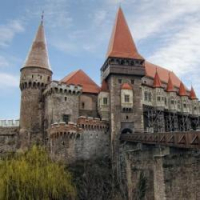
Замки рыцарского ордена Святого Гроба Господня.
Рыцарский орден Святого Гроба Господня (Equestrian Order of the Holy Sepulchre of Jerusalem, Ordo Equestris Sancti Sepulcri Hierosolymitani) — один из древнейших католических орденов рыцарства, основанный около 1099 года после Первого крестового похода. Его традиционно связывают с Готфридом Бульонским (Годфридом де Буйоном), который принял титул «Защитник Гроба Господня» (Advocatus Sancti Sepulchri). Рыцари ордена (Milites Sancti Sepulcri) первоначально отвечали за охрану Храма Гроба Господня в Иерусалиме, защиту паломников и христианских святынь в Святой Земле.
В отличие от тамплиеров или госпитальеров, орден Святого Гроба никогда не был крупным военно-монашеским орденом с собственной мощной сетью крепостей. Его рыцари в основном действовали как почётная стража при Гробе Господнем и королевском дворе Иерусалимского королевства. Они не строили больших самостоятельных замков-крепостей, подобных Крак-де-Шевалье (госпитальеры) или замкам тамплиеров.
Замки и укрепления, связанные с орденом.
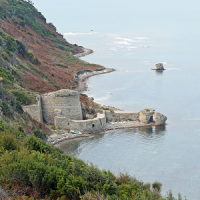
В Святой Земле орден не владел крупными независимыми крепостями. Рыцари использовали существующие укрепления Иерусалима и других городов крестоносцев:
Храм Гроба Господня (Church of the Holy Sepulchre) в Иерусалиме — центральное место ордена. Рыцари несли постоянную вооружённую охрану святыни днём и ночью. Сам храм был укреплён и играл роль духовного и символического «замка» ордена.
Акко (Акра) — после потери Иерусалима в 1187 году (Саладин) и особенно после 1244–1291 годов рыцари ордена отступили в Акру. Они находились в крепости Святого Иоанна (форт госпитальеров), где оставались до падения города в 1291 году. Это был один из последних опорных пунктов крестоносцев.
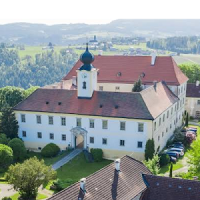
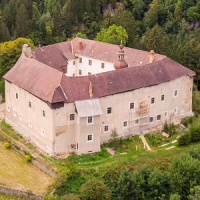
После потери Святой Земли (1291) орден сохранился в Европе через приории (монастырские общины каноников Святого Гроба), которые иногда имели укрепления, но не были военными замками в полном смысле:
Мехув (Miechów) в Польше — важнейший центр ордена в Центральной Европе, фактически его «штаб-квартира» в поздний период. Здесь находился крупный монастырский комплекс каноников Святого Гроба.
Приории в Германии (например, Denkendorf), Нидерландах (Klooster Hoogcruts) и других регионах Европы. Эти комплексы были преимущественно монастырскими, иногда с элементами укреплений для защиты от набегов, но не полноценными рыцарскими замками.
В Испании во время Реконкисты орден имел некоторое военное присутствие, но там преобладали местные ордена (Калатрава, Сантьяго и др.), а дома ордена Святого Гроба чаще следовали монастырскому, а не крепостному типу.
Современное положение ордена.
Сегодня это папский рыцарский орден под прямым покровительством Святого Престола (Великий Магистр — кардинал, назначаемый Папой). Орден насчитывает около 30 000 рыцарей и дам в почти 60 лейтенанствах по всему миру. Его главная миссия — поддержка христианского присутствия в Святой Земле, помощь Латинскому Патриархату Иерусалима, благотворительность и паломничества. Военная функция полностью исчезла; это духовно-рыцарский и благотворительный орден.
Штаб-квартира находится в Риме:
Дворец Доменико делла Ровере (официальные приёмные залы ордена).
Церковь и монастырь Сант-Онофрио на холме Яникул (юридическая штаб-квартира с 1948 года).
Вывод: у ордена Святого Гроба Господня почти нет «своих» классических рыцарских замков. Его сила была в духовном и символическом значении — охране главной святыни христианства, а не в строительстве обширной сети крепостей. После падения крестоносных государств орден перешёл к европейским приориям и современной благотворительной деятельности.